
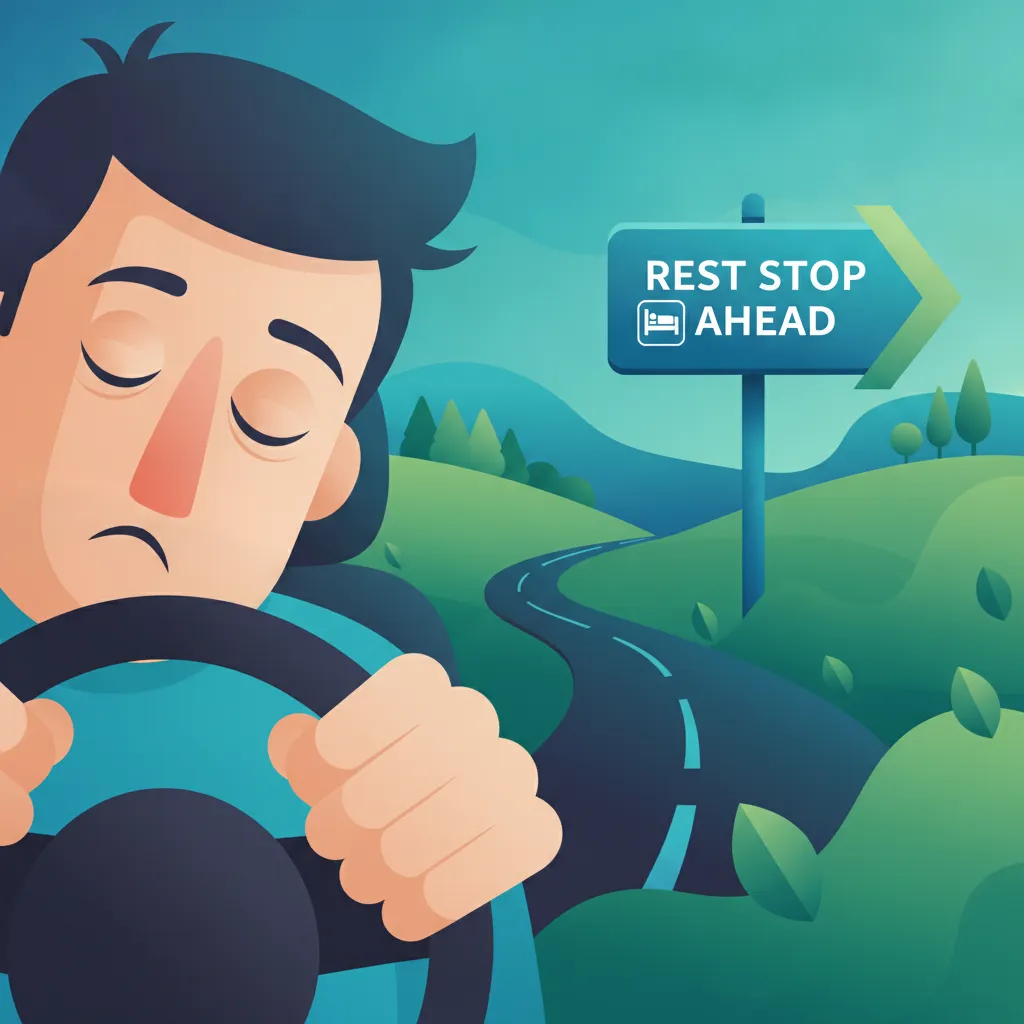
This lesson focuses on the critical skill of recognizing and managing driver fatigue for Category D bus and coach drivers in Austria. You will learn to identify early warning signs of tiredness and understand how strict adherence to rest periods is vital for passenger safety and professional compliance. This knowledge is essential for both your theory exam and your long-term career as a professional driver.
Lesson content overview
Fatigue is a significant and often underestimated hazard on the road, particularly for professional drivers operating passenger vehicles like buses and coaches. For drivers holding an Austrian Bus & Coach Licence (Category D), the responsibility for passenger safety is paramount. Understanding, recognizing, and effectively managing driver fatigue is not only a matter of personal well-being but also a critical component of professional duty of care and legal compliance.
This comprehensive lesson, part of your Austrian Driving Theory Course for Bus & Coach Licence (Category D), will delve into the physiological and psychological aspects of fatigue, equip you with strategies to identify its subtle signs, and provide a thorough understanding of the legal frameworks governing driving and rest times. By mastering these principles, you will be better prepared to make informed decisions that prioritize safety above all else.
Driver fatigue represents a progressive decline in mental and physical performance due to insufficient rest, prolonged wakefulness, or continuous task demand. It is distinct from simple tiredness and significantly impairs a driver's ability to operate a vehicle safely. For bus and coach drivers, the consequences of fatigue extend beyond personal risk, directly endangering the lives of numerous passengers and other road users.
Fatigue contributes to a substantial percentage of serious traffic accidents. Its effects are insidious, often making drivers underestimate their impairment until it is too late. The demanding nature of professional driving, including long hours, varied shifts, and external pressures, makes bus and coach operators particularly susceptible to the dangers of fatigue.
Fatigue is a complex physiological state influenced by various factors, including the body's natural circadian rhythms, sleep debt, and mental workload. It manifests as a reduction in alertness and efficiency. We can broadly categorize fatigue into two types:
Short-term tiredness that occurs after a specific period of wakefulness or intense activity. It is typically relieved by a single night's sleep.
Persistent exhaustion resulting from insufficient sleep over multiple days or weeks. This cumulative sleep debt is much harder to recover from and significantly elevates accident risk.
Practically, drivers experiencing fatigue may notice their eyelids feeling heavy, experiencing frequent yawning, or having difficulty keeping their eyes focused. The body's natural sleep cycle, or circadian rhythm, plays a crucial role; alertness naturally dips during the late night and early morning hours, and also, to a lesser extent, in the mid-afternoon. Driving during these periods significantly increases the risk of fatigue-related impairment, regardless of how much sleep you've had.
A common misunderstanding is that stimulants like caffeine or energy drinks can fully counteract fatigue. While they may provide a temporary boost, they only mask the underlying physiological need for sleep and do not restore true alertness or cognitive function.
Beyond the purely physiological sensations, fatigue also manifests through observable psychological and behavioural changes. These indicators serve as crucial early warning signs that a driver's mental alertness is compromised. Recognizing these signs in oneself is the first step towards preventing an accident.
Common psychological and behavioural indicators include:
As a professional bus or coach driver, recognizing these indicators is paramount. Your vigilance ensures the safety of everyone on board. If you experience any of these signs, it's a clear signal that your driving performance is deteriorating and immediate action is required.
One of the most insidious and dangerous manifestations of severe fatigue is the phenomenon of microsleeps. These brief, involuntary episodes of sleep can occur without any conscious awareness from the driver and pose an extreme risk, especially when operating a heavy passenger vehicle.
A very brief, involuntary episode of sleep lasting typically between 1 and 10 seconds, during which a person is unaware of their surroundings.
During a microsleep, the brain temporarily "shuts down," leading to a complete loss of control over the vehicle. Even a few seconds of inattention can be catastrophic when travelling at speed. In that short time, a bus or coach can travel hundreds of meters, potentially veering off the road, crossing into oncoming traffic, or colliding with other vehicles or obstacles. Many drivers experiencing microsleeps later deny having fallen asleep, highlighting the unaware nature of these episodes. They might describe it as "zoning out" or a momentary lapse of attention.
The danger of microsleeps cannot be overstated. They are an undeniable sign of severe fatigue that has progressed beyond the early warning stages. Prevention through proactive fatigue management and immediate reactive strategies is the only effective defense against these critical safety risks. There are no legal provisions that can retroactively address an incident caused by a microsleep; the focus must always be on preventing them from occurring.
For professional drivers operating commercial passenger vehicles, adherence to strict legal regulations regarding driving and rest times is not merely good practice—it is mandatory. These laws, primarily governed by EU Regulation EC No 561/2006 and adapted into Austrian national law, are designed to prevent driver fatigue, protect passenger safety, and ensure fair competition within the transport industry. Violating these regulations can lead to severe penalties, including fines, licence points, and even suspension of a driver's licence.
As a Category D driver in Austria, you must be thoroughly familiar with these regulations. Your employer is also legally obliged to ensure compliance, and sophisticated digital tachographs are used to record and verify all driving and rest periods.
The most fundamental rule governs continuous driving periods and mandatory breaks. This regulation is crucial for preventing acute fatigue from prolonged operation.
The Rule:
This 45-minute break can be split into two parts within the 4.5-hour driving period: a first break of at least 15 minutes, followed by a second break of at least 30 minutes. However, the 30-minute break must always be taken after the 15-minute break. It is often simpler and safer to take the full 45-minute break at once. During this break, the driver must not engage in any other work-related activities; the purpose is genuine rest and recovery. Short coffee stops or administrative tasks do not count towards the mandatory rest period.
Beyond continuous driving, regulations also impose limits on the total driving time allowed within a daily and weekly period to prevent cumulative, chronic fatigue.
Daily Driving Limits:
These limits ensure that drivers get adequate rest within a 24-hour cycle before resuming duty. The 24-hour period starts from the moment the driver begins their shift.
Weekly Driving Limits:
These weekly limits are designed to prevent the accumulation of chronic fatigue over longer periods. They require careful planning, especially for operators on long-distance or international routes. Drivers must ensure they have sufficient rest days between shifts to comply with these overarching limits.
Equally important as driving limits are the rules for minimum rest periods. These ensure that drivers have sufficient time away from work to fully recover their physical and mental capacities.
Daily Rest Periods:
Weekly Rest Periods:
These regulations are complex but are fundamental to managing driver fatigue. Professional drivers are expected to manage their schedules, use their tachograph data, and communicate with their employers to ensure continuous compliance.
Effective fatigue management begins long before the wheels start turning. Proactive strategies are about preventing fatigue from becoming a hazard in the first place, rather than reacting to it when it is already affecting your driving performance. For bus and coach drivers, this involves careful personal preparation and meticulous journey planning.
The cornerstone of fatigue prevention is adequate rest. The body's need for sleep is non-negotiable, and failing to meet this need creates a sleep debt that significantly impairs performance.
Prioritize Sleep: Ensure you consistently get 7-9 hours of quality sleep before a long shift. Irregular sleep patterns, often associated with shift work, can disrupt natural circadian rhythms, making you more vulnerable to fatigue.
Avoid Alcohol and Sedatives: Alcohol, even in small quantities, can disrupt sleep quality and intensify fatigue. Medications that cause drowsiness should also be avoided before driving.
Understand Personal Fatigue Patterns: Pay attention to when you naturally feel most alert and most tired. Schedule your driving tasks, where possible, to align with your periods of peak alertness.
Maintain a Healthy Lifestyle: Regular exercise and a balanced diet contribute to overall physical and mental well-being, enhancing your resilience to fatigue. Avoid heavy, greasy meals before or during a drive, as these can induce post-meal drowsiness.
Check Your Vehicle: A comfortable and well-maintained vehicle can reduce strain. Ensure your seat is adjusted correctly, mirrors are set, and the cabin environment is conducive to alertness.
Even with the best pre-drive preparation, prolonged driving can still lead to fatigue. Implementing strategies during your journey can help maintain alertness and mitigate the onset of severe tiredness.
Take Regular Short Breaks: In addition to mandatory breaks, consider taking shorter, voluntary breaks every 2-3 hours. A 10-15 minute stop to stretch, walk around, or get fresh air can significantly refresh your mind and body.
Manage Cabin Environment: Keep the cabin well-ventilated and cool. Stuffy or excessively warm environments can induce drowsiness. Adjusting the radio or engaging in light conversation with another driver (if available and not distracting) can help maintain mental engagement.
Stay Hydrated: Drink plenty of water. Dehydration can lead to fatigue and reduced concentration.
Avoid Heavy Meals: Opt for lighter, easily digestible snacks or meals during breaks. Heavy meals can cause a "food coma" or post-lunch dip in energy.
Adjust Driving Style: Maintain a smooth, defensive driving style. Aggressive or rushed driving increases mental workload and stress, accelerating fatigue.
Despite diligent planning and proactive measures, fatigue can still set in during a long journey. Recognizing the early warning signs and implementing immediate reactive strategies is crucial to preventing dangerous situations and safeguarding passenger lives. Never attempt to "push through" severe drowsiness; it is a dangerous and irresponsible act for a professional driver.
The moment you start experiencing any psychological or physiological indicators of fatigue, such as frequent yawning, heavy eyelids, or difficulty concentrating, you must acknowledge them as a serious threat. Your professional duty of care requires you to take immediate and decisive action.
Pull Over Safely: The most important step. Find the nearest safe place to stop your vehicle—a designated rest area, service station, or a safe lay-by. Avoid stopping on the hard shoulder of a motorway unless it's an emergency.
Rest or Nap: The only truly effective remedy for fatigue is sleep. Even a short nap can significantly restore alertness temporarily. A 15-20 minute power nap can be highly beneficial. Set an alarm to ensure you don't oversleep and wake up feeling groggy.
Switch Drivers (If Possible): If you are part of a two-driver team, switch drivers immediately. Ensure the relief driver is fully rested and alert.
Use Caffeine Judiciously (Temporary Aid Only): Caffeine can offer a temporary boost in alertness, but it is not a substitute for sleep. Use it as a temporary measure to get you to a safe stopping point for a nap or proper rest. Be aware that caffeine takes time to take effect and can lead to a "crash" when it wears off.
Get Out and Stretch: If a nap isn't feasible or you need to shake off light drowsiness, get out of the vehicle, walk around, stretch, and get some fresh air. This can improve circulation and temporarily boost alertness.
Never try to fight sleep at the wheel. The human body's need for sleep is powerful, and ignoring it is an invitation to disaster. Your priority must always be safety, even if it means altering your schedule or informing your dispatcher of a delay.
Professional driving often involves adherence to strict schedules, which can unfortunately create pressure to bypass safety protocols. Furthermore, various external factors can exacerbate fatigue, demanding even greater vigilance and adaptive strategies from bus and coach drivers.
Timetable pressure is a significant challenge for professional drivers. The demand to adhere strictly to schedules can lead to psychological stress, which, combined with the physical demands of driving, accelerates fatigue. Drivers might feel tempted to:
These actions are not only illegal but also extremely dangerous. As a professional Category D driver, you must always prioritize safety and legal compliance over punctuality.
Communicate Delays: Immediately inform your dispatcher or company management about any significant delays that might impact your ability to adhere to driving and rest regulations.
Prioritize Mandatory Breaks: Never compromise on your mandatory rest periods. These are non-negotiable for your safety and the safety of your passengers.
Utilize Buffer Times: Well-planned schedules should incorporate buffer times for unforeseen delays (traffic, passenger issues). If these buffers are not sufficient, communicate the issue.
Document Compliance: Maintain accurate logbooks or digital tachograph records of your driving and rest times. This protects you legally and provides data for better schedule planning.
External environmental and operational factors can significantly influence the onset and severity of driver fatigue. Adapting your driving strategy and break scheduling to these variations is essential for maintaining alertness.
The failure to recognize and manage driver fatigue carries profound consequences, impacting not only the driver but also passengers, other road users, and the operating company. These consequences range from severe safety incidents to significant legal and financial penalties.
For drivers holding a Bus & Coach Licence (Category D), the core responsibility is the "duty of care" towards passengers. This legal and ethical obligation means ensuring the safety, comfort, and well-being of everyone on board. Driver fatigue directly undermines this duty of care, transforming the vehicle into a potential hazard.
Managing fatigue is therefore not merely a compliance task; it is a fundamental aspect of professional identity and an unwavering commitment to safety. Every decision made regarding rest and driving hours is a direct reflection of a driver's professionalism and adherence to their duty of care.
Driver fatigue is a silent killer on the roads, posing a particularly grave threat when operating a bus or coach. As a professional driver with an Austrian Bus & Coach Licence (Category D), your ability to recognize, prevent, and react to fatigue is a cornerstone of your responsibility towards your passengers and the public.
By diligently applying the principles outlined in this lesson, you will be equipped to mitigate this critical risk:
Mastering fatigue management is an ongoing process of self-awareness, discipline, and professional commitment. By upholding these standards, you not only protect yourself but, more importantly, ensure the safe and reliable transport of your passengers, upholding the highest standards expected of an Austrian Bus & Coach professional.
Driver fatigue is a critical safety hazard for Austrian Category D drivers that progressively impairs all driving abilities. The lesson covers the physiological distinction between acute fatigue (short-term, single sleep recovery) and chronic fatigue (cumulative sleep debt requiring extended recovery). Drivers must memorize and strictly adhere to EU and Austrian legal requirements: no more than 4.5 hours continuous driving, mandatory 45-minute breaks, 9-10 hours daily driving limits, and 11-hour minimum daily rest periods. Effective management combines proactive strategies like adequate pre-drive sleep, healthy lifestyle choices, and regular voluntary breaks with reactive protocols such as immediately pulling over and taking a 15-20 minute power nap at the first sign of drowsiness. The duty of care to passengers always supersedes timetable pressure, and professional drivers must document all compliance using digital tachographs.
A short set of high-value points that capture the most important learning from this lesson.
Fatigue is a progressive, insidious hazard that impairs reaction time, judgment, and attention far more than drivers realize
Microsleeps lasting just 1-10 seconds can cause catastrophic accidents at motorway speeds without the driver being aware
EU Regulation EC No 561/2006 mandates that Category D drivers take a 45-minute break after a maximum of 4.5 hours continuous driving
The only effective cure for driver fatigue is sleep; stimulants only temporarily mask the underlying physiological need
Professional drivers must never prioritize timetable pressure over legally mandated rest periods and passenger safety
Explore all units and lessons included in this driving theory course.
Maximum continuous driving: 4.5 hours, followed by at least 45 minutes uninterrupted rest (can be split into 15 + 30 minutes)
Daily driving limit: 9 hours normally, extendable to 10 hours up to twice per week; weekly limit: 56 hours (90 hours in two weeks)
Minimum daily rest: 11 consecutive hours, reducible to 9 hours up to three times between weekly rests
Early warning signs include frequent yawning, difficulty concentrating, wandering thoughts, lane drifting, and heavy eyelids
Adverse conditions (night driving, monotonous motorways, heavy weather) significantly increase fatigue risk and require adapted break scheduling
Believing caffeine or energy drinks can fully counteract fatigue rather than just temporarily masking it
Confusing split break requirements: the 30-minute portion must always come after the 15-minute portion
Dismissing drowsiness or assuming familiarity with the route makes them immune to fatigue impairment
Taking short coffee stops or doing administrative work during mandatory breaks instead of resting
Allowing timetable pressure to justify skipping or shortening mandatory rest periods
Lesson content overview
A short set of high-value points that capture the most important learning from this lesson.
Fatigue is a progressive, insidious hazard that impairs reaction time, judgment, and attention far more than drivers realize
Microsleeps lasting just 1-10 seconds can cause catastrophic accidents at motorway speeds without the driver being aware
EU Regulation EC No 561/2006 mandates that Category D drivers take a 45-minute break after a maximum of 4.5 hours continuous driving
The only effective cure for driver fatigue is sleep; stimulants only temporarily mask the underlying physiological need
Professional drivers must never prioritize timetable pressure over legally mandated rest periods and passenger safety
Explore all units and lessons included in this driving theory course.
Maximum continuous driving: 4.5 hours, followed by at least 45 minutes uninterrupted rest (can be split into 15 + 30 minutes)
Daily driving limit: 9 hours normally, extendable to 10 hours up to twice per week; weekly limit: 56 hours (90 hours in two weeks)
Minimum daily rest: 11 consecutive hours, reducible to 9 hours up to three times between weekly rests
Early warning signs include frequent yawning, difficulty concentrating, wandering thoughts, lane drifting, and heavy eyelids
Adverse conditions (night driving, monotonous motorways, heavy weather) significantly increase fatigue risk and require adapted break scheduling
Believing caffeine or energy drinks can fully counteract fatigue rather than just temporarily masking it
Confusing split break requirements: the 30-minute portion must always come after the 15-minute portion
Dismissing drowsiness or assuming familiarity with the route makes them immune to fatigue impairment
Taking short coffee stops or doing administrative work during mandatory breaks instead of resting
Allowing timetable pressure to justify skipping or shortening mandatory rest periods
Explore search topics learners often look for when studying Recognizing and Managing Driver Fatigue. These topics reflect common questions about road rules, driving situations, safety guidance, and lesson level theory preparation for learners in Austria.
Browse additional driving theory lessons that cover connected traffic rules, road signs, and common driving situations related to this topic. Improve your understanding of how different rules interact across everyday traffic scenarios.
Understand the legal framework in Austria for professional Category D drivers concerning driving limits, mandatory breaks, and daily/weekly rest periods. Essential knowledge for compliance and passenger safety.

This lesson delves into the specific Austrian laws and regulations that professional passenger drivers must adhere to. It provides an overview of rules concerning driving and rest times, the use of the digital tachograph, and the essential documents that must be carried at all times. Understanding these legal obligations is crucial for compliance and avoiding penalties during roadside checks.

This lesson highlights the serious risks of driving while fatigued. It teaches drivers to recognize the physical and mental symptoms of fatigue and explains the legal regulations regarding driving hours and mandatory rest breaks. The lesson also offers practical strategies for managing alertness and ensuring fitness to drive.

Long-distance coach operation involves more than just driving; it requires careful planning and passenger management. This lesson covers the importance of scheduling mandatory rest stops, planning routes, and ensuring passenger comfort over extended periods. It reinforces the critical need for strict adherence to driving hours regulations to manage fatigue on multi-day trips.

This lesson provides a clear breakdown of the different Category D licences in Austria. It explains the specific rights and limitations associated with each, including the maximum number of passengers for D1 (minibus) and D (bus/coach). Furthermore, it details the rules for combination vehicles, covering trailers (D1E, DE) and their specific operational requirements.

This lesson defines the role of a professional driver beyond simply operating a vehicle. It covers the expectations of public trust, professional image, and the responsibilities inherent in transporting people. Key topics include ethical conduct, communication with the public, and understanding your position as a representative of a transport service within the Austrian legal framework.

Pressure to stay on schedule is a daily reality, but it must never lead to unsafe driving. This lesson provides mental strategies for staying calm and focused when running late. It emphasizes that the driver's professional judgement to operate safely always overrides the timetable and covers the importance of communicating delays according to company procedure.

Austria's mountainous terrain means drivers will frequently encounter long tunnels. This lesson details the specific regulations, such as turning on lights and maintaining distance, as well as how to react to tunnel-specific warning signs and signals. Crucially, it covers the correct emergency procedures to follow in the event of a fire, accident, or breakdown inside a tunnel.

Rural Austrian roads present unique challenges, including lack of markings, tight spaces, and slow-moving agricultural vehicles. This lesson teaches how to read the road ahead, anticipate hazards around blind bends, and use passing places effectively when meeting other large vehicles. It emphasizes adjusting speed to suit the limited visibility and variable road conditions.
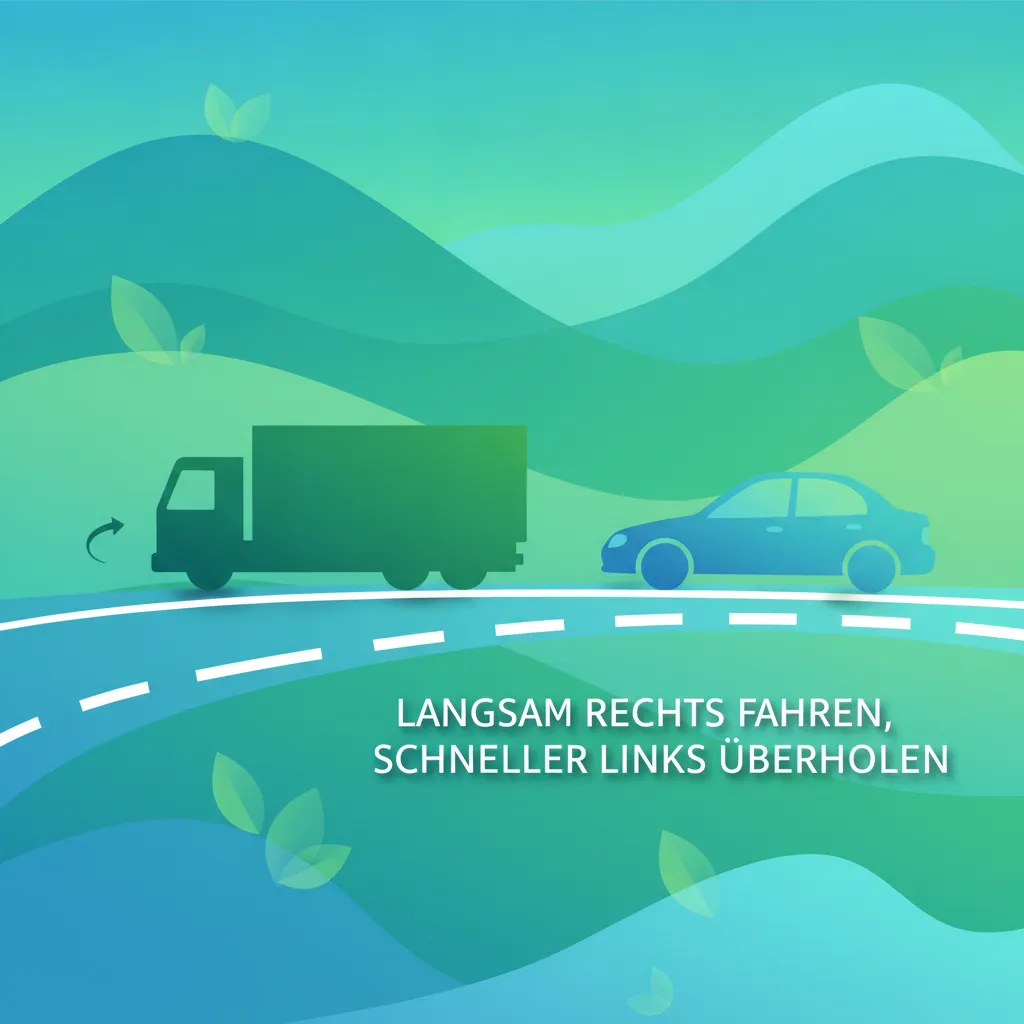
High-speed driving in a large vehicle requires excellent lane discipline and forward planning. This lesson covers Austrian speed limits for buses, rules for joining and leaving the motorway, safe overtaking procedures, and maintaining appropriate following distances. The critical importance of forming an emergency corridor ('Rettungsgasse') in traffic jams is also a key topic.

Transporting children carries the highest level of responsibility. This lesson covers the specific Austrian rules for school buses, including the use of warning signs and lights. It focuses on developing a mindset of extreme caution, anticipating that children may run into the road unexpectedly, and managing the chaotic traffic environment often found around schools during drop-off and pick-up times.
Learn to identify the signs of driver fatigue, understand the risks of microsleeps, and explore proactive strategies for staying alert on the road. Essential theory for professional bus and coach drivers in Austria.
This lesson highlights the serious risks of driving while fatigued. It teaches drivers to recognize the physical and mental symptoms of fatigue and explains the legal regulations regarding driving hours and mandatory rest breaks. The lesson also offers practical strategies for managing alertness and ensuring fitness to drive.
Long-distance coach operation involves more than just driving; it requires careful planning and passenger management. This lesson covers the importance of scheduling mandatory rest stops, planning routes, and ensuring passenger comfort over extended periods. It reinforces the critical need for strict adherence to driving hours regulations to manage fatigue on multi-day trips.
Pressure to stay on schedule is a daily reality, but it must never lead to unsafe driving. This lesson provides mental strategies for staying calm and focused when running late. It emphasizes that the driver's professional judgement to operate safely always overrides the timetable and covers the importance of communicating delays according to company procedure.

Carrying standing passengers significantly increases a driver's responsibility for smooth control. This lesson details the specific adjustments required, such as reducing speed before turns to minimize sideways forces and increasing following distances to avoid sudden braking. It emphasizes the importance of awareness and observation of passengers' stability before accelerating from a stop.
Find clear answers to common questions learners have about Recognizing and Managing Driver Fatigue. Learn how the lesson is structured, which driving theory objectives it supports, and how it fits into the overall learning path of units and curriculum progression in Austria. These explanations help you understand key concepts, lesson flow, and exam focused study goals.
As a bus or coach driver, you are responsible for the lives of many passengers. Fatigue severely impairs your reaction time and decision-making, increasing the risk of accidents, which is why the theory exam tests your knowledge of human factors and legal rest periods extensively.
The only effective and safe way to combat fatigue is to get adequate sleep. While stimulants like coffee or fresh air might provide a temporary illusion of alertness, they do not cure fatigue, and you must plan your work shifts to ensure sufficient rest before getting behind the wheel.
Yes, micro-sleeps are brief, involuntary moments of sleep that can last a few seconds, often occurring without the driver realizing. The exam focuses on your ability to recognize the precursors to this, such as heavy eyelids or difficulty concentrating, so you can stop before a dangerous lapse occurs.
While separate, your ability to remain alert and focused—free from fatigue—is what allows you to react correctly during emergencies, such as creating a Rettungsgasse or evacuating passengers safely. Fatigue management is the foundation that enables you to perform all other safety-critical tasks.
Refine your study plan by searching for specific Austrian driving theory practice sets. Pinpoint questions related to particular road rules, signs, or challenge levels, and begin practicing immediately to reinforce your knowledge and excel in your official exam with confidence. Get started with focused revision today.