
This lesson guides you through the complexities of operating long-distance coaches within Austria, focusing on legal compliance and passenger well-being. It builds on your foundation of general vehicle safety by introducing critical planning strategies for multi-day services and extended road trips. Mastery of these concepts is essential for both your professional Category D theory examination and your real-world readiness.

Lesson content overview
Operating a long-distance coach in Austria requires a profound understanding of more than just driving mechanics. It demands meticulous planning, stringent adherence to regulations, and an unwavering commitment to passenger welfare over extended periods. This comprehensive lesson, part of your Austrian Driving Theory Course for Bus & Coach Licence (Category D), delves into the critical considerations for ensuring safe, comfortable, and compliant long-haul travel.
Long-distance coach journeys present distinct challenges compared to local or urban routes. They involve extended travel times, often across diverse terrains including motorways and potentially challenging alpine regions, and cater to passengers who will be onboard for many hours or even multiple days. The professional driver's role expands beyond operating the vehicle to include comprehensive management of the journey's logistics and the continuous well-being of all passengers.
The primary safety rationale behind the regulations and best practices discussed here is to mitigate driver fatigue and ensure the highest standards of passenger safety and comfort. This aligns directly with legal obligations under Austrian traffic law and the broader European Union regulations governing commercial passenger transport.
Several foundational principles underpin successful and safe long-distance coach operations. Mastering these is essential for any Category D licence holder.
The duty of care is paramount in passenger transport. It extends beyond preventing accidents to actively ensuring a pleasant and healthy environment for everyone onboard. This includes monitoring passenger conditions, addressing comfort issues promptly, and being prepared to manage any incidents that may arise. Fulfilling this duty protects vulnerable occupants, reduces liability, and enhances the professional reputation of transport services.
Legal limits on driving hours are a cornerstone of road safety for professional drivers. These regulations are designed to prevent driver fatigue, which can significantly impair judgment, slow reaction times, and increase the risk of accidents. For Category D drivers, strict adherence to daily, weekly, and continuous driving limits is non-negotiable and requires careful scheduling of driving periods, breaks, and mandatory rest stops.
Mandatory rest stops are crucial for driver and passenger well-being. These stops, typically required after a set number of continuous driving hours, allow drivers to recover physically and mentally. For passengers, these breaks offer opportunities for stretching, meals, and personal needs, reducing fatigue and improving their overall travel experience. Integrating these stops into the overall timetable is a key planning consideration.
Effective route planning for long-distance journeys is a strategic process. It involves selecting the most suitable roads, identifying appropriate rest points, and accurately estimating travel times while adhering to all regulations. Considerations include geography, road types (motorways, alpine roads), anticipated traffic patterns, and seasonal conditions. Proper planning enhances efficiency, ensures compliance with rest regulations, and mitigates risks associated with challenging road conditions, such as those found on alpine routes.
Maintaining passenger comfort is vital for long-haul journeys. This involves proactive management of the cabin environment, including consistent climate control, appropriate ventilation, and ensuring the availability of clean restroom facilities. A comfortable environment reduces passenger fatigue, prevents potential health issues, and significantly improves the overall travel experience, contributing to a calm and safe atmosphere onboard.
For journeys spanning multiple days, management complexities increase. This involves meticulous coordination of driver shifts, ensuring each driver receives adequate rest, and planning for overnight accommodations for both drivers and passengers. Regular vehicle maintenance checks between days are also crucial to maintain reliability and uphold passenger safety over the entire duration of the trip. Contingency planning for unforeseen delays is also an integral part of multi-day trip management.
Understanding the specific legal and practical aspects of these core principles is essential for Category D drivers.
Austria, like other EU member states, adheres to strict regulations regarding driving hours and rest periods for professional drivers, primarily outlined in the Tachograph Regulation (EC) No 561/2006 and national laws like the Kraftfahrgesetz (KFG) and the Fahrpersonalgesetz (FPersG). These rules are designed to combat driver fatigue, which is a major contributing factor to accidents.
A driver must not drive for more than 4.5 hours without taking a break. After this period, a continuous break of at least 45 minutes is mandatory. This 45-minute break can be split into two parts: an initial break of at least 15 minutes, followed by another break of at least 30 minutes, always taken after the 4.5-hour driving period. The second part must follow the first, never preceding it.
The maximum daily driving time is 9 hours, which can be extended to 10 hours twice per week. Following a daily driving period, a driver must take a regular daily rest period of at least 11 consecutive hours. This can be reduced to a minimum of 9 hours, but not more than three times between any two weekly rest periods. Alternatively, the daily rest can be split into two periods: the first being at least 3 consecutive hours, and the second being at least 9 consecutive hours. In this case, the total rest must be at least 12 hours.
The total driving time over any two consecutive weeks must not exceed 90 hours. Drivers must also take a regular weekly rest period of at least 45 consecutive hours. This can be reduced to a minimum of 24 consecutive hours (a "reduced weekly rest"), but any reduction must be compensated by an equivalent rest period taken in a block before the end of the third week following the week in question. This compensatory rest must be attached to another rest period of at least 9 hours.
Important Note: The precise time limits for continuous driving, break durations, and weekly rest periods are subject to legal verification. Always consult the latest Austrian Category D regulations (e.g., RVV 1990) to ensure full compliance.
Strategic route planning is vital for long-distance coach operations, influencing safety, efficiency, and passenger experience.
When planning, consider the types of roads:
Coaches must avoid alpine roads with gradients over 7% or numerous hairpin bends in winter unless explicitly equipped with appropriate winter tires (e.g., M+S tires, snow chains) and the driver possesses sufficient experience for such conditions. Always check for current road closures or restrictions before commencing a journey through mountainous terrain.
Weather conditions can drastically impact journey times and safety. Integrate real-time weather forecasts into your planning. Heavy snowfall, ice, fog, or strong winds can necessitate route changes, additional rest stops, or even postponing travel. For example, a route bypassing a steep alpine pass might be chosen in winter to avoid hazardous conditions.
Rest stops must not only fulfill legal requirements but also cater to passenger needs. Look for:
Long hours on the road can be tiring for passengers. Proactive comfort management significantly improves their experience and reduces potential issues.
Maintaining a comfortable cabin temperature is essential.
Multi-day trips demand a heightened level of planning and coordination to ensure smooth operations and regulatory compliance.
For journeys extending beyond a single day, especially those requiring more than one driver:
When managing driver changeovers, it's not enough for the incoming driver to be physically present; they must have logged their mandatory rest period before legally taking control of the vehicle.
To operate safely and legally, Category D drivers must be intimately familiar with the following regulations specific to Austrian long-distance coach operations.
A Category D driver generally may not exceed 4.5 hours of continuous driving without a break. After this period, a minimum break of 45 minutes is required. For daily driving, the maximum is 9 hours, extendable to 10 hours twice a week.
After a maximum of 4.5 hours of continuous driving, a driver must take a rest break of at least 45 minutes. This can be split into a 15-minute break followed by a 30-minute break within the 4.5-hour driving period, with the 30-minute break always being the second part.
A driver must observe a regular weekly rest period of at least 45 consecutive hours. Alternatively, a reduced weekly rest period of at least 24 consecutive hours can be taken, but it must be compensated by an equivalent rest taken by the end of the third week following the reduction.
During multi-driver operations, each driver must have completed their legally required daily or weekly rest period prior to taking over the vehicle. This is critical for maintaining safety standards and is strictly monitored via tachograph data.
Austrian regulations, aligned with EU standards, require coaches to be equipped with functional climate control systems, clean and accessible restroom facilities (if advertised or provided), and seat belts for all passengers. The driver is responsible for ensuring these systems are operational and for addressing any issues that arise.
Specific rules apply to heavy vehicles, including coaches, on certain alpine roads. These may include restrictions on gradients, vehicle dimensions, or mandatory equipment (e.g., snow chains) during winter months. Drivers must comply with posted road signs and official warnings. For example, roads with gradients exceeding 7% may have restricted access or require special equipment in adverse conditions.
Long-distance coach operations are complex, and certain violations or oversights are unfortunately common. Awareness and preparation are key to avoiding them.
Driving a coach over long distances involves dynamic conditions. Adapting your approach based on specific contexts is crucial for safety.
Successful long-distance coach operations are a testament to professional skill, meticulous planning, and unwavering commitment to safety. As a Category D licence holder in Austria, your responsibilities include:
By integrating these principles and practices, you contribute to a safe, reliable, and comfortable travel experience for all passengers, upholding the highest standards of professional bus and coach driving in Austria.
This lesson covers the essential regulatory and practical framework for operating long-distance coaches in Austria under Category D. Key regulations include a maximum continuous driving time of 4.5 hours requiring a 45-minute break (or 15+30 minute split), daily driving limits of 9 hours (extendable to 10 hours twice weekly), and weekly rest requirements of at least 45 hours. Alpine road restrictions apply to gradients exceeding 7%, requiring appropriate winter equipment in adverse conditions. Successful operations depend on meticulous route planning, proactive passenger comfort management through climate control (20-24°C), and strict tachograph documentation during multi-driver changeovers.
A short set of high-value points that capture the most important learning from this lesson.
Category D drivers must not exceed 4.5 hours of continuous driving without a mandatory break of at least 45 minutes, which can be split into 15 and 30 minutes.
Daily driving is capped at 9 hours, extendable to 10 hours no more than twice weekly, with a minimum daily rest of 11 hours (reducible to 9 hours with compensation).
Weekly rest must be at least 45 consecutive hours, reducible to 24 hours with equivalent compensatory rest before the end of the third following week.
Alpine roads with gradients exceeding 7% require appropriate winter equipment (M+S tires, snow chains) and may be restricted during winter conditions.
Multi-day trip management requires coordinating driver shift handovers only after the incoming driver has completed their mandatory rest period, with all hours recorded via tachograph.
Explore all units and lessons included in this driving theory course.
The 45-minute break after 4.5 hours driving can be split: 15 minutes first, followed by 30 minutes second, never the reverse order.
Total driving over two consecutive weeks must not exceed 90 hours.
When parked overnight, coaches must be securely locked and regular vehicle inspections performed before each day's travel.
Passenger cabin temperature should typically be maintained between 20-24°C with functional HVAC systems.
Tachograph records provide irrefutable proof of compliance and must accurately document all driving and rest periods for each driver.
Continuing to drive beyond the 4.5-hour continuous limit without taking the mandatory break, increasing fatigue risk significantly.
Attempting steep alpine routes in winter conditions without proper winter equipment (M+S tires or snow chains) when gradients exceed 7%.
Failing to adjust climate control in extreme temperatures, leading to passenger discomfort, health issues, or complaints.
Swapping drivers during multi-day operations without properly logging rest periods in the tachograph, creating legal liability.
Skipping comprehensive pre-journey vehicle inspections, which dramatically increases breakdown and accident risk on long trips.
Lesson content overview
A short set of high-value points that capture the most important learning from this lesson.
Category D drivers must not exceed 4.5 hours of continuous driving without a mandatory break of at least 45 minutes, which can be split into 15 and 30 minutes.
Daily driving is capped at 9 hours, extendable to 10 hours no more than twice weekly, with a minimum daily rest of 11 hours (reducible to 9 hours with compensation).
Weekly rest must be at least 45 consecutive hours, reducible to 24 hours with equivalent compensatory rest before the end of the third following week.
Alpine roads with gradients exceeding 7% require appropriate winter equipment (M+S tires, snow chains) and may be restricted during winter conditions.
Multi-day trip management requires coordinating driver shift handovers only after the incoming driver has completed their mandatory rest period, with all hours recorded via tachograph.
Explore all units and lessons included in this driving theory course.
The 45-minute break after 4.5 hours driving can be split: 15 minutes first, followed by 30 minutes second, never the reverse order.
Total driving over two consecutive weeks must not exceed 90 hours.
When parked overnight, coaches must be securely locked and regular vehicle inspections performed before each day's travel.
Passenger cabin temperature should typically be maintained between 20-24°C with functional HVAC systems.
Tachograph records provide irrefutable proof of compliance and must accurately document all driving and rest periods for each driver.
Continuing to drive beyond the 4.5-hour continuous limit without taking the mandatory break, increasing fatigue risk significantly.
Attempting steep alpine routes in winter conditions without proper winter equipment (M+S tires or snow chains) when gradients exceed 7%.
Failing to adjust climate control in extreme temperatures, leading to passenger discomfort, health issues, or complaints.
Swapping drivers during multi-day operations without properly logging rest periods in the tachograph, creating legal liability.
Skipping comprehensive pre-journey vehicle inspections, which dramatically increases breakdown and accident risk on long trips.
Explore search topics learners often look for when studying Considerations for Long-Distance Coach Journeys. These topics reflect common questions about road rules, driving situations, safety guidance, and lesson level theory preparation for learners in Austria.
Browse additional driving theory lessons that cover connected traffic rules, road signs, and common driving situations related to this topic. Improve your understanding of how different rules interact across everyday traffic scenarios.
Understand the strict Austrian laws for Category D drivers regarding continuous driving limits, mandatory breaks, and daily/weekly rest periods essential for long-distance coach operations and preventing driver fatigue. This covers legal obligations and compliance.

This lesson delves into the specific Austrian laws and regulations that professional passenger drivers must adhere to. It provides an overview of rules concerning driving and rest times, the use of the digital tachograph, and the essential documents that must be carried at all times. Understanding these legal obligations is crucial for compliance and avoiding penalties during roadside checks.
Fatigue is a major cause of serious accidents. This lesson teaches you to identify the subtle signs of tiredness, such as frequent yawning, slow reactions, and difficulty concentrating. It stresses that the only effective cure for fatigue is sleep and reinforces the importance of planning journeys to include regular, legally-mandated breaks and ensuring adequate rest before a shift.
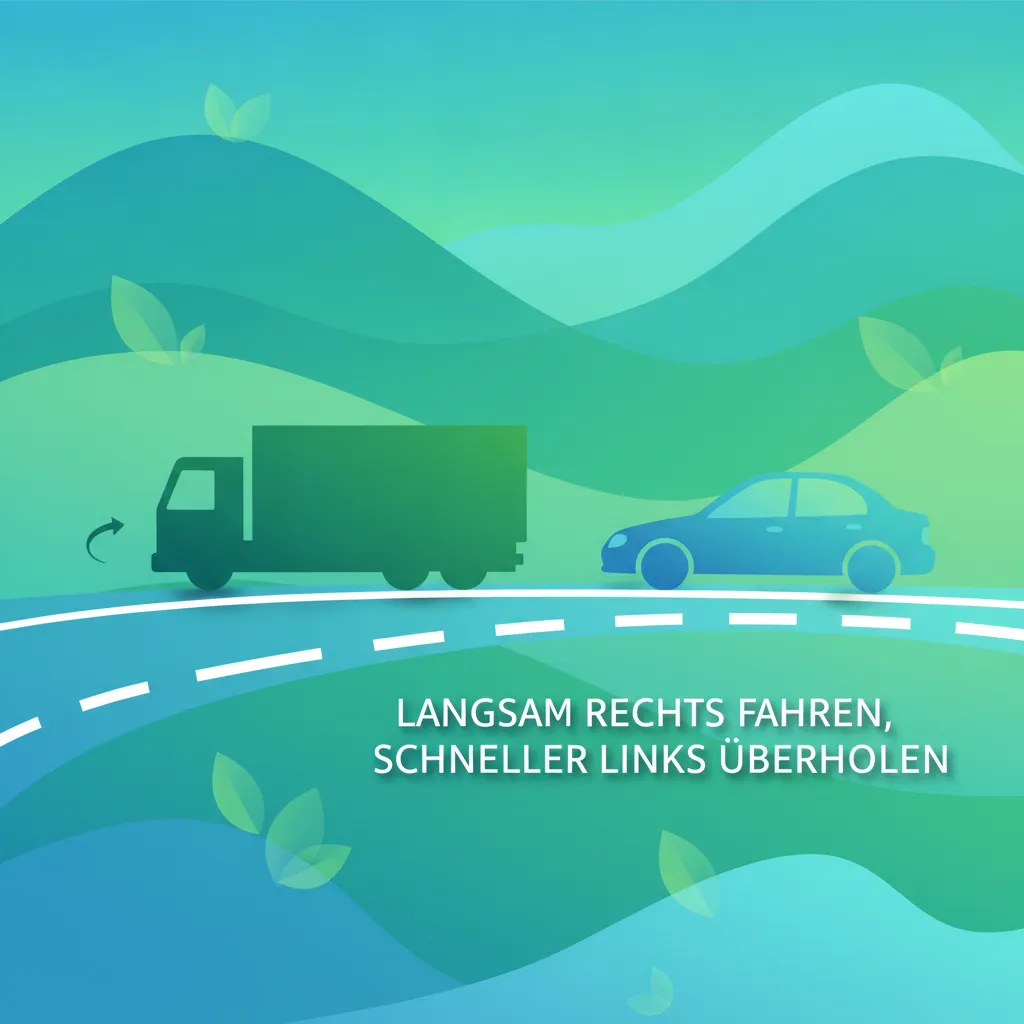
High-speed driving in a large vehicle requires excellent lane discipline and forward planning. This lesson covers Austrian speed limits for buses, rules for joining and leaving the motorway, safe overtaking procedures, and maintaining appropriate following distances. The critical importance of forming an emergency corridor ('Rettungsgasse') in traffic jams is also a key topic.

This lesson highlights the serious risks of driving while fatigued. It teaches drivers to recognize the physical and mental symptoms of fatigue and explains the legal regulations regarding driving hours and mandatory rest breaks. The lesson also offers practical strategies for managing alertness and ensuring fitness to drive.

This lesson provides a clear breakdown of the different Category D licences in Austria. It explains the specific rights and limitations associated with each, including the maximum number of passengers for D1 (minibus) and D (bus/coach). Furthermore, it details the rules for combination vehicles, covering trailers (D1E, DE) and their specific operational requirements.

Rural Austrian roads present unique challenges, including lack of markings, tight spaces, and slow-moving agricultural vehicles. This lesson teaches how to read the road ahead, anticipate hazards around blind bends, and use passing places effectively when meeting other large vehicles. It emphasizes adjusting speed to suit the limited visibility and variable road conditions.

Transporting children carries the highest level of responsibility. This lesson covers the specific Austrian rules for school buses, including the use of warning signs and lights. It focuses on developing a mindset of extreme caution, anticipating that children may run into the road unexpectedly, and managing the chaotic traffic environment often found around schools during drop-off and pick-up times.

This lesson defines the role of a professional driver beyond simply operating a vehicle. It covers the expectations of public trust, professional image, and the responsibilities inherent in transporting people. Key topics include ethical conduct, communication with the public, and understanding your position as a representative of a transport service within the Austrian legal framework.

Austria's mountainous terrain means drivers will frequently encounter long tunnels. This lesson details the specific regulations, such as turning on lights and maintaining distance, as well as how to react to tunnel-specific warning signs and signals. Crucially, it covers the correct emergency procedures to follow in the event of a fire, accident, or breakdown inside a tunnel.

Bus lanes are a key tool for public transport efficiency, but they have specific rules. This lesson explains how to identify Austrian bus lanes through road markings and signs, including their hours of operation. It clarifies the regulations for entering or leaving a lane to make turns and identifies other authorized users, such as taxis or cyclists, where permitted.
Learn essential strategies for planning long coach journeys in Austria, including route selection, managing alpine roads, scheduling rest stops, and ensuring passenger comfort over many hours to provide a safe and pleasant travel experience.
High-speed driving in a large vehicle requires excellent lane discipline and forward planning. This lesson covers Austrian speed limits for buses, rules for joining and leaving the motorway, safe overtaking procedures, and maintaining appropriate following distances. The critical importance of forming an emergency corridor ('Rettungsgasse') in traffic jams is also a key topic.
Rural Austrian roads present unique challenges, including lack of markings, tight spaces, and slow-moving agricultural vehicles. This lesson teaches how to read the road ahead, anticipate hazards around blind bends, and use passing places effectively when meeting other large vehicles. It emphasizes adjusting speed to suit the limited visibility and variable road conditions.

Driving a heavy vehicle in the Alps requires specific skills to manage its energy and momentum. This lesson focuses on using lower gears and auxiliary braking systems (retarder/engine brake) to control speed on long descents and prevent brake overheating. It also covers the correct line and technique for navigating tight hairpin turns safely and efficiently.

Driving a bus in a busy city like Vienna or Salzburg requires constant forward planning and anticipation. This lesson teaches techniques for maintaining adequate space around the vehicle, positioning correctly for upcoming junctions, and reading the flow of traffic. Adopting a defensive mindset is key to navigating complex urban environments without incident.

The driver is responsible for supervising the entire boarding process. This lesson covers techniques for encouraging orderly queues and ensuring passengers use handrails. It also details the driver's role in assisting passengers with mobility aids, prams, or heavy luggage, ensuring they are able to board without rushing and find a seat or safe standing position.

Proactive communication reduces passenger anxiety and builds trust. This lesson covers when and how to provide important journey information using the vehicle's public address system or information displays. It provides guidance on delivering clear, calm, and concise messages regarding the route, upcoming stops, unexpected delays, or diversions, ensuring passengers feel informed and looked after.

The driver sets the tone for the entire journey. This lesson explores how a driver's calm demeanor and smooth driving style create a reassuring atmosphere for passengers. It also covers responsibilities for maintaining a comfortable onboard environment, such as appropriate heating or cooling, and the importance of a clean and well-presented vehicle in promoting passenger confidence and positive behaviour.

This lesson covers the practical aspects of planning a route for a heavy goods vehicle. It explains how to use maps and specialized GPS systems to identify and avoid roads with height, weight, or other restrictions. Proactive route planning is essential for ensuring an efficient, legal, and safe journey.

Properly managed luggage is crucial for safety and passenger flow. This lesson covers procedures for stowing items in underfloor lockers on coaches and managing larger items like prams or winter sports equipment inside the vehicle. It emphasizes the legal requirement to keep gangways and emergency exits clear and provides guidance on assisting passengers with their belongings.

Providing safe and respectful access for all passengers is a legal and professional duty. This lesson details the correct operation of accessibility features like ramps, lifts, and kneeling systems. It covers how to secure wheelchairs and mobility aids, and how to communicate effectively and respectfully with passengers who may require assistance with boarding or alighting.
Find clear answers to common questions learners have about Considerations for Long-Distance Coach Journeys. Learn how the lesson is structured, which driving theory objectives it supports, and how it fits into the overall learning path of units and curriculum progression in Austria. These explanations help you understand key concepts, lesson flow, and exam focused study goals.
Professional planning is key. You must incorporate legal rest breaks into the route itinerary from the start, communicating these clearly to passengers so expectations are managed without compromising safety or regulatory compliance.
Fatigue and timetable pressure are major risks. The Austrian theory exam requires you to know how to recognize early signs of tiredness and the legal necessity of adhering to designated driving and rest time limits to prevent accidents.
Yes. On long-distance trips, passenger comfort, luggage management, and the frequency of breaks become far more critical than in short-distance urban transport. Your role shifts towards ensuring a stable environment for several hours or days.
Refine your study plan by searching for specific Austrian driving theory practice sets. Pinpoint questions related to particular road rules, signs, or challenge levels, and begin practicing immediately to reinforce your knowledge and excel in your official exam with confidence. Get started with focused revision today.