
Understanding the Bilsyn process is a fundamental requirement for all drivers in Denmark. This guide clarifies when your vehicle must undergo inspection, how to track your deadlines through the Motorregistret, and why these safety checks are vital for maintaining road compliance and environmental standards as stipulated by the Færdselsstyrelsen.
Article content overview
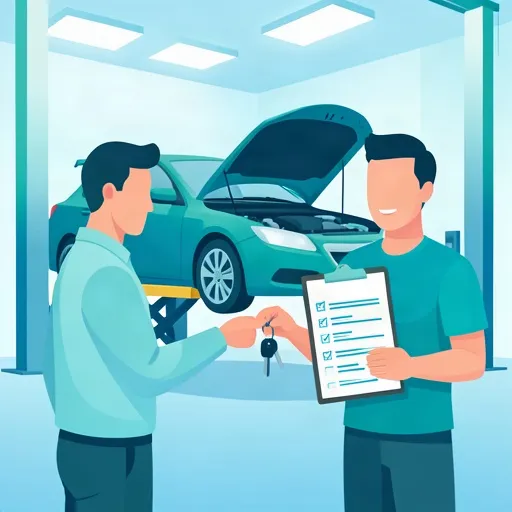
Ensuring your vehicle is roadworthy is a fundamental responsibility for every driver in Denmark. The periodic vehicle inspection, commonly referred to as Bilsyn, is a mandatory control check managed by the Danish Road Traffic Authority (Færdselsstyrelsen). This process ensures that all vehicles on Danish roads meet strictly defined safety and environmental standards, reducing the risk of accidents caused by technical failures.
Understanding the Bilsyn system is a core component of your preparation for the Danish driving theory exam. As a driver, you must recognize that while the authorities may send notifications, the primary legal responsibility for keeping a vehicle within its inspection deadline rests entirely with the registered owner.
The frequency of your vehicle's inspections is determined by its type and its date of first registration. For the vast majority of drivers operating a standard passenger vehicle, the schedule is straightforward, though it requires diligent tracking to avoid lapses in compliance.
| Vehicle Type | First Inspection After | Frequency After First Inspection |
|---|---|---|
| Passenger car (up to 9 seats) | 4 years | Every 2 years |
| Delivery van (up to 3,500 kg) | 4 years | Every 2 years |
| Large passenger vehicle (>9 seats) | 1 year | Every 1 year |
| Heavy goods vehicle (>3,500 kg) | 1 year | Every 1 year |
The date of the first registration is the definitive starting point for your inspection cycle. You can always verify your specific deadline by logging into the official Motorregistret using your vehicle's license plate or chassis number.
During a periodic inspection, a certified test center performs a comprehensive check of the vehicle’s technical condition. The inspectors focus on two primary areas: traffic safety and environmental impact. Safety checks involve the steering apparatus, braking systems, tire tread depth—which must be at least 1.6 mm—as well as suspension components like shock absorbers and wheel mounts.
The environmental check ensures that the vehicle’s emissions, including smoke, carbon monoxide levels, and noise output, fall within the legal limits permitted for its age and model. Furthermore, the inspection covers all signaling devices, including headlights, taillights, indicators, and reflectors, to ensure they are functional and properly adjusted for safe road use.
At the conclusion of the test, your vehicle will receive one of four possible statuses. It is vital for learners to understand these classifications, as they dictate whether you can legally continue driving the vehicle on public roads.
Failing to meet your inspection deadline is a serious matter. If a vehicle is not inspected on time, the Motorregistret may deregister it, which invalidates your insurance coverage and can result in significant fines or legal repercussions if you are caught driving.
While the system is designed to provide notifications via digital channels like e-Boks, you should not rely solely on these reminders. Proactive monitoring of your vehicle’s status is part of being a safe and law-abiding driver in Denmark. It is recommended to check the inspection date well in advance to allow time for potential repairs, especially if your car is older and more prone to wear-related faults like exhaust leaks or suspension issues.
If you are involved in a situation where your vehicle fails an inspection, remember that you are free to choose any authorized inspection center in Denmark. However, you must verify that the specific center is certified to handle your vehicle type before booking your appointment.
The Bilsyn system is a mandatory periodic inspection that ensures vehicles meet Danish safety and environmental standards, with intervals varying by vehicle type—passenger cars need their first check at 4 years then every 2 years. During inspection, technicians evaluate braking systems, tire tread depth, steering, suspension, lighting, and emissions, with specific requirements like minimum 1.6 mm tread depth. Vehicles receive one of four outcomes: Approved, Conditionally Approved, Re-inspection Required, or Not Approved, each determining whether and how the vehicle can continue to be used on roads. Failing to meet deadlines can lead to deregistration through Motorregistret, invalidating insurance and exposing the owner to legal penalties. Owners should proactively monitor their vehicle's status through Motorregistret rather than relying solely on notifications, and should verify inspection center certification before booking.
A short set of high-value points that capture the most important ideas from this article.
Bilsyn is the mandatory periodic vehicle inspection system overseen by Færdselsstyrelsen for all vehicles on Danish roads
Passenger cars require their first inspection at 4 years, then subsequent inspections every 2 years
The registered owner bears full legal responsibility for ensuring the vehicle passes inspection on time, regardless of any notifications received
Inspection outcomes range from Approved to Not Approved, each with distinct legal implications for road use
Driving an unregistered vehicle due to missed inspection invalidates insurance and can result in significant fines
Tire tread depth must be at least 1.6 mm to be considered road-legal during inspection
If a vehicle receives Re-inspection Required status, you have exactly 33 days to complete repairs and return for testing
The first registration date—not purchase date—determines when the inspection cycle begins
Conditionally Approved vehicles may still be driven on public roads while minor faults are being corrected
Check the Motorregistret using your license plate or chassis number to verify your specific inspection deadline at any time
Relying exclusively on e-Boks notifications without independently verifying the inspection deadline through Motorregistret
Believing that Conditionally Approved status means no action is required, when in fact the identified faults must still be repaired
Delaying the inspection booking until the last month, which leaves insufficient time for potential repairs on older vehicles
Booking an inspection at a center that is not certified for the specific vehicle type or weight category
Assuming all vehicles follow the same inspection schedule without considering differences between passenger cars, vans, and heavy goods vehicles
Article content overview
A short set of high-value points that capture the most important ideas from this article.
Bilsyn is the mandatory periodic vehicle inspection system overseen by Færdselsstyrelsen for all vehicles on Danish roads
Passenger cars require their first inspection at 4 years, then subsequent inspections every 2 years
The registered owner bears full legal responsibility for ensuring the vehicle passes inspection on time, regardless of any notifications received
Inspection outcomes range from Approved to Not Approved, each with distinct legal implications for road use
Driving an unregistered vehicle due to missed inspection invalidates insurance and can result in significant fines
Tire tread depth must be at least 1.6 mm to be considered road-legal during inspection
If a vehicle receives Re-inspection Required status, you have exactly 33 days to complete repairs and return for testing
The first registration date—not purchase date—determines when the inspection cycle begins
Conditionally Approved vehicles may still be driven on public roads while minor faults are being corrected
Check the Motorregistret using your license plate or chassis number to verify your specific inspection deadline at any time
Relying exclusively on e-Boks notifications without independently verifying the inspection deadline through Motorregistret
Believing that Conditionally Approved status means no action is required, when in fact the identified faults must still be repaired
Delaying the inspection booking until the last month, which leaves insufficient time for potential repairs on older vehicles
Booking an inspection at a center that is not certified for the specific vehicle type or weight category
Assuming all vehicles follow the same inspection schedule without considering differences between passenger cars, vans, and heavy goods vehicles
Explore related topics, search based questions, and concepts that learners often look up when studying Denmark Periodic Vehicle Inspection (Bilsyn). These themes reflect real search intent and help you understand how this topic connects to wider driving theory knowledge in Denmark.
Find clear and practical answers to common questions learners often have about Denmark Periodic Vehicle Inspection (Bilsyn). This section helps explain difficult points, remove confusion, and reinforce the key driving theory concepts that matter for learners in Denmark.
A standard passenger car must undergo its first periodic inspection four years after its initial registration in Denmark.
After the initial inspection, passenger vehicles are generally required to undergo a periodic inspection every two years.
You can check your vehicle's inspection deadline by entering your license plate or vehicle identification number (VIN) on the official Motorregistret website.
If your vehicle is not approved, you must rectify the identified faults and have the vehicle re-inspected. Driving a vehicle that has failed inspection is prohibited until the faults are corrected and the vehicle is approved.
Continue your learning journey by searching for additional articles or browsing our comprehensive topic categories. Deepen your knowledge of Danish road law, vehicle mechanics, and hazard perception to ensure complete preparation for your official theory exam.