
Driving in France requires constant vigilance, and managing cognitive load is essential for safe navigation. This guide explains how secondary tasks like using mobile phones, GPS, or complex in-car systems can impair your hazard perception and reaction times, which is a frequent focus of the Code de la route theory test.
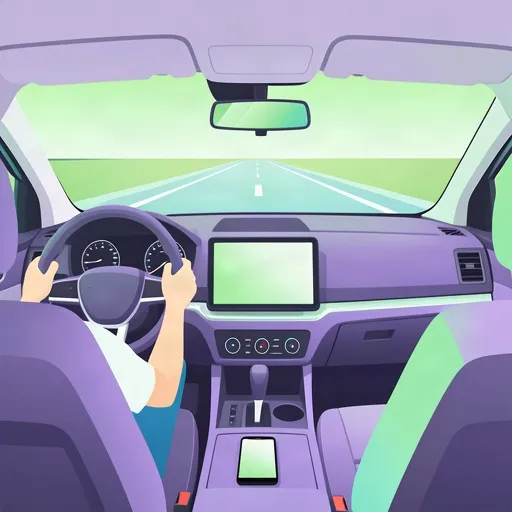
Article content overview
Driver distraction and cognitive load are critical concepts for the French ETG theory exam, referring to the mental effort required to process driving information and the impairment caused by secondary tasks. French law prohibits holding a mobile phone while driving and wearing headphones or earpieces that block ambient traffic sounds, recognizing that cognitive distraction from phone use—even hands-free—can make a driver effectively blind to hazards. A momentary 2-second loss of focus at motorway speeds can mean traveling 50 meters without monitoring the road. Effective management requires anticipating needs and preparing the vehicle environment before starting the engine, deferring all non-driving tasks until safely parked. The ETG exam tests not only knowledge of these rules but the learner's fundamental safety culture in prioritizing driving over technology.
A short set of high-value points that capture the most important ideas from this article.
Cognitive load is the mental effort required for driving tasks; high cognitive load delays hazard perception and reaction time.
The French Code de la route strictly prohibits holding a mobile phone while driving and using wearable audio devices that isolate you from traffic sounds.
Even with hands-free systems, cognitive distraction from a phone conversation can make you effectively blind to road hazards.
Anticipation—preparing your route, GPS, and vehicle environment before driving—reduces in-drive cognitive load.
The ETG exam evaluates your safety culture by testing whether you prioritize driving over all secondary in-car tasks.
Mobile phone use: holding a phone is forbidden; wearable audio devices are prohibited; cognitive distraction persists even with hands-free systems.
A 2-second glance away at 90 km/h means your vehicle travels 50 meters without any driver attention.
GPS and route planning must be completed before shifting into gear, not while driving.
Signs warning of danger or changing conditions increase cognitive load and require full attention.
Any secondary task must be deferred until the vehicle is stopped safely outside traffic flow.
Believing hands-free devices are a safe alternative that eliminates distraction; cognitive distraction remains even without holding the phone.
Attempting to adjust GPS or check notifications while driving in complex traffic situations presented in exam scenarios.
Underestimating the danger of momentary inattention, thinking a quick glance is harmless.
Failing to prepare the vehicle environment before starting, leading to in-drive distractions.
Confusing physical phone-holding laws with the broader concept of cognitive distraction safety.
Article content overview
A short set of high-value points that capture the most important ideas from this article.
Cognitive load is the mental effort required for driving tasks; high cognitive load delays hazard perception and reaction time.
The French Code de la route strictly prohibits holding a mobile phone while driving and using wearable audio devices that isolate you from traffic sounds.
Even with hands-free systems, cognitive distraction from a phone conversation can make you effectively blind to road hazards.
Anticipation—preparing your route, GPS, and vehicle environment before driving—reduces in-drive cognitive load.
The ETG exam evaluates your safety culture by testing whether you prioritize driving over all secondary in-car tasks.
Mobile phone use: holding a phone is forbidden; wearable audio devices are prohibited; cognitive distraction persists even with hands-free systems.
A 2-second glance away at 90 km/h means your vehicle travels 50 meters without any driver attention.
GPS and route planning must be completed before shifting into gear, not while driving.
Signs warning of danger or changing conditions increase cognitive load and require full attention.
Any secondary task must be deferred until the vehicle is stopped safely outside traffic flow.
Believing hands-free devices are a safe alternative that eliminates distraction; cognitive distraction remains even without holding the phone.
Attempting to adjust GPS or check notifications while driving in complex traffic situations presented in exam scenarios.
Underestimating the danger of momentary inattention, thinking a quick glance is harmless.
Failing to prepare the vehicle environment before starting, leading to in-drive distractions.
Confusing physical phone-holding laws with the broader concept of cognitive distraction safety.
Explore related topics, search based questions, and concepts that learners often look up when studying Driver Distraction and Safety Rules. These themes reflect real search intent and help you understand how this topic connects to wider driving theory knowledge in France.
Find clear and practical answers to common questions learners often have about Driver Distraction and Safety Rules. This section helps explain difficult points, remove confusion, and reinforce the key driving theory concepts that matter for learners in France.
Yes, it is strictly forbidden to hold a mobile phone in your hand while driving. This is considered a serious distraction and can lead to significant penalties under the Code de la route.
While the use of a handheld phone is prohibited, the use of integrated hands-free systems is generally permitted, though it still requires the driver to maintain full attention on the road.
The ETG exam tests your ability to perceive and react to hazards; if your cognitive resources are consumed by technology or distractions, your reaction time significantly increases, leading to potential accidents.
Continue your preparation for the French permis de conduire exam. Dive deeper into specific Code de la route sections, practice scenarios, or review official procedures. Use our comprehensive article collection to master every aspect of driving theory.