
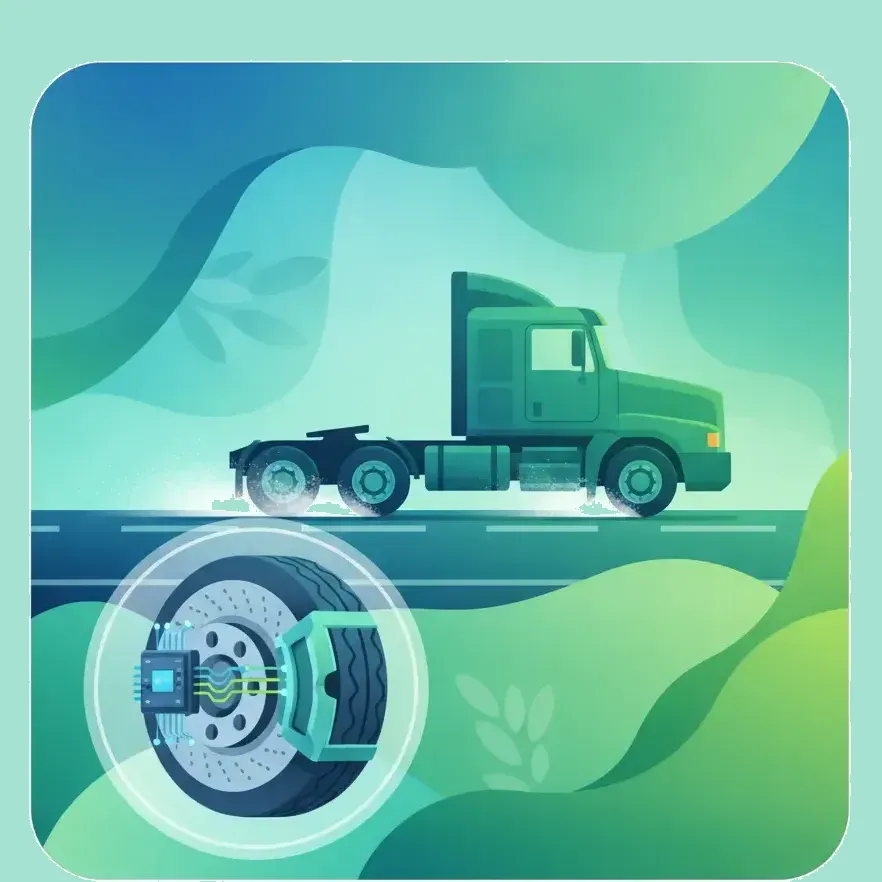
This lesson explores how advanced braking and stability systems work to keep heavy goods vehicles safe on French roads. Understanding the mechanics of ABS and ESP is vital for maintaining control during emergency stops and preventing skids, directly impacting your performance in the Category C and CE theory exam.
Lesson content overview
Operating a heavy goods vehicle (HGV) in France requires a sophisticated understanding of vehicle dynamics and advanced safety systems. Under the French Code de la route and European safety standards, heavy vehicles in categories C and CE must utilize electronic driver aids to mitigate the immense risks associated with their mass and dimensions. Among these, the Anti-lock Braking System (ABS) and the Electronic Stability Program (ESP) are the most critical active safety systems.
This lesson provides an in-depth analysis of these technologies, their mechanical principles, legal requirements under French and European law, operational limitations, and best driving practices.
A fully loaded heavy vehicle in Category C can weigh up to 26 tonnes, and an articulated combination in Category CE can weigh up to 44 tonnes. At motorway speeds (80 km/h or 90 km/h), these vehicles carry immense kinetic energy. Traditional mechanical braking systems, while powerful, rely entirely on the driver's ability to modulate the brake pedal. In emergency situations, a sudden lock-up of the wheels can cause immediate loss of steering control, jackknifing (mise en portefeuille), or rollovers.
Active safety systems like ABS and ESP act as electronic co-pilots. They monitor vehicle behaviour in real-time, intervening within milliseconds to keep the vehicle stable and under control. Understanding how these systems work, and knowing how to respond when they activate, is a fundamental requirement for passing your French Goods Vehicle Licence Theory Course and operating safely on public roads.
The primary function of the Anti-lock Braking System (ABS) is to prevent the vehicle's wheels from locking up during intense or emergency braking. When a tire locks and slides across the road surface, it loses its lateral traction. This means the driver can no longer steer the vehicle, regardless of how they turn the steering wheel.
An electronic braking control system that prevents wheel lock-up by automatically modulating the pneumatic or hydraulic pressure applied to individual brake cylinders during heavy deceleration.
During normal operation, the rotation of the wheels matches the forward speed of the vehicle. When you apply the brakes forcefully, the friction between the brake pads/shoes and the drums/discs slows the wheels down. If the braking force exceeds the grip (adhesion) available between the tire and the road, the wheel will stop rotating entirely while the vehicle is still moving.
ABS prevents this by continually executing a three-stage cycle:
The ABS architecture consists of three main hardware components:
In modern heavy vehicles equipped with Electronic Braking Systems (EBS), ABS is fully integrated into the electronic brake management network, allowing for even faster response times and smoother pressure modulation.
While ABS manages longitudinal stability (preventing wheel lock-up along the line of travel), the Electronic Stability Program (ESP)—also commonly referred to as Electronic Stability Control (ESC)—manages lateral stability. It is designed to prevent the vehicle from skidding sideways, spinning out, or rolling over during sudden maneuvers or on slippery surfaces.
An active safety system that improves a vehicle's lateral stability by detecting and reducing loss of traction, thereby preventing skids, spins, and rollovers through selective wheel braking and engine torque reduction.
To understand how ESP keeps a massive truck on its intended path, you must understand the three primary sensors that feed data to the ESP control unit:
By comparing the driver's intended direction (steering angle) with the vehicle's actual physical response (yaw rate and lateral acceleration), the ESP system can determine if the vehicle is losing traction or in danger of rolling over.
When a heavy vehicle enters a corner too quickly or encounters a low-friction surface, it may experience one of two unstable states:
Additionally, in high-centrifugal-force situations, ESP will automatically reduce engine torque (by overriding the accelerator input) and apply the brakes across multiple axles to lower the vehicle's speed below the rollover threshold.
The installation and operation of active safety systems in heavy commercial vehicles are strictly regulated. Driving a vehicle with non-functional safety aids is a severe violation of professional driver responsibilities.
In France, the Code de la route (specifically Article R312-23 and associated technical decrees) mandates that all heavy goods vehicles with a Gross Vehicle Weight Rating (GVWR) exceeding 3.5 tonnes must be equipped with a fully functional ABS.
Following the implementation of European Union Regulation (EU) 2019/2144 (transposed directly into French national legislation), ESP has become mandatory for all newly registered commercial vehicles exceeding 3.5 tonnes.
This regulation ensures that professional drivers have access to the highest standards of safety tech. Under French law, disabling these systems or failing to maintain them is treated as a major mechanical defect, resulting in the vehicle being immediately grounded during roadside inspections (contrôle routier) or during the mandatory annual vehicle inspection (contrôle technique).
Active safety systems are designed to assist the driver, not replace safe driving practices. Understanding how to interact with these systems in an emergency is critical.
One of the most common mistakes made by drivers trained on older, non-ABS vehicles is "pumping" the brake pedal during an emergency stop (historically known as cadence braking).
Never pump the brakes on an ABS-equipped vehicle! Pumping the pedal manually releases brake pressure, which interrupts and overrides the ABS ECU. This increases your overall stopping distance and can cause the wheels to lock during the manual release/re-apply phases.
To achieve the maximum stopping performance in an ABS-equipped vehicle, use the following procedure:
Depress the Brake Pedal Fully: Apply hard, immediate, and continuous pressure to the brake pedal. Do not hesitate to press the pedal as far as it will go.
Keep the Clutch Depressed (Manual Vehicles): Press the clutch pedal simultaneously to prevent the engine from stalling, which would disable power steering and brake assistance.
Focus on Steering: While maintaining firm pressure on the brake pedal, look where you want to go and steer around any obstacles. The ABS will keep the tires rotating, allowing you to guide the vehicle safely.
Ignore Pedal Feedback: You may feel a violent pulsing or vibration in the brake pedal, accompanied by rapid clicking noises. This is normal mechanical feedback as the modulator valves cycle pressure. Do not release the brake pedal.
A dangerous psychological trap for professional drivers is over-reliance on electronic safety aids. While ABS and ESP perform physical miracles, they cannot override the fundamental laws of physics.
The effectiveness of both systems is directly tied to the coefficient of friction () between the tire rubber and the road surface.
A vehicle's loading state dramatically alters how ABS and ESP behave:
As a professional HGV driver in France, you must verify the roadworthiness of your vehicle before starting any journey. This is part of the mandatory daily pre-trip inspection (contrôles de sécurité avant le départ).
When you turn the vehicle's ignition on, the system performs a self-diagnostic check. The ABS and ESP dashboard lights will illuminate temporarily.
When the ABS warning light is solid, your vehicle reverts to conventional braking. The brakes will still work, but the wheels can lock up completely during heavy braking, risking catastrophic skids.
Under Rule 4 of professional HGV operations, if an active safety system warning light illuminates, you must take immediate action:
To prepare for your Category C or CE theory test, memorize these common violations and operational misunderstandings:
This lesson covers the technical operation and legal requirements of ABS and ESP systems in French Category C and CE heavy goods vehicles. ABS prevents wheel lock-up through rapid pressure modulation cycles, while ESP manages lateral stability by detecting yaw rate and lateral acceleration mismatches against driver steering input. Both systems are legally mandatory for heavy vehicles in France and operate under strict limitations related to road surface friction, vehicle loading, and centre of gravity. Professional drivers must understand correct emergency braking procedure, perform pre-trip checks of warning indicators, and recognize that electronic aids assist rather than replace defensive driving skills.
A short set of high-value points that capture the most important learning from this lesson.
ABS prevents wheel lock-up by cycling brake pressure 15-20 times per second, allowing drivers to maintain steering control during emergency braking
ESP monitors yaw rate, lateral acceleration, and steering angle to detect skids and corrects understeer by braking the inner rear wheel and oversteer by braking the outer front wheel
French law mandates ABS on all vehicles over 3.5 tonnes (Category C/CE) and ESP on newly registered commercial vehicles exceeding 3.5 tonnes under EU Regulation 2019/2144
Active safety systems cannot override physics; high centre of gravity, liquid cargo surge, and overloading can overwhelm ABS and ESP corrective capacity
When dashboard ABS/ESP warning lights remain on, the system is disabled and the vehicle reverts to conventional braking with full wheel lock-up risk
Explore all units and lessons included in this driving theory course.
Never pump the brake pedal on an ABS-equipped vehicle; apply firm, continuous pressure and focus on steering
Check the ISO 7638 trailer ABS cable connection before every journey with an articulated Category CE combination
On loose surfaces like snow or gravel, ABS may actually increase stopping distance because locked wheels form a wedge that helps brake the vehicle
Liquid cargo creates dynamic weight shifts (surge effect) that can overwhelm ESP algorithms during braking or cornering
If an ABS or ESP warning light illuminates while driving, stop safely, report to fleet management, and do not continue the journey
Drivers trained on older vehicles pump the brake pedal during emergency stops, which overrides the ABS ECU and increases stopping distance
Over-relying on safety systems leads to excessive speed in corners, forgetting that ESP only intervenes after a dangerous situation has already begun
Failing to check trailer ABS connectivity via the ISO 7638 cable, which can cause jackknifing when the trailer wheels lock independently of the tractor
Assuming ABS or ESP can compensate for overloading beyond Maximum Authorised Mass, which places forces exceeding system calibration parameters
Disabling ESP using manual override switches on normal roads, which is both dangerous and prohibited under the Code de la route
Lesson content overview
A short set of high-value points that capture the most important learning from this lesson.
ABS prevents wheel lock-up by cycling brake pressure 15-20 times per second, allowing drivers to maintain steering control during emergency braking
ESP monitors yaw rate, lateral acceleration, and steering angle to detect skids and corrects understeer by braking the inner rear wheel and oversteer by braking the outer front wheel
French law mandates ABS on all vehicles over 3.5 tonnes (Category C/CE) and ESP on newly registered commercial vehicles exceeding 3.5 tonnes under EU Regulation 2019/2144
Active safety systems cannot override physics; high centre of gravity, liquid cargo surge, and overloading can overwhelm ABS and ESP corrective capacity
When dashboard ABS/ESP warning lights remain on, the system is disabled and the vehicle reverts to conventional braking with full wheel lock-up risk
Explore all units and lessons included in this driving theory course.
Never pump the brake pedal on an ABS-equipped vehicle; apply firm, continuous pressure and focus on steering
Check the ISO 7638 trailer ABS cable connection before every journey with an articulated Category CE combination
On loose surfaces like snow or gravel, ABS may actually increase stopping distance because locked wheels form a wedge that helps brake the vehicle
Liquid cargo creates dynamic weight shifts (surge effect) that can overwhelm ESP algorithms during braking or cornering
If an ABS or ESP warning light illuminates while driving, stop safely, report to fleet management, and do not continue the journey
Drivers trained on older vehicles pump the brake pedal during emergency stops, which overrides the ABS ECU and increases stopping distance
Over-relying on safety systems leads to excessive speed in corners, forgetting that ESP only intervenes after a dangerous situation has already begun
Failing to check trailer ABS connectivity via the ISO 7638 cable, which can cause jackknifing when the trailer wheels lock independently of the tractor
Assuming ABS or ESP can compensate for overloading beyond Maximum Authorised Mass, which places forces exceeding system calibration parameters
Disabling ESP using manual override switches on normal roads, which is both dangerous and prohibited under the Code de la route
Explore search topics learners often look for when studying Anti-lock Braking Systems (ABS) and ESP in Heavy Vehicles. These topics reflect common questions about road rules, driving situations, safety guidance, and lesson level theory preparation for learners in France.
Browse additional driving theory lessons that cover connected traffic rules, road signs, and common driving situations related to this topic. Improve your understanding of how different rules interact across everyday traffic scenarios.
Understand the physical limitations of heavy goods vehicles during emergency stops, including the impact of load distribution on braking distance. This guide explains how to manage high kinetic energy safely while ensuring compliance with French professional driving standards and vehicle control requirements.

Learners will be introduced to effective braking techniques tailored for AM vehicles, emphasizing progressive pressure application and the importance of maintaining grip. The lesson covers how to estimate stopping distances, execute emergency stops safely, and understand the limitations of light vehicle braking systems in France. Mastery of these techniques ensures riders can stop promptly and maintain control in various traffic scenarios.

This lesson focuses on the various braking systems used in goods vehicles, including air brakes, hydraulic brakes, and advanced safety systems such as ABS and ESP. Learners will understand how these systems function, their impact on braking performance, and the importance of regular brake inspection and maintenance. The content also addresses brake wear, brake fade, and how these factors affect stopping distances, especially under heavy load conditions.

This lesson teaches advanced braking strategies, highlighting the correct application of progressive friction braking and auxiliary retardation systems like electric or hydraulic retarders. Drivers will learn to avoid abrupt braking inputs that could compromise passenger balance, particularly for standing passengers. It also covers emergency stop procedures, showing how to balance maximum deceleration with vehicle stability.

This lesson teaches critical emergency response maneuvers to help you avoid sudden, unexpected obstacles on the roadway. You will learn the exact step-by-step process of executing a rapid, controlled swerve, keeping braking forces separate from steering inputs to prevent a slide. Additionally, the lesson addresses the psychological challenge of 'target fixation' and provides techniques to keep your eyes focused on your clear escape route.

This lesson focuses on passenger comfort and safety by teaching drivers how to control load transfers during acceleration and gear shifts. Smooth throttle control and progressive gear engagement reduce sudden cabin shifts, preventing standing passengers from falling. Candidates will also explore eco-driving techniques that reduce fuel consumption and wear on mechanical parts without compromising route timetables.

This lesson details the emergency protocols for handling mechanical breakdowns or tire blowouts on public highways and motorways. Drivers will learn how to park the vehicle in the safest possible location, activate hazard warning lights, and deploy the reflective warning triangle. It teaches precise commands and steps for evacuating passengers quickly through safety exits, positioning them behind protective guardrails.

In this lesson, drivers will learn how to adjust their driving techniques in response to adverse weather conditions such as rain, fog, snow, ice, and strong winds. The content covers strategies for maintaining visibility, managing reduced traction on wet or icy surfaces, and adjusting speed and braking distances accordingly. Learners will also be introduced to the use of anti-skid and stability control systems under challenging weather.

In this lesson, drivers will learn best practices for manoeuvring goods vehicles into loading docks and other confined spaces. The content covers the use of spotting aids, guidance markings, and reverse assistance technologies. Learners will understand how to align the vehicle and trailer correctly with dock doors, maintain situational awareness, and use proper signaling for safety. The lesson also emphasizes the importance of communication with dock personnel.

This lesson covers techniques for managing gradients while driving goods vehicles, focusing on downhill control, engine braking, and appropriate gear selection. Learners will understand how load distribution and vehicle dynamics affect descending performance and the importance of avoiding brake overheating. The content includes practical advice on using hill start assistance systems and maintaining safe speeds on steep slopes.
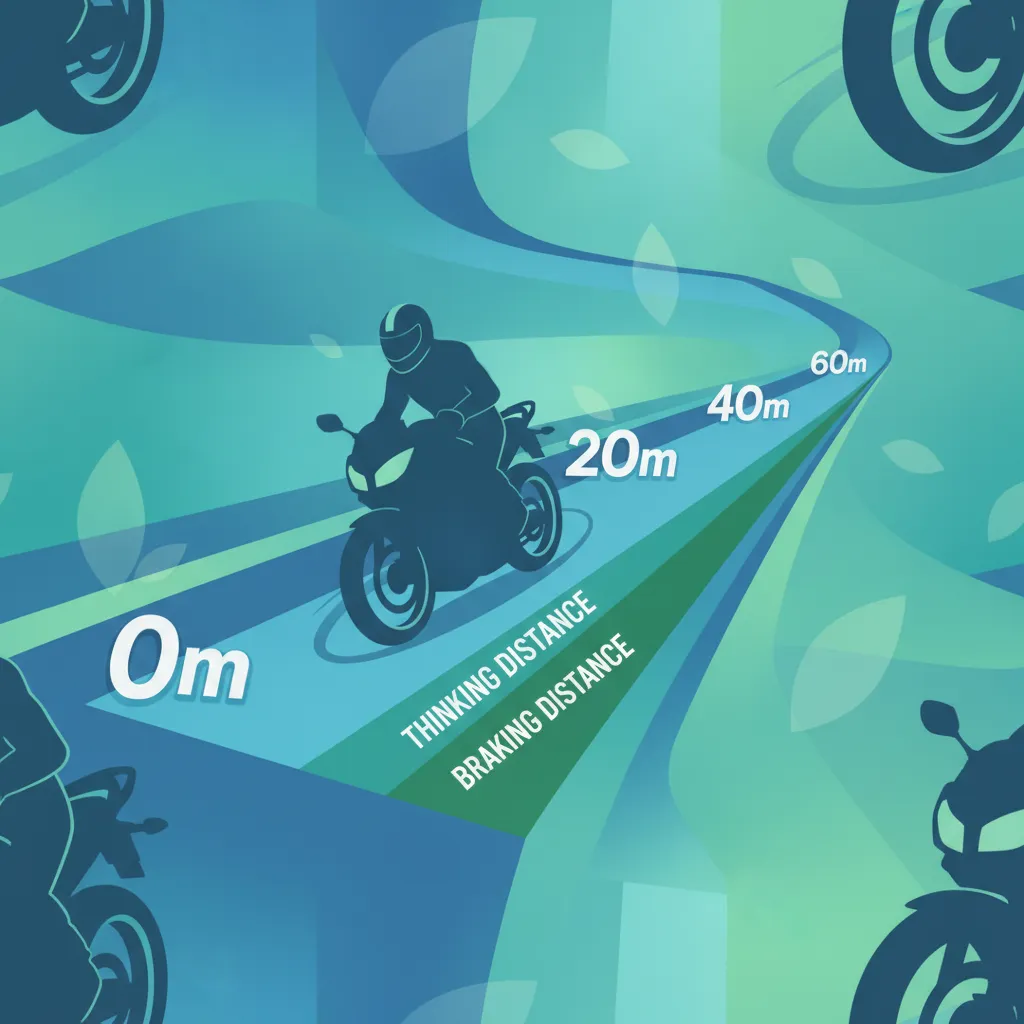
This lesson breaks down the physics of stopping a motorcycle, exploring how kinetic energy varies with the square of your speed. You will learn the mathematical components of total stopping distance, which includes both perception-reaction distance and physical braking distance. The lesson also explains how forward weight transfer during heavy braking increases traction on the front tire while reducing rear-wheel load.
Learn the critical safety checks required for heavy vehicles before starting a journey. This overview covers identifying system warning indicators, maintaining active safety components, and understanding your responsibilities as a professional driver under the French Code de la route to ensure vehicle roadworthiness.

This lesson outlines the essential components of a comprehensive pre-trip vehicle inspection for goods vehicles, emphasizing safety checks for brakes, tyres, lights, mirrors, coupling devices, and cargo. Learners will understand the importance of verifying that all safety equipment is functional and that cargo is properly secured before commencing a journey. The content also details the necessary documentation checks to ensure compliance with French road regulations.
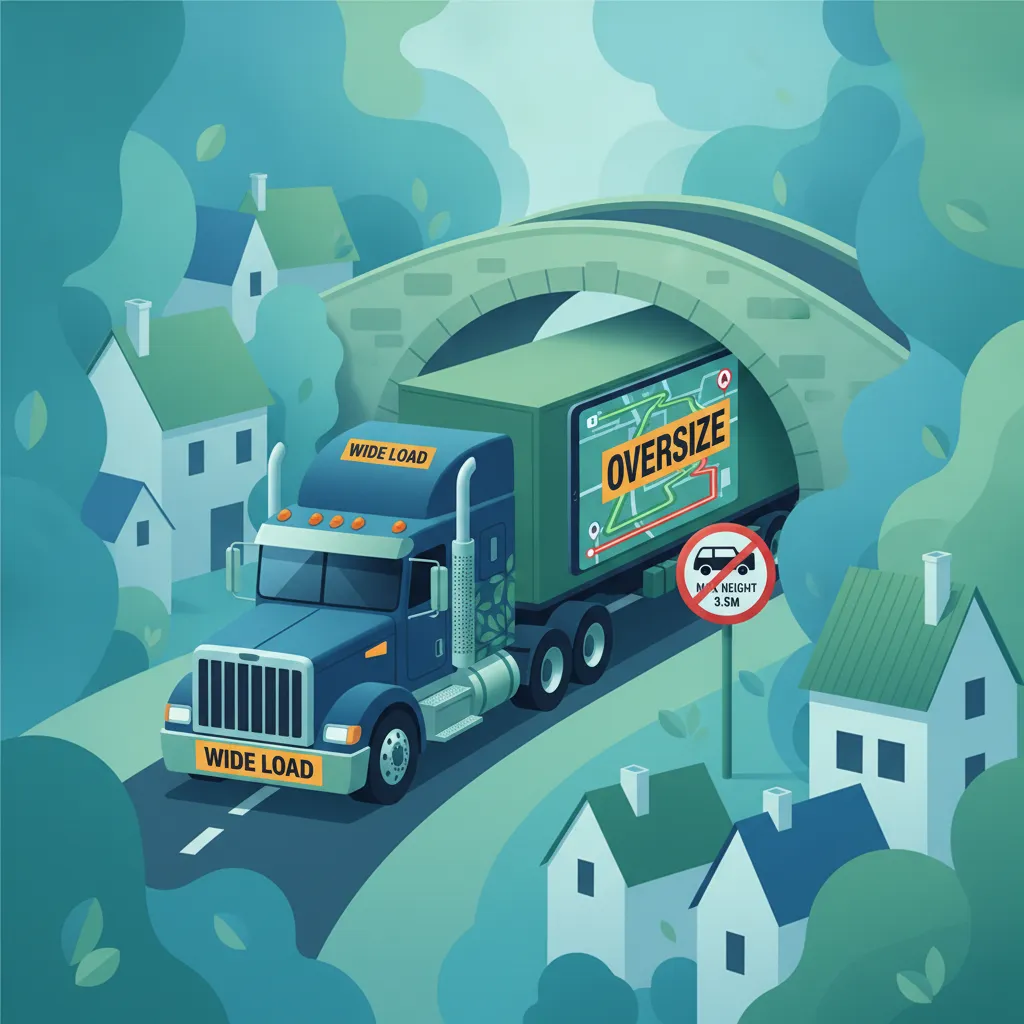
This lesson provides strategies for planning routes that accommodate oversized goods vehicles while complying with French road restrictions. Learners will learn how to identify prohibited routes, evaluate bridge and tunnel limitations, and obtain necessary access permits. The content also addresses the use of specialised GPS systems for heavy vehicle routing and the importance of contingency planning for detours, ensuring safe and efficient transport operations.

In this lesson, drivers will learn about the mandatory documentation required for operating a goods vehicle in France. The content covers the NEPH number needed for licence applications, vehicle registration certificates (carte grise), and proof of insurance. Learners will also explore the technical inspection process, load and customs documentation for cross-border transport, and the importance of maintaining an up-to-date driver logbook.
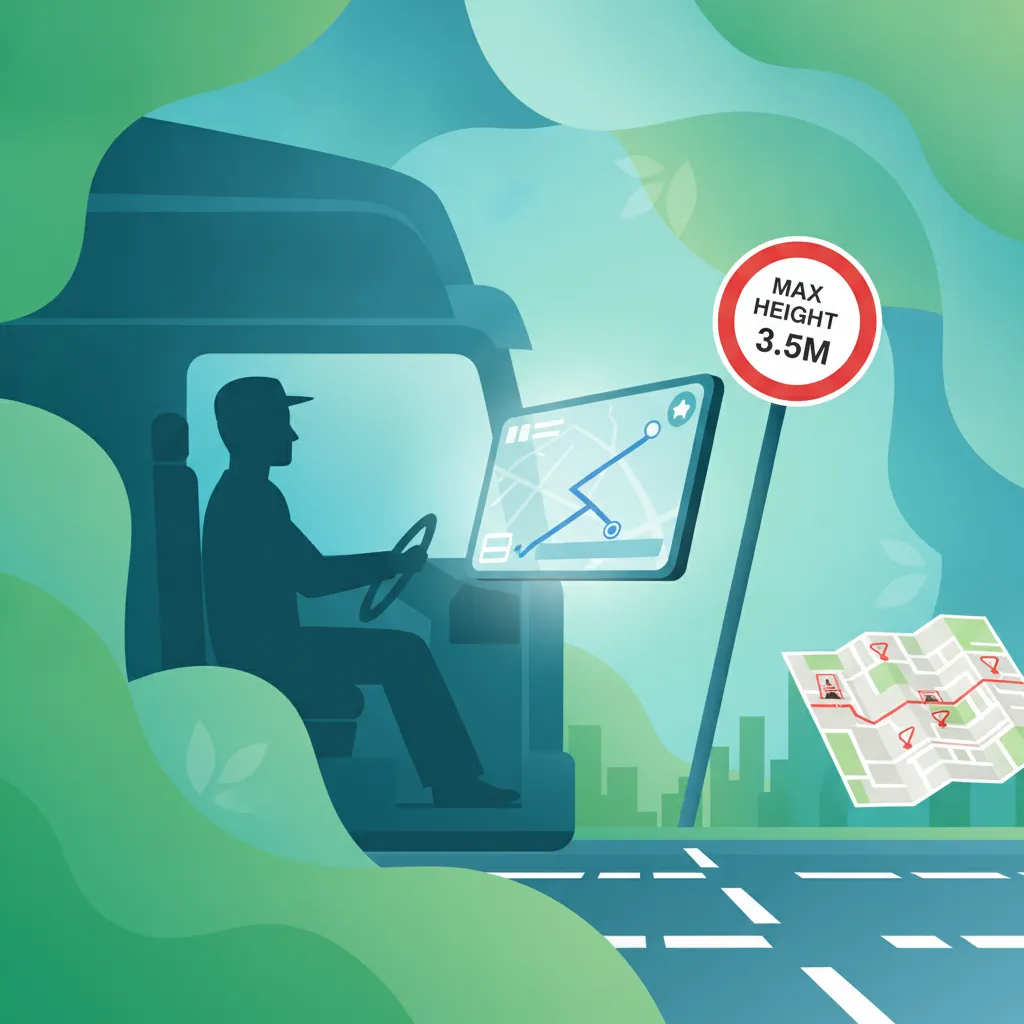
This lesson provides guidance on selecting preferred routes for heavy vehicles, taking into account freight corridors, toll roads, and restricted zones. Learners will be introduced to practical tools for route optimization, including GPS systems tailored for goods vehicles, and strategies for minimizing travel time while adhering to legal constraints. Emphasis is placed on balancing delivery efficiency with compliance to French transport policies.

This lesson addresses the procedures and expectations when professional drivers encounter law enforcement or customs officials in France. Topics include the types of checks that may be performed, required documentation, rights and obligations of drivers, and the consequences of non-compliance. Learners will be guided on best practices for interacting with authorities, emphasizing cooperation, transparency, and the importance of maintaining valid and up-to-date documents for both the vehicle and driver.

This lesson focuses on methods to secure cargo effectively against shifts during transport, covering a range of anti-shift devices and techniques. Learners will be introduced to tie-down straps, chains, cargo nets, and other securing equipment, and will understand the criteria for selecting appropriate devices based on cargo weight and type. The material also discusses the legal requirements for cargo restraint in France and best practices for ensuring load stability throughout the journey.
This lesson provides an in-depth analysis of how goods vehicles are classified according to their overall dimensions, such as length, width, height, and wheelbase. Learners will understand the legal limits imposed by French regulations for each vehicle class, and how these dimensions affect the vehicle’s classification and permissible routes. The material also explains the impact of cab size versus cargo space on maneuverability and route planning, highlighting the importance of accurate dimension assessment.
This lesson focuses on the weight and dimension restrictions that goods vehicles must adhere to while traveling on French roads. Learners will understand bridge caps, tunnel clearances, and other physical limitations imposed by infrastructure, and how these restrictions impact route planning and vehicle loading. The content also highlights legal load limits and the importance of compliance checks to avoid fines and roadblocks.

Carrying heavy loads or pulling trailers significantly alters a passenger vehicle's braking distances and stability characteristics. This lesson covers how to read weight limits (like gross vehicle weight ratings), distribute cargo weight evenly, and secure items inside the boot or on roof racks. You will learn to use specialized cargo straps and understand the risks of overloading your suspension and tyres.
Find clear answers to common questions learners have about Anti-lock Braking Systems (ABS) and ESP in Heavy Vehicles. Learn how the lesson is structured, which driving theory objectives it supports, and how it fits into the overall learning path of units and curriculum progression in France. These explanations help you understand key concepts, lesson flow, and exam focused study goals.
No, while ABS prevents wheel lock-up during emergency braking, the increased weight of heavy goods vehicles means your stopping distance is significantly longer than a car's. You must maintain safe distances and adapt your speed regardless of system aids.
ESP is designed to detect a loss of steering control or an impending skid. It automatically intervenes by applying brakes to individual wheels to stabilize the vehicle and trailer, helping prevent dangerous jack-knifing or rollover situations.
Yes, an illuminated ABS or ESP warning light indicates a potential system failure. You must report this fault immediately, as the loss of these safety systems significantly changes the handling characteristics of your heavy vehicle in emergency situations.
Absolutely not. ABS and ESP are safety enhancements, not a substitute for defensive driving. Professional drivers must always manage speed, load, and following distances appropriately to prevent the systems from needing to intervene.
Ready to focus your study? Use the practice search to find exactly the French driving theory questions you need for the Code de la route and permis de conduire ETG. Refine your knowledge on specific topics or challenging rules to boost your confidence and exam readiness.