
This lesson covers critical fire safety protocols and emergency evacuation procedures essential for professional passenger vehicle drivers. By mastering these life-saving skills, you will ensure full compliance with safety regulations and prepare for situational questions on your German theory exam.

Lesson content overview
As a professional driver in the German passenger-vehicle sector (Licence Categories D1, D1E, D, DE), ensuring the safety of your passengers is paramount. While incidents are rare, the ability to prevent, detect, and respond effectively to a vehicle fire is a critical skill that can save lives. This lesson provides a comprehensive overview of fire safety protocols, from preventative maintenance and early detection to the precise steps for using fire extinguishers and executing a calm, orderly evacuation.
Fires in passenger vehicles pose an immediate and severe threat due to the confined space, the presence of flammable materials, and the number of lives at risk. Unlike other emergencies, a fire can escalate rapidly, making quick thinking and adherence to established procedures essential. Understanding the common sources of ignition and the potential for rapid spread is the first step in effective fire prevention and response.
Vehicle fires can originate from a variety of sources, often involving mechanical or electrical failures. A common cause is electrical system malfunctions, such as faulty wiring, short circuits, or overloaded circuits, which can generate extreme heat and ignite nearby materials. Another significant cause relates to the fuel system, where leaks in fuel lines, tanks, or injectors can lead to fuel vapor igniting from a hot engine component or spark.
Overheated components like brakes, tires, or engines can also reach temperatures high enough to ignite oil, grease, or accumulated debris. Additionally, external factors, such as discarded smoking materials, arson, or collisions that damage fuel or electrical systems, can trigger fires. Awareness of these common causes helps in identifying potential risks during routine checks.
For professional passenger transport, the stakes of a fire are significantly higher than in a private vehicle. The presence of numerous passengers, including those who may have reduced mobility or require special assistance, complicates evacuation efforts. A bus or coach interior often contains a variety of combustible materials, such as seat fabrics, plastics, and insulation, which can accelerate fire spread and produce toxic fumes.
Effective fire safety protocols are not just about protecting the vehicle; they are fundamentally about safeguarding human lives. The ability of a driver to act decisively and correctly during a fire emergency can mean the difference between a minor incident and a catastrophic loss of life. This includes not only direct fire suppression but also clear communication, efficient evacuation, and providing reassurance to passengers.
The most effective way to deal with a vehicle fire is to prevent it from ever starting. Proactive fire prevention involves diligent vehicle maintenance, thorough pre-trip inspections, and strict adherence to safety guidelines. These measures significantly reduce the risk of ignition and ensure that all vehicle systems operate safely.
Before every journey, a professional driver must conduct a thorough pre-trip inspection, paying close attention to potential fire hazards. This inspection goes beyond basic checks and delves into specific areas prone to fire ignition. Key areas to inspect include:
Regular and professional maintenance is a cornerstone of fire prevention. Adhering to the manufacturer's service schedule and addressing any detected faults promptly are crucial. This includes:
Maintaining the integrity of the fuel system is paramount. Fuel leaks, even minor ones, can produce highly flammable vapors that are easily ignited by a spark or hot surface. Regularly check fuel tanks, lines, and connections for any signs of corrosion, wear, or damage. Any suspected fuel leak should be addressed immediately by qualified personnel before the vehicle is operated.
Electrical safety involves ensuring that all wiring is correctly insulated, connections are secure, and circuits are not overloaded. Modern passenger vehicles have complex electrical systems, and any tampering or improper repairs can lead to dangerous short circuits or overheating. Always use qualified technicians for electrical repairs and maintenance, and never bypass safety devices like fuses.
Never attempt to perform complex electrical or fuel system repairs yourself unless you are a qualified technician. Improper repairs can significantly increase the risk of fire.
The ability to detect a fire in its nascent stages is critical for effective response. Fires can smolder or produce subtle signs before erupting into visible flames. Professional drivers must be highly attentive to their vehicle's operational characteristics and sensory cues.
Early detection often relies on a driver's senses. Visual cues include smoke, even a faint wisp, emanating from the engine compartment, under the vehicle, or from the dashboard. Flames are an obvious sign but often indicate a more advanced stage of the fire. Odors are frequently the first indicator; these might include the smell of burning rubber, burning plastic, electrical insulation, or a strong, unusual fuel smell.
Sensory detection also includes unusual heat radiating from a specific area of the vehicle, or a dashboard warning light indicating overheating or electrical fault. An unexpected drop in vehicle performance, unusual engine noises, or a sudden loss of power could also indicate a component failure that might lead to a fire.
If you suspect a fire, your immediate actions are crucial.
Pull Over Safely: As soon as it is safe to do so, pull the vehicle over to the side of the road, away from buildings, trees, or other vehicles, and stop. Turn off the engine immediately to cut off the fuel supply and electrical power.
Activate Hazard Lights: Engage your hazard warning lights to alert other road users to your stationary vehicle and the emergency.
Assess the Situation: Visually inspect the source of the smoke or odor if it's safe to do so. Do not open the engine compartment or other suspected areas if you see flames or heavy smoke, as this can introduce oxygen and fuel the fire.
Prepare for Evacuation: If there are passengers, clearly communicate the situation and prepare them for a potential evacuation. Instruct them to stay calm.
Do not compromise your safety by attempting to inspect a burning area too closely. Your priority is to ensure the safety of yourself and your passengers.
A functional fire extinguisher is a mandatory piece of safety equipment on all professional passenger vehicles in Germany. Knowing where it is located, what type it is, and how to use it correctly can be decisive in controlling a small fire before it spreads.
The most common types of fire extinguishers found on passenger vehicles are:
For passenger vehicles, an ABC powder extinguisher is typically the recommended and legally required type due to its broad effectiveness across different fire classes likely to occur.
Fire extinguishers must be easily accessible and clearly marked within the vehicle. Common locations include near the driver's seat, at the front or rear of the passenger compartment, or in a designated compartment. Ensure the extinguisher is securely mounted to prevent it from becoming a projectile during braking or a collision.
It is a legal requirement that fire extinguishers on commercial passenger vehicles are inspected and serviced regularly, typically every 12 months, to ensure they are functional and properly charged. Drivers should perform a visual check before each trip, ensuring the pressure gauge is in the green zone, the safety seal is intact, and the nozzle is unobstructed.
The PASS technique is a widely recognized and effective method for using a portable fire extinguisher:
P - Pull the Pin: Break the tamper seal and pull the pin. This unlocks the operating lever.
A - Aim at the Base of the Fire: Do not aim at the flames. Instead, aim the nozzle or hose at the very bottom of the fire, where the fuel source is located.
S - Squeeze the Handle: Depress the operating lever to discharge the extinguishing agent.
S - Sweep Side to Side: Move the nozzle or hose from side to side, sweeping the extinguishing agent across the base of the fire until it appears to be out. Continue to watch the area for re-ignition.
Only attempt to extinguish a fire if it is small, contained, and you have a clear escape route. If the fire is growing rapidly, if you are unsure, or if your escape route is compromised, prioritize evacuation.
If a fire cannot be safely extinguished or if the situation poses an immediate threat, a swift and orderly evacuation is paramount. Professional drivers must have a clear understanding of evacuation protocols, including how to operate emergency exits and assist all passengers.
In an emergency, your primary responsibility is the safety of your passengers. Panic can spread quickly, so maintaining a calm demeanor and clear communication is vital.
Stop and Secure the Vehicle: Bring the vehicle to a safe stop, if possible, away from potential hazards, and switch off the engine. Activate hazard lights and set the parking brake.
Open Doors and Emergency Exits: Open all service doors immediately. Then, locate and open all emergency exits. These typically include additional doors, roof hatches, and emergency windows. Familiarize yourself with their specific operating mechanisms (e.g., release levers, break-glass hammers).
Give Clear Instructions: Announce "Emergency! Please evacuate the vehicle immediately using the nearest exit." Instruct passengers to leave their belongings behind to expedite the process.
Guide Passengers: Direct passengers to the nearest clear exit. If possible, position yourself at an exit to assist passengers and ensure an orderly flow.
Account for All Passengers: Once passengers have exited, conduct a quick visual sweep of the vehicle to ensure no one is left behind. Move all passengers to a safe assembly point a sufficient distance from the vehicle and any potential hazards.
Contact Emergency Services: Call emergency services (e.g., 112 in Germany) and provide precise location details and information about the incident.
Every professional passenger vehicle is equipped with clearly marked emergency exits. These are designed for rapid deployment in an emergency.
It is a mandatory requirement for drivers to familiarize themselves with all vehicle emergency exits and evacuation routes before each journey. This familiarity ensures that precious seconds are not wasted during an actual emergency.
Assisting passengers with reduced mobility is a critical aspect of emergency evacuation and is a mandatory duty for professional drivers. These passengers may include wheelchair users, those with walking difficulties, visual or hearing impairments, or individuals who require oxygen or other medical equipment.
A passenger who requires additional assistance to evacuate due to physical, sensory, or cognitive limitations, or temporary conditions such as injury.
Once all passengers have been safely evacuated, establishing a secure safety zone is essential. This zone should be far enough from the burning vehicle to protect against potential explosions, smoke inhalation, or falling debris. A distance of at least 50 metres is generally recommended, upwind and uphill if possible.
After accounting for all passengers, drivers must:
Compliance with fire safety laws and regulations is not optional; it is a fundamental aspect of operating professional passenger vehicles in Germany. These rules are designed to ensure minimum safety standards and equip drivers with the necessary tools and knowledge.
Under German law, all passenger vehicles used for commercial purposes (categories D1, D1E, D, DE) must be equipped with a functional fire extinguisher of an appropriate type. This usually means an ABC powder extinguisher, suitable for the range of fire classes likely to be encountered in a vehicle.
Furthermore, these fire extinguishers must undergo regular inspection and servicing. A common regulation requires servicing at least every 12 months to ensure they remain in proper working order and are safe to use. Failure to comply with these equipment and maintenance standards can result in significant fines and jeopardize your operating license.
Drivers are legally mandated to familiarize themselves with all vehicle emergency exits, the location and operation of fire safety equipment, and the proper evacuation procedures before commencing each journey. This includes understanding how to assist passengers with reduced mobility effectively.
Ongoing training in emergency procedures, including fire safety and evacuation drills, is an integral part of professional driver development. This training reinforces knowledge, builds confidence, and ensures that drivers can react instinctively and correctly under pressure.
Even well-intentioned actions can have negative consequences if not executed correctly during a fire emergency. Awareness of common pitfalls, coupled with best practices, can significantly improve outcomes.
One of the most dangerous reactions to an emergency is panic. Panic among passengers can lead to chaotic evacuation attempts, block exits, and cause injuries. As the driver, your calm and authoritative demeanor is crucial for maintaining order.
Best Practices:
Obstructed emergency exits are a severe safety violation and can be fatal during a fire. Passengers often place luggage, prams, or other personal items near emergency doors or in aisles leading to them.
Best Practices:
Fire safety procedures must be adaptable to various contextual factors, as environmental conditions and vehicle states can influence both fire risk and evacuation challenges.
Heavy rain or snow can increase the risk of electrical system malfunctions due to moisture ingress or corrosion. Drivers should pay extra attention to electrical component integrity during pre-trip checks in such conditions. Reduced visibility in fog, heavy rain, or snow can also make early fire detection more challenging, emphasizing reliance on sensory clues like smell and sound.
In extremely cold weather, fuel lines can become brittle or ice can form, potentially leading to leaks or blockages that increase fire risk. High temperatures can stress vehicle cooling systems, increasing the chance of engine overheating. Always adjust your vigilance based on prevailing weather conditions.
An overloaded vehicle strains all its mechanical components, including the engine, brakes, and cooling system. This increased stress can lead to overheating, fluid leaks, and accelerated wear, all of which elevate the risk of fire. Regular weight distribution checks and adherence to load limits are essential fire prevention measures.
Poor or deferred vehicle maintenance also directly contributes to fire risk. Neglecting oil changes, allowing fluid leaks, or using worn-out electrical components creates conditions ripe for ignition. A robust maintenance schedule is not just about vehicle longevity; it is a critical safety imperative.
Fire safety and evacuation procedures are non-negotiable aspects of a professional passenger driver's responsibilities. Mastering these skills can literally mean the difference between life and death. Remember these core principles:
This lesson covers comprehensive fire safety and evacuation procedures essential for professional German D/DE category passenger drivers. It explains common vehicle fire causes including electrical malfunctions, fuel system failures, and component overheating, emphasizing that proactive pre-trip inspections and regular maintenance are the primary defence against ignition. The content details the PASS technique for fire extinguisher use and outlines a structured evacuation sequence prioritizing calm communication, efficient emergency exit operation, and passenger accountability. Special attention is given to assisting passengers with reduced mobility and establishing safety zones post-evacuation. Drivers must comply with German legal requirements for mandatory equipment, regular inspections, and ongoing emergency procedure training.
A short set of high-value points that capture the most important learning from this lesson.
Fire prevention through diligent pre-trip inspections is the most effective way to avoid vehicle fires, focusing on engine, electrical, fuel, brake, and underbody checks.
The PASS technique (Pull the pin, Aim at the base, Squeeze the handle, Sweep side to side) is the standard method for using any onboard fire extinguisher.
During evacuation, immediately open all service doors followed by emergency exits, then guide passengers to a safety zone at least 50 metres away from the vehicle.
Drivers must be aware of all passengers with reduced mobility before each journey to plan the fastest evacuation route for those requiring assistance.
Legal compliance requires an ABC powder fire extinguisher, regular 12-month servicing, and drivers must familiarize themselves with all emergency exits before each journey.
Explore all units and lessons included in this driving theory course.
Vehicle fires commonly start from electrical malfunctions, fuel leaks, or overheated brakes, tires, and engines.
Only attempt to extinguish a fire if it is small, contained, and you have a clear escape route; otherwise prioritize evacuation.
ABC powder extinguishers are the standard type required on German passenger vehicles as they handle ordinary combustibles, flammable liquids, and electrical fires.
During evacuation, instruct passengers to leave belongings behind and position yourself at exits to assist the flow.
Safety zones should be established upwind and uphill, with drivers preventing re-entry and monitoring passengers until emergency services arrive.
Opening the engine compartment when flames or heavy smoke are visible, which introduces oxygen and can worsen the fire.
Aiming the fire extinguisher at the flames instead of the base of the fire, which fails to suppress the fuel source.
Failing to account for all passengers after evacuation, leaving someone behind inside the vehicle.
Allowing luggage, prams, or other items to obstruct emergency exits and aisles, blocking safe evacuation routes.
Attempting complex electrical or fuel system repairs without qualified training, increasing fire risk through improper handling.
Lesson content overview
A short set of high-value points that capture the most important learning from this lesson.
Fire prevention through diligent pre-trip inspections is the most effective way to avoid vehicle fires, focusing on engine, electrical, fuel, brake, and underbody checks.
The PASS technique (Pull the pin, Aim at the base, Squeeze the handle, Sweep side to side) is the standard method for using any onboard fire extinguisher.
During evacuation, immediately open all service doors followed by emergency exits, then guide passengers to a safety zone at least 50 metres away from the vehicle.
Drivers must be aware of all passengers with reduced mobility before each journey to plan the fastest evacuation route for those requiring assistance.
Legal compliance requires an ABC powder fire extinguisher, regular 12-month servicing, and drivers must familiarize themselves with all emergency exits before each journey.
Explore all units and lessons included in this driving theory course.
Vehicle fires commonly start from electrical malfunctions, fuel leaks, or overheated brakes, tires, and engines.
Only attempt to extinguish a fire if it is small, contained, and you have a clear escape route; otherwise prioritize evacuation.
ABC powder extinguishers are the standard type required on German passenger vehicles as they handle ordinary combustibles, flammable liquids, and electrical fires.
During evacuation, instruct passengers to leave belongings behind and position yourself at exits to assist the flow.
Safety zones should be established upwind and uphill, with drivers preventing re-entry and monitoring passengers until emergency services arrive.
Opening the engine compartment when flames or heavy smoke are visible, which introduces oxygen and can worsen the fire.
Aiming the fire extinguisher at the flames instead of the base of the fire, which fails to suppress the fuel source.
Failing to account for all passengers after evacuation, leaving someone behind inside the vehicle.
Allowing luggage, prams, or other items to obstruct emergency exits and aisles, blocking safe evacuation routes.
Attempting complex electrical or fuel system repairs without qualified training, increasing fire risk through improper handling.
Explore search topics learners often look for when studying Fire Safety and Evacuation Procedures. These topics reflect common questions about road rules, driving situations, safety guidance, and lesson level theory preparation for learners in Germany.
Browse additional driving theory lessons that cover connected traffic rules, road signs, and common driving situations related to this topic. Improve your understanding of how different rules interact across everyday traffic scenarios.
Explore crucial emergency response lessons for your German D licence. This covers vehicle breakdowns, fire safety, and assisting passengers during critical incidents. Essential theory for professional drivers ensuring passenger well-being.

This lesson outlines a clear, systematic procedure for managing a vehicle breakdown safely and efficiently. It covers immediate actions such as activating hazard lights, placing a warning triangle, and moving the vehicle to a safe location if possible. Learners will understand how to communicate the situation to passengers, decide if an evacuation is necessary, and contact the appropriate breakdown services for assistance.

This lesson covers the appropriate steps to take in the event of a vehicle breakdown or an accident. It details procedures for safely moving the motorcycle out of traffic, making the area visible with hazard warnings, and contacting emergency services. The content emphasizes personal safety and the correct protocol for managing the scene until professional help arrives.
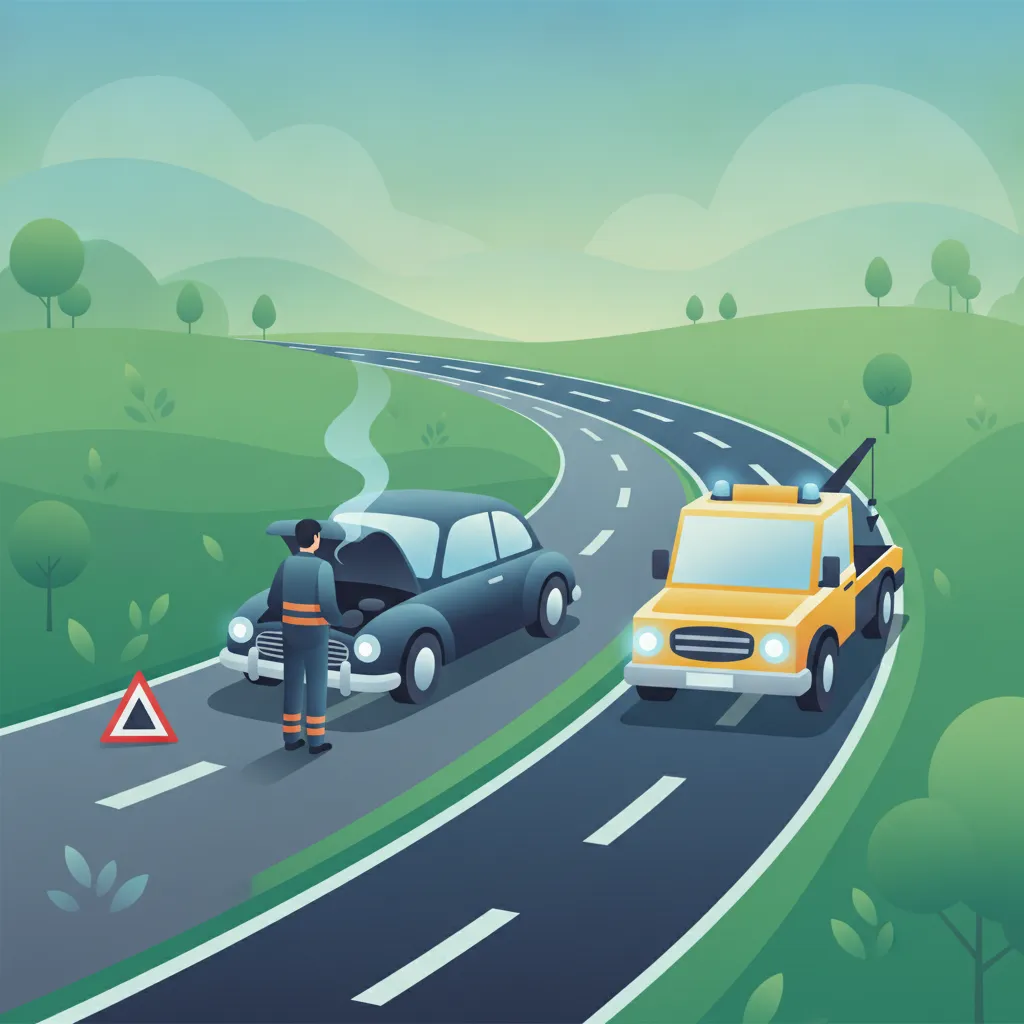
This lesson provides clear, actionable steps for managing a breakdown or being involved in an accident. It covers how to safely move the vehicle off the road, use warning signals, and secure the area. The procedure for contacting roadside assistance and the authorities is also explained in detail.

This lesson provides strategies for proactively managing passenger behavior to maintain a safe environment for everyone. It covers techniques for supervising passengers, enforcing rules on seat belt use, smoking, and alcohol, and managing luggage placement. The lesson also addresses how to handle disruptive behavior and the driver's role in assisting passengers during an emergency evacuation to ensure an orderly process.

This lesson focuses on the essential legal principle of a heightened duty of care when carrying passengers. It details the driver's responsibility to ensure the safety, comfort, and accessibility of everyone on board, from boarding to alighting. Learners will understand how to conduct risk assessments, manage passenger behavior, and prepare for potential emergencies to fulfill this crucial obligation.

This lesson covers the proper management of items brought on board by passengers, including luggage, prams, and mobility aids. It teaches how to use designated storage areas and racks correctly to prevent items from becoming hazards. The procedures for securing wheelchairs and other mobility devices are detailed to ensure they are stable and do not move during transit, complying with safety and accessibility standards.

This lesson examines the professional standards expected of passenger-vehicle drivers. It covers the importance of maintaining public trust through reliability, punctuality, and a professional demeanor. Key skills such as effective passenger communication, conflict resolution, and stress management are discussed as vital components of a driver's accountability and adherence to regulations.
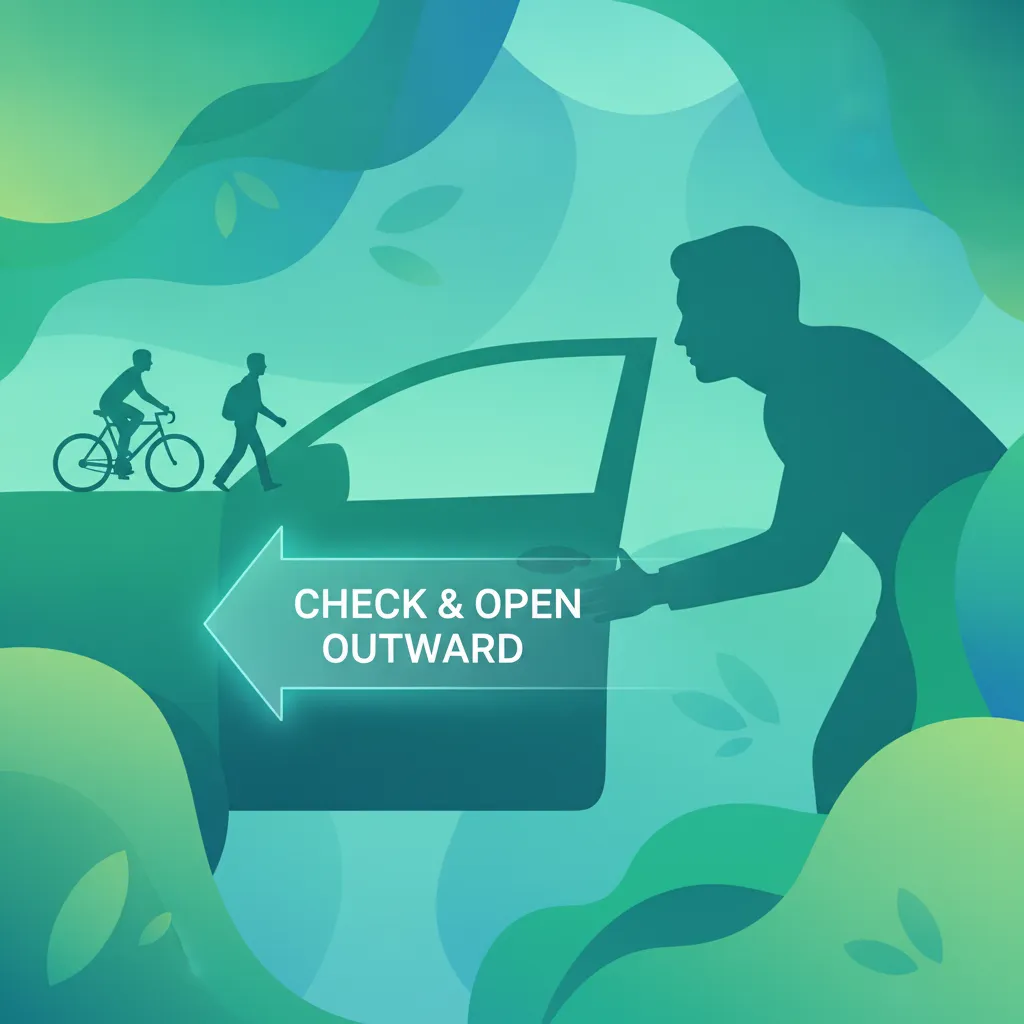
This lesson focuses on the safe operation of passenger doors, a critical aspect of daily duties. It explains the function of safety interlocks that prevent the vehicle from moving while doors are open and the importance of visually monitoring passengers. Learners will master the sequence of checking for obstructions, confirming all passengers are clear, and securely closing doors before departure.

This lesson details the structured process for managing passenger boarding and alighting. It covers coordinating passenger flow to prevent crowding and providing clear instructions or assistance when needed. The procedures for deploying ramps or kneeling systems for passengers with reduced mobility are also covered to ensure a safe, dignified, and efficient exchange process at every stop.

This lesson provides drivers with the tools to professionally handle incidents involving passengers, from medical issues to disruptive behavior. It focuses on communication and de-escalation techniques to resolve conflicts calmly and prevent situations from worsening. The goal is to maintain a safe and orderly environment for all passengers while handling challenging interpersonal dynamics with confidence and professionalism.
Learn to handle passenger incidents and maintain safety according to German driving theory. This lesson covers conflict resolution, managing passenger behavior, and securing passenger well-being during journeys, including specific procedures for stops and emergencies.
This lesson provides drivers with the tools to professionally handle incidents involving passengers, from medical issues to disruptive behavior. It focuses on communication and de-escalation techniques to resolve conflicts calmly and prevent situations from worsening. The goal is to maintain a safe and orderly environment for all passengers while handling challenging interpersonal dynamics with confidence and professionalism.
This lesson provides strategies for proactively managing passenger behavior to maintain a safe environment for everyone. It covers techniques for supervising passengers, enforcing rules on seat belt use, smoking, and alcohol, and managing luggage placement. The lesson also addresses how to handle disruptive behavior and the driver's role in assisting passengers during an emergency evacuation to ensure an orderly process.
This lesson details the structured process for managing passenger boarding and alighting. It covers coordinating passenger flow to prevent crowding and providing clear instructions or assistance when needed. The procedures for deploying ramps or kneeling systems for passengers with reduced mobility are also covered to ensure a safe, dignified, and efficient exchange process at every stop.
This lesson addresses the specific safety protocols required when transporting standing passengers. It explains the importance of ensuring passengers have access to handholds and are distributed evenly to maintain vehicle stability. Learners will understand their responsibility to drive smoothly, make announcements about sudden stops, and adhere to legal capacity limits for standing passengers.

This lesson teaches the principles of clear and effective communication with passengers. It covers the proper use of the public address system for making announcements about the route, stops, and safety procedures. Learners will also develop customer service skills for positive interactions and learn de-escalation techniques to professionally manage challenging situations or conflicts that may arise during a trip.
This lesson examines the professional standards expected of passenger-vehicle drivers. It covers the importance of maintaining public trust through reliability, punctuality, and a professional demeanor. Key skills such as effective passenger communication, conflict resolution, and stress management are discussed as vital components of a driver's accountability and adherence to regulations.

This lesson focuses on the factors contributing to passenger comfort during a journey. It explains how to effectively operate climate control and ventilation systems to maintain a pleasant temperature and air quality. Additionally, it discusses strategies for minimizing noise and vibration and the importance of smooth driving techniques to enhance the overall ride experience for passengers.
This lesson focuses on the essential legal principle of a heightened duty of care when carrying passengers. It details the driver's responsibility to ensure the safety, comfort, and accessibility of everyone on board, from boarding to alighting. Learners will understand how to conduct risk assessments, manage passenger behavior, and prepare for potential emergencies to fulfill this crucial obligation.
This lesson focuses on the safe operation of passenger doors, a critical aspect of daily duties. It explains the function of safety interlocks that prevent the vehicle from moving while doors are open and the importance of visually monitoring passengers. Learners will master the sequence of checking for obstructions, confirming all passengers are clear, and securely closing doors before departure.
This lesson covers the proper management of items brought on board by passengers, including luggage, prams, and mobility aids. It teaches how to use designated storage areas and racks correctly to prevent items from becoming hazards. The procedures for securing wheelchairs and other mobility devices are detailed to ensure they are stable and do not move during transit, complying with safety and accessibility standards.
Find clear answers to common questions learners have about Fire Safety and Evacuation Procedures. Learn how the lesson is structured, which driving theory objectives it supports, and how it fits into the overall learning path of units and curriculum progression in Germany. These explanations help you understand key concepts, lesson flow, and exam focused study goals.
The fire extinguisher must always be located in a clearly marked, easily accessible place as per the manufacturer's manual and German safety regulations. You should verify its location and charge status during your daily pre-trip inspection.
The immediate priority is to stop the vehicle in a safe location away from traffic, turn off the engine to cut fuel flow, and alert the passengers. Once secure, initiate your evacuation plan while assessing if the fire can be safely contained with available equipment.
During an emergency, you must prioritize the safety of those with limited mobility. Use the designated accessibility aids if safe to do so, and delegate capable passengers to assist others if you are occupied with securing the vehicle or alerting emergency services.
Yes, the theory exam may include questions about the minimum requirements, maintenance intervals, and proper handling of firefighting equipment on professional vehicles. Always ensure you know the specific fire safety equipment requirements for your vehicle class.
Begin your targeted revision now. Use our practice search to quickly find specific German driving theory questions. Filter by StVO rules, road signs, or hazard perception to create your focused study plan. Master challenging areas and prepare confidently for your theoretical driving test.