
This lesson focuses on the critical soft skills required for professional passenger transport, covering how to manage incidents and resolve conflicts effectively. As part of your D1, D1E, D, or DE training, you will learn to apply de-escalation techniques that ensure passenger safety and maintain a professional environment within your vehicle.

Lesson content overview
Operating a passenger vehicle, such as a bus or coach, carries significant responsibility, not only for safe navigation but also for the well-being and conduct of every passenger onboard. This lesson provides essential knowledge and practical strategies for professional German passenger-vehicle drivers holding Licence Categories D1, D1E, D, and DE, enabling them to confidently manage a range of passenger-related incidents, from medical emergencies to disruptive behavior. The core focus is on maintaining a safe, orderly, and professional environment through effective communication and de-escalation techniques.
As a professional driver, your primary obligation is to ensure the safety, comfort, and protection of your passengers. This duty of care extends beyond safe driving to actively preventing and resolving incidents that could cause harm or discomfort. It means being proactive in identifying potential issues and intervening appropriately to uphold a secure and orderly environment within the vehicle. Ignoring incidents can have severe consequences, including potential injuries, legal liabilities, and damage to your professional reputation.
The legal and ethical responsibility of a professional driver to ensure the safety, comfort, and well-being of all passengers and to protect them from harm while onboard the vehicle.
This responsibility integrates closely with broader themes of vehicle operation, emergency procedures, and the specific regulations governing professional passenger transport in Germany. Your ability to recognize, manage, and resolve conflicts or emergencies effectively is paramount to your role.
Passenger incidents can generally be categorized into two main types: medical emergencies and disruptive behavior. Each requires a distinct approach, though both demand a calm, professional, and decisive response from the driver.
A medical emergency occurs when a passenger experiences a sudden health crisis requiring immediate attention. These situations can range from minor discomfort to life-threatening conditions. Your prompt and appropriate response can significantly impact the passenger's outcome.
Professional drivers should be aware of common medical emergencies that might occur onboard:
While you are not expected to be a medical professional, recognizing the signs of common medical emergencies allows you to act quickly and call for appropriate help.
When a passenger experiences a medical incident, your immediate actions are crucial:
Safely Stop the Vehicle: Your first priority is to bring the vehicle to a safe stop. This means pulling over to the side of the road, a designated bus stop, or an emergency lane, ensuring you do not endanger other road users or your remaining passengers. Activate hazard warning lights.
Assess the Situation: Quickly evaluate the passenger's condition. Are they conscious? Are they breathing? Do they appear to be in severe distress? Ask if they are alright and if they have any medical conditions.
Provide Basic Assistance (if safe and trained): If appropriate and you have basic first aid training, offer simple assistance. For example, help an unconscious passenger into the recovery position, or offer water to someone feeling faint (if they can swallow safely). Never attempt to administer medication or provide complex medical care unless you are a qualified medical professional.
Contact Emergency Services: Immediately call emergency services (112 in Germany) and clearly state your precise location, the nature of the emergency, and the number of affected passengers. Stay on the line and follow their instructions.
Ensure Safety of Others: While attending to the affected passenger, ensure the safety and calm of other passengers. Reassure them and explain what is happening, if appropriate.
Prepare for Emergency Responders: Clear a path for paramedics or other emergency personnel. If possible, provide any relevant information you have gathered about the passenger's condition.
A common misunderstanding is to assume medical incidents are rare or unimportant. Ignoring a passenger in distress can lead to severe consequences, including worsening the passenger's condition, legal liability for the driver and operator, and potential passenger injury or death. Delaying response due to hesitation can also waste precious time during a critical emergency.
Disruptive behavior includes any action or conduct by a passenger that jeopardizes the safety, comfort, or order of others on board. This can range from minor annoyances to serious threats. Your role involves identifying such behavior, intervening effectively, and, if necessary, enforcing compliance with safety regulations.
Disruptive behavior can manifest in various forms:
Disruptive behavior can be a major distraction for the driver, create safety hazards for all occupants, and potentially lead to legal issues.
The most effective way to manage disruptive behavior is through de-escalation. This involves using calm, non-confrontational communication to defuse a tense situation and achieve a peaceful resolution.
A set of techniques used to calm tense situations, reduce emotional intensity, and prevent conflicts from escalating into violence or serious disruption, primarily through calm communication and problem-solving.
Maintain Calmness: Your own composure is infectious. Speak in a clear, measured, and calm tone of voice, even if the passenger is agitated. Avoid shouting or aggressive body language.
Active Listening: Listen to the passenger's concerns without interrupting. Acknowledge their feelings, even if you don't agree with their behavior ("I understand you're frustrated, but..."). This can help the passenger feel heard and reduce their defensiveness.
Clear and Concise Communication: State your instructions clearly and simply. Explain why certain rules exist (e.g., "For your safety, you must wear your seatbelt").
Offer Solutions or Alternatives: Where possible, offer a constructive way forward. For example, "If you continue to be disruptive, I will have to ask you to leave the vehicle at the next safe stop. However, if you calm down, we can continue without issues."
Set Boundaries Firmly but Respectfully: Make it clear what behavior is unacceptable and what the consequences will be if it continues. Avoid personalizing the conflict; focus on the behavior, not the individual.
Avoid Direct Physical Confrontation: As a driver, your primary role is not law enforcement. Physical intervention should only be considered as a last resort in self-defense or to prevent serious harm, and only if legally permissible. Prioritize calling for assistance.
Thinking that imposing authority alone resolves conflicts is a common misunderstanding. While authority is necessary, a confrontational approach can often escalate, rather than defuse, a situation.
As a professional driver, you have a legal obligation to maintain order and safety onboard your vehicle. This includes the right to demand compliance with safety regulations and, in severe cases, the right to interrupt travel or refuse service to disruptive passengers.
Under German law (e.g., relevant sections of the "Personenbeförderungsgesetz" - PBefG, and local transport regulations), drivers have specific rights and duties:
While de-escalation is preferred, there are circumstances where involving the police (110 in Germany) is necessary:
Always prioritize your safety and the safety of your passengers. If you feel a situation is escalating beyond your control, do not hesitate to contact the police.
Effective coordination with emergency services (police, paramedics, fire department) is critical during any passenger incident. Your ability to provide clear, accurate information ensures that professional help arrives promptly and can address the situation efficiently.
When contacting emergency services, be prepared to provide:
Once emergency services are en route, take steps to prepare the scene:
Handling passenger incidents is rarely a one-size-fits-all scenario. Your response must adapt to various contextual factors.
The regulations and procedures for handling passenger incidents are rooted in fundamental safety, psychological, and legal principles:
By understanding these underlying principles, professional drivers can appreciate the critical importance of their actions and decisions during passenger incidents.
Explore all units and lessons included in this driving theory course.
Lesson content overview
Explore all units and lessons included in this driving theory course.
Explore search topics learners often look for when studying Passenger Incidents and Conflict Resolution. These topics reflect common questions about road rules, driving situations, safety guidance, and lesson level theory preparation for learners in Germany.
Browse additional driving theory lessons that cover connected traffic rules, road signs, and common driving situations related to this topic. Improve your understanding of how different rules interact across everyday traffic scenarios.
Learn advanced strategies for de-escalating conflicts and managing passenger incidents. This lesson covers professional communication techniques and emergency protocols essential for maintaining safety and order in passenger transport.

This lesson teaches the principles of clear and effective communication with passengers. It covers the proper use of the public address system for making announcements about the route, stops, and safety procedures. Learners will also develop customer service skills for positive interactions and learn de-escalation techniques to professionally manage challenging situations or conflicts that may arise during a trip.

This lesson provides strategies for proactively managing passenger behavior to maintain a safe environment for everyone. It covers techniques for supervising passengers, enforcing rules on seat belt use, smoking, and alcohol, and managing luggage placement. The lesson also addresses how to handle disruptive behavior and the driver's role in assisting passengers during an emergency evacuation to ensure an orderly process.

This lesson addresses the mental aspects of professional driving, focusing on managing stress and eliminating distractions. It identifies common stressors like time pressure and difficult traffic, offering coping strategies to maintain composure. The lesson also categorizes and explains the dangers of visual, manual, and cognitive distractions, providing techniques to maintain full situational awareness and focus on the driving task.

This lesson teaches drivers how to identify and assess stop locations that present elevated risks, such as those in dense residential areas, near schools, or with limited visibility. It provides strategies for mitigating these risks through careful vehicle positioning and heightened situational awareness. The goal is to ensure that passenger exchanges can be conducted safely even when the surrounding environment is challenging and unpredictable.

This lesson focuses on the critical moments of interaction with pedestrians and cyclists near bus stops, a common location for accidents. It reinforces the importance of reducing speed, yielding right-of-way, and constantly monitoring blind spots during the stopping process. Learners will practice techniques like making eye contact and using signals to communicate intentions, creating a safer environment for everyone around the vehicle.

This lesson examines the professional standards expected of passenger-vehicle drivers. It covers the importance of maintaining public trust through reliability, punctuality, and a professional demeanor. Key skills such as effective passenger communication, conflict resolution, and stress management are discussed as vital components of a driver's accountability and adherence to regulations.

This lesson teaches the driving techniques required for smooth operation, which is essential for passenger comfort and vehicle stability. It covers progressive application of the accelerator and brakes to avoid jolts and abrupt movements. The principles of anticipatory driving are also explored, showing how looking ahead and planning maneuvers contributes to a smoother ride, better fuel efficiency, and increased safety.

This lesson addresses the critical safety issue of driver fatigue, explaining its causes and physiological effects on performance. Learners will be taught to recognize the subtle warning signs of drowsiness and the dangers of microsleeps. It provides practical countermeasures, including the importance of quality sleep, effective scheduling of rest breaks, and managing workload to maintain optimal alertness while driving.
Explore essential safety protocols for passenger vehicle drivers, including managing incidents and understanding driver responsibilities according to German traffic law. Focus on maintaining a safe environment for all passengers.

This lesson teaches the systematic pre-trip inspection routine that every professional driver must perform. It covers a comprehensive checklist of visual and functional checks, including lights, tires, mirrors, and wipers. The lesson also emphasizes verifying the presence and condition of mandatory safety equipment, such as emergency exits, the fire extinguisher, and the first-aid kit, to ensure the vehicle is safe to operate.
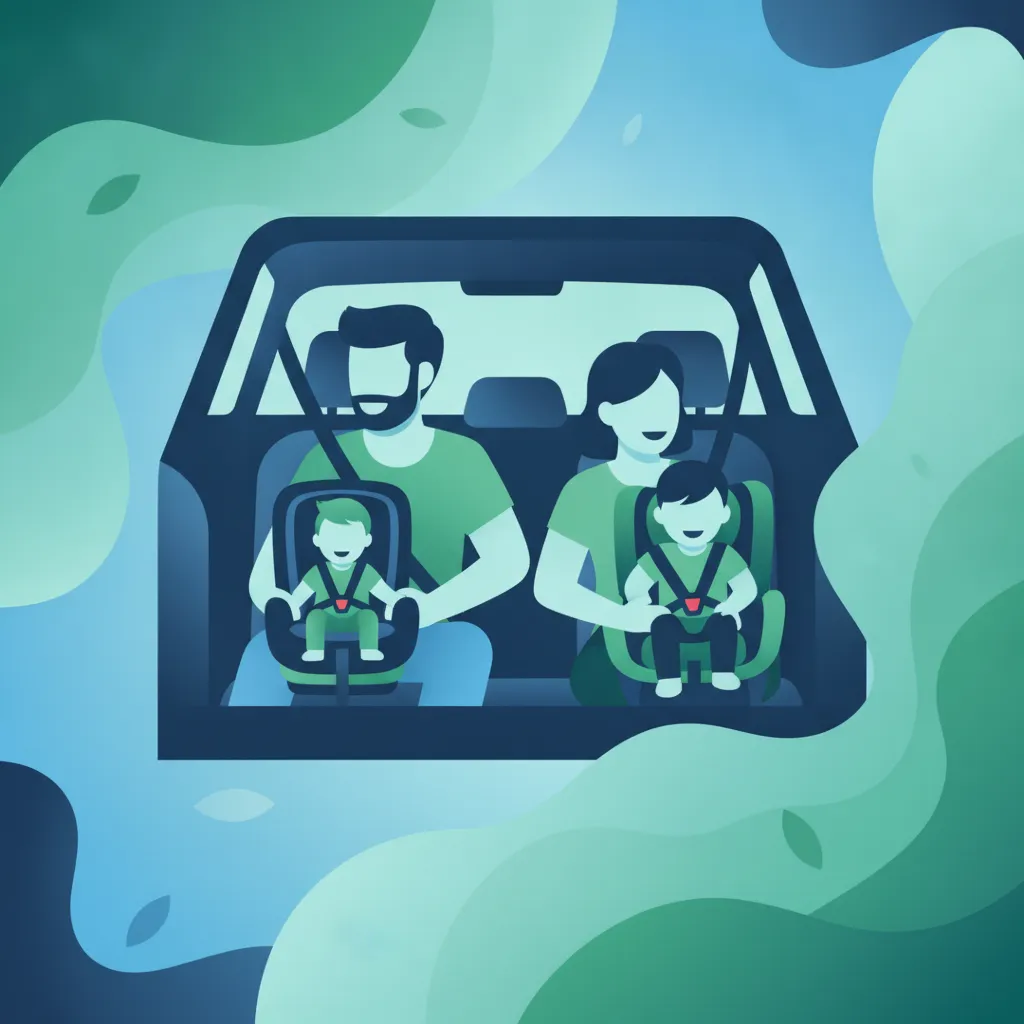
This lesson details the driver's legal responsibility for the safety of all passengers. It reinforces the mandatory use of seat belts for everyone in the vehicle. A significant focus is placed on the strict regulations for child safety, explaining the types of child restraint systems required based on a child's age, height, and weight, and how to install them correctly.
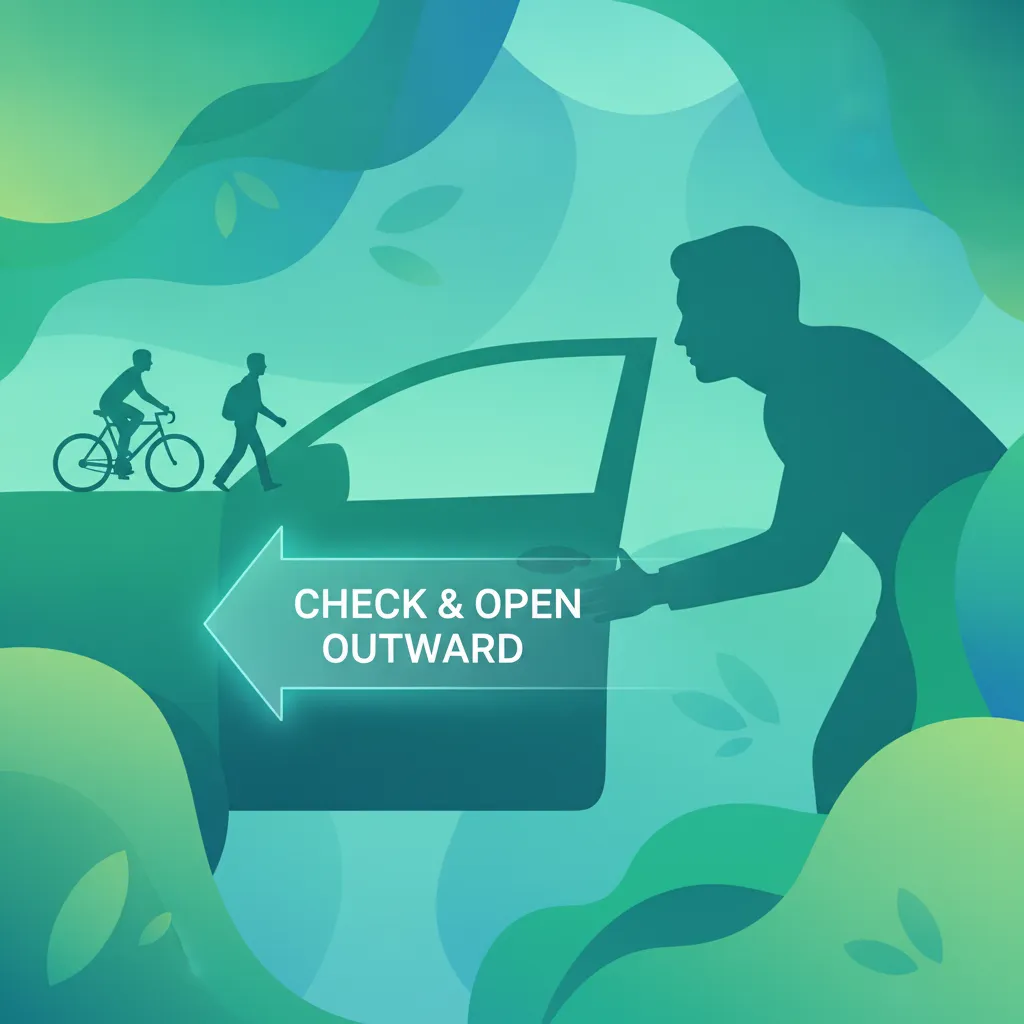
This lesson focuses on the safe operation of passenger doors, a critical aspect of daily duties. It explains the function of safety interlocks that prevent the vehicle from moving while doors are open and the importance of visually monitoring passengers. Learners will master the sequence of checking for obstructions, confirming all passengers are clear, and securely closing doors before departure.

This lesson outlines a clear, systematic procedure for managing a vehicle breakdown safely and efficiently. It covers immediate actions such as activating hazard lights, placing a warning triangle, and moving the vehicle to a safe location if possible. Learners will understand how to communicate the situation to passengers, decide if an evacuation is necessary, and contact the appropriate breakdown services for assistance.

This lesson focuses on the particular care required when driving near pedestrians, with a special emphasis on children and the elderly, whose behavior can be unpredictable. It covers the rules for yielding at zebra crossings and the importance of reducing speed near schools, playgrounds, and residential areas. The goal is to instill a habit of constant vigilance and readiness to stop.

This lesson focuses on fire safety protocols for passenger vehicles, covering both prevention and response. It teaches the location and proper use of fire extinguishers and the importance of recognizing potential fire hazards during pre-trip inspections. A primary focus is on the procedure for a calm and orderly evacuation, including how to operate emergency exits and guide all passengers, including those with mobility issues, to a safe location.

This lesson focuses on the essential legal principle of a heightened duty of care when carrying passengers. It details the driver's responsibility to ensure the safety, comfort, and accessibility of everyone on board, from boarding to alighting. Learners will understand how to conduct risk assessments, manage passenger behavior, and prepare for potential emergencies to fulfill this crucial obligation.
This lesson provides strategies for proactively managing passenger behavior to maintain a safe environment for everyone. It covers techniques for supervising passengers, enforcing rules on seat belt use, smoking, and alcohol, and managing luggage placement. The lesson also addresses how to handle disruptive behavior and the driver's role in assisting passengers during an emergency evacuation to ensure an orderly process.

This lesson focuses on identifying road users who require special attention and caution, such as children, the elderly, and individuals with disabilities. It details the appropriate behavior when encountering school buses and public transport, which often involve unpredictable pedestrian movement. A critical topic covered is the legal requirement to form an emergency corridor ('Rettungsgasse') for responding emergency vehicles.

This lesson focuses on the passive safety features designed to protect occupants in the event of a crash. It explains the vital importance of seat belts and the legal requirement for all passengers to wear them. The function of airbags, head restraints, and the vehicle's structural safety features are also discussed, along with the specific legal requirements for using appropriate child restraint systems.
Find clear answers to common questions learners have about Passenger Incidents and Conflict Resolution. Learn how the lesson is structured, which driving theory objectives it supports, and how it fits into the overall learning path of units and curriculum progression in Germany. These explanations help you understand key concepts, lesson flow, and exam focused study goals.
Your primary duty is to ensure the safety of the vehicle and all passengers. You should remain calm, communicate clearly and firmly, and use de-escalation techniques. Never compromise vehicle control or road safety to address a dispute.
The exam uses situational questions where you must choose the safest and most professional course of action. These questions focus on your duty of care, legal responsibilities, and the importance of not allowing passenger behavior to distract you from driving duties.
Yes, German transport regulations dictate specific procedures for refusal of carriage or removal, usually involving safety threats or severe breaches of conduct. You must follow company policy and legal requirements, ensuring you do not leave a vulnerable person in an unsafe location.
Prioritize safe positioning of the vehicle, contact emergency services (112), and secure the passengers. You must be prepared to provide clear instructions to other passengers and coordinate with responders as part of your professional duty.
Begin your targeted revision now. Use our practice search to quickly find specific German driving theory questions. Filter by StVO rules, road signs, or hazard perception to create your focused study plan. Master challenging areas and prepare confidently for your theoretical driving test.