
This lesson explores the driver's role in maintaining a safe and orderly environment for passengers in vehicles requiring D1, D1E, D, or DE licences. You will learn proactive strategies for enforcing safety rules and handling difficult behavioral scenarios effectively. This knowledge is crucial for both passing your theory exam and maintaining professional standards as a bus or coach driver.

Lesson content overview
As a professional driver operating passenger vehicles in Germany (licence categories D1, D1E, D, DE), your responsibility extends far beyond merely navigating the roads. A critical aspect of your role involves proactively managing passenger behavior to ensure a safe, comfortable, and compliant environment for everyone aboard. This comprehensive lesson delves into the strategies and regulations necessary to supervise passengers effectively, enforce safety rules, and handle challenging situations, ultimately contributing to a secure journey for all.
The core objective is to mitigate risks: uncontrolled passenger actions can distract you, impede vehicle operation, compromise safety systems, and even lead to severe accidents or legal violations. Understanding and applying these principles is paramount for preventing injuries, maintaining order, and upholding your professional duty of care. This topic is intricately linked to broader concepts of driver accountability, vehicle safety, and emergency preparedness, all of which are vital components of your professional training.
Passenger supervision is defined as the driver’s continuous observation and proactive management of passenger behavior throughout the entire journey. As the driver, you bear the primary responsibility for ensuring that all passengers comply with safety regulations and maintaining order within the vehicle. This legal obligation requires constant vigilance, readiness to intervene, and decisive action when necessary.
Your duties include monitoring compliance with fundamental safety rules, overseeing seating arrangements, ensuring proper luggage placement, and addressing any disruptive or unsafe actions immediately. It is a common misunderstanding to assume that passengers will instinctively self-regulate without your oversight; active supervision is essential to prevent potential hazards. For instance, you must ensure that a child requiring a booster seat is correctly placed and secured before commencing the journey.
The enforcement of seat belt usage is a cornerstone of passenger safety. German traffic law unequivocally mandates that all passengers wear seat belts while the vehicle is in motion, regardless of their seating position (front or rear). This includes specific regulations for children, who must be secured in appropriate child restraint systems suited to their age, weight, and height.
Before moving the vehicle, it is your responsibility to visually check and confirm that every passenger has fastened their seat belt correctly. Failure to enforce seat belt use can lead to significant fines for the driver, who may be held accountable for passengers who do not comply. A common misconception is believing that only front-seat passengers are required to wear seat belts, or that rear-seat passengers are exempt; this is incorrect. You must insist that all rear passengers buckle up before proceeding.
To ensure the safety and well-being of all occupants and to comply with German regulations, certain passenger activities are strictly prohibited while the vehicle is in motion. As the driver, you are responsible for preventing and enforcing bans on these actions.
Smoking is explicitly prohibited inside all passenger vehicles while in motion in Germany. This regulation applies to both the driver and all passengers, irrespective of the vehicle type or journey length. The rationale behind this ban includes preventing fire hazards, maintaining air quality, and ensuring a comfortable environment for non-smokers.
You must remind passengers of this rule and prevent them from lighting cigarettes, e-cigarettes, or any other smoking devices. Ignoring a passenger smoking in the vehicle can lead to legal penalties and fines.
While often associated primarily with the driver, the consumption of alcohol by passengers while the vehicle is in motion is also generally prohibited in professional passenger transport services in Germany. This regulation aims to prevent impaired passenger behavior that could lead to disruption, interfere with safety, or distract the driver.
You, as the driver, must actively enforce this rule. If a passenger attempts to consume alcohol, you must refuse their request and remind them of the prohibition. This helps maintain order and ensures that all passengers remain in a state where they can react appropriately in an emergency.
Passengers must remain seated and refrain from unhindered movement within the vehicle while it is in motion. Excessive movement can distract the driver, shift the vehicle's center of gravity, and increase the risk of injury during sudden braking or evasive maneuvers. Furthermore, standing passengers or those moving around are at a much higher risk of falling and sustaining injuries in the event of an accident.
You should establish clear expectations for passenger conduct at the beginning of the journey, especially on longer routes or when transporting groups. This includes ensuring passengers do not obstruct aisles, exits, or your view of mirrors.
Proper management of passengers' luggage and other loads is crucial for vehicle stability, passenger safety, and emergency preparedness. Unsecured items can become dangerous projectiles in a collision or sudden stop, and improperly placed luggage can obstruct vital safety equipment or emergency exits.
All luggage must be stored securely in designated compartments. This typically includes overhead bins, under-seat spaces, or dedicated luggage compartments in the rear of the vehicle. You must instruct passengers to place heavy bags in lower compartments or the trunk to maintain vehicle stability, especially for larger vehicles like buses or coaches.
Luggage must never be placed on seats in a way that prevents another passenger from using a seat belt, nor should it be stored in aisles or near emergency exits, as this would impede passenger movement and evacuation. Even smaller items like backpacks or shopping bags can pose a tripping hazard or become dangerous projectiles in an emergency if not stowed away.
Improperly secured or distributed luggage can adversely affect the vehicle's handling and stability, especially when cornering or braking. An unbalanced load can make the vehicle more difficult to control, increasing accident risk. Furthermore, items blocking seat belt mechanisms or airbag deployment zones can render safety systems ineffective. You must emphasize to passengers that correct luggage placement is a shared responsibility for overall safety.
As a professional driver, you may encounter passengers whose behavior threatens safety or disrupts the journey. Managing disruptive behavior effectively requires a calm, authoritative approach to maintain order and ensure the well-being of everyone.
Disruptive behavior can manifest in various ways, from verbal aggression and loud arguments to physical movement, non-compliance with rules, or even harassment. Your immediate response should be to intervene appropriately, prioritizing safety and de-escalation.
De-escalation Techniques: When addressing disruptive passengers, remain calm and professional. Use a firm but polite tone, clearly stating the rule being violated and explaining the safety implications. Avoid accusatory language and focus on the behavior, not the person.
You have the authority to demand cessation of disruptive behavior. If a passenger is arguing loudly or engaging in actions that distract you or endanger others, you must address them directly and ask them to calm down. For example, if children on a school bus are causing significant commotion, you should pull over safely and speak to them directly to restore order.
Persistent non-compliance or behavior that poses a direct threat to safety may necessitate more drastic measures. As the driver, you have the right, and sometimes the obligation, to stop the vehicle in a safe location if a passenger's behavior becomes unmanageable or poses an immediate danger. This action underscores the seriousness of the situation and protects all occupants.
In severe cases, such as physical altercations, threats, or refusal to comply with safety instructions, you may need to contact law enforcement. Your primary duty is to ensure the safety of all passengers and yourself, and escalating to authorities is a legitimate and necessary step when internal management proves insufficient.
In the unfortunate event of an emergency, such as a fire or accident, your role in facilitating an orderly and safe evacuation of passengers is paramount. Your preparedness and clear leadership can significantly reduce panic and minimize the risk of injury.
You must be thoroughly knowledgeable about all emergency evacuation procedures relevant to your specific vehicle. This includes knowing the location and operation of all emergency exits (doors, windows, roof hatches), fire extinguishers, and first-aid kits. In an emergency, your immediate actions should include:
Stop Safely: Bring the vehicle to a controlled stop, apply the parking brake, and activate hazard warning lights.
Assess and Activate Alarms: Quickly assess the situation (e.g., fire, smoke, collision damage) and activate any emergency alarm systems.
Give Clear Instructions: Announce the emergency clearly and calmly. Provide precise instructions on which exits to use and how to operate them. Use a firm, reassuring tone to prevent panic.
Open Exits: Manually open all accessible emergency exits.
Direct and Count Passengers: Systematically direct passengers towards the safest exits, encouraging them to leave their belongings behind. If possible, try to count passengers as they exit.
Assist Vulnerable Passengers: Prioritize assisting passengers with reduced mobility, the elderly, small children, or those with disabilities. Provide physical support or clear guidance.
Ensure Clearance: Check that all passengers have evacuated and that the area around the vehicle is clear and safe.
Assisting passengers with reduced mobility, including those using wheelchairs or having other physical limitations, is a critical part of your evacuation responsibilities. You must be trained in the specific procedures and equipment (e.g., ramps, lifts) designed to aid these individuals. During an emergency, provide direct assistance, ensuring they are evacuated safely and efficiently, even if it requires additional time and effort. Remember, a delayed or chaotic evacuation can result in trampling, suffocation, or additional injuries, highlighting the importance of your effective leadership.
Effective passenger management is underpinned by several core principles that guide a professional driver's actions:
By consistently adhering to these principles, you contribute significantly to the safety, comfort, and reliability of professional passenger transport services in Germany.
Managing passenger behavior is a core professional responsibility for D-category drivers in Germany, encompassing active supervision, enforcing mandatory safety rules, and maintaining order throughout the journey. Drivers must ensure universal seat belt compliance, prohibit smoking and alcohol consumption, and manage luggage placement to maintain vehicle stability and keep exits clear. When confronting disruptive passengers, de-escalation techniques should be used first, but stopping the vehicle or involving authorities becomes necessary if behavior poses an immediate safety threat. In emergencies, the driver leads an orderly evacuation by stopping safely, activating hazard lights, giving clear instructions, opening all exits, and prioritizing assistance for passengers with reduced mobility.
A short set of high-value points that capture the most important learning from this lesson.
The driver bears primary legal responsibility for passenger safety and must actively supervise compliance throughout the entire journey.
All passengers, including rear-seat occupants, must wear seat belts while the vehicle is in motion under German traffic law.
Smoking is strictly prohibited inside all passenger vehicles while in operation, and the driver must enforce this rule.
Luggage must be stored in designated compartments only; improperly placed items can become projectiles and obstruct emergency exits.
In emergencies, the driver must stop safely, activate hazard lights, give clear evacuation instructions, and prioritize vulnerable passengers.
Explore all units and lessons included in this driving theory course.
Active supervision is not optional; passengers will not self-regulate without the driver's continuous oversight.
Children must be secured in appropriate child restraint systems suited to their age, weight, and height.
Passengers must remain seated and refrain from moving within the vehicle while it is in motion.
If de-escalation fails and behavior poses an immediate danger, the driver may stop the vehicle and contact law enforcement.
During evacuation, direct passengers to leave belongings behind and systematically check that all have exited safely.
Assuming rear-seat passengers are exempt from seat belt requirements, which is incorrect under German law.
Believing passengers will automatically comply with safety rules without active enforcement from the driver.
Allowing luggage to be placed on seats or in aisles, which can obstruct seat belt use and emergency exits.
Failing to check that all passengers have fastened seat belts before moving the vehicle.
Underestimating the seriousness of disruptive behavior; delaying intervention can escalate risks to all occupants.
Lesson content overview
A short set of high-value points that capture the most important learning from this lesson.
The driver bears primary legal responsibility for passenger safety and must actively supervise compliance throughout the entire journey.
All passengers, including rear-seat occupants, must wear seat belts while the vehicle is in motion under German traffic law.
Smoking is strictly prohibited inside all passenger vehicles while in operation, and the driver must enforce this rule.
Luggage must be stored in designated compartments only; improperly placed items can become projectiles and obstruct emergency exits.
In emergencies, the driver must stop safely, activate hazard lights, give clear evacuation instructions, and prioritize vulnerable passengers.
Explore all units and lessons included in this driving theory course.
Active supervision is not optional; passengers will not self-regulate without the driver's continuous oversight.
Children must be secured in appropriate child restraint systems suited to their age, weight, and height.
Passengers must remain seated and refrain from moving within the vehicle while it is in motion.
If de-escalation fails and behavior poses an immediate danger, the driver may stop the vehicle and contact law enforcement.
During evacuation, direct passengers to leave belongings behind and systematically check that all have exited safely.
Assuming rear-seat passengers are exempt from seat belt requirements, which is incorrect under German law.
Believing passengers will automatically comply with safety rules without active enforcement from the driver.
Allowing luggage to be placed on seats or in aisles, which can obstruct seat belt use and emergency exits.
Failing to check that all passengers have fastened seat belts before moving the vehicle.
Underestimating the seriousness of disruptive behavior; delaying intervention can escalate risks to all occupants.
Explore search topics learners often look for when studying Managing Passenger Behavior. These topics reflect common questions about road rules, driving situations, safety guidance, and lesson level theory preparation for learners in Germany.
Browse additional driving theory lessons that cover connected traffic rules, road signs, and common driving situations related to this topic. Improve your understanding of how different rules interact across everyday traffic scenarios.
Learn effective strategies for managing passenger conflicts and addressing disruptive behaviour. This lesson covers techniques for de-escalation and maintaining order for professional drivers preparing for their German theory exam.

This lesson provides drivers with the tools to professionally handle incidents involving passengers, from medical issues to disruptive behavior. It focuses on communication and de-escalation techniques to resolve conflicts calmly and prevent situations from worsening. The goal is to maintain a safe and orderly environment for all passengers while handling challenging interpersonal dynamics with confidence and professionalism.

This lesson teaches the principles of clear and effective communication with passengers. It covers the proper use of the public address system for making announcements about the route, stops, and safety procedures. Learners will also develop customer service skills for positive interactions and learn de-escalation techniques to professionally manage challenging situations or conflicts that may arise during a trip.

This lesson addresses the mental aspects of professional driving, focusing on managing stress and eliminating distractions. It identifies common stressors like time pressure and difficult traffic, offering coping strategies to maintain composure. The lesson also categorizes and explains the dangers of visual, manual, and cognitive distractions, providing techniques to maintain full situational awareness and focus on the driving task.

This lesson examines the professional standards expected of passenger-vehicle drivers. It covers the importance of maintaining public trust through reliability, punctuality, and a professional demeanor. Key skills such as effective passenger communication, conflict resolution, and stress management are discussed as vital components of a driver's accountability and adherence to regulations.

This lesson teaches drivers how to identify and assess stop locations that present elevated risks, such as those in dense residential areas, near schools, or with limited visibility. It provides strategies for mitigating these risks through careful vehicle positioning and heightened situational awareness. The goal is to ensure that passenger exchanges can be conducted safely even when the surrounding environment is challenging and unpredictable.

This lesson focuses on the critical moments of interaction with pedestrians and cyclists near bus stops, a common location for accidents. It reinforces the importance of reducing speed, yielding right-of-way, and constantly monitoring blind spots during the stopping process. Learners will practice techniques like making eye contact and using signals to communicate intentions, creating a safer environment for everyone around the vehicle.

This lesson teaches the driving techniques required for smooth operation, which is essential for passenger comfort and vehicle stability. It covers progressive application of the accelerator and brakes to avoid jolts and abrupt movements. The principles of anticipatory driving are also explored, showing how looking ahead and planning maneuvers contributes to a smoother ride, better fuel efficiency, and increased safety.
Understand critical passenger safety protocols, including emergency evacuation procedures and the driver's role in ensuring orderly passenger movement during crises. Essential knowledge for D and DE licence holders in Germany.

This lesson focuses on fire safety protocols for passenger vehicles, covering both prevention and response. It teaches the location and proper use of fire extinguishers and the importance of recognizing potential fire hazards during pre-trip inspections. A primary focus is on the procedure for a calm and orderly evacuation, including how to operate emergency exits and guide all passengers, including those with mobility issues, to a safe location.

This lesson outlines a clear, systematic procedure for managing a vehicle breakdown safely and efficiently. It covers immediate actions such as activating hazard lights, placing a warning triangle, and moving the vehicle to a safe location if possible. Learners will understand how to communicate the situation to passengers, decide if an evacuation is necessary, and contact the appropriate breakdown services for assistance.

This lesson details the structured process for managing passenger boarding and alighting. It covers coordinating passenger flow to prevent crowding and providing clear instructions or assistance when needed. The procedures for deploying ramps or kneeling systems for passengers with reduced mobility are also covered to ensure a safe, dignified, and efficient exchange process at every stop.
This lesson addresses the specific safety protocols required when transporting standing passengers. It explains the importance of ensuring passengers have access to handholds and are distributed evenly to maintain vehicle stability. Learners will understand their responsibility to drive smoothly, make announcements about sudden stops, and adhere to legal capacity limits for standing passengers.
This lesson provides drivers with the tools to professionally handle incidents involving passengers, from medical issues to disruptive behavior. It focuses on communication and de-escalation techniques to resolve conflicts calmly and prevent situations from worsening. The goal is to maintain a safe and orderly environment for all passengers while handling challenging interpersonal dynamics with confidence and professionalism.
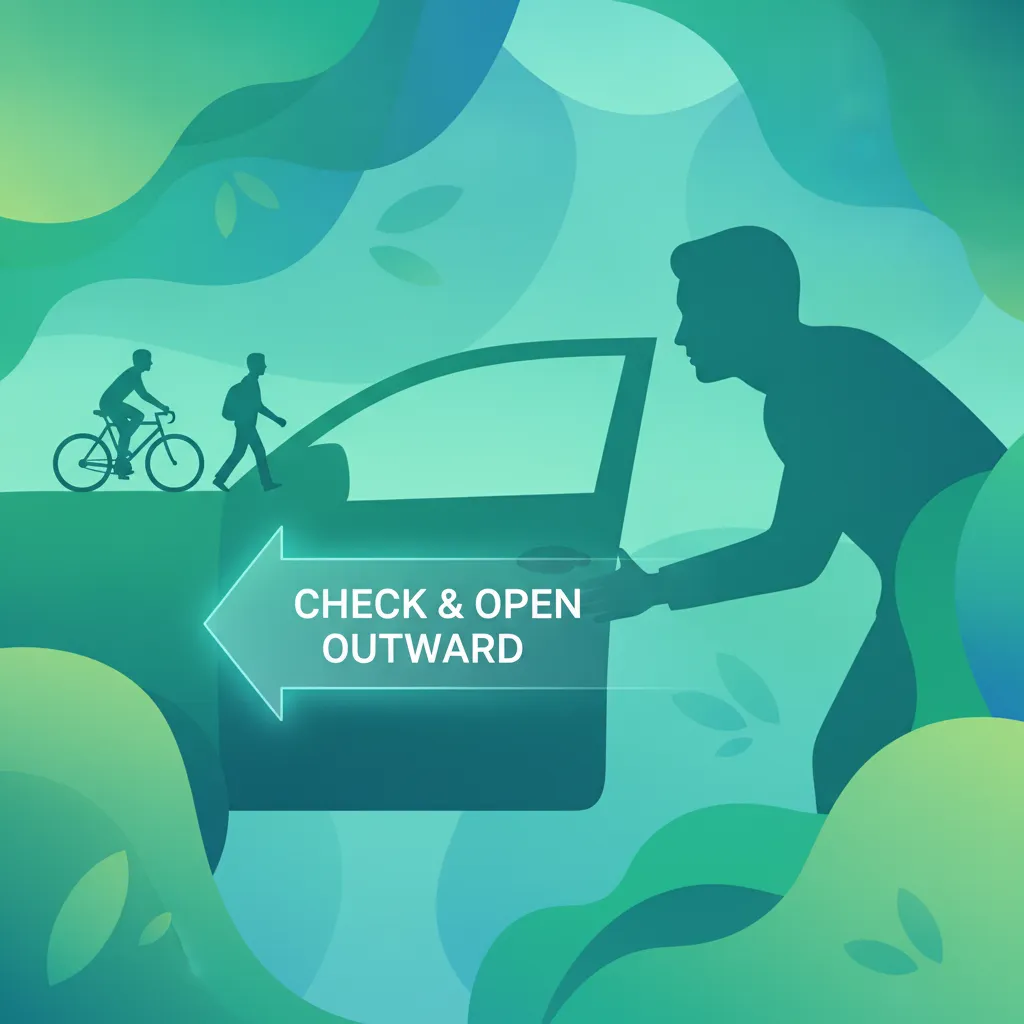
This lesson focuses on the safe operation of passenger doors, a critical aspect of daily duties. It explains the function of safety interlocks that prevent the vehicle from moving while doors are open and the importance of visually monitoring passengers. Learners will master the sequence of checking for obstructions, confirming all passengers are clear, and securely closing doors before departure.

This lesson focuses on fire risks associated with heavy vehicles, the correct use of fire extinguishers, and emergency evacuation procedures. It reviews different types of fire extinguishers and appropriate extinguishing techniques. The content also covers the steps to safely evacuate the vehicle in case of a fire.

This lesson provides a step-by-step guide for safely managing a vehicle breakdown on the road. It includes instructions on performing an emergency stop, deploying hazard lights and warning triangles, and contacting assistance. The content emphasizes maintaining safety for both the driver and other road users during the breakdown.
Find clear answers to common questions learners have about Managing Passenger Behavior. Learn how the lesson is structured, which driving theory objectives it supports, and how it fits into the overall learning path of units and curriculum progression in Germany. These explanations help you understand key concepts, lesson flow, and exam focused study goals.
As a professional driver, you hold a legal duty of care to ensure passenger safety from boarding to alighting. This includes enforcing rules like seat belt use and intervening in disruptive behavior to prevent accidents.
You must inform the passenger that the use of seat belts is a safety requirement. If they persist in refusing, you have the right to refuse to start the journey, as you are responsible for the safety of all passengers onboard.
Maintain a professional, calm demeanor. State the rules clearly and firmly, avoid escalating the conflict, and if safety is compromised, pull over at a safe location to resolve the issue before continuing.
Exam questions often present specific scenarios involving passenger conflicts or safety rule violations, asking you to identify the correct professional response or the legal priority of the driver's intervention.
Begin your targeted revision now. Use our practice search to quickly find specific German driving theory questions. Filter by StVO rules, road signs, or hazard perception to create your focused study plan. Master challenging areas and prepare confidently for your theoretical driving test.