
This theory hub provides comprehensive explanations of all German driving theory topics, road signs, and traffic rules. Understand essential concepts like right-of-way, speed limits, and Autobahn regulations, crucial for the official German theoretical driving test. Develop a strong grasp of the Straßenverkehrs-Ordnung (StVO) to drive confidently and safely.
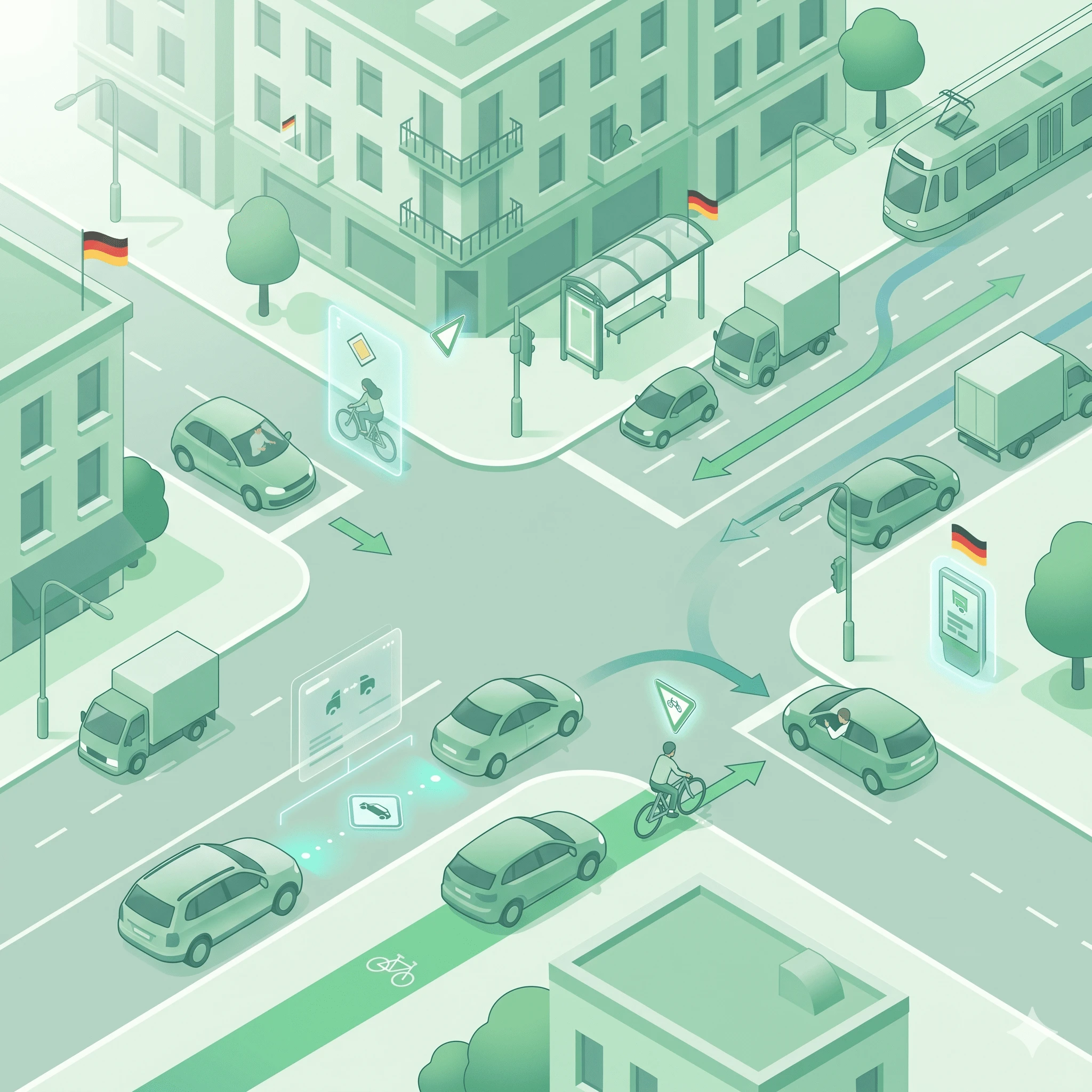
Our curriculum organizes German driving theory into targeted subject areas, helping you master complex traffic rules, road signs, and right-of-way priority situations. Focus your exam preparation by diving deep into specific technical categories and safety protocols.
12 topics
6 topics
5 topics
4 topics
3 topics
2 topics
2 topics
2 topics
1 topic
1 topic
1 topic
1 topic
Dive into detailed driving theory subjects to prepare for your German theory test. Search for specific traffic rules or browse all available topics to deepen your understanding of driving knowledge.
Filter by category
12 theory topics found
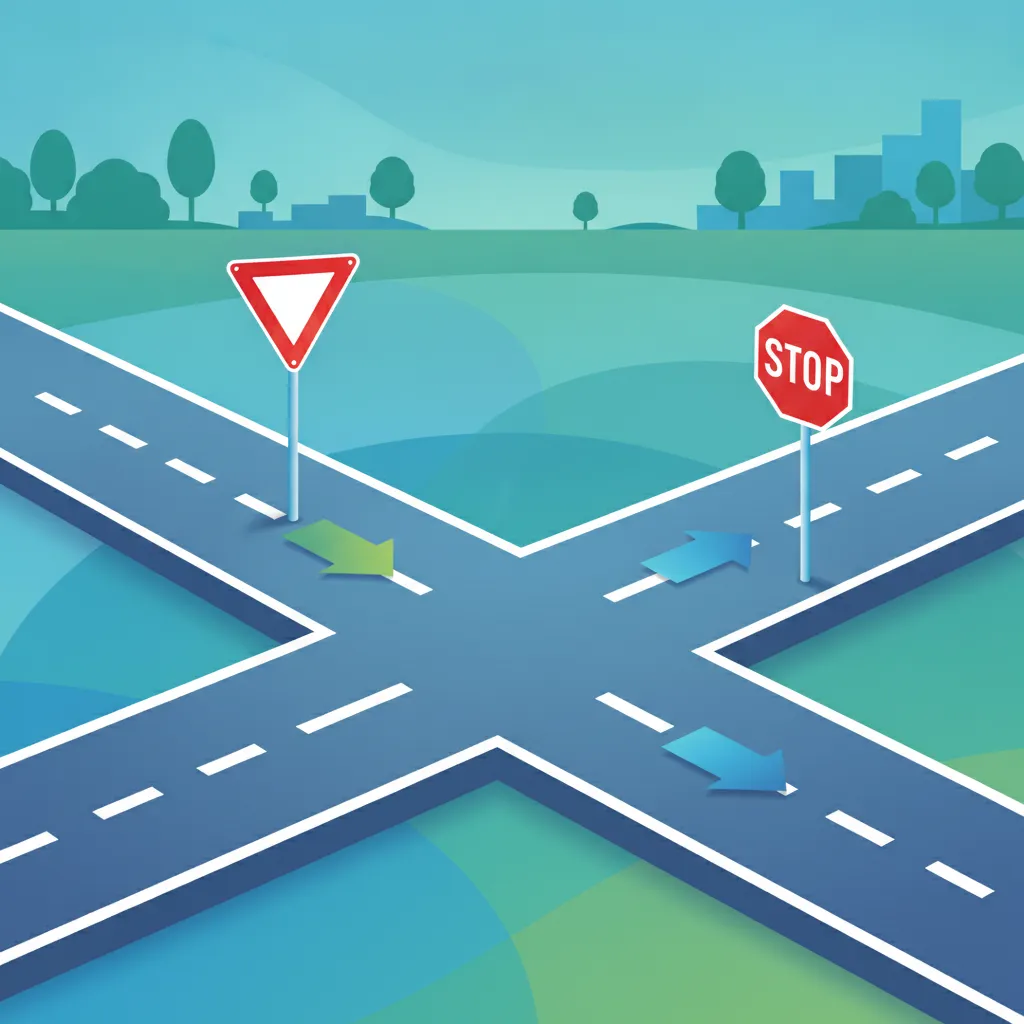
Right of way, known as Vorfahrt in Germany, is a fundamental concept in traffic law that dictates which road user has priority to proceed in situations where paths conflict. These rules are vital for maintaining order, preventing collisions, and ensuring a smooth flow of traffic. Your ability to correctly identify and apply Vorfahrt rules will be rigorously tested in the German driving theory exam and is critical for real-world driving.
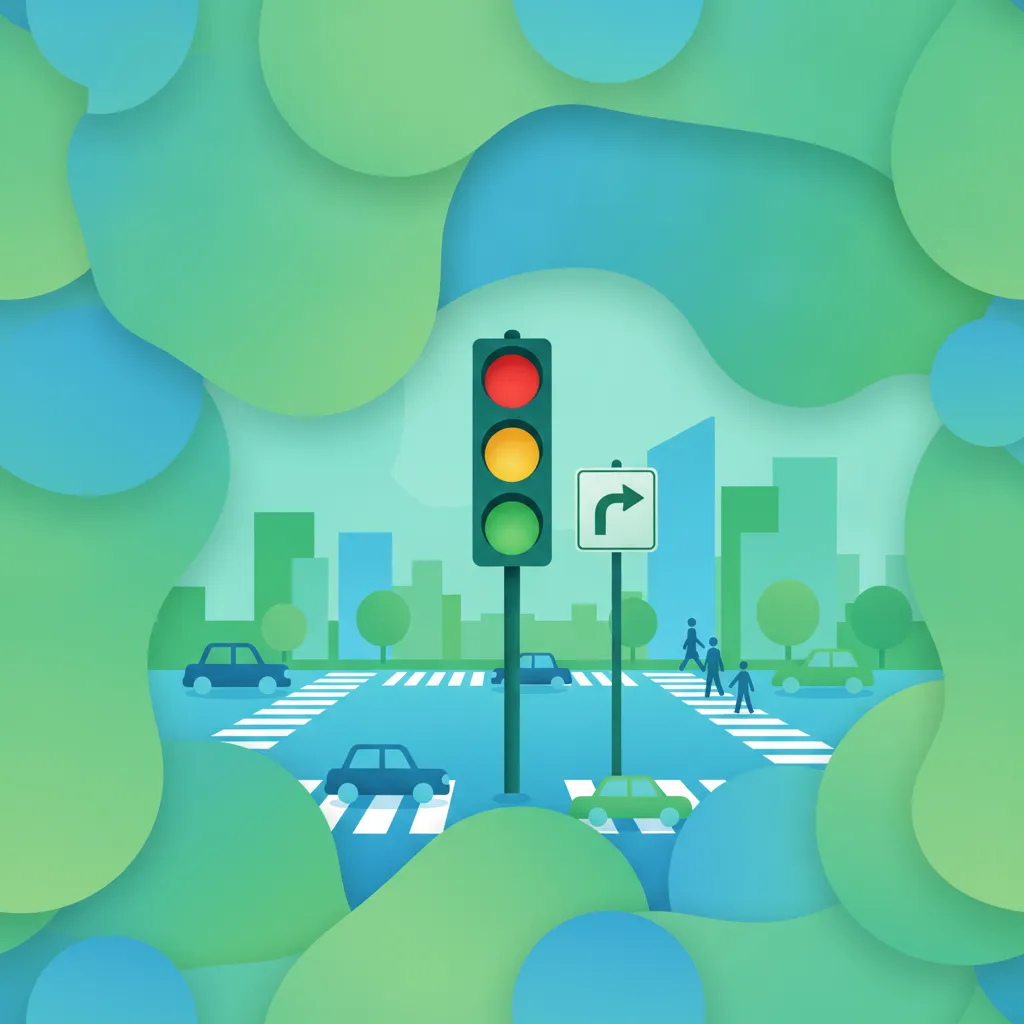
Traffic lights are essential for organizing vehicle and pedestrian flow, ensuring safety and efficiency at German intersections. This guide details the specific meanings of red, yellow, and green lights, along with the unique 'Grünpfeil' (green arrow) rule, to help you understand your obligations as a driver under the Straßenverkehrs-Ordnung (StVO). Pay close attention to the sequence and special signals to avoid common mistakes.
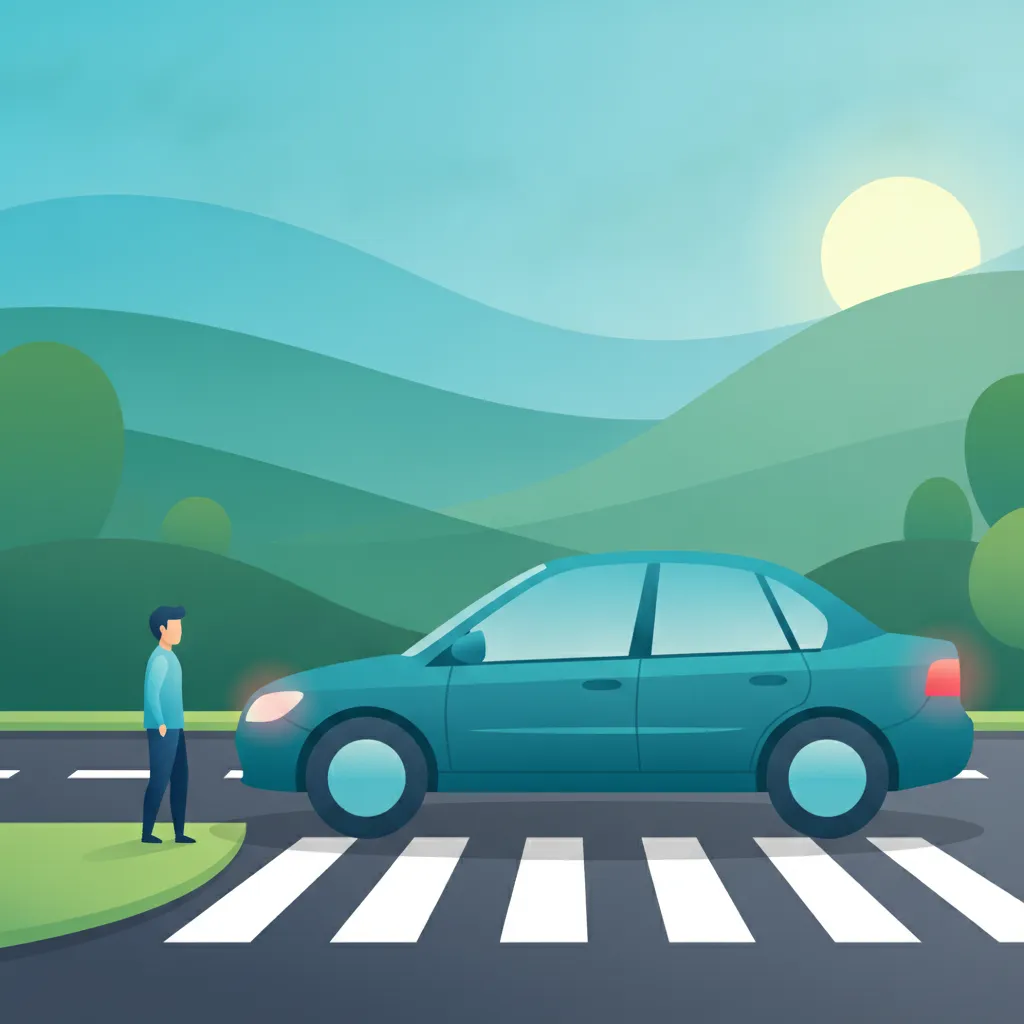
Pedestrian crossings, known as Fußgängerüberwege (or colloquially, zebra crossings), are designated areas in Germany where pedestrians have priority over vehicles. As a driver, it is your responsibility to recognize these crossings early and adjust your speed and behavior to ensure pedestrians can cross safely. This section clarifies your obligations and the key rules from the Straßenverkehrs-Ordnung (StVO).
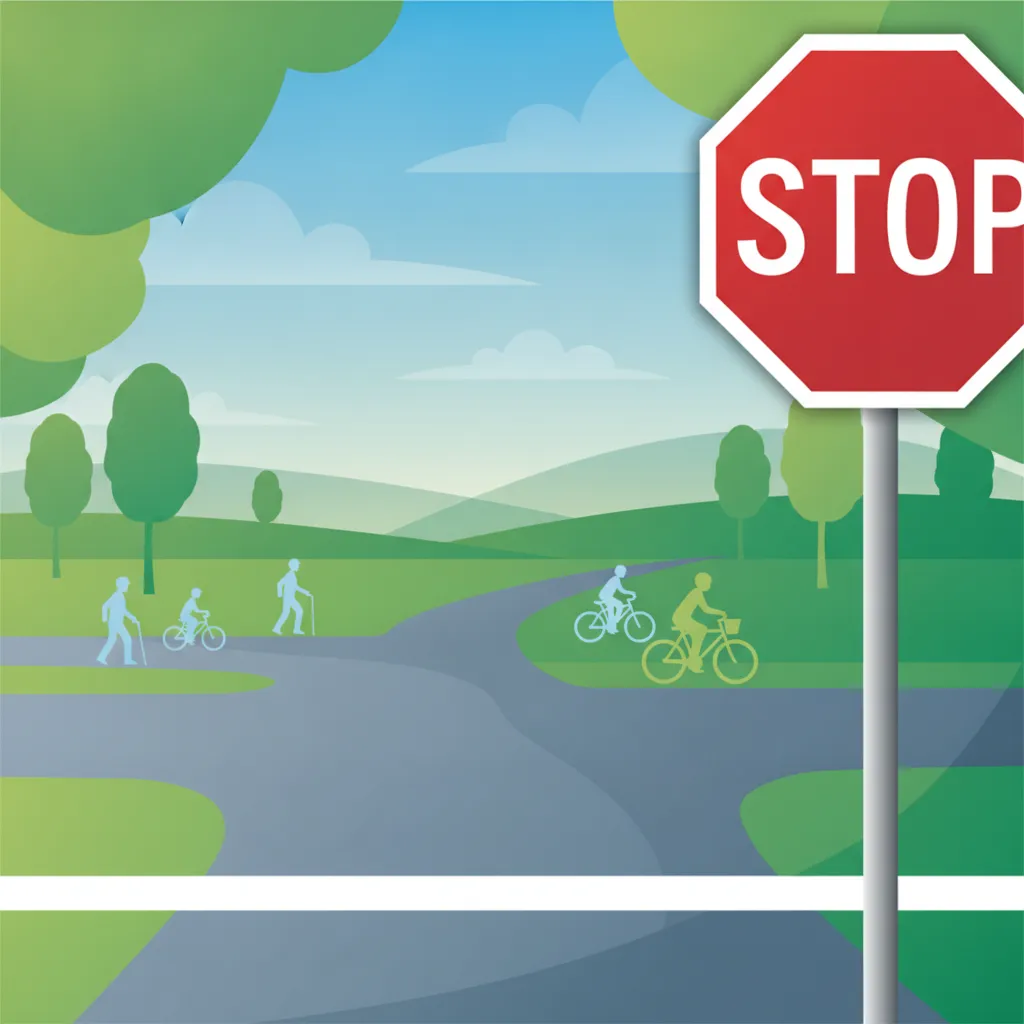
In Germany, the stop sign, officially known as Zeichen 206 (Halt! Vorfahrt gewähren!), is a regulatory traffic sign that demands immediate and unconditional compliance. Unlike a yield sign, it requires every driver to bring their vehicle to a complete and full stop before proceeding. This rule is paramount for ensuring safety at high-risk intersections and is a frequent focus in the German driving theory exam.
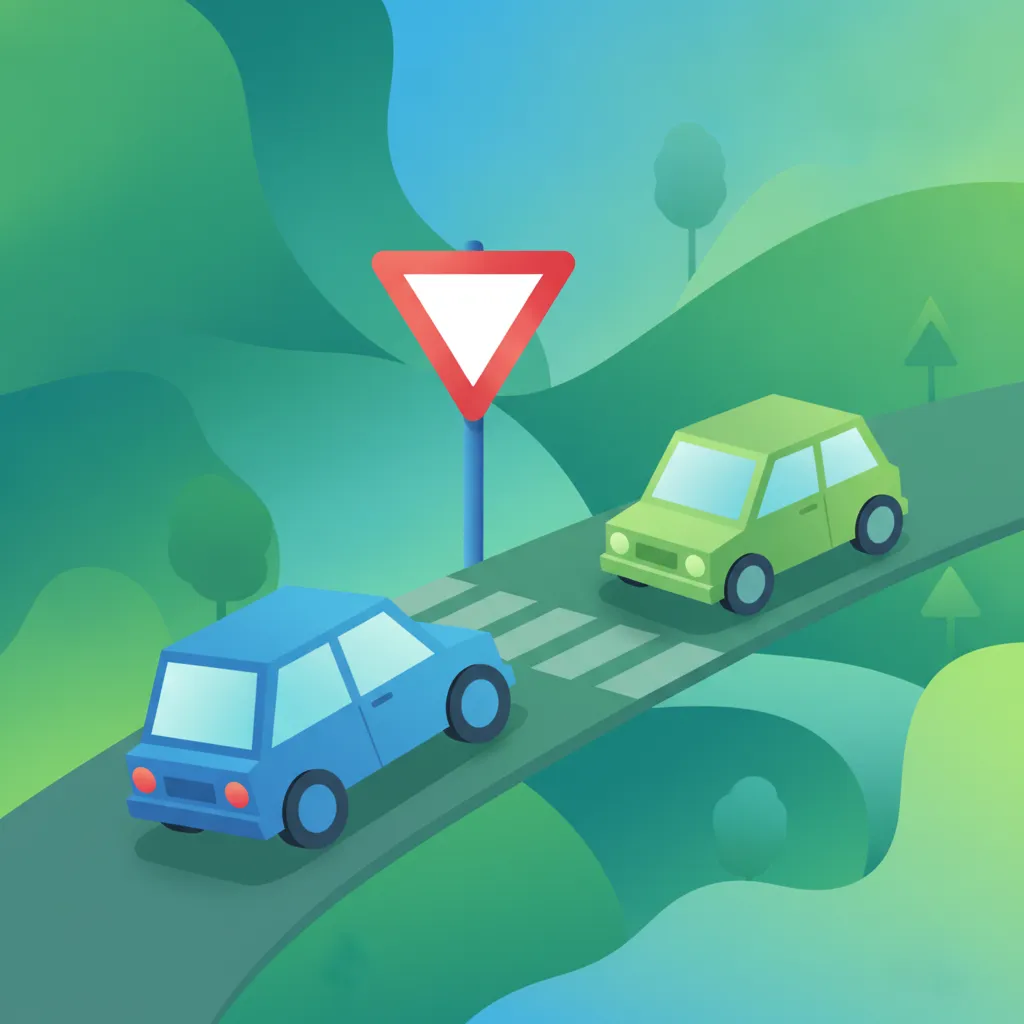
The Give Way sign, officially known as Zeichen 205 or "Vorfahrt gewähren" in Germany, is a fundamental priority sign in German road traffic. It compels drivers to grant priority to vehicles on the intersecting road. Unlike a Stop sign, a complete stop is not always mandatory, but you must be prepared to stop and only proceed when it is entirely safe and does not impede priority traffic.

A priority road, known as a Vorfahrtstraße in Germany, is designed to ensure smooth traffic flow by granting precedence to vehicles already on it. This page explains how to identify these roads through specific signage like Zeichen 301, and outlines the responsibilities of drivers both on and entering a priority road, as defined by the German Straßenverkehrs-Ordnung (StVO).
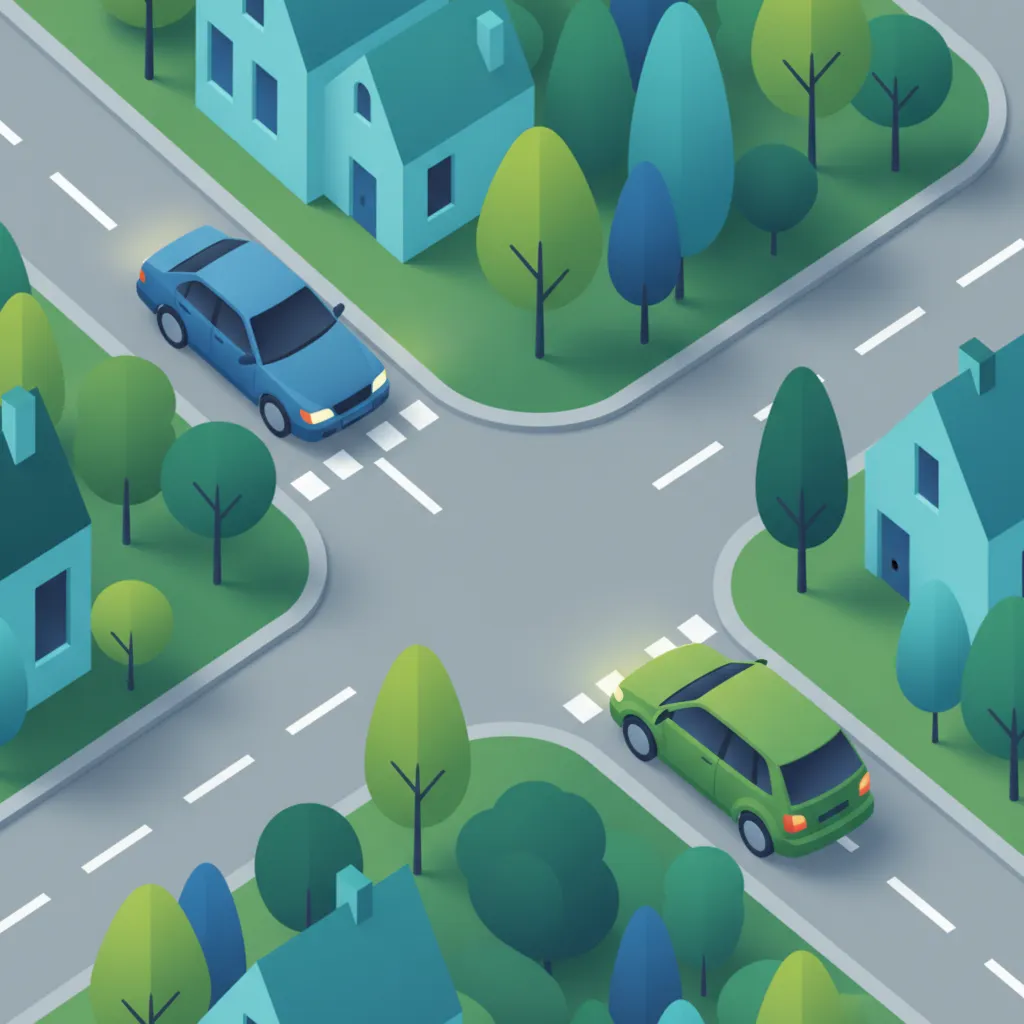
In Germany, an uncontrolled intersection is any crossroads or junction lacking traffic lights, stop signs, give-way signs, or priority road signs. In these situations, drivers must apply general right-of-way principles, primarily the 'Rechts vor Links' rule. Understanding this rule and exercising caution is vital, as these intersections test your awareness and decision-making skills in traffic.
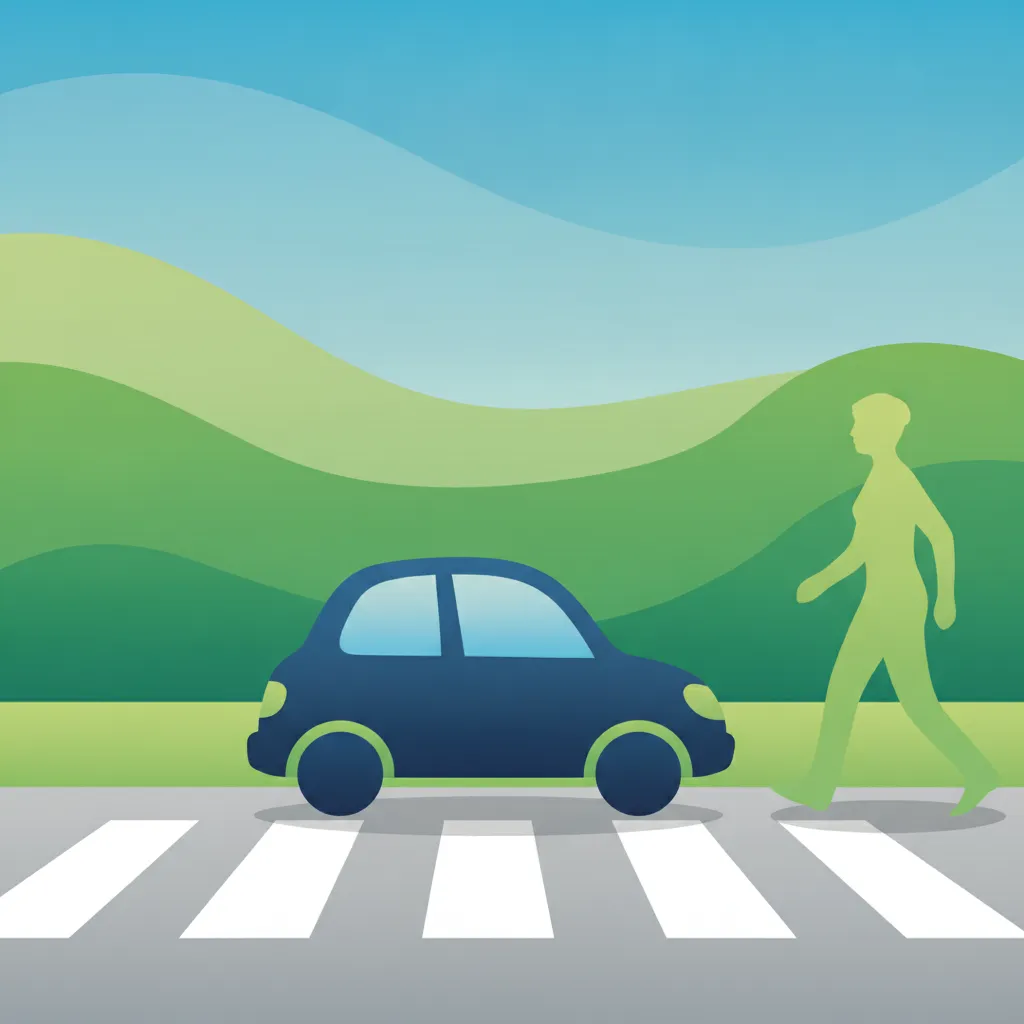
In Germany, traffic laws place a strong emphasis on protecting vulnerable road users, especially pedestrians. This guide explains the specific situations where drivers must grant priority to pedestrians, such as at designated crossings or when making turns. Proper understanding ensures safety, prevents accidents, and is frequently tested in the German theory exam.
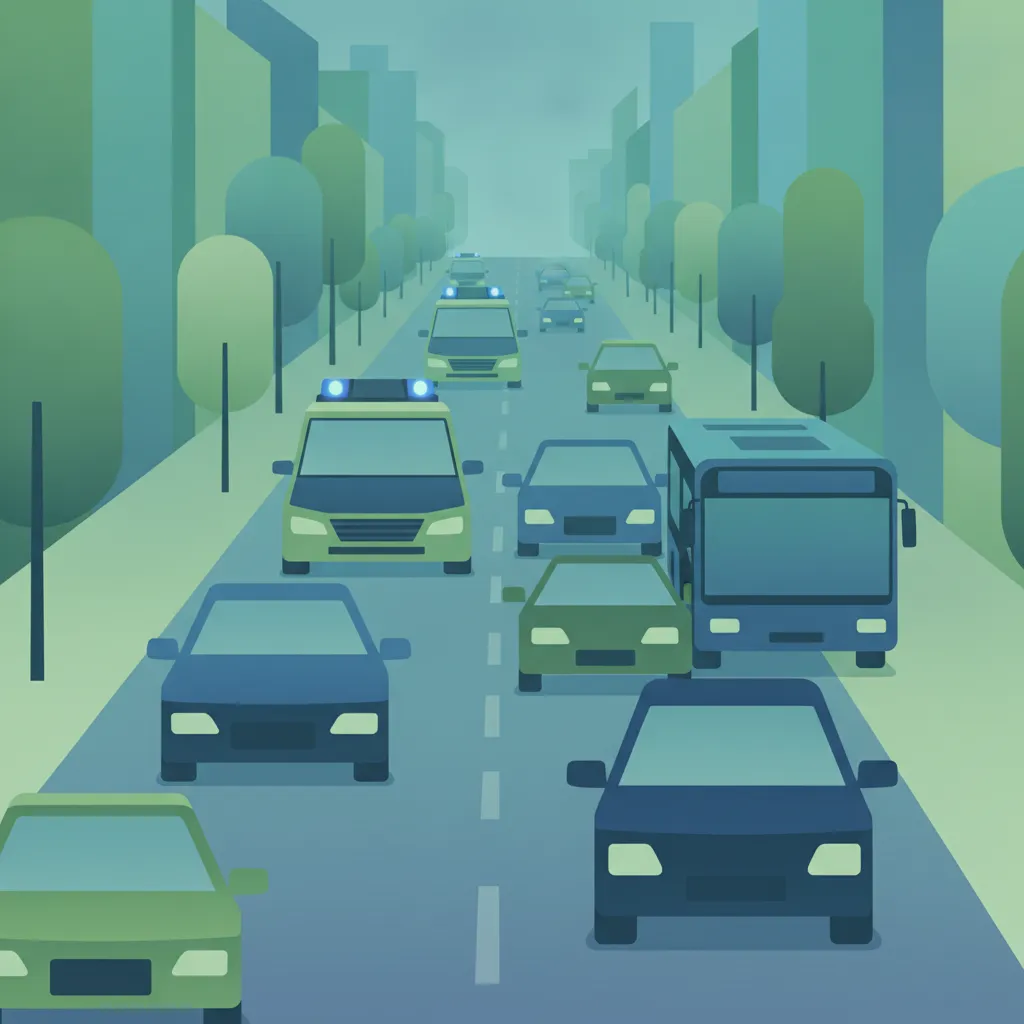
In Germany, certain vehicles, such as ambulances, police, and fire trucks, are granted special priority when responding to emergencies. This priority is indicated by specific signals, and all other road users have a strict legal obligation to react appropriately to ensure their unhindered passage. Understanding these rules is vital for safe driving and passing your German theory exam.
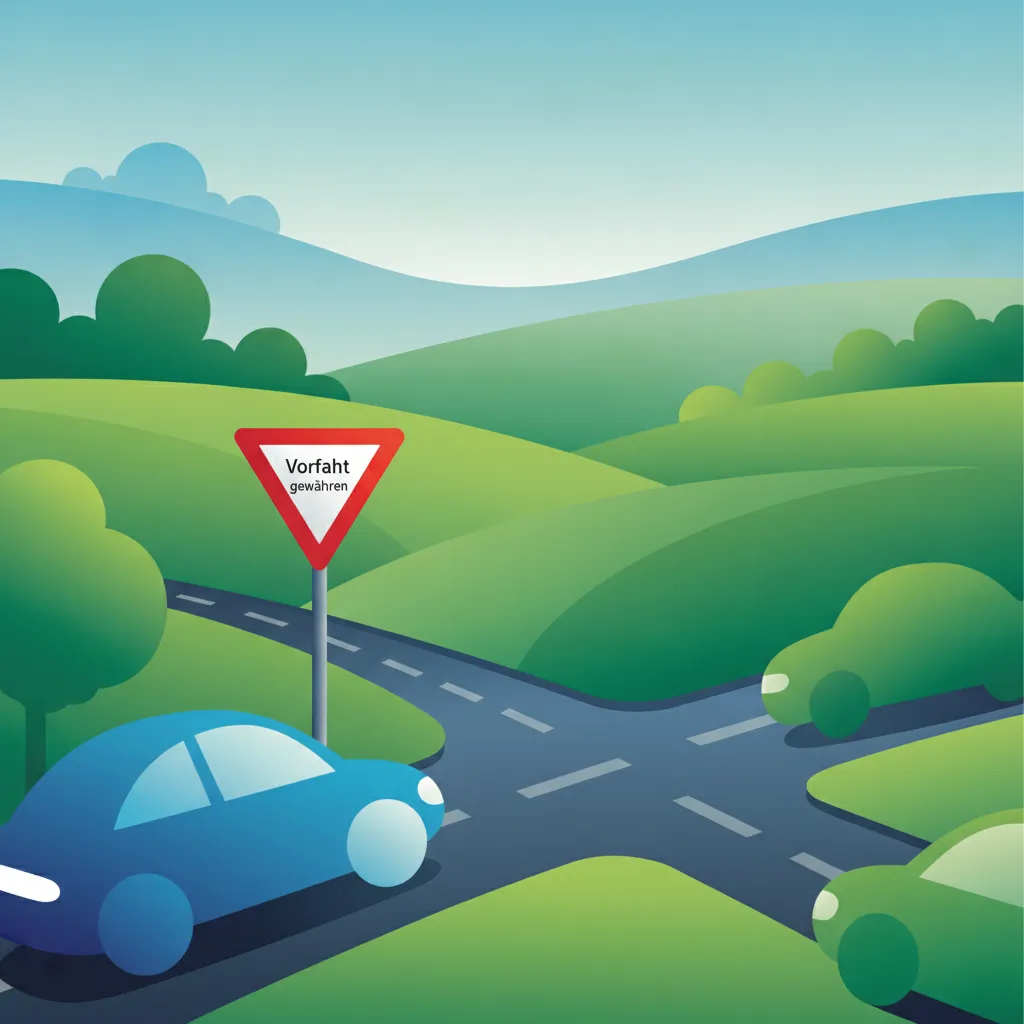
In Germany, 'Vorfahrt gewähren' (to give way or yield priority) is a core principle of road safety. It means allowing other road users to proceed first to prevent conflicts and collisions. This concept is fundamental to navigating intersections, roundabouts, and pedestrian crossings correctly, as defined by the Straßenverkehrs-Ordnung (StVO).
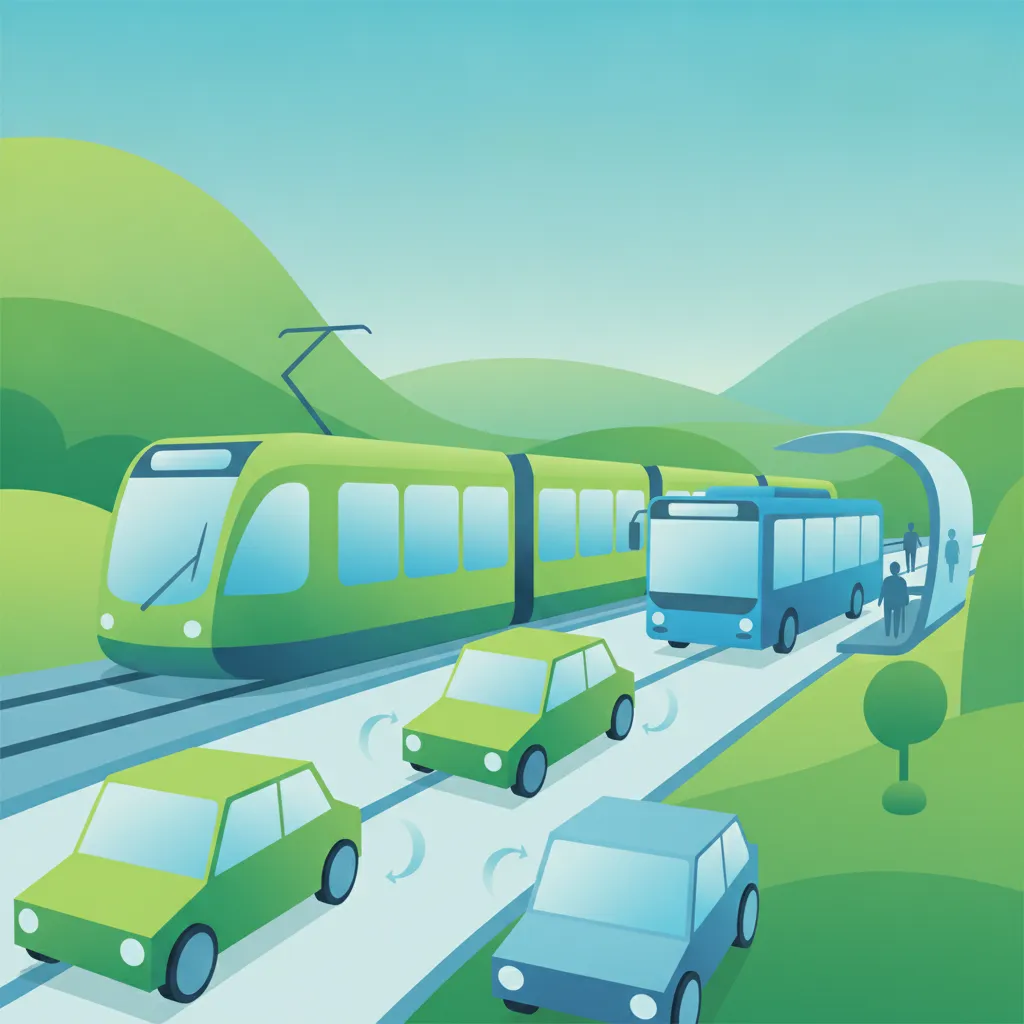
In Germany's urban landscapes, trams (Straßenbahnen) and certain public transport buses often operate under special priority rules. Due to their fixed tracks, significant size, and limited maneuverability, drivers must understand when and how to yield. This page clarifies these specific situations, helping you navigate German roads safely and confidently.
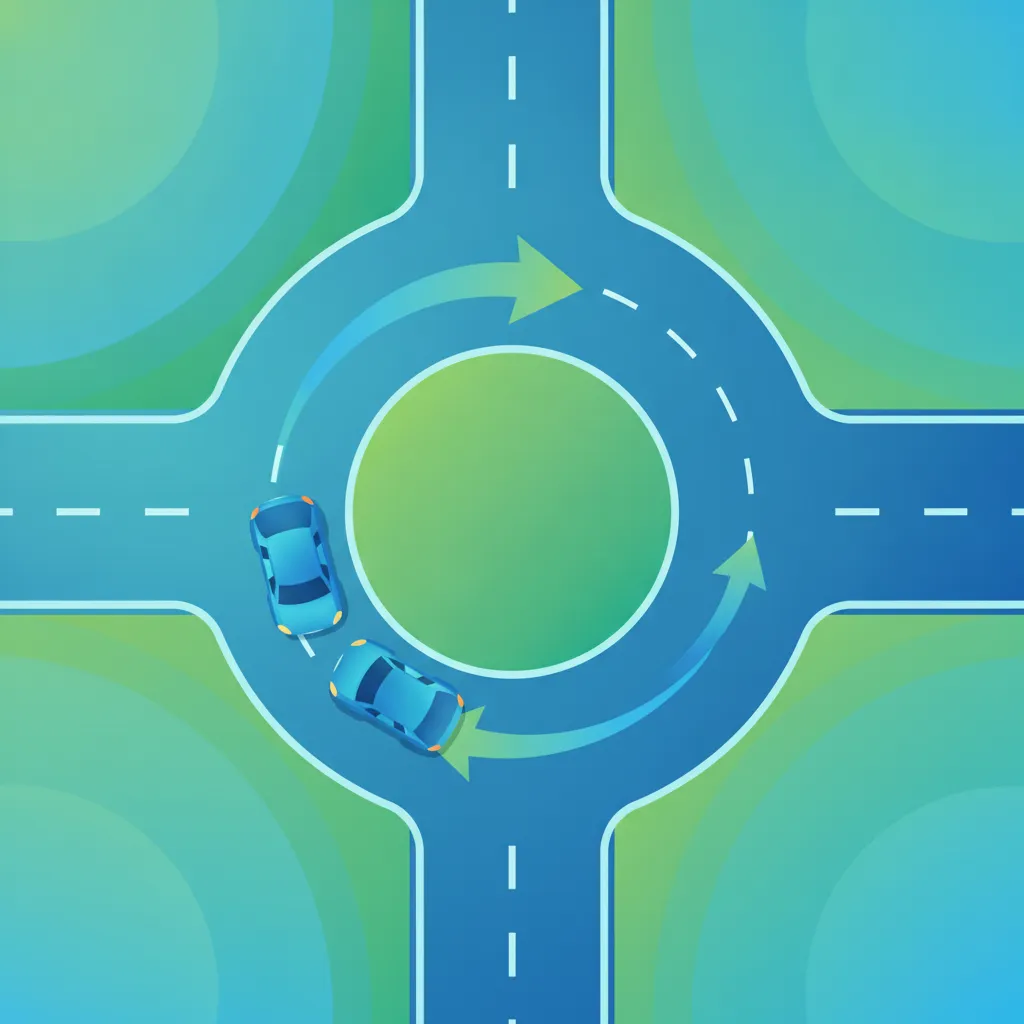
In Germany, roundabouts are designed to improve traffic flow and safety at intersections. The primary rule to remember is that traffic already circulating within the roundabout (Kreisfahrbahn) generally has priority over vehicles entering it. This priority is typically enforced by the combination of a 'Vorfahrt gewähren' (Yield, Zeichen 205) sign and a 'Kreisverkehr' (Roundabout, Zeichen 215) sign at each entrance.
Continue your learning journey with our comprehensive articles. Delve into specific topics, review complex German road rules, and gain expert insights. Fully prepare for your theoretical driving test by exploring more content to deepen your understanding of traffic law.
Explore Driving Theory Articles