
This lesson guides you through the structured Italian motorcycle licensing system, covering the legal requirements for categories A1, A2, and A. Understanding these pathways is the first step in ensuring you follow the correct legal route to become a licensed rider. You will learn the age criteria and the specific steps needed to upgrade your licence as you progress.

Lesson content overview
Obtaining a motorcycle license in Italy involves a structured system designed to ensure riders gain experience progressively. This comprehensive lesson details the minimum age requirements for each motorcycle license category (A1, A2, and A) and outlines the specific pathways available for upgrading your license or accessing a higher category directly. Understanding these regulations, established by the Italian Codice della Strada (Highway Code), is crucial for aspiring motorcyclists to plan their licensing journey effectively and legally.
The Italian licensing system categorizes motorcycle licenses based on engine power, displacement, and power-to-weight ratio. Each category is designed to match a rider's experience and maturity level with appropriate vehicle performance, ensuring a safe introduction and progression into motorcycling.
The Category A1 license is the foundational step for young motorcyclists in Italy. It introduces riders to light motorcycles, ideal for urban commuting and developing initial riding skills. This license helps new riders gradually build confidence and competence before moving to more powerful machines.
Allows riding motorcycles with an engine displacement up to 125 cc, a maximum power output of 11 kW, and a power-to-weight ratio not exceeding 0.1 kW/kg.
Riders can apply for the A1 license from the minimum age of 16 years. This category specifically permits motorcycles, distinguishing it from scooter-only licenses that might be available for smaller mopeds. The A1 theoretical exam must be passed, followed by a practical test on a compliant motorcycle. This initial stage emphasizes fundamental control and road safety.
The Category A2 license represents the intermediate stage in Italy's progressive motorcycle licensing system. It allows riders to operate motorcycles with significantly more power than A1, providing a bridge between beginner bikes and unrestricted high-performance machines. This category is vital for riders to hone their skills on more demanding motorcycles in various traffic conditions.
Permits riding motorcycles with a maximum power output of 35 kW and a power-to-weight ratio not exceeding 0.2 kW/kg. The motorcycle must not be derived from a vehicle with more than double its rated power.
The minimum age for obtaining an A2 license is 18 years. Riders can either progress to A2 after holding an A1 license for at least two years or apply for it directly if they are 18 or older. Regardless of the pathway, comprehensive training and both theoretical and practical examinations are mandatory. The practical test must be conducted on a motorcycle that meets the A2 power restrictions, typically around 35 kW. This ensures that riders are competent with the increased power and weight of such vehicles.
The Category A license, often referred to as the "full A" or "unrestricted A" license, is the highest tier in the Italian motorcycle licensing system. It grants the holder the right to ride any motorcycle, regardless of its power output or engine displacement. This license signifies a high level of rider competence and experience, allowing access to the full spectrum of motorcycles available.
An unrestricted motorcycle license, allowing the operation of any motorcycle without limitations on power, displacement, or power-to-weight ratio.
There are two main routes to obtaining a full A license, each with specific age requirements:
The practical exam for the full A license, whether via progression or direct access, must be conducted using a motorcycle that meets the criteria for the A2 category. This ensures consistency in the testing environment while verifying the rider's ability to handle powerful motorcycles safely.
The Italian licensing system emphasizes a structured approach, encouraging riders to gain experience progressively. This incremental pathway is designed to enhance rider safety and competence by gradually introducing them to more powerful motorcycles.
Upgrading from an A1 to an A2 license is a common progression for many young riders in Italy. This pathway allows them to transition from light motorcycles to medium-powered bikes, expanding their riding capabilities.
Hold A1 for 2 Years: The rider must have held a Category A1 license for a minimum of two years. This waiting period is crucial for accumulating practical riding experience.
Enroll in A2 Training: After the waiting period, the rider must enroll in a driving school for A2 training. This typically includes theoretical refreshers and practical riding instruction.
Complete Practical Training: Required practical training includes at least 6 hours of dual instruction, where the student receives direct guidance from an instructor on a dual-controlled motorcycle. This hands-on training focuses on advanced maneuvers and roadcraft.
Pass A2 Practical Exam: The final step is to pass a practical riding test on a motorcycle that meets the A2 category specifications (max 35 kW power). The exam assesses the rider's ability to safely operate the more powerful vehicle in various traffic conditions.
It is a common misunderstanding that one can bypass the two-year holding period for A1. The law explicitly requires this duration to ensure adequate experience before stepping up to the A2 category, unless one opts for direct access to A2 at age 18.
The final step in the progressive licensing journey is upgrading from an A2 to an unrestricted A license. This allows riders to operate any motorcycle without power or displacement limitations, a significant milestone for experienced motorcyclists.
Hold A2 for 2 Years: The rider must have held a Category A2 license for at least two years. This extended period ensures a comprehensive development of riding skills on medium-powered motorcycles.
Enroll in A Training: After the mandatory waiting period, the rider should enroll in specialized training for the full A license.
Complete Practical Training: This training typically includes at least 2 hours of dual instruction, focusing on the specific skills required for handling unrestricted motorcycles, even if the practical exam is taken on an A2-restricted bike.
Pass A Practical Exam: The rider must pass a practical riding test. Crucially, this exam is conducted using an A2-restricted motorcycle, not a fully unrestricted one. The purpose is to verify the rider's advanced skills within a controlled testing environment before granting the full A privilege.
Riders who have held an A2 license for two or more years and are at least 20 years old can directly apply for the full A license without additional formal training, provided they pass the A practical exam. This is considered an alternative form of direct access based on prior experience.
While the progressive pathway is encouraged, Italian law also provides "direct access" routes for individuals who meet specific age criteria, allowing them to obtain a higher license category without first holding the intermediate licenses. These routes are designed for older or more mature applicants who may already possess some riding experience or prefer a faster track to a higher category.
Individuals aged 18 or older who have not previously held an A1 license can opt for direct access to the A2 license. This pathway bypasses the A1 prerequisite entirely, making it suitable for those who start their motorcycling journey later or wish to immediately begin with medium-powered motorcycles.
Eligibility for direct access to A2 requires the applicant to be at least 18 years old. They must enroll in a driving school and successfully complete both the theoretical and practical examinations for the A2 category. This route demands comprehensive training to ensure the rider is fully prepared to handle motorcycles up to 35 kW from the outset.
The direct access route to the full, unrestricted A license is available for older applicants, acknowledging their presumed maturity and potential for prior riding experience (even if undocumented). This is the fastest way to obtain an unrestricted motorcycle license in Italy without any prior motorcycle license categories.
Eligibility for direct access to Category A requires the applicant to be at least 24 years old. They must enroll in a driving school, complete all necessary theoretical and practical training for the A category, and successfully pass both the A theoretical exam and the A practical exam. The practical exam for this direct access route is also conducted on an A2-restricted motorcycle, consistent with the upgrade pathway. This approach ensures that even direct access candidates demonstrate proficiency on a motorcycle that represents a significant step up in power from typical beginner bikes.
The legal framework for motorcycle licensing in Italy is robust, with clear rules designed to enhance safety and ensure rider competence. These regulations are primarily derived from the Codice della Strada and subsequent ministerial decrees.
Minimum age requirements are a cornerstone of the Italian motorcycle licensing system, reflecting a commitment to matching physical and mental maturity with the demands of operating increasingly powerful vehicles.
These age requirements are mandatory and are strictly enforced to minimize accident risks associated with inexperience or immaturity.
Regardless of the chosen pathway—progressive or direct access—rigorous training and examination are fundamental to obtaining any motorcycle license in Italy.
Mandatory waiting periods between license categories are a critical component of Italy's progressive licensing system. These periods are not merely bureaucratic hurdles but are designed to cultivate genuine riding experience and maturity.
Navigating the Italian motorcycle licensing system can be complex, and certain misunderstandings or attempts to circumvent regulations can lead to significant legal consequences. Being aware of these common pitfalls is essential for a smooth and lawful licensing journey.
Violating license restrictions or attempting to upgrade illegally can result in substantial fines, suspension of your existing license, and potentially confiscation of the motorcycle. Always ensure full compliance with the Codice della Strada.
The structured, progressive nature of the Italian motorcycle licensing system is not arbitrary; it is rooted in fundamental principles of safety, rider development, and risk reduction. Each step in the pathway is carefully designed to foster competence and responsibility.
Understanding the rules in theory is important, but seeing them applied in real-world scenarios helps solidify comprehension.
Scenario: A 17-year-old rider with an A1 license wants to ride a 250 cc motorcycle.
Scenario: A 19-year-old has never ridden a motorcycle but wants to get a license to ride a 30 kW motorcycle.
Scenario: A 21-year-old rider obtained their A2 license when they were 19. They now want to get a full A license.
Scenario: A 26-year-old wants to immediately get a license to ride any motorcycle, including high-performance bikes.
The Italian motorcycle licensing system uses three categories (A1, A2, Full A) with progressively higher age requirements and power limits, designed to build rider competence gradually. Key requirements include a mandatory 2-year waiting period between each license category, specific dual instruction hours for upgrades, and practical exams conducted on A2-compliant motorcycles for all A license tests. Direct access routes exist for those starting at 18 (A2) or 24 (Full A), bypassing intermediate licenses but requiring more intensive training. Understanding these rules is essential for legal compliance and road safety when pursuing motorcycle licensing in Italy.
A short set of high-value points that capture the most important learning from this lesson.
A1 license (16+): motorcycles up to 125cc and 11kW; A2 license (18+): up to 35kW with 0.2 kW/kg power-to-weight ratio; Full A license (24+ direct or 20+ with 2 years A2 experience): unrestricted motorcycles
A mandatory 2-year waiting period is required before upgrading from A1 to A2, and again before upgrading from A2 to full A
The progressive licensing system is designed to build rider competence gradually by exposing riders to increasingly powerful motorcycles over time
Both theoretical and practical exams are required for each license category, with practical exams for A and A2 upgrades conducted on A2-restricted motorcycles
Direct access routes allow obtaining A2 at 18 or full A at 24 without holding intermediate licenses, but require more comprehensive training
Explore all units and lessons included in this driving theory course.
Minimum ages are 16 for A1, 18 for A2, and 24 for full A (or 20 if you have held A2 for at least 2 years)
The 2-year holding period cannot be bypassed and is strictly enforced by the Codice della Strada
Practical exams for full A license (whether by progression or direct access) are taken on A2-compliant motorcycles, not unrestricted bikes
Dual instruction hours are mandatory: minimum 6 hours for A2 upgrade, minimum 2 hours for A upgrade
A2 license holders must not ride motorcycles exceeding 35 kW or 0.2 kW/kg power-to-weight ratio
Attempting to upgrade to A2 before completing the mandatory 2-year A1 holding period
Riding an unrestricted motorcycle with only an A2 license, which is illegal under the Codice della Strada
Believing direct access to full A is possible before age 24 without having held A2 for 2 years
Using a motorcycle that does not meet A2 specifications for the A license practical exam
Misunderstanding that the 2-year waiting period cannot be skipped even with additional training
Lesson content overview
A short set of high-value points that capture the most important learning from this lesson.
A1 license (16+): motorcycles up to 125cc and 11kW; A2 license (18+): up to 35kW with 0.2 kW/kg power-to-weight ratio; Full A license (24+ direct or 20+ with 2 years A2 experience): unrestricted motorcycles
A mandatory 2-year waiting period is required before upgrading from A1 to A2, and again before upgrading from A2 to full A
The progressive licensing system is designed to build rider competence gradually by exposing riders to increasingly powerful motorcycles over time
Both theoretical and practical exams are required for each license category, with practical exams for A and A2 upgrades conducted on A2-restricted motorcycles
Direct access routes allow obtaining A2 at 18 or full A at 24 without holding intermediate licenses, but require more comprehensive training
Explore all units and lessons included in this driving theory course.
Minimum ages are 16 for A1, 18 for A2, and 24 for full A (or 20 if you have held A2 for at least 2 years)
The 2-year holding period cannot be bypassed and is strictly enforced by the Codice della Strada
Practical exams for full A license (whether by progression or direct access) are taken on A2-compliant motorcycles, not unrestricted bikes
Dual instruction hours are mandatory: minimum 6 hours for A2 upgrade, minimum 2 hours for A upgrade
A2 license holders must not ride motorcycles exceeding 35 kW or 0.2 kW/kg power-to-weight ratio
Attempting to upgrade to A2 before completing the mandatory 2-year A1 holding period
Riding an unrestricted motorcycle with only an A2 license, which is illegal under the Codice della Strada
Believing direct access to full A is possible before age 24 without having held A2 for 2 years
Using a motorcycle that does not meet A2 specifications for the A license practical exam
Misunderstanding that the 2-year waiting period cannot be skipped even with additional training
Explore search topics learners often look for when studying Legal Age and Progression Pathways. These topics reflect common questions about road rules, driving situations, safety guidance, and lesson level theory preparation for learners in Italy.
Browse additional driving theory lessons that cover connected traffic rules, road signs, and common driving situations related to this topic. Improve your understanding of how different rules interact across everyday traffic scenarios.
Understand the legal age requirements and structured pathways for progressing through A1, A2, and full A motorcycle licenses in Italy. Learn about upgrade procedures and direct access routes.
This lesson provides a detailed breakdown of the Italian motorcycle licence categories: A1, A2, and the unrestricted A. It explains the specific technical limits for engine displacement, power output in kW, and the power-to-weight ratio that define each category. Understanding these distinctions is fundamental for selecting a compliant vehicle and recognizing the legal scope of each license.
This lesson explores the practical, on-road consequences of the different motorcycle license categories. It analyzes how power and weight restrictions directly affect a motorcycle's handling, acceleration, and braking capabilities. Learners will understand how these factors shape riding strategies and safety considerations, highlighting the competency development needed for each successive license level.
This lesson provides a thorough examination of the Italian motorcycle theory test's structure and content. It details the number of questions, the multiple-choice format, and the minimum score required to pass for the A1, A2, and A license categories. The content is designed to prepare learners for the specific knowledge areas and administrative procedures involved in taking the official exam.
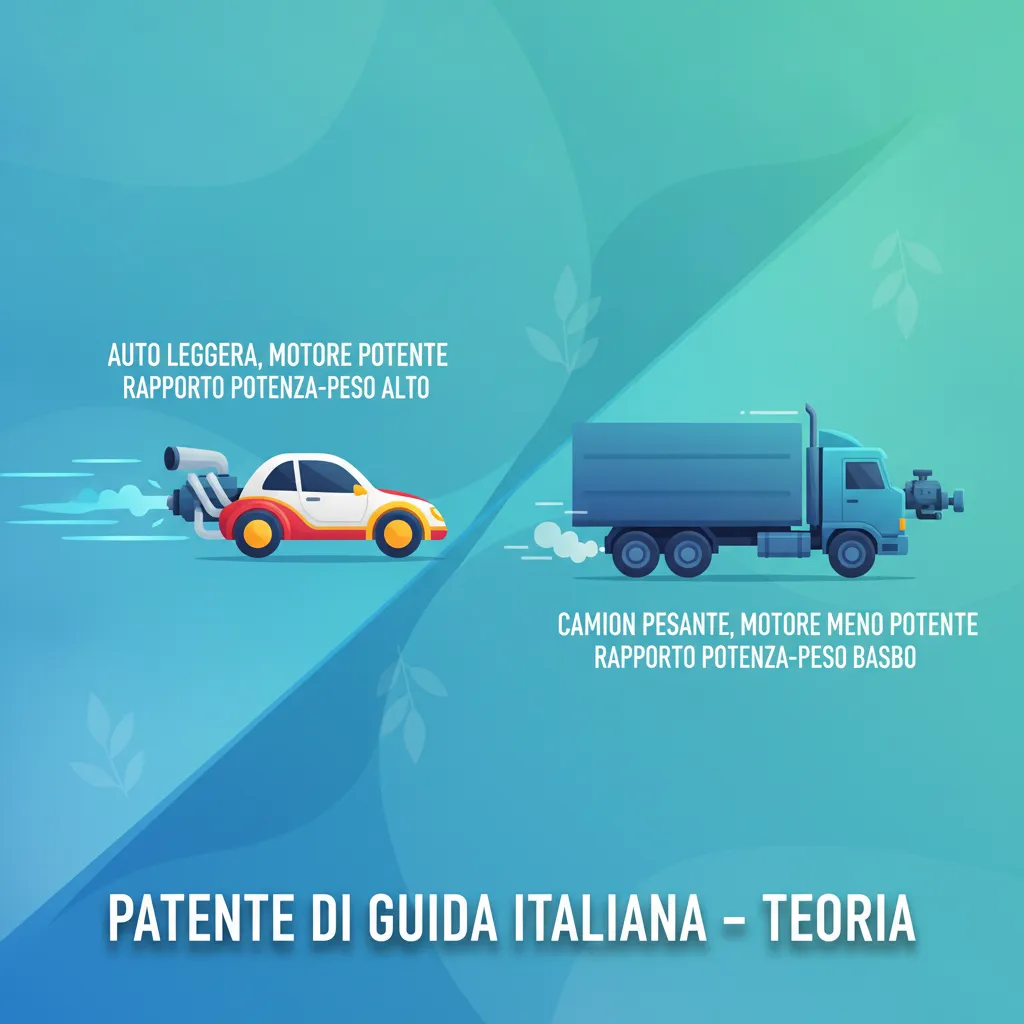
This lesson explains the core principles of motorcycle engines, focusing on key metrics like displacement, power, and the power-to-weight ratio. It details how these characteristics influence a motorcycle's acceleration, handling, and adherence to the specific limits of each license category. The content also covers different engine types and cooling systems, relating them to overall performance and reliability.
This lesson provides a detailed breakdown of the vehicle types authorized under the Patente AM license. You will learn to distinguish between ciclomotori, scooters, three-wheeled mopeds, and light quadricycles by their specific characteristics. Key topics include engine displacement limits, power output, and mandatory equipment like lights, mirrors, and brakes as required by Italian law.
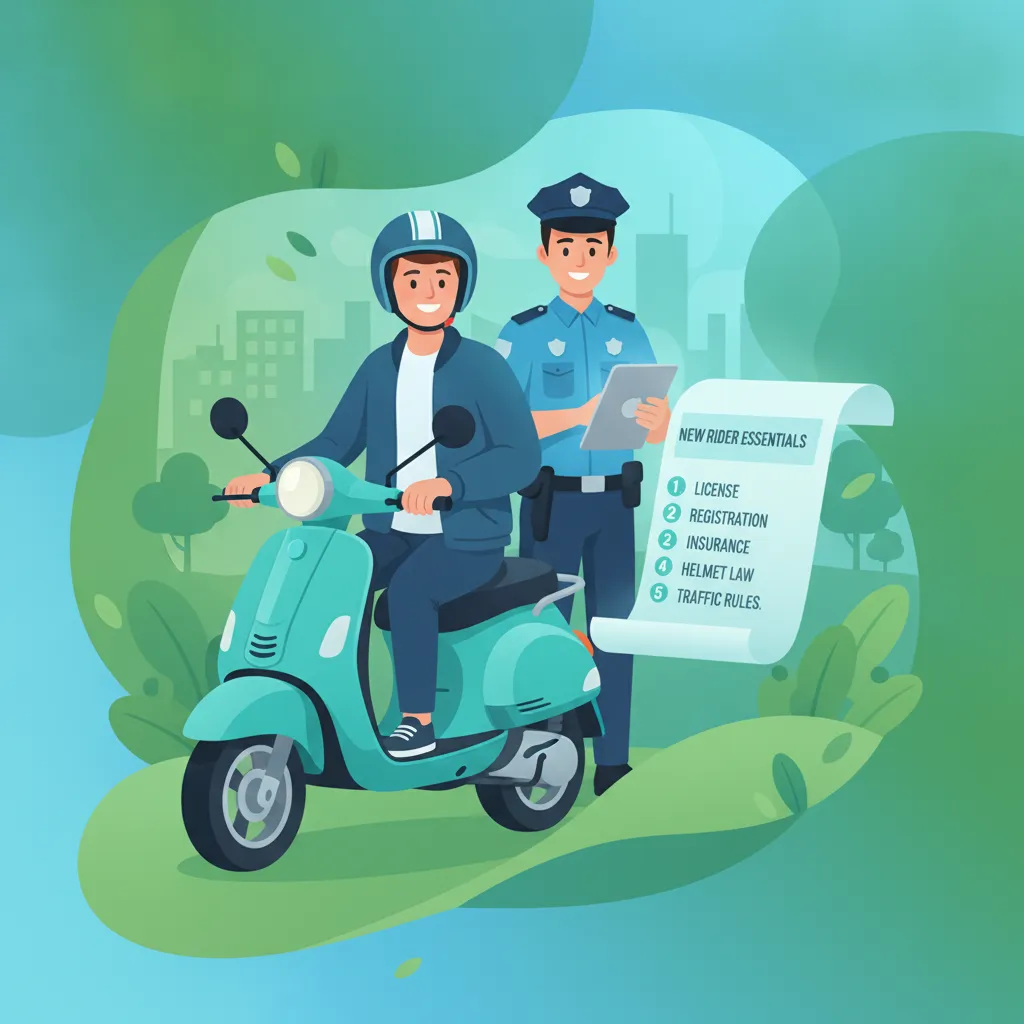
This lesson focuses on the legal obligations that first-time riders must meet to operate an AM vehicle safely and legally. It details the mandatory use of certified helmets and appropriate protective clothing. Furthermore, it outlines fundamental traffic laws new riders must know and the legal repercussions of non-compliance, such as fines and penalty points.
This lesson defines the scope of the Italian Patente B license according to the Codice della Strada. It clarifies the specific types of vehicles, including maximum weight and passenger capacity, that can be operated. The content also details the official requirements for applicants, such as minimum age, necessary health certifications, and vision standards needed to qualify for the license.
Explore the direct access routes for obtaining A2 and full A motorcycle licenses in Italy, detailing age requirements and necessary steps for those not following the progressive pathway.
This lesson explores the practical, on-road consequences of the different motorcycle license categories. It analyzes how power and weight restrictions directly affect a motorcycle's handling, acceleration, and braking capabilities. Learners will understand how these factors shape riding strategies and safety considerations, highlighting the competency development needed for each successive license level.
This lesson provides a detailed breakdown of the Italian motorcycle licence categories: A1, A2, and the unrestricted A. It explains the specific technical limits for engine displacement, power output in kW, and the power-to-weight ratio that define each category. Understanding these distinctions is fundamental for selecting a compliant vehicle and recognizing the legal scope of each license.
This lesson focuses on the legal obligations that first-time riders must meet to operate an AM vehicle safely and legally. It details the mandatory use of certified helmets and appropriate protective clothing. Furthermore, it outlines fundamental traffic laws new riders must know and the legal repercussions of non-compliance, such as fines and penalty points.
This lesson provides a thorough examination of the Italian motorcycle theory test's structure and content. It details the number of questions, the multiple-choice format, and the minimum score required to pass for the A1, A2, and A license categories. The content is designed to prepare learners for the specific knowledge areas and administrative procedures involved in taking the official exam.
This lesson explains the core principles of motorcycle engines, focusing on key metrics like displacement, power, and the power-to-weight ratio. It details how these characteristics influence a motorcycle's acceleration, handling, and adherence to the specific limits of each license category. The content also covers different engine types and cooling systems, relating them to overall performance and reliability.
Find clear answers to common questions learners have about Legal Age and Progression Pathways. Learn how the lesson is structured, which driving theory objectives it supports, and how it fits into the overall learning path of units and curriculum progression in Italy. These explanations help you understand key concepts, lesson flow, and exam focused study goals.
The minimum age to obtain an A1 licence in Italy is 16 years. This category allows you to ride motorcycles with a cylinder capacity not exceeding 125 cc and a power rating not exceeding 11 kW.
No, there is no automatic upgrade. You must meet the age requirement for the A2 licence (18 years) and pass the necessary practical examination, although your theory test results may carry over depending on your specific situation.
The A2 licence limits you to motorcycles with a power output of up to 35 kW and a power-to-weight ratio not exceeding 0.2 kW/kg. The full A licence, which can generally be obtained at age 24 (or 20 if you have held an A2 for two years), allows you to ride motorcycles of any power rating.
In most cases within the Italian system, if you have already passed the theory test for a motorcycle category, you do not need to repeat the theory portion for a higher category, provided you meet the specific age and training requirements for the new class.
Start searching now to pinpoint exactly which Italian driving theory topics, road signs, or traffic rules you need to master. Use our advanced filters to build a custom practice session and ensure you're fully prepared for every aspect of your official driving licence exam.