
This lesson provides an essential overview of the Italian motorcycle theory exam, detailing the structure and administrative requirements for A1, A2, and A categories. By understanding exactly how the test is presented, you can focus your preparation effectively and approach your exam with greater confidence.

Lesson content overview
Embarking on the journey to obtain an Italian motorcycle license for categories A1, A2, or A begins with successfully passing the theory exam. This foundational step assesses your understanding of traffic laws, road signs, and specific motorcycle safety protocols crucial for safe riding on Italian roads. This lesson provides a thorough examination of the Italian motorcycle theory test's structure, content, and the administrative procedures involved, ensuring you are well-prepared for this critical milestone in your licensing process.
The Italian motorcycle theory exam is a standardized test designed to confirm that aspiring riders possess the necessary theoretical knowledge before they can progress to practical training. Understanding the specific requirements for your desired license category—A1, A2, or A—is paramount. This includes familiarizing yourself with the number of questions, the multiple-choice format, and the minimum score needed to pass.
Effective preparation, from understanding the exam logistics to knowing the passing criteria, allows learners to focus their study time efficiently. This comprehensive approach helps in avoiding common pitfalls and successfully fulfilling the licensing requirements set forth by the Italian Codice della Strada (Road Code).
The Italian motorcycle theory exam is a computer-based assessment. Its standardized format ensures a fair and consistent evaluation of all candidates across Italy, aligning with broader European Union directives for driver competence. The test is administered at designated centers, typically overseen by the National Motor Vehicles Agency (Motorizzazione Civile) or authorized driving schools.
The theory exam for motorcycle categories A1, A2, and A consists of a fixed number of multiple-choice questions. These questions cover a wide array of topics, encompassing general traffic regulations, the meaning of road signs and signals, and motorcycle-specific safety measures. The goal is to ensure a comprehensive understanding of both theoretical knowledge and practical application for safe motorcycle operation.
Each question presented during the exam typically describes a scenario or asks for the definition of a sign or rule. Candidates are given several possible answer choices, from which they must select the single correct option. It is crucial to read each question and all answer choices carefully, as some distractors may seem plausible but are ultimately incorrect.
No partial credit is awarded; only completely correct answers contribute to your final score. A common misunderstanding is that more than one answer might be correct or that partial knowledge is sufficient. However, precise understanding is required to distinguish the single best answer. For example, a question might present a road sign, and you must correctly identify its meaning and implication for motorcyclists.
The minimum passing score for the Italian motorcycle theory exam varies depending on the specific license category you are applying for. These differing thresholds reflect the increasing levels of responsibility and knowledge required for operating more powerful and complex motorcycles.
The A1 license allows individuals to operate motorcycles with a cylinder capacity up to 125 cubic centimeters (cc) and a maximum power output of 11 kilowatts (kW). It is often the first step into motorcycling for younger riders.
To pass the A1 theory exam, candidates must correctly answer a specific number of questions out of the total.
The current requirement is to correctly answer 36 questions out of a total of 50, which equates to 72%. This threshold ensures a solid grasp of fundamental traffic laws and basic motorcycle safety.
The A2 license is designed for motorcycles with a maximum power output of 35 kW and a power-to-weight ratio not exceeding 0.2 kW per kilogram (kg). This category caters to riders who are moving beyond the A1 limits but are not yet ready for unrestricted power.
The passing score for the A2 theory exam is slightly higher than for A1, reflecting the increased complexity of the vehicles.
Candidates for the A2 license must achieve a minimum of 37 correct answers out of 50, which is 74%.
The A license is the most comprehensive motorcycle license, permitting the operation of any motorcycle without power restrictions. This license category demands the highest level of knowledge and understanding of advanced riding principles and regulations.
For the unrestricted A license theory exam, candidates must correctly answer at least 38 questions out of 50, translating to a passing score of 76%. This higher standard ensures that riders of high-performance motorcycles possess a robust understanding of all relevant traffic laws and safety considerations.
Before you can even sit for the theory exam, certain eligibility requirements, including age and prior licensing conditions, must be met. These conditions are in place to ensure that candidates possess the necessary maturity and experience for the specific motorcycle category they wish to obtain.
The minimum age for attempting the theory exam varies by license category:
For the A2 and A unrestricted licenses, prior experience with a lower category license can impact your eligibility and progression pathway.
Navigating the administrative aspects of the theory exam is as important as mastering the content. Proper registration, document preparation, and adherence to exam day protocols are crucial to avoid delays or disqualification.
The registration process for the Italian motorcycle theory exam typically involves enrolling through a licensed driving school (autoscuola) or directly with the National Motor Vehicles Agency (Motorizzazione Civile). Your driving school will often handle much of the paperwork for you, simplifying the process.
Document Preparation: Gather all necessary identity documents, proof of residency in Italy, and any prerequisite certificates (e.g., your A1 license if applying for A2). Ensure all documents are original and valid.
Application Submission: Submit your application either online, if available through your driving school, or in person at the Motorizzazione Civile. Your driving school will guide you on the preferred method.
Fee Payment: Pay the required examination fee. This fee covers the cost of administering the test. Always retain the receipt as proof of payment.
When you register for your theory exam, you will need to present several important documents. These typically include:
On the day of your exam, punctuality and preparedness are key. The process is strictly managed to ensure fairness and integrity.
Check-in and Verification: Arrive well in advance of your scheduled exam time. You will need to present your registration confirmation and a valid form of identification. Identity verification, which may include a biometric scan (such as fingerprints), is a standard procedure.
Seating Assignment: You will be assigned to a specific computer or tablet testing station in the exam room.
Exam Duration: The exam has a defined time limit for completion. Ensure you manage your time effectively to answer all 50 questions.
Rules and Conduct: Strict rules apply in the testing room. Electronic devices, including mobile phones, smartwatches, and any unauthorized study materials, are strictly prohibited. Any attempt to use such devices or cheat will result in immediate disqualification and potential future bans.
One of the benefits of the computer-based format is the immediate availability of your results.
Understanding typical pitfalls can significantly improve your chances of success in the Italian motorcycle theory exam.
The structure and content of the Italian motorcycle theory exam are meticulously designed to reinforce critical safety principles and knowledge essential for all riders.
By understanding the "why" behind these rules, aspiring motorcyclists can approach the theory exam not just as a hurdle, but as a fundamental part of becoming a safe and responsible rider on Italian roads. The knowledge gained prepares you for varied conditions, from navigating urban traffic and complex intersections to riding in adverse weather, making you a more adaptable and defensive rider.
This lesson covers the structure and requirements of the Italian motorcycle theory exam for A1, A2, and A license categories. The exam consists of 50 multiple-choice questions with passing thresholds ranging from 72% to 76% depending on the category, administered by the Motorizzazione Civile. Key administrative requirements include specific age limits, the progressive access system requiring prior lower-category experience, and strict documentation standards with original documents only. Understanding these requirements, avoiding common pitfalls like late arrival or prohibited devices, and knowing the correct passing score for your license category are essential for successful exam completion.
A short set of high-value points that capture the most important learning from this lesson.
The Italian motorcycle theory exam is computer-based with 50 multiple-choice questions covering traffic laws, road signs, and motorcycle safety
Passing scores vary by category: A1 requires 72%, A2 requires 74%, and unrestricted A requires 76%
Progressive access means riders must hold A1 for 2 years before upgrading to A2, and A2 for 2 years before the accelerated A pathway
Registration must go through an authorized driving school (autoscuola) or directly with the Motorizzazione Civile
Only completely correct answers score points; partial knowledge is insufficient due to single-correct-answer format
Explore all units and lessons included in this driving theory course.
A1: 36/50 correct, age 16; A2: 37/50 correct, age 18; A: 38/50 correct, age 24 (or 20 with A2 experience)
Bring original documents only; photocopies are not accepted for identity verification
Electronic devices and unauthorized materials in the exam room result in immediate disqualification
After failing, there is a mandatory waiting period before rescheduling the exam
The Codice della Strada (Italian Road Code) is the legal foundation for all exam content and licensing rules
Confusing passing score requirements between categories (e.g., using A1 threshold for A2 exam)
Arriving late to the test center, which results in forfeiture of the exam fee and rescheduling needed
Bringing prohibited items like phones or smartwatches into the testing room
Skipping the two-year A1 experience requirement when registering for A2
Failing to verify document validity before exam day, leading to registration denial
Lesson content overview
A short set of high-value points that capture the most important learning from this lesson.
The Italian motorcycle theory exam is computer-based with 50 multiple-choice questions covering traffic laws, road signs, and motorcycle safety
Passing scores vary by category: A1 requires 72%, A2 requires 74%, and unrestricted A requires 76%
Progressive access means riders must hold A1 for 2 years before upgrading to A2, and A2 for 2 years before the accelerated A pathway
Registration must go through an authorized driving school (autoscuola) or directly with the Motorizzazione Civile
Only completely correct answers score points; partial knowledge is insufficient due to single-correct-answer format
Explore all units and lessons included in this driving theory course.
A1: 36/50 correct, age 16; A2: 37/50 correct, age 18; A: 38/50 correct, age 24 (or 20 with A2 experience)
Bring original documents only; photocopies are not accepted for identity verification
Electronic devices and unauthorized materials in the exam room result in immediate disqualification
After failing, there is a mandatory waiting period before rescheduling the exam
The Codice della Strada (Italian Road Code) is the legal foundation for all exam content and licensing rules
Confusing passing score requirements between categories (e.g., using A1 threshold for A2 exam)
Arriving late to the test center, which results in forfeiture of the exam fee and rescheduling needed
Bringing prohibited items like phones or smartwatches into the testing room
Skipping the two-year A1 experience requirement when registering for A2
Failing to verify document validity before exam day, leading to registration denial
Explore search topics learners often look for when studying Theory Exam Requirements. These topics reflect common questions about road rules, driving situations, safety guidance, and lesson level theory preparation for learners in Italy.
Browse additional driving theory lessons that cover connected traffic rules, road signs, and common driving situations related to this topic. Improve your understanding of how different rules interact across everyday traffic scenarios.
Understand the format, question types, and scoring criteria for the Italian motorcycle theory exam. This lesson details the requirements for A1, A2, and A license categories, focusing on essential knowledge for exam success.

This lesson explores the practical, on-road consequences of the different motorcycle license categories. It analyzes how power and weight restrictions directly affect a motorcycle's handling, acceleration, and braking capabilities. Learners will understand how these factors shape riding strategies and safety considerations, highlighting the competency development needed for each successive license level.
This lesson provides a detailed breakdown of the Italian motorcycle licence categories: A1, A2, and the unrestricted A. It explains the specific technical limits for engine displacement, power output in kW, and the power-to-weight ratio that define each category. Understanding these distinctions is fundamental for selecting a compliant vehicle and recognizing the legal scope of each license.
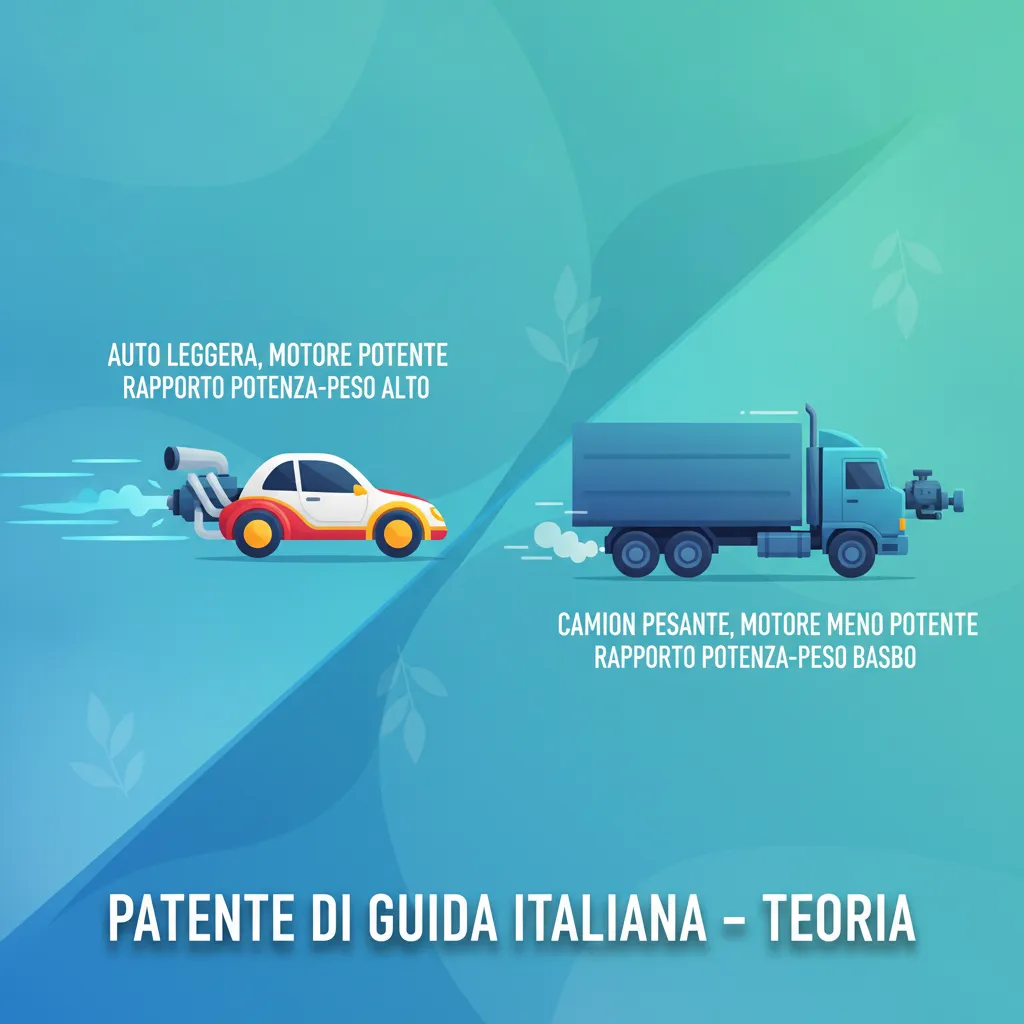
This lesson explains the core principles of motorcycle engines, focusing on key metrics like displacement, power, and the power-to-weight ratio. It details how these characteristics influence a motorcycle's acceleration, handling, and adherence to the specific limits of each license category. The content also covers different engine types and cooling systems, relating them to overall performance and reliability.
This lesson focuses on the vital systems for visibility and communication: mirrors, lighting, and signals. It provides instruction on the proper adjustment of mirrors to minimize blind spots and the correct use of headlamps, indicators, and brake lights as per Italian regulations. The content underscores how maintaining these systems in full working order is crucial for being seen and signalling intentions clearly in traffic.

This lesson outlines the legal age thresholds and structured pathways for progressing through the Italian motorcycle license system. It details the minimum age for acquiring each license type and the specific procedures for upgrading from A1 to A2 and from A2 to the full A license. The content clarifies the legal framework governing these transitions, including any training or examination requirements for each step.
This lesson provides a comprehensive guide to riding on high-speed motorways, or autostrade. It details the correct procedures for safely merging into traffic from an entry ramp and exiting via a deceleration lane. The content reinforces strict lane discipline, rules for overtaking, and the importance of maintaining a significantly larger following distance to compensate for higher speeds and potential wind gusts.

This lesson outlines the complete examination process for acquiring a Patente B license in Italy, detailing both the theoretical and practical tests. Learners will understand the structure of the theory exam, including the question format and the minimum score required to pass. It also covers the requirements for the practical driving test, the role of the driving school, and the official evaluation standards.
This lesson provides a detailed breakdown of the vehicle types authorized under the Patente AM license. You will learn to distinguish between ciclomotori, scooters, three-wheeled mopeds, and light quadricycles by their specific characteristics. Key topics include engine displacement limits, power output, and mandatory equipment like lights, mirrors, and brakes as required by Italian law.
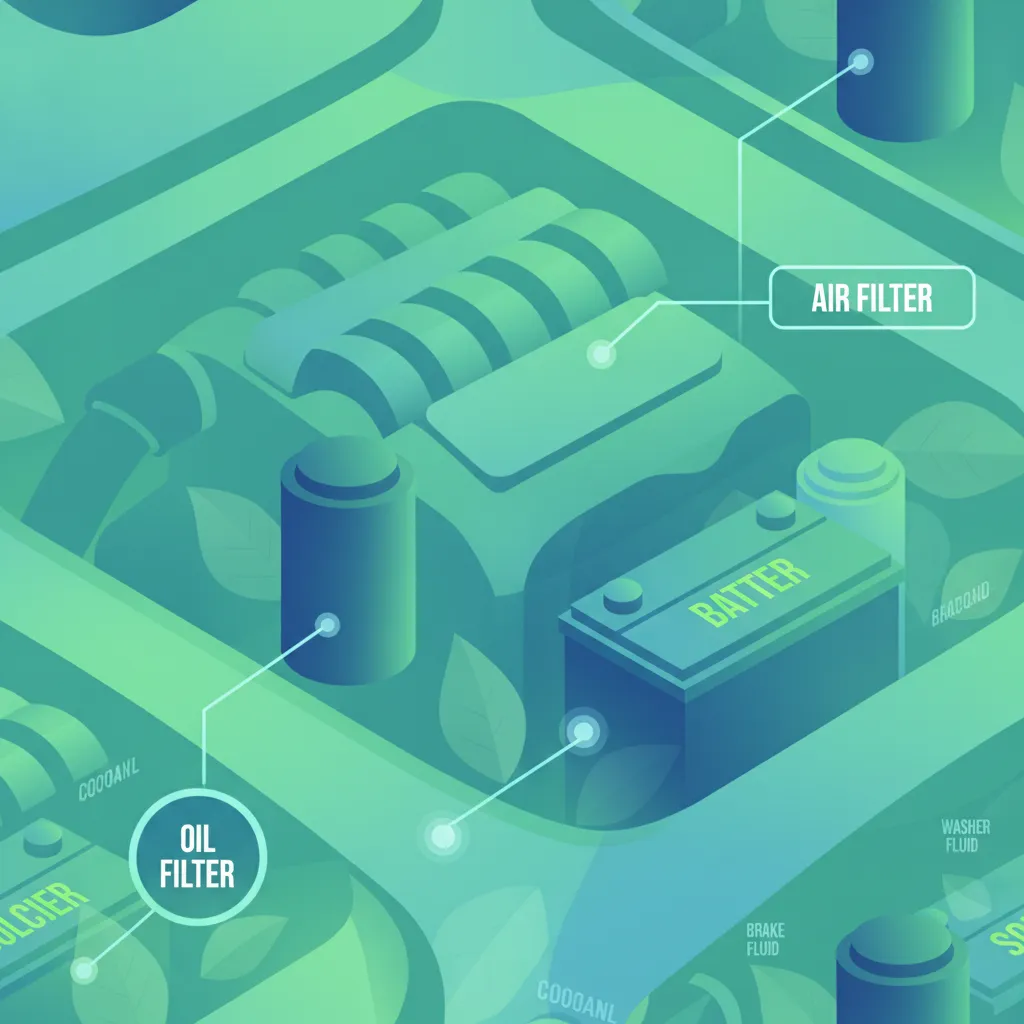
This lesson details the importance of adhering to a motorcycle's recommended maintenance schedule to ensure safety and reliability. It explains the typical service intervals for changing critical fluids like oil and brake fluid, as well as replacing wear-and-tear items such as brake pads and tyres. The content highlights how preventative maintenance is key to identifying potential issues before they become hazardous.

This lesson focuses on the unique demands of mountain riding, from handling steep inclines and declines to understanding the impact of altitude on the motorcycle's engine performance. It covers the effective use of engine braking on descents to prevent brake overheating. The content also prepares riders for the rapidly changing weather conditions, such as wind and fog, that are common at higher elevations.
Explore the age limits, progressive access rules, and necessary documentation for applying to the Italian A1, A2, and A motorcycle theory exams. Learn the specific pathways for each license category.
This lesson outlines the legal age thresholds and structured pathways for progressing through the Italian motorcycle license system. It details the minimum age for acquiring each license type and the specific procedures for upgrading from A1 to A2 and from A2 to the full A license. The content clarifies the legal framework governing these transitions, including any training or examination requirements for each step.
This lesson explores the practical, on-road consequences of the different motorcycle license categories. It analyzes how power and weight restrictions directly affect a motorcycle's handling, acceleration, and braking capabilities. Learners will understand how these factors shape riding strategies and safety considerations, highlighting the competency development needed for each successive license level.
This lesson provides a detailed breakdown of the Italian motorcycle licence categories: A1, A2, and the unrestricted A. It explains the specific technical limits for engine displacement, power output in kW, and the power-to-weight ratio that define each category. Understanding these distinctions is fundamental for selecting a compliant vehicle and recognizing the legal scope of each license.
This lesson explains the core principles of motorcycle engines, focusing on key metrics like displacement, power, and the power-to-weight ratio. It details how these characteristics influence a motorcycle's acceleration, handling, and adherence to the specific limits of each license category. The content also covers different engine types and cooling systems, relating them to overall performance and reliability.

This lesson focuses on the legal obligations that first-time riders must meet to operate an AM vehicle safely and legally. It details the mandatory use of certified helmets and appropriate protective clothing. Furthermore, it outlines fundamental traffic laws new riders must know and the legal repercussions of non-compliance, such as fines and penalty points.
Find clear answers to common questions learners have about Theory Exam Requirements. Learn how the lesson is structured, which driving theory objectives it supports, and how it fits into the overall learning path of units and curriculum progression in Italy. These explanations help you understand key concepts, lesson flow, and exam focused study goals.
The theory test for A1, A2, and A categories consists of 30 multiple-choice questions. You must complete the test within 20 minutes.
To pass the exam in Italy, you are permitted a maximum of 3 incorrect answers. If you make 4 or more errors, you will not pass.
Yes, the motorcycle theory exam shares a common bank of questions across the A categories, as the foundational traffic rules and road safety requirements in the Codice della Strada are the same.
If you fail, you will have to wait at least one month and one day before you are permitted to attempt the theory test again.
Start searching now to pinpoint exactly which Italian driving theory topics, road signs, or traffic rules you need to master. Use our advanced filters to build a custom practice session and ensure you're fully prepared for every aspect of your official driving licence exam.