
This lesson clarifies the legal and practical distinctions between A1, A2, and A motorcycle licences within the Italian Codice della Strada. You will learn how technical specifications and age requirements dictate which bikes you can legally operate, ensuring you choose the right path for your riding goals. Mastering these categories is essential for correctly answering classification-related questions on your official Italian motorcycle theory exam.

Lesson content overview
Navigating the world of motorcycle licences in Italy, particularly for categories A1, A2, and A, involves more than just understanding legal age limits or the theory test. Each licence category is linked to specific technical restrictions on motorcycles, primarily concerning engine power, power-to-weight ratio, and displacement. These restrictions are not arbitrary; they directly influence how a motorcycle performs on the road, shaping its acceleration, braking capabilities, and overall handling characteristics.
This lesson explores these practical, on-road consequences, equipping aspiring riders with a realistic understanding of vehicle capabilities. It highlights how these factors dictate safe riding strategies and underscore the incremental skill development necessary to progress confidently and responsibly through the various licence levels. Familiarity with the A1, A2, and A licence categories, their legal power and weight limits, and basic vehicle dynamics is foundational to grasping these concepts.
The Italian Highway Code, known as the Codice della Strada, establishes clear technical specifications for motorcycles permitted under categories A1, A2, and A. These classifications are designed to ensure a progressive learning curve, gradually introducing riders to more powerful and demanding machines as their experience and skills develop. The primary parameters dictating a motorcycle's suitability for a specific licence are its maximum power output, its engine displacement, and critically, its power-to-weight ratio.
These technical specifications are paramount because they define the performance envelope of the motorcycle. A bike with a lower power output and a less aggressive power-to-weight ratio will accelerate more gently and be generally easier to manage for a novice rider. Conversely, an unrestricted A category motorcycle offers significantly higher performance, requiring advanced skills in throttle control, braking, and hazard perception to operate safely.
The fundamental performance characteristics of any motorcycle—how it accelerates, brakes, and handles—are intrinsically linked to three main technical specifications: the engine's power output, the vehicle's weight, and its engine displacement. Understanding these interrelationships is crucial for any rider, as they dictate the practical riding experience and the demands placed on the rider's skill.
The Power-to-Weight Ratio (P/W) is a critical metric that quantifies a motorcycle's acceleration potential. It is calculated by dividing the engine's maximum power output (in kilowatts, kW) by the motorcycle's total weight (in kilograms, kg). A higher P/W ratio indicates that the motorcycle has more power for every kilogram of its weight, leading to quicker acceleration and potentially higher top speeds.
For less experienced riders, lower P/W ratios are intentionally mandated for A1 and A2 licences. This reduces impulsive acceleration, making the bike more manageable and forgiving. An A1 motorcycle, for instance, typically has a very low P/W ratio (up to 0.1 kW/kg), meaning riders must anticipate speed changes and plan overtakes much earlier. In contrast, an unrestricted A category motorcycle with a high P/W ratio demands advanced throttle control and precise braking techniques due to its rapid acceleration and the significant kinetic energy it generates at speed.
When considering a motorcycle for an A2 licence, always verify its power-to-weight ratio. Even if the maximum power is within the 35 kW limit, if the bike is too light, its P/W ratio might exceed the 0.2 kW/kg restriction.
Engine Displacement (cc) refers to the total volume swept by the pistons within an engine's cylinders during one complete cycle, measured in cubic centimeters. While directly related to power output, displacement primarily influences the engine's torque and how that power is delivered. Generally, larger displacement engines produce more torque, especially at lower RPMs, which translates to a more robust and responsive feel, particularly during initial acceleration and at low speeds.
For A1 licences, motorcycles are limited to 125cc, which results in gentler power delivery and less intimidating torque, ideal for urban commuting and learning fundamental control. A2 category bikes can have displacements up to 600cc (or sometimes slightly more for multi-cylinder engines, provided the power and P/W limits are met), offering more substantial torque suitable for highway riding and moderate acceleration. Unrestricted A category motorcycles can have any displacement, delivering significant torque and requiring refined throttle control to manage the power effectively without losing traction.
The Maximum Power Output is the peak power an engine can produce, measured in kilowatts (kW). This figure is a direct indicator of a motorcycle's overall performance potential, influencing how quickly it can accelerate and its potential top speed. The legal limits on maximum power output are fundamental to the Italian licence structure.
For an A1 licence, the limit is 11 kW (approximately 15 horsepower). This level of power is suitable for city riding and beginner scenarios, where excessive speed is neither needed nor desired. The A2 licence permits motorcycles with up to 35 kW (approximately 47.5 horsepower), introducing a moderate performance increase that requires a greater degree of skill but remains manageable for intermediate riders. The A licence, for experienced riders, has no specific upper limit on engine power, allowing access to the highest-performance machines available. Confusing kilowatts (kW) with horsepower (HP) is a common misunderstanding; remember that 1 kW is approximately equal to 1.34 HP.
The technical specifications of a motorcycle directly translate into its real-world riding dynamics. Understanding these dynamics is paramount for safe and effective riding, regardless of the licence category. Riders must constantly adapt their techniques based on their motorcycle's inherent capabilities and limitations.
The power-to-weight ratio is the primary determinant of a motorcycle's acceleration. A lower P/W ratio, characteristic of A1 bikes, means slower acceleration. Riders of A1 motorcycles must therefore be more strategic about speed management, planning overtakes well in advance and allowing ample time to build speed. This teaches patience and forward planning, crucial skills for all riders.
As riders progress to A2 and then to A category motorcycles, the increased power and P/W ratio lead to significantly faster acceleration. While this offers greater flexibility for overtaking and merging into fast-moving traffic, it also demands heightened throttle control. Riders of A and high-performance A2 bikes must learn to modulate the throttle smoothly to prevent sudden bursts of speed that could lead to loss of control, especially in challenging conditions or when surprising other road users.
Braking effectiveness is directly tied to a motorcycle's kinetic energy, which is the energy it possesses due to its motion. Kinetic energy is calculated as 0.5 × mass × velocity², meaning it increases proportionally with mass and, crucially, with the square of speed. This fundamental physics principle explains why small increases in speed lead to disproportionately longer braking distances.
More powerful motorcycles (A2 and A categories) can reach higher speeds more quickly, accumulating significantly more kinetic energy. This demands earlier braking points and more precise brake modulation. For instance, a 200 kg motorcycle travelling at 100 km/h has substantial kinetic energy, requiring effective and controlled braking to stop safely. While A1 bikes generally have lower kinetic energy at typical speeds, all riders must understand that factors like tire grip, road surface, and the presence of ABS (Anti-lock Braking System) also play a vital role in braking performance.
A motorcycle's handling characteristics—its stability at speed, its agility in corners, and its responsiveness to rider input—are influenced by a complex interplay of mass distribution, wheelbase, center of gravity, and, of course, power.
Effective throttle control is perhaps the single most important skill a motorcyclist can develop, and its demands escalate with increasing motorcycle performance.
Similarly, gear selection is critical. A1 riders primarily focus on keeping the engine in its optimal power band for urban riding. A2 and A riders must master engine braking, selecting the right gear for corner entry and exit to maintain traction and control, and using the engine's torque effectively without over-revving or lugging the engine.
The technical restrictions and age requirements for motorcycle licences in Italy are enshrined in the Codice della Strada (Italian Highway Code). These regulations are designed to ensure public safety by progressively matching a rider's experience and maturity with the performance capabilities of the motorcycles they are legally allowed to operate.
The Italian licensing system is structured to provide a clear progression path, with each licence category having distinct technical limitations:
| Licence Category | Maximum Power (kW) | Maximum Power-to-Weight Ratio (kW/kg) | Engine Displacement (cc) | Minimum Unladen Weight (kg) |
|---|---|---|---|---|
| A1 | 11 kW | 0.1 kW/kg | ≤125 cc | N/A (but generally lighter bikes) |
| A2 | 35 kW | 0.2 kW/kg | Up to 600cc (or 660cc for multi-cylinder bikes, provided P/W limit is met) | N/A (but often heavier than A1) |
| A (Unrestricted) | No upper limit | No upper limit | No upper limit | N/A |
It is crucial for riders to ensure their motorcycle adheres to these limits. For example, an A2 motorcycle cannot be derived from a vehicle that originally had more than double its current power output. This means a 35 kW A2 bike cannot be a restricted version of a motorcycle that originally produced over 70 kW. These rules prevent riders from operating inherently powerful machines with significantly reduced performance.
The total weight of a vehicle including all necessary fluids (oil, coolant, brake fluid), a full tank of fuel, and standard equipment. This is typically used for official power-to-weight ratio calculations.
The weight of a vehicle without any fluids, fuel, or rider. This measurement is generally not used for legal power-to-weight ratio calculations but is sometimes quoted by manufacturers.
The age requirements for obtaining each motorcycle licence category also reflect the progressive skill development philosophy:
This structured progression ensures that riders develop fundamental skills – balance, braking, cornering, hazard perception – before they are legally permitted to operate machines with higher kinetic energy and more demanding performance characteristics.
Understanding the practical implications of your licence category is fundamental to safe riding. Your motorcycle's capabilities directly dictate the riding strategies you must employ, and how you respond to varying conditions.
The influence of a motorcycle's performance characteristics is significantly amplified by external factors:
Adding a passenger or significant luggage alters a motorcycle's overall mass. This increased accessory load has direct implications for performance:
Always check your motorcycle's maximum permissible load capacity. Overloading can compromise handling, braking, and even lead to structural failure, posing a serious safety risk and potentially resulting in legal penalties.
Misunderstanding or intentionally disregarding the technical limitations of your licence category can lead to severe consequences, ranging from legal penalties to serious accidents.
The Italian motorcycle licence system (A1, A2, A) is structured around progressive technical restrictions that reflect a rider's developing skills. Each category has specific limits on maximum power output (11 kW for A1, 35 kW for A2, unlimited for A) and power-to-weight ratio (0.1 kW/kg and 0.2 kW/kg respectively). These specifications directly affect real-world performance: lower ratios mean gentler acceleration ideal for beginners, while higher ratios demand advanced throttle control and earlier braking due to increased kinetic energy. The Codice della Strada enforces these restrictions not only to ensure safety but to create a structured learning pathway where riders develop fundamental skills before accessing more demanding machines, culminating in full A licence eligibility at age 24 or age 20 with two years of A2 experience.
A short set of high-value points that capture the most important learning from this lesson.
A1 licence permits motorcycles up to 11 kW with a power-to-weight ratio capped at 0.1 kW/kg and maximum 125cc displacement
A2 licence allows motorcycles up to 35 kW with a power-to-weight ratio not exceeding 0.2 kW/kg, suitable for moderate highway riding
The unrestricted A licence requires age 24 (or 20 with 2 years A2 experience) with no upper power or displacement limits
Power-to-weight ratio is the primary factor determining a motorcycle's acceleration capability and controllability
Higher-powered motorcycles generate more kinetic energy, demanding greater braking distances and precise throttle control
Explore all units and lessons included in this driving theory course.
Always calculate power-to-weight ratio (kW/kg) by dividing maximum engine power by wet weight; this determines legal eligibility for A2
An A2 motorcycle cannot be derived from a bike that originally produced more than double its restricted power (no converting a 100 kW bike to 35 kW for A2)
Wet weight (with all fluids and fuel) is used for official power-to-weight calculations, not dry weight
1 kW equals approximately 1.34 horsepower; misreading kW as HP can lead to incorrect licence classification
Kinetic energy increases with the square of speed (0.5 × mass × velocity²), meaning doubling your speed quadruples braking distance required
Assuming any 125cc motorcycle fits A1 licence; some high-performance two-strokes exceed the 11 kW limit
Confusing kilowatts with horsepower when checking a motorcycle's specifications against licence limits
Riding an A2-restricted motorcycle that was originally a much more powerful bike modified to 35 kW—this violates Italian law
Underestimating braking distances on high-performance bikes because kinetic energy grows exponentially with speed
Overloading a motorcycle with passengers or luggage without considering the impact on power-to-weight ratio and handling
Lesson content overview
A short set of high-value points that capture the most important learning from this lesson.
A1 licence permits motorcycles up to 11 kW with a power-to-weight ratio capped at 0.1 kW/kg and maximum 125cc displacement
A2 licence allows motorcycles up to 35 kW with a power-to-weight ratio not exceeding 0.2 kW/kg, suitable for moderate highway riding
The unrestricted A licence requires age 24 (or 20 with 2 years A2 experience) with no upper power or displacement limits
Power-to-weight ratio is the primary factor determining a motorcycle's acceleration capability and controllability
Higher-powered motorcycles generate more kinetic energy, demanding greater braking distances and precise throttle control
Explore all units and lessons included in this driving theory course.
Always calculate power-to-weight ratio (kW/kg) by dividing maximum engine power by wet weight; this determines legal eligibility for A2
An A2 motorcycle cannot be derived from a bike that originally produced more than double its restricted power (no converting a 100 kW bike to 35 kW for A2)
Wet weight (with all fluids and fuel) is used for official power-to-weight calculations, not dry weight
1 kW equals approximately 1.34 horsepower; misreading kW as HP can lead to incorrect licence classification
Kinetic energy increases with the square of speed (0.5 × mass × velocity²), meaning doubling your speed quadruples braking distance required
Assuming any 125cc motorcycle fits A1 licence; some high-performance two-strokes exceed the 11 kW limit
Confusing kilowatts with horsepower when checking a motorcycle's specifications against licence limits
Riding an A2-restricted motorcycle that was originally a much more powerful bike modified to 35 kW—this violates Italian law
Underestimating braking distances on high-performance bikes because kinetic energy grows exponentially with speed
Overloading a motorcycle with passengers or luggage without considering the impact on power-to-weight ratio and handling
Explore search topics learners often look for when studying Practical Implications for Different Licence Types. These topics reflect common questions about road rules, driving situations, safety guidance, and lesson level theory preparation for learners in Italy.
Browse additional driving theory lessons that cover connected traffic rules, road signs, and common driving situations related to this topic. Improve your understanding of how different rules interact across everyday traffic scenarios.
Explore the direct link between Italian A1, A2, and A licence restrictions and how they influence a motorcycle's acceleration, braking, and overall handling. Understand the practical consequences for riders.
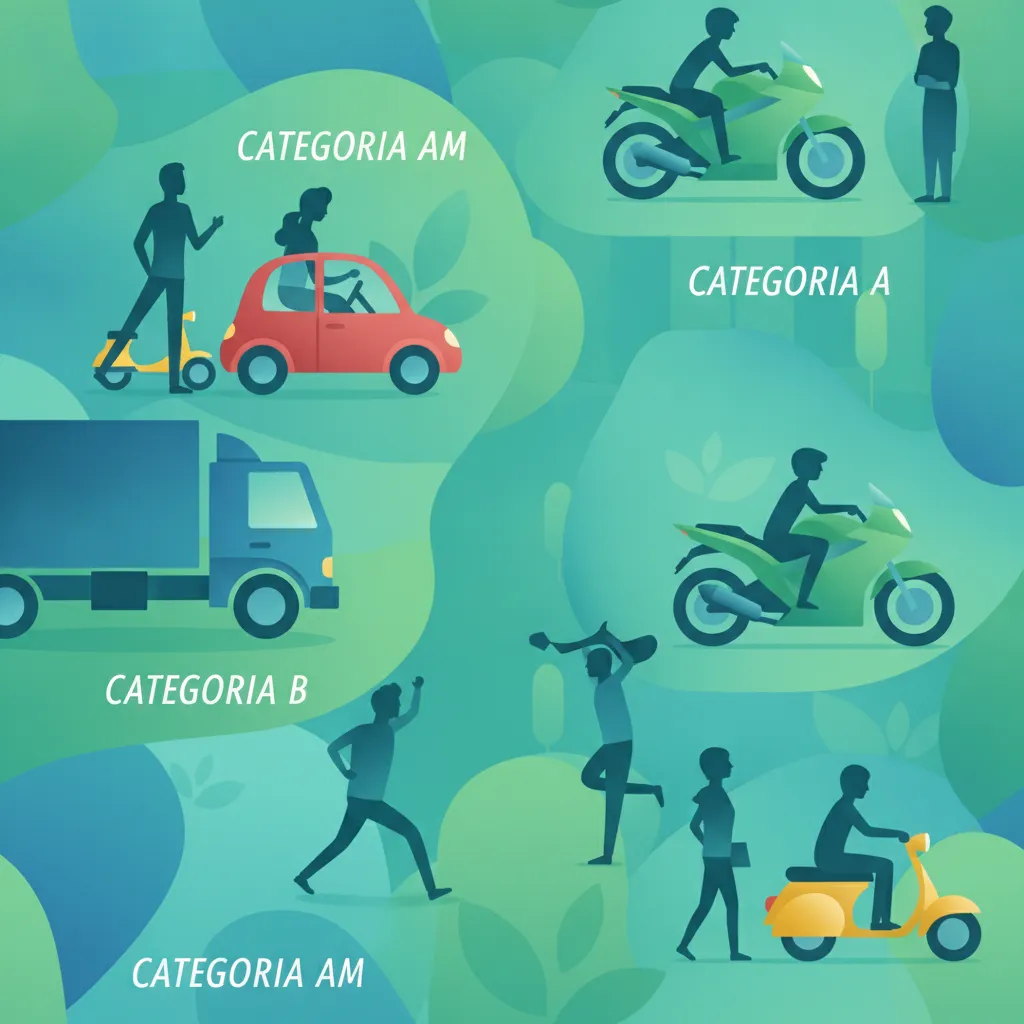
This lesson provides a detailed breakdown of the Italian motorcycle licence categories: A1, A2, and the unrestricted A. It explains the specific technical limits for engine displacement, power output in kW, and the power-to-weight ratio that define each category. Understanding these distinctions is fundamental for selecting a compliant vehicle and recognizing the legal scope of each license.
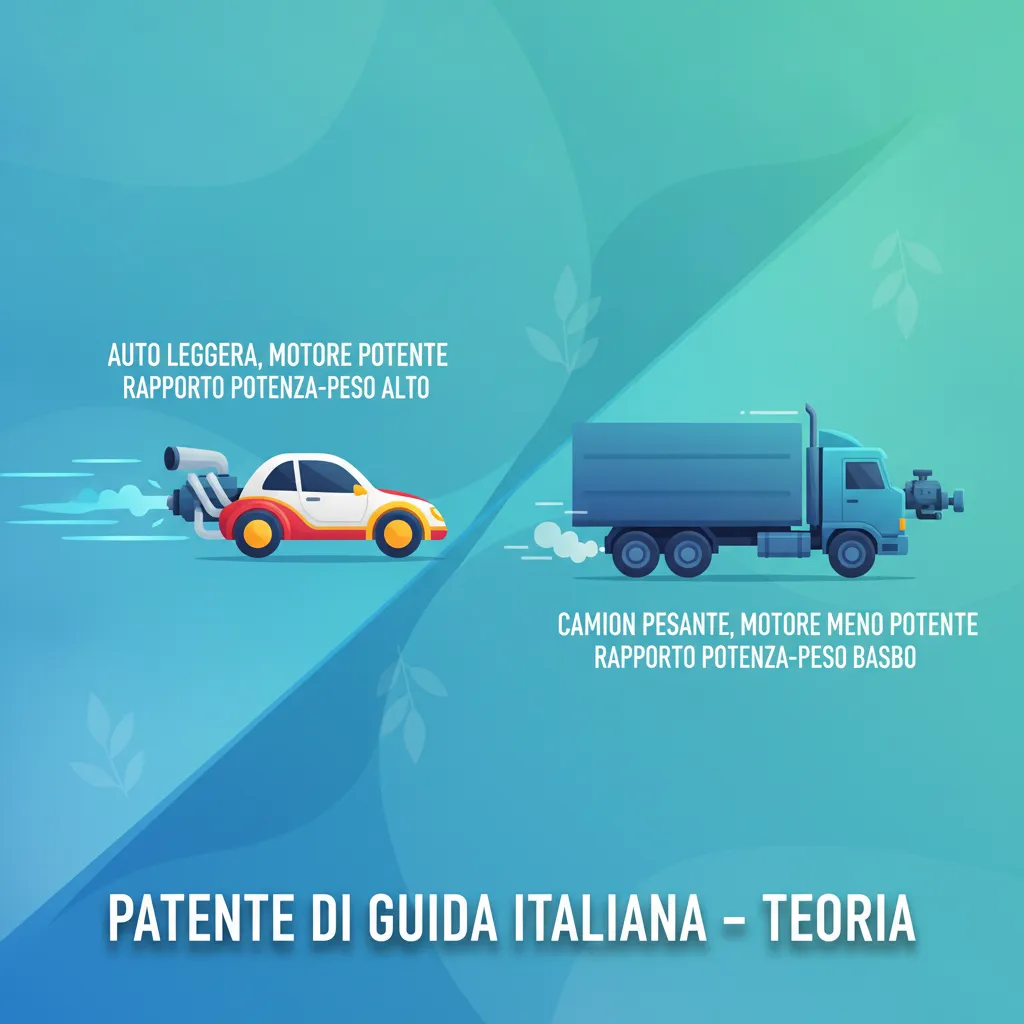
This lesson explains the core principles of motorcycle engines, focusing on key metrics like displacement, power, and the power-to-weight ratio. It details how these characteristics influence a motorcycle's acceleration, handling, and adherence to the specific limits of each license category. The content also covers different engine types and cooling systems, relating them to overall performance and reliability.
This lesson focuses on the unique demands of mountain riding, from handling steep inclines and declines to understanding the impact of altitude on the motorcycle's engine performance. It covers the effective use of engine braking on descents to prevent brake overheating. The content also prepares riders for the rapidly changing weather conditions, such as wind and fog, that are common at higher elevations.

This lesson provides a thorough examination of the Italian motorcycle theory test's structure and content. It details the number of questions, the multiple-choice format, and the minimum score required to pass for the A1, A2, and A license categories. The content is designed to prepare learners for the specific knowledge areas and administrative procedures involved in taking the official exam.

This lesson outlines the legal age thresholds and structured pathways for progressing through the Italian motorcycle license system. It details the minimum age for acquiring each license type and the specific procedures for upgrading from A1 to A2 and from A2 to the full A license. The content clarifies the legal framework governing these transitions, including any training or examination requirements for each step.

This lesson focuses on the rider's active role in controlling the motorcycle through body positioning and weight shifts. It explains how to maintain a relaxed yet engaged posture to absorb road imperfections and provide precise inputs to the handlebars and footpegs. The content covers how leaning with the bike in corners and shifting weight during braking and acceleration significantly impacts the vehicle's stability and performance.
This lesson focuses on the vital systems for visibility and communication: mirrors, lighting, and signals. It provides instruction on the proper adjustment of mirrors to minimize blind spots and the correct use of headlamps, indicators, and brake lights as per Italian regulations. The content underscores how maintaining these systems in full working order is crucial for being seen and signalling intentions clearly in traffic.
This lesson provides a detailed breakdown of the Italian goods vehicle licence categories, explaining the criteria that define each one. It covers the maximum authorized mass (MAM), vehicle configurations such as rigid trucks and articulated combinations, and the specific permissions granted by the C1, C1E, C, and CE licenses. Understanding these distinctions is fundamental to ensuring legal operation and choosing the correct qualification for specific transport tasks and vehicle types.
This lesson provides a comprehensive guide to riding on high-speed motorways, or autostrade. It details the correct procedures for safely merging into traffic from an entry ramp and exiting via a deceleration lane. The content reinforces strict lane discipline, rules for overtaking, and the importance of maintaining a significantly larger following distance to compensate for higher speeds and potential wind gusts.
This lesson teaches the crucial skill of adapting speed to constantly changing environments, independent of the posted speed limit. It explains how to assess factors such as road surface condition, adverse weather, traffic flow, and limited visibility to determine a safe and appropriate speed. The principle taught is that the speed limit is a maximum, not a target, and responsible riding requires constant adjustment.
Understand how legal power output, displacement, and power-to-weight ratio limits for A1, A2, and A licences translate into real-world riding dynamics, control, and safety considerations in Italy.
This lesson explains the core principles of motorcycle engines, focusing on key metrics like displacement, power, and the power-to-weight ratio. It details how these characteristics influence a motorcycle's acceleration, handling, and adherence to the specific limits of each license category. The content also covers different engine types and cooling systems, relating them to overall performance and reliability.
This lesson provides a detailed breakdown of the Italian motorcycle licence categories: A1, A2, and the unrestricted A. It explains the specific technical limits for engine displacement, power output in kW, and the power-to-weight ratio that define each category. Understanding these distinctions is fundamental for selecting a compliant vehicle and recognizing the legal scope of each license.
This lesson focuses on the rider's active role in controlling the motorcycle through body positioning and weight shifts. It explains how to maintain a relaxed yet engaged posture to absorb road imperfections and provide precise inputs to the handlebars and footpegs. The content covers how leaning with the bike in corners and shifting weight during braking and acceleration significantly impacts the vehicle's stability and performance.
This lesson focuses on the comprehensive duties of a motorcyclist, from ensuring vehicle and equipment legality to following traffic regulations. It covers key obligations mandated by the Codice della Strada, such as mandatory insurance coverage and adherence to environmental rules. The material reinforces the importance of responsible road conduct and the legal consequences of non-compliance.
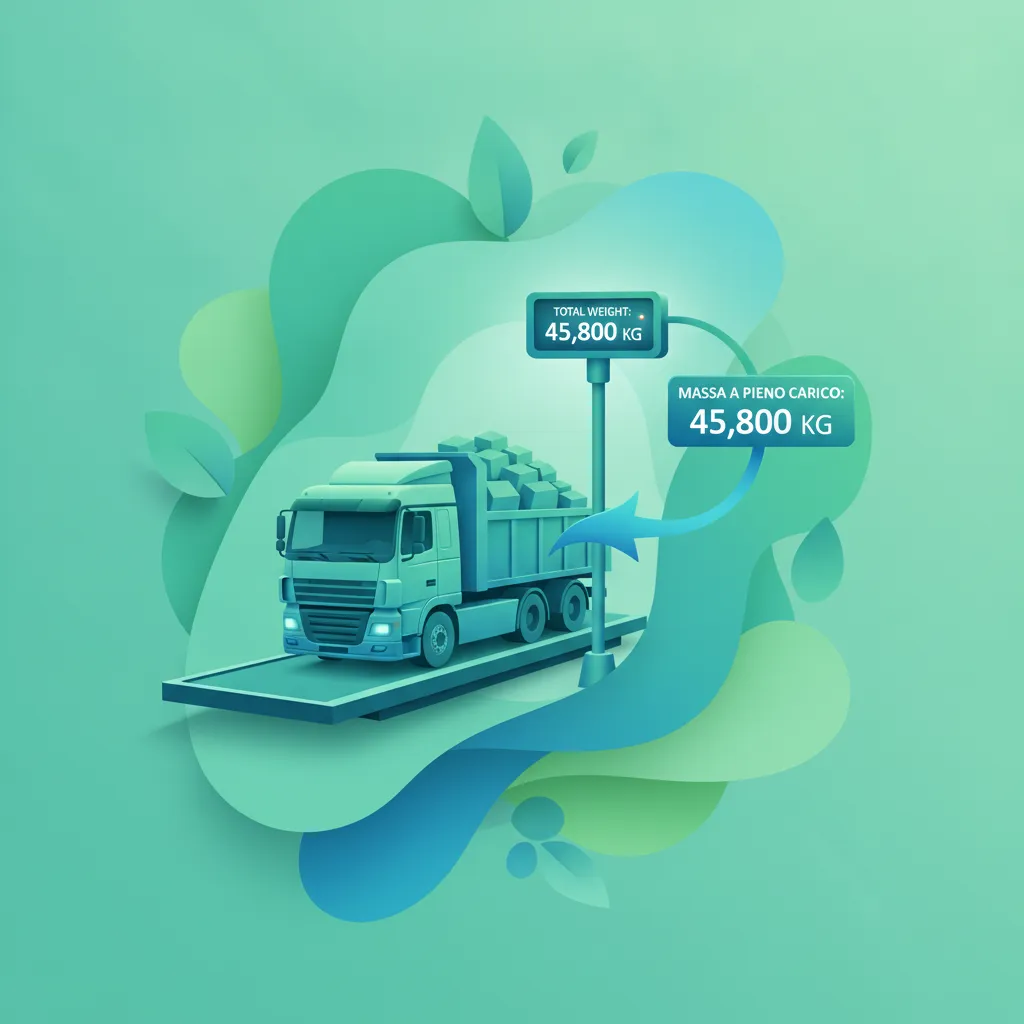
This lesson clarifies two fundamental weight concepts in Italian transport law: 'massa complessiva a pieno carico' (gross vehicle mass) and the vehicle's unladen mass. Learners will understand how to interpret these values from the vehicle's registration documents and use them to determine the maximum legal operating weight. This knowledge is crucial for calculating payload and ensuring compliance with the weight limits associated with the driver's license category.

This lesson focuses on the safe transport of luggage on a motorcycle. It explains best practices for distributing weight evenly and low to maintain a stable center of gravity, whether using panniers, a top case, or a tank bag. The content highlights how incorrect loading can negatively impact steering, braking, and stability, and provides methods for securely fastening all items to prevent shifting during the ride.
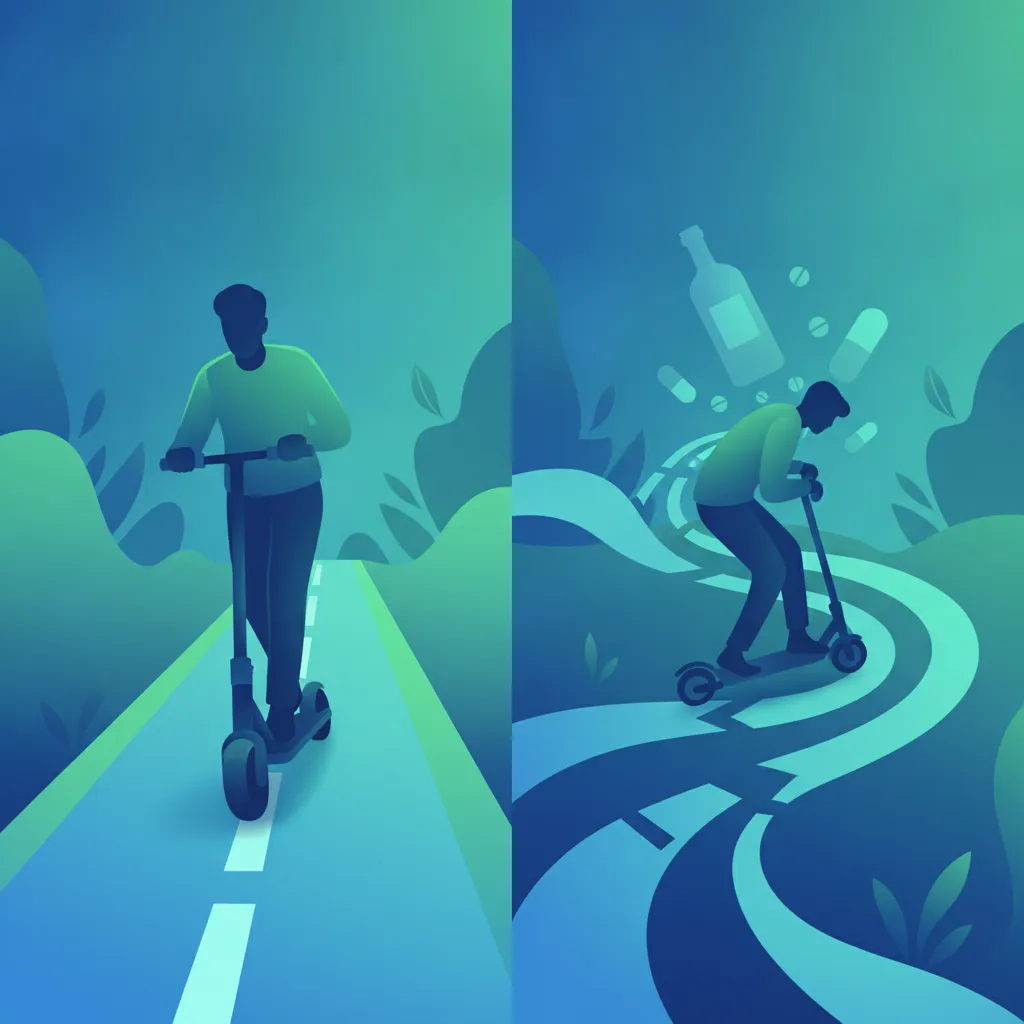
This lesson details the dangerous effects of alcohol, illegal drugs, and some prescription or over-the-counter medications on a rider's ability to operate a motorcycle safely. It explains how these substances impair coordination, judgment, vision, and reaction time. The content covers the strict legal blood alcohol concentration (BAC) limits in Italy and the severe legal penalties for riding under the influence.
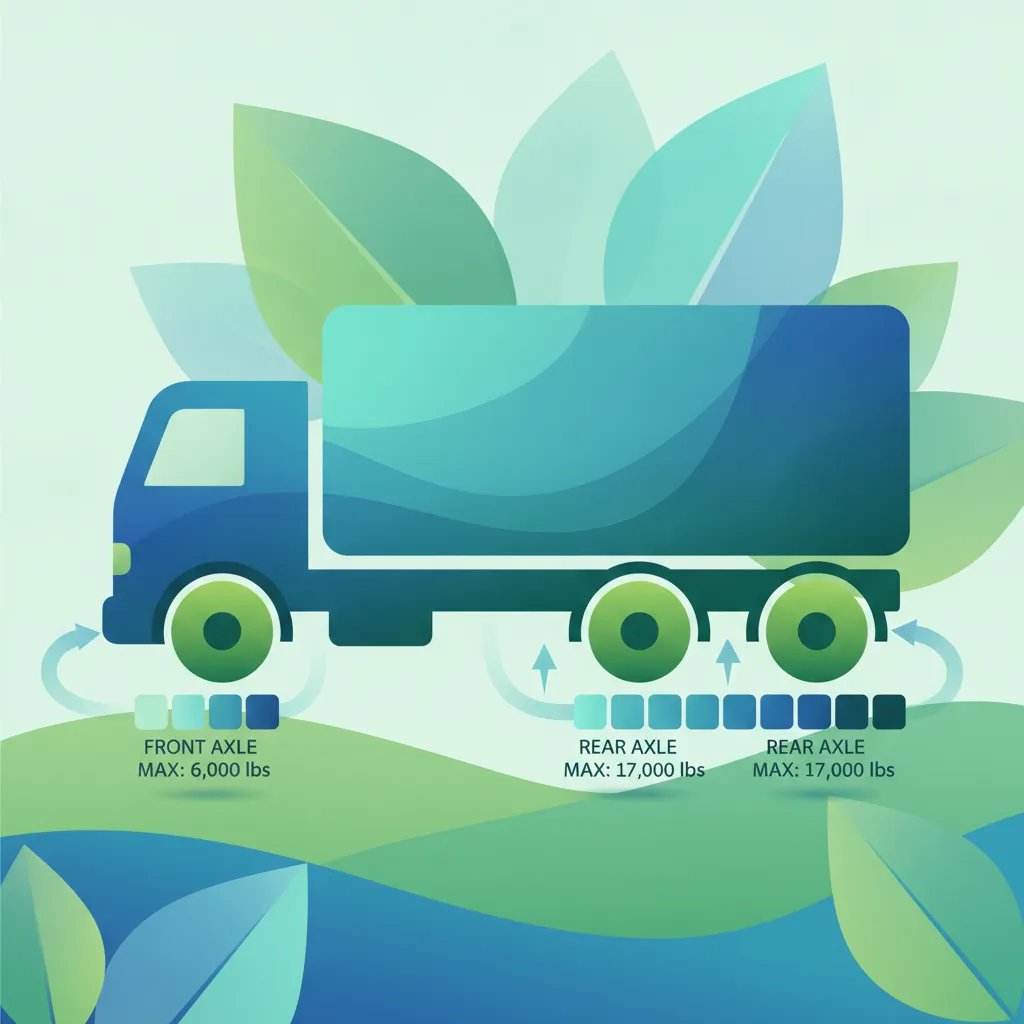
This lesson details the legal restrictions on the weight that can be supported by a single axle or a group of axles. It explains the importance of distributing the load correctly across the vehicle's length to prevent exceeding these limits, which can cause significant road damage and compromise vehicle safety. Learners will understand the relationship between load placement, axle pressure, and overall stability, particularly during braking and cornering.
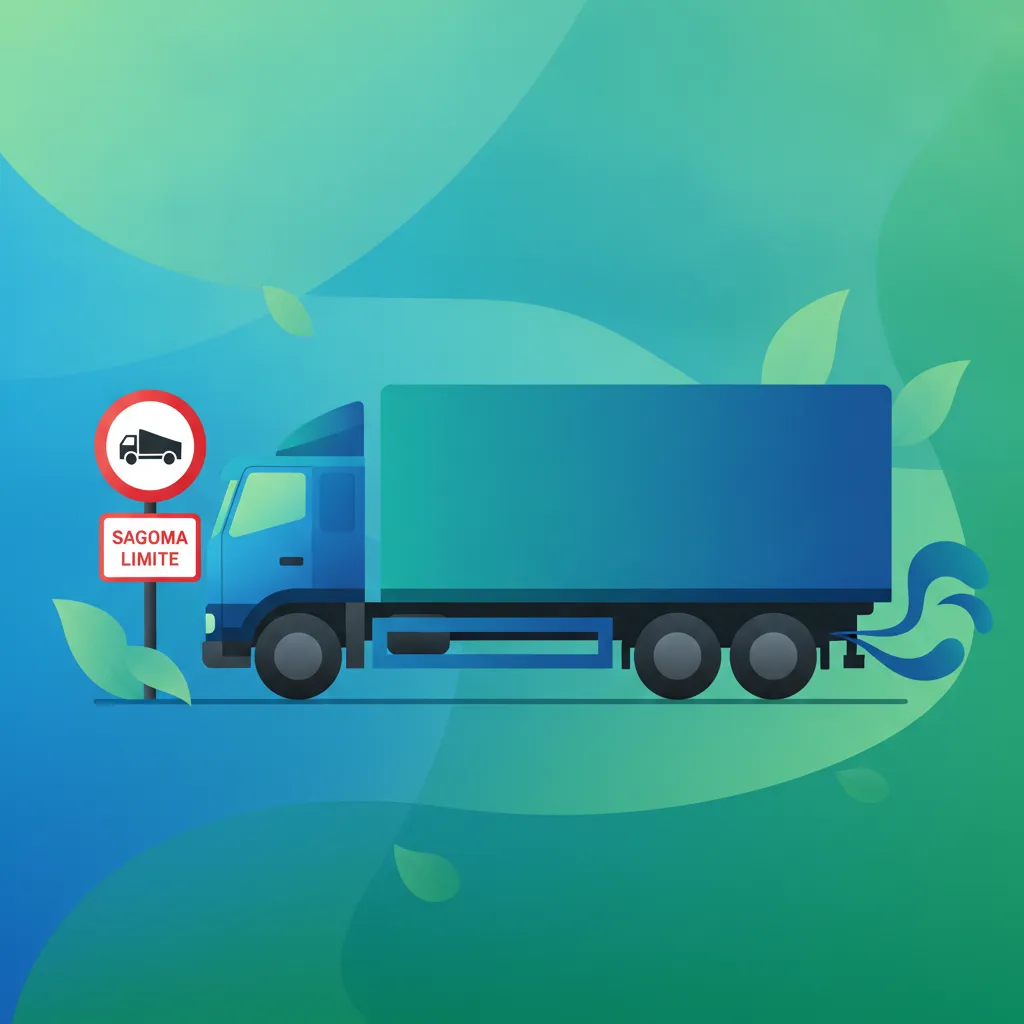
This lesson defines 'sagoma limite', which refers to the maximum outline or silhouette a vehicle and its load can occupy. It then explores the serious repercussions of overloading, which include substantial legal fines, increased stress on vehicle components like brakes and suspension, and dangerously compromised handling and stability. Learners will understand that overloading is not just a legal issue but a critical safety hazard for the driver and all other road users.
This lesson outlines the legal age thresholds and structured pathways for progressing through the Italian motorcycle license system. It details the minimum age for acquiring each license type and the specific procedures for upgrading from A1 to A2 and from A2 to the full A license. The content clarifies the legal framework governing these transitions, including any training or examination requirements for each step.
Find clear answers to common questions learners have about Practical Implications for Different Licence Types. Learn how the lesson is structured, which driving theory objectives it supports, and how it fits into the overall learning path of units and curriculum progression in Italy. These explanations help you understand key concepts, lesson flow, and exam focused study goals.
No, an A2 licence is restricted to motorcycles with a power output not exceeding 35 kW and a power-to-weight ratio not exceeding 0.2 kW/kg, provided the bike is not derived from a vehicle with more than double its power.
The age requirement depends on the pathway. For direct access to an unrestricted A licence, you generally need to be 24 years old, or at least 20 years old if you have held an A2 licence for at least two years.
Yes, the Italian motorcycle theory exam often includes questions regarding the technical specifications and power limits associated with each licence category to ensure riders understand their legal operational scope.
Progressive access refers to the legal pathway where a rider gains experience on a lower-powered category (like A1 or A2) before transitioning to a higher, less restricted category, rather than jumping straight to the unrestricted A licence.
Start searching now to pinpoint exactly which Italian driving theory topics, road signs, or traffic rules you need to master. Use our advanced filters to build a custom practice session and ensure you're fully prepared for every aspect of your official driving licence exam.