
This lesson explores the fundamental mechanics of motorcycle engines, including displacement and power-to-weight ratios, which are critical for both your theory exam and real-world safety. Understanding these metrics is vital for correctly identifying which motorcycles you are legally permitted to ride under your A1, A2, or A category license.
Lesson content overview
Embarking on your journey to obtain an Italian motorcycle driving licence (Categories A1, A2, or A) requires a thorough understanding of your vehicle's core mechanics and performance characteristics. This lesson delves into the crucial aspects of motorcycle engines, specifically focusing on displacement, power output, and the all-important power-to-weight ratio. These factors not only define a motorcycle's performance but are also strictly regulated by Italian law to ensure rider safety and progressive skill development.
Knowing these metrics is essential for selecting a compliant motorcycle, understanding its capabilities, and ensuring safe riding practices in diverse conditions. It forms a fundamental link between vehicle mechanics and your responsibilities as a rider on Italian roads.
The heart of any motorcycle is its engine, a complex system designed to convert fuel into motion. Three key metrics help us understand an engine's potential: displacement, power output, and torque. These directly influence how a motorcycle accelerates, its top speed, and its overall responsiveness.
Engine displacement refers to the total volume swept by all the pistons in an engine's cylinders during one complete cycle. It is typically measured in cubic centimeters (cc). This value fundamentally indicates the engine's size and its potential to generate power. A larger displacement generally means a larger engine that can burn more fuel and air, leading to greater potential power.
The total volume displaced by all pistons within an engine's cylinders during one complete engine cycle, typically measured in cubic centimeters (cc).
How Displacement is Calculated: Displacement is derived from the engine's bore (the diameter of the cylinder), stroke (the distance the piston travels up and down), and the number of cylinders. For example, a 125 cc engine is designed to accommodate a certain volume of air-fuel mixture, making it suitable for smaller, lighter motorcycles. Common configurations include single-cylinder, twin-cylinder (parallel, V, or boxer), triple, inline-four, and V4 engines, each offering different characteristics in terms of power delivery, vibration, and packaging.
Relevance to Italian Motorcycle Licences: In Italy, engine displacement is a key criterion for the A1 licence, which limits motorcycles to a maximum of 125 cc. While there is no upper displacement limit for A2 or A licences, displacement still influences the motorcycle's overall performance and character, which riders must manage within the power-to-weight ratio constraints.
Power output quantifies the rate at which an engine can perform work. In motorcycling, this translates directly into a vehicle's ability to accelerate and achieve higher speeds. Power is commonly measured in kilowatts (kW) or horsepower (HP), with 1 kW approximately equal to 1.34 HP.
The rate at which an engine can perform work, representing its ability to produce motion. It is measured in kilowatts (kW) or horsepower (HP).
Peak Power vs. Usable Power: Manufacturers typically state an engine's "peak power," which is the maximum power produced at a specific, often high, engine revolution per minute (RPM). However, riders rarely use peak power in everyday situations. "Continuous power" or the engine's power curve (which shows power output across the entire RPM range) provides a more realistic understanding of how the bike performs in different riding scenarios, such as accelerating from a stop or overtaking.
Impact on Riding Experience: Higher power output allows for quicker acceleration, making overtakes safer and cruising at higher speeds more effortless. Conversely, too much power for an inexperienced rider can lead to difficulties in control, especially during sudden acceleration or in challenging road conditions.
Italian Licence Power Limits: Power output is a critical factor for A1 and A2 licence holders. An A1 licence restricts motorcycles to a maximum of 11 kW. For an A2 licence, the power limit is 35 kW, and importantly, the motorcycle must not be derived from a vehicle of more than double its power (i.e., a bike with more than 70 kW cannot be restricted to 35 kW for an A2 licence). The full A licence has no power restriction, but practical considerations for very high-power bikes and progressive access rules still apply.
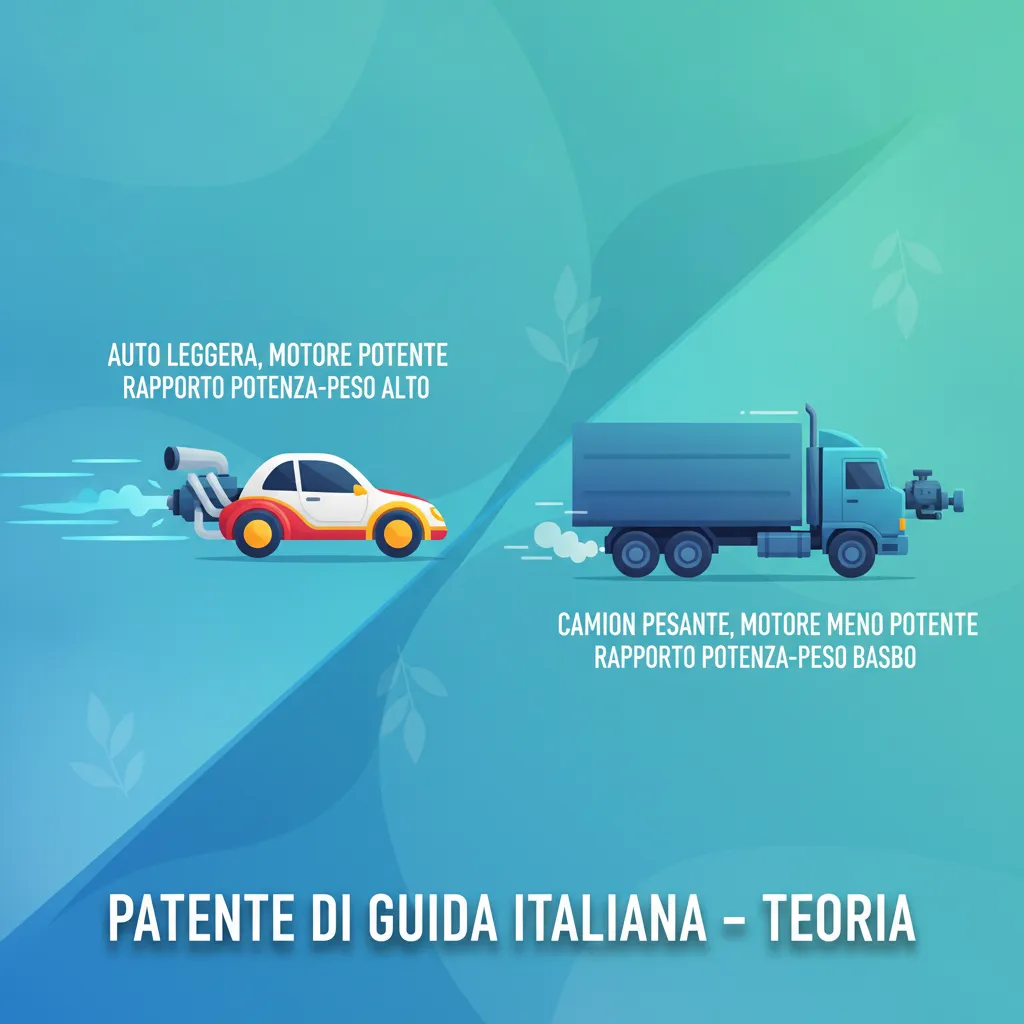
While engine displacement and power output are important, they don't tell the whole story. A heavy motorcycle with a powerful engine might not accelerate as quickly as a lighter bike with less absolute power. This is where the power-to-weight ratio (P/W) becomes crucial.
The power-to-weight ratio is a fundamental metric that expresses an engine's power output in relation to the total mass it has to move. It is calculated by dividing the engine's power (in kW) by the motorcycle's total weight (in kg), resulting in a value expressed as kW/kg.
The ratio of an engine's power output (in kilowatts) to the total weight of the motorcycle (in kilograms), expressed as kW/kg. It indicates the vehicle's acceleration potential and maneuverability demands.
Theoretical vs. Effective P/W:
Why P/W Matters for Rider Safety and Control: A higher power-to-weight ratio generally indicates faster acceleration and more responsive handling. While exhilarating, this demands greater skill and experience from the rider. Bikes with a very high P/W can accelerate rapidly, making it easier to lose control, especially for less experienced riders or in challenging conditions like wet roads or sharp turns. Understanding your bike's effective P/W helps you manage its performance safely.
The P/W ratio is a specific restriction for the A2 licence category in Italy. An A2-compliant motorcycle must have a power-to-weight ratio of no more than 0.2 kW/kg. This limit is designed to prevent riders from operating excessively powerful or lightweight motorcycles before they have developed sufficient experience.
For A1 licence holders, there is no explicit P/W limit, but the low power (11 kW) and displacement (125 cc) restrictions inherently keep the P/W ratio within manageable levels. The full A licence has no P/W limit for daily riding, though there are minimum P/W requirements for the practical test and progressive access rules.
Always calculate the effective power-to-weight ratio including your own weight, protective gear, and any luggage or passenger. This is the true measure for legal compliance and safe riding.
Beyond displacement and power figures, the type of engine and its cooling system significantly influence a motorcycle's performance, reliability, and environmental impact.
Four-Stroke Engine:
Two-Stroke Engine:
Electric Motor:
Effective heat management is crucial for engine performance and longevity. Overheating can lead to reduced power, engine damage, and increased emissions.
Air-Cooled Systems:
Liquid-Cooled Systems (Water-Cooled):
Oil-Cooled Systems:
The Italian driving license theory course for motorcycle categories A1, A2, and A specifically defines limits for vehicle performance to match the rider's experience level. Adhering to these regulations is mandatory.
The A1 licence is your entry point to motorcycling in Italy, typically available from 16 years of age.
The A2 licence offers a step up in performance, usually obtainable from 18 years of age. This category introduces the critical power-to-weight ratio restriction.
The full A licence allows you to ride any motorcycle without power or displacement restrictions. It can be obtained either through direct access (at 24 years old) or progressive access (after holding an A2 licence for at least two years, typically from 20 years old).
Compliance with vehicle specifications is not just about performance; it's a legal requirement under the Codice della Strada (Italian Highway Code) and broader EU regulations.
The Codice della Strada outlines the specific vehicle requirements for each licence category. These rules are designed to align the rider's skill level with the performance of their motorcycle, thereby promoting safety and reducing the risk of accidents caused by handling a machine beyond one's capability.
Beyond performance, motorcycles must also comply with environmental regulations. The Euro emission standards (currently Euro 5 for new motorcycles registered after 2020) set limits on pollutants like carbon monoxide, hydrocarbons, and nitrogen oxides.
Understanding engine and power-to-weight ratios extends beyond legal compliance; it's crucial for safe and responsible riding.
When purchasing a motorcycle, always check its official specifications against your licence category. Do not rely solely on displacement; verify power output and calculate the effective power-to-weight ratio for your anticipated riding conditions.
The total weight of your motorcycle significantly impacts its effective power-to-weight ratio.
Even with a full A licence, riding a high power-to-weight motorcycle demands respect and advanced skills.
Modifying your motorcycle's engine for higher output without updating your licence or vehicle registration can lead to severe legal penalties, including fines, confiscation of the vehicle, and licence revocation. It also voids insurance coverage.
This lesson has highlighted the critical role of engine characteristics and the power-to-weight ratio in motorcycle performance and legal compliance for the Italian Driving License Theory Course.
This lesson covers the technical fundamentals of motorcycle engines essential for Italian licence theory, including displacement measurement in cubic centimeters, power output in kilowatts, and the critical power-to-weight ratio. Each licence category imposes specific numerical limits: A1 restricts bikes to 125 cc and 11 kW, while A2 caps power at 35 kW and P/W at 0.2 kW/kg with the additional constraint that the bike must not be derived from one exceeding 70 kW. Understanding the distinction between theoretical and effective P/W ratios—including rider, gear, fuel, and cargo weight—is vital for both legal compliance and safe riding. The lesson also explains how engine types (four-stroke, two-stroke, electric) and cooling systems (air, liquid, oil) affect performance and emissions under current EU regulations.
A short set of high-value points that capture the most important learning from this lesson.
Engine displacement (cc) measures total piston volume and is capped at 125cc for A1 licence, while power output (kW) is the rate of work the engine can perform.
The power-to-weight ratio (P/W) is calculated as power (kW) divided by total weight (kg), indicating acceleration potential and handling demands.
A2 licence requires maximum 35kW power and maximum 0.2 kW/kg P/W ratio, and the motorcycle must not be derived from a bike exceeding 70kW.
Effective P/W must include rider, gear, fuel, and cargo weight—this is the true measure for legal compliance, not dry or curb weight alone.
Four-stroke engines dominate modern motorcycles due to efficiency and Euro 5 compliance, while two-strokes are largely phased out for road use.
Explore all units and lessons included in this driving theory course.
A1: ≤125 cc and ≤11 kW; A2: ≤35 kW and ≤0.2 kW/kg; A licence: no limits but progressive access requires ≥0.6 kW/kg and ≥50 kW for the practical test.
Adding a passenger or luggage reduces effective P/W ratio, slowing acceleration and affecting handling and braking distances.
A bike derived from a vehicle of more than 70 kW cannot be restricted to 35 kW for A2 compliance—this is a common trap question.
Liquid-cooled engines provide superior heat management for high-performance bikes; air-cooled systems are simpler but less efficient under heavy load.
Non-compliance with Codice della Strada limits can result in fines, vehicle confiscation, and voided insurance.
Confusing dry weight or curb weight with effective weight when calculating P/W ratio for licence compliance.
Assuming displacement alone determines licence eligibility—power output (kW) is equally important and often the limiting factor.
Overlooking that a motorcycle restricted to 35 kW may still be illegal for A2 if its original unrestricted power exceeded 70 kW.
Thinking P/W ratio limits do not change with load—carrying passengers or luggage lowers the effective ratio and affects performance.
Believing two-stroke motorcycles are still widely available for road use, when Euro 5 regulations have largely eliminated new registrations.
Lesson content overview
A short set of high-value points that capture the most important learning from this lesson.
Engine displacement (cc) measures total piston volume and is capped at 125cc for A1 licence, while power output (kW) is the rate of work the engine can perform.
The power-to-weight ratio (P/W) is calculated as power (kW) divided by total weight (kg), indicating acceleration potential and handling demands.
A2 licence requires maximum 35kW power and maximum 0.2 kW/kg P/W ratio, and the motorcycle must not be derived from a bike exceeding 70kW.
Effective P/W must include rider, gear, fuel, and cargo weight—this is the true measure for legal compliance, not dry or curb weight alone.
Four-stroke engines dominate modern motorcycles due to efficiency and Euro 5 compliance, while two-strokes are largely phased out for road use.
Explore all units and lessons included in this driving theory course.
A1: ≤125 cc and ≤11 kW; A2: ≤35 kW and ≤0.2 kW/kg; A licence: no limits but progressive access requires ≥0.6 kW/kg and ≥50 kW for the practical test.
Adding a passenger or luggage reduces effective P/W ratio, slowing acceleration and affecting handling and braking distances.
A bike derived from a vehicle of more than 70 kW cannot be restricted to 35 kW for A2 compliance—this is a common trap question.
Liquid-cooled engines provide superior heat management for high-performance bikes; air-cooled systems are simpler but less efficient under heavy load.
Non-compliance with Codice della Strada limits can result in fines, vehicle confiscation, and voided insurance.
Confusing dry weight or curb weight with effective weight when calculating P/W ratio for licence compliance.
Assuming displacement alone determines licence eligibility—power output (kW) is equally important and often the limiting factor.
Overlooking that a motorcycle restricted to 35 kW may still be illegal for A2 if its original unrestricted power exceeded 70 kW.
Thinking P/W ratio limits do not change with load—carrying passengers or luggage lowers the effective ratio and affects performance.
Believing two-stroke motorcycles are still widely available for road use, when Euro 5 regulations have largely eliminated new registrations.
Explore search topics learners often look for when studying Engine and Power-to-Weight Ratio. These topics reflect common questions about road rules, driving situations, safety guidance, and lesson level theory preparation for learners in Italy.
Browse additional driving theory lessons that cover connected traffic rules, road signs, and common driving situations related to this topic. Improve your understanding of how different rules interact across everyday traffic scenarios.
Understand the critical power-to-weight ratio (P/W) limits for the A2 Italian motorcycle licence. Learn how P/W is calculated and verified to ensure compliance with driving theory regulations for safe riding.
This lesson explores the practical, on-road consequences of the different motorcycle license categories. It analyzes how power and weight restrictions directly affect a motorcycle's handling, acceleration, and braking capabilities. Learners will understand how these factors shape riding strategies and safety considerations, highlighting the competency development needed for each successive license level.
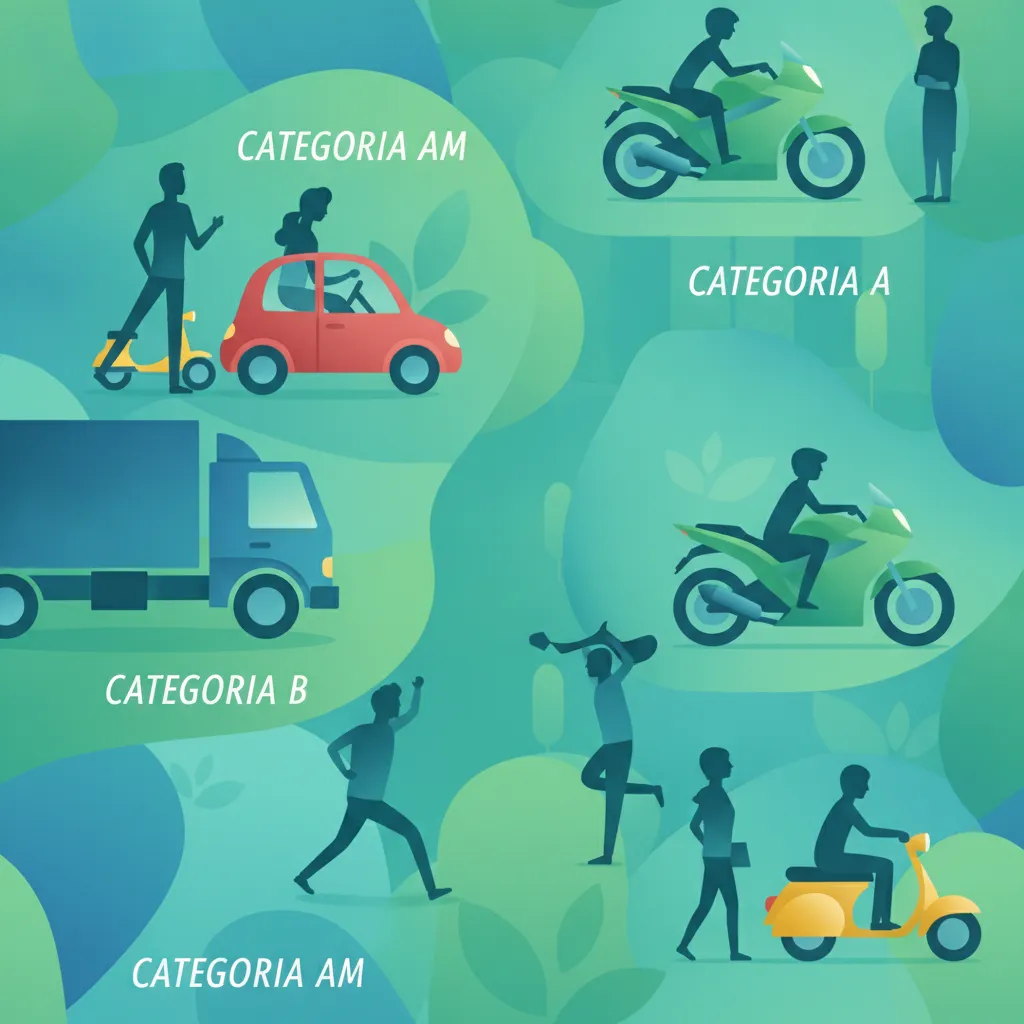
This lesson provides a detailed breakdown of the Italian motorcycle licence categories: A1, A2, and the unrestricted A. It explains the specific technical limits for engine displacement, power output in kW, and the power-to-weight ratio that define each category. Understanding these distinctions is fundamental for selecting a compliant vehicle and recognizing the legal scope of each license.

This lesson outlines the legal age thresholds and structured pathways for progressing through the Italian motorcycle license system. It details the minimum age for acquiring each license type and the specific procedures for upgrading from A1 to A2 and from A2 to the full A license. The content clarifies the legal framework governing these transitions, including any training or examination requirements for each step.
This lesson focuses on the rider's active role in controlling the motorcycle through body positioning and weight shifts. It explains how to maintain a relaxed yet engaged posture to absorb road imperfections and provide precise inputs to the handlebars and footpegs. The content covers how leaning with the bike in corners and shifting weight during braking and acceleration significantly impacts the vehicle's stability and performance.
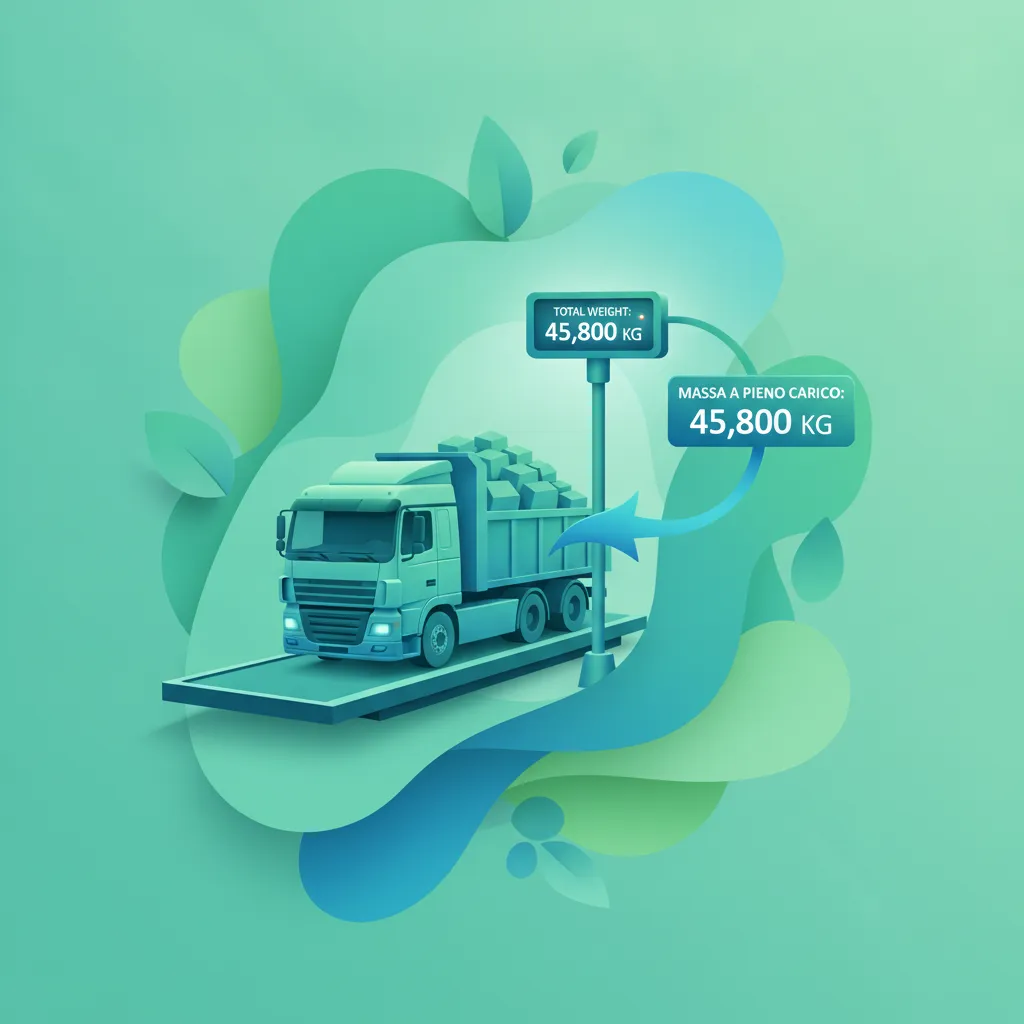
This lesson clarifies two fundamental weight concepts in Italian transport law: 'massa complessiva a pieno carico' (gross vehicle mass) and the vehicle's unladen mass. Learners will understand how to interpret these values from the vehicle's registration documents and use them to determine the maximum legal operating weight. This knowledge is crucial for calculating payload and ensuring compliance with the weight limits associated with the driver's license category.

This lesson provides a thorough examination of the Italian motorcycle theory test's structure and content. It details the number of questions, the multiple-choice format, and the minimum score required to pass for the A1, A2, and A license categories. The content is designed to prepare learners for the specific knowledge areas and administrative procedures involved in taking the official exam.
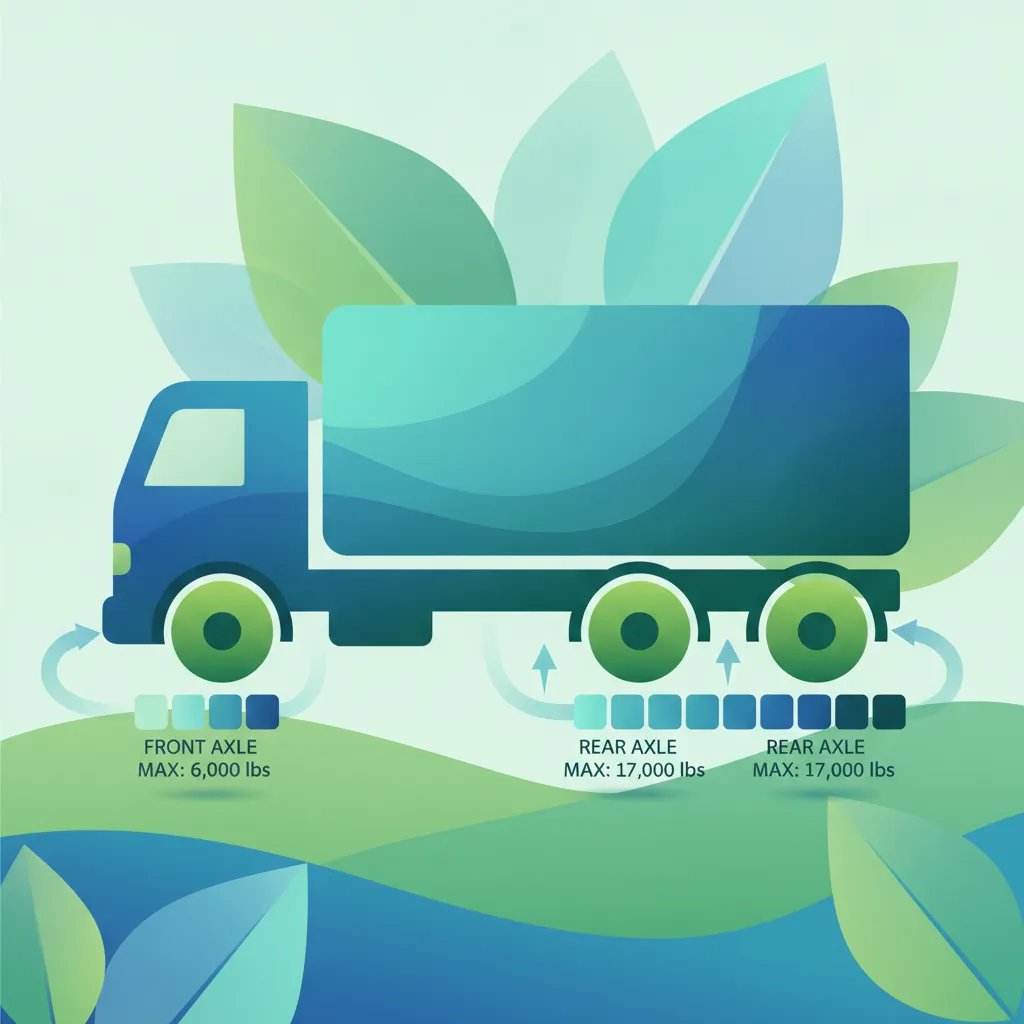
This lesson details the legal restrictions on the weight that can be supported by a single axle or a group of axles. It explains the importance of distributing the load correctly across the vehicle's length to prevent exceeding these limits, which can cause significant road damage and compromise vehicle safety. Learners will understand the relationship between load placement, axle pressure, and overall stability, particularly during braking and cornering.
Compare the engine displacement, power output, and power-to-weight ratio requirements for A1, A2, and A motorcycle licences in Italy. Understand how these technical specifications relate to legal categories and rider progression.
This lesson explores the practical, on-road consequences of the different motorcycle license categories. It analyzes how power and weight restrictions directly affect a motorcycle's handling, acceleration, and braking capabilities. Learners will understand how these factors shape riding strategies and safety considerations, highlighting the competency development needed for each successive license level.
This lesson provides a detailed breakdown of the Italian motorcycle licence categories: A1, A2, and the unrestricted A. It explains the specific technical limits for engine displacement, power output in kW, and the power-to-weight ratio that define each category. Understanding these distinctions is fundamental for selecting a compliant vehicle and recognizing the legal scope of each license.
This lesson outlines the legal age thresholds and structured pathways for progressing through the Italian motorcycle license system. It details the minimum age for acquiring each license type and the specific procedures for upgrading from A1 to A2 and from A2 to the full A license. The content clarifies the legal framework governing these transitions, including any training or examination requirements for each step.
This lesson provides a thorough examination of the Italian motorcycle theory test's structure and content. It details the number of questions, the multiple-choice format, and the minimum score required to pass for the A1, A2, and A license categories. The content is designed to prepare learners for the specific knowledge areas and administrative procedures involved in taking the official exam.
This lesson provides a detailed breakdown of the vehicle types authorized under the Patente AM license. You will learn to distinguish between ciclomotori, scooters, three-wheeled mopeds, and light quadricycles by their specific characteristics. Key topics include engine displacement limits, power output, and mandatory equipment like lights, mirrors, and brakes as required by Italian law.
Find clear answers to common questions learners have about Engine and Power-to-Weight Ratio. Learn how the lesson is structured, which driving theory objectives it supports, and how it fits into the overall learning path of units and curriculum progression in Italy. These explanations help you understand key concepts, lesson flow, and exam focused study goals.
For an A2 license in Italy, the motorcycle must not exceed 35 kW of power, and the power-to-weight ratio must not exceed 0.2 kW/kg.
Yes, you should understand the fundamental differences in engine cooling and configuration as these impact vehicle reliability and performance characteristics relevant to safety questions.
The ratio determines the agility and acceleration capability of the bike relative to its mass, which directly affects how the motorcycle behaves in traffic and its suitability for specific license tiers.
Yes, the A1 category is generally restricted to motorcycles with a cylinder capacity not exceeding 125cc and a power output not exceeding 11 kW.
Start searching now to pinpoint exactly which Italian driving theory topics, road signs, or traffic rules you need to master. Use our advanced filters to build a custom practice session and ensure you're fully prepared for every aspect of your official driving licence exam.