
This lesson provides an essential overview of your legal standing and responsibilities as a motorcycle rider in Italy. It serves as the foundation for the entire course, ensuring you understand the regulatory framework required for A1, A2, and A licence holders to operate safely and legally on Italian roads.
Lesson content overview
Riding a motorcycle in Italy is a privilege that comes with significant responsibilities and legal obligations. These duties are not merely suggestions but are enshrined in the Codice della Strada, the Italian Road Code, which governs all aspects of traffic law and vehicle regulations. For anyone pursuing an Italian driving license for motorcycle categories A1, A2, or A, a thorough understanding of these requirements is fundamental. This lesson provides a comprehensive overview of the essential legal framework, from ensuring your vehicle's roadworthiness to adhering to specific traffic and environmental rules, all aimed at enhancing road safety and minimizing legal repercussions.
Before a motorcycle can legally be ridden on Italian public roads, it must meet several foundational legal criteria. These requirements ensure the vehicle is safe, traceable, and compliant with national standards, protecting both the rider and other road users.
All motorcycles operating on public roads in Italy must be properly registered with the motor vehicle authorities. This process, known as immatricolazione, officially records the vehicle and its ownership details, assigning it a unique registration number displayed on a targa (license plate). Maintaining valid registration is a continuous obligation for the motorcycle owner.
Beyond initial registration, motorcycles are subject to periodic technical inspections, known as revisione. These mandatory checks ensure the vehicle remains roadworthy and meets safety and environmental standards. The frequency of these inspections varies: new motorcycles typically undergo their first revision after four years, followed by biennial inspections every two years thereafter. Riding with an expired inspection is illegal and can result in significant penalties.
During a traffic stop, riders must be able to present documentation proving their motorcycle has a valid registration and a current inspection. It is the rider's responsibility to proactively schedule and pass these inspections to ensure continuous compliance.
Always keep your motorcycle's registration and inspection documents up-to-date and accessible. Digital copies on your smartphone can be convenient, but a physical copy of the registration certificate and insurance proof is often required by authorities.
One of the most critical legal obligations for any vehicle owner in Italy, including motorcyclists, is to possess mandatory third-party liability insurance, commonly known as RC Auto (Responsabilità Civile Auto). This insurance policy covers damages to third parties (other vehicles, property, or individuals) that may be caused by your motorcycle in an accident. It is designed to protect victims of accidents, ensuring they receive compensation without placing an unbearable financial burden on the responsible party.
The Codice della Strada, specifically Article 93, explicitly mandates this type of insurance for all motor vehicles operating on public roads. Riders must carry proof of insurance, typically a Certificato di Assicurazione (insurance certificate) and often a "green card" (carta verde) for international travel, in the vehicle at all times. Failure to have valid insurance, or to present its proof during a traffic stop, carries severe penalties, including substantial fines, vehicle impoundment, and potential suspension of your driving license.
A legally required third-party liability insurance policy in Italy that covers damages to other vehicles, property, or individuals caused by the insured vehicle.
The Codice della Strada also stipulates specific safety equipment that both the motorcycle rider and any passenger must use. These regulations are paramount for reducing the risk and severity of injuries in the event of an accident.
It is legally mandatory for all motorcycle riders and their passengers to wear a properly fastened, homologated helmet at all times while riding. An homologated helmet is one that has been certified to meet specific safety standards, such as the European UNI 11230 standard (often indicated by an "E" followed by a number inside a circle on the helmet label). Using a helmet that is not homologated, or one that is damaged or improperly fastened, is considered a serious violation and carries fines and penalty points on your license.
The helmet must fit correctly and be fastened securely to provide maximum protection. Full-face helmets offer the most comprehensive protection, but other homologated types, such as modular or open-face helmets, may also be permissible depending on their certification.
For improved safety, particularly during periods of low visibility, specific regulations apply to reflective clothing. Motorcyclists and their passengers are legally required to wear reflective gear, such as a reflective vest or jacket, when riding after sunset, at night, or in other low-visibility conditions (e.g., fog, heavy rain). This gear significantly enhances the rider's visibility to other road users, making them easier to spot and reducing the risk of collisions.
While not explicitly mandatory by law in all situations, it is highly recommended to wear additional protective clothing at all times, including sturdy gloves, boots, and abrasion-resistant jackets and trousers. These items provide crucial protection against abrasions and impacts, greatly increasing rider safety.
Beyond vehicle-specific requirements, motorcyclists must strictly adhere to all general traffic regulations outlined in the Codice della Strada. These rules are designed to ensure smooth traffic flow, prevent accidents, and maintain order on all types of roads.
Observing posted speed limits is a fundamental responsibility. Speed limits vary depending on the type of road (urban, rural, motorway) and specific zones. Motorcyclists must adjust their speed not only to stay within legal limits but also to suit prevailing conditions, such as weather, road surface, traffic density, and their own skill level. Excessive speed is a leading cause of accidents and significantly increases the severity of injuries.
Always scan the road for speed limit signs, and remember that even if no sign is present, default speed limits apply (e.g., typically 50 km/h in urban areas). Reducing speed in adverse conditions, such as rain or heavy traffic, is a sign of responsible riding.
Understanding and correctly applying right-of-way (precedenza) rules is crucial for navigating intersections safely. In Italy, the general rule at uncontrolled intersections is to give way to traffic coming from the right. However, this rule is superseded by specific road signs, traffic lights, and police signals.
Always be prepared to yield, especially when approaching intersections, roundabouts, or merging onto a main road. Misinterpreting right-of-way rules is a common cause of collisions. Pay close attention to road markings and signage that indicate who has priority.
Overtaking (sorpasso) maneuvers must be executed safely and legally. Generally, overtaking is permitted only on the left side of the vehicle you intend to pass. Overtaking on the right is strictly prohibited unless specifically allowed by lane markings or in certain situations, such as when the vehicle ahead is signaling a left turn and there is sufficient space on the right.
Before initiating an overtaking maneuver, always check your mirrors, signal your intention, ensure there is ample space and visibility, and only proceed if it can be completed safely without obstructing other traffic. Never overtake on blind curves, at intersections, or where road signs prohibit it.
When overtaking, remember the "mirror-signal-maneuver" routine. Ensure you have clear visibility, sufficient power to complete the maneuver quickly, and enough space to return to your lane safely.
Proper lane usage and the correct use of turn signals (indicatori di direzione) are essential for predictable traffic flow and accident prevention. Always ride within your designated lane and avoid weaving unnecessarily between lanes. Before changing lanes, turning, or exiting a roundabout, always activate your turn signal well in advance to inform other road users of your intentions. Failing to signal or signaling too late can confuse other drivers and lead to dangerous situations.
As a motorcyclist in Italy, you are also responsible for adhering to environmental regulations and respecting specific urban traffic restrictions. These measures aim to reduce pollution, manage congestion, and preserve historic city centers.
Many Italian cities, particularly those with historic cores, implement Limited Traffic Zones (ZTL - Zone a Traffico Limitato). These are areas where vehicle access is restricted at certain times or to specific types of vehicles. The purpose of ZTLs is to reduce traffic congestion, lower pollution levels, and enhance the quality of life for residents and visitors.
Motorcyclists are generally subject to ZTL restrictions, just like other vehicles. Entry into a ZTL without a valid permit during restricted hours will result in an automated fine, as these zones are typically monitored by cameras. It is crucial for riders to be aware of ZTL signage, understand the hours of operation, and verify any permit requirements specific to their motorcycle's emission class (e.g., Euro standards) before entering.
Beyond ZTLs, some cities or regions may impose broader restrictions based on a vehicle's emission standards (e.g., Euro 0, Euro 1, Euro 2, etc.). Older, more polluting motorcycles may be prohibited from circulating in certain areas or during specific periods, especially during high pollution days. Riders should be aware of their motorcycle's Euro class and stay informed about any local environmental regulations that might affect their ability to ride in particular zones.
Non-compliance with the Codice della Strada and the responsibilities outlined above carries various legal consequences. These penalties are designed to deter violations, enforce safety, and maintain order on the roads. Common violations and their potential repercussions include:
Accumulation of demerit points (punti patente) can lead to the suspension or even revocation of your driving license, requiring you to retake the theory and practical exams. It is vital to ride responsibly to avoid these severe consequences.
Responsible riding involves more than just knowing the rules; it requires adapting your behavior to various conditions. The Codice della Strada sets the baseline, but intelligent riders adjust their approach based on the context.
Adverse weather significantly impacts riding safety. In rain, fog, or icy conditions, motorcycle grip is reduced, braking distances increase, and visibility is severely impaired. Riders must:
At night, dusk, or dawn, visibility is naturally lower. Reflective gear becomes critical, and riders should ensure all their motorcycle lights (headlight, taillight, turn signals) are fully functional and clean.
The type of road dictates specific riding considerations:
Heavy traffic requires increased patience, anticipation, and maintaining safe distances, while light traffic might tempt riders to increase speed, which should be resisted if it exceeds limits or conditions.
Transporting a passenger or heavy luggage alters the motorcycle's handling, braking, and stability.
Motorcyclists share the road with pedestrians, cyclists, and other vulnerable road users. It is a fundamental responsibility to exercise extra caution around them. Always anticipate their movements, provide ample space, and be prepared to yield, even when not legally required, to ensure their safety. Remember that motorcycles can be less visible, so active observation and defensive riding are key.
The extensive list of rider responsibilities and legal obligations is not arbitrary; it is built upon sound reasoning rooted in safety, public welfare, and legal principles.
These obligations collectively form the bedrock of responsible motorcycling on Italian roads. Mastering them is not just about passing a theory test; it's about cultivating a safe riding mindset that protects yourself, your passengers, and everyone else you share the road with.
This lesson establishes the fundamental legal obligations for motorcycle riders in Italy under the Codice della Strada. Key requirements include valid registration and periodic technical inspections (revisione), mandatory third-party liability insurance (RC Auto), and proper safety equipment such as homologated helmets and reflective gear for low-visibility conditions. Riders must also adhere to traffic rules including speed limits, right-of-way (precedenza), correct overtaking procedures (sorpasso), and proper signaling. Environmental regulations such as ZTL restricted traffic zones apply to motorcycles, with automated fines for unauthorized entry. Non-compliance results in fines, demerit points, vehicle impoundment, and potential license suspension, making understanding these responsibilities essential for both the theory exam and safe, legal riding.
A short set of high-value points that capture the most important learning from this lesson.
All motorcycles must be registered (immatricolazione) and pass periodic technical inspections (revisione) — first after 4 years, then every 2 years.
RC Auto mandatory third-party liability insurance is legally required; driving without it can result in fines, vehicle impoundment, and license suspension.
Homologated helmets certified to European UNI 11230 standards (marked with 'E' in a circle) are mandatory for rider and passenger at all times.
ZTL restricted traffic zones apply to motorcycles; entering without a valid permit during restricted hours triggers automated camera-based fines.
Adhering to right-of-way (precedenza) rules, proper overtaking procedures (sorpasso), and correct signaling prevents accidents and avoids penalties.
Explore all units and lessons included in this driving theory course.
New motorcycles: first revision after 4 years, then biennial inspections. Always carry valid registration and inspection documents.
Helmet must display the 'E' marking (European homologation) and be properly fastened — not just worn.
Reflective vest or jacket (gilet riflettente) is legally required after sunset and in low-visibility conditions.
Accumulation of demerit points (decurtazione punti) from violations can lead to license suspension or revocation.
Speed limits vary by road type; always adjust speed for weather, road surface, and traffic conditions.
Assuming insurance is optional or forgetting to carry the Certificato di Assicurazione — this is one of the most serious violations.
Wearing a helmet without proper homologation or failing to fasten it securely.
Entering ZTL zones without verifying permits or restrictions, as cameras automatically record violations.
Neglecting to use turn signals (indicatori di direzione) for lane changes or turns, which increases accident risk.
Overtaking on the right when it is not permitted, which is illegal except in specific marked situations.
Lesson content overview
A short set of high-value points that capture the most important learning from this lesson.
All motorcycles must be registered (immatricolazione) and pass periodic technical inspections (revisione) — first after 4 years, then every 2 years.
RC Auto mandatory third-party liability insurance is legally required; driving without it can result in fines, vehicle impoundment, and license suspension.
Homologated helmets certified to European UNI 11230 standards (marked with 'E' in a circle) are mandatory for rider and passenger at all times.
ZTL restricted traffic zones apply to motorcycles; entering without a valid permit during restricted hours triggers automated camera-based fines.
Adhering to right-of-way (precedenza) rules, proper overtaking procedures (sorpasso), and correct signaling prevents accidents and avoids penalties.
Explore all units and lessons included in this driving theory course.
New motorcycles: first revision after 4 years, then biennial inspections. Always carry valid registration and inspection documents.
Helmet must display the 'E' marking (European homologation) and be properly fastened — not just worn.
Reflective vest or jacket (gilet riflettente) is legally required after sunset and in low-visibility conditions.
Accumulation of demerit points (decurtazione punti) from violations can lead to license suspension or revocation.
Speed limits vary by road type; always adjust speed for weather, road surface, and traffic conditions.
Assuming insurance is optional or forgetting to carry the Certificato di Assicurazione — this is one of the most serious violations.
Wearing a helmet without proper homologation or failing to fasten it securely.
Entering ZTL zones without verifying permits or restrictions, as cameras automatically record violations.
Neglecting to use turn signals (indicatori di direzione) for lane changes or turns, which increases accident risk.
Overtaking on the right when it is not permitted, which is illegal except in specific marked situations.
Explore search topics learners often look for when studying Rider Responsibilities and Legal Obligations. These topics reflect common questions about road rules, driving situations, safety guidance, and lesson level theory preparation for learners in Italy.
Browse additional driving theory lessons that cover connected traffic rules, road signs, and common driving situations related to this topic. Improve your understanding of how different rules interact across everyday traffic scenarios.
Explore in-depth explanations of the Italian Road Code (Codice della Strada) as it applies to motorcyclists. Understand specific legal obligations, vehicle requirements, and traffic rules essential for safe riding and theory test success in Italy.

This lesson provides a thorough examination of the Italian motorcycle theory test's structure and content. It details the number of questions, the multiple-choice format, and the minimum score required to pass for the A1, A2, and A license categories. The content is designed to prepare learners for the specific knowledge areas and administrative procedures involved in taking the official exam.
This lesson delivers a comprehensive explanation of right-of-way regulations at Italian intersections. It covers the interpretation of traffic light signals, the absolute requirement to stop at stop signs, and yielding at give-way signs. Furthermore, it details the default priority rules for unmarked intersections and the specific obligations a rider has towards pedestrians on crossings.
This lesson provides a comprehensive guide to riding on high-speed motorways, or autostrade. It details the correct procedures for safely merging into traffic from an entry ramp and exiting via a deceleration lane. The content reinforces strict lane discipline, rules for overtaking, and the importance of maintaining a significantly larger following distance to compensate for higher speeds and potential wind gusts.
This lesson outlines the mandatory legal procedures a rider must follow after being involved in a traffic accident. It covers the obligation to stop, render aid if necessary, and report the incident to the appropriate authorities. The content explains the process of exchanging information with other parties, documenting the scene for insurance purposes, and the potential legal and financial liabilities that may arise.
This lesson focuses on the vital systems for visibility and communication: mirrors, lighting, and signals. It provides instruction on the proper adjustment of mirrors to minimize blind spots and the correct use of headlamps, indicators, and brake lights as per Italian regulations. The content underscores how maintaining these systems in full working order is crucial for being seen and signalling intentions clearly in traffic.
This lesson focuses on the specific regulatory and warning signs that Patente AM riders must understand and obey. It details signs related to speed limits, no-entry zones, and mandatory directions that directly impact moped operation. You will also learn to recognize warning signs for potential hazards like sharp curves, slippery surfaces, and pedestrian areas.
This lesson explains the function of Italian traffic light systems and the meaning of various road markings. You will learn the rules for red, amber, and green signals, including flashing lights and directional arrows. It also covers how to interpret lane lines, stop lines, and other surface markings that dictate correct vehicle positioning and movement.

This lesson introduces the official classification of road users as defined by the Italian Codice della Strada. It distinguishes between various categories, including pedestrians, two-wheeled vehicles, passenger cars, public transport, and heavy goods vehicles. Understanding these classifications is crucial for anticipating behavior and applying the correct traffic rules and safety precautions for each group, especially for vulnerable road users.
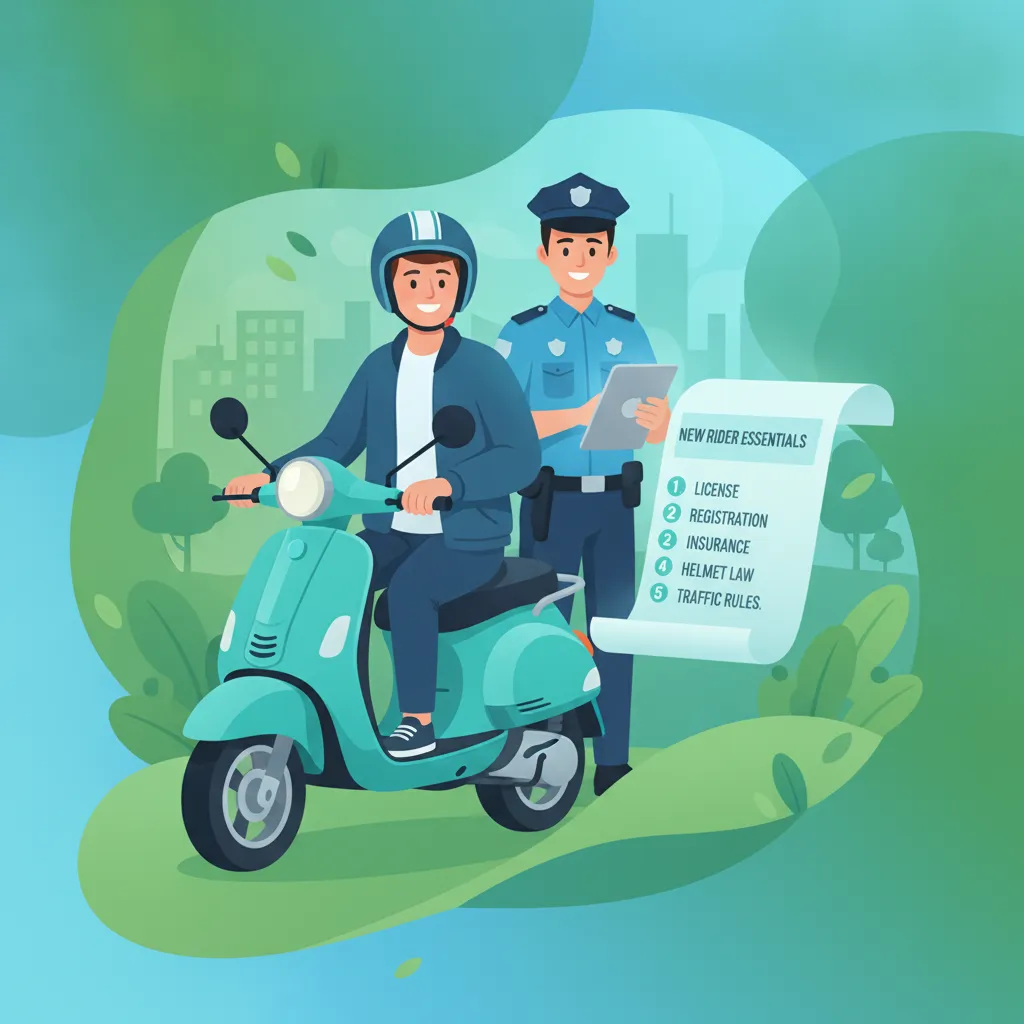
This lesson focuses on the legal obligations that first-time riders must meet to operate an AM vehicle safely and legally. It details the mandatory use of certified helmets and appropriate protective clothing. Furthermore, it outlines fundamental traffic laws new riders must know and the legal repercussions of non-compliance, such as fines and penalty points.

This lesson focuses on the specific regulations and techniques for operating a heavy vehicle on high-speed motorways. It covers mandatory lane discipline for trucks, the rules governing overtaking other heavy vehicles, and the specific speed limits that apply. Best practices for merging onto and exiting the motorway, maintaining safe following distances, and using the hard shoulder only in genuine emergencies are also detailed.
Understand the legal consequences of traffic violations for motorcyclists in Italy, including ZTL restrictions and environmental rules. Learn how to adapt your riding responsibly to various weather, road, and traffic conditions.
This lesson explains the principles of maintaining proper lane discipline and strategic positioning in an urban context. It covers how to adapt your position within the lane to enhance visibility, avoid road surface hazards, and prepare for turns or lane changes. The content also provides awareness of specific urban features like restricted traffic zones (ZTL) and how to navigate them legally and safely.
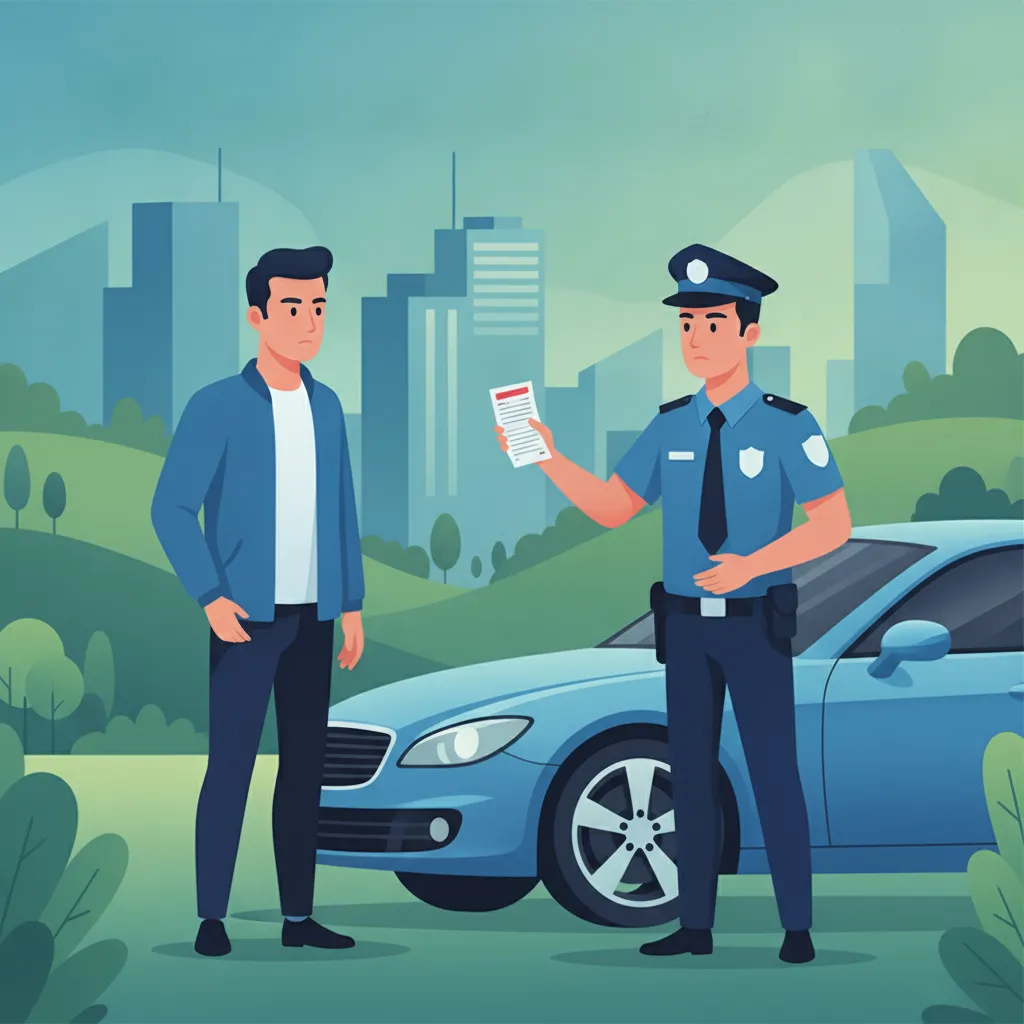
This lesson provides a clear overview of the legal penalties for traffic violations in Italy. It explains the structure of fines and the penalty point system that can lead to license suspension or revocation. The content also touches on more severe consequences, including criminal liability for incidents causing injury, to emphasize the importance of lawful riding.
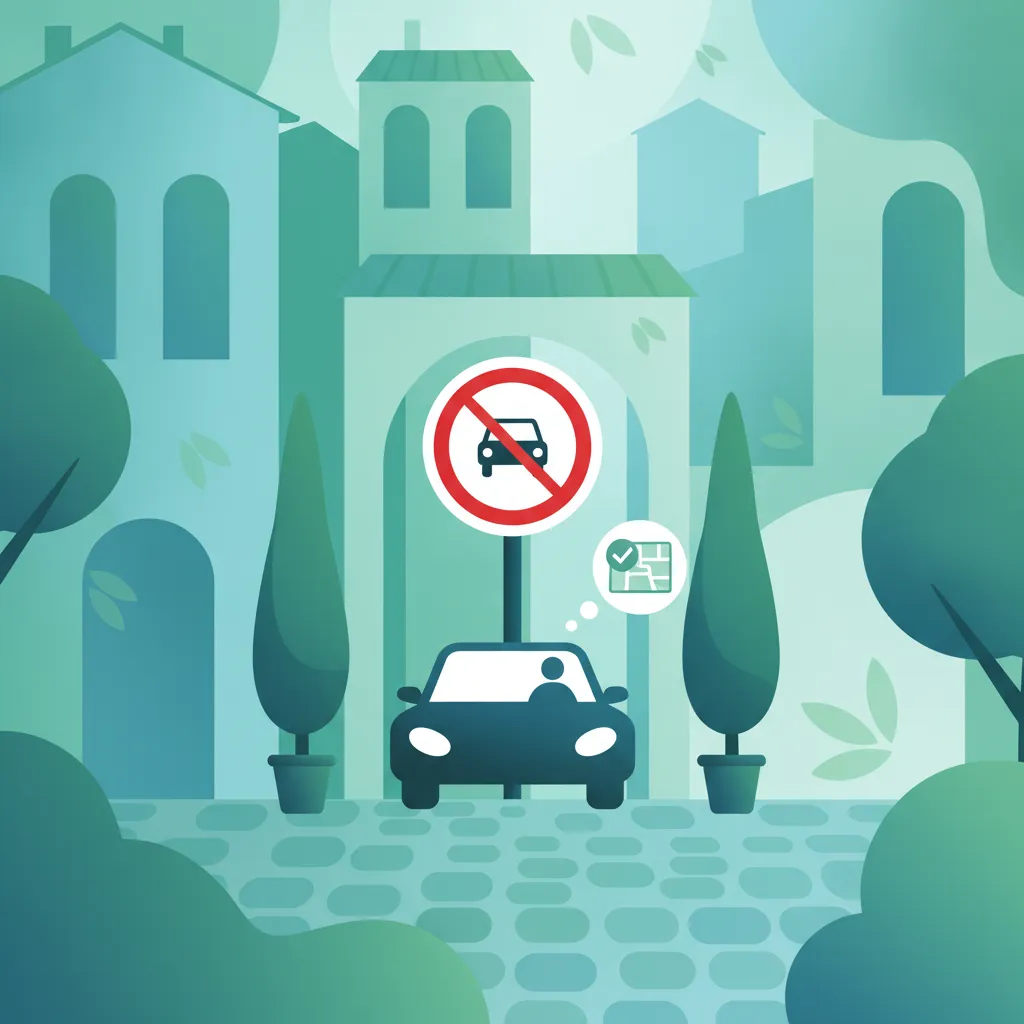
This lesson explains the concept of 'Zone a Traffico Limitato' (ZTL), common in Italian city centers, which restricts vehicle access at certain times. It covers how to identify ZTL boundaries, understand the operating hours, and the procedures for obtaining permits for commercial deliveries. The lesson also touches on environmental zones that may restrict access based on a vehicle's emission standards.
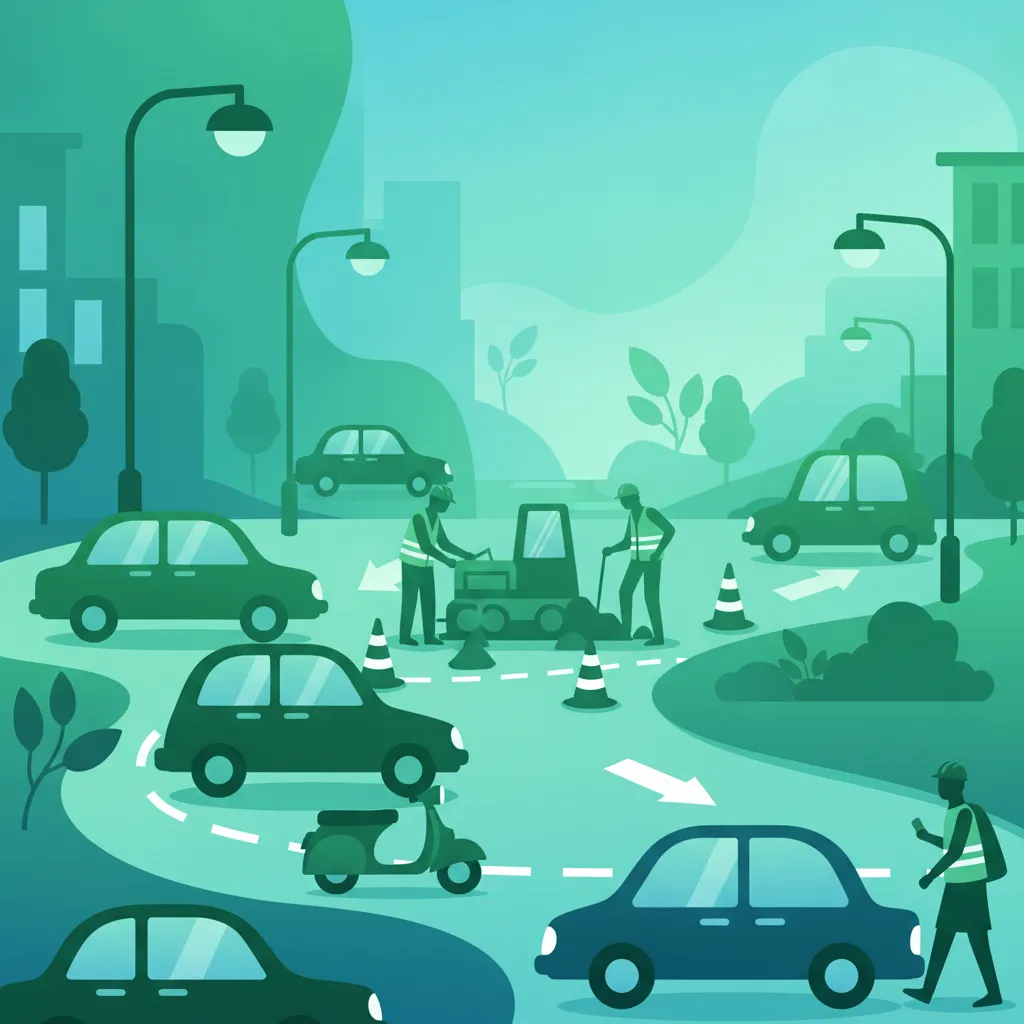
This lesson equips riders to safely manage the challenges posed by road construction zones. It explains how to interpret temporary signage, navigate lane closures or diversions, and maintain heightened awareness for surface hazards like gravel or steel plates. The content emphasizes the need to reduce speed and increase following distances to safely share the road with large construction vehicles and workers.
This lesson delivers a comprehensive explanation of right-of-way regulations at Italian intersections. It covers the interpretation of traffic light signals, the absolute requirement to stop at stop signs, and yielding at give-way signs. Furthermore, it details the default priority rules for unmarked intersections and the specific obligations a rider has towards pedestrians on crossings.
This lesson outlines the mandatory legal procedures a rider must follow after being involved in a traffic accident. It covers the obligation to stop, render aid if necessary, and report the incident to the appropriate authorities. The content explains the process of exchanging information with other parties, documenting the scene for insurance purposes, and the potential legal and financial liabilities that may arise.
This lesson provides a comprehensive guide to riding on high-speed motorways, or autostrade. It details the correct procedures for safely merging into traffic from an entry ramp and exiting via a deceleration lane. The content reinforces strict lane discipline, rules for overtaking, and the importance of maintaining a significantly larger following distance to compensate for higher speeds and potential wind gusts.
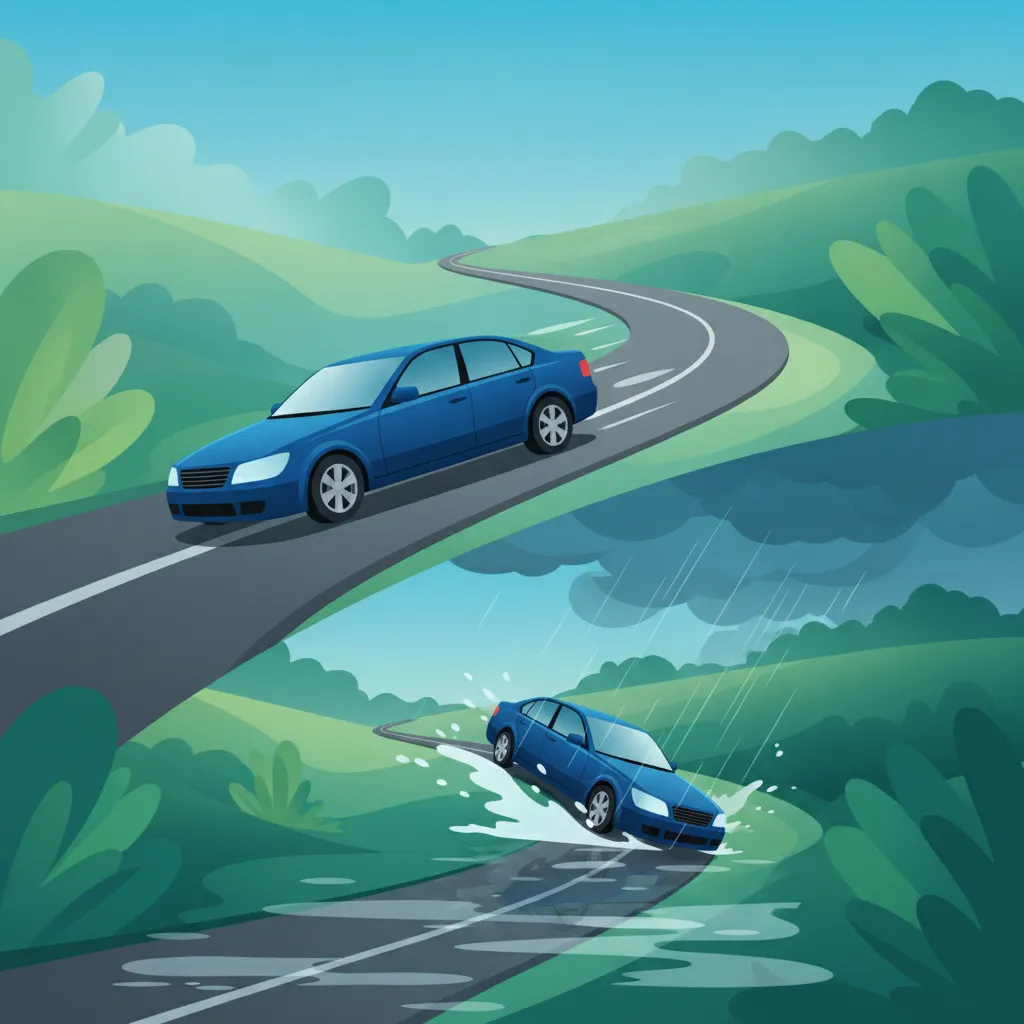
This lesson teaches the crucial skill of adapting speed to constantly changing environments, independent of the posted speed limit. It explains how to assess factors such as road surface condition, adverse weather, traffic flow, and limited visibility to determine a safe and appropriate speed. The principle taught is that the speed limit is a maximum, not a target, and responsible riding requires constant adjustment.
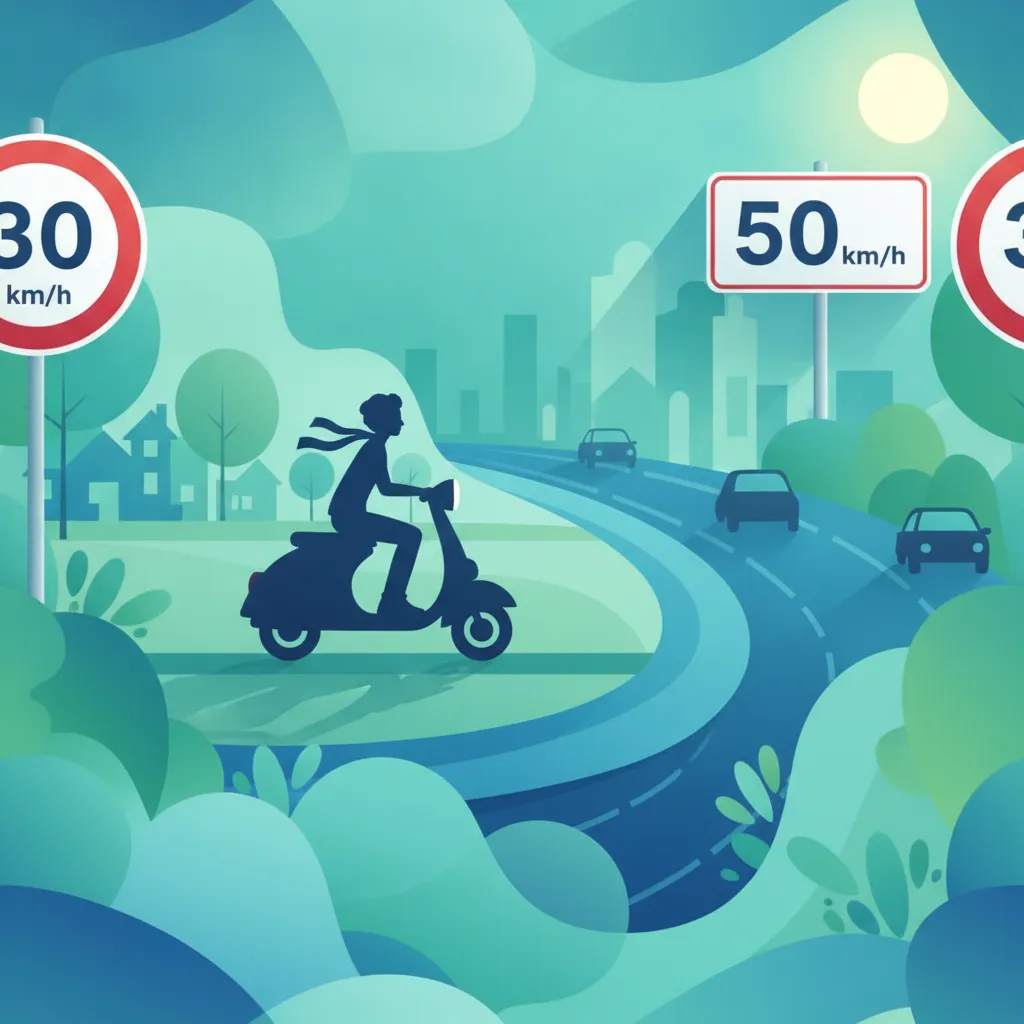
This lesson explores the specific speed limits applicable to AM vehicles across various zones, including urban, residential, and rural roads. Emphasis is placed on understanding the signage that indicates both permanent and temporary speed restrictions. Learners will also examine the rationale behind these limits and the importance of adapting speed to road conditions and traffic density.

This lesson addresses the specific challenges of sharing the road with two-wheeled motor vehicles like motorcycles and scooters. It highlights their reduced visibility and stability compared to cars, requiring drivers to double-check blind spots and maintain a greater following distance. The content also discusses common behaviors like lane filtering and the need for drivers to be predictable and signal intentions clearly.
Find clear answers to common questions learners have about Rider Responsibilities and Legal Obligations. Learn how the lesson is structured, which driving theory objectives it supports, and how it fits into the overall learning path of units and curriculum progression in Italy. These explanations help you understand key concepts, lesson flow, and exam focused study goals.
The primary law is the Codice della Strada. It contains all the rules, obligations, and penalties for every road user, including motorcycle riders.
Yes, mandatory civil liability insurance is a legal requirement for all motorcycles to be used on public roads, regardless of your licence category.
Non-compliance can lead to administrative fines, suspension or revocation of your licence, and in serious cases, criminal liability, especially if an accident occurs.
Yes, you must carry your valid driving licence, the vehicle registration document, and proof of insurance to be produced upon request by law enforcement.
Start searching now to pinpoint exactly which Italian driving theory topics, road signs, or traffic rules you need to master. Use our advanced filters to build a custom practice session and ensure you're fully prepared for every aspect of your official driving licence exam.