
For any student preparing for the Polish driving theory exam, recognizing the risks posed by aggressive behaviors like speeding and driving under the influence is essential. This guide highlights the impact of these dangers on road safety while reinforcing the legal standards and defensive attitudes that examiners look for in candidates. You will learn why awareness of other road users is just as vital as following official traffic signs and regulations.
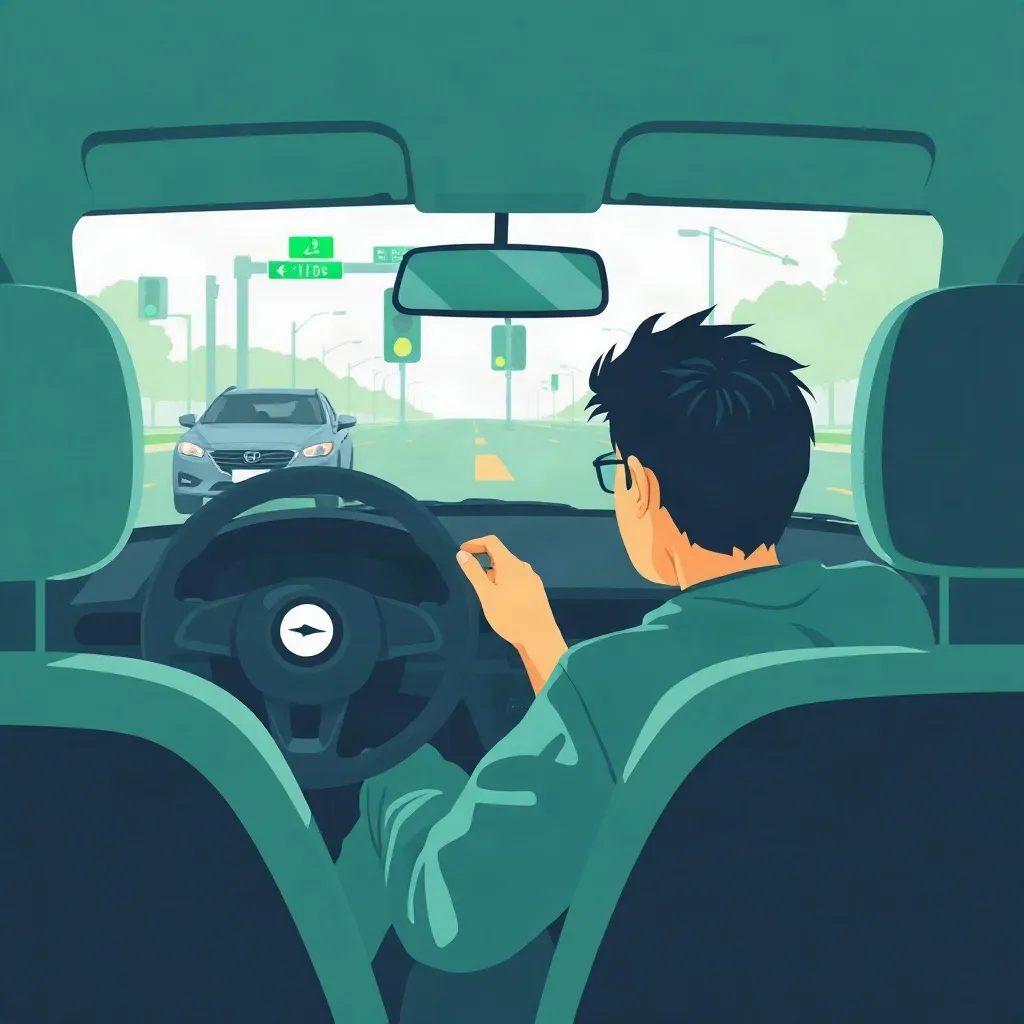
Article content overview
Preparing for the Polish driving theory exam requires more than just memorizing signs and regulations; it demands a deep understanding of defensive driving and the ability to anticipate the actions of others. Recent surveys from the Polish Police Headquarters highlight that the vast majority of Polish citizens perceive reckless and intoxicated drivers as the most significant threats on the road today. For a learner driver, these findings are not just social statistics—they are critical lessons in the high-stakes reality of traffic management and the importance of professional conduct behind the wheel.
Defensive driving is a mindset where you assume other road users may commit errors or violate traffic rules. In the context of the Polish theory exam, this means recognizing that legal right-of-way does not grant you immunity from the potential mistakes of others. When you encounter high-speed traffic or aggressive maneuvers, the theory exam expects you to prioritize safety and spatial awareness over strictly holding your ground.
Always remember that your safety is paramount. Even if you have the legal priority at an intersection or in a merging scenario, the exam emphasizes that you must yield if you perceive an immediate risk of a collision caused by another driver's reckless behavior.
The Polish traffic code is rigid regarding speed limits, yet the statistics on traffic offenses suggest that many drivers struggle with compliance. As a student, you must understand that speed limits are not merely suggestions; they are calculated safety thresholds based on urban infrastructure, pedestrian traffic, and weather conditions. Understanding the physics of braking distances and the impact of speed on visibility is essential for your theoretical understanding of risk assessment.
Driving under the influence of alcohol or substances remains one of the most severe offenses in the Polish legal system. The theory exam often presents complex scenarios involving the legal definition of impairment and the harsh penalties associated with it. For new drivers, it is vital to internalize that alcohol significantly impairs reaction times, peripheral vision, and cognitive judgment, making any amount of consumption incompatible with safe driving.
A set of driving skills and attitudes that allows you to defend yourself against possible collisions caused by the errors of others or adverse road and weather conditions.
When you are behind the wheel, you will encounter diverse road conditions ranging from narrow urban streets to high-speed motorways. A common exam trap involves failing to adapt your driving style to these changing environments. Whether you are dealing with aggressive tailgating or lane changes, the goal is to maintain a "safety cushion" around your vehicle.
| Scenario | Defensive Action Required |
|---|---|
| Aggressive tailgating | Increase your distance to the vehicle in front to allow for a safer, gradual stop. |
| Speeding in urban areas | Anticipate potential hazards such as pedestrians or cyclists entering the road unexpectedly. |
| Encountering a reckless driver | Maintain composure, avoid direct confrontation, and keep a safe following distance. |
To succeed in your exam at the local WORD (Wojewódzki Ośrodek Ruchu Drogowego), you must demonstrate a mastery of the rules of the road. This includes understanding the hierarchy of traffic controls, the meaning of horizontal and vertical signage, and the legal obligations of a driver in the event of an accident. By focusing on these core elements, you build a foundation of knowledge that keeps you and others safe.
Article content overview
Explore related topics, search based questions, and concepts that learners often look up when studying Road Safety and Reckless Driving. These themes reflect real search intent and help you understand how this topic connects to wider driving theory knowledge in Poland.
Find clear and practical answers to common questions learners often have about Road Safety and Reckless Driving. This section helps explain difficult points, remove confusion, and reinforce the key driving theory concepts that matter for learners in Poland.
Defensive driving is crucial because the exam tests your ability to anticipate hazards and respond to the potentially dangerous behavior of other drivers, not just your knowledge of signs.
Recent Polish Police surveys indicate that the greatest threats perceived by citizens are reckless speeding and driving under the influence of alcohol.
It fosters a responsible mindset, helping you move beyond basic rule memorization to actually predicting and avoiding dangerous traffic situations.
You should rely on the official Polish Highway Code (Prawo o ruchu drogowym) and guidance provided by local licensing authorities for the most accurate and current regulations.
After finding your specific article, continue your targeted learning by exploring related topics or diving deeper into practice questions. Our extensive library ensures you have all the resources needed to confidently prepare for your Polish driving license theory exam. Discover more guides and solidify your understanding of Polish road rules.