
Managing your car's interior temperature is essential for maintaining optimal focus and reducing fatigue during long summer drives. This guide explores how to use built-in vehicle features to ventilate your car effectively and provides practical advice on setting safe air conditioning levels to avoid thermal shock. Mastering these aspects of vehicle operation will help you stay alert and safe on Polish roads throughout the summer season.
Article content overview
Driving in Poland during the summer months brings unique challenges to vehicle operation. As temperatures rise, the interior of a parked car can reach dangerous levels—often exceeding 60 degrees Celsius within minutes. Maintaining a safe cabin environment is not just a matter of personal comfort; it is a critical component of driver alertness, concentration, and overall road safety. Understanding how your vehicle handles thermal management, including the use of remote key fob features, is a practical skill that every learner should master as part of their vehicle operation curriculum.
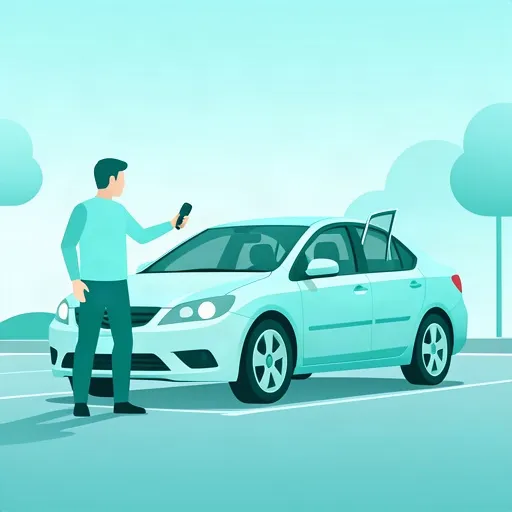
Many modern vehicles found on Polish roads, such as popular models like the Volkswagen Golf, Passat, Audi A4, or Opel Astra, come equipped with a hidden feature that allows for remote window operation. By pressing and holding the "unlock" button on your key fob, the vehicle’s central locking system can lower all windows simultaneously, and in some cases, retract the sunroof. This function is designed to allow trapped hot air to escape before you even open the door to enter the vehicle.
Utilizing this feature significantly reduces the initial thermal shock experienced when entering a vehicle that has been baking in the sun. By allowing the air to circulate for a minute or two before you sit down, you minimize the immediate need for the air conditioning system to work at maximum capacity, which also helps in reducing fuel consumption and engine strain.
While modern air conditioning is a standard feature in almost all cars in Poland, its improper use can negatively impact your driving performance. A common mistake among new drivers is setting the climate control to the lowest possible temperature immediately upon entering the car. This sudden change can cause "thermal shock," which may lead to discomfort, physical fatigue, and a temporary lapse in concentration—factors that are vital to avoid when navigating urban traffic or high-speed motorways.
When entering a hot vehicle, first drive with the windows down for a short distance to exhaust the stagnant hot air. Only after the cabin temperature has stabilized should you close the windows and activate the air conditioning at a moderate level.
As a general rule, the difference between the interior cabin temperature and the outside air temperature should not exceed 5 to 7 degrees Celsius. Maintaining a moderate, consistent climate helps you stay focused on traffic signs, road markings, and the maneuvers of other road users. Extreme temperature fluctuations can induce drowsiness, which is a major contributor to road accidents during long summer journeys across Poland.
While remote key fob functions are convenience features rather than official traffic rules, understanding your vehicle's systems is an integral part of the "Obsługa samochodu" (Vehicle Operation) module of the Polish driving theory. Being prepared for your drive—which includes clearing windows, checking mirrors, and ensuring the cabin environment is conducive to safe driving—is a fundamental expectation of every responsible driver.
A condition where extreme temperatures inside the vehicle lead to physical discomfort, increased heart rate, and reduced cognitive performance, potentially compromising a driver's reaction time and alertness.
When driving in summer, prioritize safety by keeping your vehicle in a well-ventilated state. If your car does not support remote window opening, manual ventilation is still the best first step. Open your doors or windows for a moment before starting your trip. Remember that the goal is not to create an "ice box" inside the car, but to ensure that the environment remains comfortable enough to sustain your focus for the entire duration of your drive.
Article content overview
Explore related topics, search based questions, and concepts that learners often look up when studying Cooling Your Car Interior. These themes reflect real search intent and help you understand how this topic connects to wider driving theory knowledge in Poland.
Find clear and practical answers to common questions learners often have about Cooling Your Car Interior. This section helps explain difficult points, remove confusion, and reinforce the key driving theory concepts that matter for learners in Poland.
No, this feature is dependent on your vehicle's specific electronic configuration and model year. You should check your owner's manual to see if your car supports remote window or sunroof operation.
Extreme heat buildup in a parked car can reach dangerous levels. Ventilating the car allows hot air to escape, which reduces the immediate thermal shock when you enter and helps your air conditioning system work more efficiently.
To avoid thermal shock and maintain focus, the difference between the cabin temperature and the outside temperature should generally not exceed 5-7 degrees Celsius.
Yes, high cabin temperatures can lead to rapid fatigue, reduced concentration, and slower reaction times, all of which are significant safety risks while driving.
After finding your specific article, continue your targeted learning by exploring related topics or diving deeper into practice questions. Our extensive library ensures you have all the resources needed to confidently prepare for your Polish driving license theory exam. Discover more guides and solidify your understanding of Polish road rules.