
The D-11 sign signifies the beginning of a dedicated lane for buses, trolleybuses, and other authorized public transport vehicles. This Polish traffic sign is designed to help public transport bypass traffic, especially in busy urban areas. As a driver of a private car, you must generally not use this lane unless specific instructions, like a 'TAXI' plate, allow it. Pay close attention to the lane markings and any supplementary signs that may indicate exceptions.
Understanding the D-11 road sign meaning is crucial for safe navigation in Polish urban areas, helping drivers correctly interpret lane usage and avoid infractions. This traffic sign explanation is vital for your driving theory test revision, ensuring you know which vehicles are permitted in designated bus lanes.
The D-11 sign is used to designate a specific lane for public transport vehicles. Its purpose is to allow buses and trolleybuses to bypass traffic congestion in busy urban areas. The sign is blue with a white bus silhouette and an arrow pointing to the lane it applies to. In many cities, additional text like 'TAXI' or 'MOP' may be included on the sign to allow other specific vehicles to use the lane as well.
This marks the beginning of a lane reserved for buses, trolleybuses, and other authorized vehicles.
Get clear, practical answers to the most common questions about the D-11 - Start of Bus Lane road sign. Learn how the sign works, what rules it represents, and how it affects real driving situations. This FAQ strengthens your understanding and supports accurate decision making for the Polish driving theory exam in Poland.
The D-11 sign indicates that a lane ahead is reserved exclusively for buses, trolleybuses, and sometimes other specified public transport vehicles. Its purpose is to ensure these services can operate efficiently without being delayed by general traffic.
Primarily, buses and trolleybuses can use the lane. However, the D-11 sign can be supplemented with additional plates allowing other vehicles, such as taxis or specific public transport (like 'MOP' for mobility-impaired people carriers). Always check for these supplementary signs before entering the lane.
Generally, no. Private cars are prohibited from using bus lanes during their operational hours, as indicated by the D-11 sign. This is a common point tested in the theory exam; failing to adhere to this rule can lead to penalties.
You are prohibited from driving a private car in the bus lane during its operating hours. Parking or stopping in the bus lane is also forbidden as it severely disrupts public transport. Undertaking slower traffic on the right using the bus lane is also not allowed.
Yes, sometimes. While the primary rule is to avoid the lane, you might be allowed to cross it if it has a broken white line to make a right-hand turn at an intersection. Also, special supplementary plates could permit other vehicles like taxis or even electric vehicles, so always look for these additional signs.
A common trap is assuming you can use the lane for any reason, or not noticing supplementary signs. Another trap is confusing it with a general overtaking lane. Remember that the primary purpose is to facilitate public transport, and non-authorized vehicles using it is a serious traffic violation.
A clear reference image of the D-11 - Start of Bus Lane road sign used in Poland.
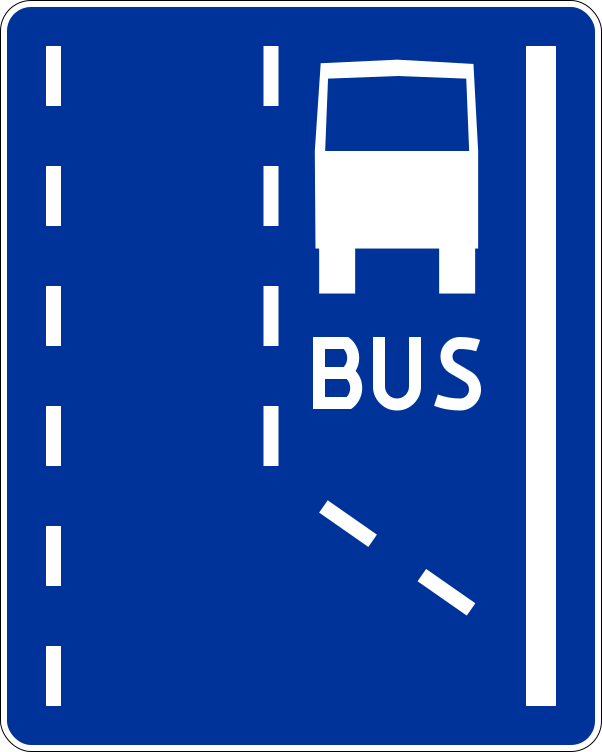
The D-11 - Start of Bus Lane road sign may also be known by these alternative names or terms.
The D-11 - Start of Bus Lane road sign is part of the Information Signs (D) category, which groups together signs with similar rules and functions.
Reviewing related road signs like the D-11 'Start of Bus Lane' alongside similar information signs helps cement your understanding and avoid confusion. Practice effective traffic sign comparison to improve your sign recognition for the theory test revision.
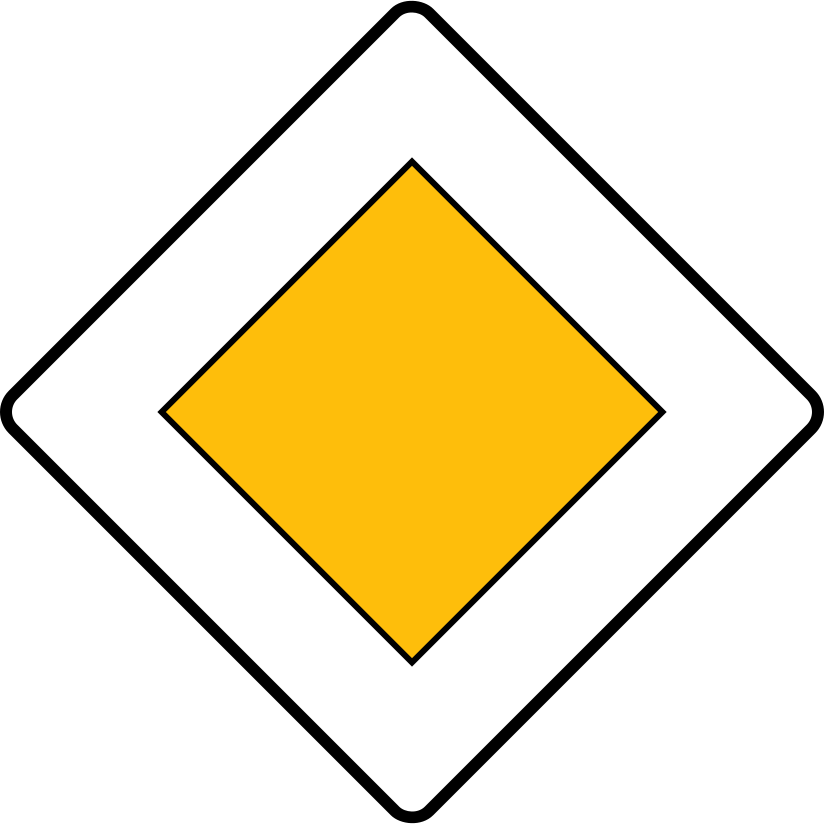
The D-1 Priority Road sign means you have the right of way.
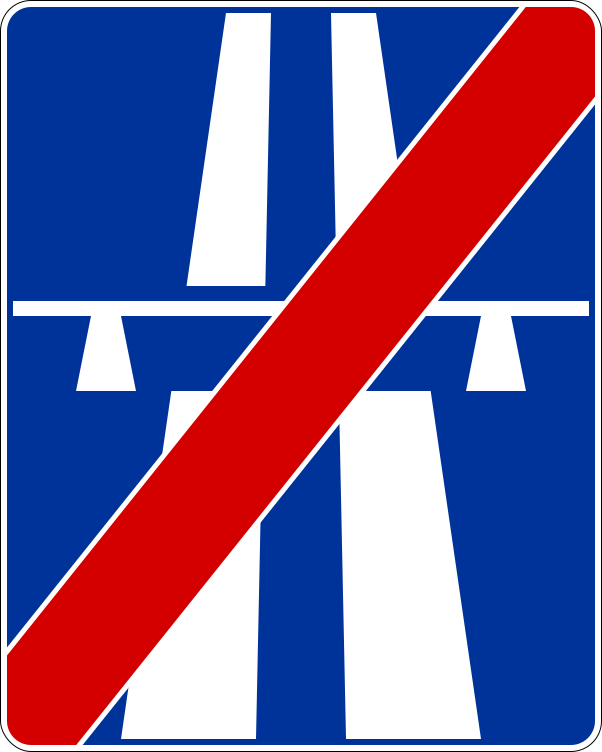
Prepare for the End of the Motorway with the D-10 Sign
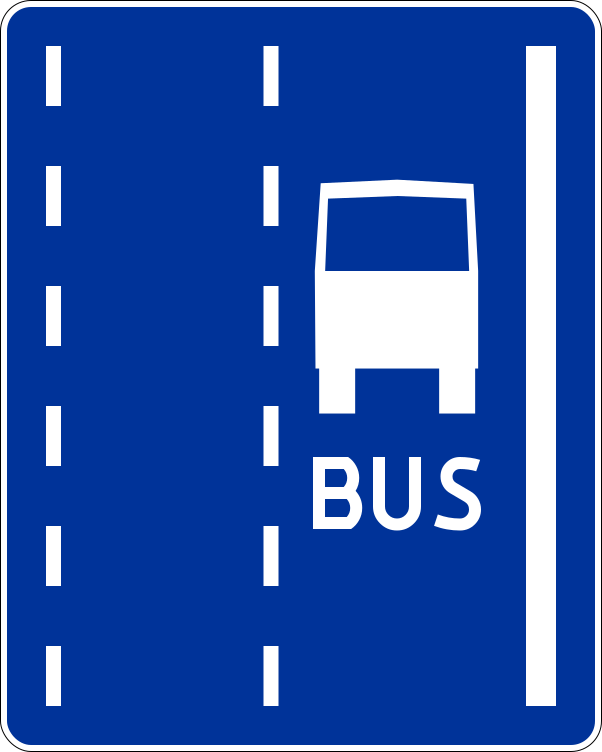
The D-12 'Bus Lane' sign confirms the lane remains exclusively for buses and authorized vehicles.
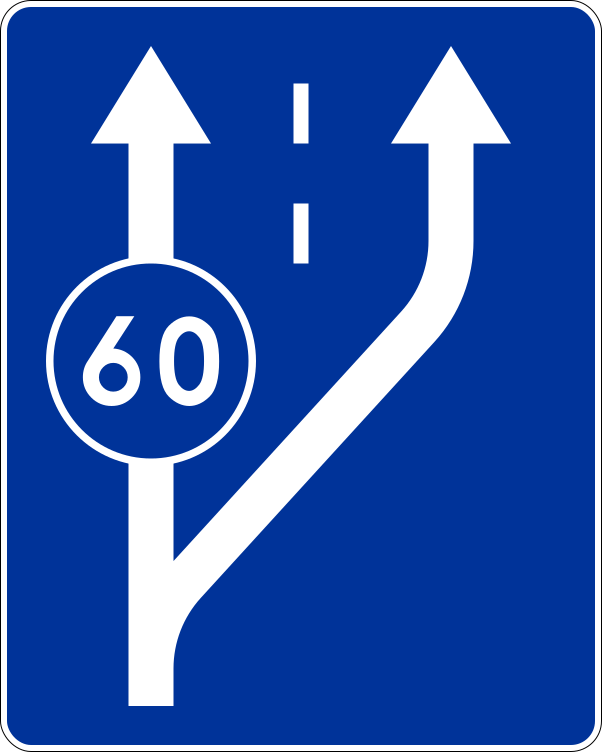
D-13 Sign: Prepare for the Start of a Slow-Moving Traffic Lane
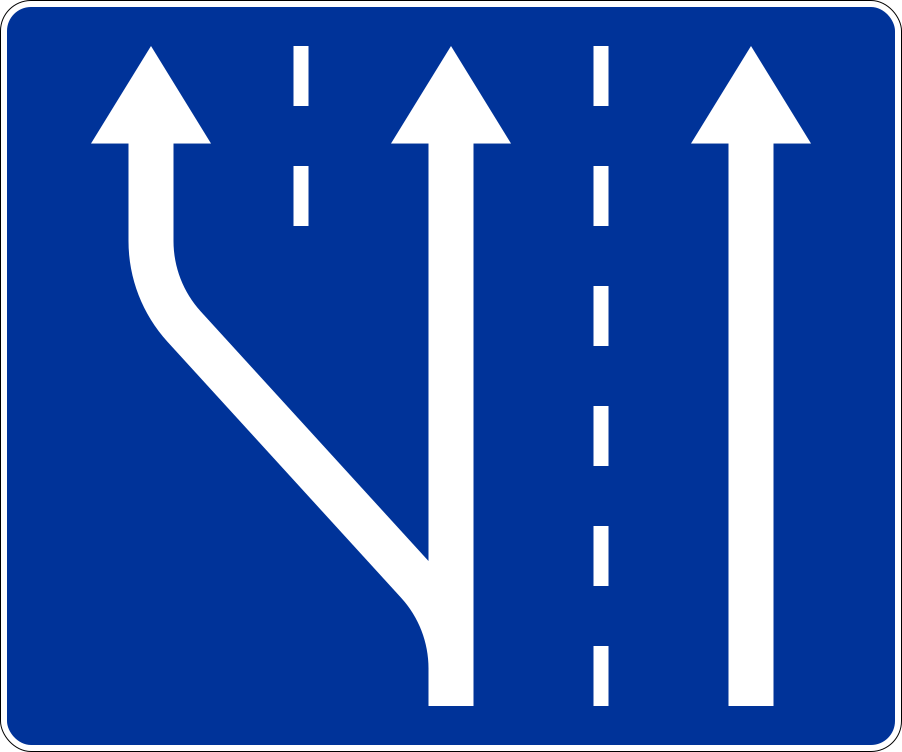
The D-13a 'Start of Lane' sign means a new lane is opening up ahead.
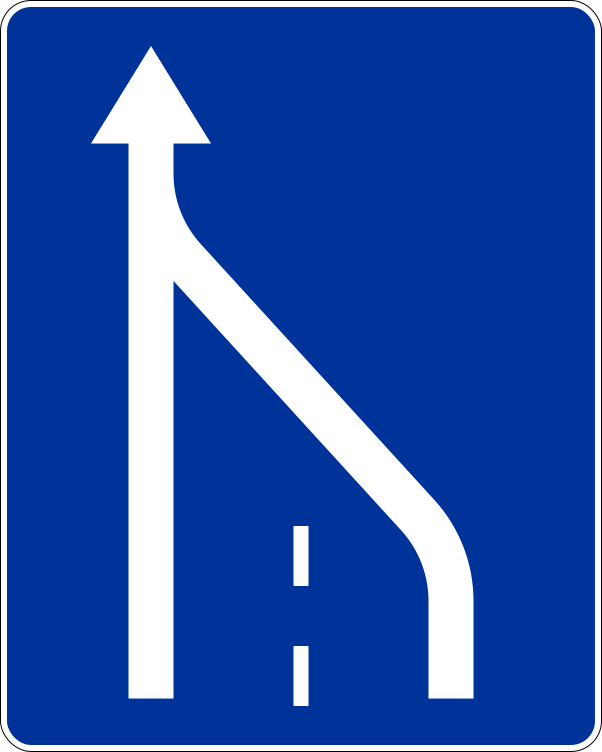
D-14 End of Lane: Know When and How to Merge Safely
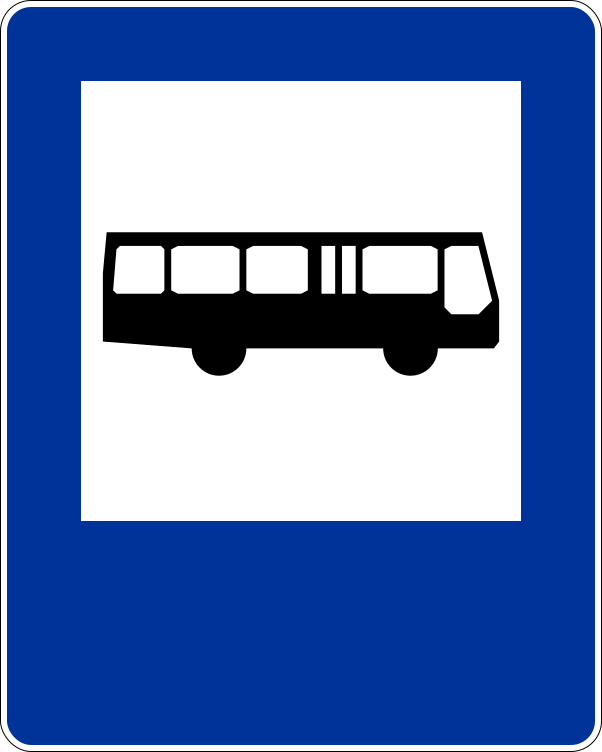
The D-15 'Bus Stop' Sign: Understanding and Reacting to Public Transport Stops
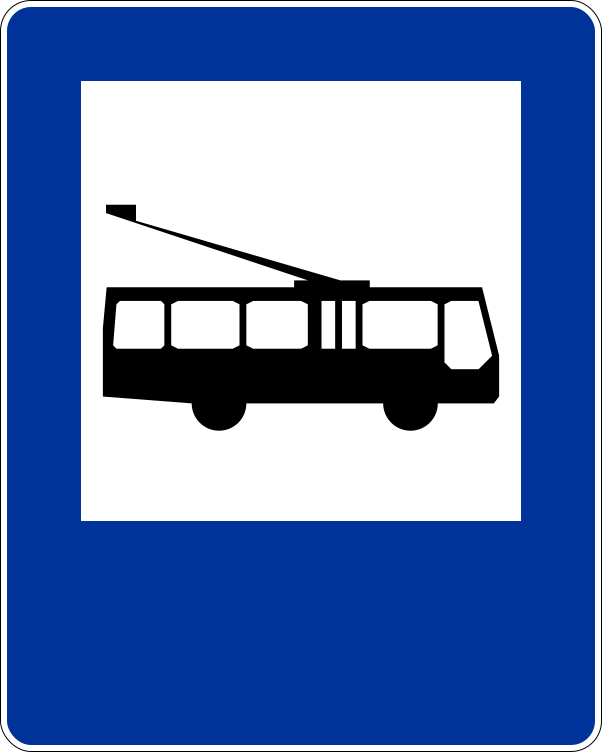
Understand the D-16 Trolleybus Stop Sign for safe city driving.
Deepen your understanding of specific road signs by reviewing official Polish traffic rules and associated real-world driving scenarios. These expert-led resources help you bridge the gap between visual recognition and practical exam application.
Don't Be a Road Block: Master Minimum Speeds and Smooth Traffic Flow for Your Polish Exam!
When selling a car in Poland, you have specific legal duties regarding insurance and registration that must be met promptly. This article clarifies these seller obligations, including the crucial 14-day window to inform your insurer and the 30-day deadline to notify the relevant communication department, ensuring a smooth and compliant transfer of ownership for both parties.
Even a Second Can Be Fatal: Understand Microsleep to Drive Safely in Poland.
Learn the critical distinctions between the Polish A-16 warning sign and the D-6 pedestrian crossing sign. This guide explains your legal responsibilities when approaching these areas, including the mandatory speed reduction and yielding requirements. Understand the significant penalties, such as hefty fines and accumulating penalty points, especially the 'recydywa' (repeat offender) system in Poland, which can lead to immediate license suspension.
The D-13a sign informs drivers that the road is expanding to include an additional lane. This often occurs before intersections, as an approach to an expressway, or to allow for easier overtaking on busy stretches. The arrow on the sign indicates whether the new lane is being added to the left or right. Drivers should be prepared for vehicles to merge or change positions to utilize the new road space.
The F-12 sign is used to guide through-traffic (transit) away from city centers or sensitive areas. It features a symbol of a specific vehicle (usually a truck) and an arrow. By following this sign, long-distance drivers can stay on roads designed for heavy traffic, avoiding narrow streets or residential zones. This sign is an advance warning placed before the junction where the turn must be made.
After reviewing the full list of Polish road signs, explore specific sign categories for in-depth understanding. Challenge your knowledge with practice questions focused on sign recognition and interpretation to solidify your preparation for the driving theory exam.
Browse All Polish Road Signs