
Learning how to navigate Swedish winter roads is a critical component of becoming a licensed driver. This guide explains how you can prepare for winter conditions, the importance of monitoring SMHI weather warnings, and the specific rules regarding snowplow interaction. By understanding these concepts, you will be better equipped to handle winter hazards safely and answer related theory exam questions with confidence.
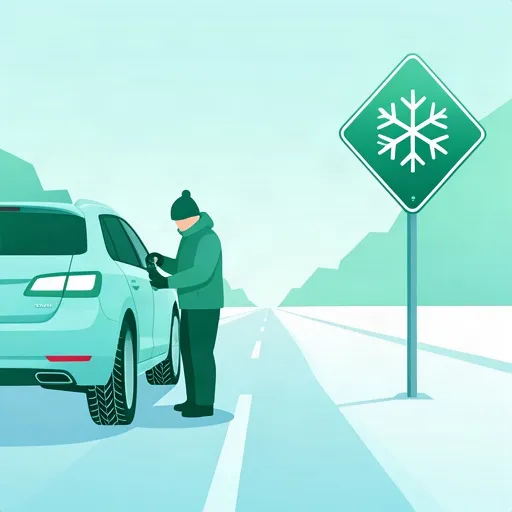
Article content overview
Navigating Swedish roads during the winter season, which officially spans from October 1st to April 30th, requires a high level of preparedness and a thorough understanding of your legal responsibilities as a driver. In Sweden, the responsibility for road safety during winter is a shared effort; while authorities like Trafikverket maintain the state road network, individual drivers are legally obligated to adapt their driving behavior to the prevailing conditions. Understanding these requirements is not only essential for your safety but is also a critical component of passing your Swedish driving theory exam.
Trafikverket operates a 24/7 readiness program during the winter months, utilizing nearly 200 vehicles to manage over 340 miles of state-managed roads in the Stockholm region alone. Maintenance strategies include plowing, sanding, and salting to ensure that major thoroughfares, such as motorways, remain accessible. However, it is a common misconception that roads will always be completely clear of snow and ice. You must treat every journey as an independent assessment of road conditions, regardless of whether you believe a road has been maintained.
Always check weather forecasts from SMHI and traffic reports on Trafikverket’s official channels before starting your journey, especially during heavy snowfall.
The prioritization of road clearing follows a strict classification system. High-traffic roads, including motorways like the E4/E20 and E18, are prioritized as Class 1 roads to ensure the flow of essential traffic. If you are driving on smaller, rural, or local municipal streets, expect lower clearance priority. As a driver, you are expected to be equipped for these variations.
In Sweden, the use of winter tires is mandatory when winter road conditions are present from December 1st to March 31st. A winter road condition is defined as any situation where snow, ice, or frost exists on any part of the road. Your tires must have a tread depth of at least 3 millimeters to be considered suitable for winter driving. Neglecting these requirements is not only a safety risk but also a violation of Swedish traffic law.
A state where the road surface is covered with snow, ice, or slush, or where there is a risk of slippery conditions due to frost or lower temperatures.
Beyond tires, your vehicle should be stocked with essential emergency items. During the winter, you should always carry a warm coat, a reflective vest, a blanket, and a mobile phone with a fully charged battery. These items can be life-saving if you become trapped in a sudden traffic jam or experience a vehicle breakdown in freezing temperatures.
One of the most frequently tested topics in the Swedish theory exam involves the safe interaction with snowplows. These heavy vehicles are essential for winter road maintenance, but they pose significant risks if approached improperly. Never attempt to overtake a snowplow, particularly when they are operating in tandem. Tandem plowing, where multiple vehicles cover the entire width of the road, is a high-risk scenario; overtaking in these situations is strictly prohibited and extremely dangerous.
When following a snowplow, keep a safe distance and remain patient. The road surface behind the plow is often cleaner, but it can also be more slippery due to the salt or sand being applied. If you find yourself in a queue behind a plow, stay behind it until it turns off the road, and never force a pass that requires you to drive through deep snowbanks or across the path of the plow.
When severe winter weather strikes, such as the heavy snowfall events often managed by the Samverkan Stockholmsregionen (SSR), the most responsible action is often to avoid unnecessary travel. If you must drive, you are legally required to adapt your speed to the conditions. High speed is a leading cause of winter traffic accidents, and theory exam questions will frequently present scenarios where you must choose to reduce speed well below the posted limit to maintain control.
Winter driving in Sweden requires understanding both shared responsibility with authorities and individual legal obligations. Drivers must equip their vehicles with compliant winter tires meeting the 3mm tread requirement from December through March, and must independently assess road conditions rather than assuming maintained roads are safe. Safe interaction with snowplows requires patience and never attempting to overtake tandem operations. Before any winter journey, monitoring SMHI forecasts and Trafikverket reports is essential, and drivers should be prepared to significantly reduce speed and increase following distances to match prevailing conditions.
A short set of high-value points that capture the most important ideas from this article.
The Swedish winter driving season officially runs from October 1 to April 30, with mandatory winter tire requirements from December 1 to March 31.
Trafikverket maintains state roads but drivers must independently assess conditions and cannot assume roads are clear even after plowing.
Winter tires must have at least 3mm tread depth and are legally required when snow, ice, or frost covers any part of the road.
Overtaking snowplows operating in tandem is strictly prohibited and extremely dangerous; always maintain a safe distance behind plows.
Always monitor SMHI weather forecasts and Trafikverket traffic reports before winter journeys to make informed travel decisions.
Winter tires mandatory: December 1 to March 31, minimum 3mm tread depth when winter road conditions exist.
Tandemplogning (tandem plowing) means multiple snowplows working side-by-side; never overtake in this configuration.
Class 1 roads (motorways like E4/E20) receive priority clearing; expect slower clearance on rural and municipal roads.
Increase following distance to at least double normal distance and reduce speed significantly below the posted limit in poor conditions.
Vinterväglag means winter road conditions requiring winter tires; Halka means slippery conditions from ice or slush.
Assuming a road has been cleared just because it is a major route; always treat each journey as an independent assessment of conditions.
Not clearing snow and ice from windows, lights, and roof before driving, which creates blind spots and hazards for other road users.
Attempting to overtake a snowplow when it is actively plowing, especially during tandem operations where the entire road width is covered.
Continuing to drive at normal speed limits during reduced visibility or slippery conditions instead of adapting speed to conditions.
Failing to carry emergency equipment such as warm clothing, reflective vest, and a charged phone for breakdown situations in freezing temperatures.
Article content overview
A short set of high-value points that capture the most important ideas from this article.
The Swedish winter driving season officially runs from October 1 to April 30, with mandatory winter tire requirements from December 1 to March 31.
Trafikverket maintains state roads but drivers must independently assess conditions and cannot assume roads are clear even after plowing.
Winter tires must have at least 3mm tread depth and are legally required when snow, ice, or frost covers any part of the road.
Overtaking snowplows operating in tandem is strictly prohibited and extremely dangerous; always maintain a safe distance behind plows.
Always monitor SMHI weather forecasts and Trafikverket traffic reports before winter journeys to make informed travel decisions.
Winter tires mandatory: December 1 to March 31, minimum 3mm tread depth when winter road conditions exist.
Tandemplogning (tandem plowing) means multiple snowplows working side-by-side; never overtake in this configuration.
Class 1 roads (motorways like E4/E20) receive priority clearing; expect slower clearance on rural and municipal roads.
Increase following distance to at least double normal distance and reduce speed significantly below the posted limit in poor conditions.
Vinterväglag means winter road conditions requiring winter tires; Halka means slippery conditions from ice or slush.
Assuming a road has been cleared just because it is a major route; always treat each journey as an independent assessment of conditions.
Not clearing snow and ice from windows, lights, and roof before driving, which creates blind spots and hazards for other road users.
Attempting to overtake a snowplow when it is actively plowing, especially during tandem operations where the entire road width is covered.
Continuing to drive at normal speed limits during reduced visibility or slippery conditions instead of adapting speed to conditions.
Failing to carry emergency equipment such as warm clothing, reflective vest, and a charged phone for breakdown situations in freezing temperatures.
Explore related topics, search based questions, and concepts that learners often look up when studying Winter Driving Safety in Sweden. These themes reflect real search intent and help you understand how this topic connects to wider driving theory knowledge in Sweden.
Find clear and practical answers to common questions learners often have about Winter Driving Safety in Sweden. This section helps explain difficult points, remove confusion, and reinforce the key driving theory concepts that matter for learners in Sweden.
In Sweden, winter tires are required when there are winter road conditions, typically defined between December 1st and March 31st. However, they may be necessary outside this period if winter conditions occur or are expected.
Overtaking snowplows is extremely dangerous due to limited visibility and potential snow spray. It is strongly advised to avoid overtaking, especially when encountering tandem plows, as they occupy the entire width of the road.
Trafikverket is responsible for maintaining state roads, such as motorways and major highways. Local streets and pedestrian paths are usually the responsibility of the respective municipality.
Stay with your vehicle, park as far to the right of the road as possible to allow emergency and snow-clearing vehicles access, and follow weather warnings from authorities like SMHI.
Continue your learning journey by exploring more detailed articles and guides. Clarify specific traffic rules, understand complex road signs, or review safe driving practices. Our extensive content library supports your Swedish driving license theory preparation.