
Understand the critical legal importance of road surface markings in Switzerland, as defined by the VRV. This section covers everything from centre lines and edge markings to specific Swiss pedestrian crossings and cyclist boxes, ensuring you can interpret these vital traffic signals for your theory exam and safe driving.
Deepen your understanding of Swiss road markings with focused practice sets. Master centre lines, pedestrian crossings, and cyclist boxes to grasp their legal meaning and impact on priority situations. Essential theory test practice for safe driving in Switzerland.

Decode Swiss Road Markings: Master Overtaking Rules and Avoid Penalties.
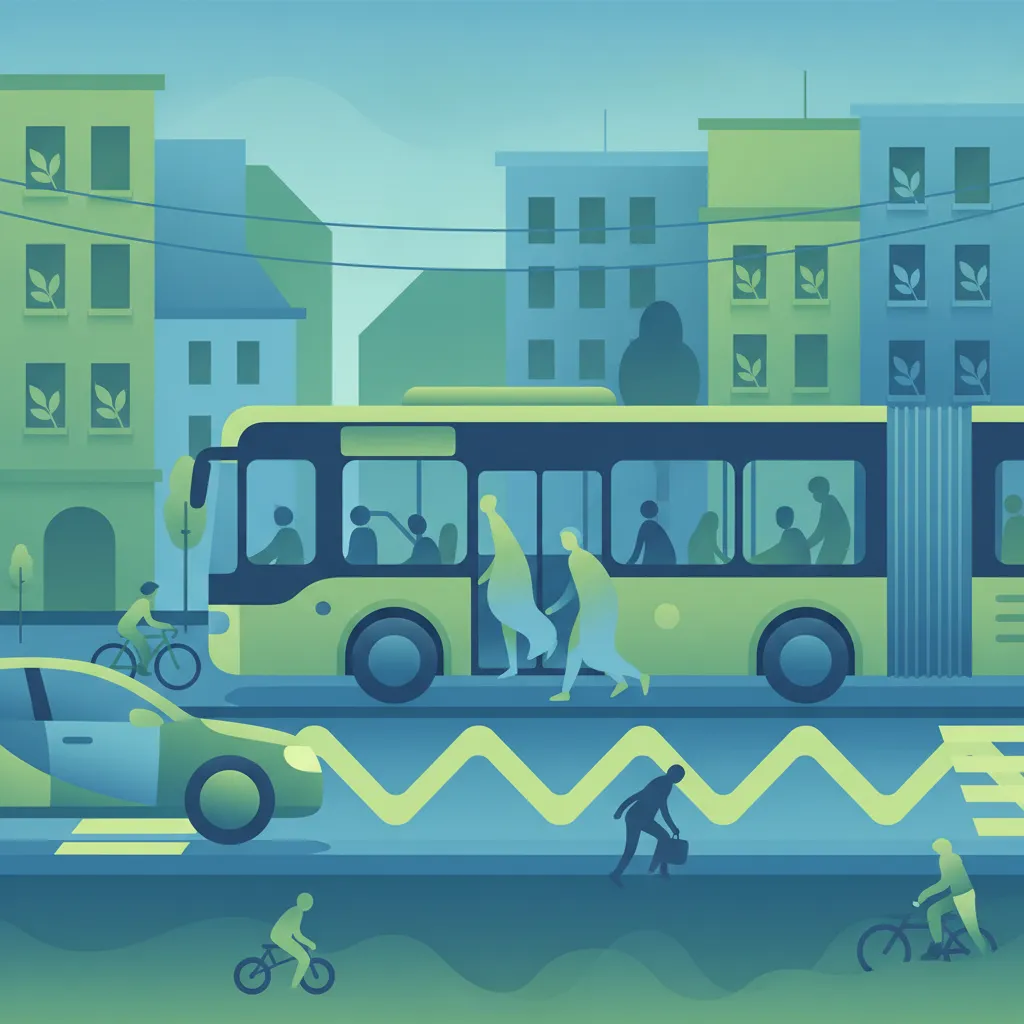
Master urban public transport zones for a safer drive and exam success.
Mastering Swiss road markings is essential for both passing your theory test and ensuring safety on the road. These surface signals are legally binding and dictate priority, safe distances, and permissible actions. Effective practice here directly translates to higher accuracy on exam questions and better decision-making in real traffic situations across Switzerland.
Learners in Switzerland choose Swiss Road Markings practice to prepare for realistic exam questions and difficult scenarios that often appear in the official theory test. This category is popular because it helps strengthen rule knowledge, reduce common mistakes, and build confidence before taking the Swiss driving theory exam.
All practice sets available
Practice sets in Swiss Road Markings
Practising Swiss Road Markings helps you understand key rules and situations tested in the Swiss driving theory exam in Switzerland.
Get answers to common questions learners have about practising Swiss Road Markings. This section highlights what is tested, how practice helps, and how to improve your results for the Swiss driving theory exam in Switzerland.
The Swiss theory exam includes questions on the legal meaning of various road markings, such as continuous and broken white centre lines, yellow edge lines, and pedestrian crossing markings. You'll need to understand what these signals legally permit or prohibit.
While some markings are internationally harmonized, Switzerland has specific rules, particularly for pedestrian crossings (alternating yellow-black stripes) and certain centre line configurations that affect overtaking. Understanding these Swiss-specific rules is vital for the theory test.
Road markings are legal signals that guide traffic flow, indicate priority, and define safe zones. Misinterpreting them can lead to dangerous situations, fines, and failed theory exam questions. This category helps you navigate Swiss roads safely and confidently.
Yes, yellow lines in Switzerland often indicate parking or stopping restrictions, especially zigzag lines near bus stops or continuous yellow edge lines. Understanding these colours and patterns is crucial for both the theory exam and avoiding parking tickets.
By practising questions focused on Swiss road markings, you will learn to identify them, recall their specific legal meanings according to Swiss law (like the VRV), and understand how they influence priority and traffic rules. This direct preparation boosts your confidence and accuracy for the exam.
Explore other practice categories connected to Swiss Road Markings. These sections help you practise additional topics, strengthen your understanding of driving theory in Switzerland, and prepare more completely for the theory exam.
Ready to enhance your knowledge of Swiss road rules and signs? Explore our categorized practice questions to focus your study on specific topics, reinforce weak areas, and build confidence for your official theory exam. Begin your journey to passing the Swiss driving test by selecting a category.