
Prepare for your Swiss driving license theory exam by mastering safety protocols around children. This practice set from Swiss Driving License Theory focuses on anticipating unpredictable child behaviour near schools, playgrounds, bus stops, and parked cars, ensuring you understand how to react safely in dense urban traffic contexts.

This practice set is essential for understanding specific Swiss traffic laws and safe driving techniques around children. Sharpen your driving theory revision with targeted questions on navigating schools, playgrounds, and urban areas to build confidence for your theory test preparation.
Learn to navigate complex urban environments in Switzerland where children are present. This set covers scenarios involving children near schools, playgrounds, bus stops, and parked cars, focusing on how to adjust your driving to prevent accidents and ensure their safety.
Preview sample questions from the Children in Traffic practice set to see how they help you prepare for the driving theory exam in Switzerland.
Learners choose Children in Traffic to improve accuracy and understanding of key exam themes in Switzerland. It offers realistic driving theory questions and targeted revision for effective preparation.
Find answers to the most common queries learners have when practising Children in Traffic, including how questions match the official theory exam in Switzerland, how scoring works, and how this practice improves exam readiness.
Children, due to their limited perception and impulsiveness, often behave unpredictably in traffic. They might run onto the road without looking or misjudge distances, making it vital for drivers to exercise extreme caution and anticipate their actions.
In Swiss school zones, drivers must reduce their speed significantly and be prepared to stop at any moment. You should actively scan for children, especially near entrances, parked cars, and crossings, and respect any school patrollers' signals.
When approaching a bus stop where children are present or a bus is loading/unloading, you must drive with extreme caution. Children might dart across the road from in front of or behind the bus. Be ready to stop completely and wait until the area is clear.
Children on bicycles or scooters can be fast and less predictable than adult cyclists. Always give them ample space, reduce your speed, and be ready for sudden changes in direction, especially near playgrounds or residential streets.
Yes, in Switzerland, drivers must always yield priority to pedestrians, especially children, at a pedestrian crossing by stopping completely. Do not proceed until they have safely crossed.
By completing Children in Traffic, you will gain stronger rule knowledge, faster recognition of signs and situations, better decision making in traffic scenarios, and increased accuracy on exam style questions used in Switzerland. These outcomes directly support higher scoring exam performance.
Continue your Swiss driving theory exam preparation by exploring similar practice sets. Mastering related topics like vulnerable road users and urban traffic rules enhances your overall understanding for the theory test.
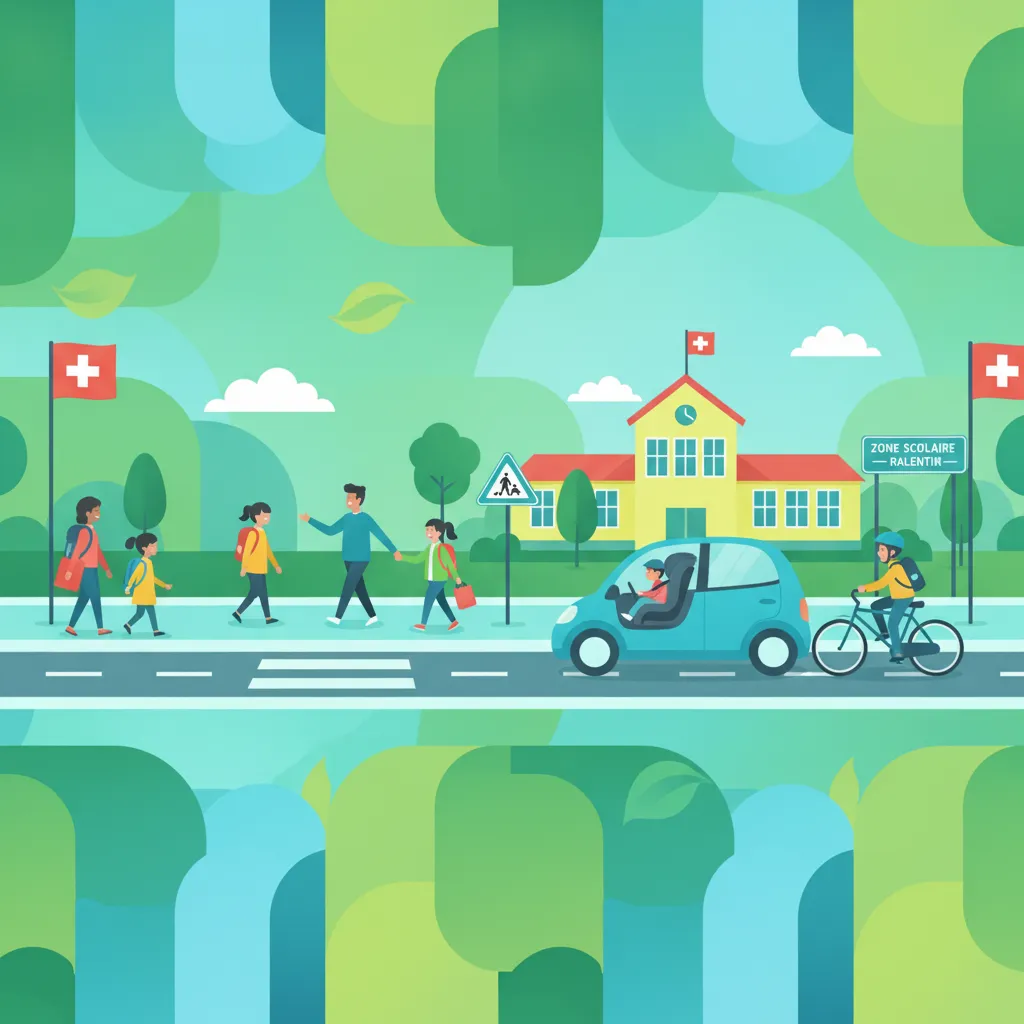
Master Swiss Rules for Child Safety Around Schools and in Your Vehicle.
Master complex urban scenarios and restricted access zones for your Swiss driving theory exam.

Drive Smart, Drive Safe: Master Defensive Strategies for Swiss Roads
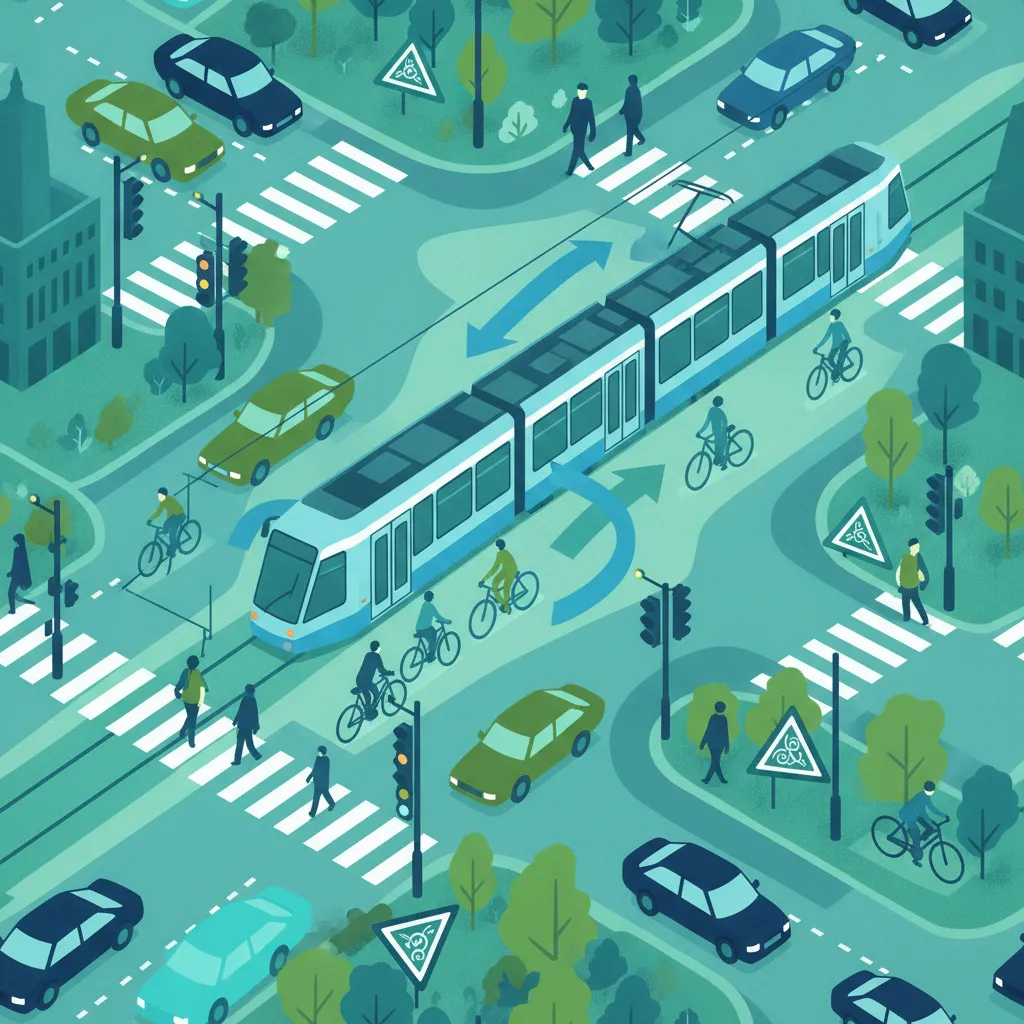
Master the Art of Urban Driving: Anticipation and Safety in Switzerland's Busiest Streets.
Master Tricky Parking and Hazard Situations for Your Swiss Driving Exam.
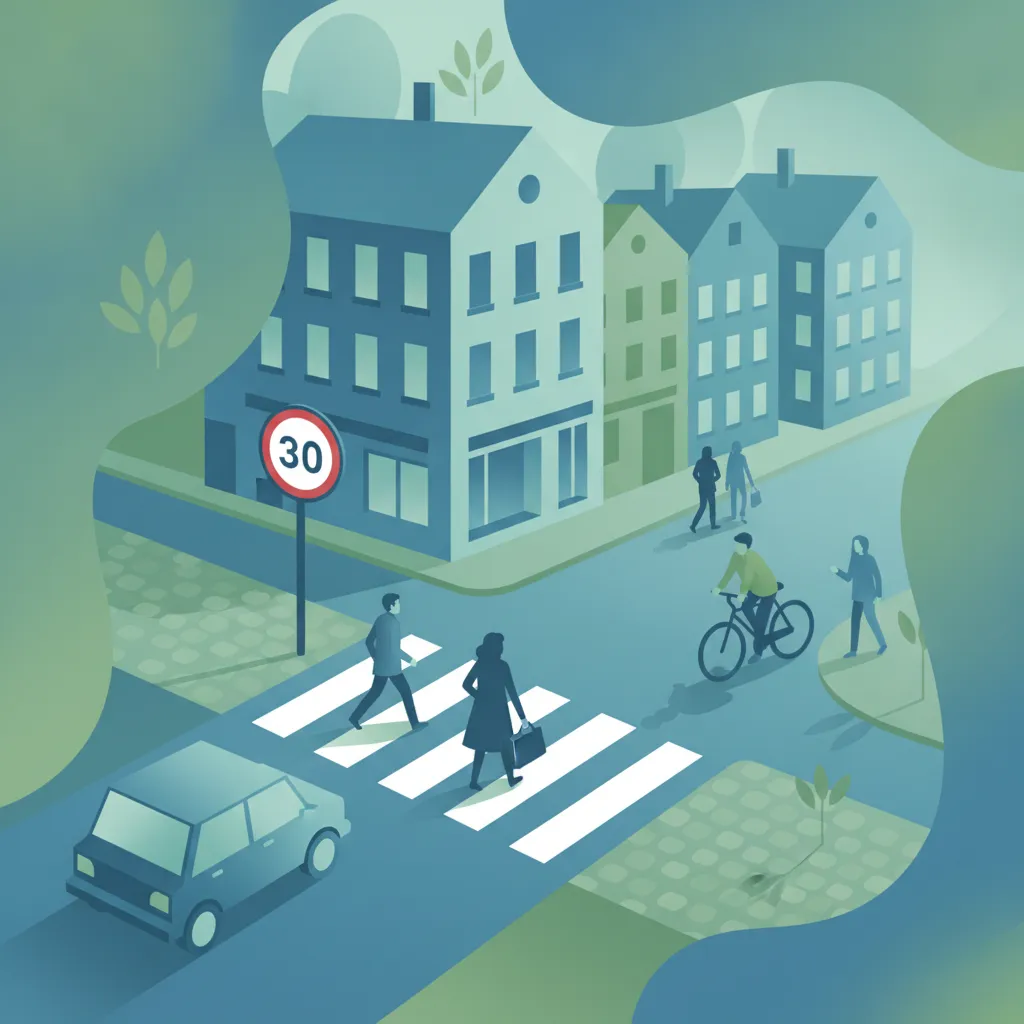
Master urban 30 km/h zones and traffic calming for your Swiss driving exam.
Questions in Children in Traffic
Exam focused questionss
Children in Traffic offers quick, focused exam style practice to boost your Swiss knowledge for the driving theory exam in Switzerland.
Children in Traffic helps learners in Switzerland with clear explanations and targeted Swiss practice to improve essential driving theory topics.
This set is ideal for new drivers and those preparing for the Swiss driving theory exam who want to build a strong foundation in safely navigating areas with children. It addresses common mistakes in anticipating child behaviour and emphasizes the heightened caution required in busy Swiss urban environments.
Explore more topics for the Swiss driving theory exam in Switzerland.
Ready to enhance your knowledge of Swiss road rules and signs? Explore our categorized practice questions to focus your study on specific topics, reinforce weak areas, and build confidence for your official theory exam. Begin your journey to passing the Swiss driving test by selecting a category.
Explore Practice Categories