
Effectively communicating your intentions is vital for safety on Swiss roads and for passing your driving theory exam. This practice set covers all aspects of indicator use, from simple turns to complex lane changes and parking manoeuvres. Learn the correct observation sequence and signalling timing to avoid misunderstandings and ensure smooth traffic flow in Switzerland.

This practice set focuses on vital Swiss traffic communication rules, emphasizing correct indicator use for turning, lane changes, and complex intersections. Prepare effectively for your driving theory test by mastering these essential skills and ensuring safe interactions on Swiss roads.
This set focuses on essential communication skills for Swiss roads, including precise indicator use for various manoeuvres like turning, changing lanes, and navigating roundabouts. Practice recognising situations where signals are required and how to avoid misleading other drivers, building a solid foundation for your driving theory exam.
Preview sample questions from the Indicator Use & Communication practice set to see how they help you prepare for the driving theory exam in Switzerland.
Learners choose Indicator Use & Communication to improve accuracy and understanding of key exam themes in Switzerland. It offers realistic driving theory questions and targeted revision for effective preparation.
Find answers to the most common queries learners have when practising Indicator Use & Communication, including how questions match the official theory exam in Switzerland, how scoring works, and how this practice improves exam readiness.
You should use your indicators whenever you intend to change direction or position on the road, such as turning, changing lanes, overtaking, exiting a roundabout, or parking.
No, using your indicator only communicates your intention. It does not grant you priority. You must always ensure the manoeuvre is safe and yield to traffic that has priority.
You should signal early enough to give other road users sufficient warning of your intentions, but not so early that it could be misleading. The exact distance depends on the situation, but generally aim for clear anticipation.
If your signal could confuse other drivers (e.g., indicating right before passing an entrance but intending to turn further ahead), it's best to delay signalling or cancel it temporarily and re-signal when your intention is clearer.
Observing blind spots is crucial to ensure no vulnerable road users like cyclists or motorcyclists are in an area you cannot see in your mirrors. Signalling and manoeuvring without checking blind spots can lead to serious accidents.
By completing Indicator Use & Communication, you will gain stronger rule knowledge, faster recognition of signs and situations, better decision making in traffic scenarios, and increased accuracy on exam style questions used in Switzerland. These outcomes directly support higher scoring exam performance.
Explore similar practice sets to reinforce your knowledge on Swiss traffic communication and road rules. This focused approach aids in comprehensive theory test preparation by connecting related concepts for your driving licence.

Navigate Swiss Roundabouts with Confidence for Your Driving Exam!

Navigate Swiss Intersections with Confidence: Decode Every Traffic Light Signal.

Master Lane Change Safety for Your Swiss Driving Exam
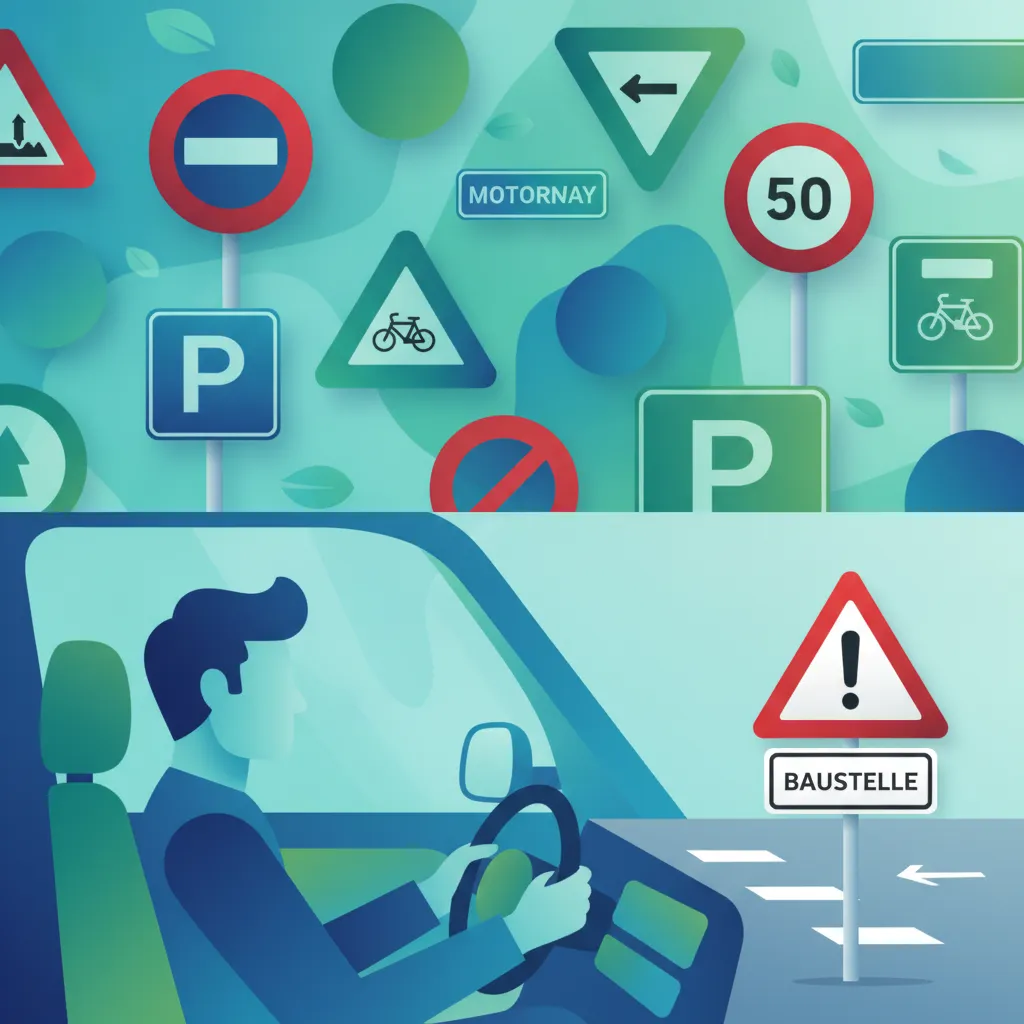
Recognise Key Swiss Road Signs at a Glance and Drive Confidently

Master Essential Observation Techniques for Safe Swiss Driving
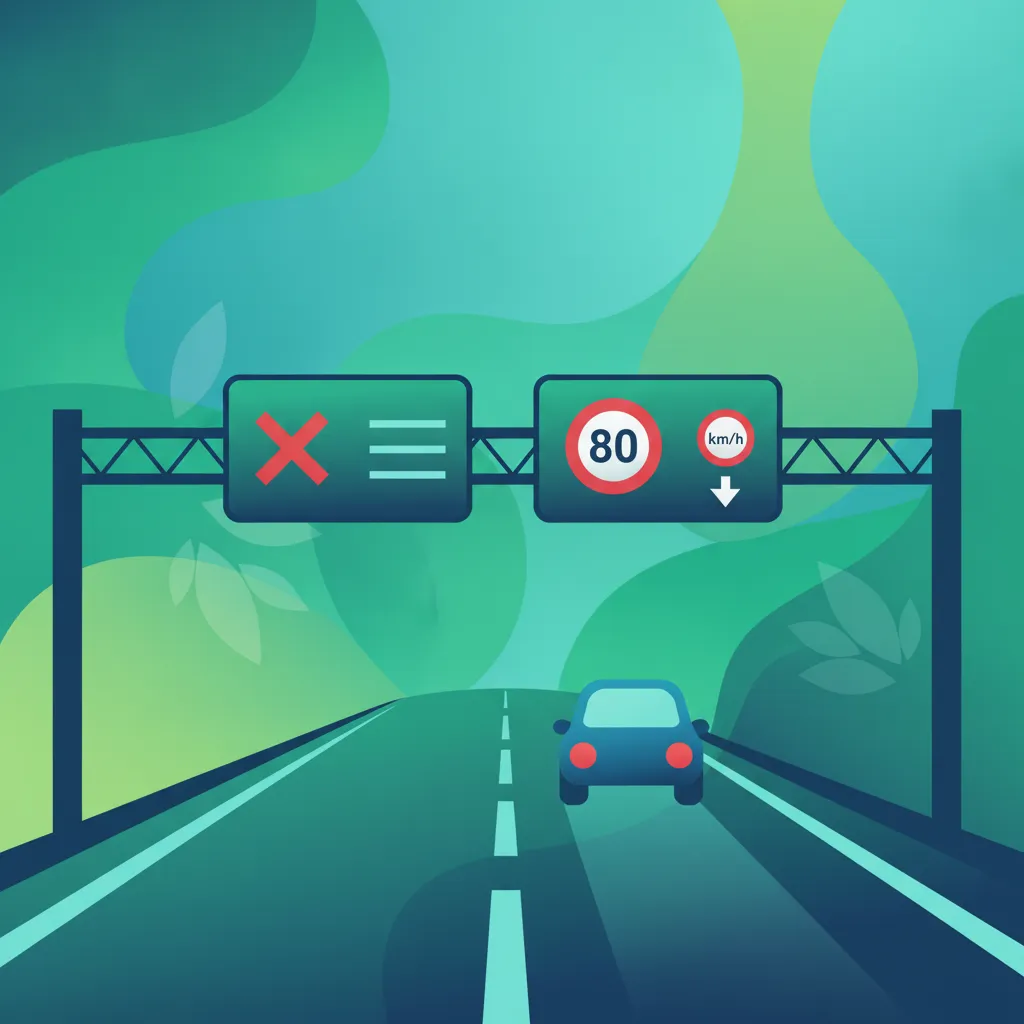
Master dynamic road signals to maintain traffic flow and pass your Swiss theory exam.
Questions in Indicator Use & Communication
Exam focused questionss
Indicator Use & Communication offers quick, focused exam style practice to boost your Swiss knowledge for the driving theory exam in Switzerland.
Indicator Use & Communication helps learners in Switzerland with clear explanations and targeted Swiss practice to improve essential driving theory topics.
This practice set is perfect for new learners preparing for their Swiss driving theory exam, especially those who struggle with consistent and correct indicator use. It helps reinforce the fundamental rules of communication on Swiss roads, ensuring you can signal your intentions clearly and safely, preventing common mistakes and enhancing overall road awareness.
Explore more topics for the Swiss driving theory exam in Switzerland.
Ready to enhance your knowledge of Swiss road rules and signs? Explore our categorized practice questions to focus your study on specific topics, reinforce weak areas, and build confidence for your official theory exam. Begin your journey to passing the Swiss driving test by selecting a category.
Explore Practice Categories