
This 'Guide device 7.01 (variant 2)' is a visual marker designed to highlight the safe driving path, especially around obstacles, roadworks, or lane deviations. It's crucial to treat these devices as important alignment information; slow down as needed, follow the indicated route, and maintain a safe distance from edges or hazards. Understanding its purpose is key for safe navigation and passing your Swiss theory test.
This guide device clarifies the safe path around road obstacles or diversions in Switzerland. Understanding its visual cues is crucial for successful theory test revision and safe driving practice.
This visual guidance element is not a normal regulatory plate. Swiss guide devices make the intended path clearer around road edges, obstacles, narrowed lanes, worksites, deviations, or permanent alignment changes. Drivers should treat them as alignment and clearance information: slow down when necessary, keep within the guided path, and avoid cutting across the protected area. Official catalogue code: 7.01-2.
The "Guide device 7.01 (variant 2)" entry is used to make the safe path visible. Follow the indicated alignment and leave extra clearance near edges, obstacles, worksites, or deviations. Catalogue code 7.01-2.
Get clear, practical answers to the most common questions about the 7.01-2 - Guide device 7.01 (variant 2) road sign. Learn how the sign works, what rules it represents, and how it affects real driving situations. This FAQ strengthens your understanding and supports accurate decision making for the Swiss driving theory exam in Switzerland.
The primary purpose of Guide Device 7.01-2 is to make the safe path visible. It guides drivers around temporary or permanent obstructions, narrowed lanes, or diversions, ensuring they follow the intended alignment and maintain adequate clearance.
When you see Guide Device 7.01-2, you should slow down if necessary, follow the direction indicated by the device, and ensure you leave extra clearance near edges, obstacles, or worksites. It's about guiding you along a specific, safe route.
Yes, you must not treat the guide device as optional or drive around it carelessly. It's also prohibited to maintain normal speed when this sign indicates roadworks, a deviation, or limited clearance. Always adjust your speed and driving line accordingly.
A common trap is underestimating the importance of guide devices and treating them like minor markers. Learners might be tested on whether they understand that these devices signify a mandatory safe path and often require speed reduction, especially in construction zones or during lane changes.
While Guide Device 7.01-2 is a primary indicator of the safe path, it's often used in conjunction with other temporary traffic control measures like cones, barriers, or temporary signs. It's essential to respect all guidance provided, whether from this device or supplementary warnings.
A clear reference image of the 7.01-2 - Guide device 7.01 (variant 2) road sign used in Switzerland.

The 7.01-2 - Guide device 7.01 (variant 2) road sign may also be known by these alternative names or terms.
The 7.01-2 - Guide device 7.01 (variant 2) road sign is part of the Swiss Guide Devices category, which groups together signs with similar rules and functions.
Master Swiss traffic rules by comparing this guide device with similar road signs, enhancing your sign recognition and reducing exam errors. Effective traffic sign comparison is key for successful theory test revision.
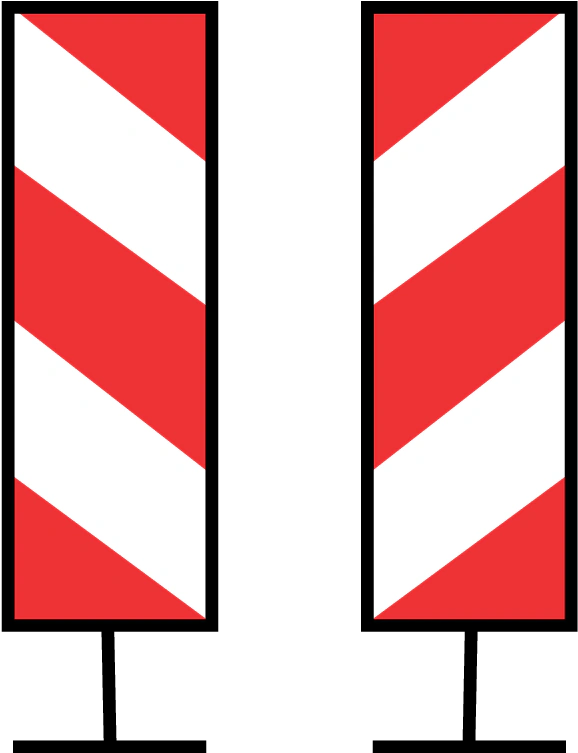
Follow the Swiss Guide Device 7.01-1 to navigate safely around obstacles or deviations.
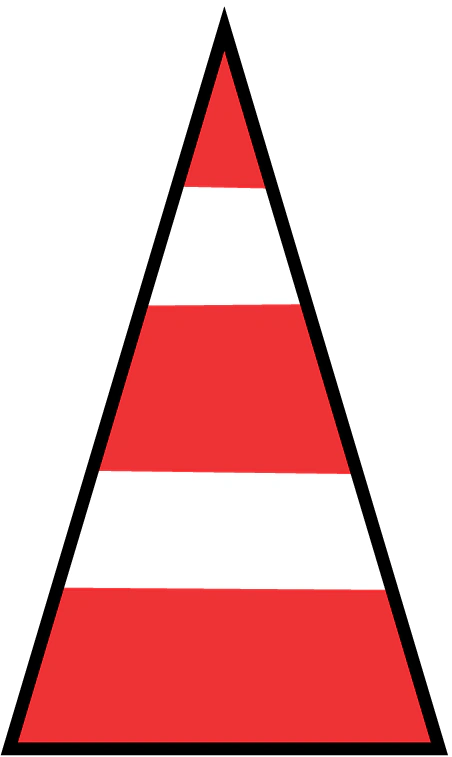
Follow the Guide Device 7.02 to safely navigate your path and maintain clearance.
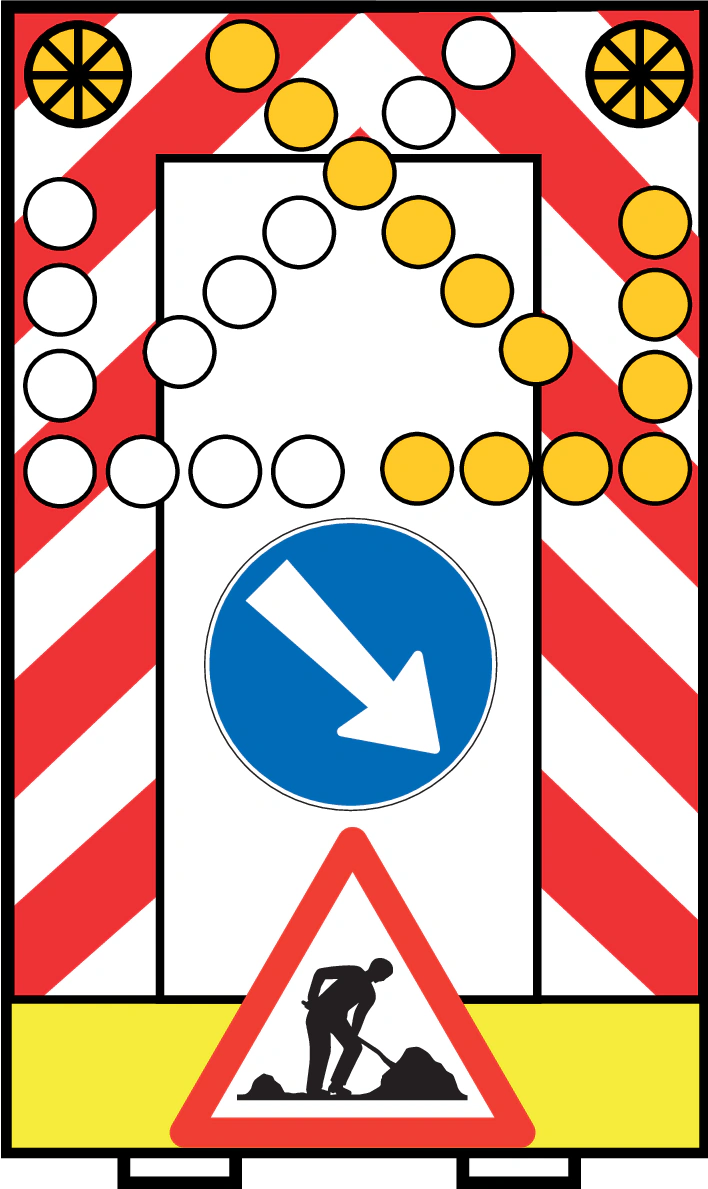
Understand the Guide device 7.03 for Safe Alignment and Clearance
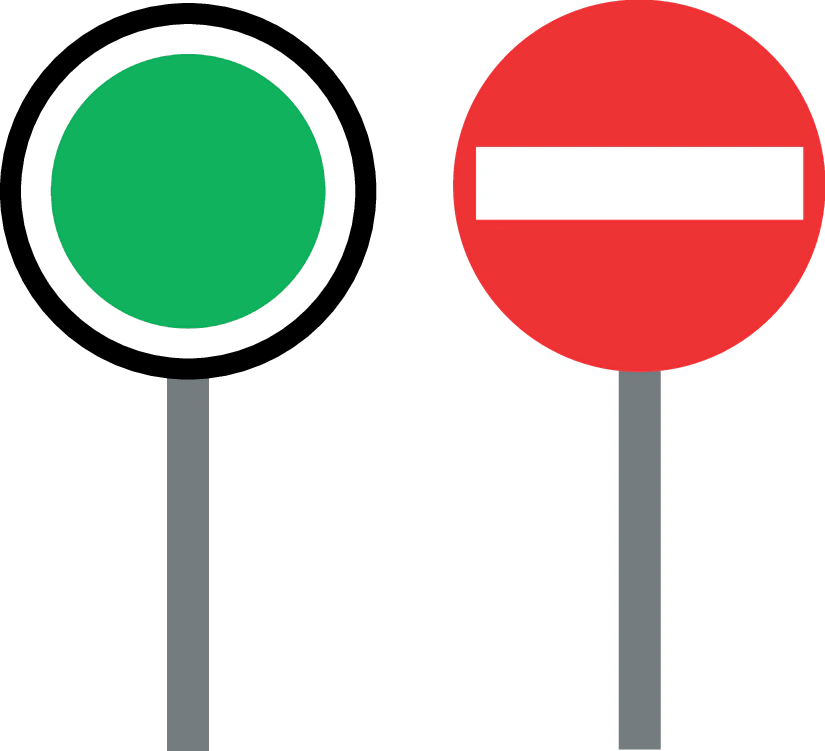
Follow the Guide Device 7.04 for Safe Alignment and Clearance
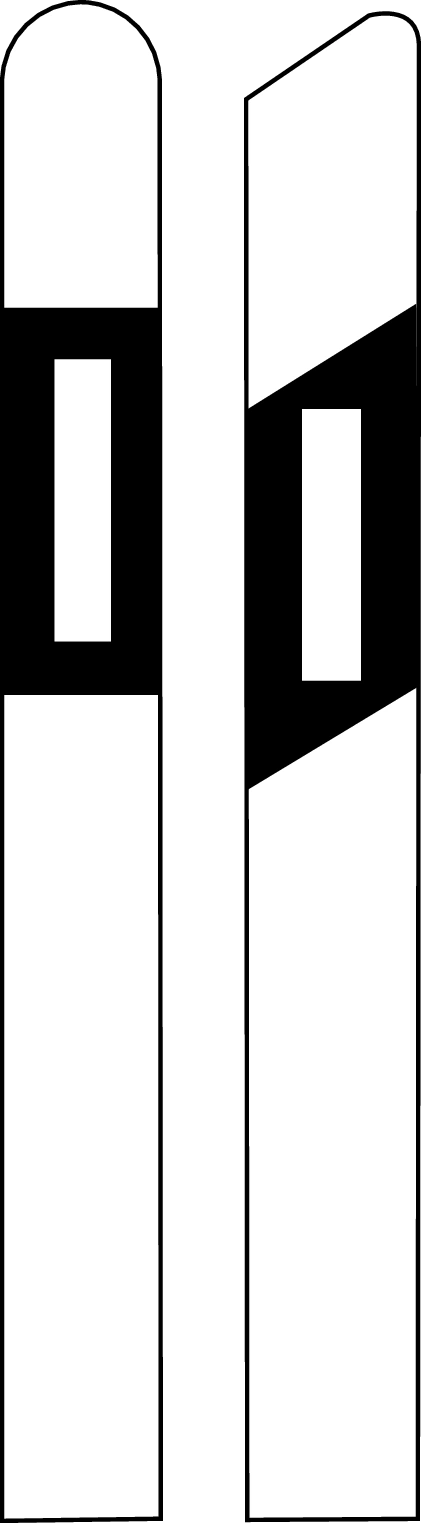
Follow the Guide Device 7.05 for a Clear and Safe Path
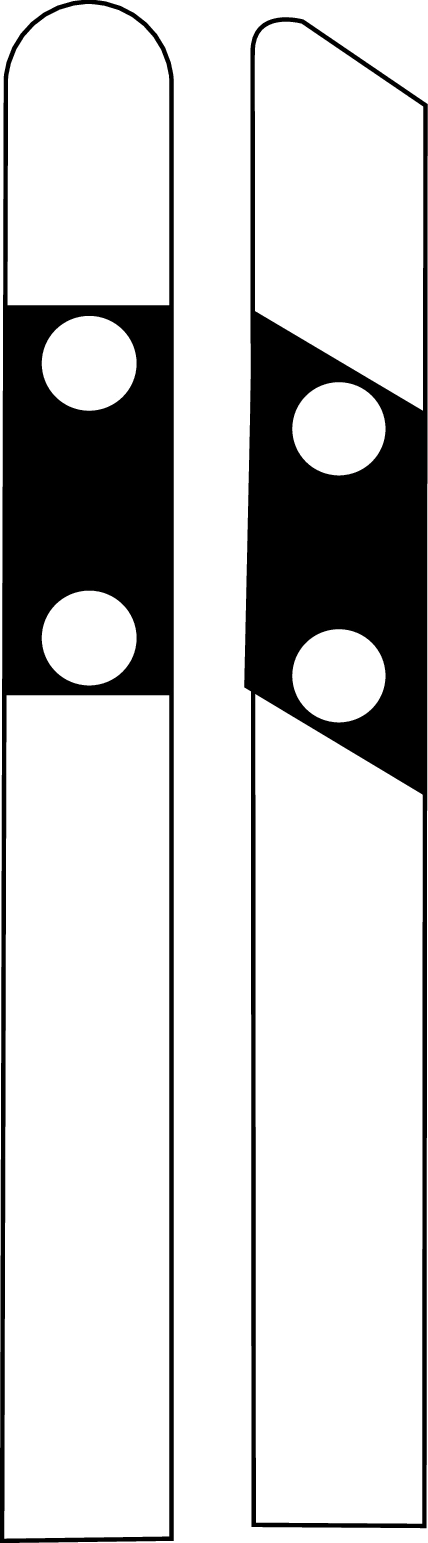
Follow the Path: Understanding Swiss Guide Device 7.06

Understand and Safely Navigate with Guide Device 7.07
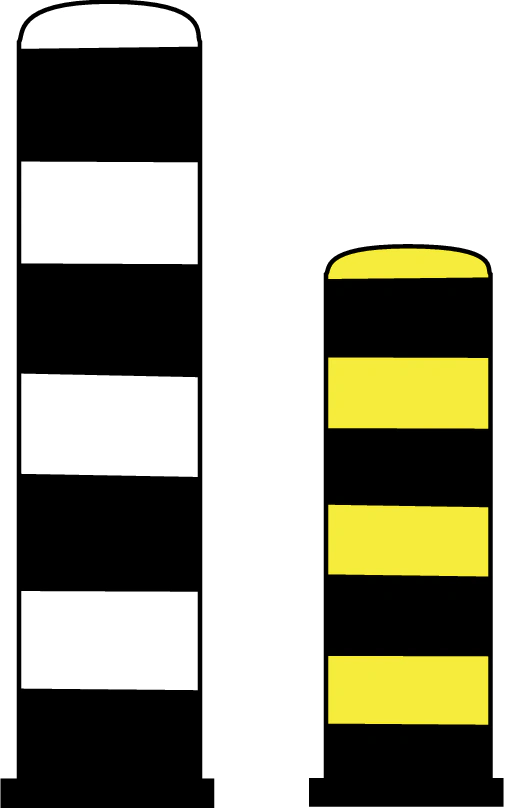
Follow the Guide Device 7.08 for Safe Path Alignment in Switzerland
Mastering the meaning of specific road signs is essential for navigating Switzerland's complex infrastructure safely. These resources link visual markers to the official traffic rules and priority procedures required for your driving theory test.
Master Tricky Left Turns: Understand Swiss Priority Rules and Avoid Common Mistakes
Understanding Switzerland's strict parking regulations is critical for both the theoretical exam and everyday driving. This article breaks down how to navigate blue and white zones, explains when and how to display a parking disc, and clarifies the legal significance of yellow road markings. Following these rules will help you avoid common pitfalls, such as improper disc settings or unauthorized parking in restricted areas.
Unravel the Toughest Swiss Traffic Scenarios and Avoid Common Exam Mistakes.
On Swiss motorways, the hard shoulder is strictly reserved for emergencies and breakdown situations and is never permitted as a general driving lane. This guide outlines the legal requirements for keeping the Pannenstreifen clear during congestion, how it functions alongside the emergency corridor (Rettungsgasse), and the potential penalties for unauthorized use. Mastering these rules is essential for both your safety on the road and success in the Swiss driving theory exam.
This visual guidance element is not a normal regulatory plate. Swiss guide devices make the intended path clearer around road edges, obstacles, narrowed lanes, worksites, deviations, or permanent alignment changes. Drivers should treat them as alignment and clearance information: slow down when necessary, keep within the guided path, and avoid cutting across the protected area. Official catalogue code: 7.01-1.
This visual guidance element is not a normal regulatory plate. Swiss guide devices make the intended path clearer around road edges, obstacles, narrowed lanes, worksites, deviations, or permanent alignment changes. Drivers should treat them as alignment and clearance information: slow down when necessary, keep within the guided path, and avoid cutting across the protected area. Official catalogue code: 7.02.
After reviewing the full list of Swiss road signs, delve deeper into specific categories, practice recognition with quizzes, or explore detailed explanations for each sign. Continue your comprehensive preparation for the official theory driving test.
View All Swiss Road Signs