
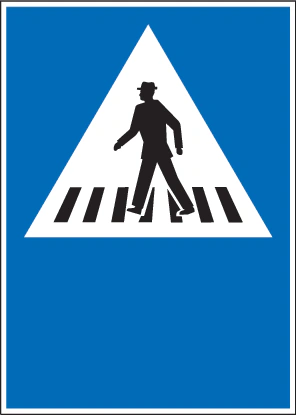
The Swiss road sign 4.11, titled 'Pedestrian Crossing Location', is an indication sign designed to inform drivers about the presence of pedestrian crossings. While it highlights a specific road facility, it's crucial to remember that this sign does not impose new regulations. Instead, it helps drivers anticipate and choose their route or behaviour by identifying upcoming pedestrian areas. Always combine its information with other traffic control measures like road markings, traffic lights, and regulatory signs.
This sign specifically indicates the location of a pedestrian crossing, providing crucial information for drivers to anticipate and adjust their behaviour. Mastering its interpretation is key for successful theory test revision and safe driving in Switzerland.
This indication sign identifies a road type, facility, traffic arrangement, service, or operating condition. It helps drivers understand what is available or expected ahead, but it does not override separate speed limits, prohibitions, priority rules, lane signals, or road markings. For learners, the professional interpretation is to use the information early while continuing to scan for binding regulatory instructions. Official catalogue code: 4.11.
The "Pedestrian crossing location" sign identifies pedestrian crossing location or gives practical information about that road facility. It supports route and behaviour choices without replacing separate regulations. Catalogue code 4.11.
Get clear, practical answers to the most common questions about the 4.11 - Pedestrian crossing location road sign. Learn how the sign works, what rules it represents, and how it affects real driving situations. This FAQ strengthens your understanding and supports accurate decision making for the Swiss driving theory exam in Switzerland.
The main purpose of sign 4.11 is to identify a pedestrian crossing location or provide practical information about this road facility. It's an informational sign to help drivers understand the road ahead, rather than a regulatory sign that dictates specific actions.
Sign 4.11 itself doesn't mandate a specific behaviour change like slowing down or stopping. However, it alerts you to a pedestrian crossing. You should be prepared to adjust your speed and be vigilant for pedestrians, especially when combined with road markings, traffic lights, or other contextual cues.
It's vital to interpret sign 4.11 alongside its placement, any associated road markings (like zebra crossings), traffic lights, and supplementary panels. You must also continue to observe separate regulatory signs, priority rules, and lane signals, as these might impose specific obligations not directly indicated by sign 4.11.
A common trap is treating sign 4.11 as a regulatory sign that automatically requires a specific action. Learners might also miss the importance of combining its information with other traffic controls, leading to incorrect assumptions about priority or required speed adjustments. Always remember it's an indication sign.
No, sign 4.11 does not replace existing regulations or priority rules for pedestrian crossings. It simply points out their location. You must still adhere to any legal requirements regarding yielding to pedestrians at crossings, whether indicated by this sign, road markings, or traffic signals.
A clear reference image of the 4.11 - Pedestrian crossing location road sign used in Switzerland.
The 4.11 - Pedestrian crossing location road sign may also be known by these alternative names or terms.
The 4.11 - Pedestrian crossing location road sign is part of the Swiss Indication Signs category, which groups together signs with similar rules and functions.
Reviewing similar road signs side-by-side enhances your ability to distinguish between them, crucial for accurate theory test revision. This traffic sign comparison aids in mastering sign recognition, reducing potential errors in your exam preparation.
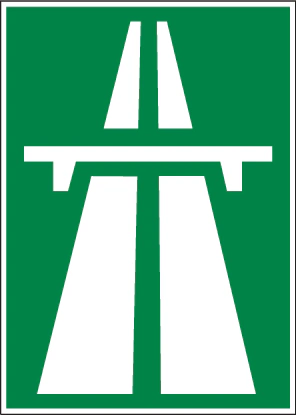
Understand the 'Motorway' indication sign (4.01) in Switzerland
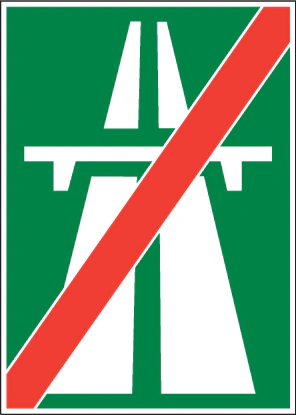
This sign signals the end of the motorway.
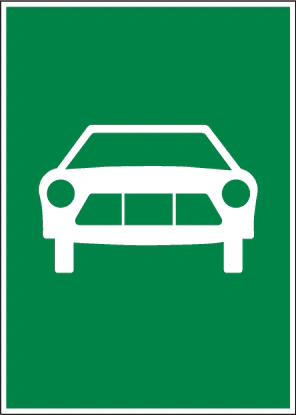
Understand the Expressway Sign (4.03) in Switzerland
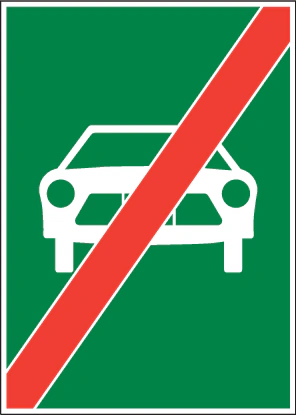
End of Expressway sign (4.04) informs you about the road ahead.

Understanding the Mountain Postal Road Sign (4.05) in Switzerland
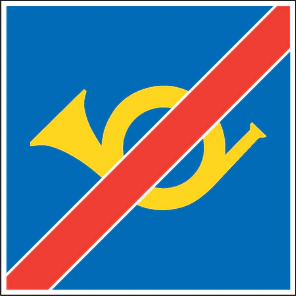
This sign marks the end of a designated mountain postal road.
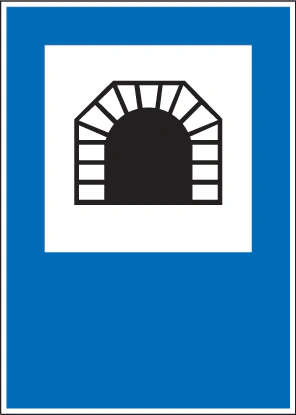
Understand the 'Tunnel' indication sign (4.07) for safe navigation in Switzerland.
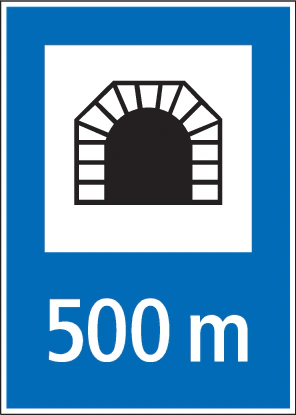
Identify Tunnels Ahead with the 'Tunnel (Variant 1)' Information Sign
Mastering the meaning of specific road signs is essential for navigating Switzerland's complex infrastructure safely. These resources link visual markers to the official traffic rules and priority procedures required for your driving theory test.
Drive Smarter, Safer, and More Sustainably on Swiss Roads
Master the responsibilities of accompanying a learner driver for a safe and compliant journey.
Navigating Switzerland's frequent fog, snow, and heavy rain requires a clear understanding of its specific fog light rules. This article details when front fog lights can be used and the strict 50-meter visibility requirement for rear fog lights, directly referencing Swiss traffic legislation. Mastering these rules is essential for safe driving and passing your theory test, ensuring you handle adverse weather conditions correctly.
New residents in Switzerland must navigate specific administrative requirements to remain legally mobile on Swiss roads. This guide explains the critical 12-month grace period, the mandatory eye test, and the distinctions between license holders from EU/EFTA nations versus those from third countries. Readers will learn the importance of contacting their local cantonal Road Traffic Office to ensure compliance and avoid potential fines or loss of driving privileges.
This indication sign identifies a road type, facility, traffic arrangement, service, or operating condition. It helps drivers understand what is available or expected ahead, but it does not override separate speed limits, prohibitions, priority rules, lane signals, or road markings. For learners, the professional interpretation is to use the information early while continuing to scan for binding regulatory instructions. Official catalogue code: 4.11-1.
This indication sign identifies a road type, facility, traffic arrangement, service, or operating condition. It helps drivers understand what is available or expected ahead, but it does not override separate speed limits, prohibitions, priority rules, lane signals, or road markings. For learners, the professional interpretation is to use the information early while continuing to scan for binding regulatory instructions. Official catalogue code: 4.75.
After reviewing the full list of Swiss road signs, delve deeper into specific categories, practice recognition with quizzes, or explore detailed explanations for each sign. Continue your comprehensive preparation for the official theory driving test.
View All Swiss Road Signs