This important priority sign, code 3.06, dictates who has the right of way at junctions and crossings in Switzerland. When you encounter this sign, it means you must give way to traffic approaching from your right, unless otherwise indicated by traffic lights or other signs. Always slow down early, observe all approaches, and only proceed when it is safe to do so to avoid conflicts and ensure smooth traffic flow.
This essential road sign, code 3.06, dictates the priority at junctions and crossings, crucial for safe navigation in Swiss traffic. Master its meaning for your theory test revision and confident driving.
This priority sign controls the order of movement where traffic streams may conflict. On Swiss roads, priority signs are safety-critical because they decide whether the driver must stop, yield, continue on a priority road, or give way at a narrow section or crossing. The practical response is to slow early, observe every approach, and proceed only when the signed rule and the actual traffic gap are both safe. Official catalogue code: 3.06.
The "Crossroad with priority to the right rule" sign defines priority for the relevant junction, main road, narrow passage, or crossing. Use it to decide who may proceed first. Catalogue code 3.06.
Get clear, practical answers to the most common questions about the 3.06 - Crossroad with priority to the right rule road sign. Learn how the sign works, what rules it represents, and how it affects real driving situations. This FAQ strengthens your understanding and supports accurate decision making for the Swiss driving theory exam in Switzerland.
Sign 3.06 indicates that you must yield to vehicles coming from your right at the upcoming junction or crossing. This rule is crucial for maintaining order and preventing accidents where traffic streams meet.
Not necessarily. You must yield to traffic from the right, which might mean stopping if there is a vehicle approaching. However, if there is no traffic from the right, you may proceed without stopping, but always be prepared to stop. The key is to give way to those with priority.
A common trap is assuming you always have priority because you are on what looks like a main road. Sign 3.06 overrides that assumption. Another trap is misinterpreting the sign in complex junctions or when other signs or traffic lights are present. Always consider all signals.
Yes, the rule can be modified by traffic lights, other priority signs (like a yield sign or a priority road sign), or specific markings on the road. Always interpret sign 3.06 in conjunction with any supplementary panels or signals present at the junction.
You are prohibited from forcing other road users to brake or swerve unexpectedly. This means you must not enter the junction or crossing if it would impede traffic that has priority from the right, or if it would cause a dangerous situation.
A clear reference image of the 3.06 - Crossroad with priority to the right rule road sign used in Switzerland.
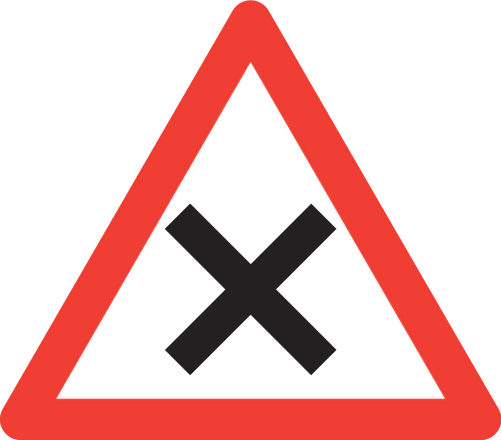
The 3.06 - Crossroad with priority to the right rule road sign may also be known by these alternative names or terms.
The 3.06 - Crossroad with priority to the right rule road sign is part of the Swiss Priority Signs category, which groups together signs with similar rules and functions.
Master Swiss traffic rules by comparing this sign with similar ones. Understanding distinctions between related road signs aids recognition and reduces errors during your theory test revision.
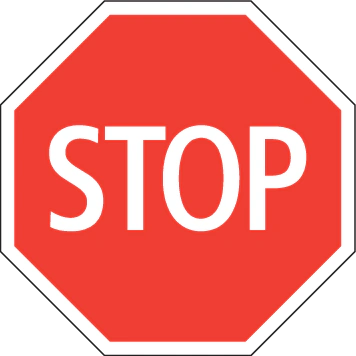
Stop Sign (3.01): Complete Stop and Yield Before Entering Traffic.
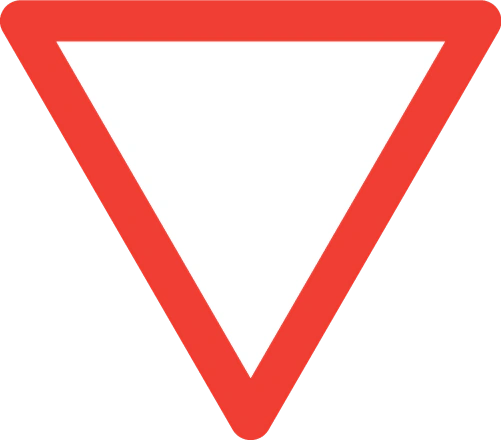
Understand the 'Give Way' Sign (3.02) in Switzerland
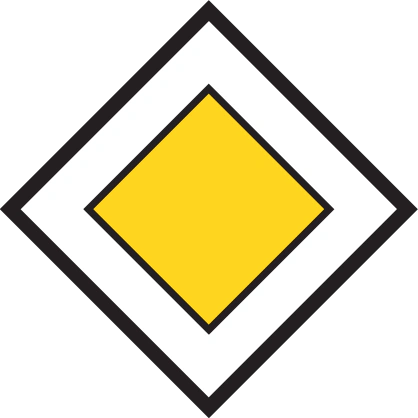
Master the Principal Road with Priority Sign (3.03) in Switzerland
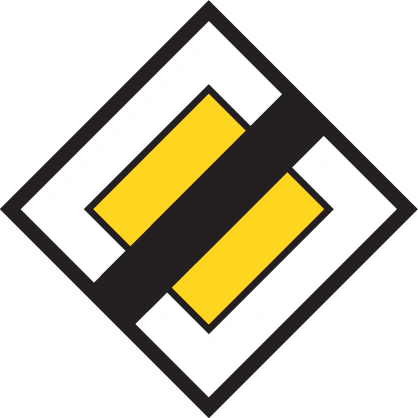
Understand the 'End of Principal Road' sign (3.04) and its priority rules.
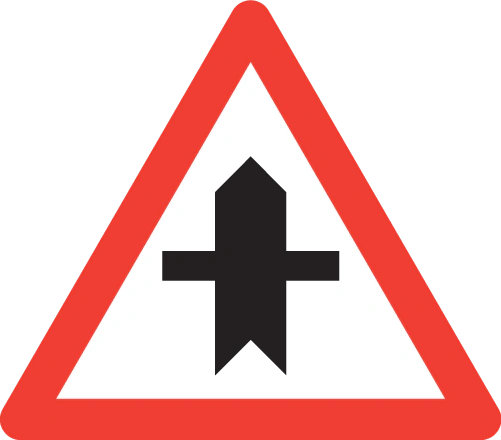
Understand the 'Crossing with a road without priority ahead' traffic sign (3.05)
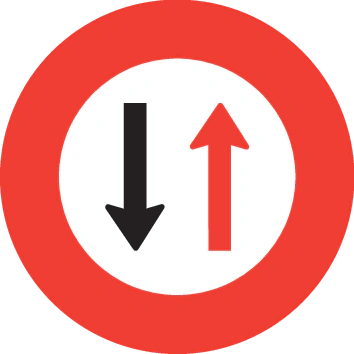
Understand the 'Give Way to Oncoming Traffic' Priority Sign (3.09)
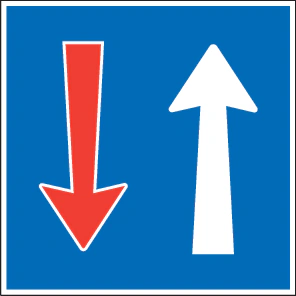
Master the 'Priority over Oncoming Traffic' Sign (3.10) in Switzerland
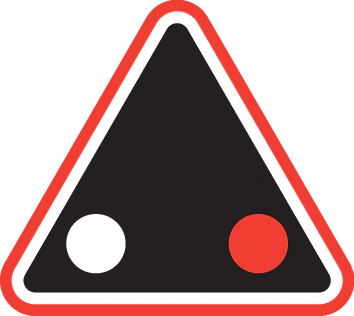
Understand the Level Crossing with Double Flashing Lights (Switzerland variant) priority sign.
Mastering the meaning of specific road signs is essential for navigating Switzerland's complex infrastructure safely. These resources link visual markers to the official traffic rules and priority procedures required for your driving theory test.
Recognise Key Swiss Road Signs at a Glance and Drive Confidently
Understanding the specific Swiss regulations for stationary vehicles is essential for both your driving theory test and everyday road safety. This guide breaks down where you are legally permitted to stop or park, how to interpret various road markings like yellow lines and blue zones, and the procedural requirements for securing your vehicle safely. By familiarizing yourself with these legal requirements, you will be well-prepared to answer complex theory exam questions regarding traffic rules and hazard avoidance.
Unravel the complexities of unmarked intersections and master Swiss right-of-way!
Understanding pedestrian priority is a fundamental pillar of Swiss traffic law and a common topic in the driving theory exam. This guide clarifies exactly when you must reduce speed or come to a complete stop, focusing on the legal distinction between pedestrians simply standing by the road and those showing a clear intent to cross. You will also learn about the specific rules concerning cyclists at these crossings and the financial penalties associated with failing to yield.
This priority sign controls the order of movement where traffic streams may conflict. On Swiss roads, priority signs are safety-critical because they decide whether the driver must stop, yield, continue on a priority road, or give way at a narrow section or crossing. The practical response is to slow early, observe every approach, and proceed only when the signed rule and the actual traffic gap are both safe. Official catalogue code: 3.01.
This priority sign controls the order of movement where traffic streams may conflict. On Swiss roads, priority signs are safety-critical because they decide whether the driver must stop, yield, continue on a priority road, or give way at a narrow section or crossing. The practical response is to slow early, observe every approach, and proceed only when the signed rule and the actual traffic gap are both safe. Official catalogue code: 3.05.
After reviewing the full list of Swiss road signs, delve deeper into specific categories, practice recognition with quizzes, or explore detailed explanations for each sign. Continue your comprehensive preparation for the official theory driving test.
View All Swiss Road Signs