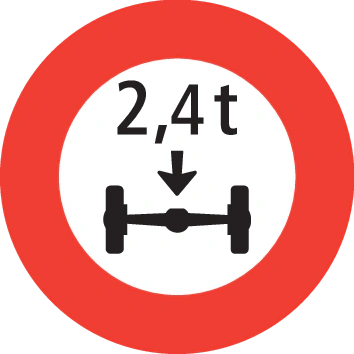
Sign 2.17 is a prohibitory road sign in Switzerland that indicates an upper limit for axle weight. It means that vehicles exceeding this specified weight limit are not permitted to proceed on the road section marked by this sign. Pay close attention to any supplementary panels, as they might detail exceptions or specific conditions. This sign is crucial for protecting road infrastructure and ensuring safety, especially on bridges or weaker road sections.
This prohibitory sign (2.17) sets a critical weight limit for axles closer than 1 meter apart, directly impacting your vehicle's load capacity on Swiss roads. Mastering its meaning is essential for theory test revision and safe driving, ensuring compliance with traffic rules.
This prohibitory sign creates a regulatory restriction in the Swiss sign catalogue. It tells road users that a vehicle type, movement, dimension, load, or access choice is not permitted on the controlled section unless an official exception is shown. A correct driving response starts before the sign: identify whether your vehicle or manoeuvre is covered, check any panel, and choose a compliant route or action. Official catalogue code: 2.17.
The "Axle weight (upper limit, axles closer than 1 meter apart count as one axle)" sign sets a binding access, movement, weight, dimension, or vehicle-category restriction for the signed road section. Check any exception panel before continuing. Catalogue code 2.17.
Get clear, practical answers to the most common questions about the 2.17 - Axle weight (upper limit, axles closer than 1 meter apart count as one axle) road sign. Learn how the sign works, what rules it represents, and how it affects real driving situations. This FAQ strengthens your understanding and supports accurate decision making for the Swiss driving theory exam in Switzerland.
The "Axle Weight (Upper Limit)" sign (2.17) prohibits vehicles from entering the marked section of road if their axle weight exceeds the limit displayed on the sign. Importantly, axles closer than one meter apart are counted as a single axle for this restriction. Always check if your vehicle's configuration falls under this regulation before proceeding.
Yes, there can be exceptions. Look carefully for any supplementary panels placed below the 2.17 sign. These panels might specify which vehicles are exempt or provide alternative weight limits under certain conditions. If no exceptions are noted, the restriction applies fully.
You need to know your vehicle's axle weight, especially for heavier vehicles. If you are driving a truck, a loaded van, or even a car with a heavy trailer, consult your vehicle's documentation or estimate your load. For lighter passenger cars, this sign is usually not relevant unless carrying an exceptionally heavy load, but it's always wise to be aware of your vehicle's weight distribution.
The primary purpose of the "Axle Weight (Upper Limit)" sign (2.17) is to protect road infrastructure. Heavy axle weights can cause significant damage to roads, bridges, and tunnels. By restricting access, authorities prevent premature wear and tear and maintain the structural integrity of these vital components, ensuring safety for all road users.
A common trap is ignoring the sign entirely if the learner is driving a small passenger car, assuming it only applies to heavy goods vehicles. However, understanding that the sign applies to axle weight, and that multiple axles can be counted as one if close together, is key. Learners may also forget to check for supplementary panels that could modify the restriction. It's crucial to read and understand all traffic signs and panels.
A clear reference image of the 2.17 - Axle weight (upper limit, axles closer than 1 meter apart count as one axle) road sign used in Switzerland.
The 2.17 - Axle weight (upper limit, axles closer than 1 meter apart count as one axle) road sign may also be known by these alternative names or terms.
The 2.17 - Axle weight (upper limit, axles closer than 1 meter apart count as one axle) road sign is part of the Swiss Prohibitory Signs category, which groups together signs with similar rules and functions.
Understanding how similar road signs differ is key to accurate recognition and fewer errors during your theory test revision. Compare these related traffic signs to solidify your knowledge and improve sign recognition before your exam.
Sign 2.01 clearly prohibits all vehicle traffic in both directions.
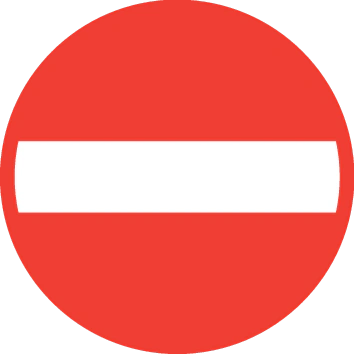
Understand the 'No Entry for Vehicular Traffic' Road Sign (2.02)
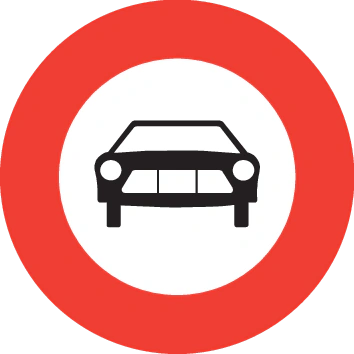
Swiss Road Sign 2.03: Motor Vehicle Prohibition Ahead
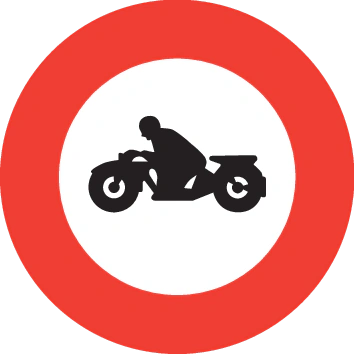
What does the 'Prohibition of Motorcycles' (2.04) sign mean for drivers?
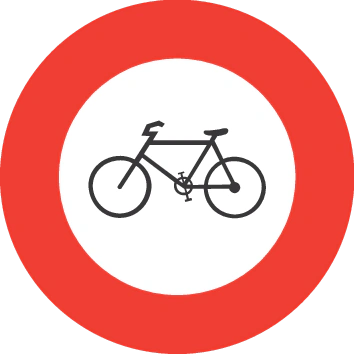
Prohibition of Bicycles and Mopeds Ahead Sign (2.05)
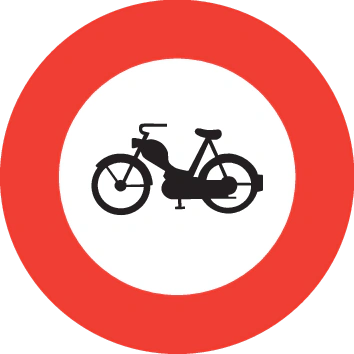
2.06 Prohibition of Mopeds: Mopeds Not Allowed Here
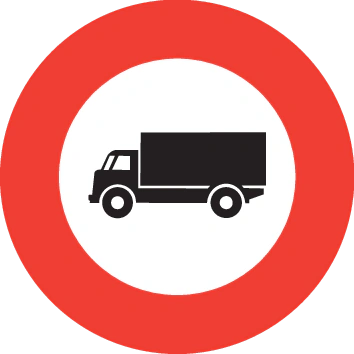
Swiss Road Sign 2.07: No Large Goods Vehicles Over 3.5 Tonnes Allowed Ahead
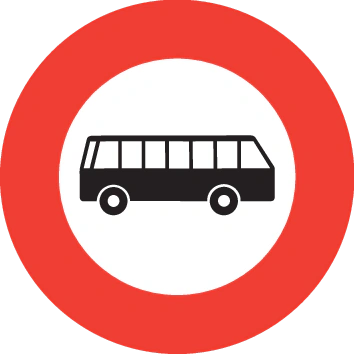
Understand the 'Prohibition of Buses' (2.08) Traffic Sign in Switzerland
Mastering the meaning of specific road signs is essential for navigating Switzerland's complex infrastructure safely. These resources link visual markers to the official traffic rules and priority procedures required for your driving theory test.
Foreign visitors planning to drive rental cars in Switzerland will find essential information here to ensure compliance with local regulations. The article clarifies the minimum age for renters, the requirement for an International Driving Permit (IDP) if your license isn't in Latin script or from an EU/EFTA country, and the critical importance of the motorway vignette, including who is responsible for it. This knowledge is key to a stress-free driving experience and passing any on-road checks.
Planning to drive outside Switzerland? This article details when a Swiss driver needs an International Driving Permit (IDP) and when their standard Swiss license suffices. We clarify its role as a translation, not a standalone license, and highlight the importance of checking country-specific regulations to ensure compliance and prepare effectively for any international driving scenarios covered in theory.
Master the Swiss rules for emergency corridors and ensure timely aid on motorways.
Master essential Swiss motorway rules and avoid fines on your driving journey.
This prohibitory sign creates a regulatory restriction in the Swiss sign catalogue. It tells road users that a vehicle type, movement, dimension, load, or access choice is not permitted on the controlled section unless an official exception is shown. A correct driving response starts before the sign: identify whether your vehicle or manoeuvre is covered, check any panel, and choose a compliant route or action. Official catalogue code: 2.09.1.
This prohibitory sign creates a regulatory restriction in the Swiss sign catalogue. It tells road users that a vehicle type, movement, dimension, load, or access choice is not permitted on the controlled section unless an official exception is shown. A correct driving response starts before the sign: identify whether your vehicle or manoeuvre is covered, check any panel, and choose a compliant route or action. Official catalogue code: 2.15.3.
After reviewing the full list of Swiss road signs, delve deeper into specific categories, practice recognition with quizzes, or explore detailed explanations for each sign. Continue your comprehensive preparation for the official theory driving test.
View All Swiss Road Signs