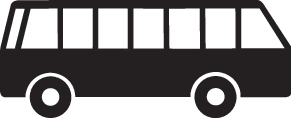
The 'Heavy motor cars' symbol (5.21) in Switzerland identifies a specific road user, vehicle category, service, facility, or condition. Its exact meaning and effect on your driving depend entirely on the sign or panel it is paired with. Always interpret this symbol in conjunction with its placement, any accompanying text or lane markings, and traffic signals to understand its relevance to your journey and the theory exam.
This explanation focuses on Swiss sign symbol 5.21, detailing its specific meaning for heavy motor cars within the context of Swiss road signs. Master this symbol's interpretation for your theory test revision and ensure safe driving knowledge.
This Swiss pictogram identifies a road user, vehicle category, service, facility, route type, or condition. Symbols are compact by design and usually become legally relevant through the sign, panel, lane signal, or marking where they are displayed. In an exam context, name the symbol and then explain how the surrounding sign assembly uses it. Official catalogue code: 5.21.
Heavy motor cars identifies heavy motor cars as the relevant road user, vehicle class, service, facility, or condition. Its legal effect depends on the sign or panel where it appears. Catalogue code 5.21.
Get clear, practical answers to the most common questions about the 5.21 - Heavy motor cars road sign. Learn how the sign works, what rules it represents, and how it affects real driving situations. This FAQ strengthens your understanding and supports accurate decision making for the Swiss driving theory exam in Switzerland.
The 'Heavy motor cars' symbol (5.21) itself is a pictogram that signifies heavy motor vehicles. However, it doesn't impose a direct action on its own. Its meaning is always determined by the larger sign assembly it's part of, such as a prohibition sign, a mandatory direction sign, or an information sign. For example, it might indicate a route restricted to heavy vehicles or a parking area specifically for them.
You should only react if the 'Heavy motor cars' symbol (5.21) is part of a sign that requires you to do something. For instance, if it's on a 'No Entry' sign, you must not proceed if you are driving a heavy motor car. If it's on an information panel, it might be guiding heavy vehicles to a specific facility. Always read the entire sign assembly to understand what is required of you.
Switzerland, like other countries, uses such symbols to regulate traffic. The specific rules for heavy motor cars depend on the context where sign 5.21 appears. This could relate to weight restrictions, speed limits for certain vehicle types, or designated routes. Understanding the complete sign is crucial for adhering to Swiss traffic regulations.
A common trap is assuming the symbol applies to your vehicle without reading the full sign. Learners might see the symbol and think it's a general warning, but it often specifies a restriction or information only for heavy motor cars. Another trap is not understanding that the symbol's meaning is entirely dependent on the sign it accompanies, so focusing solely on the pictogram can lead to misinterpretation during the exam.
Generally, if you are driving a standard passenger car (category B in Switzerland), symbols specifically indicating 'Heavy motor cars' may not apply to you unless the larger sign assembly states otherwise. However, it's essential to always check the context. Sometimes, a symbol might indicate a lane that is *only* for heavy motor cars, meaning you must avoid that lane.
A clear reference image of the 5.21 - Heavy motor cars road sign used in Switzerland.
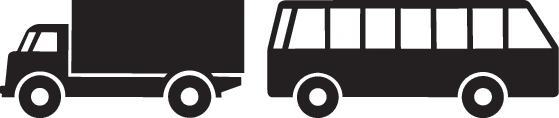
The 5.21 - Heavy motor cars road sign may also be known by these alternative names or terms.
The 5.21 - Heavy motor cars road sign is part of the Swiss Sign Symbols category, which groups together signs with similar rules and functions.
Reviewing related road signs is crucial for accurate theory test revision. Comparing similar traffic signs helps solidify your understanding of subtle differences, improving sign recognition and preventing common mistakes in your exam preparation.
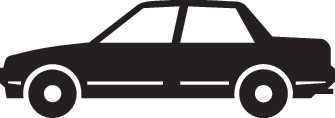
Sign 5.20: Understanding the 'Light Motor Cars' Pictogram in Switzerland

Sign 5.22: Identify Large Goods Vehicles (Lorries over 3.5t) on Swiss Roads

Understand the 'Lorries with trailer' symbol (5.23) in Swiss traffic signs.

What the 'Articulated Lorries' sign (5.24) means for your driving in Switzerland

Understanding the Swiss 'Trailer' Symbol (5.26) on Road Signs
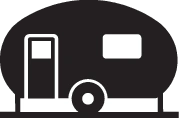
Understand the Caravan/Living Trailer Symbol (5.27) in Switzerland

Mobile Motor Home Symbol (5.28): What It Identifies on Swiss Roads
Mastering the meaning of specific road signs is essential for navigating Switzerland's complex infrastructure safely. These resources link visual markers to the official traffic rules and priority procedures required for your driving theory test.
Foreign visitors planning to drive rental cars in Switzerland will find essential information here to ensure compliance with local regulations. The article clarifies the minimum age for renters, the requirement for an International Driving Permit (IDP) if your license isn't in Latin script or from an EU/EFTA country, and the critical importance of the motorway vignette, including who is responsible for it. This knowledge is key to a stress-free driving experience and passing any on-road checks.
Navigating the Swiss path to a full driving licence involves a structured sequence of mandatory courses, administrative applications, and two critical examinations. This guide clarifies the requirements for the Lernfahrausweis, the theory exam, and the practical test, while also explaining the post-license obligations during your probationary period. By understanding these legal milestones, you will be well-prepared to successfully manage your journey toward becoming a fully licensed driver in Switzerland.
Master Category B Regulations: Drive Safely and Legally in Switzerland
Recognise Key Swiss Road Signs at a Glance and Drive Confidently
This Swiss pictogram identifies a road user, vehicle category, service, facility, route type, or condition. Symbols are compact by design and usually become legally relevant through the sign, panel, lane signal, or marking where they are displayed. In an exam context, name the symbol and then explain how the surrounding sign assembly uses it. Official catalogue code: 5.20.
This Swiss pictogram identifies a road user, vehicle category, service, facility, route type, or condition. Symbols are compact by design and usually become legally relevant through the sign, panel, lane signal, or marking where they are displayed. In an exam context, name the symbol and then explain how the surrounding sign assembly uses it. Official catalogue code: 5.54.
After reviewing the full list of Swiss road signs, delve deeper into specific categories, practice recognition with quizzes, or explore detailed explanations for each sign. Continue your comprehensive preparation for the official theory driving test.
View All Swiss Road Signs