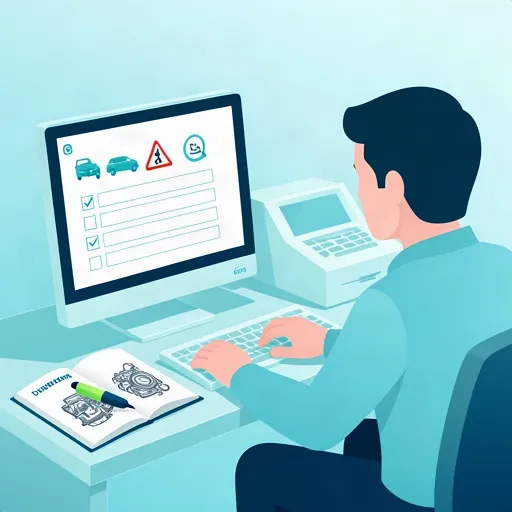
Preparing for the MTSK e-exam requires more than just memorizing rules; it involves understanding how to navigate the specific question formats used in the Turkish driving curriculum. This guide helps you identify typical traps related to traffic signage, vehicle mechanics, and environmental regulations. Mastering these areas will boost your confidence and help you achieve a passing score on your official driving theory assessment.
Article content overview
The Turkish MTSK e-exam (Motorlu Taşıt Sürücü Kursiyerleri e-Sınav) represents a critical milestone for any aspiring driver in Türkiye. Many candidates find that the challenge lies not just in memorizing the Turkish Traffic Law (2918 sayılı Karayolları Trafik Kanunu), but in interpreting how these rules are presented within the computer-based testing environment. By understanding the common pitfalls in traffic rules, vehicle mechanics, and first aid, you can transition from simple memorization to a conceptual mastery of road safety.
The official theory exam assesses your knowledge across three primary pillars: traffic and environment rules, vehicle technique, and first aid. A frequent mistake among students is prioritizing one section while neglecting the technical requirements of others. In the e-exam format, questions are often scenario-based, requiring you to visualize a traffic situation rather than merely reciting a rule from a manual.
Be cautious of questions that include distractors in the form of "always" or "never." Turkish traffic legislation is nuanced; for instance, while a specific rule may apply in standard conditions, exceptions are often made for emergency vehicles or specific road markings. Always read the question stem twice to ensure you understand the specific context provided.
Traffic signs are the visual language of the Turkish road system. A common error involves confusing warning signs with informational signs or misinterpreting the priority established at intersections. When you encounter a question about right-of-way, focus on identifying the signage first, as regulatory signs will always dictate priority regardless of the vehicle's size or type.
When interpreting these situations, remember that official road signage takes precedence over the general rule of giving way to the vehicle on the right.
The vehicle technique section often surprises students who have focused solely on driving practice. Questions regarding engine warning lights, dashboard indicators, or basic maintenance are designed to test your awareness of how a vehicle functions and when it becomes unsafe to operate. Similarly, the first aid section requires a calm, systematic approach. You are not expected to be a doctor, but you must know the correct order of operations—"Protect, Notify, Rescue"—as defined by the Ministry of National Education.
The immediate, temporary intervention applied by a person with basic training, using available materials, to sustain life and prevent the condition of a victim from worsening until professional medical help arrives.
Many students lose points due to "exam-day fatigue," where they rush through questions that require logical deduction. For example, questions about speed limits on different types of roads—such as divided highways (bölünmüş yol) versus standard urban roads—often trip up candidates who fail to check the specific road category mentioned in the question.
Always verify the vehicle class you are being tested on. Regulations for light passenger vehicles (Class B) differ significantly from those for heavy vehicles or motorcycles, and the exam bank reflects these distinctions.
The Turkish MTSK e-exam tests knowledge across traffic rules, vehicle technique, and first aid using scenario-based questions that demand conceptual understanding over pure memorization. Key exam strategies include watching for absolute language distractors, prioritizing regulatory signage over general right-of-way rules, and always verifying vehicle class and road type details. The first aid section follows a systematic PNR (Protect, Notify, Rescue) approach, while vehicle technique covers both operational knowledge and safety indicators. Common pitfalls include exam-day fatigue leading to rushing, neglecting technical sections, and misinterpreting signage types at intersections.
A short set of high-value points that capture the most important ideas from this article.
The MTSK e-exam assesses three pillars: traffic and environment rules, vehicle technique, and first aid—all must be studied equally
Scenario-based questions require visualizing traffic situations rather than simply recalling rules from the manual
Regulatory road signs always determine right-of-way priority regardless of vehicle size or position
The first aid approach follows the PNR sequence: Protect, Notify, Rescue (Ministry of National Education standard)
Vehicle class regulations differ significantly—always verify whether you are being tested on Class B (light vehicles), heavy vehicles, or motorcycles
Questions with absolute language like 'always' or 'never' are common distractors—exceptions often apply for emergency vehicles or specific markings
At T-junctions with a main road sign (B1), the straight-path vehicle has priority over right-side traffic
Engine warning lights and dashboard indicators are tested in the vehicle technique section alongside driving mechanics
Speed limit questions depend on the specific road type—divided highways (bölünmüş yol) versus standard urban roads have different limits
MTSK stands for Motorlu Taşıt Sürücü Kursiyerleri—the official Turkish driver candidate theory assessment
Assuming the right-hand vehicle always has priority without checking for regulatory signs that override the general rule
Neglecting vehicle technique and first aid sections after focusing primarily on traffic rules
Rushing through scenario questions and missing critical details about road type, vehicle class, or specific conditions mentioned in the stem
Confusing warning signs with informational signs when determining priority at intersections
Failing to re-read question stems—contextual details often change which answer is correct
Article content overview
A short set of high-value points that capture the most important ideas from this article.
The MTSK e-exam assesses three pillars: traffic and environment rules, vehicle technique, and first aid—all must be studied equally
Scenario-based questions require visualizing traffic situations rather than simply recalling rules from the manual
Regulatory road signs always determine right-of-way priority regardless of vehicle size or position
The first aid approach follows the PNR sequence: Protect, Notify, Rescue (Ministry of National Education standard)
Vehicle class regulations differ significantly—always verify whether you are being tested on Class B (light vehicles), heavy vehicles, or motorcycles
Questions with absolute language like 'always' or 'never' are common distractors—exceptions often apply for emergency vehicles or specific markings
At T-junctions with a main road sign (B1), the straight-path vehicle has priority over right-side traffic
Engine warning lights and dashboard indicators are tested in the vehicle technique section alongside driving mechanics
Speed limit questions depend on the specific road type—divided highways (bölünmüş yol) versus standard urban roads have different limits
MTSK stands for Motorlu Taşıt Sürücü Kursiyerleri—the official Turkish driver candidate theory assessment
Assuming the right-hand vehicle always has priority without checking for regulatory signs that override the general rule
Neglecting vehicle technique and first aid sections after focusing primarily on traffic rules
Rushing through scenario questions and missing critical details about road type, vehicle class, or specific conditions mentioned in the stem
Confusing warning signs with informational signs when determining priority at intersections
Failing to re-read question stems—contextual details often change which answer is correct
Explore related topics, search based questions, and concepts that learners often look up when studying MTSK Exam Preparation Tips. These themes reflect real search intent and help you understand how this topic connects to wider driving theory knowledge in Turkey.
Find clear and practical answers to common questions learners often have about MTSK Exam Preparation Tips. This section helps explain difficult points, remove confusion, and reinforce the key driving theory concepts that matter for learners in Turkey.
Many candidates overlook specific wording in questions regarding traffic signs and priority rules, often assuming a general rule applies where a specific exception exists.
Focus on understanding the practical function of vehicle components rather than just memorizing names; look for questions that ask about the 'what if' scenarios involving vehicle maintenance.
Yes, questions often test your ability to distinguish between priority rules at unmarked versus marked intersections, where missing a small detail in the road layout can lead to the wrong answer.
Exam questions often contain qualifying phrases like 'in urban areas' or 'under wet weather conditions' that completely change the correct legal response.
After finding the specific Turkish driving theory articles you need, dive deeper into related topics or challenge your knowledge with practice questions. Enhance your understanding of trafik işaretleri, road rules, and vehicle safety to ensure you are fully prepared for the official ehliyet sınavı.