
This lesson details the critical role of the 112 emergency service in Turkey and how motorcyclists must interact with it during accidents. You will learn the correct procedure for reporting incidents and basic first aid responsibilities, which are vital for both your theory exam and real-world safety.
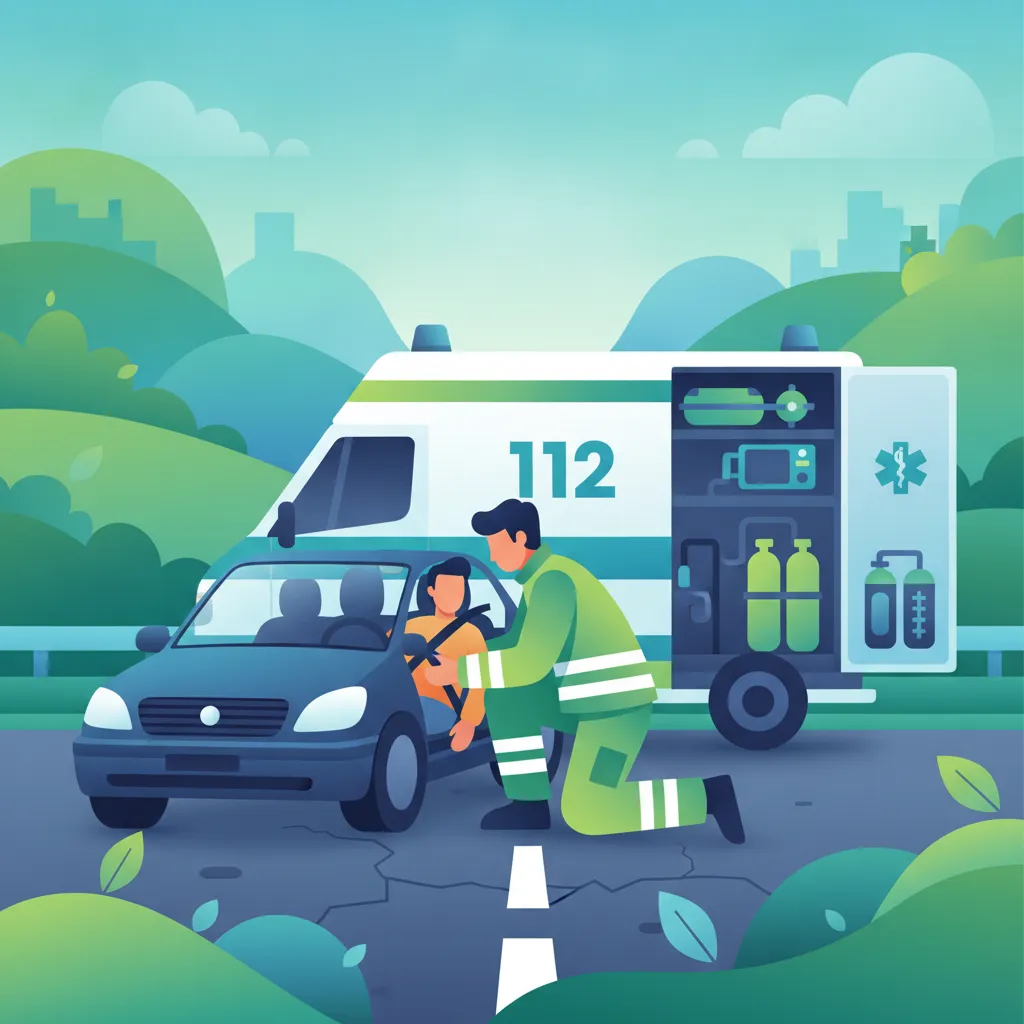
Lesson content overview
In traffic environments, particularly for vulnerable road users like motorcycle riders, a split second can alter lives. When an accident occurs on Turkish roads, knowing how to coordinate with emergency responders is just as critical as knowing how to handle your vehicle.
This lesson explores the critical role of the 112 Emergency Call Center (112 Acil Çağrı Merkezi) within the framework of Turkish traffic laws. You will learn how to report accidents effectively, convey accurate location details, maintain calm communication under extreme pressure, apply life-saving first aid principles tailored to motorcycle scenarios, and understand your legal and civic duties as a licensed rider.
Historically, Turkey operated various emergency numbers for different services—such as 155 for the Police (Polis İmdat), 156 for the Gendarmerie (Jandarma İmdat), 110 for the Fire Department (İtfaiye), and 112 for Medical Emergencies (Ambulans). Today, these services are fully consolidated under a single, unified national number: 112.
Whether you require a medical team, traffic police, or search and rescue, dialing 112 connects you to a central dispatch center. The dispatcher evaluates the situation and routes the necessary emergency response units to your location.
For motorcycle riders holding an A1, A2, or A category licence under the Turkish Highway Traffic Regulation (Karayolları Trafik Yönetmeliği), understanding this system is essential. Motorcyclists lack the protective cabin of passenger cars, making them highly susceptible to severe injuries. Your ability to quickly and accurately engage the 112 system can drastically reduce response times—commonly referred to in trauma medicine as the "Golden Hour"—and save lives.
Under the Turkish Highway Traffic Law (Law No. 2918 - Karayolları Trafik Kanunu), assisting at an accident scene and reporting the event is not merely a moral choice; it is a strict legal mandate.
Legal Mandate: Failing to report an accident involving injury or death, or failing to assist victims when you are physically capable of doing so, carries severe administrative and criminal penalties under Turkish law.
Any driver or rider involved in, or directly witnessing, a traffic accident that results in death, bodily injury, or significant property damage must immediately:
Article 98 of the Turkish Penal Code (Türk Ceza Kanunu) states that failing to assist an injured person, or someone in immediate danger, when it is safe to do so is a criminal offense. If you ride past a traffic accident where people are injured without stopping to help or calling 112, you can face imprisonment or substantial fines.
When an accident occurs, adrenaline levels spike, and panic can set in. Following a structured procedure ensures that emergency services are deployed without delay.
Secure the Scene First: Before touching your phone, ensure your own safety. Park your motorcycle in a secure spot, turn off its engine, and set up warning indicators to alert oncoming traffic.
Assess the Situation Quickly: Look at the vehicles and people involved. Determine how many people are hurt and estimate the severity of their injuries.
Dial 112: Place the call. Keep your voice steady, speak clearly, and wait for the dispatcher to guide the conversation.
Provide Key Information Methodically: State your name, phone number, exact location, the nature of the accident, and the number of casualties.
Follow Dispatcher Instructions: Do not hang up until the dispatcher explicitly tells you to do so. They may provide real-time medical instructions.
A 112 dispatcher can only send the right help if they understand the exact situation. Vagueness leads to delays. When communicating with the dispatcher, focus on the Four Ws:
Where: The precise geographic location.
What: The nature of the accident (e.g., solo motorcycle slide, multi-car pileup).
Who: The number of victims, their approximate ages, and their visible injuries.
Weapons/Hazards: Any immediate secondary dangers, such as leaking fuel, fires, or blocked high-speed lanes.
Depending on where the accident occurs, conveying your location requires different strategies:
In an emergency, panic is contagious and highly counterproductive. Speaking rapidly or screaming prevents the dispatcher from understanding critical details.
While waiting for professional paramedics to arrive, basic first aid can keep a victim alive. As part of your Turkish driver's license curriculum, basic first aid knowledge is mandatory.
One of the most critical aspects of assisting an injured motorcycle rider is knowing how to handle their helmet.
Crucial Rule: NEVER remove an injured rider's helmet unless it is absolutely necessary for survival.
Unprofessional or unnecessary helmet removal can severely damage the cervical spine (neck), potentially causing permanent paralysis or death.
If helmet removal is unavoidable, it must ideally be performed by two people: one to stabilize the head and neck in a neutral alignment, and the other to carefully expand and slide the helmet off the head.
Always check and secure the scene before attempting physical assistance. Once the scene is safe, prioritize care using the standard medical hierarchy:
   [Secure Scene] ➔ [Check Response] ➔ [Check Airway] ➔ [Check Breathing]
                                                               ⬇
                                                     [Stop Severe Bleeding]
Road safety is a collective effort. Operating a motorcycle in Turkey places you within a community of road users who rely on one another's vigilance and integrity.
The bystander effect occurs when individuals fail to help a victim because they assume someone else will take action. In busy urban centers like Istanbul or Ankara, hundreds of people may witness an accident, yet everyone might assume someone else has already called 112.
Always assume you are the only one who can save the victim. Make the call immediately. Even if multiple calls are received, the 112 system can filter duplicates, and your specific details might provide the piece of information that makes a difference.
A common fear among road users in Turkey is that administering first aid or calling the police will expose them to legal liability if the victim's condition worsens. Under Turkish law, good-faith bystanders who act within the scope of basic first aid training to save a life are generally protected, provided they do not act with gross negligence or malicious intent. The legal risk of failing to assist (under TCK Article 98) is far greater than the risk of providing good-faith, basic aid.
Understanding the mistakes others make during emergencies helps you avoid them when it matters most.
Witnesses sometimes spend several minutes arguing about who caused the accident, filming the scene on smartphones, or attempting to move damaged vehicles before calling 112. Call emergency services first; administrative disputes can be settled later.
Phrases like "I am near a big supermarket on the main road" are highly problematic. In a large city, there may be dozens of such locations. Use exact street names, door numbers, or prominent public structures (e.g., "opposite the district governorate building - kaymakamlık").
Adrenaline can mask severe internal injuries. An accident victim might stand up, claim they feel fine, and attempt to walk away, only to collapse minutes later due to internal bleeding or head trauma. Always report the accident to 112 if there was a high-energy impact, regardless of how the victims initially appear.
When an accident occurs, traffic congestion often follows. Motorcyclists sometimes use the emergency shoulder (emniyet şeridi) to bypass traffic. However, this lane must remain completely clear for ambulances, fire engines, and police cars.
Traffic Law Rule: Never ride in, park in, or obstruct the emergency shoulder (emniyet şeridi). Doing so blocks emergency responders and carries heavy traffic fines.
Emergency management changes based on your environment and the conditions around you:
| Condition / Environment | Primary Challenge | Critical Rider Action |
|---|---|---|
| Nighttime | Extremely low visibility; risk of secondary crashes. | Direct your motorcycle's headlight toward the scene safely. Wear a high-visibility reflective vest (reflektörlü yelek). |
| Heavy Rain / Wet Road | Increased stopping distances for oncoming vehicles. | Position warning triangles much further back than the legal minimum (beyond 150 meters on highways) to allow drivers time to brake. |
| Rural / Wilderness Areas | Long response times for emergency vehicles. | Provide precise geographic markers or village names. Be prepared to perform basic first aid for an extended period. |
| Urban / High-Traffic Areas | Severe congestion blocking emergency vehicles; bystander confusion. | Clear the emergency lane immediately. Coordinate bystanders to direct traffic or assist with basic tasks under your supervision. |
As an aspiring licensed motorcycle rider in Turkey, you are an active participant in public safety. Managing an emergency requires preparation, composure, and a clear understanding of the law.
This lesson covers the unified 112 emergency system in Turkey, which consolidates police, ambulance, fire, and rescue services under a single number. Learners must understand the legal obligation to report accidents and assist victims under Articles 81 and 98 of Turkish traffic and penal law, with failure to assist carrying severe penalties. The content teaches structured emergency communication using the Four Ws method, precise location reporting across urban, highway, and rural environments, and critical first aid protocols including the ABCs of care and strict helmet management rules. Practical scenarios illustrate correct responses for mountain pass and urban intersection collisions, while environmental variation guidance prepares riders for nighttime, adverse weather, and high-traffic conditions.
A short set of high-value points that capture the most important learning from this lesson.
Turkey's 112 is a unified emergency number that dispatches medical, police, and fire services—no need to dial separate numbers
Assisting at an accident and calling 112 is a legal mandate under KTK Article 81 and TCK Article 98; failure to do so carries criminal penalties
Use the Four Ws when reporting: Where, What, Who, and Weapons/Hazards (secondary dangers)
Never remove an injured rider's helmet unless they are unconscious, not breathing, and you must clear their airway for CPR
The Golden Hour concept emphasizes that rapid, accurate emergency communication directly affects survival outcomes
Explore all units and lessons included in this driving theory course.
On intercity highways, locate the green kilometre taşı markers to give precise position information to dispatchers
In urban areas, provide city, district, neighbourhood, street name, and nearby landmarks like mosques or metro stations
Maintain the ABCs of first aid: Airway first, then Breathing, then Circulation and bleeding control
Leave the helmet on unless the victim is unconscious with an obstructed airway requiring CPR
The emergency shoulder (emniyet şeridi) must remain completely clear; obstructing it carries heavy fines and delays rescue
Delaying the 112 call to argue about fault, film the scene, or move vehicles before calling for help
Giving vague location descriptions like 'near a supermarket on the main road' instead of exact street names or landmarks
Removing a rider's helmet unnecessarily, which can cause cervical spine injury and paralysis
Misjudging injury severity because adrenaline masks internal injuries; victims may appear fine and collapse later
Using the emergency shoulder to bypass traffic congestion, which blocks ambulances and emergency vehicles from reaching the scene
Lesson content overview
A short set of high-value points that capture the most important learning from this lesson.
Turkey's 112 is a unified emergency number that dispatches medical, police, and fire services—no need to dial separate numbers
Assisting at an accident and calling 112 is a legal mandate under KTK Article 81 and TCK Article 98; failure to do so carries criminal penalties
Use the Four Ws when reporting: Where, What, Who, and Weapons/Hazards (secondary dangers)
Never remove an injured rider's helmet unless they are unconscious, not breathing, and you must clear their airway for CPR
The Golden Hour concept emphasizes that rapid, accurate emergency communication directly affects survival outcomes
Explore all units and lessons included in this driving theory course.
On intercity highways, locate the green kilometre taşı markers to give precise position information to dispatchers
In urban areas, provide city, district, neighbourhood, street name, and nearby landmarks like mosques or metro stations
Maintain the ABCs of first aid: Airway first, then Breathing, then Circulation and bleeding control
Leave the helmet on unless the victim is unconscious with an obstructed airway requiring CPR
The emergency shoulder (emniyet şeridi) must remain completely clear; obstructing it carries heavy fines and delays rescue
Delaying the 112 call to argue about fault, film the scene, or move vehicles before calling for help
Giving vague location descriptions like 'near a supermarket on the main road' instead of exact street names or landmarks
Removing a rider's helmet unnecessarily, which can cause cervical spine injury and paralysis
Misjudging injury severity because adrenaline masks internal injuries; victims may appear fine and collapse later
Using the emergency shoulder to bypass traffic congestion, which blocks ambulances and emergency vehicles from reaching the scene
Explore search topics learners often look for when studying The Role of the 112 Emergency Service. These topics reflect common questions about road rules, driving situations, safety guidance, and lesson level theory preparation for learners in Turkey.
Browse additional driving theory lessons that cover connected traffic rules, road signs, and common driving situations related to this topic. Improve your understanding of how different rules interact across everyday traffic scenarios.
Learn how to anticipate potential hazards and apply defensive riding techniques on Turkish roads to prevent accidents. This guide focuses on proactive awareness, managing blind spots, and adapting your riding style to avoid common traffic risks before they turn into emergencies.

In this lesson, learners will discover the principles of defensive riding, focusing on hazard anticipation, maintaining safe distances, and practicing proactive avoidance techniques. It emphasizes developing a vigilant riding posture, constantly scanning the environment, and preparing to react to potential dangers from other road users, road conditions, or unexpected traffic events.

Defensive riding is the practice of anticipating potential road conflicts and acting early to prevent accidents before they occur. This lesson teaches you how to systematically scan the road ahead for changing conditions, keep an adequate safety cushion around your moped, and pre-plan exit routes in tight spots. You will learn to assume you are invisible to other drivers and adapt your speed and road position proactively to protect yourself against sudden maneuvers.
In this lesson, learners explore the unique challenges and safety considerations related to motorcyclists and scooter riders. Topics include the importance of visibility, the use of protective gear, and the need for drivers to be aware of blind spots. The lesson also covers lane discipline for two-wheeled vehicles and safe overtaking practices.

In this lesson, learners will gain comprehensive knowledge of safe overtaking maneuvers during riding, emphasizing the importance of assessing traffic flow, checking blind spots, and signaling intentions. The content covers overtaking strategies on both straight roads and curves, considering visibility and speed differentials. By mastering these techniques, motorcyclists can execute overtaking safely.
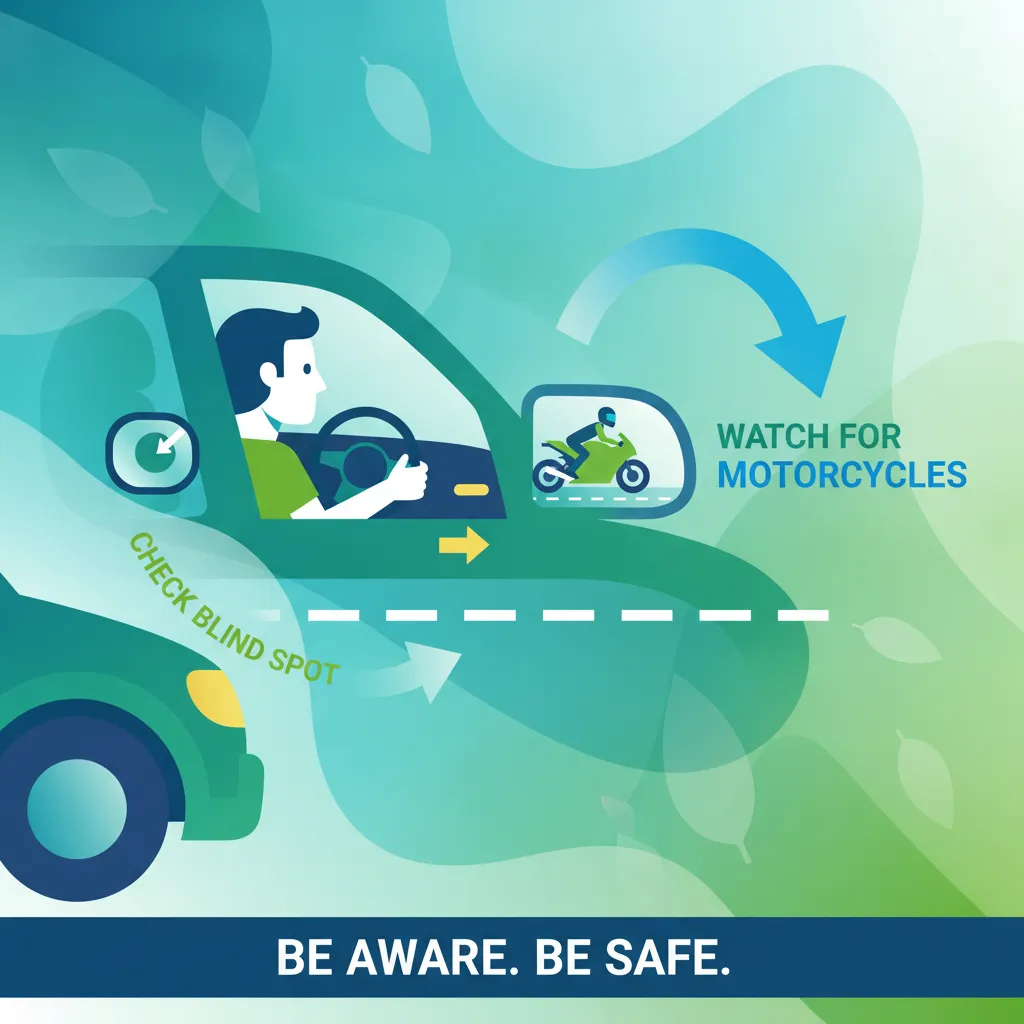
Learners will gain insight into the unique challenges posed by motorcycles and scooters sharing the road with passenger vehicles. The lesson highlights the importance of checking blind spots, maintaining safe following distances, and being aware of the faster acceleration and maneuverability of two-wheeled vehicles. Strategies for anticipating their movements and preventing collisions are discussed.
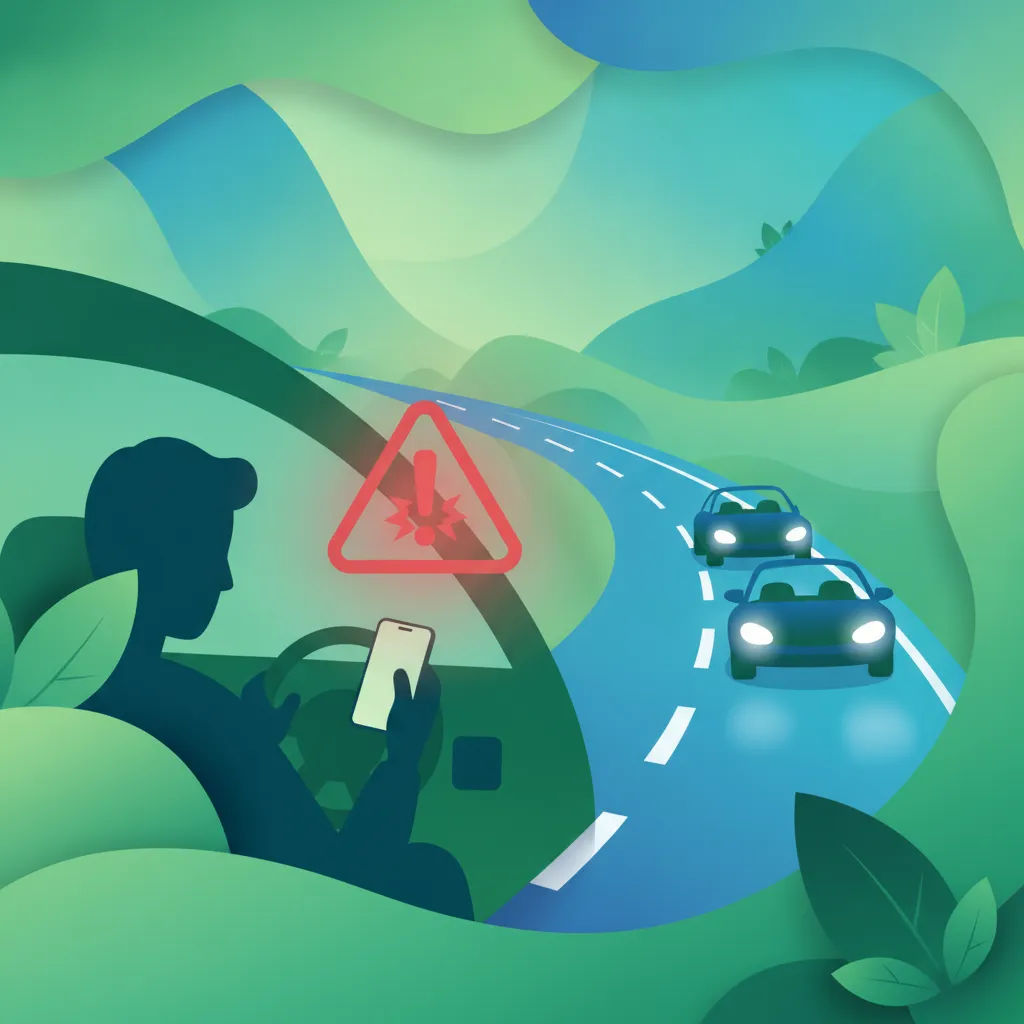
Human error and deliberate risk-taking represent the leading causes of traffic collisions among novice moped riders. This lesson analyzes the high dangers of using mobile phones while riding, weaving unsafely between lanes, and tailgating other motorists. It also covers the severe legal limits on alcohol and drug consumption under Turkish law, explaining how even minor impairments can drastically slower your hazard response times and lead to catastrophic accidents.
In this lesson, learners will explore the various forms of risk behaviour that can lead to accidents, such as aggressive riding, speeding, riding under the influence of alcohol or drugs, driving while fatigued, and being distracted. The lesson emphasizes the importance of self-awareness, recognizing personal limits, and adopting a safety-first mindset to mitigate these risks and make safe decisions.
This lesson highlights the critical nature of blind spots for motorcyclists, teaching strategies to recognize and mitigate these hidden areas. Learners will practice techniques for checking blind spots before lane changes and overtaking, ensuring they are fully aware of surrounding traffic. The lesson emphasizes how proper mirroring and head checks can significantly reduce the risk of collisions.

In this lesson, learners will explore the core obligations of a motorcyclist, emphasizing the necessity of adhering to traffic laws and maintaining respectful conduct toward all road participants. The discussion will focus on the principles of defensive riding, where anticipation of hazards and courteous behavior are paramount. Ethical decision-making will be highlighted as a key factor in preventing accidents and fostering a positive traffic environment.
This lesson emphasizes the importance of rider visibility, illustrating how high-visibility clothing and reflective accessories can significantly reduce the risk of collisions. Learners will discover effective strategies for being noticed by other road users, such as using bright colors, reflective strips, and appropriate lighting, especially during adverse weather or nighttime riding. The content also outlines best practices for maintenance.
Understand your mandatory legal duties under the Turkish Highway Traffic Law when involved in or witnessing a road accident. This lesson details the necessary steps for securing the scene, reporting incidents via 112, and fulfilling your civic obligations to avoid administrative and criminal penalties.
This lesson details the statutory duties imposed on motor vehicle drivers by Turkish traffic legislation to maintain order on public roads. It emphasizes mandatory seat belt usage, mobile phone bans, vehicle inspection rules, and general compliance with police directions. Understanding these duties ensures drivers avoid heavy penalties and maintain road safety.
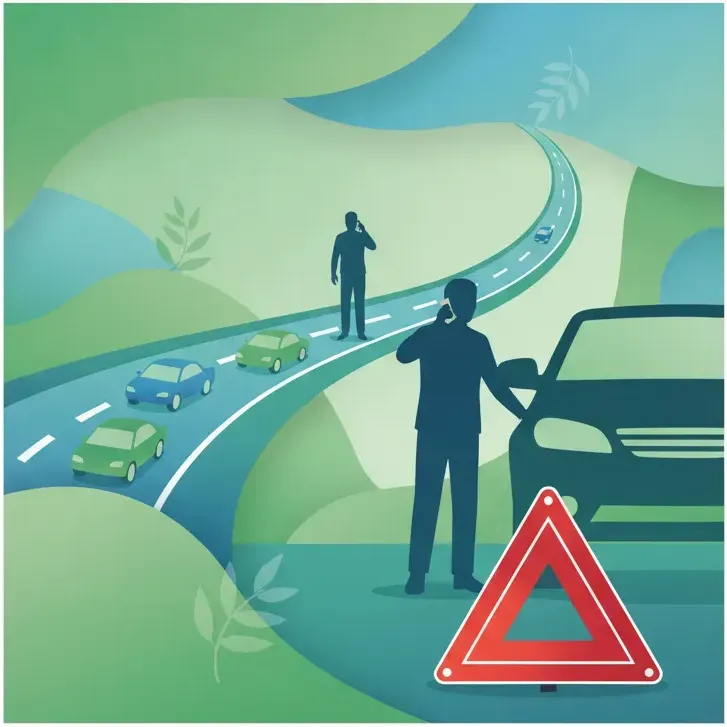
This lesson explains the critical steps to take during a road accident, focusing on scene safety, emergency calling, and basic first aid. It details how to secure the crash scene using reflectors to prevent secondary collisions and how to assess injured victims safely. Drivers will learn essential life-saving techniques required by Turkish law.
This lesson provides guidance on appropriate actions to take in the event of an accident or emergency while operating a goods vehicle. Learners will understand how to secure the scene, call Turkish emergency services (112), provide basic first aid, and complete necessary documentation. Emphasis is placed on ensuring personal safety, preventing further incidents, and facilitating rescue teams.
This lesson examines the integral role of the goods vehicle driver in contributing to overall traffic safety and a positive safety culture. It focuses on proactive driving behaviors, hazard identification, and effective risk management strategies. Communication techniques with other road users, compliance with traffic flow regulations, and competent emergency responses are highlighted as essential skills.
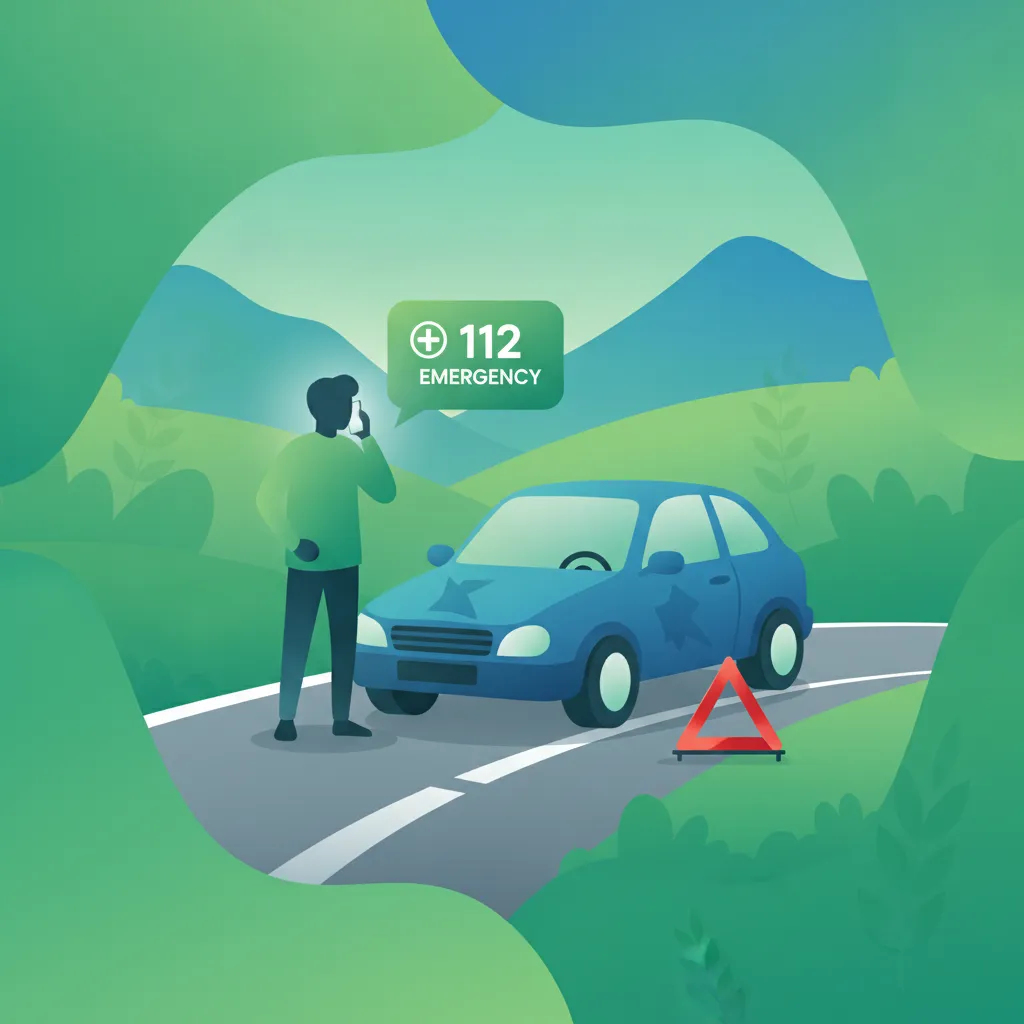
Knowing how to act immediately following a traffic accident or mechanical breakdown is crucial for saving lives and preventing secondary collisions. This lesson provides clear instructions on securing the scene using warning markers, assessing injuries, and immediately dialing the national 112 emergency number. You will learn what critical information to report, how to administer basic life-saving first aid within your capacity, and how to position a disabled moped safely out of active traffic lanes.
This lesson focuses on the importance of maintaining professional conduct when interacting with traffic authorities, law enforcement, and the general public. Learners will explore communication techniques that convey respect and courtesy, even in stressful situations. Emphasis is placed on upholding a positive image of the transportation industry and resolving conflicts amicably on the road.
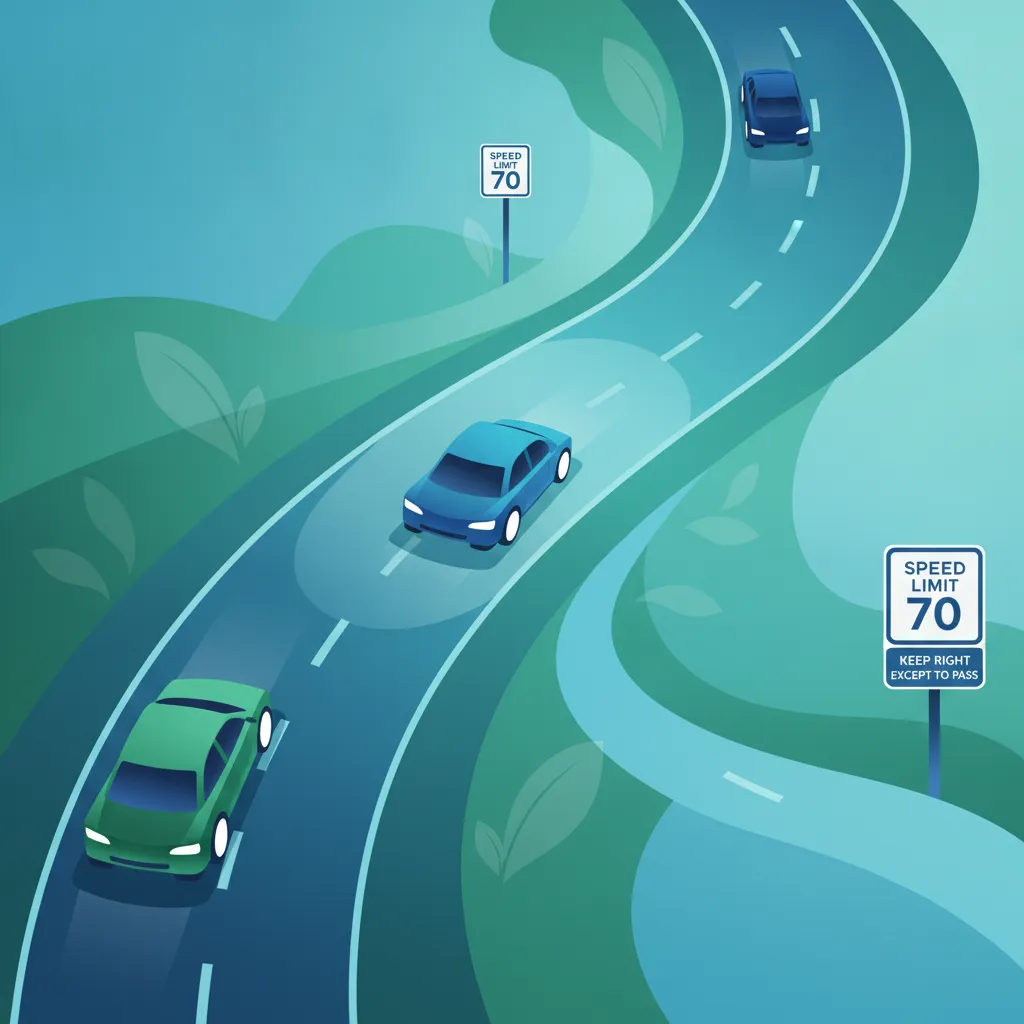
This lesson explains the specific rules, driving etiquette, and safety protocols for operating a vehicle on high-speed Turkish motorways. It covers correct lane usage, overtaking procedures, emergency lane restrictions, and how to maintain consistent high speeds safely. Drivers will learn to avoid dangerous tailgating and sudden lane changes.
This lesson emphasizes the ethical dimension of driving, encouraging a responsible and considerate attitude towards all road users. Learners will explore the principles of defensive driving, risk awareness, and the moral obligations that come with operating a vehicle. The importance of respecting pedestrians, cyclists, and vulnerable road users is highlighted, along with the broader societal benefits of ethical driving.
This lesson delves into the ethical responsibilities and professional standards expected of goods vehicle drivers, emphasizing their pivotal role in ensuring traffic safety. It explores the duty of care owed to other road users and the broader societal expectations placed upon professional drivers. Learners will examine how their conduct directly influences public trust and overall traffic flow in urban environments.
This lesson focuses on protecting vulnerable road users, such as pedestrians, cyclists, and motorcyclists, in mixed traffic environments. Learners will examine specific strategies for increased vigilance, anticipatory driving, and properly yielding to these users. The lesson also covers high-risk zones, such as school areas and public transport stops, emphasizing the need for heightened safety.
Find clear answers to common questions learners have about The Role of the 112 Emergency Service. Learn how the lesson is structured, which driving theory objectives it supports, and how it fits into the overall learning path of units and curriculum progression in Turkey. These explanations help you understand key concepts, lesson flow, and exam focused study goals.
You must clearly state your exact location, the number of vehicles involved, the condition of the injured persons, and your contact details. Remaining calm and following the dispatcher's questions is the most important step.
Generally, no. Unless the victim is in immediate danger of a secondary collision or fire, you should not move them, especially in the case of suspected neck or spinal injuries. Wait for professional medical teams.
Under Turkish law, you have a duty to provide assistance and report the accident to the authorities. Failing to stop and assist can result in serious legal consequences.
Questions typically present a scenario where you must choose the most effective communication method or the correct sequence of actions for securing a scene and alerting emergency services.
Use our comprehensive practice search to find exactly the Turkish driving theory questions you need to master. Whether reviewing specific road signs, traffic rules, or first aid scenarios, select your perfect practice set and boost your confidence for the official ehliyet sınavı.