
This lesson provides the essential framework for obtaining your Category B driving licence in Turkey. We cover the core legal requirements, the training process, and the structure of the MTSK e-sınav to help you start your journey with a clear roadmap.
Lesson content overview
Understanding the exact legal boundaries, technical parameters, and procedural requirements of the Turkish Category B driving license (B Sınıfı Sürücü Belgesi) is the first step toward becoming a fully licensed, responsible driver in Turkey. This lesson covers the core rules defined by the Turkish Highway Traffic Regulation (Karayolları Trafik Yönetmeliği).
The Category B license is the most widely held driving privilege in Turkey. It enables citizens and residents to operate standard passenger vehicles and certain light commercial vehicles. However, operating a vehicle outside the authorized weight, passenger, or towing limits can lead to severe legal penalties, voided insurance policies, and compromised road safety.
This chapter provides a detailed breakdown of the legal definitions, age and health requirements, the structured training and examination process (MTSK e-sınav), renewal validity, and the safety principles that govern the Category B license in Turkey.
In Turkey, the Category B driving license is defined by specific legal criteria based on vehicle weight, design, passenger capacity, and trailer options. Holding a standard Class B license does not grant unlimited permission to drive any vehicle under a certain weight. It is strictly limited by passenger capacity, axle count, and trailer limitations.
A legal driving privilege in Turkey permitting the holder to operate motor vehicles with a Maximum Authorized Mass (MAM) not exceeding 3,500 kg, designed to carry no more than eight passengers (excluding the driver), and allowing the towing of a light trailer with a maximum mass of 750 kg.
With a Category B license, you are legally permitted to operate:
A fundamental concept in transport legislation is the Maximum Authorized Mass (MAM), known in Turkish as Azami Yüklü Ağırlık.
The maximum total weight of a vehicle when fully loaded, as officially specified by the manufacturer. This absolute limit includes the vehicle's curb weight (dry weight plus fluids and fuel) plus the weight of the driver, passengers, and all onboard cargo.
For Category B drivers, the MAM must never exceed 3,500 kg (3.5 metric tonnes).
Vehicles heavier than 3,500 kg exhibit completely different vehicle dynamics. They have significantly larger braking distances due to higher kinetic energy, higher centers of gravity, and larger blind spots. Driving a vehicle that exceeds this weight limit requires specialized training and a higher license category, such as Category C1 or C.
A common mistake among new drivers is confusing a vehicle’s empty weight (curb weight) with its MAM. If you drive a light commercial van with an empty weight of 2,800 kg but load it with 900 kg of construction materials and passengers, the total weight rises to 3,700 kg. This exceeds the 3,500 kg limit, making you legally unlicensed for that trip and significantly increasing your stopping distance.
The Class B license restricts the number of occupants you can legally carry. Under Turkish law, a Category B vehicle may have a maximum of eight passenger seats, excluding the driver's seat. This allows for a maximum of nine people inside the vehicle at any one time.
[Driver] + [Max 8 Passenger Seats] = Maximum 9 Occupants Allowed
Vehicles designed to transport more than eight passengers, such as minibuses (minibüs), require a Category D1 license. This restriction is based on safety protocols, emergency evacuation requirements, and vehicle stability.
If you carry more than eight passengers in a standard van, you violate the terms of your Category B license. In the event of an accident, your third-party liability insurance may refuse to cover damages, and you will face administrative fines for driving an unauthorized vehicle class.
A Category B license allows you to tow a light trailer without needing a specialized towing endorsement. However, this towing privilege is subject to strict limits:
If you need to tow a trailer or caravan that weighs more than 750 kg, you must obtain a higher license endorsement, such as Category B+E (or the B96 sub-category, depending on the combined weight limits).
Towing a trailer significantly alters how a vehicle behaves on the road:
To ensure all drivers possess the physical capability and mental maturity required for safe driving, the Turkish Ministry of National Education (MEB) and the Ministry of Health enforce strict age and medical standards.
The absolute minimum age to obtain a Category B driving license in Turkey is 18 years. While you can enroll in a driving school (Motorlu Taşıt Sürücü Kursu or MTSK) and complete your theoretical training shortly before your 18th birthday, you cannot take the practical driving test or receive your official license until you have legally turned 18. No age waivers are granted for personal, family, or work-related circumstances.
Before registering for the driving exam, every applicant must obtain an official medical report (Sürücü Adayı Sağlık Raporu) from a certified family doctor, state hospital, or private medical center.
Vision Testing: Applicants must meet minimum visual acuity standards, with or without corrective lenses (glasses or contact lenses). If corrective lenses are required, this condition is printed as a code on the physical license, making it a legal requirement to wear them whenever driving.
Hearing and Coordination: The doctor evaluates basic hearing levels and physical coordination to ensure the applicant can respond to emergency audio signals (horns, sirens) and operate manual vehicle controls.
Neurological and Psychiatric Assessment: Checks for chronic conditions, such as epilepsy, severe sleep apnea, or psychological disorders, that could cause sudden cognitive impairment or loss of consciousness.
Obtaining a Turkish Category B driving license requires completing a structured, mandatory curriculum at an authorized Motor Vehicle Driving School (Motorlu Taşıt Sürücü Kursu - MTSK). Self-study or informal training with a family member is not permitted.
Theoretical Classroom Instruction: Candidates must complete mandatory classroom hours covering Traffic and Environment (Trafik ve Çevre), First Aid (İlk Yardım), Vehicle Mechanics (Araç Tekniği), and Traffic Etiquette (Trafik Adabı).
The e-Sınav (Electronic Theory Exam): Candidates take a computer-based electronic exam containing 50 multiple-choice questions. The passing score is 70% (at least 35 correct answers).
Practical Simulator and On-Road Training: After passing the theory exam, candidates undergo practical driving lessons on training grounds and public roads under the supervision of a certified instructor.
The Practical Driving Exam: A 35-minute driving test evaluated by two independent examiners. Candidates must demonstrate safe vehicle control, parallel parking, L-parking, hill starts, emergency braking, and strict compliance with traffic signs.
Failing to perform a mandatory safety check (such as adjusting your mirrors or fastening your seatbelt) before starting the engine in your practical exam can result in an immediate automatic fail. Treat every mock practice session exactly like the real test.
Once you pass both the theoretical and practical exams, your driving school will issue a Certificate of Success (Sürücü Sertifikası). To convert this certificate into an official, physical driving license, you must schedule an appointment with the Civil Registry Directorate (Nüfus ve Vatandaşlık İşleri Genel Müdürlüğü) and submit the required documentation.
Official Identification: A national ID card, passport, or valid residence permit for foreign nationals.
Education Certificate: A diploma or student certificate proving you meet the minimum education requirements.
Medical Fitness Report: A valid health report signed by a licensed physician within the last year.
Biometric Photographs: Two recently taken biometric passport photos (taken within the last 6 months).
Criminal Record Check: An official document confirming no legal barriers to holding a license, easily obtained via the e-Devlet portal.
Payment Receipts: Bank receipts proving payment of the official license fee, valuable paper fee, and police foundation donation fee.
A Turkish Category B driving license is not valid for life. To ensure drivers remain medically fit and keep their credentials up to date, licenses must be periodically renewed.
The standard validity period for a Category B license is 10 years. Upon expiry, drivers must undergo a new medical examination to verify their physical fitness before a new license card can be issued. For older drivers or individuals with progressive medical conditions, this validity period may be reduced.
Turkey uses a structured penalty point system to monitor driver behavior and penalize repeating traffic offenders. Under the Karayolları Trafik Kanunu (Highway Traffic Law):
Holding a driving license is a social contract. Beyond memorizing rules to pass an exam, a Category B driver must exhibit ethical behavior and defensive driving habits to protect vulnerable road users.
       Defensive Driving Mindset
  ┌─────────────────┼─────────────────┐
  ▼                 ▼                 ▼
Perception       Anticipation     Responsibility
(Spotting        (Predicting      (Protecting the
hazards early)   errors of others) vulnerable)
Operating a vehicle in a gray area can lead to unexpected legal issues. Below is a detailed look at common violations and misconceptions associated with the Category B license:
Many drivers believe any vehicle under 3,500 kg is allowed on a Class B license. They might try to rent a 12-passenger minibus for a family holiday, thinking that since the vehicle's empty weight is only 2,900 kg, it is legal to drive. This is incorrect. Because the vehicle has more than eight passenger seats, it falls into Category D1. Driving it with a standard Category B license is classified as driving without the correct license class, resulting in heavy fines.
When transporting construction materials, soil, or heavy furniture in a light pickup or van, drivers often fail to check the vehicle's MAM.
Overloading past the 3,500 kg limit shifts the vehicle's center of gravity upward, increases stopping distances on wet or slippery roads, and places excessive strain on the suspension and braking systems.
Attempting to tow a heavy caravan (e.g., 1,500 kg) behind an SUV using only a standard Category B license is a serious violation. This setup requires a Category B+E license. If stopped by traffic police, you will face an administrative fine, and you will not be allowed to continue towing the caravan.
Driving past the 10-year validity mark of your physical license is treated as driving without a valid license. This leads to immediate fines and the potential seizure of your vehicle.
The Turkish Category B driving license permits operating vehicles with a Maximum Authorized Mass not exceeding 3,500 kg, designed for no more than eight passengers, and allows towing trailers up to 750 kg. Candidates must reach 18 years of age, pass a medical evaluation covering vision, hearing, coordination and neurological health, complete mandatory MTSK theory training covering Traffic, First Aid, Vehicle Mechanics and Traffic Etiquette, and achieve at least 70% on the 50-question electronic theory exam before proceeding to practical training and testing. Common pitfalls include confusing empty weight with loaded weight, misjudging passenger capacity limits, and underestimating the physical dynamics of towing in adverse weather conditions.
A short set of high-value points that capture the most important learning from this lesson.
Category B license permits vehicles up to 3,500 kg MAM, with up to 8 passenger seats (9 total occupants including driver), and trailers up to 750 kg.
The MTSK training process requires completing classroom theory, passing the 50-question e-sınav with 70% minimum, then completing practical driving training and a 35-minute driving test.
You must be at least 18 years old to take the practical exam and receive your license; no waivers are permitted for any circumstance.
Overloading a vehicle past its Maximum Authorized Mass, even if the empty weight is under 3,500 kg, voids your Category B authorization.
Accumulating 13 or more penalty points on your driving record can result in temporary suspension of your Turkish driving privileges.
Explore all units and lessons included in this driving theory course.
MAM (Maximum Authorized Mass) is the total loaded weight including vehicle, passengers, cargo, fuel, and fluids—not the curb weight.
A vehicle with more than 8 passenger seats always requires a Category D1 license, regardless of its weight.
If corrective lenses are required during your medical test, this restriction is printed on your license as a legal requirement.
Towing a trailer over 750 kg requires a Category B+E endorsement; the combined weight must still stay within the towing vehicle's MAM limit.
Your license must be renewed every 10 years with a new medical fitness examination.
Assuming any vehicle under 3,500 kg is legal—passenger seat count (max 8) and axle configuration also matter.
Confusing curb weight with MAM and overloading a van or pickup without checking total loaded weight.
Attempting to drive a minibus (12+ seats) on a standard Class B license because the vehicle's empty weight seems low.
Failing to account for weather conditions when towing—rain or wet roads dramatically increase braking distance with a trailer.
Neglecting to renew an expired license; driving with an expired Turkish license is treated as driving without a valid license.
Lesson content overview
A short set of high-value points that capture the most important learning from this lesson.
Category B license permits vehicles up to 3,500 kg MAM, with up to 8 passenger seats (9 total occupants including driver), and trailers up to 750 kg.
The MTSK training process requires completing classroom theory, passing the 50-question e-sınav with 70% minimum, then completing practical driving training and a 35-minute driving test.
You must be at least 18 years old to take the practical exam and receive your license; no waivers are permitted for any circumstance.
Overloading a vehicle past its Maximum Authorized Mass, even if the empty weight is under 3,500 kg, voids your Category B authorization.
Accumulating 13 or more penalty points on your driving record can result in temporary suspension of your Turkish driving privileges.
Explore all units and lessons included in this driving theory course.
MAM (Maximum Authorized Mass) is the total loaded weight including vehicle, passengers, cargo, fuel, and fluids—not the curb weight.
A vehicle with more than 8 passenger seats always requires a Category D1 license, regardless of its weight.
If corrective lenses are required during your medical test, this restriction is printed on your license as a legal requirement.
Towing a trailer over 750 kg requires a Category B+E endorsement; the combined weight must still stay within the towing vehicle's MAM limit.
Your license must be renewed every 10 years with a new medical fitness examination.
Assuming any vehicle under 3,500 kg is legal—passenger seat count (max 8) and axle configuration also matter.
Confusing curb weight with MAM and overloading a van or pickup without checking total loaded weight.
Attempting to drive a minibus (12+ seats) on a standard Class B license because the vehicle's empty weight seems low.
Failing to account for weather conditions when towing—rain or wet roads dramatically increase braking distance with a trailer.
Neglecting to renew an expired license; driving with an expired Turkish license is treated as driving without a valid license.
Explore search topics learners often look for when studying Introduction to Category B Licence. These topics reflect common questions about road rules, driving situations, safety guidance, and lesson level theory preparation for learners in Turkey.
Browse additional driving theory lessons that cover connected traffic rules, road signs, and common driving situations related to this topic. Improve your understanding of how different rules interact across everyday traffic scenarios.
Learn the core legal responsibilities of a licensed driver in Turkey, including how the penalty point system operates and the consequences of traffic violations. This overview clarifies your ongoing duties to maintain a valid license and stay compliant with current Turkish highway traffic legislation and safety regulations.
This lesson explains the mechanics of the Turkish traffic demerit points system and the corresponding fine structures for legal violations. It details how specific offenses accumulate points and the exact thresholds that trigger licence suspension or permanent revocation. Drivers will learn the administrative processes involved in appealing penalties.
In this lesson, learners will be introduced to the legal framework governing traffic penalties in Turkey, including the various fines, licence suspensions, and criminal charges that may result from traffic violations. It will cover the points system, the severity of penalties for specific offences such as speeding and reckless driving, and the legal processes involved in enforcement.
This lesson provides an overview of the penalties and legal consequences associated with traffic violations and non-compliance in goods vehicle operation. Learners will learn about the fines, demerit points, and potential license suspensions that can result from various infractions. The lesson emphasizes the importance of adhering to regulations and the impact of repeated offenses on drivers.
Violating Turkish traffic regulations results in serious legal and financial consequences designed to hold drivers accountable and ensure public safety. This lesson outlines the specific penalty points assigned to common infractions, the fine structure for speeding and illegal parking, and the conditions under which your moped or driving licence can be seized. Understanding these administrative penalties reinforces the importance of maintaining strict, daily compliance with national traffic laws.
This lesson outlines the spectrum of penalties and legal consequences that goods vehicle drivers may face for violating traffic regulations. It details the types of infractions, ranging from minor violations to serious offenses, and explains the corresponding fines, points, and license suspensions. Learners will gain an understanding of the enforcement mechanisms and how repeat offenses can exacerbate penalties.
This lesson covers the severe administrative, financial, and criminal penalties associated with serious traffic violations in Turkey. It outlines the legal processes for driving licence suspension, vehicle impoundment, and mandatory driver retraining programs. Motorists will understand the long-term impact of a criminal driving record.
This lesson details the statutory duties imposed on motor vehicle drivers by Turkish traffic legislation to maintain order on public roads. It emphasizes mandatory seat belt usage, mobile phone bans, vehicle inspection rules, and general compliance with police directions. Understanding these duties ensures drivers avoid heavy penalties and maintain road safety.
This lesson outlines the spectrum of legal repercussions that motorcyclists may face when violating traffic regulations, ranging from monetary fines to licence suspension or revocation. Learners will gain insight into the administrative processes involved, the role of law enforcement and judicial bodies, and how repeated offenses can lead to escalating penalties. Understanding these consequences reinforces the importance of strict adherence to traffic laws.
This lesson outlines the legal framework governing passenger vehicle operation, highlighting the penalties for various offences, such as speeding, failure to adhere to stop procedures, or neglecting passenger safety protocols. Learners will understand the importance of compliance to avoid fines, licence suspension, or other legal actions, and the role of regulatory bodies in enforcement.
In this lesson, participants will learn about the specific offences and penalties that apply to passenger vehicle drivers, focusing on violations that directly jeopardize passenger safety and public security. The content outlines the legal repercussions of non-compliance, including fines, licence suspensions, and other enforcement actions. Understanding these penalties reinforces the critical nature of adhering to traffic laws and safety protocols in professional passenger transport.
Understand the essential concepts of defensive driving and social responsibility on the road. This lesson explains how to anticipate hazards, interact safely with vulnerable road users, and promote a culture of road safety by following established traffic etiquette and professional driving conventions throughout Turkish urban and rural environments.

This lesson promotes a responsible, safe, and sustainable driving culture, emphasizing personal accountability and environmental protection. It covers eco-driving techniques that reduce emissions and fuel consumption while enhancing overall traffic flow. Motorists will learn to view driving as a privilege that demands constant civic responsibility.
This lesson explains the specific rules, driving etiquette, and safety protocols for operating a vehicle on high-speed Turkish motorways. It covers correct lane usage, overtaking procedures, emergency lane restrictions, and how to maintain consistent high speeds safely. Drivers will learn to avoid dangerous tailgating and sudden lane changes.
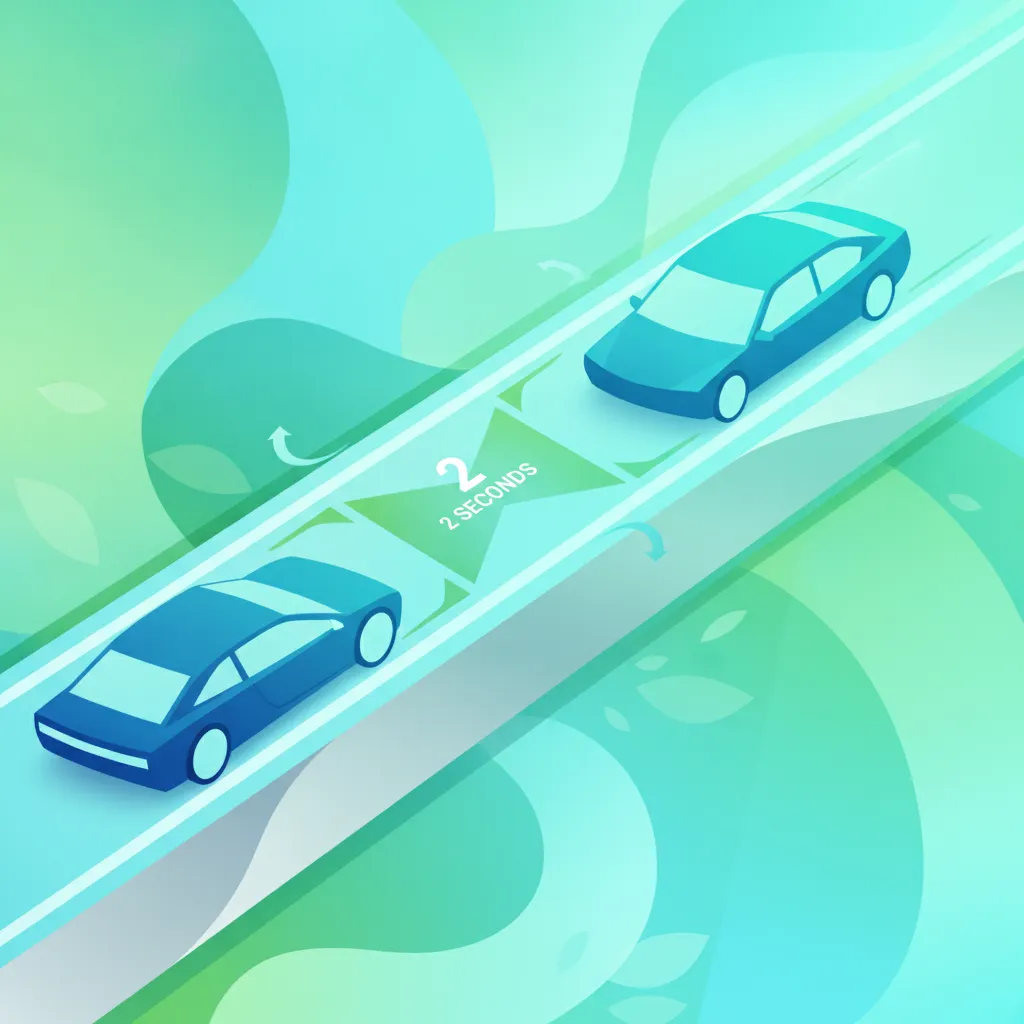
This lesson focuses on the principles governing safe following distances between vehicles. Topics include understanding time and distance gaps, reaction times, and braking distances. Learners will explore guidelines for maintaining proper following distances based on speed and road conditions. Real-world examples demonstrate the importance of safe following practices in preventing rear-end collisions.
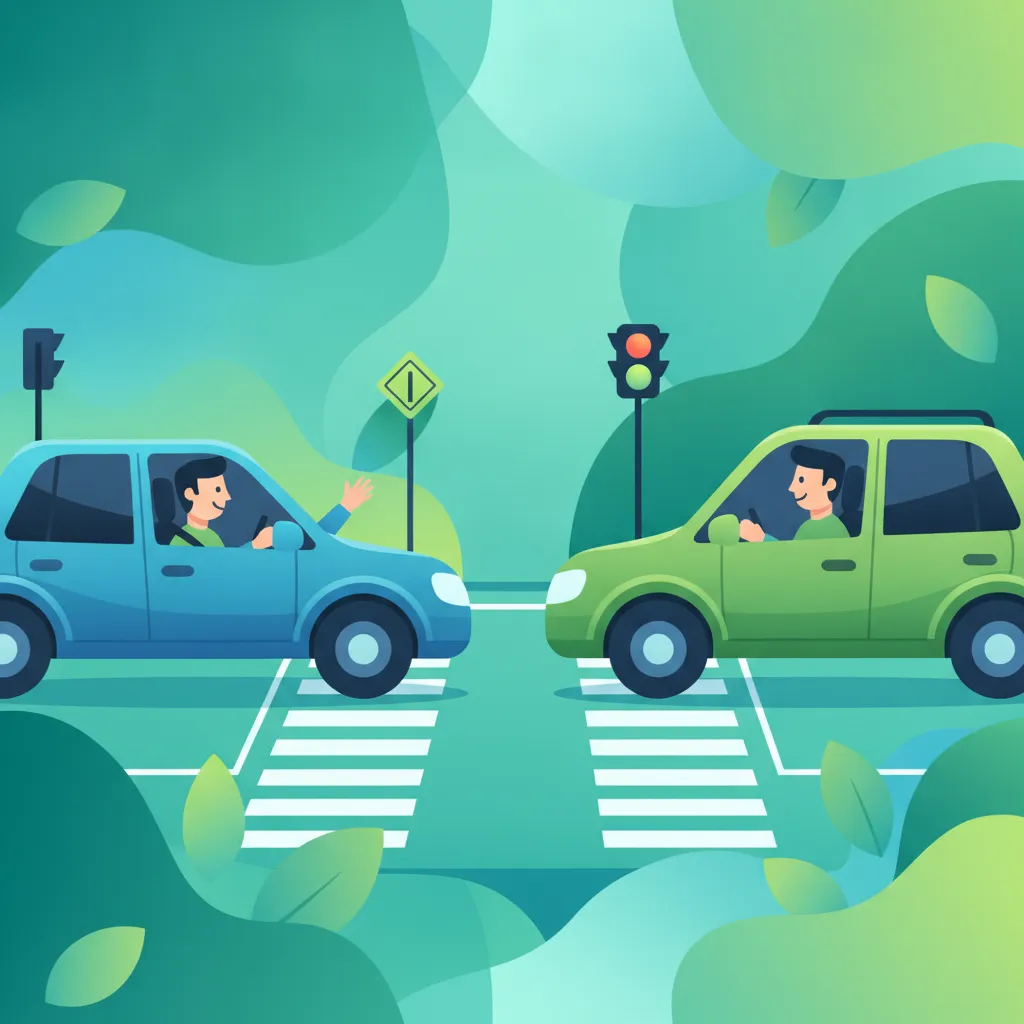
Riding an exposed lightweight vehicle in busy Turkish cities requires exceptional personal conduct, patience, and absolute control over your emotional reactions. This lesson discusses the psychological aspects of riding, teaching you how to avoid aggressive behaviors and stay calm under stressful traffic situations. It covers proper non-verbal communication, polite road sharing practices, and maintaining safe buffers from other motorists to establish a safe, predictable presence on any public street.

This lesson emphasizes the ethical dimension of driving, encouraging a responsible and considerate attitude towards all road users. Learners will explore the principles of defensive driving, risk awareness, and the moral obligations that come with operating a vehicle. The importance of respecting pedestrians, cyclists, and vulnerable road users is highlighted, along with the broader societal benefits of ethical driving.
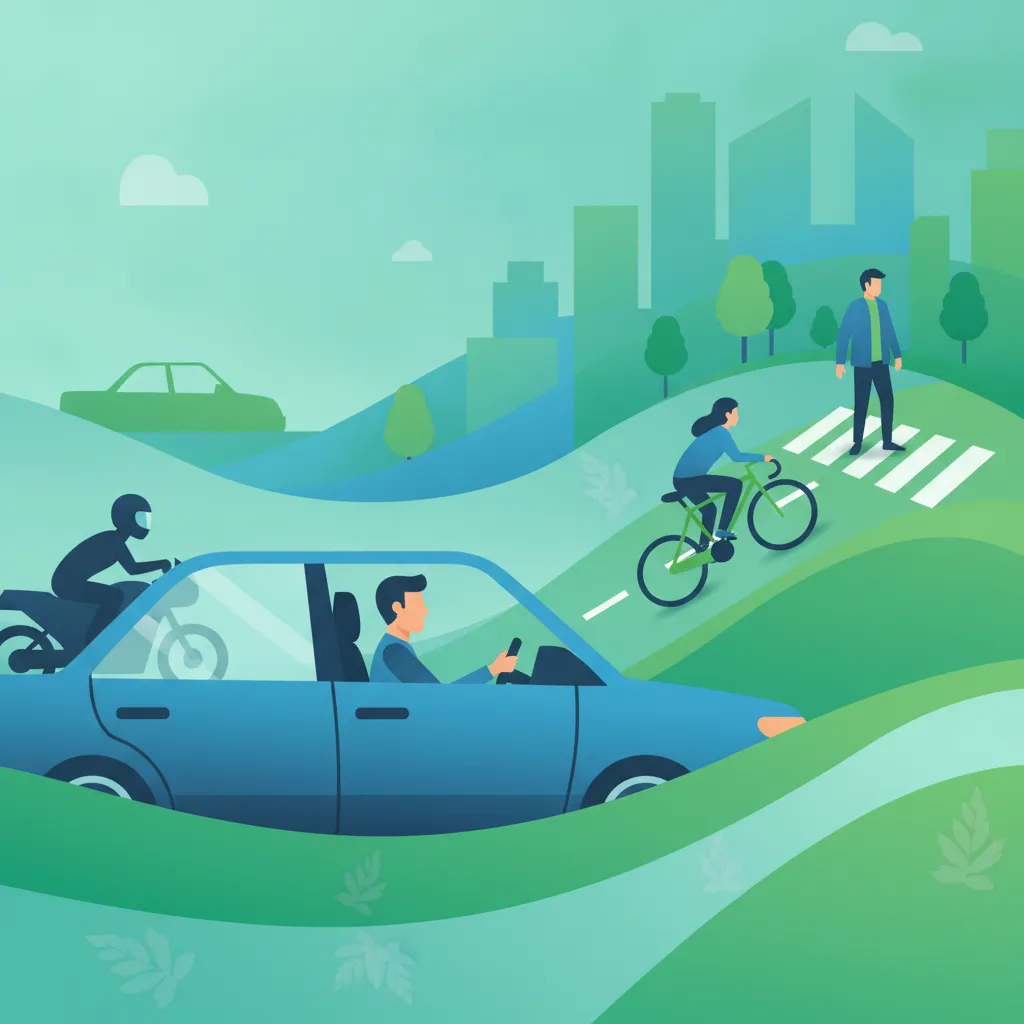
Learners will examine the complexities of operating in environments where various road users, including pedestrians, cyclists, and motorcyclists, coexist. The lesson emphasizes the need for heightened situational awareness, defensive driving techniques, and proactive hazard anticipation. Strategies for navigating mixed traffic safely, especially in congested urban areas, are highlighted.

This lesson focuses on protecting vulnerable road users, such as pedestrians, cyclists, and motorcyclists, in mixed traffic environments. Learners will examine specific strategies for increased vigilance, anticipatory driving, and properly yielding to these users. The lesson also covers high-risk zones, such as school areas and public transport stops, emphasizing the need for heightened safety.
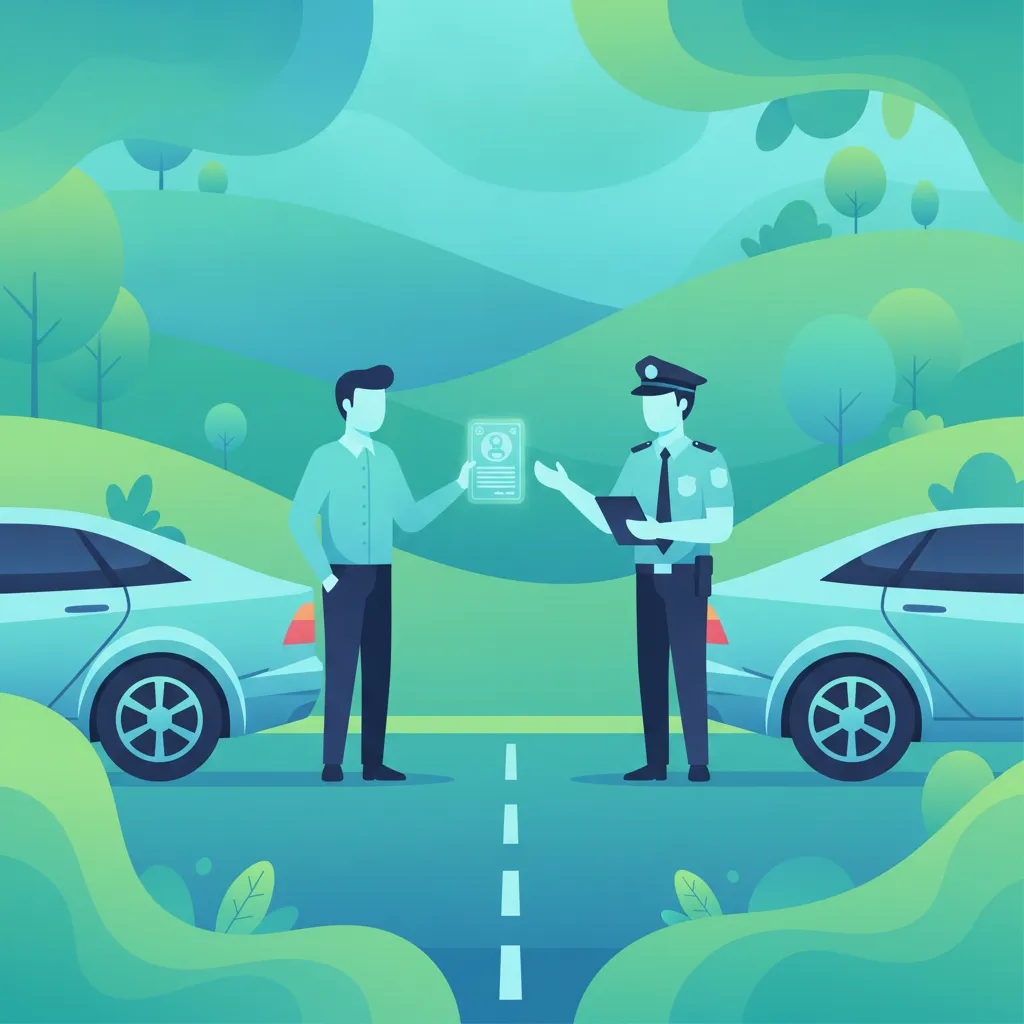
This lesson focuses on the importance of maintaining professional conduct when interacting with traffic authorities, law enforcement, and the general public. Learners will explore communication techniques that convey respect and courtesy, even in stressful situations. Emphasis is placed on upholding a positive image of the transportation industry and resolving conflicts amicably on the road.

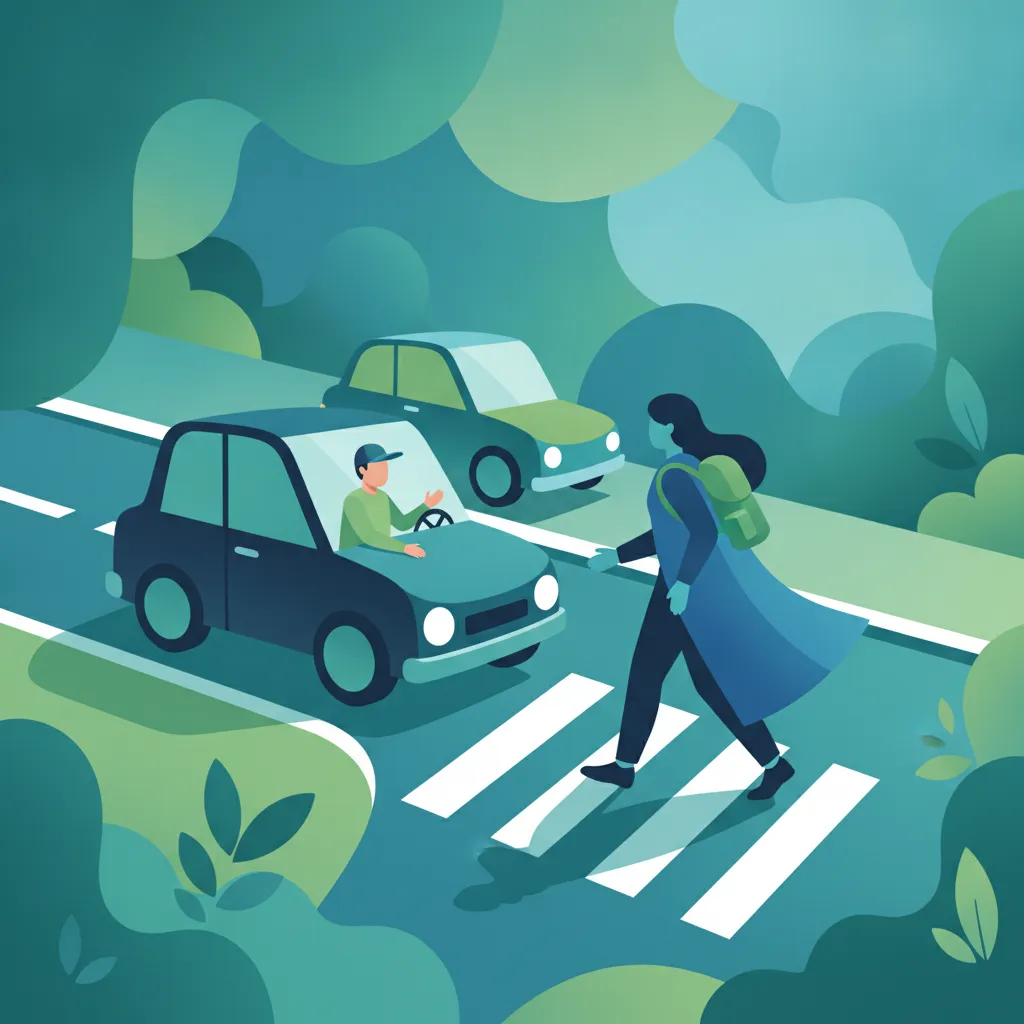
Protecting vulnerable road users is a core legal and ethical responsibility for all motorized vehicle operators in Turkey. This lesson covers the absolute requirement to yield to pedestrians at marked crosswalks, zebra crossings, and designated school zones. You will learn how to identify these zones early, reduce your speed proactively, and maintain heightened situational awareness for children or distracted pedestrians who may step onto the road unexpectedly.
This lesson provides an overview of the general priority principles that dictate right-of-way on Turkish roads. Topics include the hierarchy of road users, such as pedestrians, cyclists, and emergency vehicles, and how these hierarchies apply at various intersections. Learners will understand the fundamental concepts of yielding, stopping, and proceeding, as well as the importance of clear decision-making.
Find clear answers to common questions learners have about Introduction to Category B Licence. Learn how the lesson is structured, which driving theory objectives it supports, and how it fits into the overall learning path of units and curriculum progression in Turkey. These explanations help you understand key concepts, lesson flow, and exam focused study goals.
In Turkey, you must be at least 18 years old to obtain a Category B driving licence. You can begin your application and training process shortly before you turn 18, depending on current local regulations.
No, the Category B licence is specifically for passenger cars and light commercial vehicles that do not exceed a certain weight limit. It does not permit you to operate motorcycles, trucks, or heavy goods vehicles.
The MTSK e-sınav is the electronic theory exam required for all driver candidates in Turkey. It covers traffic rules, first aid, vehicle technique, and driving etiquette, and must be passed before you can proceed to the practical driving test.
Generally, Category B refers to standard passenger vehicle licences. There are different classifications for manual and automatic transmissions, which may affect the specific vehicles you are legally allowed to drive upon passing your test.
Use our comprehensive practice search to find exactly the Turkish driving theory questions you need to master. Whether reviewing specific road signs, traffic rules, or first aid scenarios, select your perfect practice set and boost your confidence for the official ehliyet sınavı.