
This lesson explores the vital role of individual responsibility and ethical behavior in maintaining a safe driving environment in Turkey. By cultivating a culture of respect, drivers contribute to smoother traffic flow and improved safety for everyone on the road. This topic is essential for your Category B exam as it addresses the behavioral expectations set by traffic authorities.
Lesson content overview
Operating a motor vehicle is far more than a practical skill or a mechanical task; it is a profound social responsibility. In the context of obtaining your Category B license in Turkey, mastering the vehicle's controls is only half of the requirement. The official Motorlu Taşıt Sürücü Sınavı (MTSK e-sınav) places great emphasis on Trafik Adabı (Traffic Etiquette and Manners), which represents the ethical and civic dimensions of driving.
A responsible driving culture integrates personal accountability, safety practices, environmental awareness, and civic duty into everyday motoring. By understanding that a driver's license is a societal privilege rather than an absolute right, you contribute to a cooperative traffic ecosystem that protects human lives, preserves the environment, and ensures the efficient flow of transportation.
In Turkish traffic regulations and the national driving curriculum, driving is legally defined as a privilege granted by the state on behalf of society. It is conditional upon your physical fitness, theoretical knowledge, practical skill, and most importantly, your continuous compliance with the law and ethical norms.
The voluntary adoption of moral, ethical, and respectful behaviors by road users, prioritizing safety, patience, and mutual respect over personal haste or convenience.
When you sit behind the wheel of a Category B passenger car, your behavior should be guided by five fundamental values:
Personal accountability means owning the outcomes of your actions on the road. It is common for drivers to blame traffic congestion, poor road design, or other motorists for near-misses or accidents. However, defensive driving principles dictate that you must adapt your behavior to mitigate these external hazards.
Civic duty in traffic means actively participating in the maintenance of orderly traffic. It requires you to look beyond your immediate journey and consider the collective efficiency of the road network.
Modern Category B driver training emphasizes Eco-Driving (Ekonomik ve Ekolojik Sürüş). This set of driving practices is designed to maximize fuel efficiency, reduce greenhouse gas emissions, and minimize wear and tear on your vehicle. Eco-driving is not about driving slowly; it is about driving smarter and maintaining a harmonious momentum.
A sustainable driving style that optimizes fuel consumption, reduces carbon emissions, and enhances safety through anticipation, smooth controls, and proper vehicle maintenance.
Anticipate Traffic Flow: Look 10 to 15 seconds ahead. By reading the road early, you can ease off the accelerator instead of braking heavily when approaching a red light or slow traffic. This preserves kinetic energy.
Accelerate and Decelerate Smoothly: Avoid rapid starts. Gently press the accelerator and transition smoothly through the gears. Sudden acceleration increases fuel consumption dramatically.
Optimize Gear Shifts: Driving in too low of a gear keeps engine RPM high, wasting fuel. Shift up early—generally around 2,000 RPM for diesel engines and 2,500 RPM for petrol engines. Utilize the vehicle's gear-shift indicator if equipped.
Maintain a Steady Speed: Avoid constant speed fluctuations. Use cruise control on flat motorways when traffic conditions permit, as this stabilizes fuel delivery to the engine.
Utilize Engine Braking: When descending hills or slowing down, release the accelerator while remaining in gear. Modern fuel-injected engines cut off fuel delivery entirely during engine braking (kompresörle yavaşlama), resulting in zero fuel consumption.
Manage Your Vehicle Load and Aerodynamics: Remove unnecessary weight from the boot. Take off roof racks or cargo boxes when not in use, as they increase aerodynamic drag and fuel usage, especially at highway speeds.
Avoid Excessive Idling: If you are stopped for more than 10 to 20 seconds (e.g., at a railway crossing or while waiting for a passenger), turn off your engine. Modern engines use less fuel to restart than they do while idling for extended periods. Vehicles equipped with automatic Start-Stop systems manage this process dynamically.
Adopting eco-driving techniques yields significant benefits:
A robust safety culture is built upon a collective commitment to accident prevention. This goes beyond simply obeying the letter of the law; it involves active risk management and defensive driving practices.
Safe drivers do not just look at the vehicle directly in front of them; they continuously scan the environment. This systematic scanning allows you to detect potential hazards—such as a child playing near the pavement, an oncoming vehicle drifting close to the centerline, or wet leaves on a bend—before they require emergency maneuvers.
The Dangers of Distracted Driving: Using a handheld mobile phone, programming a navigation system, or eating while driving diverts your visual, manual, and cognitive attention away from the road. At 90 km/h, your vehicle travels 25 metres per second. Looking away for just two seconds means driving blind for 50 metres.
The Turkish Highway Traffic Law (Karayolları Trafik Kanunu, No. 2918) codifies the legal boundaries of responsible driving. The table below outlines the core rules, their rationales, and practical applications.
| Rule | Legal Statement & Scope | Applicability | Rationale | Correct Application Example | Incorrect Application Example |
|---|---|---|---|---|---|
| Seatbelt Usage | Drivers and all passengers must wear approved seatbelts at all times when the vehicle is in motion. | Mandatory for all occupants in all passenger vehicles. | Prevents ejection from the vehicle and reduces fatal injuries by securing occupants within the safety cabin. | The driver ensures all passengers are buckled up before starting the engine. | Driving with the seatbelt buckled behind your back to silence the warning alarm. |
| Mobile Phone Ban | Operating a handheld mobile phone or communication device while driving is strictly prohibited. | Mandatory in all driving situations, including when stopped in traffic. | Minimizes cognitive, visual, and physical distractions to prevent collisions. | Using an integrated, hands-free Bluetooth system for brief, urgent calls. | Holding the phone to read text messages or scroll through social media while driving. |
| Speed Limits | Motorists must obey posted speed limits and adjust their speed to road, weather, and traffic conditions. | Mandatory on all public roads and highways. | Ensures the driver can safely stop the vehicle within the visible distance ahead. | Reducing speed below the limit during heavy rain or thick fog on a motorway. | Maintaining the maximum legal speed of 120 km/h on a highway during a torrential downpour. |
| Environmental Protection | Vehicles must not emit excessive smoke, noise, or fluid leaks, and must meet emission standards. | Mandatory for all registered motor vehicles. | Protects public health and the environment from toxic pollutants and noise disturbances. | Passing the periodic exhaust emission test (Egzoz Gazı Emisyon Ölçümü) on time. | Continuing to drive a vehicle that is emitting visible black smoke from the exhaust. |
| Right-of-Way at Crosswalks | Drivers must yield the right-of-way to pedestrians crossing or about to cross at marked crosswalks. | Mandatory at all pedestrian crossings without traffic signals. | Protects vulnerable road users who lack physical protection in a collision. | Slowing down and stopping completely when a pedestrian approaches a marked crossing. | Speeding up or honking to discourage a pedestrian from stepping onto the crosswalk. |
| Zero Tolerance for Impairment | Driving under the influence of alcohol, drugs, or impairing medications is illegal. | Mandatory. Legal limit for private Category B drivers in Turkey is 0.50 promil. | Impairs judgment, slows reaction times, restricts peripheral vision, and increases risk-taking. | Arranging a taxi or a designated driver after consuming alcohol. | Driving home after having several alcoholic drinks because you "feel fine." |
| Hazard Light Usage | Hazard warning lights must only be used to warn other road users of a stationary danger. | Mandatory during breakdowns, emergency stops, or when towing/being towed. | Prevents confusion and avoids rear-end collisions by clearly identifying stationary hazards. | Activating hazard lights after a tyre blowout forces you to stop on the hard shoulder. | Turning on hazard lights while double-parking illegally on a busy street to buy groceries. |
| Vehicle Maintenance & Safety Checks | Vehicles must be kept in a roadworthy condition, matching national safety regulations. | Mandatory. Requires regular official inspections (TÜVTÜRK). | Prevents mechanical failures (such as brake failure or tyre blowouts) that cause accidents. | Checking tyre tread depth and pressure, oil levels, and brake pads monthly. | Driving on completely worn, bald tyres because the official inspection is not due yet. |
Understanding where drivers frequently make mistakes can help you actively avoid these patterns. Here are ten critical violations, their consequences, and how a responsible driver behaves:
Responsible driving requires continuous adaptation based on changing conditions. A single set of habits will not keep you safe in every environment.
Every choice you make on the road starts a chain reaction. Understanding these cause-and-effect pathways reinforces the importance of self-discipline.
Obtaining a Category B driving license in Turkey is the beginning of a lifelong learning journey. Safe driving is a continuous practice of self-monitoring and improvement. By embracing the values of Trafik Adabı, practicing eco-driving, and maintaining a high level of personal accountability, you protect your own life, preserve the environment, and help build a safer, more respectful driving culture for everyone.
This lesson establishes that responsible driving in Turkey extends beyond mechanical skill to encompass Trafik Adabı—traffic etiquette grounded in patience, respect, tolerance, empathy, and responsibility. Eco-driving techniques, including anticipating traffic flow, smooth gear shifts at specific RPM thresholds, and engine braking, directly reduce fuel consumption and emissions while enhancing safety. The lesson reinforces legal obligations under Karayolları Trafik Kanunu (Law No. 2918), including seatbelt use, the mobile phone ban, and zero-tolerance impairment limits. Defensive driving habits such as the 3-second rule, Mirror-Signal-Manoeuvre routine, and proactive hazard scanning form the behavioral foundation for passing behavior-based questions on the MTSK e-sınav and becoming a safer, more cooperative road user.
A short set of high-value points that capture the most important learning from this lesson.
Driving in Turkey is legally defined as a societal privilege granted by the state, requiring continuous compliance with law and ethical norms.
Trafik Adabı rests on five pillars: patience, respect, tolerance, empathy, and personal responsibility toward all road users.
Eco-driving focuses on anticipation, smooth acceleration, early gear shifts (around 2,000 RPM diesel / 2,500 RPM petrol), and engine braking to cut fuel consumption.
The Mirror-Signal-Manoeuvre (MSM) routine and the 3-second following distance are foundational defensive driving habits.
Blocking an intersection (kavşak kilitlemesi) and failing to yield at pedestrian crosswalks are serious violations that cause urban congestion and endanger lives.
Explore all units and lessons included in this driving theory course.
The zipper method (fermuar sistemi) requires alternating merges at lane reductions—drivers from each lane take turns entering the single lane.
Hazard lights (dörtlü flaşör) are for stationary dangers only; using them while driving disables turn signals and confuses other road users.
Eco-driving must not compromise safety—driving excessively slowly on fast roads disrupts traffic flow and causes road rage.
The legal alcohol limit for Category B drivers in Turkey is 0.50 promil; impairment reduces reaction time and peripheral vision.
Vulnerable road users (pedestrians, cyclists) must be given right-of-way at crosswalks and at least 1.5 metres lateral space when overtaking.
Assuming pedestrians must step into the crosswalk first; the law requires drivers to yield as soon as a pedestrian approaches.
Using hazard lights while driving in rain or fog, which disables turn signals and creates confusion about vehicle direction.
Accelerating too slowly on motorways in the name of eco-driving, disrupting traffic flow and violating minimum speed limits.
Neglecting rear passenger seatbelt use; unbelted rear passengers become projectiles that injure front seat occupants in a crash.
Failing to conduct a pre-drive vehicle check, leading to undetected under-inflated tyres or burnt-out lights on high-speed roads.
Lesson content overview
A short set of high-value points that capture the most important learning from this lesson.
Driving in Turkey is legally defined as a societal privilege granted by the state, requiring continuous compliance with law and ethical norms.
Trafik Adabı rests on five pillars: patience, respect, tolerance, empathy, and personal responsibility toward all road users.
Eco-driving focuses on anticipation, smooth acceleration, early gear shifts (around 2,000 RPM diesel / 2,500 RPM petrol), and engine braking to cut fuel consumption.
The Mirror-Signal-Manoeuvre (MSM) routine and the 3-second following distance are foundational defensive driving habits.
Blocking an intersection (kavşak kilitlemesi) and failing to yield at pedestrian crosswalks are serious violations that cause urban congestion and endanger lives.
Explore all units and lessons included in this driving theory course.
The zipper method (fermuar sistemi) requires alternating merges at lane reductions—drivers from each lane take turns entering the single lane.
Hazard lights (dörtlü flaşör) are for stationary dangers only; using them while driving disables turn signals and confuses other road users.
Eco-driving must not compromise safety—driving excessively slowly on fast roads disrupts traffic flow and causes road rage.
The legal alcohol limit for Category B drivers in Turkey is 0.50 promil; impairment reduces reaction time and peripheral vision.
Vulnerable road users (pedestrians, cyclists) must be given right-of-way at crosswalks and at least 1.5 metres lateral space when overtaking.
Assuming pedestrians must step into the crosswalk first; the law requires drivers to yield as soon as a pedestrian approaches.
Using hazard lights while driving in rain or fog, which disables turn signals and creates confusion about vehicle direction.
Accelerating too slowly on motorways in the name of eco-driving, disrupting traffic flow and violating minimum speed limits.
Neglecting rear passenger seatbelt use; unbelted rear passengers become projectiles that injure front seat occupants in a crash.
Failing to conduct a pre-drive vehicle check, leading to undetected under-inflated tyres or burnt-out lights on high-speed roads.
Explore search topics learners often look for when studying Promoting Responsible Driving Culture. These topics reflect common questions about road rules, driving situations, safety guidance, and lesson level theory preparation for learners in Turkey.
Browse additional driving theory lessons that cover connected traffic rules, road signs, and common driving situations related to this topic. Improve your understanding of how different rules interact across everyday traffic scenarios.
Learn how to actively identify and manage road hazards. This guide explains systematic visual scanning, reaction times, and the defensive driving mindset required to anticipate errors by other road users in accordance with Turkish traffic legislation and safety standards for Category B drivers.
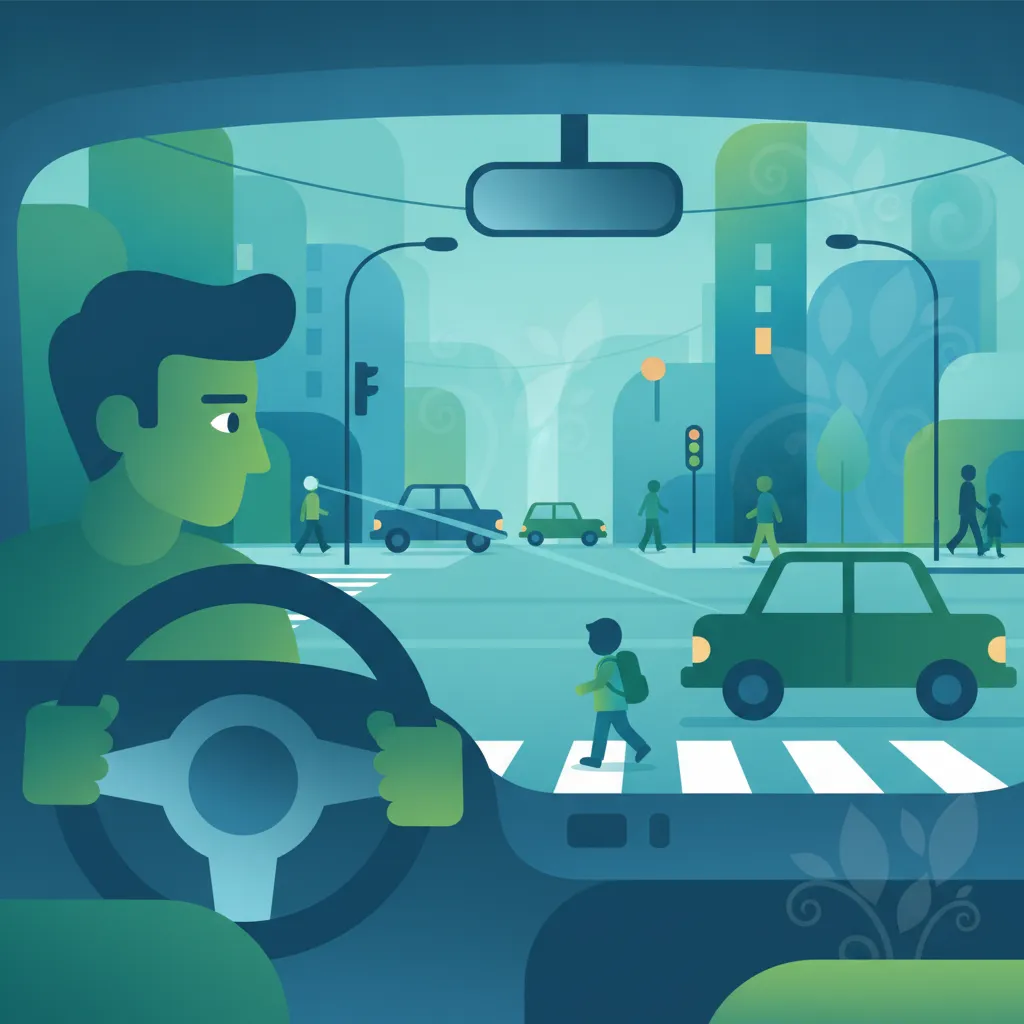
This lesson explores the critical skill of hazard identification and anticipation while driving. Topics include recognizing potential risks in traffic, road conditions, and environmental factors. Learners will develop skills in anticipatory driving to proactively address hazards before they become dangerous. Real-world examples illustrate how to maintain vigilance.
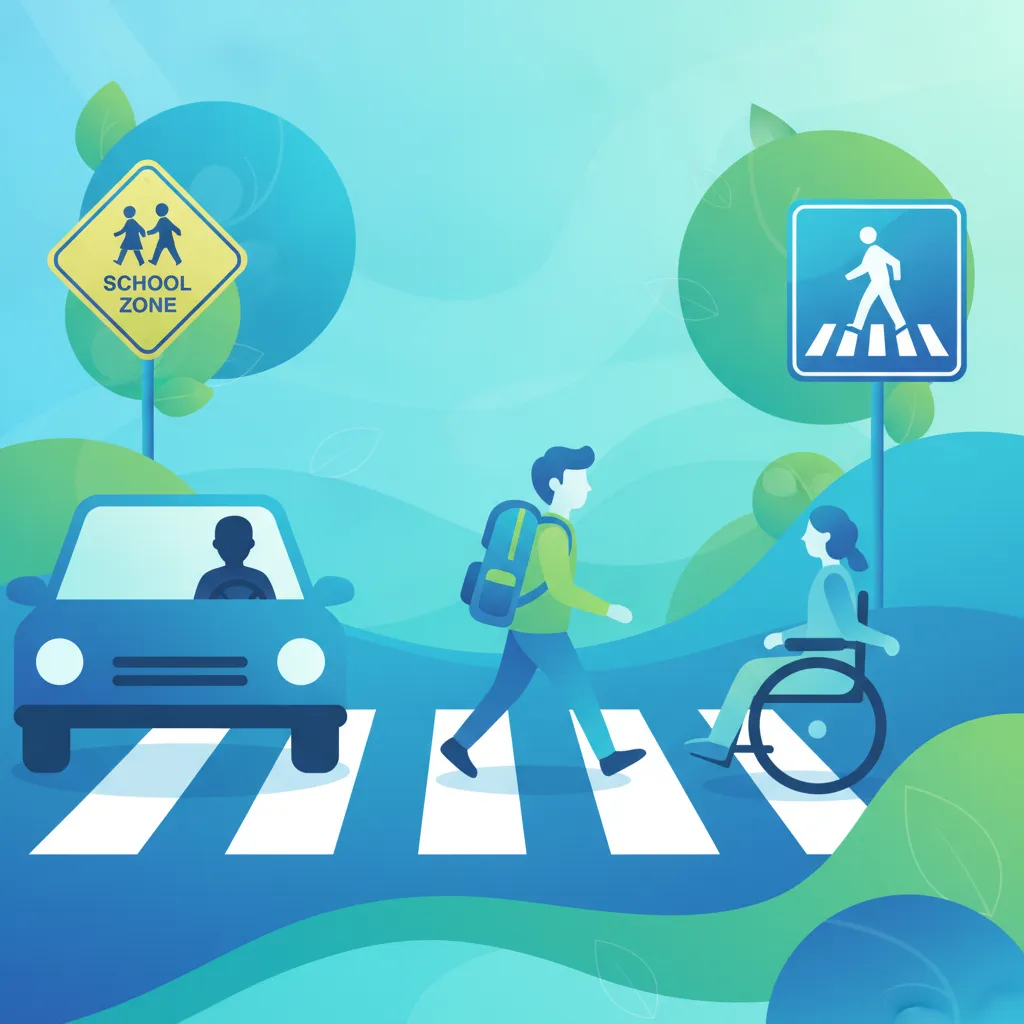
Learners will identify the different categories of vulnerable road users and understand the heightened risks they face. The lesson emphasizes the importance of recognizing these users, anticipating their actions, and taking proactive measures to ensure their safety while operating passenger vehicles. Strategies for mitigating danger and fostering a protective driving environment are explored.

In this lesson, learners will discover the principles of defensive riding, focusing on hazard anticipation, maintaining safe distances, and practicing proactive avoidance techniques. It emphasizes developing a vigilant riding posture, constantly scanning the environment, and preparing to react to potential dangers from other road users, road conditions, or unexpected traffic events.
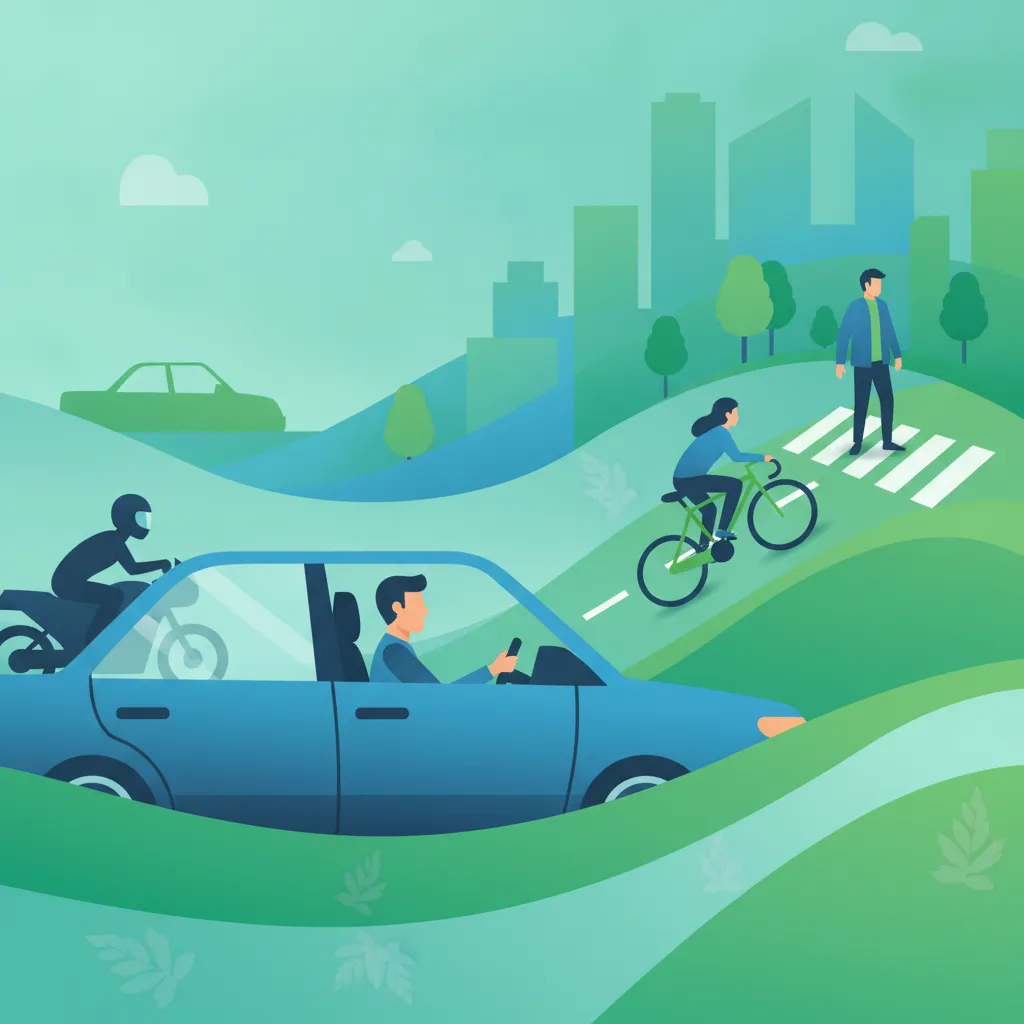
Learners will examine the complexities of operating in environments where various road users, including pedestrians, cyclists, and motorcyclists, coexist. The lesson emphasizes the need for heightened situational awareness, defensive driving techniques, and proactive hazard anticipation. Strategies for navigating mixed traffic safely, especially in congested urban areas, are highlighted.
This lesson focuses on protecting vulnerable road users, such as pedestrians, cyclists, and motorcyclists, in mixed traffic environments. Learners will examine specific strategies for increased vigilance, anticipatory driving, and properly yielding to these users. The lesson also covers high-risk zones, such as school areas and public transport stops, emphasizing the need for heightened safety.

This lesson details defensive driving techniques for adverse weather conditions such as rain, snow, black ice, dense fog, and strong winds. It explains the physics of aquaplaning and how to regain vehicle control when losing traction on slippery surfaces. Drivers will learn how to adjust speed and increase safety gaps to prevent weather crashes.

Defensive riding is the practice of anticipating potential road conflicts and acting early to prevent accidents before they occur. This lesson teaches you how to systematically scan the road ahead for changing conditions, keep an adequate safety cushion around your moped, and pre-plan exit routes in tight spots. You will learn to assume you are invisible to other drivers and adapt your speed and road position proactively to protect yourself against sudden maneuvers.
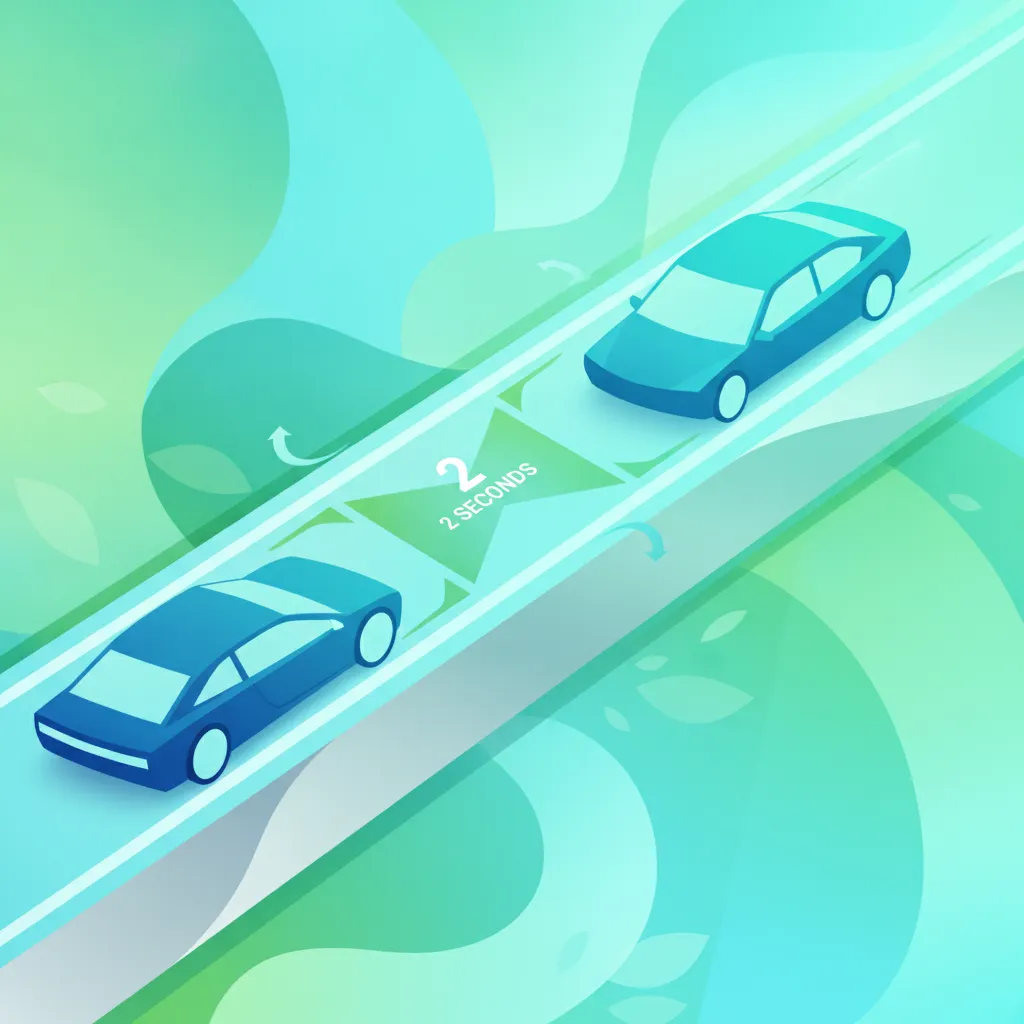
This lesson focuses on the principles governing safe following distances between vehicles. Topics include understanding time and distance gaps, reaction times, and braking distances. Learners will explore guidelines for maintaining proper following distances based on speed and road conditions. Real-world examples demonstrate the importance of safe following practices in preventing rear-end collisions.

In this lesson, learners explore warning traffic signs designed to alert drivers to potential hazards ahead. Topics include signs indicating curves, steep descents, slippery surfaces, pedestrian crossings, and school zones. The lesson emphasizes the importance of interpreting these signs correctly to adjust speed and driving behaviour, thereby preventing accidents.
This lesson emphasizes the ethical dimension of driving, encouraging a responsible and considerate attitude towards all road users. Learners will explore the principles of defensive driving, risk awareness, and the moral obligations that come with operating a vehicle. The importance of respecting pedestrians, cyclists, and vulnerable road users is highlighted, along with the broader societal benefits of ethical driving.
Understand the critical relationship between vehicle maintenance and road safety. This lesson covers essential pre-drive safety checks, the impact of tyre condition on braking performance, and legal requirements for vehicle maintenance under the Turkish Highway Traffic Law to ensure safe and compliant operation.
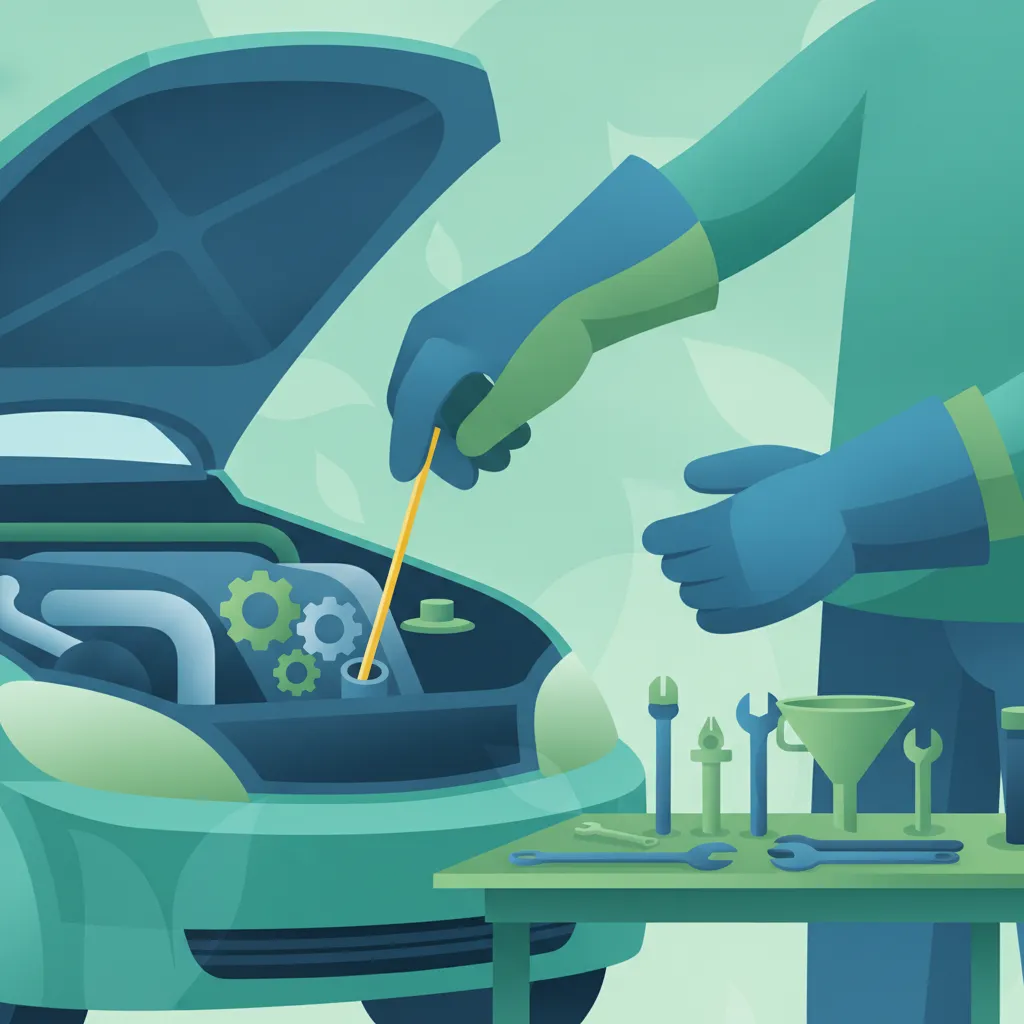
This lesson focuses on routine vehicle inspections, fluid level checks, and basic preventive maintenance tasks every driver should perform. It details the indicators on the dashboard instrument panel and how to react to critical engine warning lights. Motorists will learn to recognize mechanical faults before they lead to dangerous road breakdowns.
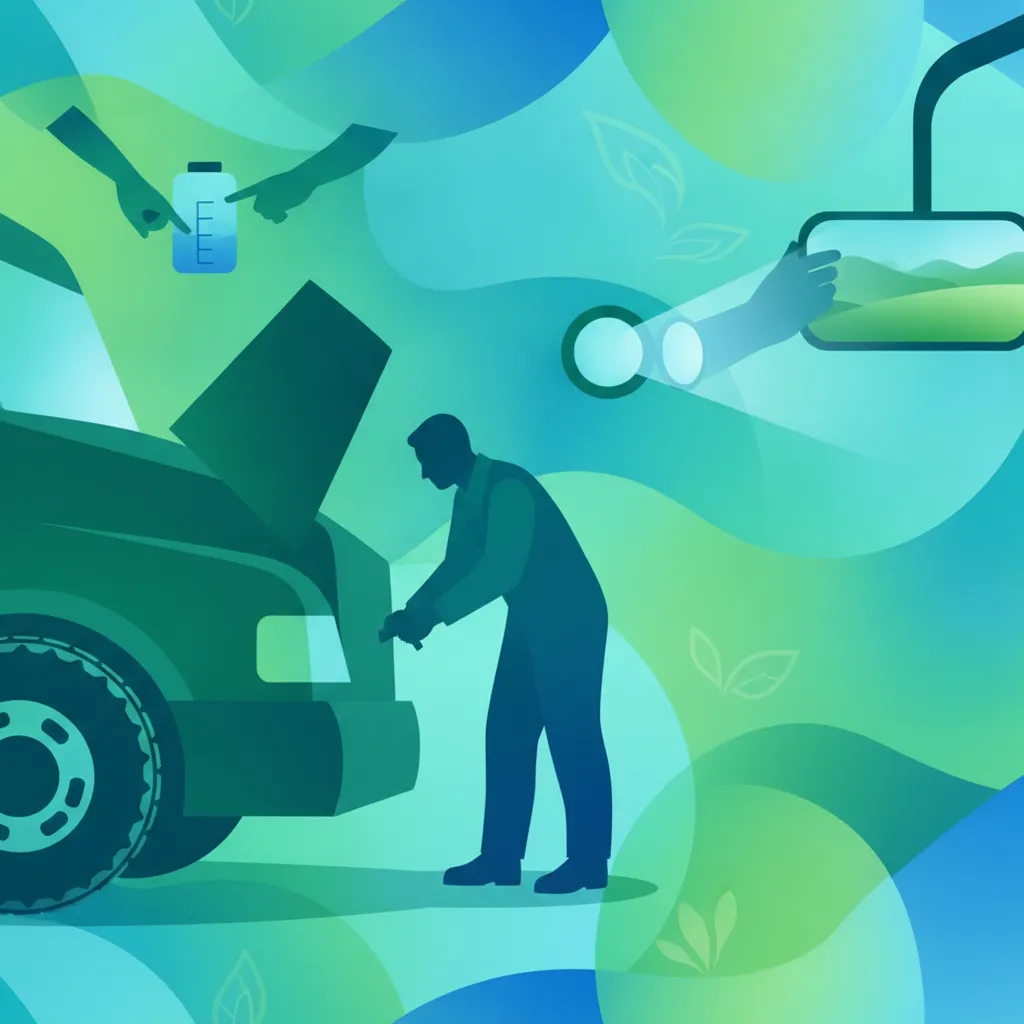
This lesson focuses on the critical safety checks for tyres, brakes, lights, and mirrors on goods vehicles. Learners will learn how to assess tyre pressure, tread depth, and overall condition, ensuring optimal road grip and handling. The lesson also covers brake inspection techniques to identify wear or malfunction, ensuring effective stopping power and proper functionality of signalling systems.
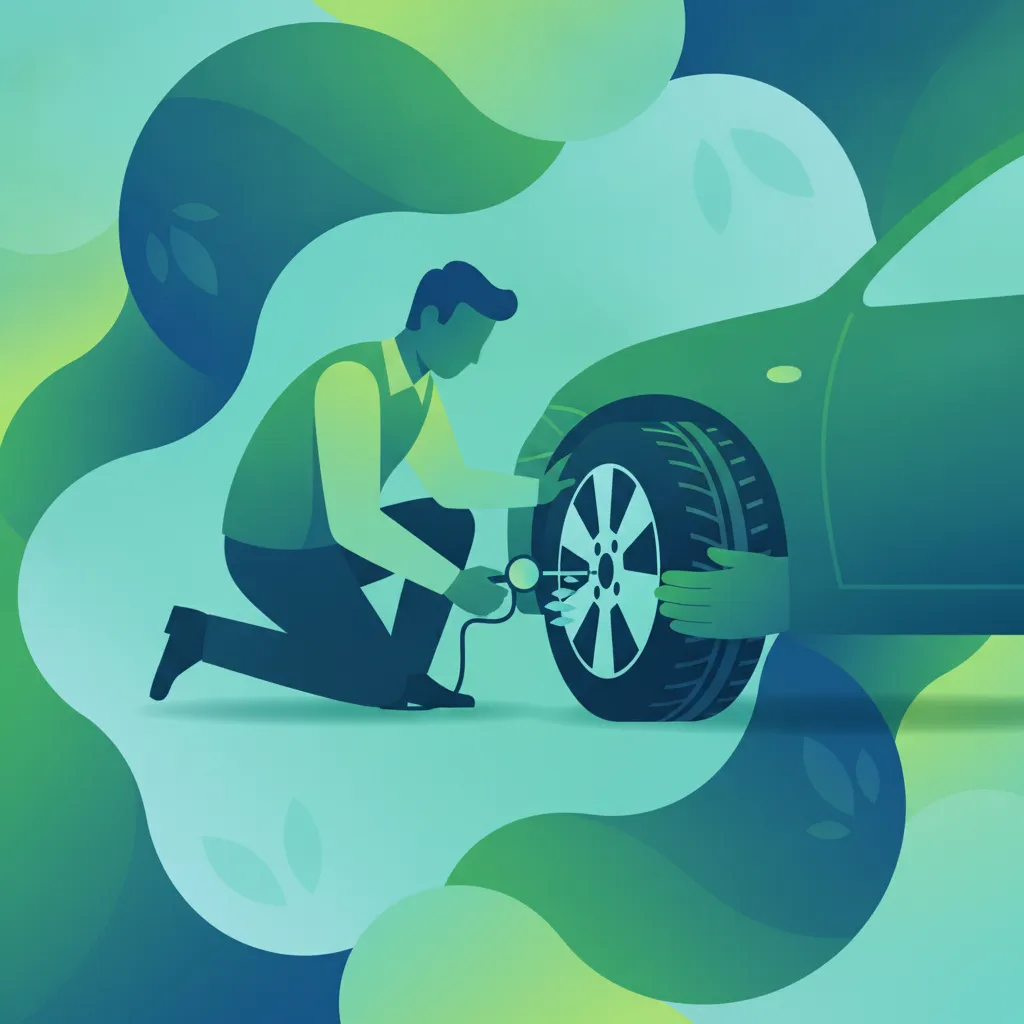
This lesson details tire safety, covering tread depth limits, correct air pressure, and the critical importance of seasonal tire swaps. It explains how improper inflation causes tire blowouts, increased fuel consumption, and severe aquaplaning risks on wet roads. Drivers will learn how to inspect tires and change a flat tire safely in an emergency.
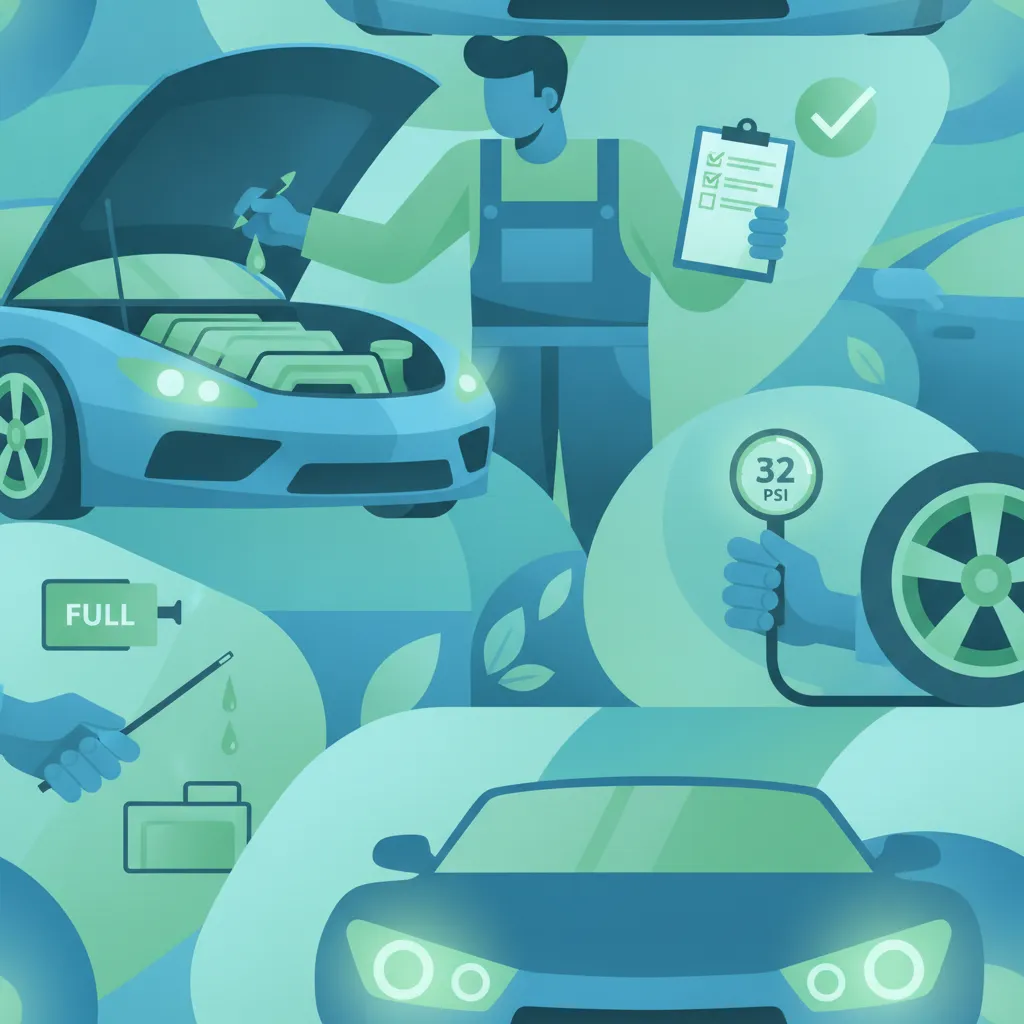
This lesson outlines the essential components of a comprehensive pre-trip vehicle inspection for goods vehicles. It covers the visual and functional checks required for tyres, brakes, lights, mirrors, coupling mechanisms, fluid levels, and vital documentation. The lesson emphasizes the importance of conducting thorough inspections before each trip to identify safety hazards and prevent accidents.
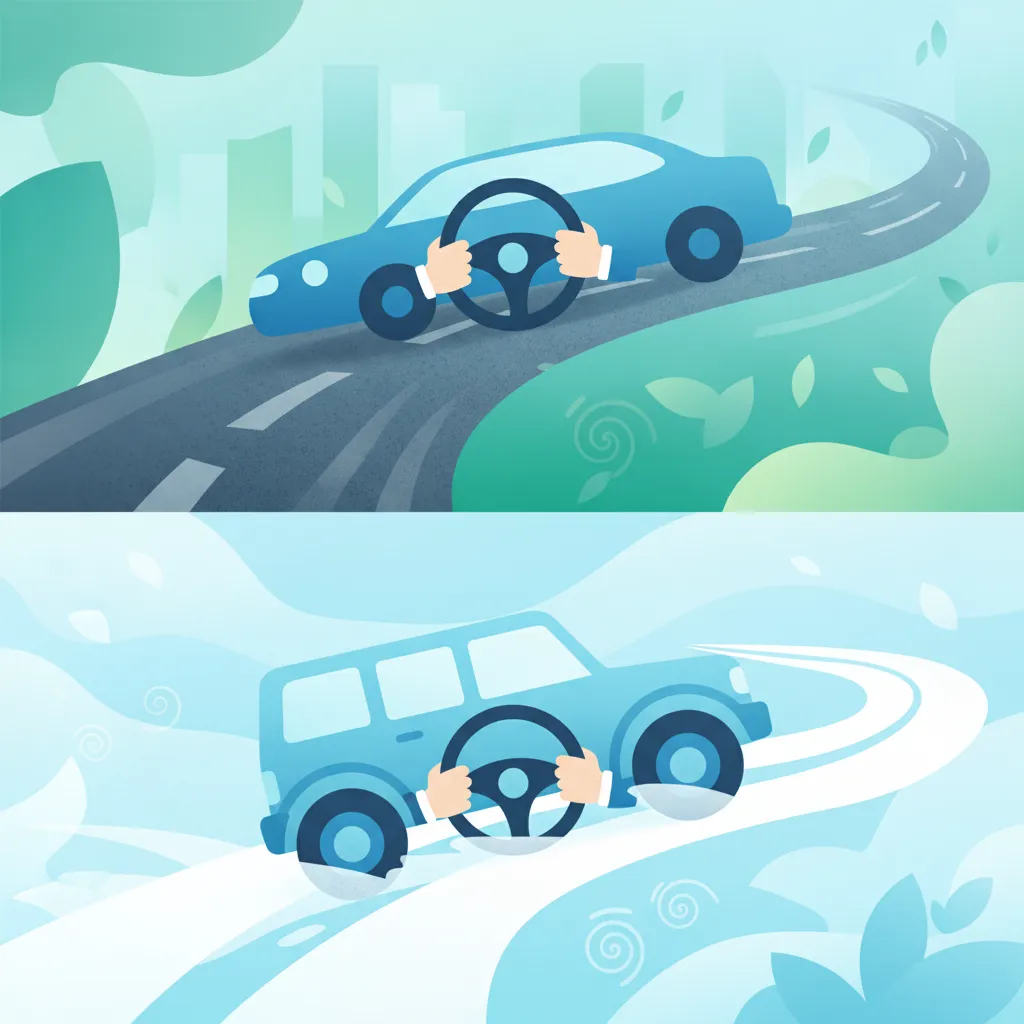
Learners will explore techniques for adjusting driving styles based on different road surface conditions, such as gravel, potholes, and wet pavement. The lesson emphasizes the importance of adapting speed, braking, and steering inputs to maintain vehicle control and passenger comfort. Strategies for detecting and responding to road hazards are discussed to ensure safety across diverse driving environments.
Learners will identify the different categories of vulnerable road users and understand the heightened risks they face. The lesson emphasizes the importance of recognizing these users, anticipating their actions, and taking proactive measures to ensure their safety while operating passenger vehicles. Strategies for mitigating danger and fostering a protective driving environment are explored.
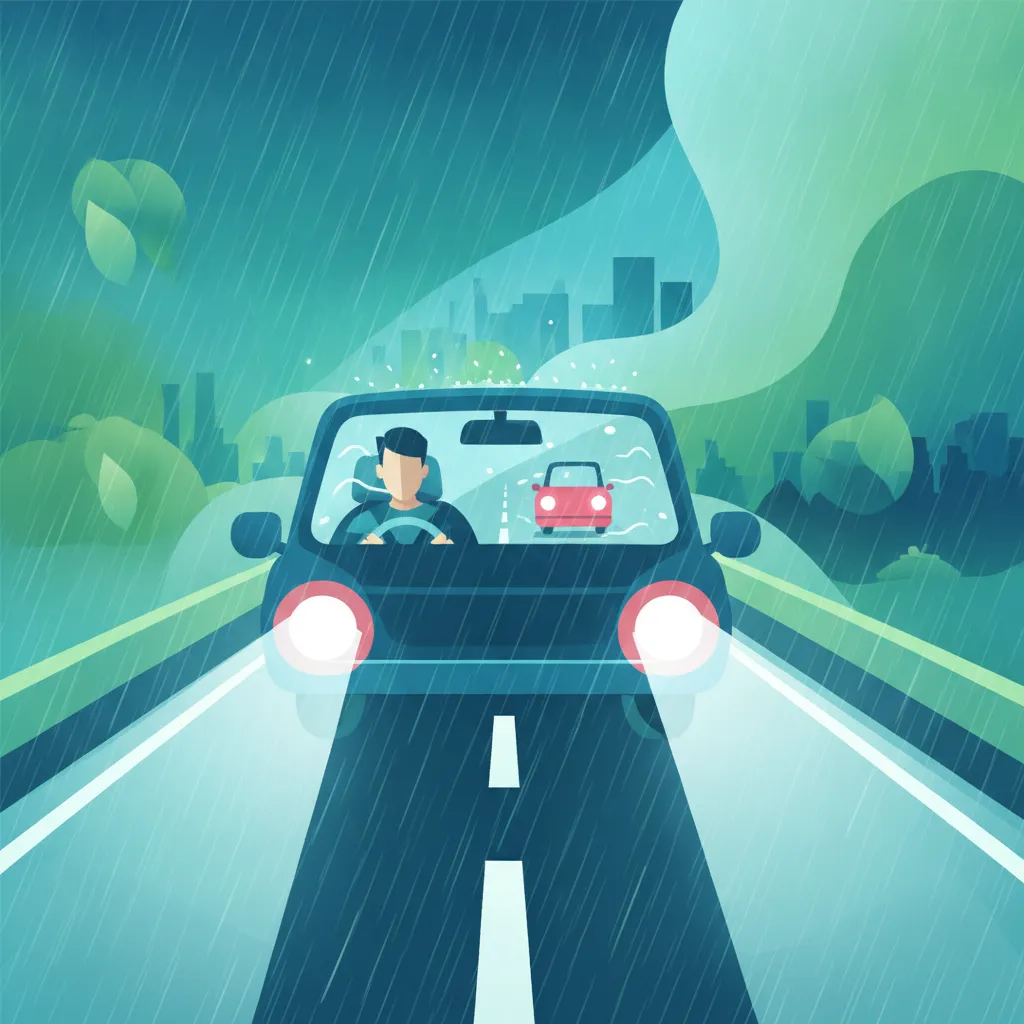
Learners will explore the specific challenges presented by adverse weather conditions, such as rain, fog, and nighttime driving. The lesson emphasizes the importance of adjusting speed, increasing following distances, and using appropriate lighting to maintain safety. Strategies for handling reduced road surface grip and visibility issues are discussed, ensuring drivers can adapt to changing weather while protecting passengers and other road users.
Proper road positioning is your primary shield against being squeezed, sideswiped, or overlooked by larger motor vehicles in daily traffic. This lesson explains how to ride in the center or slightly off-center of your lane to prevent unsafe overtaking within the same lane. You will study how to identify the massive blind spots of buses and trucks, maintain appropriate following distances, and execute overtaking maneuvers with maximum safety margin and clear signal warning.
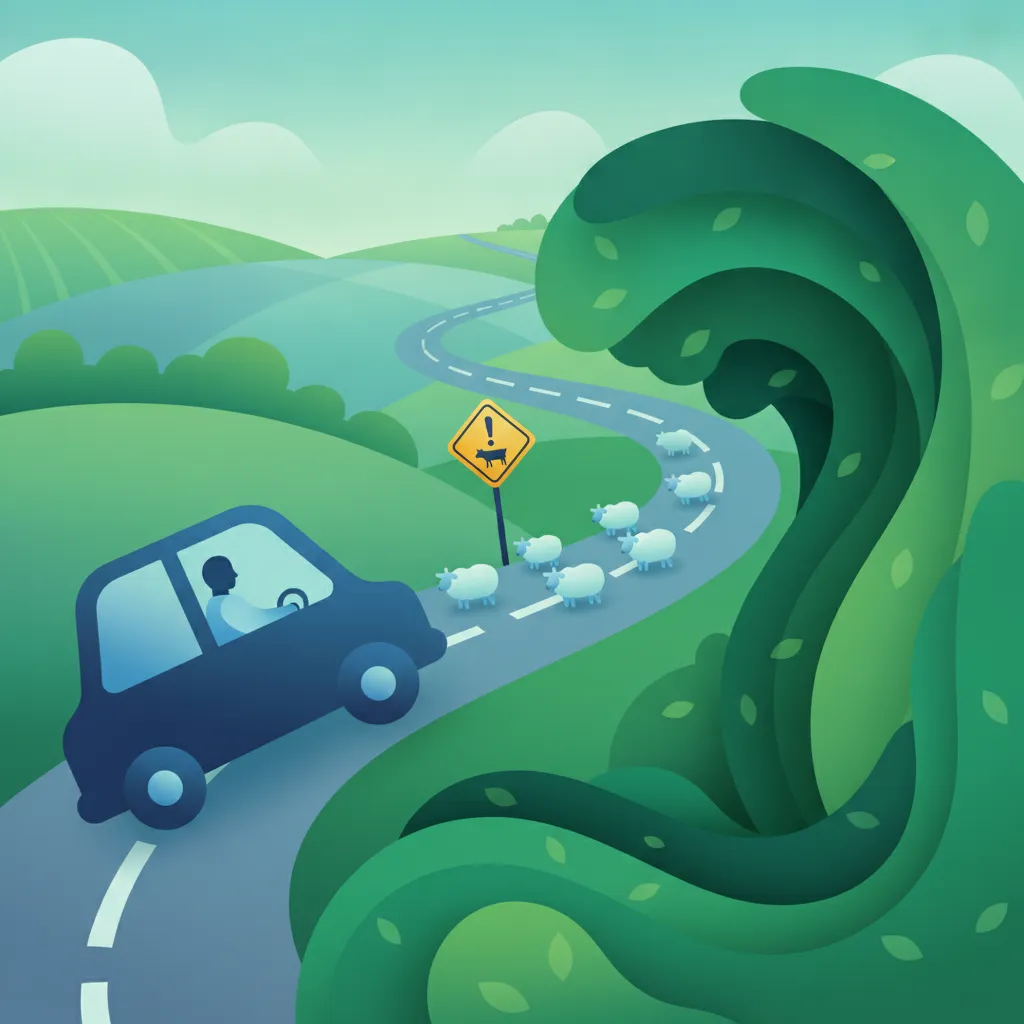
This lesson explores the unique challenges encountered when driving goods vehicles on rural roads, including narrow widths, sharp curves, animal crossings, and varying road surface conditions. Learners will understand the importance of adjusting speed, maintaining vigilance, and respecting road markings. Emphasis is placed on safe navigation practices to mitigate risks associated with rural areas.
This lesson examines the integral role of the goods vehicle driver in contributing to overall traffic safety and a positive safety culture. It focuses on proactive driving behaviors, hazard identification, and effective risk management strategies. Communication techniques with other road users, compliance with traffic flow regulations, and competent emergency responses are highlighted as essential skills.
Find clear answers to common questions learners have about Promoting Responsible Driving Culture. Learn how the lesson is structured, which driving theory objectives it supports, and how it fits into the overall learning path of units and curriculum progression in Turkey. These explanations help you understand key concepts, lesson flow, and exam focused study goals.
Driving is a significant responsibility that impacts public safety and the environment. The exam includes these topics to ensure drivers understand that their actions, such as aggressive driving or poor eco-habits, have legal and social consequences.
Eco-driving involves techniques like avoiding unnecessary idling, smooth acceleration, and maintaining steady speeds. These practices are tested because they reduce fuel consumption, lower exhaust emissions, and contribute to a safer, more predictable traffic flow.
The test often features scenarios where you must choose the most responsible action. Prioritizing safety, showing patience in traffic, and respecting the rights of vulnerable road users are key indicators of the responsible behavior expected from a licensed driver.
Use our comprehensive practice search to find exactly the Turkish driving theory questions you need to master. Whether reviewing specific road signs, traffic rules, or first aid scenarios, select your perfect practice set and boost your confidence for the official ehliyet sınavı.