This lesson guides you through the essential rules for approaching and crossing intersections while operating an AM-licensed vehicle. You will learn to interpret complex priority situations and road markings to ensure your safety and that of others. This is a critical step in mastering the French Code de la route for your upcoming Category AM exam.

Lesson content overview
Navigating intersections safely is one of the most critical skills you must master to obtain your French Category AM license (formerly known as the Brevet de Sécurité Routière - BSR). Operating a light motorized vehicle—such as a 50cc scooter, moped, or light quadricycle—exposes you to unique vulnerabilities in traffic. Because AM vehicles have a smaller visual profile and limited acceleration compared to cars, understanding the rules of right-of-way (priorité de passage) and mastering defensive intersection negotiation is vital to your safety on French roads.
In France, intersections are the most common sites for multi-vehicle collisions. This lesson provides a deep, textbook-grade guide to the legal framework, physical dynamics, and defensive strategies required to approach, enter, and exit intersections safely and legally.
Intersections are dynamic zones where multiple traffic streams converge, cross, or diverge. Under the French Code de la route, intersections are highly regulated to prevent conflicts between different road users, including heavy vehicles, passenger cars, cyclists, and pedestrians.
For an AM rider, approaching an intersection is not just a matter of looking left and right. It requires a systematic process:
Failing to execute these steps increases collision risks dramatically. Right-angle collisions at intersections carry a high risk of severe injury due to the lack of lateral protective structures on mopeds and scooters.
In the absence of traffic lights, road markings, or priority signs, French traffic law dictates a universal default rule: priorité à droite (priority to the right).
This rule means that you must yield the right-of-way to any vehicle approaching the intersection from a road on your right-hand side.
Imagine you are riding your moped north through a quiet residential district. You approach a four-way crossroad with no signs, markings, or lights. Simultaneously, another rider approaches the intersection from the east (your right). Because the eastern rider is on your right, they have legal priority. You must slow down, prepare to stop, and allow them to cross before you proceed.
To organize traffic on busier roads, the French road authority installs specific signs and markings that override the default priorité à droite rule. You must instantly recognize and obey these signals.
The STOP sign is one of the most restrictive and important traffic signs in the Code de la route.
When approaching an intersection controlled by a STOP sign, you must adhere to the following strict legal duties:
Legal and Safety Note: A complete stop is mandatory even if the intersecting road appears entirely clear of traffic. Failing to stop fully is a clear violation of French traffic regulations and is a major cause of side-impact collisions.
Unlike a STOP sign, a Yield sign (Cédez le passage) does not require a mandatory stop if the intersecting road is completely clear, but it requires extreme caution.
At a Yield intersection, you will find a transverse broken white line painted across your lane. Your legal obligations are:
Traffic lights provide a structured cycle to manage high-volume intersections. As a Category AM rider, you must understand how to interpret and react to different light phases:
Road markings guide your path and dictate where you are legally allowed to position your vehicle when negotiating an intersection.
Turning at an intersection introduces complex conflict points with oncoming traffic, pedestrian paths, and vehicles behind you. Executing these turns requires precise positioning and signaling.
Check Mirrors and Blind Spots: Well before the turn, check your rearview mirrors and perform a quick shoulder check (contrôle direct) to ensure no vehicles are overtaking you.
Signal Early: Activate your left indicator to communicate your intention clearly to traffic behind and ahead of you.
Position Your Vehicle: On a two-way road, position your moped close to the center line (without crossing into the oncoming lane). On a one-way road, position yourself on the far-left side of the street.
Yield to Oncoming Traffic: If you must cross oncoming lanes to turn left, you must yield to all oncoming vehicles. Wait for a safe, substantial gap in traffic.
Turn Smoothly: Execute the turn cleanly, landing in the correct lane of the new road without cutting the corner or drifting wide.
When turning right, stay close to the right-hand edge of the roadway. Always check your right-side blind spot before turning to ensure no cyclists are positioned between your vehicle and the curb. Yield to any pedestrians crossing the road you are entering.
Under the French Code de la route, pedestrians and cyclists are highly protected. As an AM rider, you must always yield to these vulnerable users at intersections.
Maintaining an appropriate distance from the vehicle ahead (distanciation de sécurité) is a core safety principle when approaching junctions.
The rules governing intersection safety are legally binding under the Code de la route. The following table outlines the key regulations, their legal status, and practical applications.
| Regulation | Rule Statement | Applicability | Legal Status | Rationale | Correct Application | Incorrect Application |
|---|---|---|---|---|---|---|
| Article R415-3 | Vehicles must give way to traffic coming from the right at uncontrolled intersections. | Uncontrolled intersections without signs or traffic signals. | Mandatory | Prevents collisions where multiple vehicles converge without signal control. | Slow down, look right, and yield if a vehicle approaches from the right. | Proceeding without checking the right, causing a collision. |
| Article R415-6 | Vehicles must stop at stop lines marked on the road or at a "STOP" sign. | Any intersection where a stop line or STOP sign is present. | Mandatory | Ensures that drivers pause before entering the crossroad to safely assess oncoming traffic. | Bring the moped to a full stop before the line, check all directions, then proceed. | Rolling through the intersection without coming to a complete halt. |
| Article R415-7 | Yield to traffic on the main road as indicated by a "Yield" sign (Cédez le passage). | Intersections where a yield sign is posted for the auxiliary road. | Mandatory | Allows continuous flow on the main road while the secondary road yields. | Slow down, prepare to stop, and yield if traffic is present on the main road. | Proceeding onto the main road without yielding, forcing other drivers to brake. |
| Article R412-30 | Vehicles must obey traffic lights, stopping at steady red or steady amber signals. | Intersections equipped with traffic signals. | Mandatory | Coordinated traffic lights organize flow and prevent high-speed collisions. | Stop completely at a red light. Stop at amber unless it is unsafe to do so. | Running a red or amber light to save time. |
| Article R415-4 | When a "STOP" sign is present, drivers must stop even if default rules would otherwise apply. | Intersections with a STOP sign. | Mandatory | A STOP sign overrides priority rules due to higher localized safety risks. | Halt before the line, regardless of whether traffic is approaching from the right. | Failing to stop because you assume "priorité à droite" takes precedence. |
| Article R412-9 | Vehicles must respect road markings indicating lane usage, turning arrows, and position restrictions. | Intersections with specific lane markings (solid, broken, arrows). | Mandatory | Lane markings organize traffic flow and prevent unpredictable lane-crossing. | Stay in the correct lane, follow turning arrows, and avoid crossing solid white lines. | Crossing a solid line to turn or bypassing queued traffic in the wrong lane. |
| Article R417-10 | Vehicles must not stop or park on a designated pedestrian crosswalk. | Any location where a zebra crossing is present. | Prohibited | Prevents obstruction of pedestrian pathways, keeping pedestrians visible to all drivers. | Halt your vehicle before the crosswalk, leaving it completely clear. | Stopping your scooter directly on top of the zebra stripes in slow-moving traffic. |
| Article R412-9 (Positioning) | Vehicles must not enter the side of the road designated for oncoming traffic. | All roads, especially near intersections and blind curves. | Prohibited | Prevents head-on collisions at junctions. | Stay on the right-hand side of the road, even when turning or overtaking. | Riding on the left side of the road when turning to cut the corner. |
You are riding your scooter on a clear day through a quiet residential street. You approach a crossroads with no signs, traffic lights, or road markings.
You are riding on a wet asphalt road, approaching a T-junction controlled by a "Cédez le passage" sign. A car is traveling ahead of you.
Successfully navigating intersections requires high cognitive awareness. You must overcome common visual and psychological errors:
Explore all units and lessons included in this driving theory course.
Lesson content overview
Explore all units and lessons included in this driving theory course.
Explore search topics learners often look for when studying Approaching and Negotiating Intersections. These topics reflect common questions about road rules, driving situations, safety guidance, and lesson level theory preparation for learners in France.
Browse additional driving theory lessons that cover connected traffic rules, road signs, and common driving situations related to this topic. Improve your understanding of how different rules interact across everyday traffic scenarios.
Understand the legal requirements for entering, traversing, and exiting roundabouts according to the French Code de la route. This guide covers essential lane positioning, signaling techniques, and priority rules for light vehicles like mopeds and scooters when navigating complex multi-lane junctions.

France features a vast network of roundabouts (carrefours a sens giratoire) governed by specific entry and lane-use regulations. This lesson explains that vehicles entering a roundabout must yield to traffic already circulating inside. You will learn how to select the correct lane depending on your exit, use direction indicators properly, and yield to pedestrians and cyclists near roundabout exits.
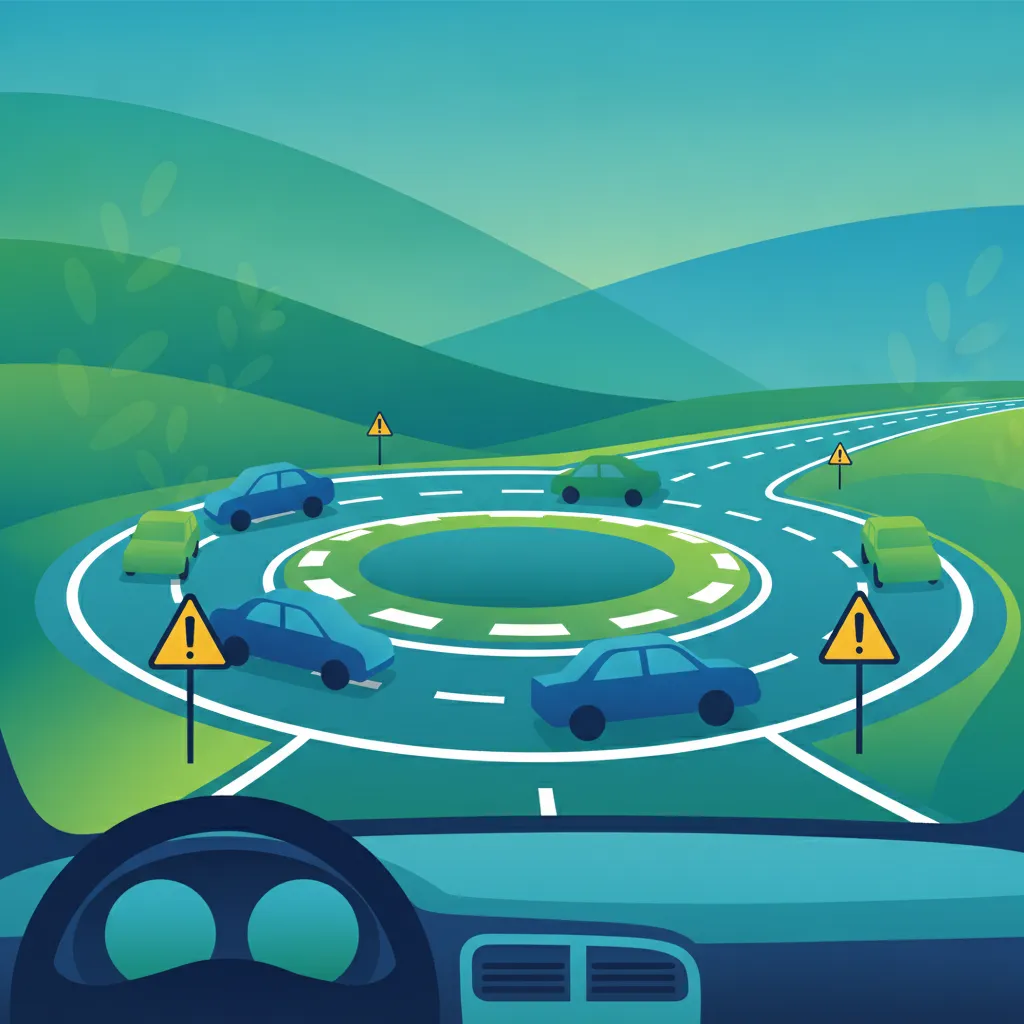
This lesson focuses on the skills required to safely enter, navigate, and exit roundabouts, a common feature in French urban environments. Learners will understand the need to yield to circulating traffic, select the appropriate lane upon entry, and signal intentions when exiting. By mastering these techniques, AM riders can safely integrate into roundabout traffic flow and reduce conflicts with other road users.

This lesson analyzes the technical path a long wheelbase vehicle must take when turning at intersections and navigating roundabouts. Drivers will learn to calculate tail swing and rear-wheel tracking, intentionally swinging wide to clear roadside curbs and poles safely. The lesson emphasizes yielding protocols for pedestrians and cyclists who may be crossing the target street during the turn.

Some crossroads feature complex layouts or specific signs that modify standard priority rules, such as schematic diagrams (panonceaux schematiques). This lesson teaches you how to read these auxiliary signs, which depict the thick line of the priority road and thin lines of secondary roads. You will learn how to maintain priority when the main road curves and how to navigate non-standard intersection layouts.

This lesson explains the correct procedures for entering, circulating, and exiting roundabouts, which are highly prevalent throughout France. You will learn the exact lane choice strategies based on your intended exit, and how to use your turn indicators at each stage of the maneuver. The content also addresses the critical task of performing over-the-shoulder blind spot checks to avoid conflicts with overtaking vehicles when exiting.

Negotiating crossroads that lack active traffic light signals requires a clear reading of signs and painted stop or yield lines. This lesson details the obligations of stopping completely at stop signs and slowing down to yield at 'cedez le passage' markings. You will learn to assess cross-traffic speeds, determine priorities when multiple vehicles arrive, and execute turns safely.
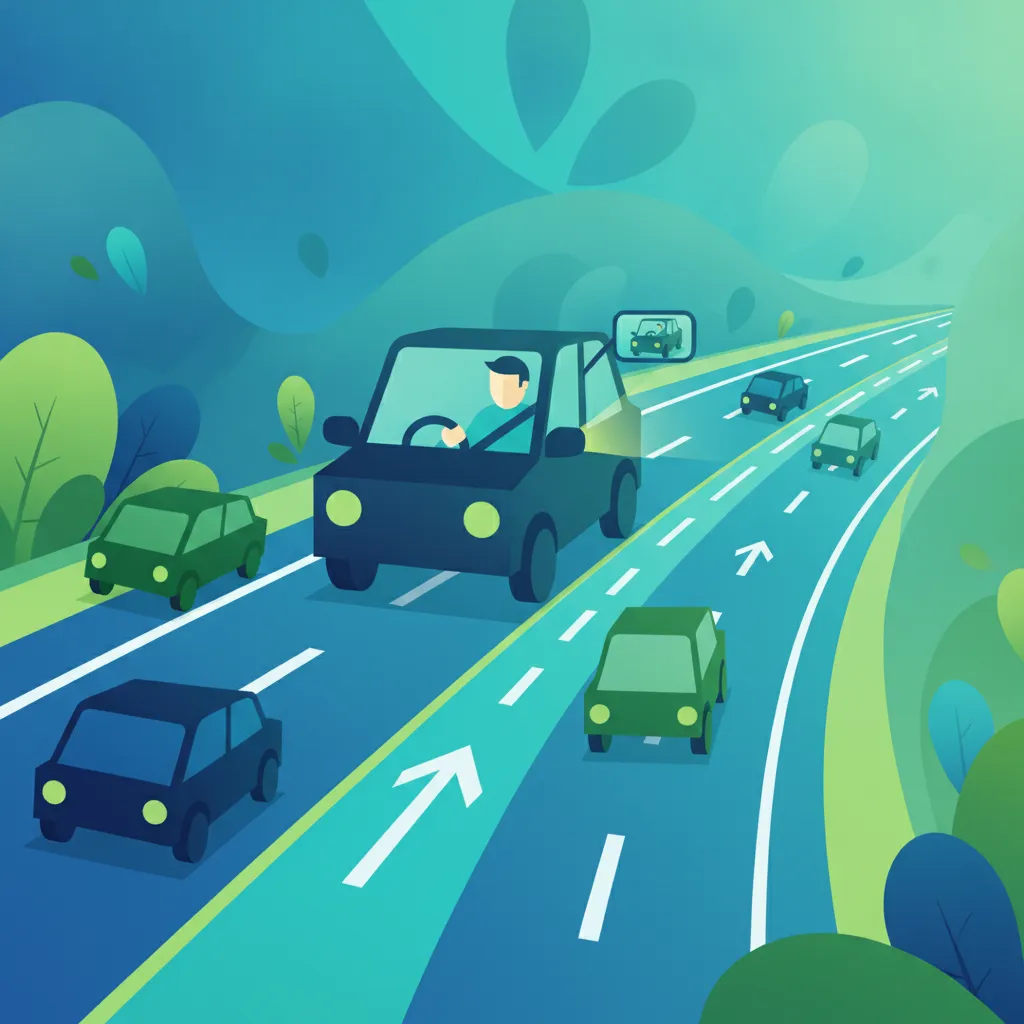
Changing lanes or executing turns requires a structured visual and physical procedure to prevent interrupting surrounding traffic. This lesson explains the key steps: checking the center mirror, exterior mirrors, turning on direction indicators, and performing blind-spot checks. You will learn correct vehicle positioning for both left and right turns, and how to execute safe turning circles without cutting corners.

Controlled intersections use traffic lights and accompanying signs to manage busy crossings systematically. This lesson covers how to safely proceed on a green light, negotiate left turns when yielding to oncoming traffic, and obey flashing amber lights. You will also learn the hierarchy of traffic control, where police officer gestures overrule both traffic lights and priority signs.

Learners will study the fundamental priority rules that dictate right-of-way at intersections, focusing on the 'priorité à droite' principle prevalent in French road design. The lesson explains how to identify priority roads, interpret yield signs, and apply these rules safely when operating an AM vehicle. Understanding priority ensures orderly movement and reduces conflict points in mixed traffic scenarios.

This lesson covers the operational logic of traffic light signals in France, emphasizing the legal implications of the red, amber, and green cycles. You will study how to safely manage the amber phase to avoid rear-end collisions from vehicles behind while maintaining control. Additionally, you will discover the unique challenge of electromagnetic induction loops, which sometimes fail to detect lightweight motorcycles at quiet intersections.
Learn to interpret key regulatory and warning signs encountered on French roads. This theory overview explains the legal obligations associated with stop signs, yield signals, and pavement markings, providing the necessary knowledge to identify and respond correctly to traffic control devices while riding.
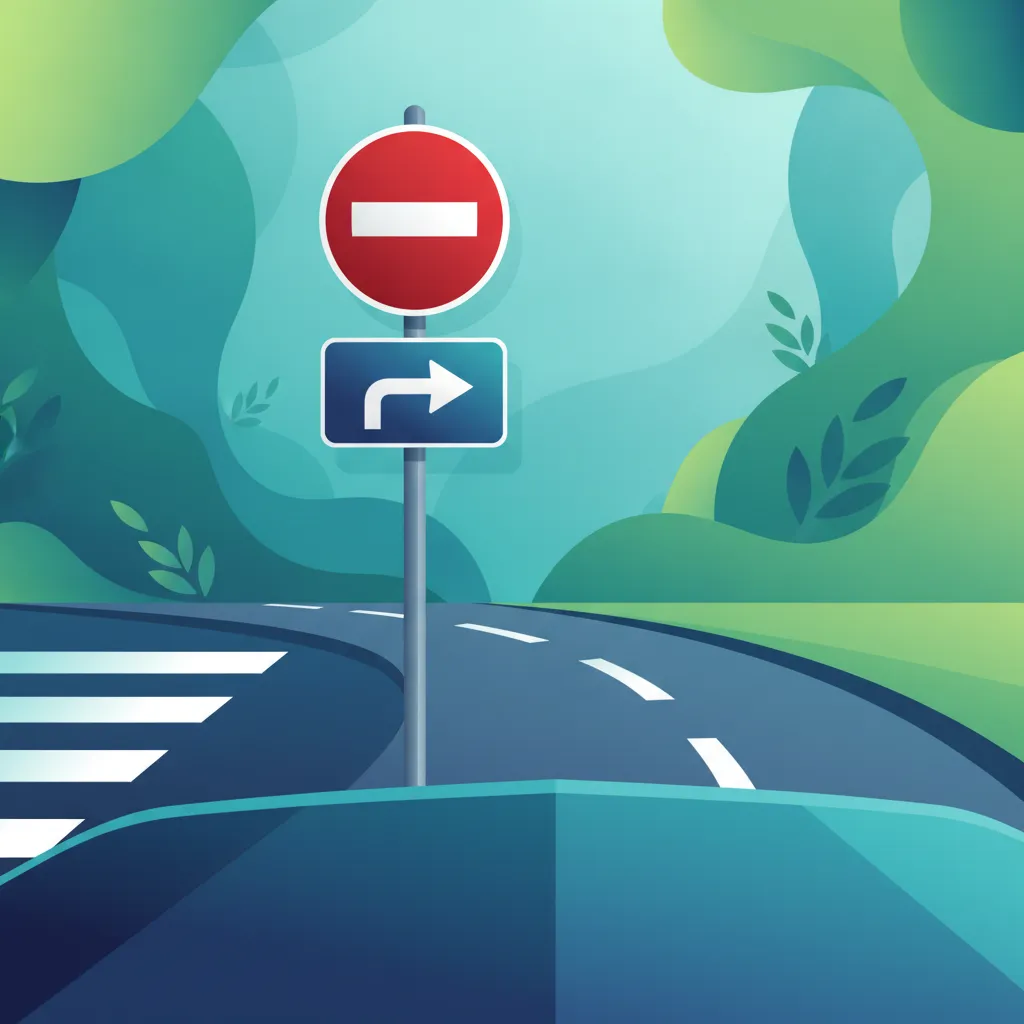
Regulatory signs are circular with red borders for prohibitions and blue backgrounds for mandatory instructions. This lesson details critical signs, such as speed limits, no-entry indicators, overtaking bans, and mandatory turning lanes. You will also learn about environmental zones restrictions, height limits for large vehicles, and the legal priority instructions conveyed by stop and yield signs.
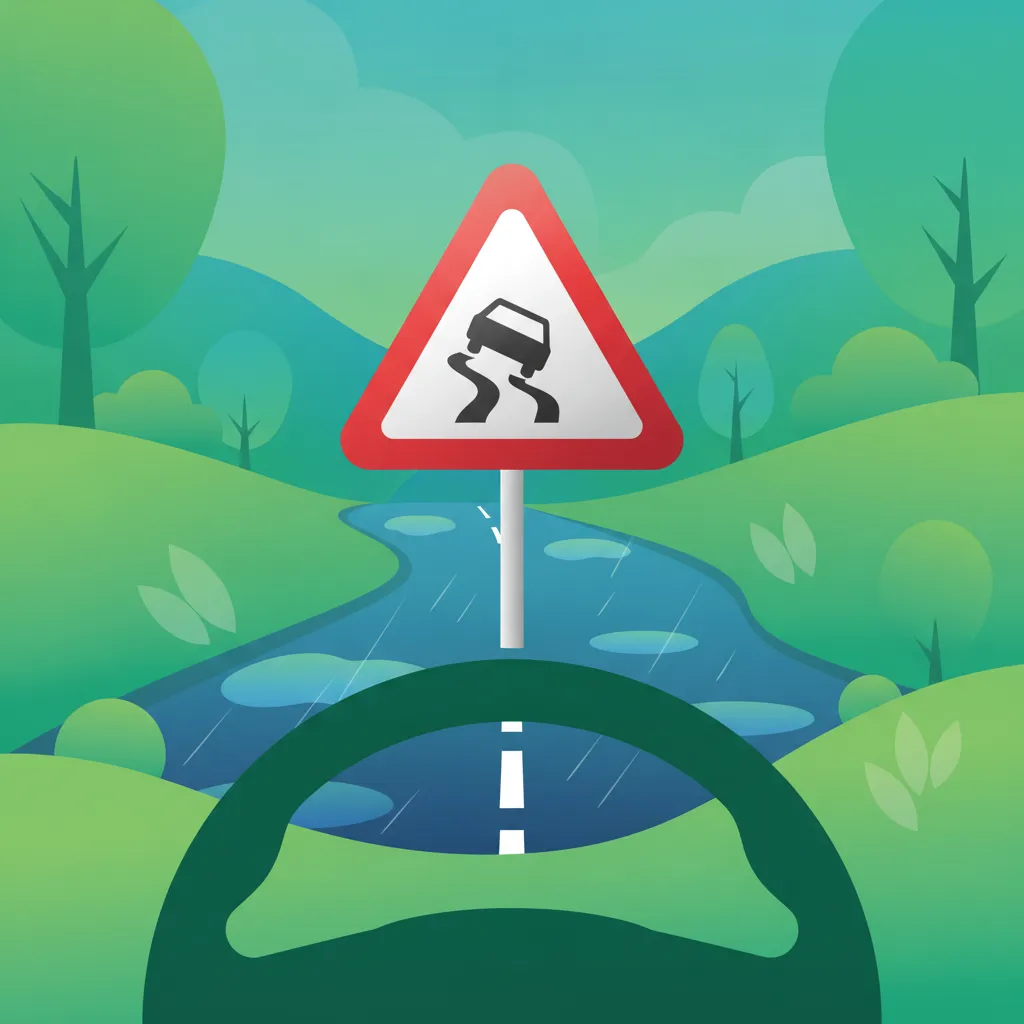
Warning signs on French roads are triangular with a red border, designed to alert drivers to upcoming dangers. This lesson teaches you how to interpret warnings for sharp curves, slippery surfaces, narrowing lanes, and wildlife or animal crossing hazards. You will understand the safety adjustments needed when approaching school zones, active roadworks, or crossings where vulnerable pedestrians are present.
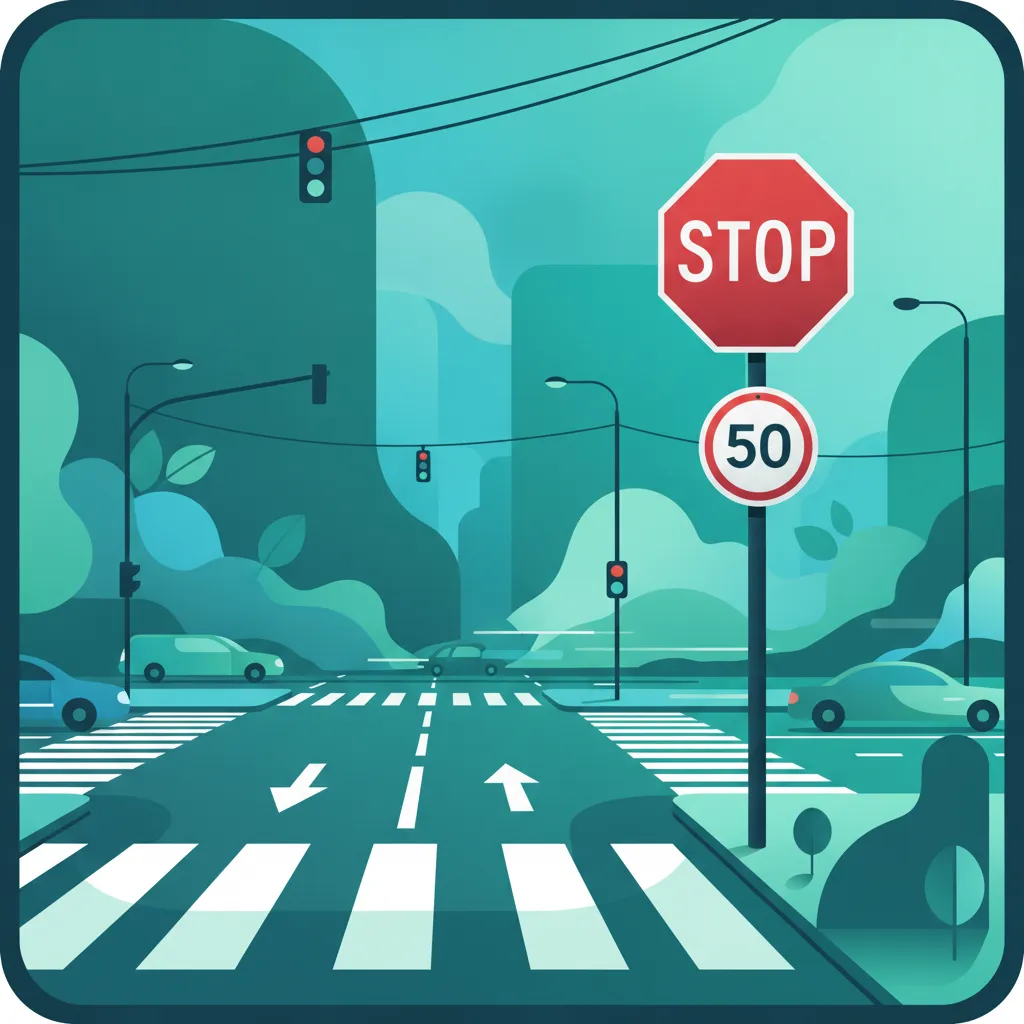
Learners will be introduced to the core set of French regulatory signs that dictate mandatory actions or prohibitions for all road users, including AM riders. The lesson explains the significance of signs such as stop, yield (cédez le passage), speed limit, and no entry, highlighting their specific implications for small vehicles. Understanding these signs is crucial for legal compliance and safe navigation through varied traffic environments.
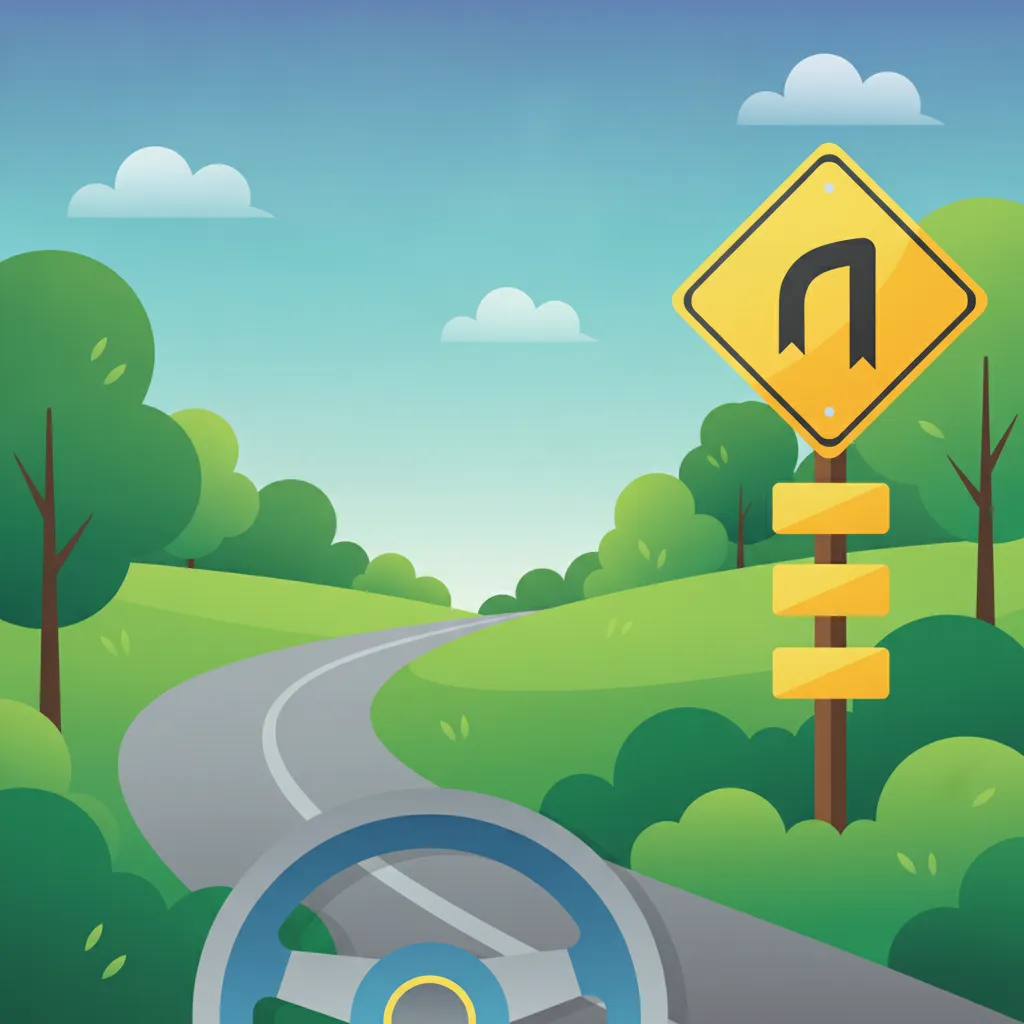
This lesson focuses on French warning signs that alert drivers to potential hazards ahead, such as curves, animal crossings, or slippery surfaces, with particular attention to signs relevant to AM riders. Learners will examine how to interpret these signs, understand the associated risks, and adapt riding behavior accordingly. By mastering warning sign recognition, riders can proactively manage safety risks in diverse road conditions.
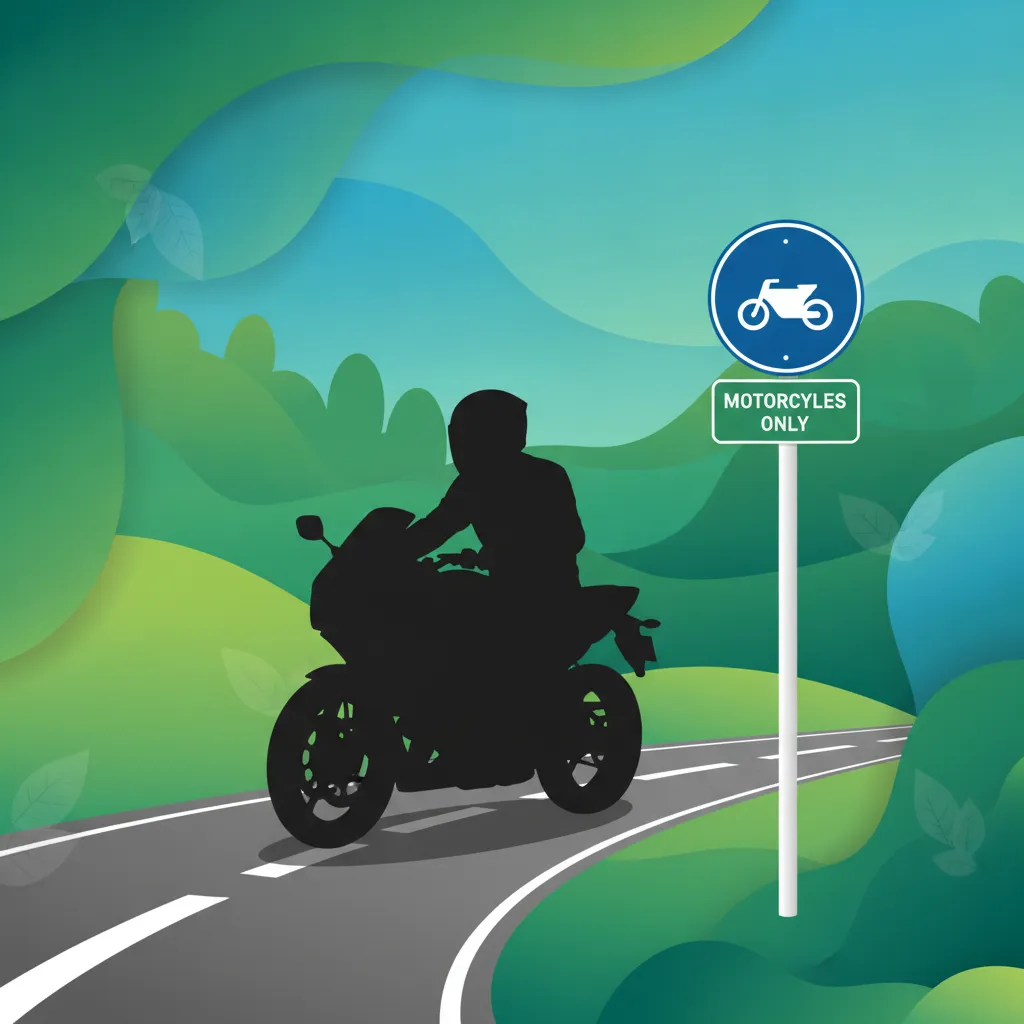
This lesson focuses on identifying regulatory signs, which are circular signs with red borders for prohibitions or blue backgrounds for obligations. You will learn about specific restrictions that impact motorcycle paths, including narrow lane access bans, motorcycle-specific speed limits, and overtaking prohibitions. Mastering these symbols is vital to ensuring compliance with French road law and avoiding immediate traffic penalty points.
This lesson breaks down triangular warning signs, which warn of upcoming safety hazards like reverse curves, narrowing lanes, or loose gravel. You will learn to translate these visual markers into proactive riding techniques, such as adjusting your entry speed or choosing an alternative lean angle. Special attention is given to signs indicating temporary roadworks or variable grip conditions, which pose elevated dangers to motorcycles.
Temporary traffic configurations and construction sites are signaled using yellow-background signs to indicate their short-term nature. This lesson teaches you how to comply with temporary speed reductions, interpret lane shifts, and follow designated detour signs (deviation). Drivers will learn how to maintain high vigilance and safely navigate worksites while protecting road workers and oncoming traffic.
This lesson covers the specific set of road signs and traffic lights that apply exclusively to buses, coaches, and heavy passenger vehicles in France. Learners will explore symbols indicating height restrictions, maximum allowed weight, and dedicated lane requirements under the Code de la route. Recognizing these traffic signs quickly prevents wrong-way offenses, physical collisions with low structures, and costly moving violations.
Active roadworks demand heightened vigilance to protect workers and guide vehicles through modified, narrow traffic lanes. This lesson covers how to recognize yellow horizontal road lines, which supersede standard white lines, and temporary traffic signals. You will learn to obey reduced construction-zone speed limits, negotiate lane shifts, and execute detours (deviations) systematically.
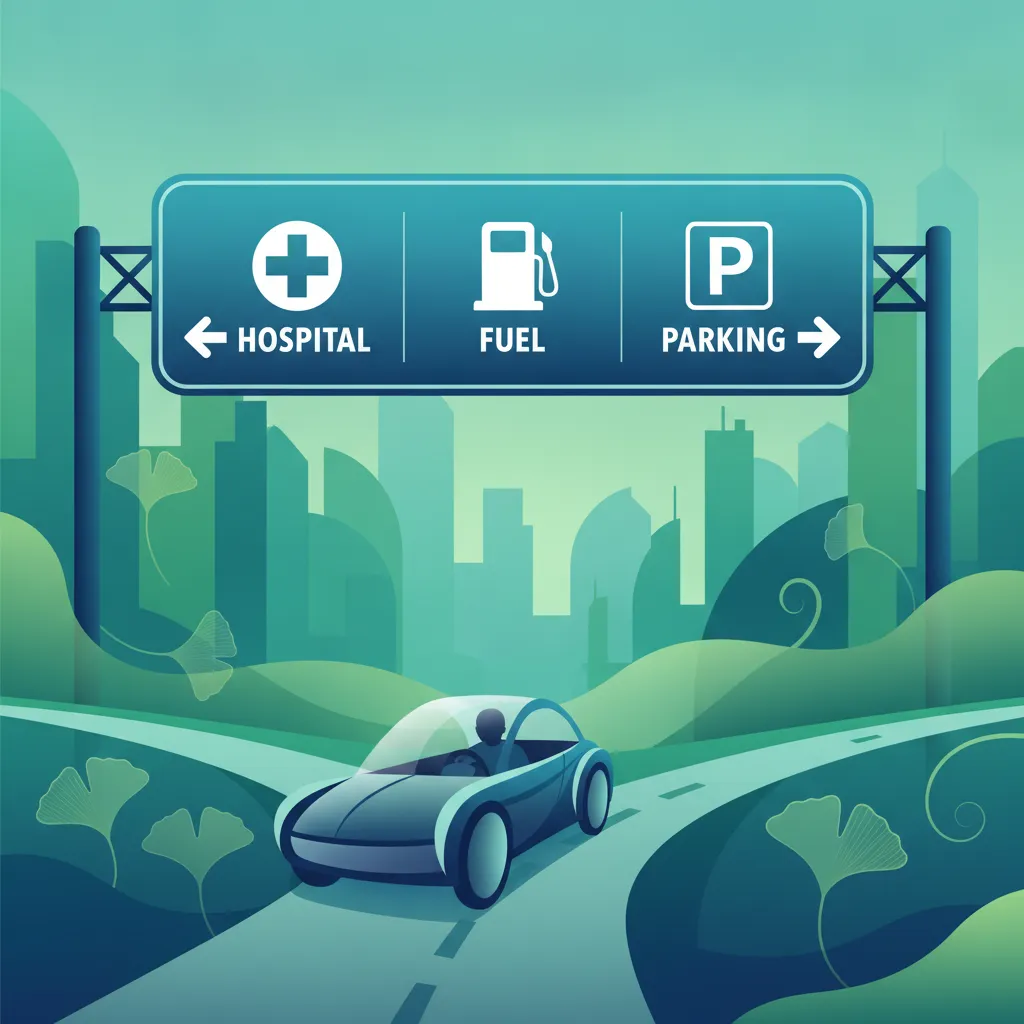
Information signs are typically square or rectangular and provide navigation support, route identification, and safety service details. This lesson covers how to read distance markers, locate highway rest stops, and identify services like hospitals or charging stations. You will also learn to read European route numbers, toll-road indicators, and directional signs that facilitate easy travel across France.
Find clear answers to common questions learners have about Approaching and Negotiating Intersections. Learn how the lesson is structured, which driving theory objectives it supports, and how it fits into the overall learning path of units and curriculum progression in France. These explanations help you understand key concepts, lesson flow, and exam focused study goals.
In France, the default rule is 'priorité à droite', meaning you must yield to vehicles approaching from your right unless signs or traffic lights indicate otherwise.
You must stop exactly at the transverse solid line painted on the road. If there is no line, stop at the point where you have clear visibility of the crossroad without entering the path of oncoming traffic.
Because AM vehicles are smaller and lighter, they are often overlooked by larger vehicles. Proper positioning increases your visibility and ensures you have an escape path in case of emergency.
Yes, if a pedestrian has started to cross or shows the clear intention to cross at a designated pedestrian crossing, you must stop and allow them to pass safely.
Ready to focus your study? Use the practice search to find exactly the French driving theory questions you need for the Code de la route and permis de conduire ETG. Refine your knowledge on specific topics or challenging rules to boost your confidence and exam readiness.