This lesson guides you through the complex world of lateral road markings, which are crucial for maintaining legal positioning and obeying parking restrictions in France. By mastering these markings and the specific rules surrounding pedestrian zones, you will gain the visual awareness needed to pass your Category B theory exam and drive safely in real-world urban environments.

Lesson content overview
Understanding the complex system of road markings is a vital step toward passing the French Category B driving theory exam (Examen de l'Éthique Générale or ETG) and navigating French roads safely. While longitudinal markings separate lanes of traffic traveling in the same or opposite directions, lateral markings run along the edges of the roadway, define borders, protect vulnerable road users, and regulate parking and stopping.
In France, the Code de la route strictly dictates how motorists must interact with these lateral boundaries. Misinterpreting a painted curb or an edge line can lead to severe safety hazards, heavy financial penalties, and the loss of precious driving licence points. This lesson provides an exhaustive guide to edge lines, painted curbs, loading zones, and pedestrian spaces.
Edge lines, known in French as lignes de rive, are painted along the outer limits of the driving lane. Their primary purpose is to clearly separate the active carriageway from the road shoulder (loccotement), sidewalk, or emergency lane.
Edge lines provide crucial visual guidance, particularly during adverse weather conditions or nighttime driving when the physical boundary of the asphalt becomes difficult to distinguish.
A continuous solid white line painted along the edge of the roadway signifies a strict boundary.
A broken white line along the road edge indicates that the boundary is permeable under specific conditions.
While white edge lines generally define physical boundaries, yellow edge markings carry specific, strict regulatory meanings under French traffic law.
A yellow line painted along the edge of the road or directly on the curb. Depending on whether it is continuous or broken, it dictates strict regulations regarding overtaking, stopping, and parking.
A continuous yellow line running along the edge of the road (parallel to the direction of travel) indicates a strict prohibition of overtaking in that direction, alongside a total ban on stopping or parking.
A broken yellow line on the road edge indicates that overtaking is permitted with extreme caution, but motorists must remain highly alert to changing road conditions or upcoming intersections.
For urban driving, understanding curb markings is one of the most heavily tested topics on the French Category B theory exam. To avoid fines and having your vehicle towed (mise en fourrière), you must master the distinction between the two core concepts of the Code de la route: stopping (l'arrêt) and parking (le stationnement).
| Curb Marking Type | Legal Meaning | Allowed Actions | Prohibited Actions |
|---|---|---|---|
| Continuous Yellow Line | Absolute Stopping and Parking Prohibition | None | Both stopping (arrêt) and parking (stationnement) are completely forbidden. |
| Broken Yellow Line | Parking Prohibition / Restricted Stopping | Temporary passenger drop-off or quick goods loading/unloading. | Long-term parking or leaving the vehicle unattended is strictly forbidden. |
| Continuous White Line | Designated Loading Zone (Livraison) | Commercial loading and unloading of heavy/bulky goods. | General parking is prohibited; passenger drop-off may be restricted. |
| Red Markings/Curbs | Pedestrian-Only Zone Boundary | Emergency vehicles or permitted city delivery vehicles only. | All private motor vehicle access, stopping, and parking. |
Important ETG Exam Tip: A very common trap question on the French theory test asks if you can stop briefly on a continuous yellow curb to let a passenger out. The answer is always No. A continuous yellow line means absolutely zero stopping, even for a single second.
Vulnerable road users (usagers vulnérables) are given absolute priority under the French Code de la route. Lateral markings around pedestrian zones are designed to create a physical and psychological buffer between motorized traffic and people on foot.
Zebra crossings are characterized by thick, parallel white bands painted across the roadway.
In traffic-calmed urban areas, pedestrian crossings are frequently constructed on raised speed tables or speed humps.
In historical town centers or highly pedestrianized commercial districts, you may encounter red painted curbs or red-textured road surfaces.
Loading zones are designed to keep city traffic flowing smoothly by preventing delivery trucks from double-parking. They are marked by lateral white lines on the road surface or curbs.
Historically, loading zones were completely off-limits to private vehicles. However, French regulations have introduced nuances that are frequently tested:
As eco-friendly transport increases, sharing the road safely with cyclists is a key component of the Category B licence course. Bicycle lanes (bandes cyclables) are marked laterally along the right-side edge of the main driving lane.
Let us explore how these lateral markings dictate real-world driving decisions through specific scenarios.
In the situation described above, the driver sees a continuous yellow curb. Despite the passenger's request to quickly jump out, the driver must refuse.
Violating lateral road markings is not just unsafe; it carries immediate legal consequences. The French police strictly enforce these regulations to keep urban environments walkable and traffic flowing.
Failing to yield to a pedestrian who has stepped onto a zebra crossing or indicated their clear intent to cross is one of the most heavily penalized infractions in France:
To build a complete mental map of all road markings for your Category B theory exam, continue studying how lateral lines interact with specific lanes and road surface conditions.
Explore all units and lessons included in this driving theory course.
Lesson content overview
Explore all units and lessons included in this driving theory course.
Explore search topics learners often look for when studying Lateral Markings: Edge Lines and Pedestrian Zones. These topics reflect common questions about road rules, driving situations, safety guidance, and lesson level theory preparation for learners in France.
Browse additional driving theory lessons that cover connected traffic rules, road signs, and common driving situations related to this topic. Improve your understanding of how different rules interact across everyday traffic scenarios.
Learn the official regulations for navigating controlled and uncontrolled intersections in France. This guide explains how to identify priority signs, handle roundabouts correctly, and apply the rules of yielding to ensure safe passage through complex junction scenarios in accordance with the Code de la route.

In France, the default rule at any intersection without clear priority signage is priority-to-the-right (priorite a droite). This lesson explains how to identify unsignaled junctions in urban and rural environments and when you must yield to incoming vehicles. You will learn to spot the standard yellow diamond priority signs and triangular warning signs that indicate whether you hold the priority.

Negotiating crossroads that lack active traffic light signals requires a clear reading of signs and painted stop or yield lines. This lesson details the obligations of stopping completely at stop signs and slowing down to yield at 'cedez le passage' markings. You will learn to assess cross-traffic speeds, determine priorities when multiple vehicles arrive, and execute turns safely.

Controlled intersections use traffic lights and accompanying signs to manage busy crossings systematically. This lesson covers how to safely proceed on a green light, negotiate left turns when yielding to oncoming traffic, and obey flashing amber lights. You will also learn the hierarchy of traffic control, where police officer gestures overrule both traffic lights and priority signs.

Learners will study the fundamental priority rules that dictate right-of-way at intersections, focusing on the 'priorité à droite' principle prevalent in French road design. The lesson explains how to identify priority roads, interpret yield signs, and apply these rules safely when operating an AM vehicle. Understanding priority ensures orderly movement and reduces conflict points in mixed traffic scenarios.
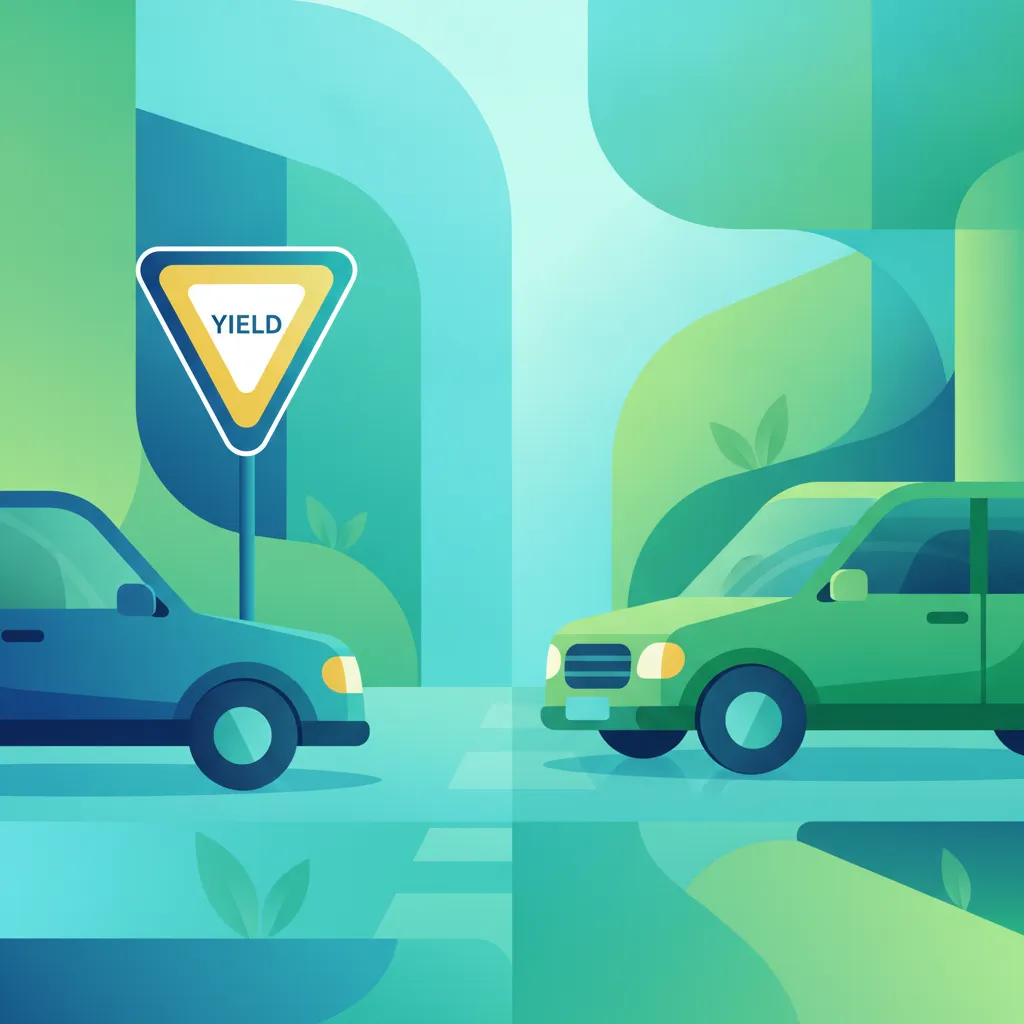
This lesson provides a comprehensive breakdown of priority rules under French law, with special focus on the default rule of priorité à droite. You will learn to recognize when this rule applies, even in the absence of explicit signage, and how to verify that entering vehicles see you. It also explains how to read priority road indicators, stop signs, and yield signs, helping you manage right-of-way safely and confidently.

France features a vast network of roundabouts (carrefours a sens giratoire) governed by specific entry and lane-use regulations. This lesson explains that vehicles entering a roundabout must yield to traffic already circulating inside. You will learn how to select the correct lane depending on your exit, use direction indicators properly, and yield to pedestrians and cyclists near roundabout exits.

Some crossroads feature complex layouts or specific signs that modify standard priority rules, such as schematic diagrams (panonceaux schematiques). This lesson teaches you how to read these auxiliary signs, which depict the thick line of the priority road and thin lines of secondary roads. You will learn how to maintain priority when the main road curves and how to navigate non-standard intersection layouts.

In France, pedestrians have clear legal priority when stepping onto or indicating an intent to use a crossing (passage pieton). This lesson details standard zebra crossings, refuge islands, and pedestrian crossings managed by synchronized traffic light systems. You will learn to scan crossings ahead, anticipate pedestrian movements, and safely come to a stop whenever a pedestrian attempts to cross.

Learners will explore the rules related to pedestrian crossings, focusing on the obligation to yield to pedestrians at zebra crossings and flashing pedestrian signals. The lesson highlights the importance of stopping before the stop line, reducing speed, and maintaining vigilance for pedestrian movement. Mastery of these practices ensures the safety of both pedestrians and AM riders at crossing points.
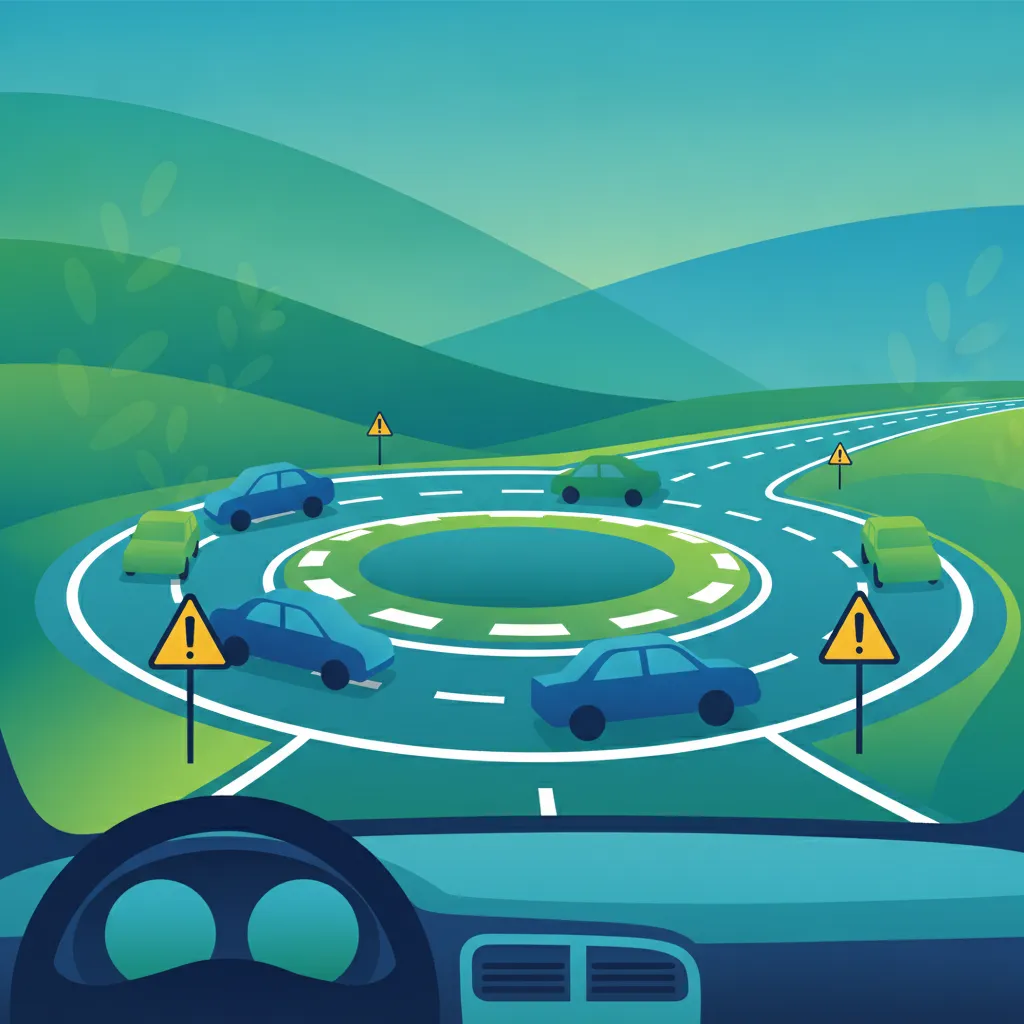
This lesson focuses on the skills required to safely enter, navigate, and exit roundabouts, a common feature in French urban environments. Learners will understand the need to yield to circulating traffic, select the appropriate lane upon entry, and signal intentions when exiting. By mastering these techniques, AM riders can safely integrate into roundabout traffic flow and reduce conflicts with other road users.
Understand the essential traffic rules for driving in urban French environments, focusing on pedestrian zones, cycle lanes, and shared road spaces. This lesson provides an overview of how to safely interact with cyclists and pedestrians while strictly adhering to municipal road markings and traffic regulations.
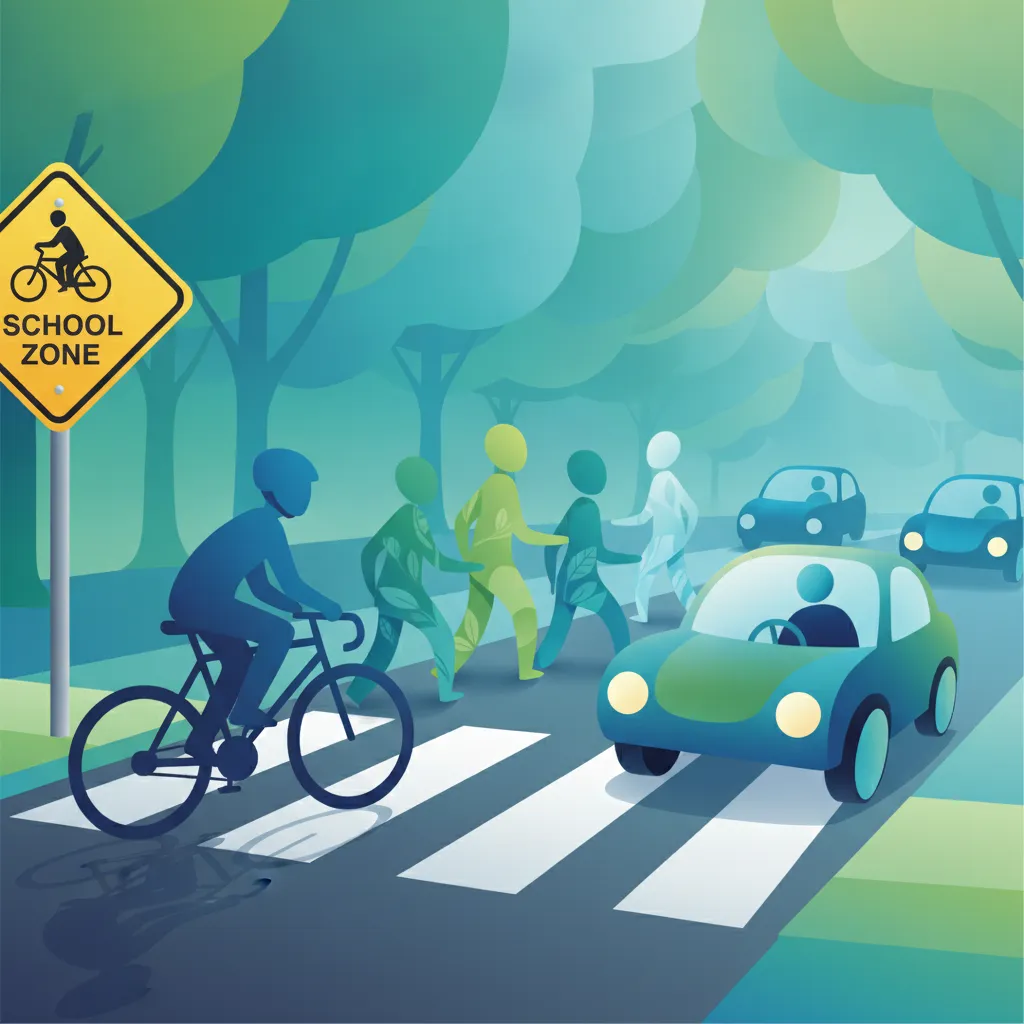
This lesson focuses on the legal requirement to yield to pedestrians on or about to step onto zebra crossings, a major focus of French road safety. You will learn how to approach school zones and pedestrian islands with heightened vigilance and reduced speed. Additionally, the lesson explores shared urban spaces, explaining how to maintain safe lateral distances when overtaking cyclists or personal electric scooters.
In France, pedestrians have clear legal priority when stepping onto or indicating an intent to use a crossing (passage pieton). This lesson details standard zebra crossings, refuge islands, and pedestrian crossings managed by synchronized traffic light systems. You will learn to scan crossings ahead, anticipate pedestrian movements, and safely come to a stop whenever a pedestrian attempts to cross.
Learners will explore the rules related to pedestrian crossings, focusing on the obligation to yield to pedestrians at zebra crossings and flashing pedestrian signals. The lesson highlights the importance of stopping before the stop line, reducing speed, and maintaining vigilance for pedestrian movement. Mastery of these practices ensures the safety of both pedestrians and AM riders at crossing points.
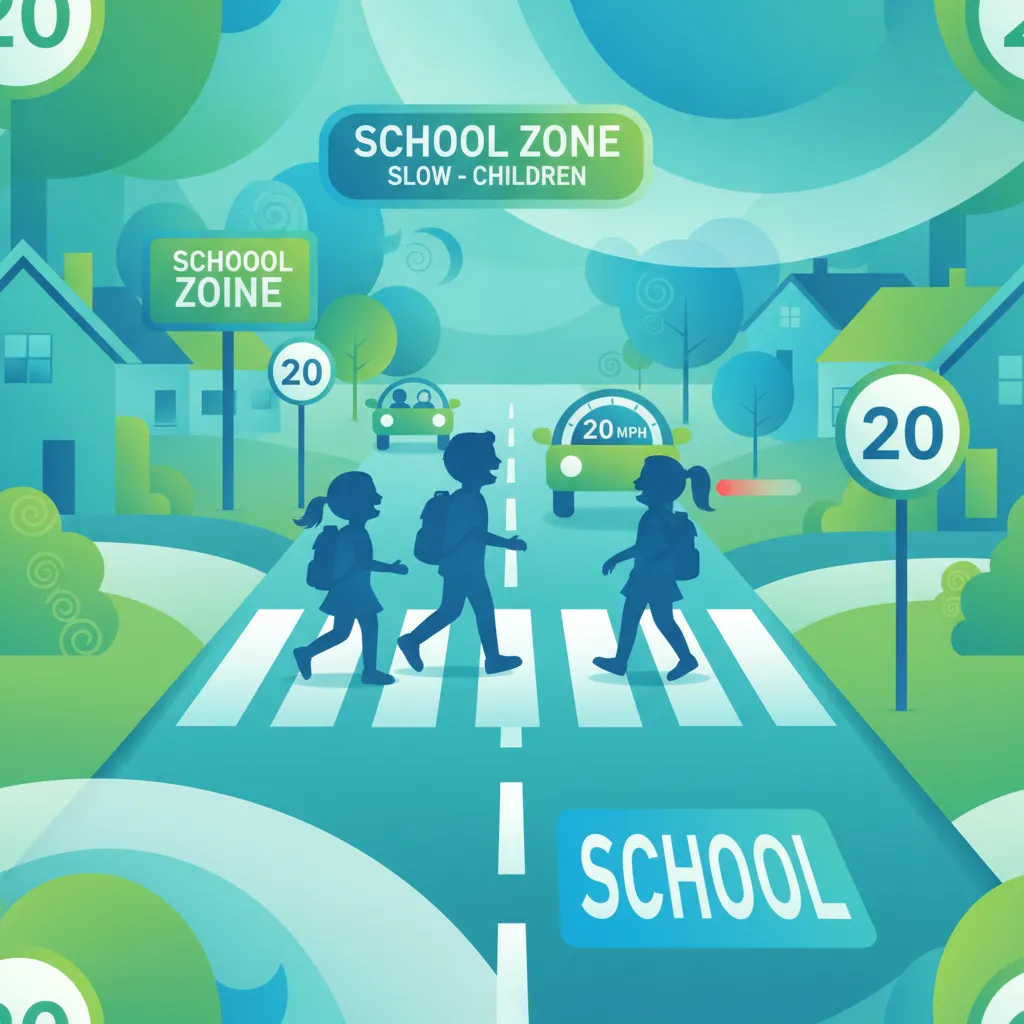
French municipalities utilize distinct low-speed configurations to foster pedestrian safety in residential and educational neighborhoods. This lesson details speed restrictions in 'zone 30', pedestrian-only districts, and shared 'zones de rencontre' where speed is capped at 20 km/h. You will learn how priority hierarchies shift in these zones, giving pedestrians legal priority to use the entire roadway.
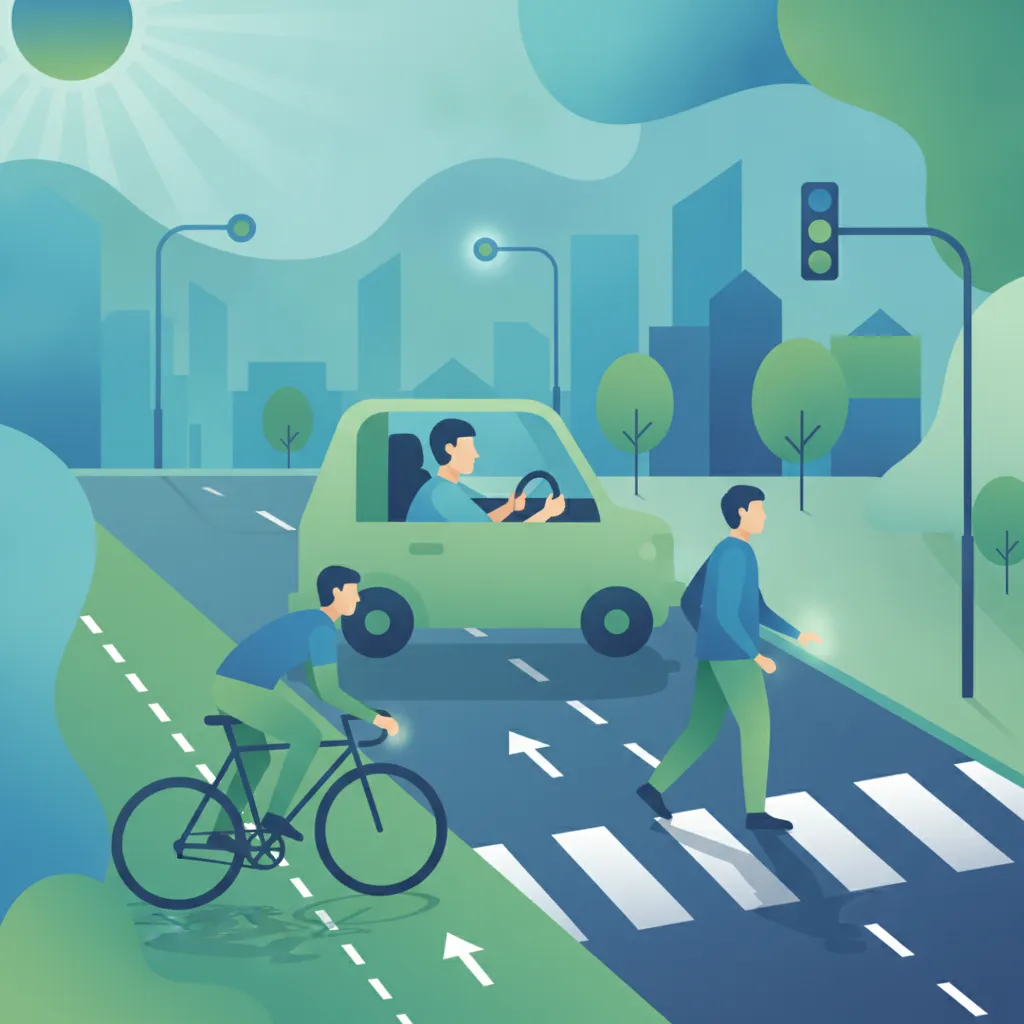
This lesson examines the specific challenges and responsibilities goods vehicle drivers face when interacting with pedestrians and cyclists in urban environments. Learners will understand right-of-way rules, the importance of yielding at pedestrian crossings, and safe turning practices that protect cyclists. The content emphasizes heightened driver vigilance, especially when navigating bike lanes and crowded sidewalks.

This lesson examines French Code de la route laws regarding pedestrian right-of-way, emphasizing the driver's legal duty to yield to any pedestrian engaged in crossing. It outlines proper approach speeds when approaching zebra crossings with obstructed views. Candidates will learn to maintain a safe physical buffer zone and verify that crosswalks are entirely clear of pedestrians before accelerating.

This lesson covers the operational logic of traffic light signals in France, emphasizing the legal implications of the red, amber, and green cycles. You will study how to safely manage the amber phase to avoid rear-end collisions from vehicles behind while maintaining control. Additionally, you will discover the unique challenge of electromagnetic induction loops, which sometimes fail to detect lightweight motorcycles at quiet intersections.
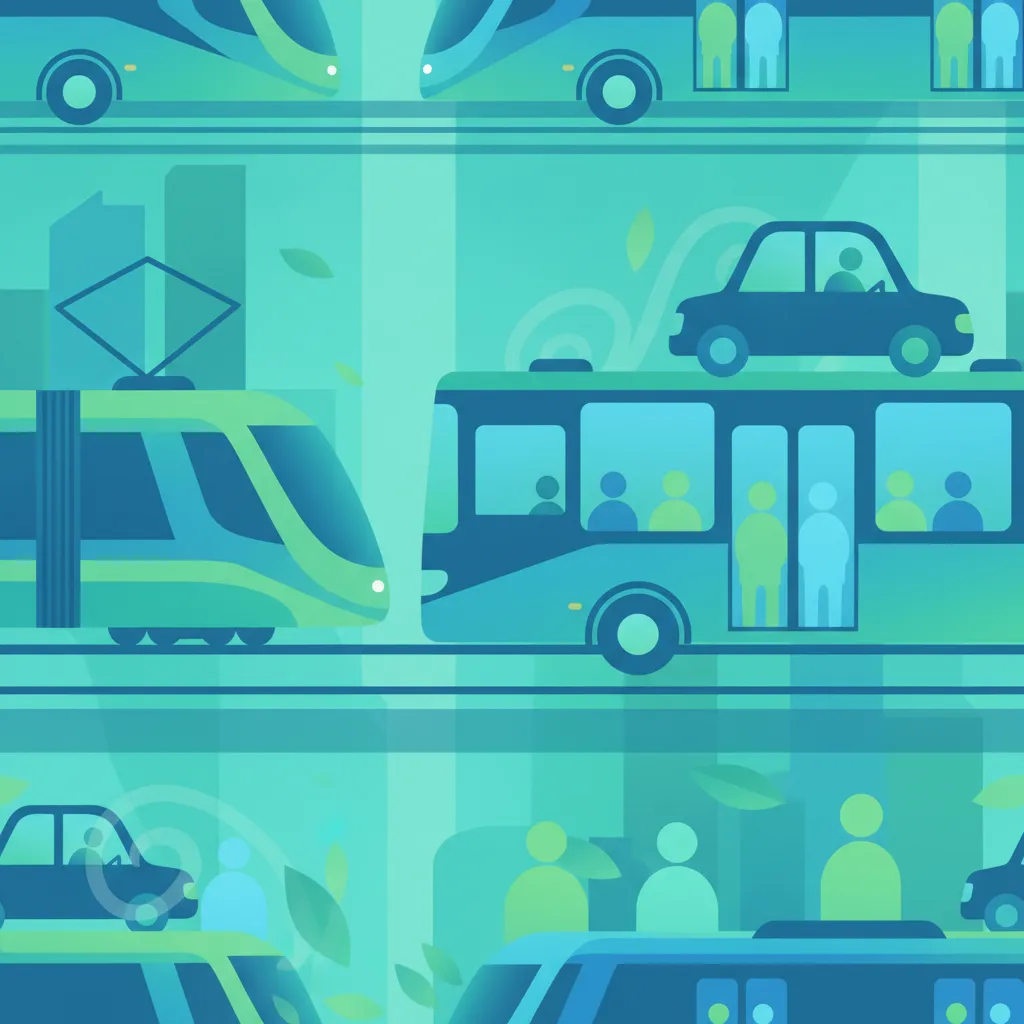
Public transit vehicles like city buses and streetcars (trams) have clear legal priorities and dedicated infrastructure in urban areas. This lesson teaches you to recognize reserved transit lanes and your legal obligation to yield to buses exiting their designated stops. You will also learn safe driving strategies near tram tracks, ensuring you never block public transit lines or risk passenger boarding areas.
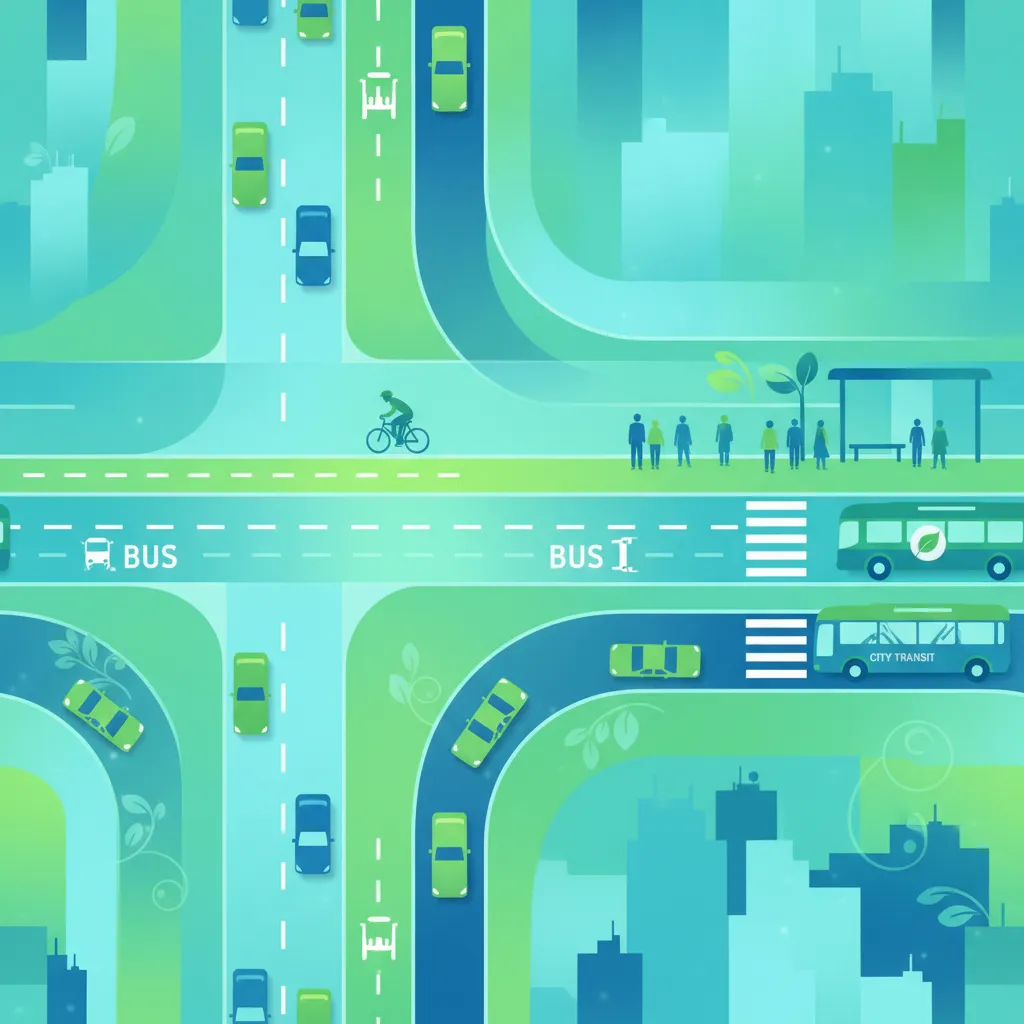
This lesson clarifies the legal boundaries of urban infrastructure, highlighting the strict ban on riding motorcycles within bus lanes or cycle paths. You will study French regulations concerning traffic flow, including where and when experimental lane filtering is permitted between lines of stationary cars. Understanding these boundaries ensures you can keep moving through congested areas without risking heavy fines or dangerous collisions.

Certain groups of road users require heightened defensive attention from drivers due to physical limitations or unpredictable behaviors. This lesson covers how to recognize signs of visual impairment (white canes), mobility challenges, and the unpredictability of young children. You will learn to reduce your speed, extend yielding patience, and proactively secure extra space to protect these vulnerable users.
Find clear answers to common questions learners have about Lateral Markings: Edge Lines and Pedestrian Zones. Learn how the lesson is structured, which driving theory objectives it supports, and how it fits into the overall learning path of units and curriculum progression in France. These explanations help you understand key concepts, lesson flow, and exam focused study goals.
A continuous yellow line prohibits both parking and stopping. A broken yellow line allows you to stop briefly for loading or unloading passengers or goods, but parking remains prohibited.
Pedestrian zones are typically indicated by specific signage at the entrance, but you should also look for distinctive paving, specialized lane markings, and the complete absence of standard vehicle lanes to signal you are entering a protected area.
Generally, solid white edge lines define the limit of the carriageway. You should not cross them unless necessary to avoid an obstacle, and only when it is safe to do so after checking mirrors and blind spots.
The ETG exam often presents photos of complex intersections or streets and asks whether a vehicle is legally parked or which road user has priority based on the visible markings. Mastery requires correctly identifying the meaning of every painted element in the scene.
Ready to focus your study? Use the practice search to find exactly the French driving theory questions you need for the Code de la route and permis de conduire ETG. Refine your knowledge on specific topics or challenging rules to boost your confidence and exam readiness.