This lesson explores the complexities of operating large passenger vehicles in dense French urban environments. You will learn to manage spatial constraints and traffic hazards while maintaining the safety and comfort expected of a professional driver.

Lesson content overview
Operating a large passenger vehicle within French urban centers is one of the most demanding tasks a professional driver can face. Navigating historic city centers, managing complex intersections, and maintaining passenger safety require an exceptional level of spatial awareness, technical skill, and emotional regulation. This lesson analyzes the distinct traffic challenges inherent in operating Category D1, D, D1E, and DE vehicles within both historic and modern French urban environments.
Whether you are driving an urban transit bus (autobus) or a long-distance coach (autocar) entering a city terminal, you must adapt your driving style to address unique infrastructural limitations, high density of vulnerable road users, and constant schedule demands.
French cities present a stark contrast between historic quarters (villes historiques) and modern urban planning. Navigating these environments requires a deep understanding of your vehicle’s physical dimensions, commonly referred to as its gabarit.
Historic city centers, such as those found in Lyon, Marseille, or Rouen, were not designed for modern heavy vehicles. These areas feature irregular street layouts, cobblestone surfaces (pavés), extremely narrow lanes, and tight, non-orthogonal corners.
When driving in these zones:
While modern urban planning provides wider lanes, it introduces other challenges designed to optimize transit and reduce private vehicle traffic. These include:
Maintaining safe lateral clearance is a legal and practical necessity under the French Code de la Route.
The minimum physical distance a vehicle must maintain from pedestrians, cyclists, obstacles, or opposing traffic to ensure safe passage.
Under French defensive driving guidelines and standard traffic rules, when a passenger vehicle navigates narrow streets (especially those narrower than 5 meters), specific clearance thresholds must be met:
Rule of Thumb: You must maintain a minimum lateral clearance of 0.5 meters from pedestrians on sidewalks, roadside obstacles (such as parked cars or utility poles), and oncoming traffic. If this clearance cannot be maintained, you must reduce your speed to a crawling pace or stop completely until the hazard is resolved.
When approaching tight or low urban infrastructure, drivers must observe specific regulatory signs. You must be prepared to identify and respond instantly to the following indicators:
Failing to respect these signs can result in catastrophic collisions with bridges, tunnels, or historical structures, leading to immediate license suspension and severe criminal penalties.
One of the most common daily disruptions in French urban environments is the double-parked delivery truck (arrêt en double file). These vehicles often occupy part or all of a travel lane, creating a bottleneck.
Overtaking a stationary obstacle like a delivery truck is governed strictly by the Code de la Route. Under normal circumstances, crossing a solid white line (ligne continue) is a severe traffic violation. However, French law distinguishes between overtaking a moving vehicle and bypassing a stationary obstacle (contournement d'un obstacle).
If a double-parked vehicle completely blocks your lane:
Stop and Assess: Bring the bus to a complete stop at a safe distance behind the delivery truck. Do not tailgated the obstacle, as this restricts your field of vision and limits your turning angle.
Check Mirrors and Blind Spots: Check your left-side mirrors and perform a direct shoulder check to ensure no cyclists or motorists are already overtaking you.
Signal Early: Activate your left turn indicator to communicate your intention to surrounding road users.
Verify Oncoming Lane: Ensure the opposing lane is completely clear of oncoming vehicles, cyclists, and scooters.
Execute Gently: Move outward smoothly, maintaining a safe lateral distance of at least 0.5 meters from the delivery vehicle. Keep your speed extremely low (under 15 km/h) to allow for immediate braking if a pedestrian emerges.
Return to Lane: Once your rear bumper has cleared the delivery vehicle, check your right mirror, signal right, and return smoothly to your lane.
France contains more roundabouts (carrefours à sens giratoire) than any other country in the world. For drivers of large passenger vehicles, these circular intersections require precise positioning and constant observation.
Due to the length of Category D vehicles (which can exceed 12 meters, or up to 18.75 meters for articulated buses), maintaining perfect lane discipline inside a multi-lane roundabout is highly challenging.
Blind Spot Danger (Angles Morts): French law mandates that heavy vehicles over 3.5 tonnes must display "Angles Morts" warning stickers on the sides and rear. This is particularly critical on roundabouts, where passenger cars and two-wheelers often position themselves directly in your lateral blind spots.
High-density urban areas present a constant stream of vulnerable road users (usagers vulnérables), including pedestrians, cyclists, and users of personal mobility devices like electric scooters (trottinettes électriques).
Under French law, drivers must yield priority to any pedestrian who has stepped onto, or clearly demonstrated an intention to step onto, a pedestrian crossing (passage piéton).
In many French municipalities, cyclists are legally permitted to use designated bus lanes. This layout requires meticulous observation:
Effective communication helps manage chaotic traffic, but it must be performed within legal boundaries.
Many novice commercial drivers make the mistake of using the horn to express frustration or clear traffic. In France, this is a distinct violation of the traffic code.
Article R412-18 of the Code de la Route: In urban areas, the use of the horn (avertisseur sonore) is strictly prohibited except in cases of immediate, grave danger. Using the horn to signal impatience, clear a double-parked delivery truck, or alert a passenger is illegal and subject to a class 2 fine (amende de 2ème classe).
One of the most intense psychological challenges for a professional passenger vehicle driver is managing schedule pressure (pression horaire). Bus transit networks operate on strict timetables, and delays caused by urban congestion, delivery blockages, or passenger boarding issues can accumulate rapidly.
When running late, drivers naturally experience cognitive tunnel vision and a heightened tolerance for risk. This manifests as:
As a professional driver, you must internalize the absolute hierarchy of passenger transit: Safety always takes precedence over punctuality.
To pass your theory exam and operate safely, you must understand how simple driving decisions produce direct physical and legal consequences:
Explore all units and lessons included in this driving theory course.
Lesson content overview
Explore all units and lessons included in this driving theory course.
Explore search topics learners often look for when studying Urban Traffic Challenges for Passenger Vehicles. These topics reflect common questions about road rules, driving situations, safety guidance, and lesson level theory preparation for learners in France.
Browse additional driving theory lessons that cover connected traffic rules, road signs, and common driving situations related to this topic. Improve your understanding of how different rules interact across everyday traffic scenarios.
Learn the essential theory behind managing long-vehicle dynamics in urban environments. This guide explains correct lane positioning, handling vehicle overhangs, and navigating tight intersections while maintaining safety margins according to the French Code de la route.
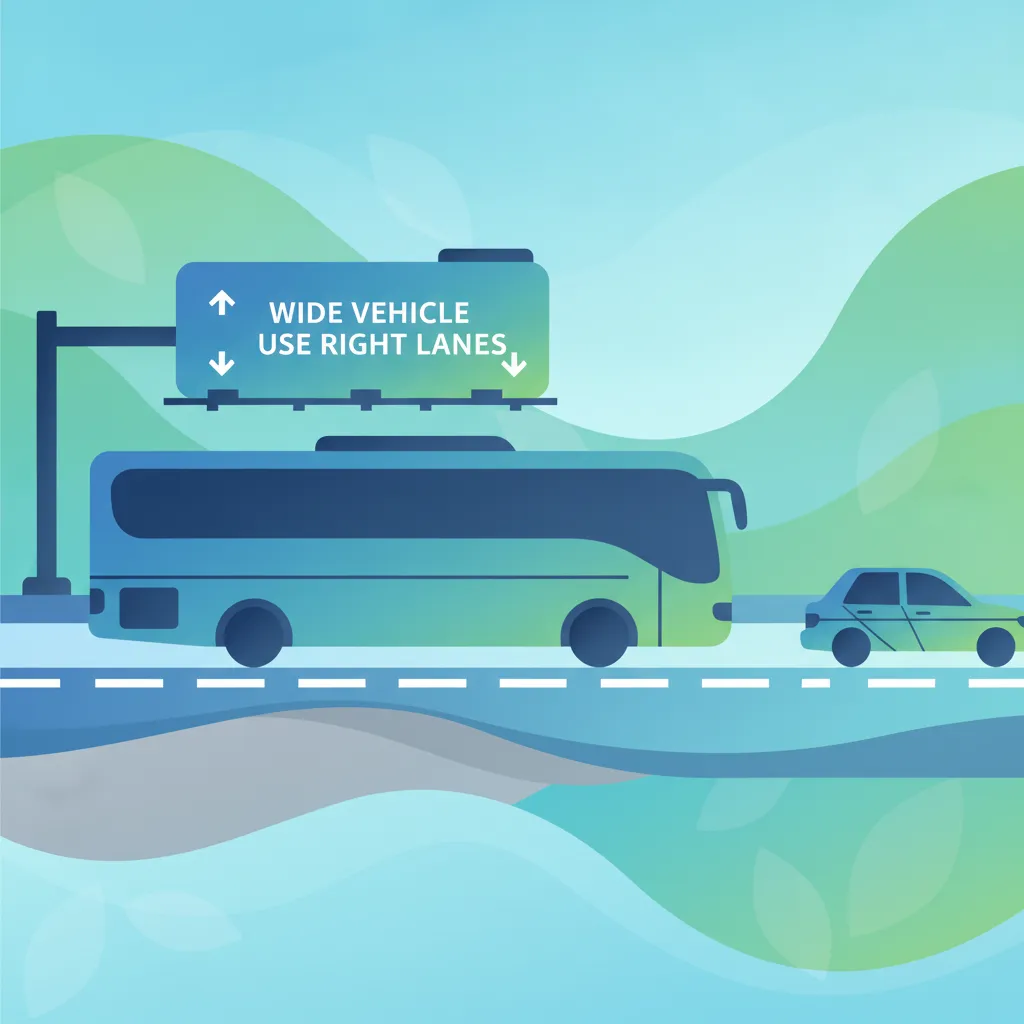
This lesson details the rules of lane discipline for operating wider and longer passenger transport vehicles on highway and city networks. Learners will explore proper lane positioning to prevent encroachment on adjacent lanes or sidewalks. It also covers the step-by-step visual and signaling sequence required to perform safe lane changes, avoiding sudden movements that could startle other drivers.

This lesson analyzes the technical path a long wheelbase vehicle must take when turning at intersections and navigating roundabouts. Drivers will learn to calculate tail swing and rear-wheel tracking, intentionally swinging wide to clear roadside curbs and poles safely. The lesson emphasizes yielding protocols for pedestrians and cyclists who may be crossing the target street during the turn.
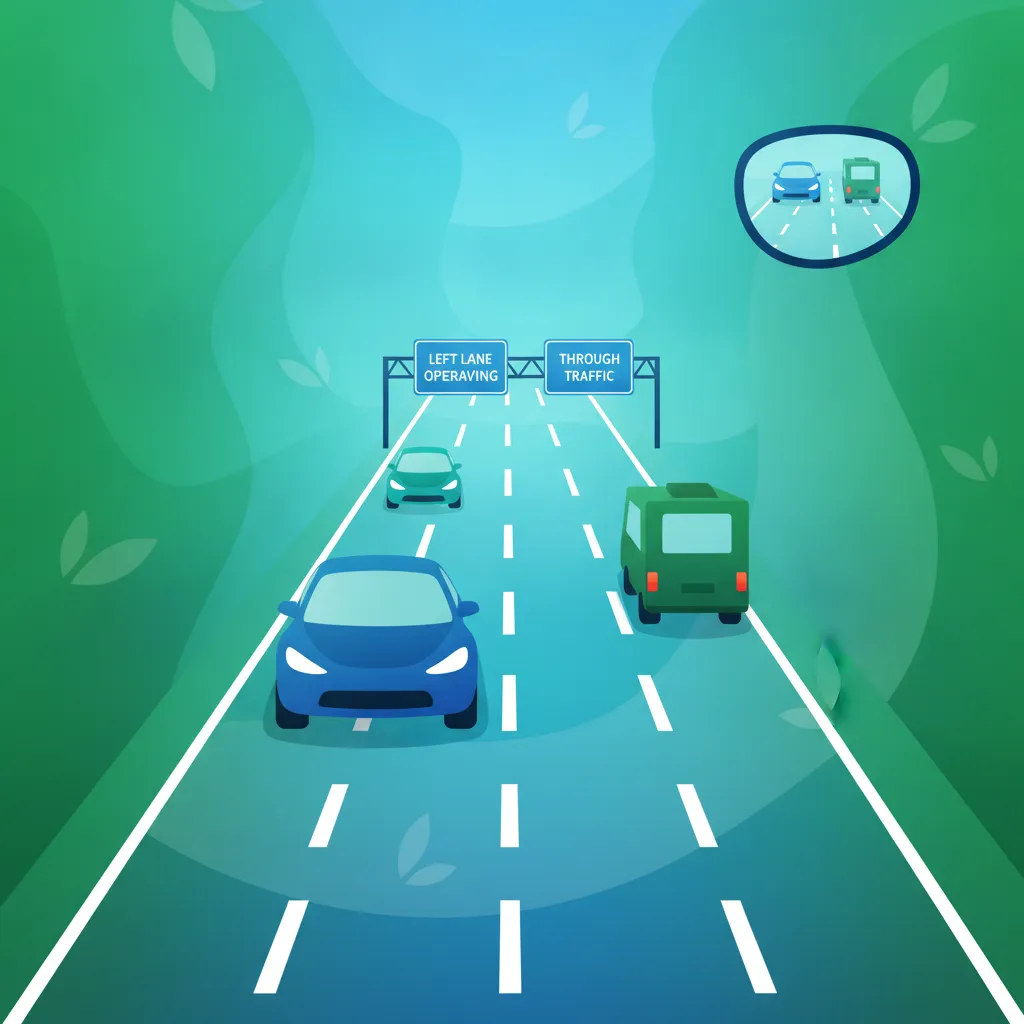
This lesson covers the rules of driving passenger vehicles on high-speed French motorways (autoroutes). Learners will study entry-ramp merging protocols, lane restrictions for vehicles over 3.5 tonnes, and motorway-specific speed limits. The lesson also highlights the correct use of toll booths (péages), emergency hard-shoulder safety procedures, and accessing dedicated coach rest areas.

This lesson addresses the challenges of positioning near larger vehicles such as cars, vans, buses, and lorries on French roads. Learners will learn to identify blind spots (angles morts), maintain a safe distance, and position themselves to maximize visibility and predictability. Understanding these dynamics is crucial for AM riders to avoid dangerous situations and ensure safe overtaking and lane sharing.
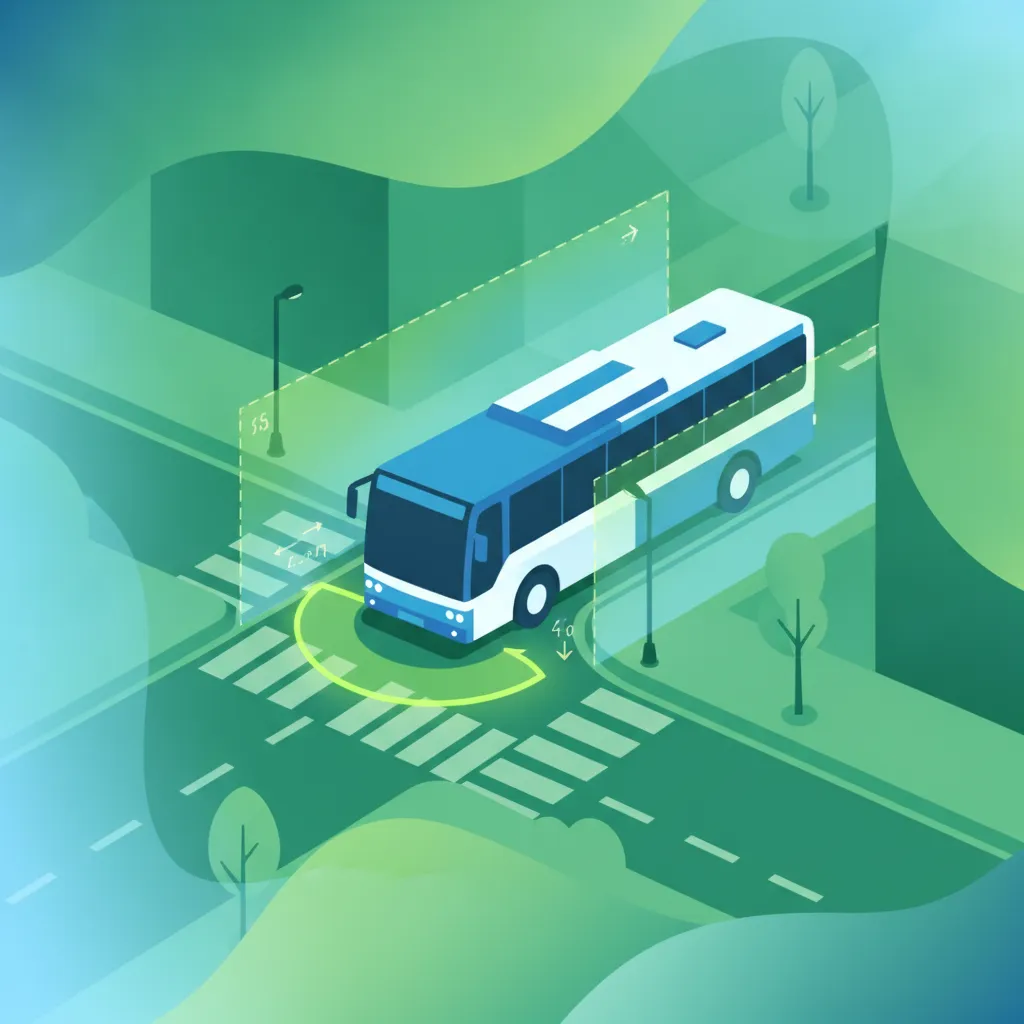
This lesson covers the physical dimensions of passenger vehicles and how their high profile, length, and width alter spatial awareness on the road. Learners will study tail-swing mechanics and track the path of the rear wheels during sharp turns to avoid hitting roadside obstacles. Accurate measurement of overhead structures, bridges, and underpass clearances is taught to prevent catastrophic structural collisions.
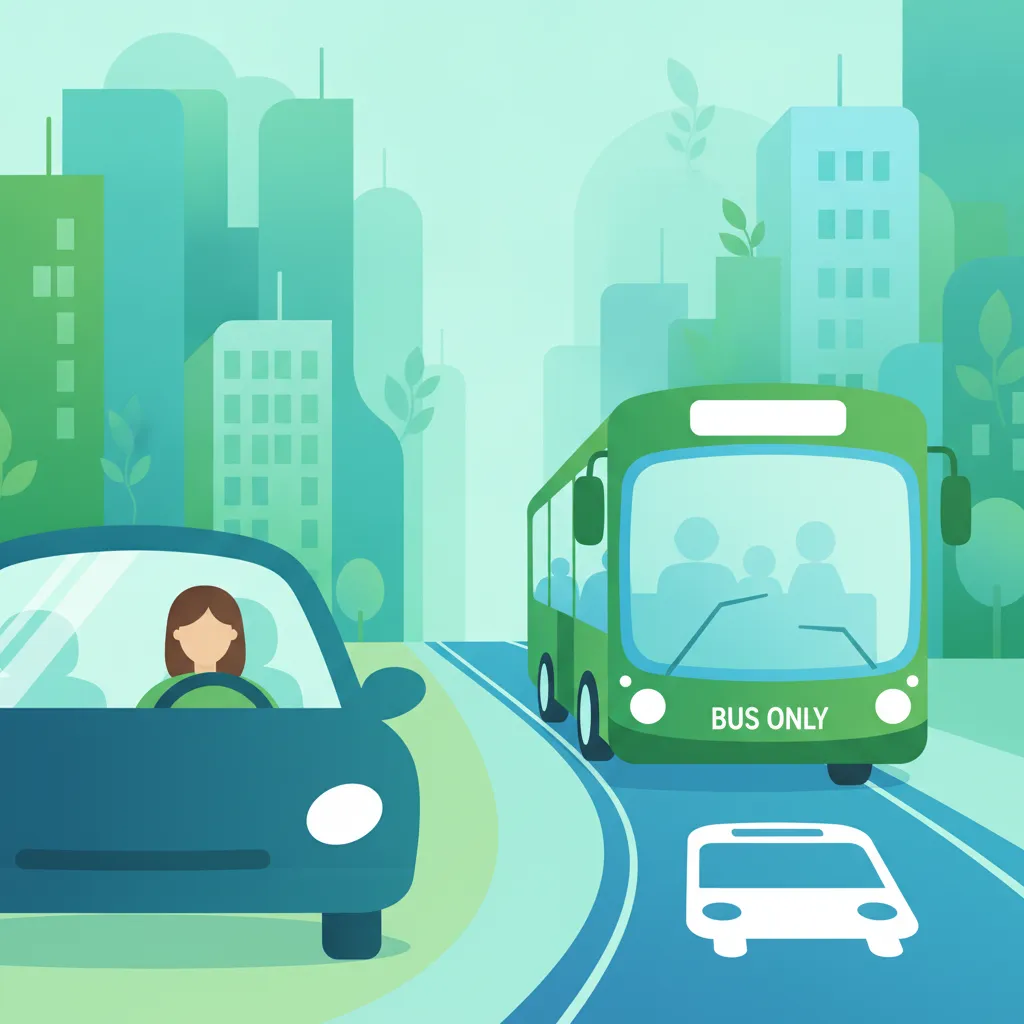
This lesson detail the exact laws governing the use of reserved bus lanes, detailing who may enter them and during what hours of operation. Drivers will study the penalties for unauthorized passenger cars occupying these lanes and the safety protocols for lane sharing with taxi cabs or cyclists. The lesson also highlights safe lane-merging practices when exiting reserved spaces to merge back into general urban traffic.
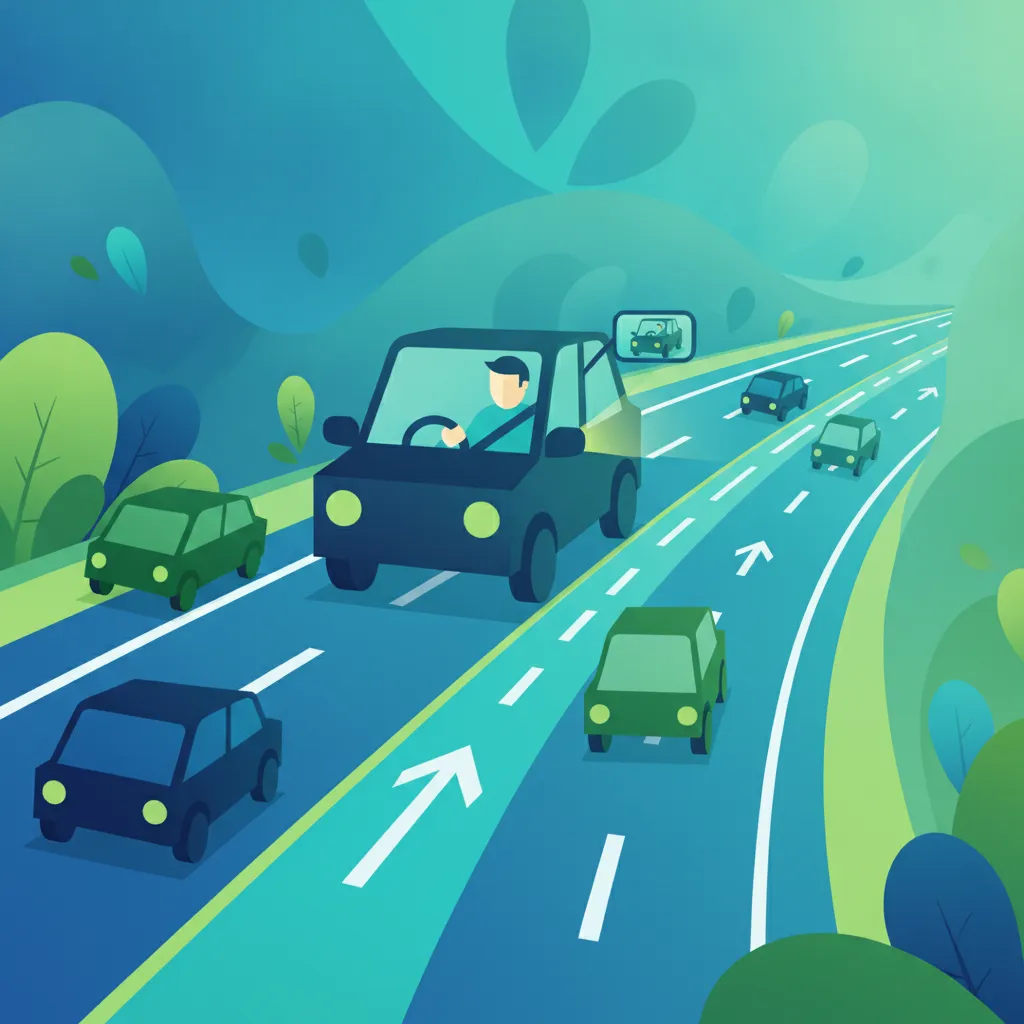
Changing lanes or executing turns requires a structured visual and physical procedure to prevent interrupting surrounding traffic. This lesson explains the key steps: checking the center mirror, exterior mirrors, turning on direction indicators, and performing blind-spot checks. You will learn correct vehicle positioning for both left and right turns, and how to execute safe turning circles without cutting corners.

France features a vast network of roundabouts (carrefours a sens giratoire) governed by specific entry and lane-use regulations. This lesson explains that vehicles entering a roundabout must yield to traffic already circulating inside. You will learn how to select the correct lane depending on your exit, use direction indicators properly, and yield to pedestrians and cyclists near roundabout exits.

This lesson covers the specific lane usage rules and best practices for articulated goods vehicles, emphasizing the correct positioning within lane markings and the impact of vehicle length on lane width. Learners will understand how to navigate lane changes safely, the importance of maintaining appropriate gaps with other road users, and the challenges posed by narrow lanes in urban environments. The content also addresses the French road markings standard.
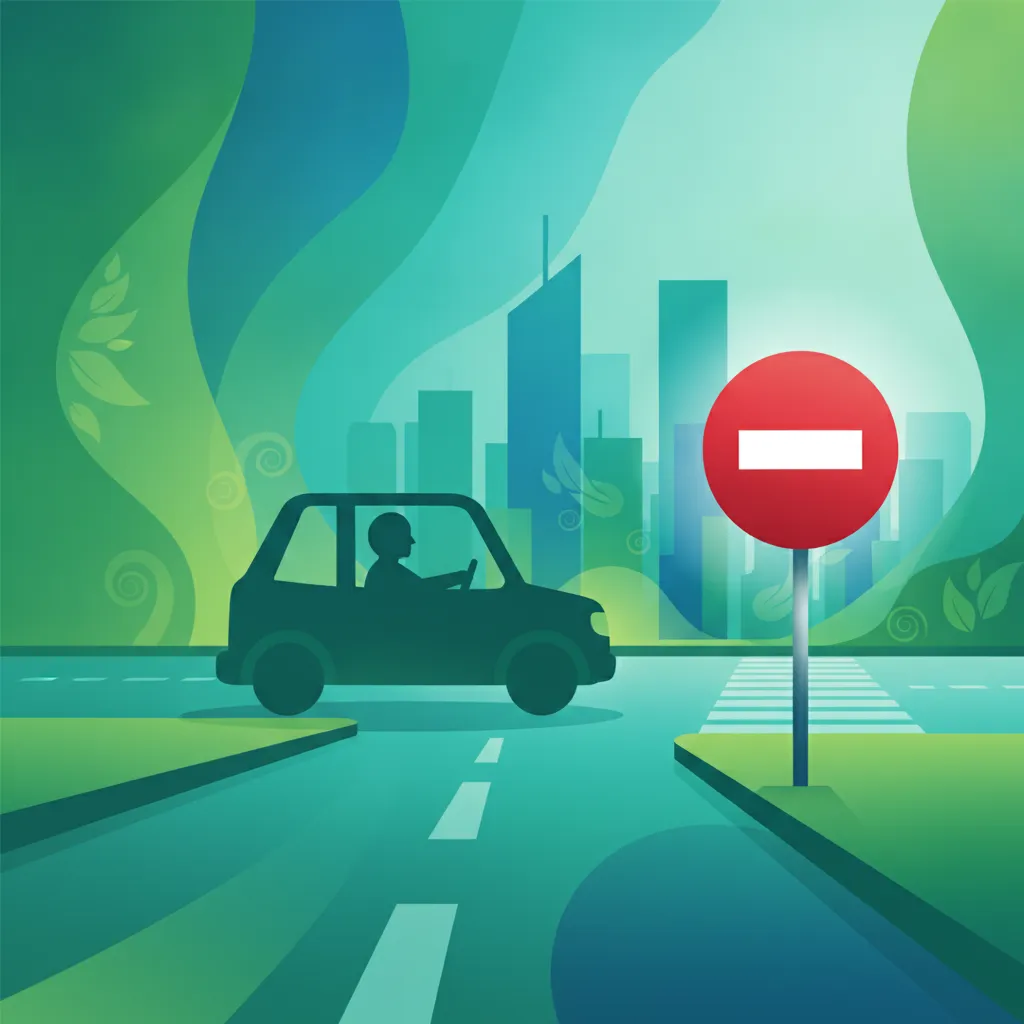
This lesson examines the regulatory limits and environmental controls applied to large passenger vehicles operating in dense French urban centers. Drivers will study the Crit'Air clean air sticker system and low-emission zones (ZFE) that restrict access for older, high-polluting vehicles. It also addresses navigating physical constraints, such as narrow streets, tight turning radii, and strict municipal weight limits.
Understand the legal requirements and defensive driving strategies for sharing the road with cyclists, pedestrians, and electric scooter users. This lesson covers the mandatory clearance rules and vigilance needed when operating buses near school zones and crowded city streets.

Certain groups of road users require heightened defensive attention from drivers due to physical limitations or unpredictable behaviors. This lesson covers how to recognize signs of visual impairment (white canes), mobility challenges, and the unpredictability of young children. You will learn to reduce your speed, extend yielding patience, and proactively secure extra space to protect these vulnerable users.
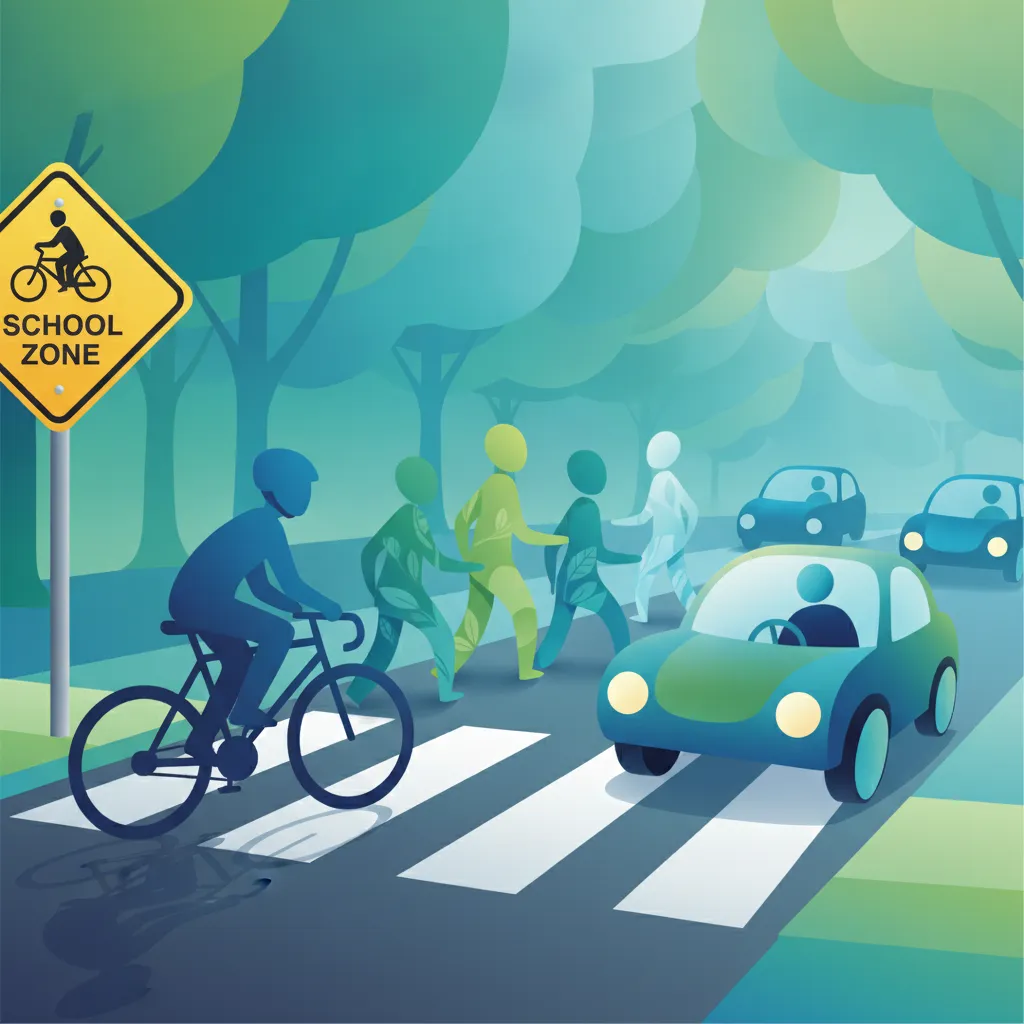
This lesson focuses on the legal requirement to yield to pedestrians on or about to step onto zebra crossings, a major focus of French road safety. You will learn how to approach school zones and pedestrian islands with heightened vigilance and reduced speed. Additionally, the lesson explores shared urban spaces, explaining how to maintain safe lateral distances when overtaking cyclists or personal electric scooters.
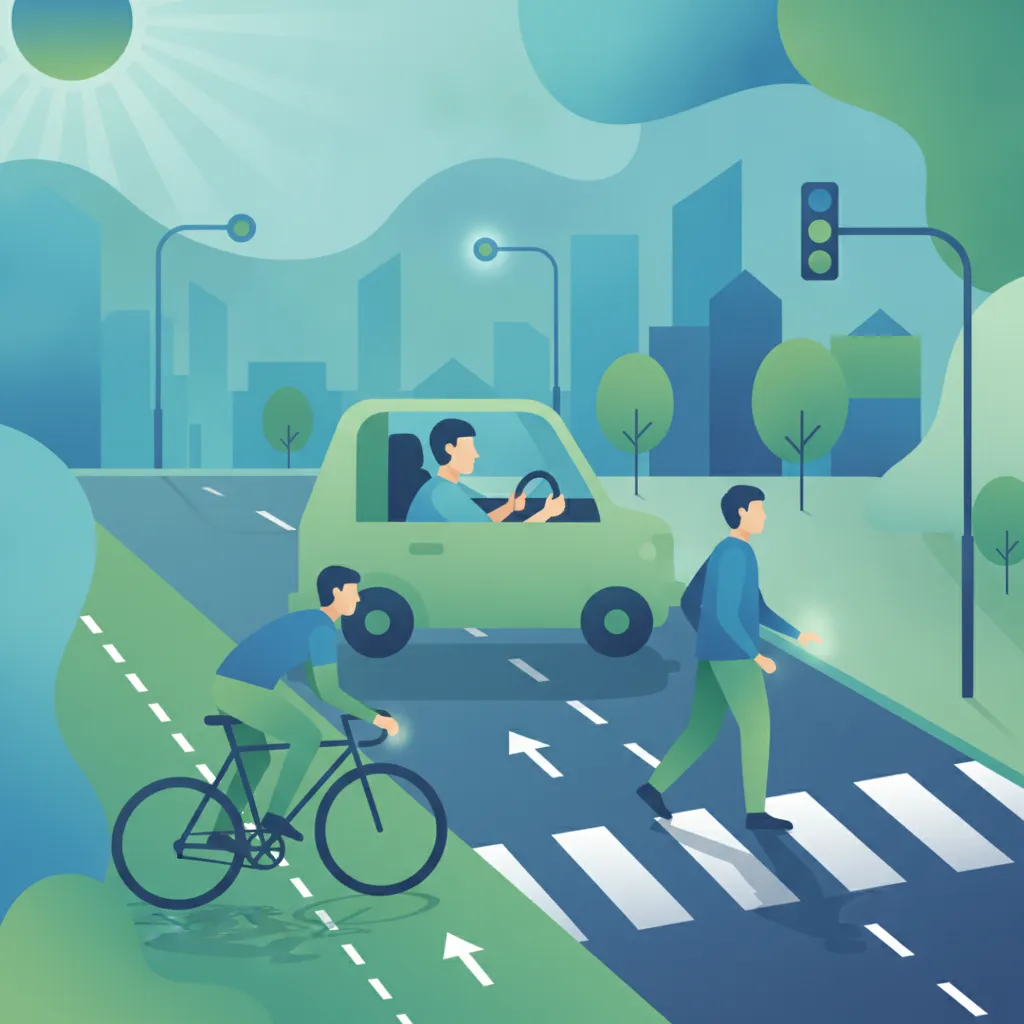
This lesson examines the specific challenges and responsibilities goods vehicle drivers face when interacting with pedestrians and cyclists in urban environments. Learners will understand right-of-way rules, the importance of yielding at pedestrian crossings, and safe turning practices that protect cyclists. The content emphasizes heightened driver vigilance, especially when navigating bike lanes and crowded sidewalks.
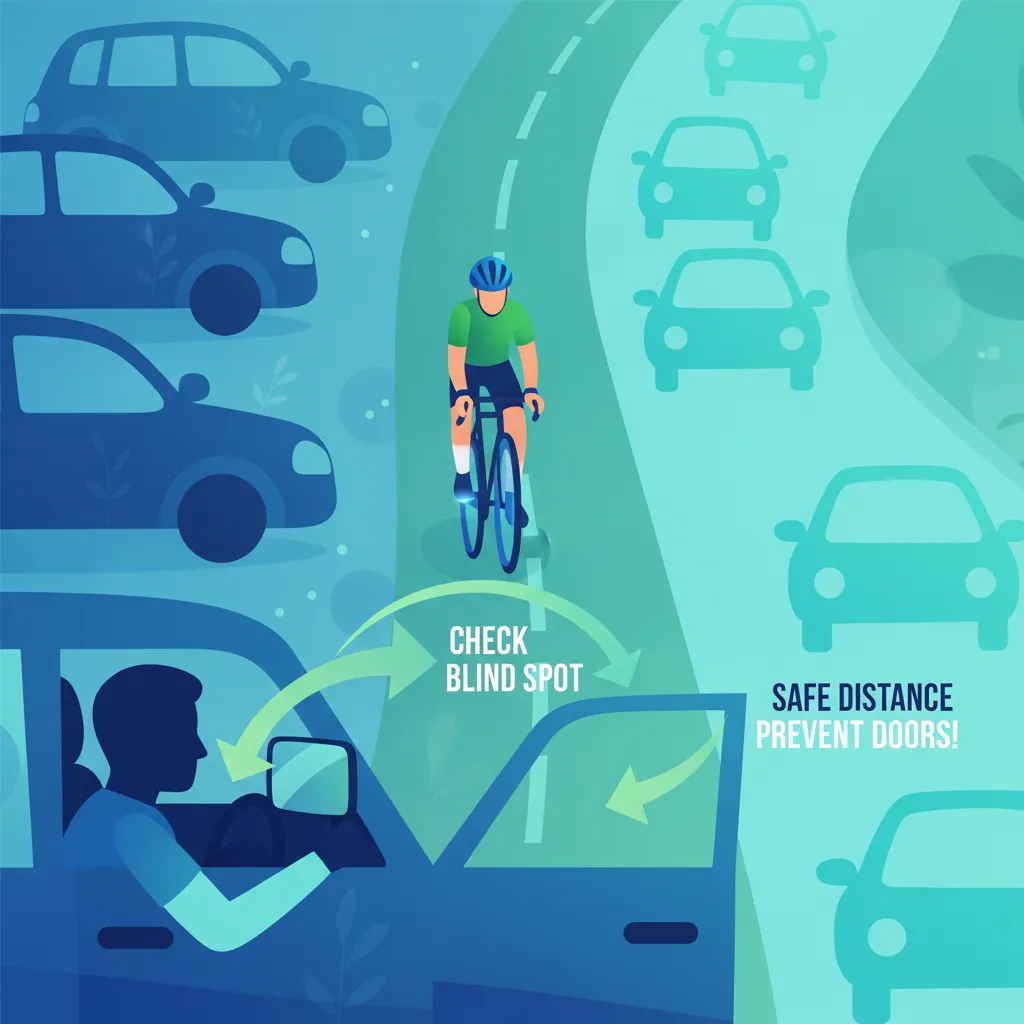
This lesson explains how to share the road safely with cyclists in both urban and rural environments. Drivers will study the legal minimum passing distances when overtaking cyclists, which is one meter in cities and one and a half meters outside urban areas. It also covers recognizing specialized cycling infrastructure, bike boxes at intersections, and preventing blind-spot collisions during right turns.
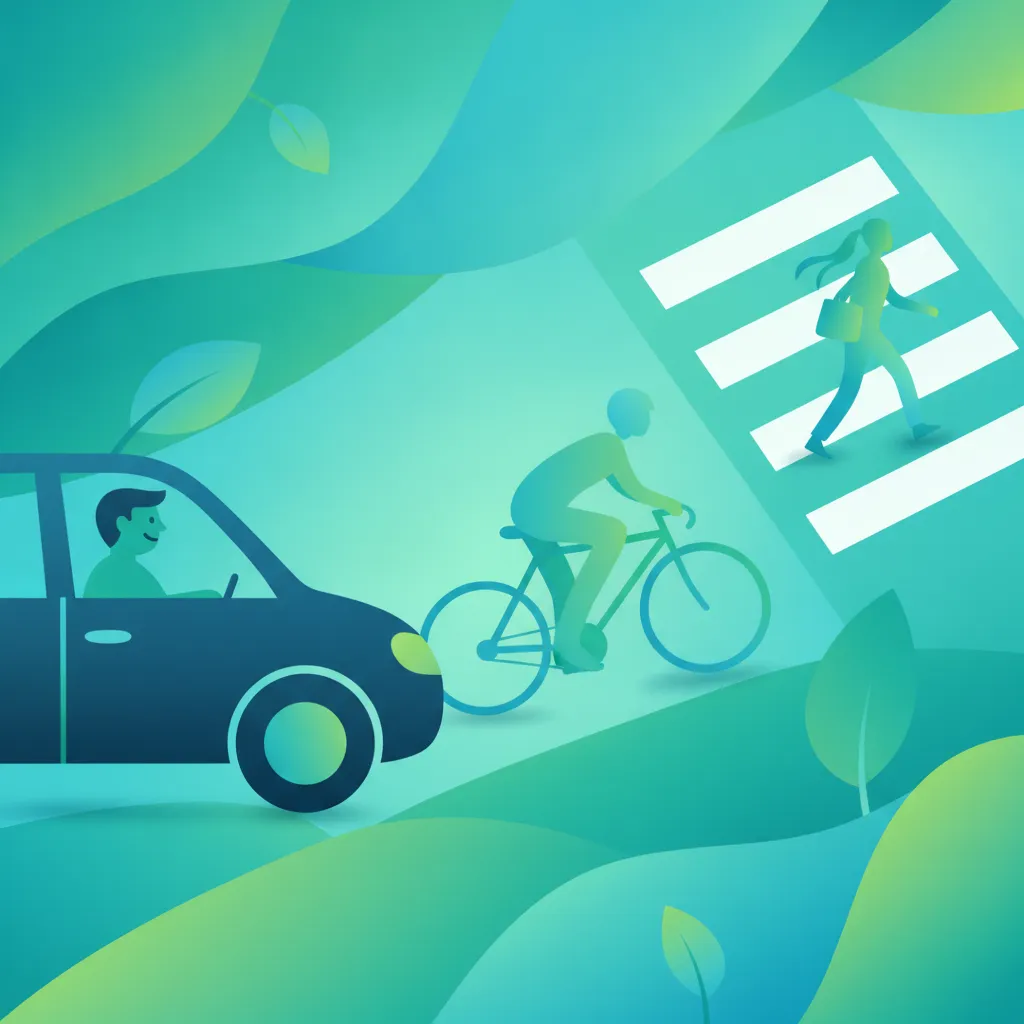
Learners will focus on the best practices for interacting safely with cyclists and pedestrians in mixed traffic environments. The lesson covers proper lane usage, overtaking protocols, maintaining adequate safety gaps, and non-verbal communication techniques in the French urban landscape. By applying these principles, AM riders can coexist harmoniously with vulnerable road users, reducing the likelihood of accidents.

In France, pedestrians have clear legal priority when stepping onto or indicating an intent to use a crossing (passage pieton). This lesson details standard zebra crossings, refuge islands, and pedestrian crossings managed by synchronized traffic light systems. You will learn to scan crossings ahead, anticipate pedestrian movements, and safely come to a stop whenever a pedestrian attempts to cross.

This lesson provides global defensive driving strategies to minimize collision risks for all non-motorized and vulnerable road users. Drivers will learn to systematically lower vehicle speed in dense pedestrian zones, even when no active hazards are visible. By cultivating an anticipatory mindset and maintaining generous safety margins, professional drivers establish a protective safety envelope around their vehicle.

This lesson details how to manage high-risk interactions with pedestrians who may step off curbs or cross the road near bus stops. Learners will study French Code de la route laws regarding pedestrian priority at crosswalks and near stopping transit vehicles. Developing heightened spatial awareness around blind zones near the front of the bus is emphasized to prevent tragic pedestrian collisions.

Learners will explore the rules related to pedestrian crossings, focusing on the obligation to yield to pedestrians at zebra crossings and flashing pedestrian signals. The lesson highlights the importance of stopping before the stop line, reducing speed, and maintaining vigilance for pedestrian movement. Mastery of these practices ensures the safety of both pedestrians and AM riders at crossing points.
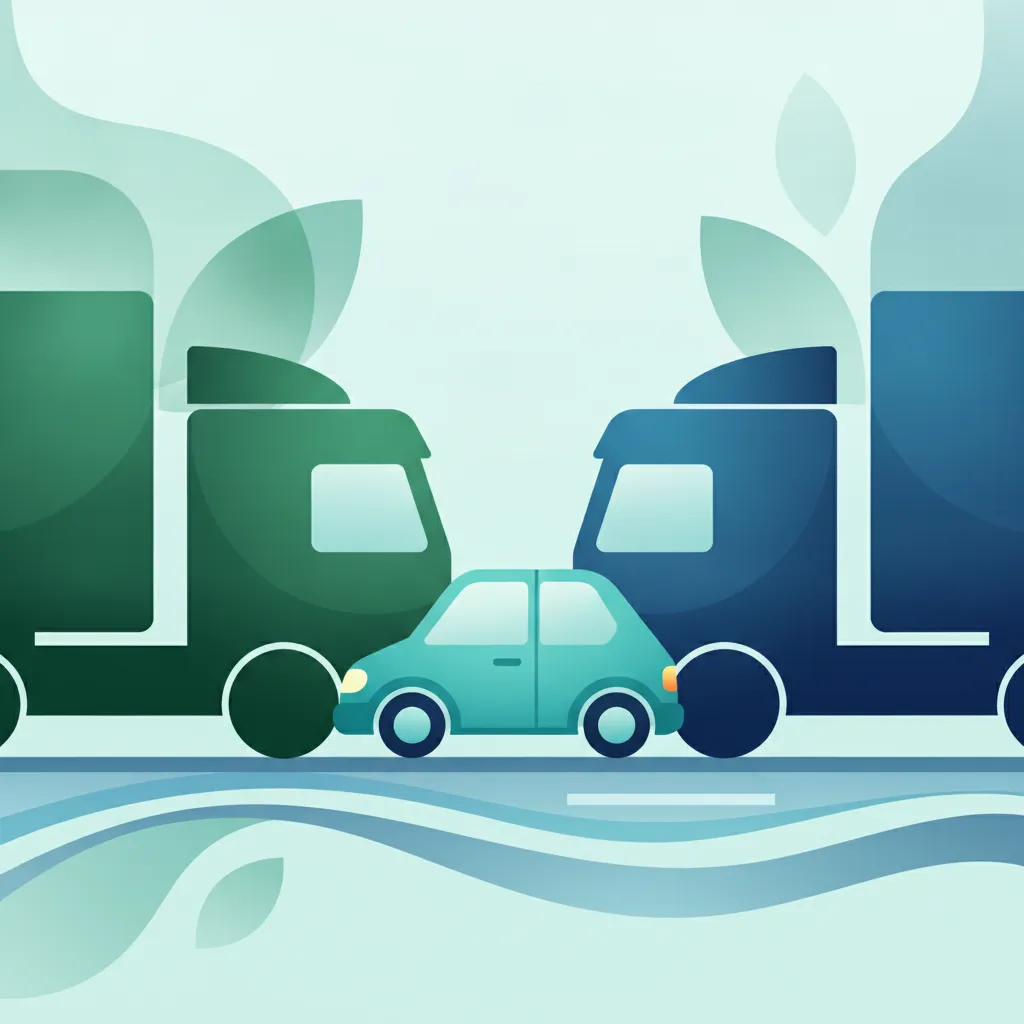
This lesson focuses on the inherent vulnerability of AM vehicles due to their limited mass, exposure, and visibility within mixed traffic flows on French roads. Learners will examine how blind spots, sudden lane changes by larger vehicles, and higher impact severity affect small vehicle safety. The content underscores the necessity for riders to adopt proactive safety measures, maintain safe distances, and be constantly aware of surrounding traffic dynamics.
Find clear answers to common questions learners have about Urban Traffic Challenges for Passenger Vehicles. Learn how the lesson is structured, which driving theory objectives it supports, and how it fits into the overall learning path of units and curriculum progression in France. These explanations help you understand key concepts, lesson flow, and exam focused study goals.
Always prioritize clear visibility and slow down significantly. Use your mirrors continuously to monitor the vehicle's rear swing and proximity to parked cars or obstacles, and do not hesitate to stop if the clearance is insufficient.
Yes, large vehicles occupy more space. When entering a multi-lane roundabout, position your vehicle early in the appropriate lane, observe blind spots carefully, and signal your exit clearly while ensuring you do not cut off smaller vehicles.
Assume you will need to cross into the oncoming lane if it is safe to do so. Always wait for a clear gap, check for cyclists or pedestrians moving between parked vehicles, and signal your intent early to alert other road users.
Exam questions often present a visual scenario of a difficult intersection or congested street. You will be asked to identify the safest path, predict the movement of vulnerable road users, or demonstrate the correct mirror-scanning sequence.
Ready to focus your study? Use the practice search to find exactly the French driving theory questions you need for the Code de la route and permis de conduire ETG. Refine your knowledge on specific topics or challenging rules to boost your confidence and exam readiness.