
This lesson focuses on advanced risk mitigation strategies for professional passenger transport drivers. You will learn how to build a protective safety envelope around your vehicle when navigating areas shared with cyclists, pedestrians, and students in accordance with the French Code de la route.

Lesson content overview
Operating a heavy passenger transport vehicle—such as a bus or coach under French license categories D1, D, D1E, or DE—demands the highest standards of safety, control, and foresight. While a professional driver is responsible for the comfort and safety of their passengers, their legal and moral duty extends to all other participants on the public road network.
Among these participants, vulnerable road users (usagers vulnérables)—including pedestrians, cyclists, children, elderly individuals, and people with reduced mobility (personnes à mobilité réduite or PMR)—are disproportionately exposed to catastrophic injuries in the event of a collision.
This lesson covers the defensive driving principles, specific physical dynamics, and legal regulations under the French Code de la route required to establish a protective safety envelope around your vehicle and mitigate risks in complex urban environments.
To appreciate the necessity of proactive risk mitigation, professional drivers must understand the physical forces at play and the physical limitations of non-motorized road users.
A fully loaded passenger bus can weigh between 10 and 19 tonnes (or more for articulated models). The kinetic energy () of a moving vehicle is directly proportional to its mass () and the square of its speed ():
Because speed is squared, doubling your speed quadruples the kinetic energy that must be dissipated during braking or upon impact. When a heavy passenger vehicle collides with a vulnerable road user, the unprotected human body absorbs a catastrophic share of this energy.
Reducing your speed from 50 km/h to 30 km/h cuts your vehicle's kinetic energy by approximately 64%. This reduction directly correlates with a massive decrease in pedestrian mortality rates during collisions.
Vulnerable users do not possess the structural protection of a vehicle cabin, nor do they always have the same sensory capabilities as a professional driver:
To successfully manage these risks, professional drivers must transition from reactive driving to proactive, systematic defensive habits.
A proactive driving methodology where the operator continuously scans the environment, identifies potential hazards before they manifest, and adapts the vehicle's speed and position to eliminate the need for emergency maneuvers.
Anticipation means operating under the assumption that a hazard is always about to present itself. Instead of waiting for a pedestrian to step off the curb, a professional driver scans the sidewalk 50 to 100 metres ahead, identifies individuals standing near the edge, and prepares to slow down immediately.
This scanning pattern must be systematic:
A passenger transport vehicle must be operated as if it is surrounded by a dynamic, invisible barrier: the protective safety envelope. This envelope represents the space required to safely stop or steer away if a vulnerable user makes an unexpected movement.
The size of this envelope is not static; it expands and contracts based on:
The Code de la route defines specific speed thresholds for areas where pedestrian and cyclist density is high. However, professional passenger vehicle drivers must often drive below these legal maximums to maintain a professional margin of safety.
In dense urban centers, local authorities designate shared spaces to prioritize non-motorized traffic.
In a Zone de rencontre (marked by sign B52):
In a pure Pedestrian Zone (Zone piétonne, marked by sign B54), motorized vehicles are generally prohibited, but public transport buses or delivery vehicles may be granted exceptional access. When operating within these zones, you must not exceed walking speed (typically around 6 to 10 km/h, though the maximum legal limit remains 20 km/h unless otherwise posted) and must expect pedestrians to cross or stop without warning.
School zones require extreme vigilance. Children often gather in large groups on narrow sidewalks during drop-off and pick-up hours.
Crucial Speed Limits: Within a designated school zone, the speed limit is strictly capped at 30 km/h during school hours. However, when driving a heavy passenger vehicle, you should reduce your speed further to 20 km/h or less if children are active on the sidewalks, even if the road ahead appears clear.
Drivers must memorize school timetables along their routes. The risk is highest during these windows:
To pass the French passenger vehicle theory exam and operate safely on the road, you must master the precise regulatory clearances and priority rules mandated by law.
Overtaking a cyclist, pedestrian, or equestrian requires a deliberate lateral safety margin to prevent side-swipe collisions, wind-gust destabilization, or reactive steering by the vulnerable user.
Assess the Road Ahead: Ensure there is no oncoming traffic and that you have a clear line of sight. Never attempt to overtake immediately before a bend, intersection, or pedestrian crossing.
Check Mirrors and Blind Spots: Confirm that no other vehicle is already overtaking you. Pay special attention to your passenger-side wide-angle mirror.
Signal Early: Activate your left indicator to warn vehicles behind and the cyclist ahead of your intention to pull out.
Maintain Legal Lateral Clearance: Ensure you leave a minimum lateral clearance of 1.5 metres outside built-up areas, or 1.0 metre inside built-up areas.
Adjust Speed During Overtaking: Reduce your speed slightly while passing to minimize aerodynamic turbulence (the "bow wave" effect), which can pull a cyclist toward your rear wheels.
Return to the Lane Safely: Only pull back into your lane when the cyclist is fully visible in your interior or passenger-side rearview mirror, ensuring you do not cut them off.
Under Article R415-11 of the French Code de la route, drivers must yield to any pedestrian who has stepped onto the crossing, or who clearly manifests the intention to do so.
Severe Penalties: Failure to yield to a pedestrian who has initiated or indicated an intent to cross is a highly serious traffic offense in France. It can result in a steep class 4 fine, the loss of up to 6 driving license points, and a potential suspension of your professional driving permit.
If your vehicle must stop or becomes immobilized near a pedestrian crossing, bus stop, or high-density pedestrian zone due to a breakdown or passenger emergency:
Defensive driving requires continuous adaptation to changing environmental factors. A strategy that works on a dry, sunny afternoon must be significantly modified under adverse conditions.
Wet, icy, or snowy roads drastically alter vehicle dynamics:
| Road Condition | Impact on Braking Distance | Mitigation Strategy |
|---|---|---|
| Dry Road | Standard braking distance | Maintain a 2-second following distance; standard clearances. |
| Wet Road (Rain) | Increases by 50% | Reduce speed by 10-20 km/h; double your following distance; increase lateral clearance to cyclists to at least 2 metres. |
| Ice or Snow | Increases by up to 150% (or more) | Reduce speed drastically; avoid sudden steering or heavy braking; maintain extremely large gaps. |
Between dusk and dawn, the visibility of pedestrians and cyclists drops dramatically. A driver’s visual field is restricted to the reach of the vehicle's headlights.
Class D passenger vehicles have extensive blind spots, particularly along the right side, directly behind the vehicle, and immediately in front of the high cab.
In France, all heavy vehicles (including buses and coaches over 3.5 tonnes) must display Angles Morts warning stickers on the sides and rear of the vehicle. However, the driver must never rely on vulnerable users to stay clear of these zones.
When preparing to turn at an intersection:
To cement your understanding of risk mitigation strategies for vulnerable users, utilize the following target practice sets and related theoretical articles.
This lesson covers the advanced defensive driving skills required for professional French bus and coach drivers (categories D1, D, D1E, DE) to protect vulnerable road users. It explains how the physics of kinetic energy make speed reduction the single most effective collision mitigation tool, and provides systematic techniques including anticipatory scanning patterns, the protective safety envelope concept, and the double-look protocol for blind spots. Key legal requirements include specific overtaking clearances (1-1.5 metres depending on location), the 3-metre stopping rule at crossings, and strict speed limits in Zone de rencontre (20 km/h) and school zones (30 km/h, recommending 20 km/h). The lesson also addresses how braking distance varies dramatically with weather conditions and the critical importance of night-time speed reduction given pedestrian visibility limitations.
A short set of high-value points that capture the most important learning from this lesson.
Heavy passenger vehicles weighing 10-19 tonnes generate kinetic energy proportional to the square of speed, making even small speed reductions dramatically improve pedestrian survival rates.
Anticipatory driving means scanning 50-100 metres ahead for potential hazards and preparing to slow before a pedestrian even steps off the curb.
The protective safety envelope around your vehicle expands with higher speeds, adverse weather, and the presence of children or cyclists.
When stopping at pedestrian crossings, you must halt at least 3 metres before the zebra stripes to avoid intimidating pedestrians or blocking their path.
Professional bus drivers must drive below legal speed limits in school zones (recommend 20 km/h or less) during high-risk time windows when children are active.
Explore all units and lessons included in this driving theory course.
In a Zone de rencontre, pedestrians have absolute priority and your speed is capped at 20 km/h.
Overtaking clearances are 1.5 metres outside built-up areas and 1 metre inside built-up areas for cyclists.
Wet roads increase braking distance by 50%; ice or snow can increase it by up to 150%.
School zone risk periods are morning drop-off (07:30-09:00), midday (11:30-13:30), and afternoon dismissal (16:00-18:00).
Always use the double-look protocol: check mirrors before signalling, check again during the turn, and physically turn your head to verify blind spots before turning.
Assuming that visible hazards are the only ones requiring speed reduction, when the lesson specifically teaches proactive slowing even with no active hazards present.
Stopping too close to pedestrian crossings (less than 3 metres), which blocks pedestrian paths and creates a double-threat collision risk for other vehicles.
Attempting to overtake cyclists immediately before a bus stop, intersection, or bend, which can cause right-hook collisions.
Not accounting for the bow-wave effect when passing cyclists at speed, which can pull them toward the rear wheels.
Relying on the Angles Morts warning stickers to protect vulnerable users instead of actively checking blind spots through mirrors and physical head turns.
Lesson content overview
A short set of high-value points that capture the most important learning from this lesson.
Heavy passenger vehicles weighing 10-19 tonnes generate kinetic energy proportional to the square of speed, making even small speed reductions dramatically improve pedestrian survival rates.
Anticipatory driving means scanning 50-100 metres ahead for potential hazards and preparing to slow before a pedestrian even steps off the curb.
The protective safety envelope around your vehicle expands with higher speeds, adverse weather, and the presence of children or cyclists.
When stopping at pedestrian crossings, you must halt at least 3 metres before the zebra stripes to avoid intimidating pedestrians or blocking their path.
Professional bus drivers must drive below legal speed limits in school zones (recommend 20 km/h or less) during high-risk time windows when children are active.
Explore all units and lessons included in this driving theory course.
In a Zone de rencontre, pedestrians have absolute priority and your speed is capped at 20 km/h.
Overtaking clearances are 1.5 metres outside built-up areas and 1 metre inside built-up areas for cyclists.
Wet roads increase braking distance by 50%; ice or snow can increase it by up to 150%.
School zone risk periods are morning drop-off (07:30-09:00), midday (11:30-13:30), and afternoon dismissal (16:00-18:00).
Always use the double-look protocol: check mirrors before signalling, check again during the turn, and physically turn your head to verify blind spots before turning.
Assuming that visible hazards are the only ones requiring speed reduction, when the lesson specifically teaches proactive slowing even with no active hazards present.
Stopping too close to pedestrian crossings (less than 3 metres), which blocks pedestrian paths and creates a double-threat collision risk for other vehicles.
Attempting to overtake cyclists immediately before a bus stop, intersection, or bend, which can cause right-hook collisions.
Not accounting for the bow-wave effect when passing cyclists at speed, which can pull them toward the rear wheels.
Relying on the Angles Morts warning stickers to protect vulnerable users instead of actively checking blind spots through mirrors and physical head turns.
Explore search topics learners often look for when studying Risk Mitigation Strategies for Vulnerable Users. These topics reflect common questions about road rules, driving situations, safety guidance, and lesson level theory preparation for learners in France.
Browse additional driving theory lessons that cover connected traffic rules, road signs, and common driving situations related to this topic. Improve your understanding of how different rules interact across everyday traffic scenarios.
Understand the specific traffic rules and priority regulations for professional bus drivers when operating in dense French urban areas. Learn how to identify risk patterns, manage shared meeting zones, and navigate around school areas while prioritizing the safety of non-motorized and vulnerable road users.
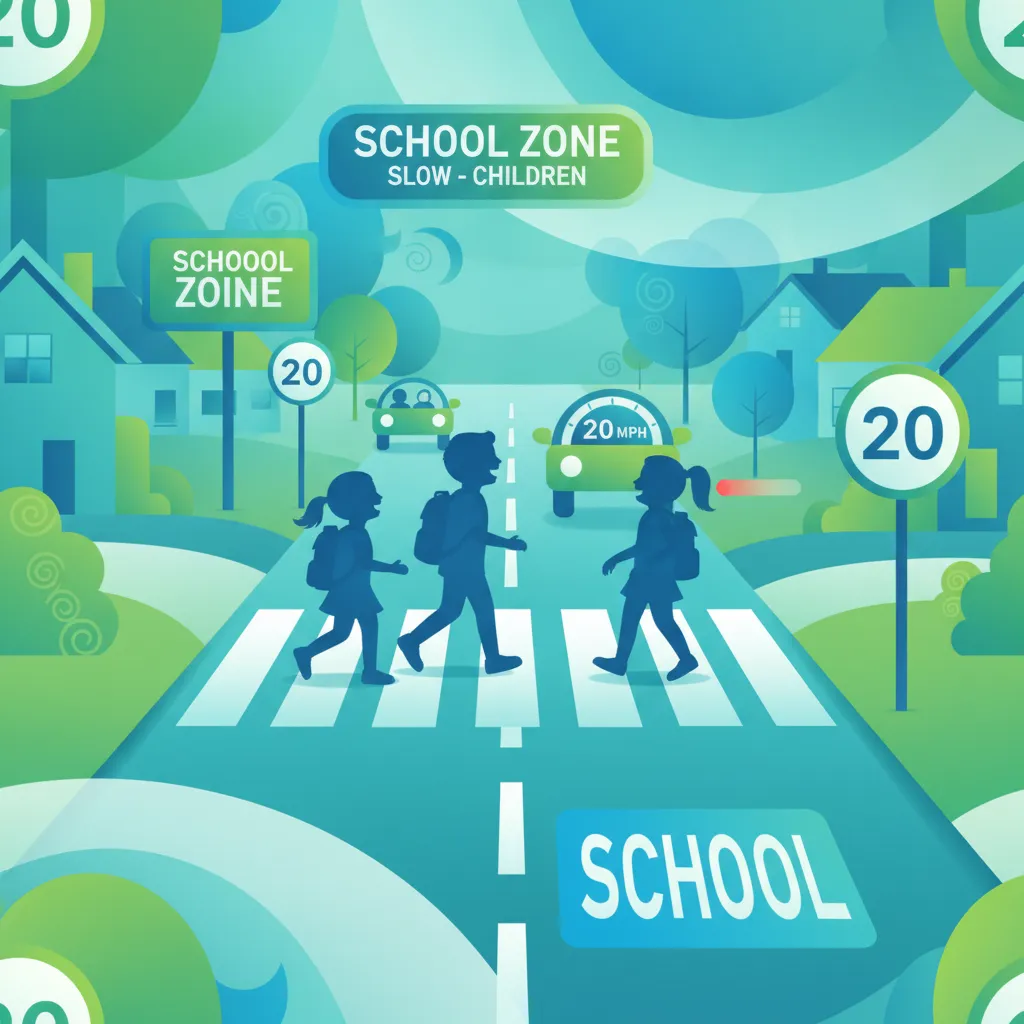
French municipalities utilize distinct low-speed configurations to foster pedestrian safety in residential and educational neighborhoods. This lesson details speed restrictions in 'zone 30', pedestrian-only districts, and shared 'zones de rencontre' where speed is capped at 20 km/h. You will learn how priority hierarchies shift in these zones, giving pedestrians legal priority to use the entire roadway.
This lesson examines the regulatory limits and environmental controls applied to large passenger vehicles operating in dense French urban centers. Drivers will study the Crit'Air clean air sticker system and low-emission zones (ZFE) that restrict access for older, high-polluting vehicles. It also addresses navigating physical constraints, such as narrow streets, tight turning radii, and strict municipal weight limits.
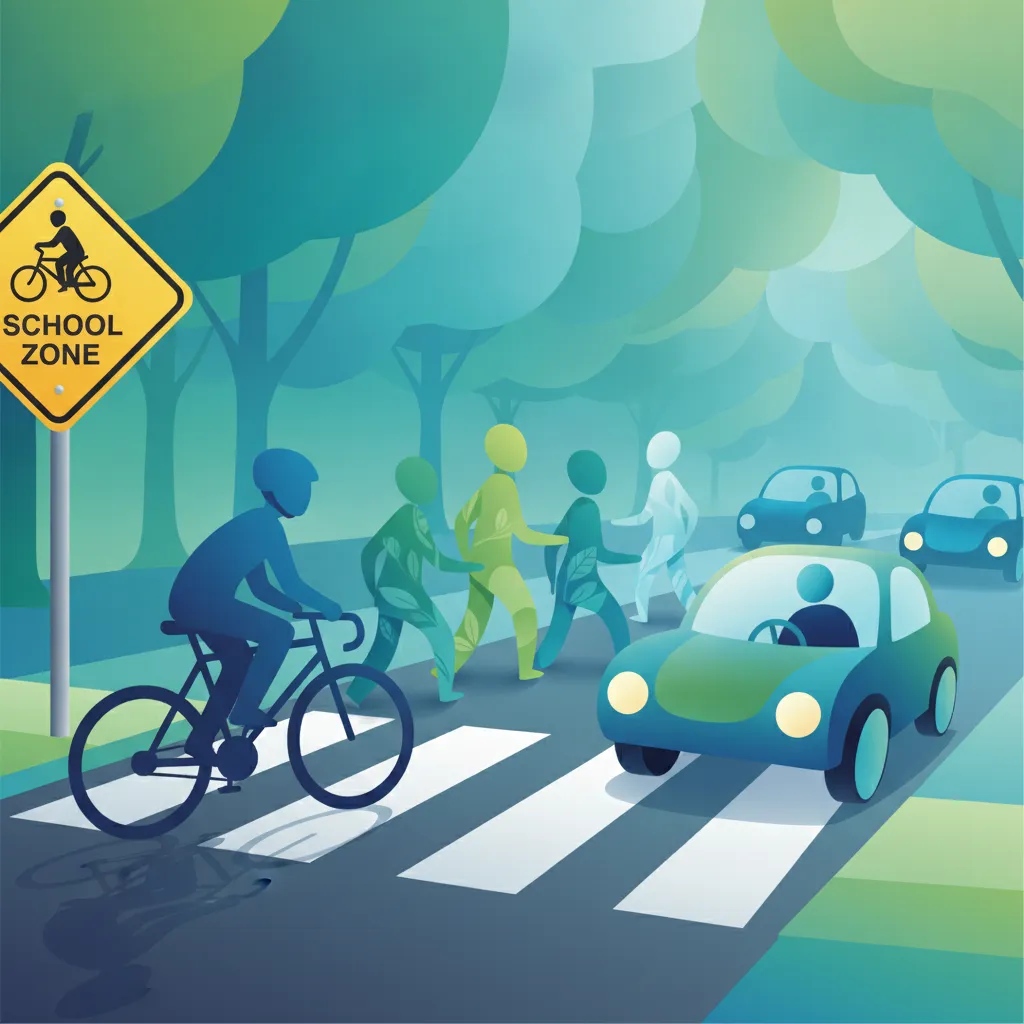
This lesson focuses on the legal requirement to yield to pedestrians on or about to step onto zebra crossings, a major focus of French road safety. You will learn how to approach school zones and pedestrian islands with heightened vigilance and reduced speed. Additionally, the lesson explores shared urban spaces, explaining how to maintain safe lateral distances when overtaking cyclists or personal electric scooters.
This lesson analyzes the various traffic challenges unique to operating large passenger vehicles in historic and modern French urban areas. Drivers will learn to manage narrow street layouts, double-parked delivery trucks, and high-density multi-lane roundabouts safely. The lesson emphasizes defensive driving strategies, route adjustments, and maintaining mental focus under severe schedule and time pressures.
This lesson examines the specific challenges and responsibilities goods vehicle drivers face when interacting with pedestrians and cyclists in urban environments. Learners will understand right-of-way rules, the importance of yielding at pedestrian crossings, and safe turning practices that protect cyclists. The content emphasizes heightened driver vigilance, especially when navigating bike lanes and crowded sidewalks.

Public transit vehicles like city buses and streetcars (trams) have clear legal priorities and dedicated infrastructure in urban areas. This lesson teaches you to recognize reserved transit lanes and your legal obligation to yield to buses exiting their designated stops. You will also learn safe driving strategies near tram tracks, ensuring you never block public transit lines or risk passenger boarding areas.
This lesson clarifies the legal boundaries of urban infrastructure, highlighting the strict ban on riding motorcycles within bus lanes or cycle paths. You will study French regulations concerning traffic flow, including where and when experimental lane filtering is permitted between lines of stationary cars. Understanding these boundaries ensures you can keep moving through congested areas without risking heavy fines or dangerous collisions.
In France, pedestrians have clear legal priority when stepping onto or indicating an intent to use a crossing (passage pieton). This lesson details standard zebra crossings, refuge islands, and pedestrian crossings managed by synchronized traffic light systems. You will learn to scan crossings ahead, anticipate pedestrian movements, and safely come to a stop whenever a pedestrian attempts to cross.
This lesson focuses on the legal rules and safety procedures required within school zones and during school transport (transport scolaire) services in France. Drivers will study strict speed limits, school bus warning sign applications, and mandatory stopping rules when children are boarding. It also details how to respond to official crossing guard signals and ensure students are safely clear before moving.
Learners will explore the rules related to pedestrian crossings, focusing on the obligation to yield to pedestrians at zebra crossings and flashing pedestrian signals. The lesson highlights the importance of stopping before the stop line, reducing speed, and maintaining vigilance for pedestrian movement. Mastery of these practices ensures the safety of both pedestrians and AM riders at crossing points.
Explore the critical principles of managing large passenger vehicle dimensions, including turning radius and rear overhang hazards. This guide explains how to effectively monitor blind spots and execute safe turns in confined spaces to avoid collisions with cyclists and pedestrians in accordance with French heavy vehicle regulations.

This lesson details the dangerous blind spots (angles morts) that surround heavy passenger vehicles and explains how to mitigate them. Drivers will master the systematic mirror check sequence (retro-information) before executing any turns or lane changes. It also covers the mandatory French "Angles Morts" warning stickers displayed on the vehicle exterior to alert vulnerable road users of danger zones.
This lesson focuses on the importance of recognizing and mitigating blind spots in goods vehicles, especially when towing trailers. Learners will explore techniques such as proper mirror adjustment, the use of blind spot mirrors, and visual checks to ensure that obstacles and vulnerable road users are detected before executing maneuvers. The content also discusses the limitations of blind spot monitoring systems and the need for supplementary visual checks.
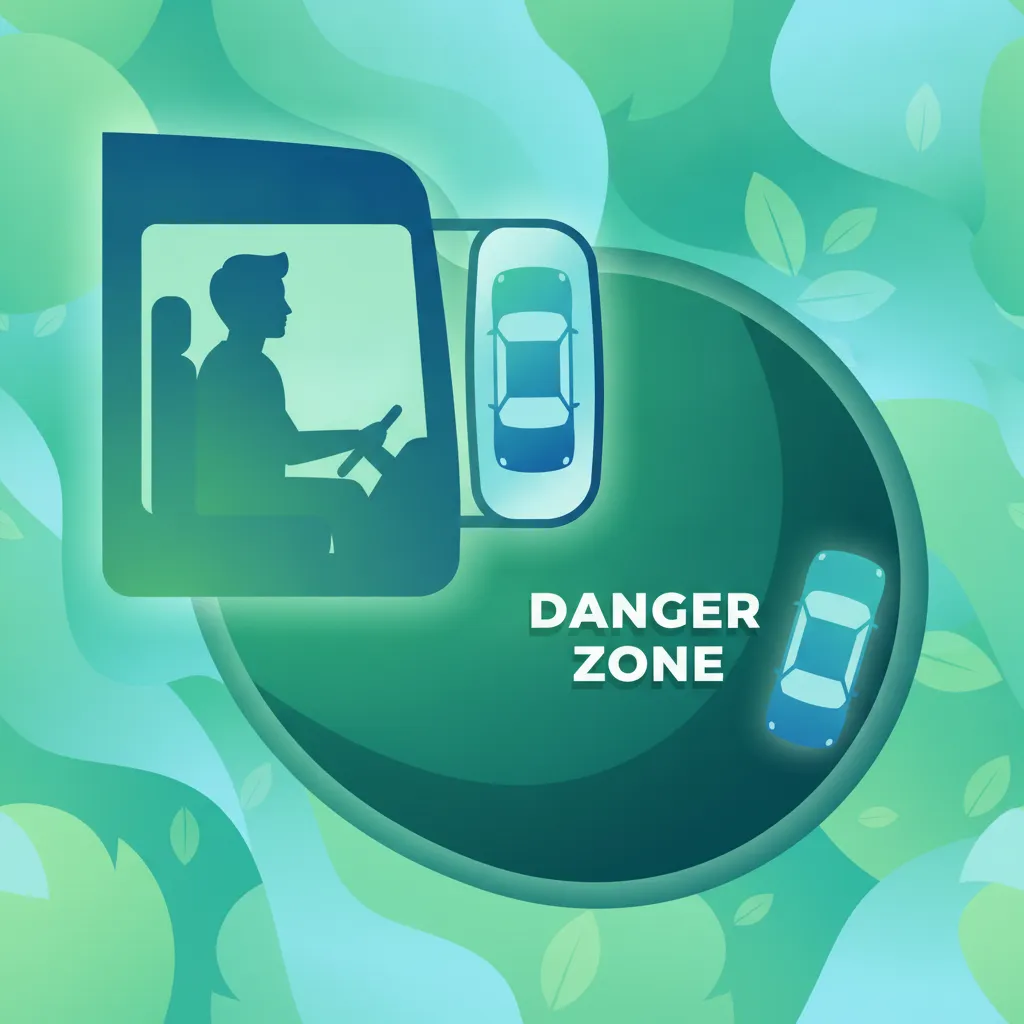
This lesson details the location and scale of blind spots around passenger cars and heavy goods vehicles, often referred to as the 'no-zone' or 'angles morts'. You will learn why truck drivers cannot see you directly behind or immediately adjacent to their cab doors. The lesson provides actionable strategies to minimize the time you spend in these dangerous zones, ensuring you always pass quickly and safely.
This lesson addresses the challenges of positioning near larger vehicles such as cars, vans, buses, and lorries on French roads. Learners will learn to identify blind spots (angles morts), maintain a safe distance, and position themselves to maximize visibility and predictability. Understanding these dynamics is crucial for AM riders to avoid dangerous situations and ensure safe overtaking and lane sharing.

In this lesson, drivers will learn strategies to avoid conflicts with smaller vehicles, such as cars and vans, which may not be as visible in large vehicle blind spots. The content emphasizes maintaining adequate spacing, using proper lane discipline, and being aware of small vehicles' behavior during lane changes and turns. Learners will also be introduced to communication techniques, such as signalling and eye contact.
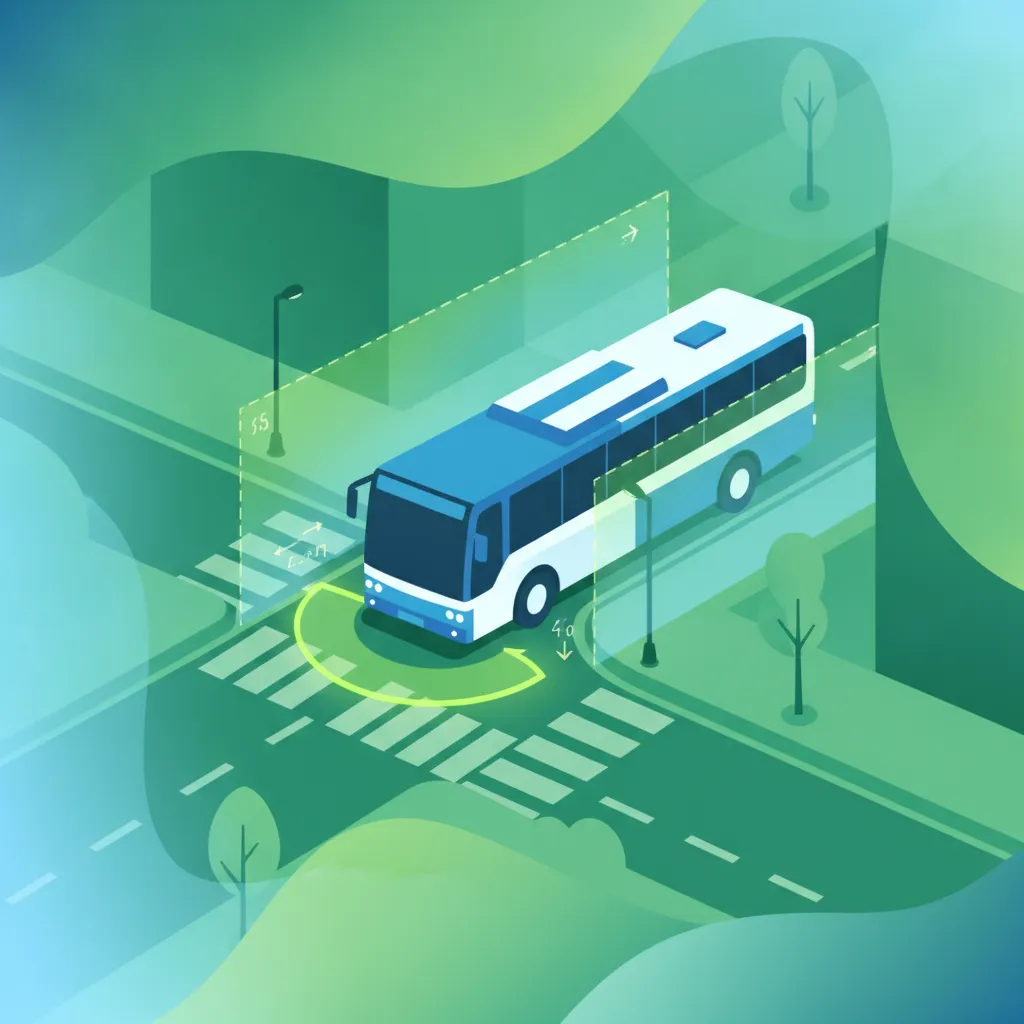
This lesson covers the physical dimensions of passenger vehicles and how their high profile, length, and width alter spatial awareness on the road. Learners will study tail-swing mechanics and track the path of the rear wheels during sharp turns to avoid hitting roadside obstacles. Accurate measurement of overhead structures, bridges, and underpass clearances is taught to prevent catastrophic structural collisions.
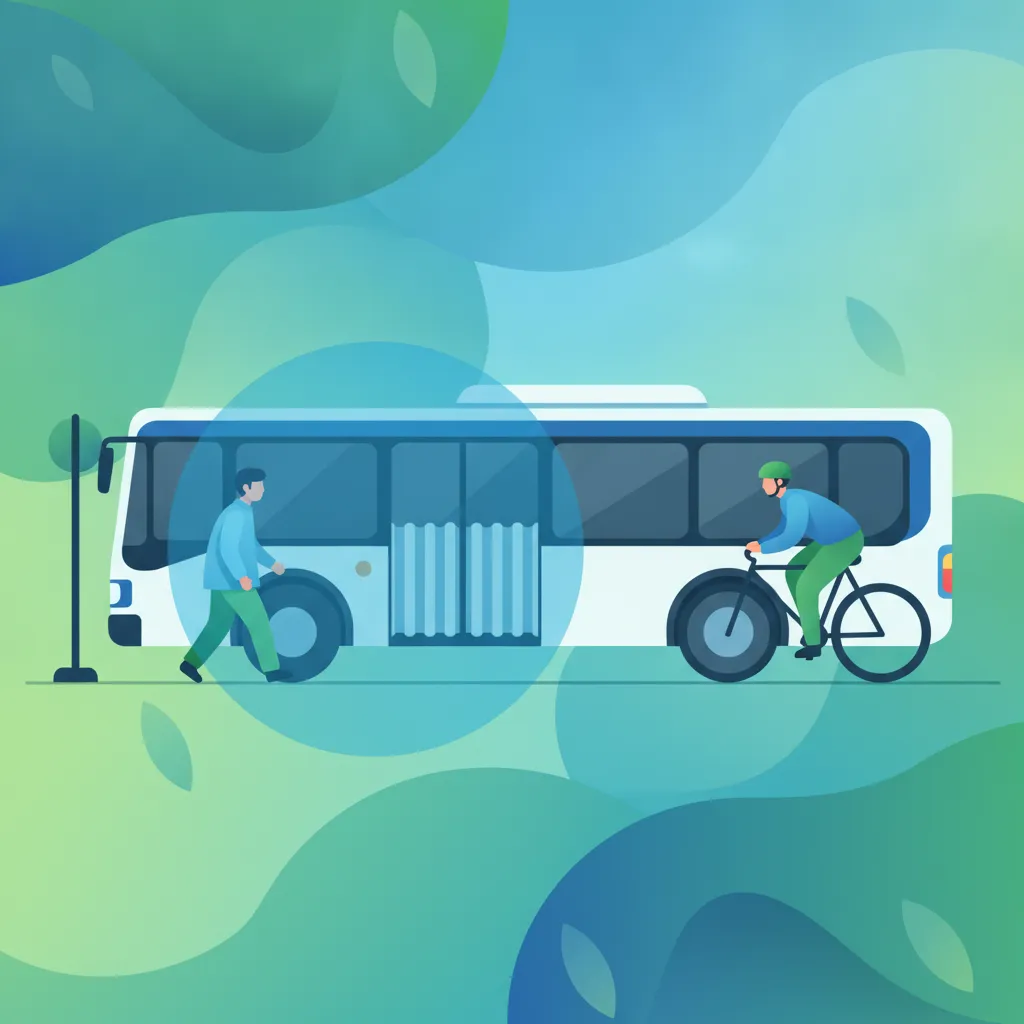
This lesson teaches specific visual scanning methods to detect vulnerable road users, such as children, elderly individuals, and cyclists near stops. Drivers will learn to anticipate sudden movements, like a passenger running to catch a bus or stepping off a sidewalk unexpectedly. Managing the massive blind spots around the front and right-hand sides of passenger vehicles is highlighted as a critical safety duty.

This lesson emphasizes the critical importance of maintaining a safe following distance when carrying dozens of passengers. Learners will study how vehicle weight and passenger load dynamically extend braking and total stopping distances compared to standard passenger cars. The lesson provides concrete spacing rules, such as adjusted safety gaps for highway driving and increased distances on slippery roads.
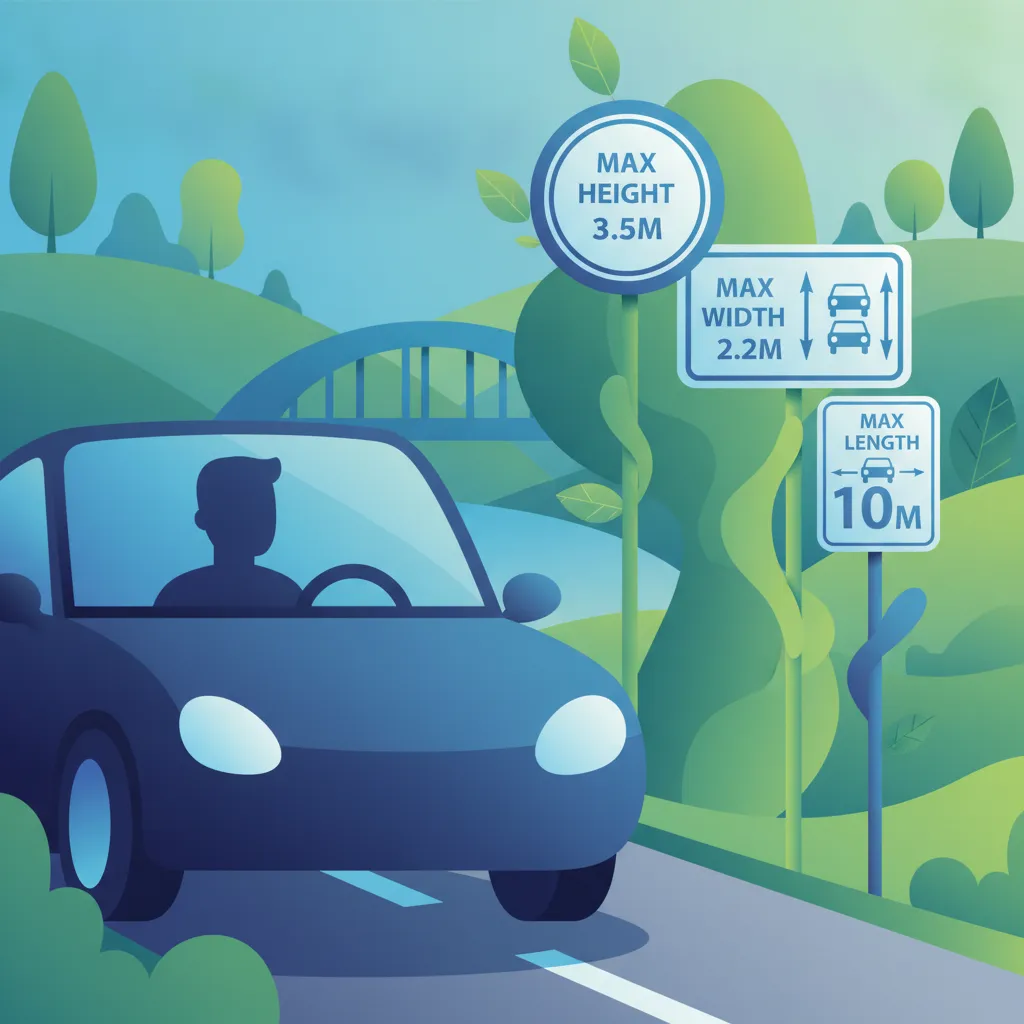
This lesson provides an in-depth analysis of how goods vehicles are classified according to their overall dimensions, such as length, width, height, and wheelbase. Learners will understand the legal limits imposed by French regulations for each vehicle class, and how these dimensions affect the vehicle’s classification and permissible routes. The material also explains the impact of cab size versus cargo space on maneuverability and route planning, highlighting the importance of accurate dimension assessment.
This lesson outlines the step-by-step safety checks and physical controls required to reverse a bus or coach in confined areas. Learners will study the use of rear-view cameras, mirror angles, and acoustic backing alarms to detect obstacles. It highlights the mandatory use of a trained ground guide (guide de manoeuvre) to assist in blind zones, ensuring zero contact with structures or people.
Find clear answers to common questions learners have about Risk Mitigation Strategies for Vulnerable Users. Learn how the lesson is structured, which driving theory objectives it supports, and how it fits into the overall learning path of units and curriculum progression in France. These explanations help you understand key concepts, lesson flow, and exam focused study goals.
Professional drivers must maintain a margin of safety for unexpected movements. In dense zones, reducing speed decreases your reaction time and increases your ability to stop or maneuver if a child or cyclist appears suddenly from a blind spot.
As a bus or coach driver, your vehicle size and passenger load significantly alter your braking distance and visibility. You must employ a much wider protective envelope and more frequent mirror checks to account for areas that smaller vehicles might not need to scan as intensively.
Questions often test your ability to distinguish between legal priority and defensive necessity. Even if you have the right of way, the ETG exam expects you to prioritize the safety of vulnerable users, meaning you must yield if it prevents a collision.
Use a systematic scanning pattern that rotates between your primary mirrors, the road ahead, and immediate side areas. This helps you identify vulnerable users who might be in your blind spots before they move into your path.
Ready to focus your study? Use the practice search to find exactly the French driving theory questions you need for the Code de la route and permis de conduire ETG. Refine your knowledge on specific topics or challenging rules to boost your confidence and exam readiness.