This lesson provides essential training for professional drivers on manoeuvring large buses and coaches in confined and busy environments. By mastering clearance assessment and slow-speed stability, you will be prepared to navigate urban centres, terminals, and obstructed routes safely for your D-category licence.
Lesson content overview
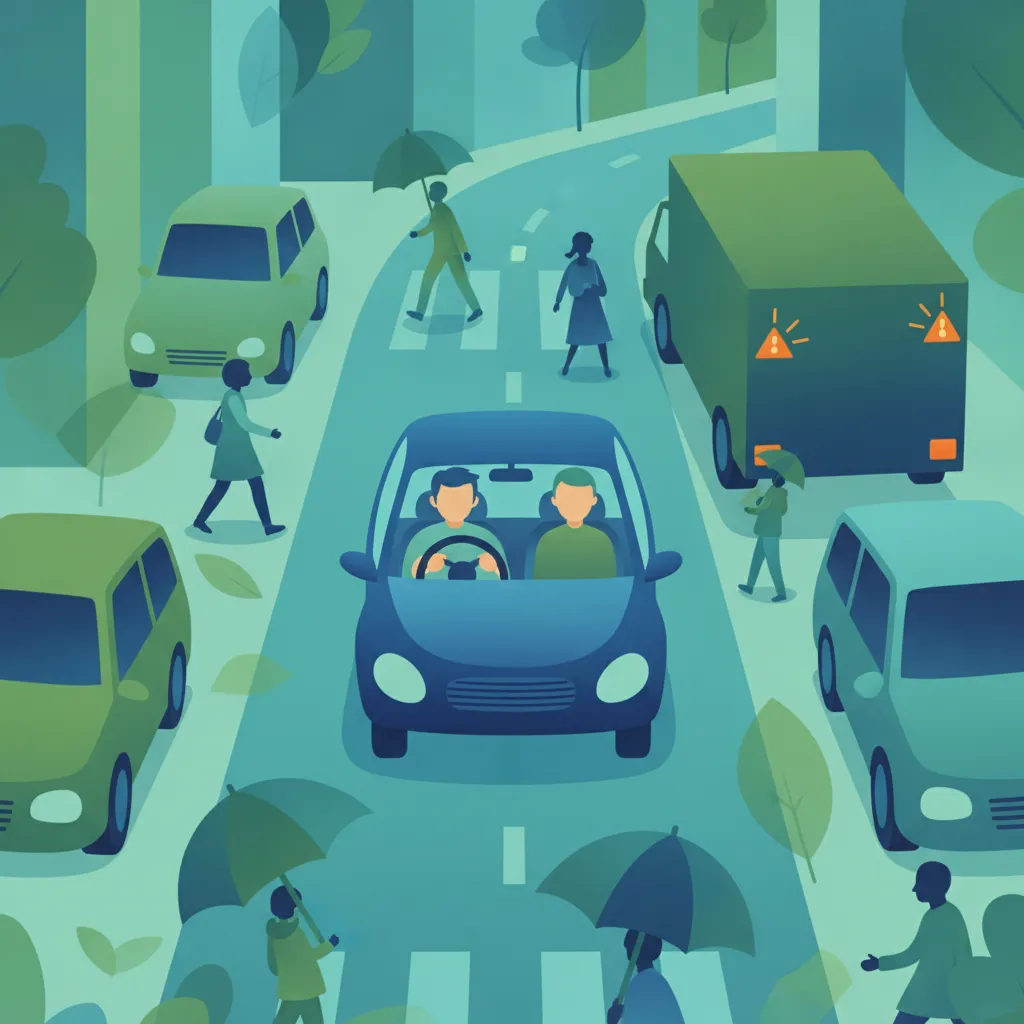
Mastering the art of navigating a large passenger vehicle through congested urban environments, narrow streets, and busy transit terminals is a hallmark of a professional Category D driver. When operating passenger vehicles, such as buses and coaches, drivers face the dual challenge of managing a vehicle with significant physical dimensions while ensuring the safety and comfort of dozens of passengers.
In France, urban driving environments often present historical narrow streets (rues étroites), closely parked cars, delivery vehicles, and high-density pedestrian zones. This lesson provides the deep technical knowledge and regulatory framework required to safely manoeuvre around obstacles and through crowded spaces under the French Code de la route.
Safe manoeuvring in tight spaces is not a matter of guesswork; it relies on systematic execution and adherence to physical laws. Large passenger vehicles have unique dynamics, including significant rear overhang (tail-swing), front overhang, and a high centre of gravity. To navigate safely, you must master five core principles:
Before entering any narrow street, terminal lane, or obstacle-filled path, a driver must conduct a detailed space assessment. Space assessment is divided into two distinct phases:
Under French driving standards and safe operating practices for large passenger vehicles, you must maintain a minimum clearance of 0.3 metres from physical obstacles on each side of the vehicle.
The minimum lateral buffer zone required between the outermost edge of your vehicle (including mirrors and body panels) and any external obstacle, such as a parked car, wall, or barrier.
This 0.3-metre safety envelope is critical because:
A common error among newly licensed drivers is relying solely on rear-view mirrors during a forward manoeuvre. While mirrors are essential, they do not provide a complete stereoscopic view of front-end clearance. If you are uncertain whether a passage is wide enough, you must stop the vehicle, secure it, and visually verify the clearance before proceeding.
Operating a heavy passenger vehicle in confined spaces requires smooth, deliberate steering inputs. Because of their size, weight, and height, buses and coaches are highly susceptible to shifting weight distribution.
Even at low speeds, abrupt steering changes can compromise vehicle stability and passenger safety.
During low-speed turns and obstacle avoidance manoeuvres, drivers must manage lateral acceleration. To maintain passenger stability and prevent the risk of tipping, lateral acceleration should be kept well below safety thresholds, typically not exceeding 0.4g.
Sudden, sharp steering inputs can:
To maintain optimal stability, always implement gradual steering movements. Initiate your turn early and smoothly, allowing the vehicle’s suspension to settle throughout the turn.
Speed control is your most effective tool for preventing accidents in crowded environments. When manoeuvring around obstacles, your speed must match the complexity of the environment and the proximity of hazards.
Creeping Speed (1 to 5 km/h): Used in extremely tight spaces, such as inside passenger terminals, historic alleyways, or when passing within centimetres of an obstacle. At this speed, the driver can stop the vehicle instantly.
Reduced Speed (5 to 10 km/h): Utilised when navigating through busy pedestrian plazas, open terminal lanes, or streets with high activity but sufficient physical clearance.
Standard Manoeuvring Speed (Maximum 20 km/h): The maximum legal speed limit within passenger terminals, stations, and highly congested streets with heavy pedestrian interaction.
In France, the statutory speed limit within passenger terminals (gares routières) and designated shared zones (zones de rencontre) is strictly set to a maximum of 20 km/h.
By reducing your speed to 20 km/h or lower, you gain valuable processing time. This allows you to identify moving hazards, check blind spots, and execute emergency stops if a pedestrian steps into your path.
A professional driver must balance external road hazards with the internal environment of the vehicle. Passenger safety is highly dependent on how smoothly you execute your manoeuvres.
According to French passenger transport regulations, passengers should remain seated while the vehicle is in motion. However, in urban transit scenarios (such as city buses), standing passengers are common. During low-speed manoeuvres, you must ensure that:
Sudden braking or sharp swerving to avoid an obstacle can launch unsecured passengers forward, leading to severe injuries. Therefore, your forward planning must be proactive enough to avoid the need for abrupt reactions.
When manoeuvring in crowded urban spaces, professional drivers must strictly adhere to the French Code de la route. Ignorance of these laws can result in heavy fines, points deducted from your professional license, or suspension.
You must maintain a minimum lateral clearance of 0.3 metres from any obstacle or vehicle when passing. In adverse conditions (such as wet weather or high winds), this margin must be increased.
You must never exceed 20 km/h when operating within passenger terminals, bus stations, or designated shared pedestrian zones.
Under Article R415-11 of the French Code de la route, drivers must yield the right-of-way to any pedestrian who has entered, or clearly intends to enter, the roadway. In crowded terminals and pedestrian zones, this priority is absolute. You must stop for pedestrians even if they are stationary or standing near your path of travel.
You are legally responsible for the safety of your passengers. Moving the vehicle while passengers are in highly unstable positions, or before they have safely boarded and secured themselves, constitutes a safety violation.
While safety is paramount, you must not unnecessarily block traffic. Under French regulations, you must not obstruct transit lanes or passenger terminal aisles for more than 10 seconds unless it is physically unavoidable due to an active hazard or loading requirement.
Your manoeuvring tactics must adapt dynamically to changes in weather, lighting, road design, and vehicle condition.
Understanding the direct consequences of your driving choices is vital to maintaining a clean safety record.
[Defensive Action]                                  [Positive Outcome]
Smooth Steering + Creeping Speed --------------> Low Lateral G-Force -> Stable Passengers & No Collisions

[Negligent Action]                                  [Negative Outcome]
Abrupt Swerve + High Speed ---------------------> High Lateral G-Force -> Passenger Falls & Lateral Impacts
To help apply these principles in real-world driving situations, let us review three scenarios commonly encountered by professional drivers in France.
Even experienced drivers can fall into bad habits. Be mindful of these common errors and their legal and physical consequences:
Explore all units and lessons included in this driving theory course.
Lesson content overview
Explore all units and lessons included in this driving theory course.
Explore search topics learners often look for when studying Manoeuvring Around Obstacles and Crowded Areas. These topics reflect common questions about road rules, driving situations, safety guidance, and lesson level theory preparation for learners in France.
Browse additional driving theory lessons that cover connected traffic rules, road signs, and common driving situations related to this topic. Improve your understanding of how different rules interact across everyday traffic scenarios.
Learn how to navigate complex urban environments using professional driving techniques. This guide covers mandatory speed limits in shared zones, bus lane regulations, and priority rules specifically for large passenger vehicles under the French Code de la route to help you maintain safety in dense city traffic.

This lesson analyzes the various traffic challenges unique to operating large passenger vehicles in historic and modern French urban areas. Drivers will learn to manage narrow street layouts, double-parked delivery trucks, and high-density multi-lane roundabouts safely. The lesson emphasizes defensive driving strategies, route adjustments, and maintaining mental focus under severe schedule and time pressures.
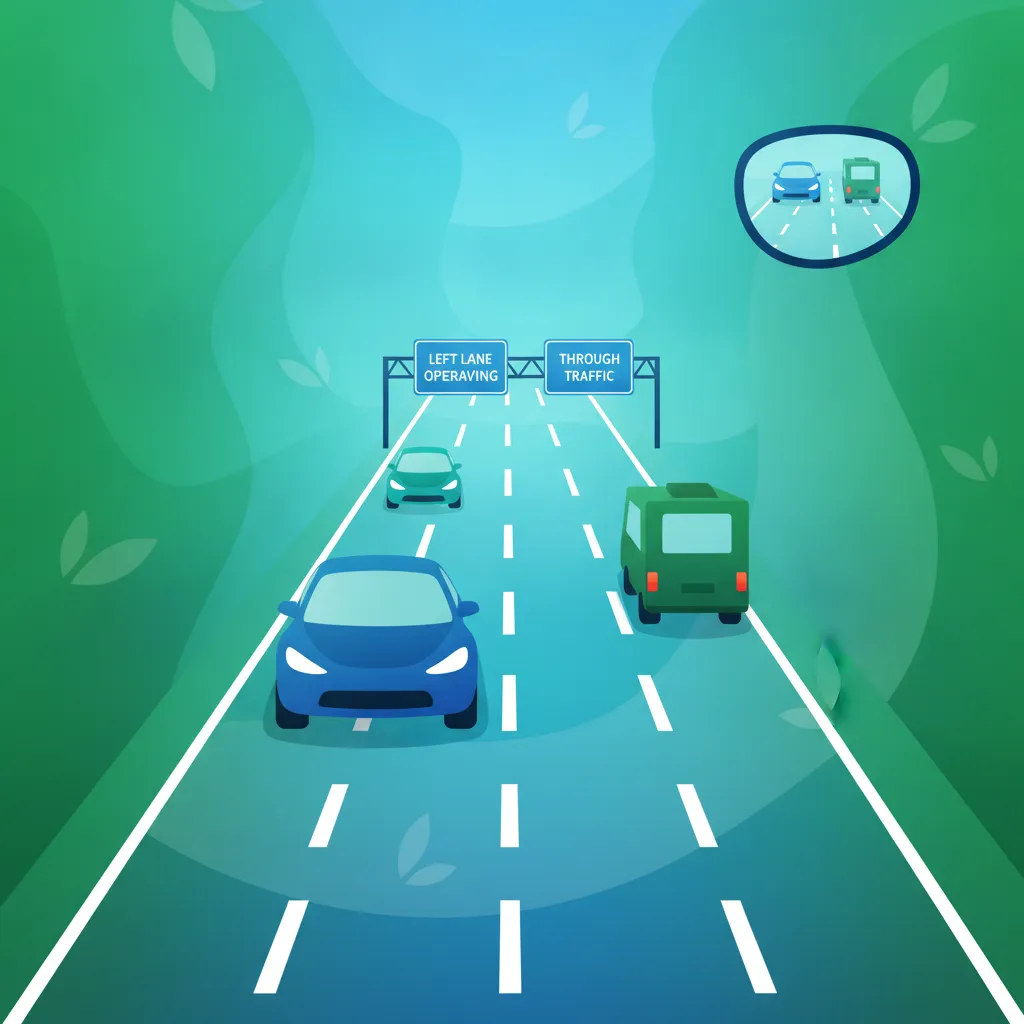
This lesson covers the rules of driving passenger vehicles on high-speed French motorways (autoroutes). Learners will study entry-ramp merging protocols, lane restrictions for vehicles over 3.5 tonnes, and motorway-specific speed limits. The lesson also highlights the correct use of toll booths (péages), emergency hard-shoulder safety procedures, and accessing dedicated coach rest areas.
This lesson examines the regulatory limits and environmental controls applied to large passenger vehicles operating in dense French urban centers. Drivers will study the Crit'Air clean air sticker system and low-emission zones (ZFE) that restrict access for older, high-polluting vehicles. It also addresses navigating physical constraints, such as narrow streets, tight turning radii, and strict municipal weight limits.
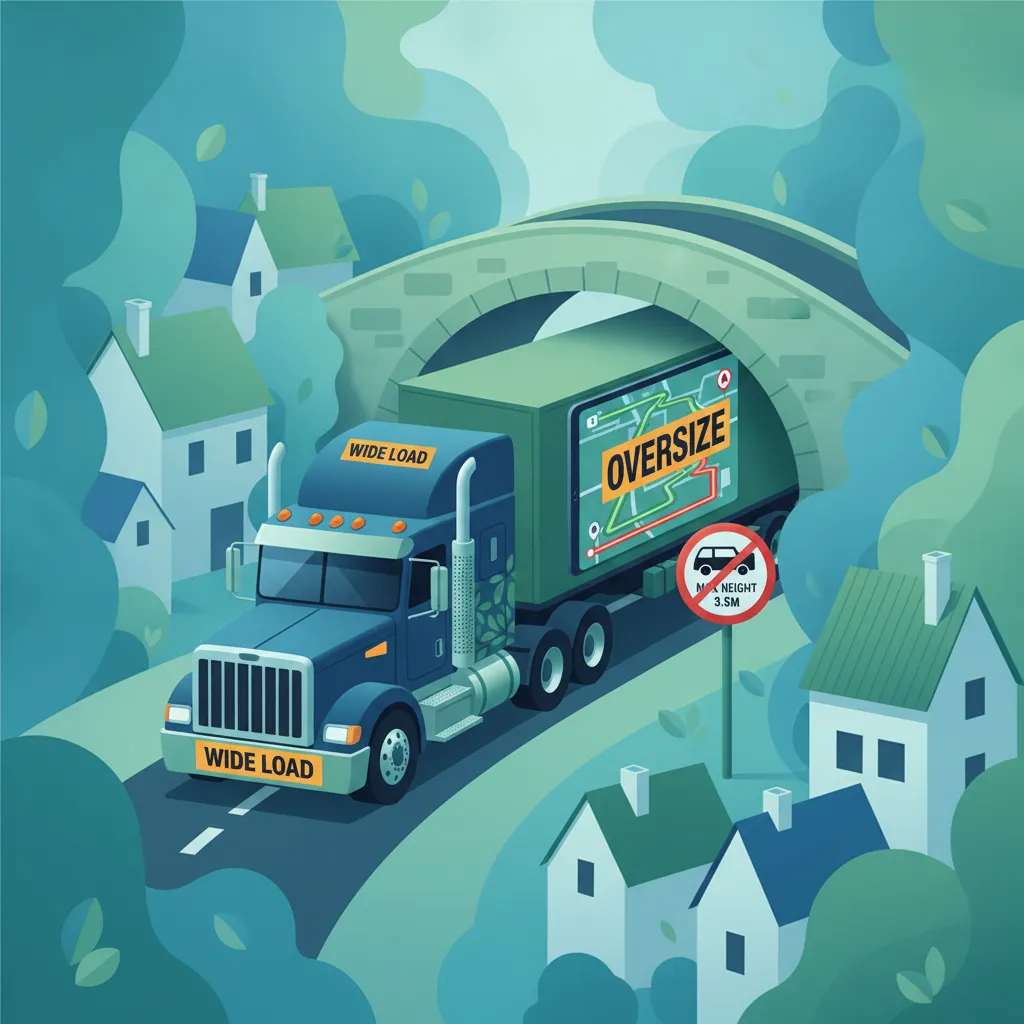
This lesson provides strategies for planning routes that accommodate oversized goods vehicles while complying with French road restrictions. Learners will learn how to identify prohibited routes, evaluate bridge and tunnel limitations, and obtain necessary access permits. The content also addresses the use of specialised GPS systems for heavy vehicle routing and the importance of contingency planning for detours, ensuring safe and efficient transport operations.
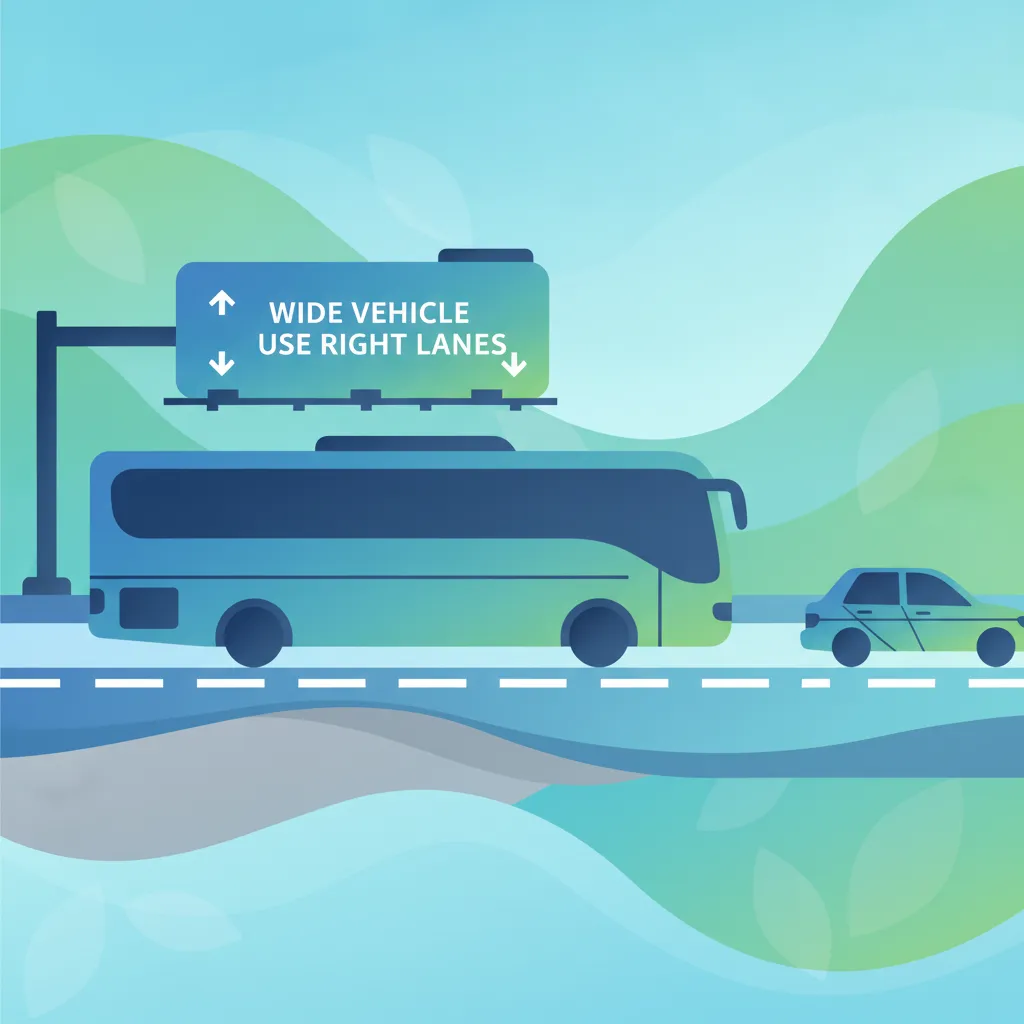
This lesson details the rules of lane discipline for operating wider and longer passenger transport vehicles on highway and city networks. Learners will explore proper lane positioning to prevent encroachment on adjacent lanes or sidewalks. It also covers the step-by-step visual and signaling sequence required to perform safe lane changes, avoiding sudden movements that could startle other drivers.

This lesson addresses the challenges of positioning near larger vehicles such as cars, vans, buses, and lorries on French roads. Learners will learn to identify blind spots (angles morts), maintain a safe distance, and position themselves to maximize visibility and predictability. Understanding these dynamics is crucial for AM riders to avoid dangerous situations and ensure safe overtaking and lane sharing.
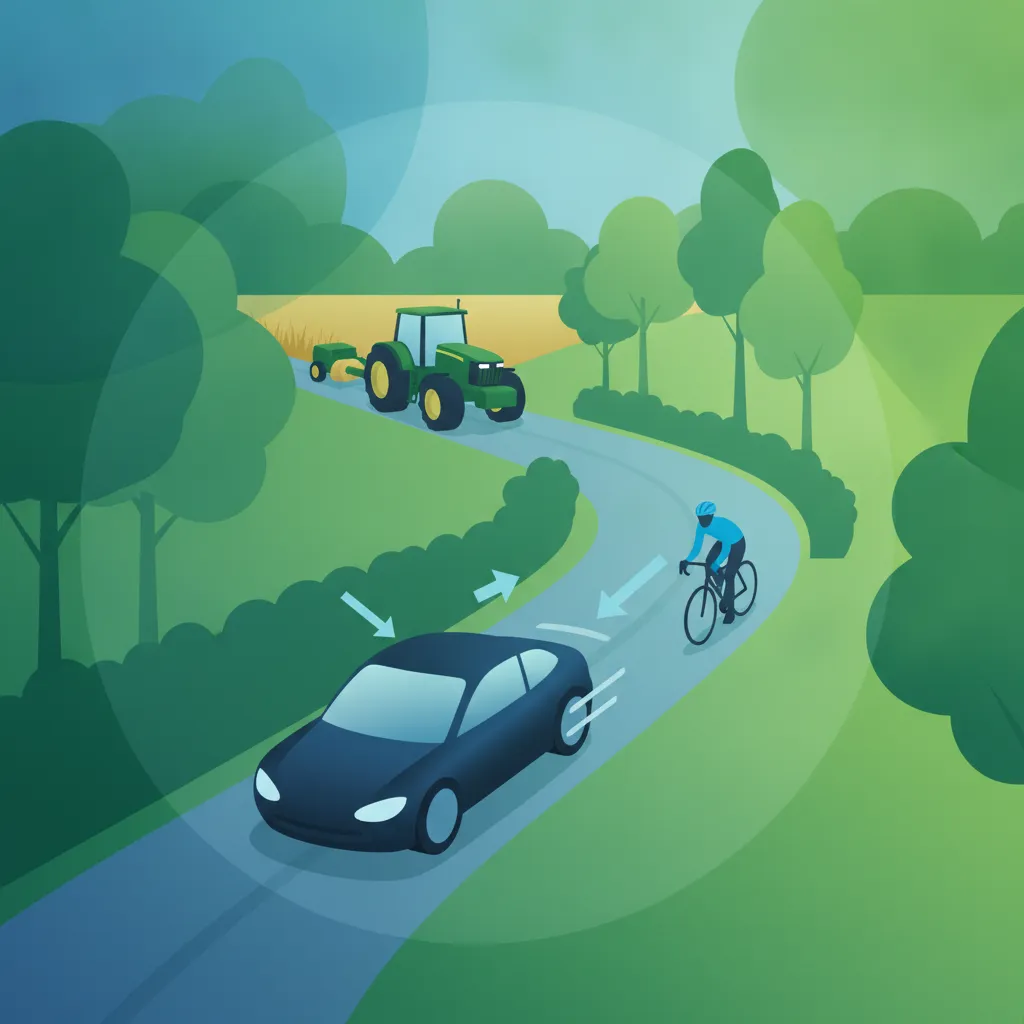
This lesson analyzes the complex driving conditions found on French secondary and rural road networks (routes départementales). Drivers will learn steering and braking techniques to descend steep gradients safely using engine retarding systems without overheating the service brakes. Anticipating agricultural machinery, domestic livestock, unlit intersections, and narrow bridges is also taught in depth.
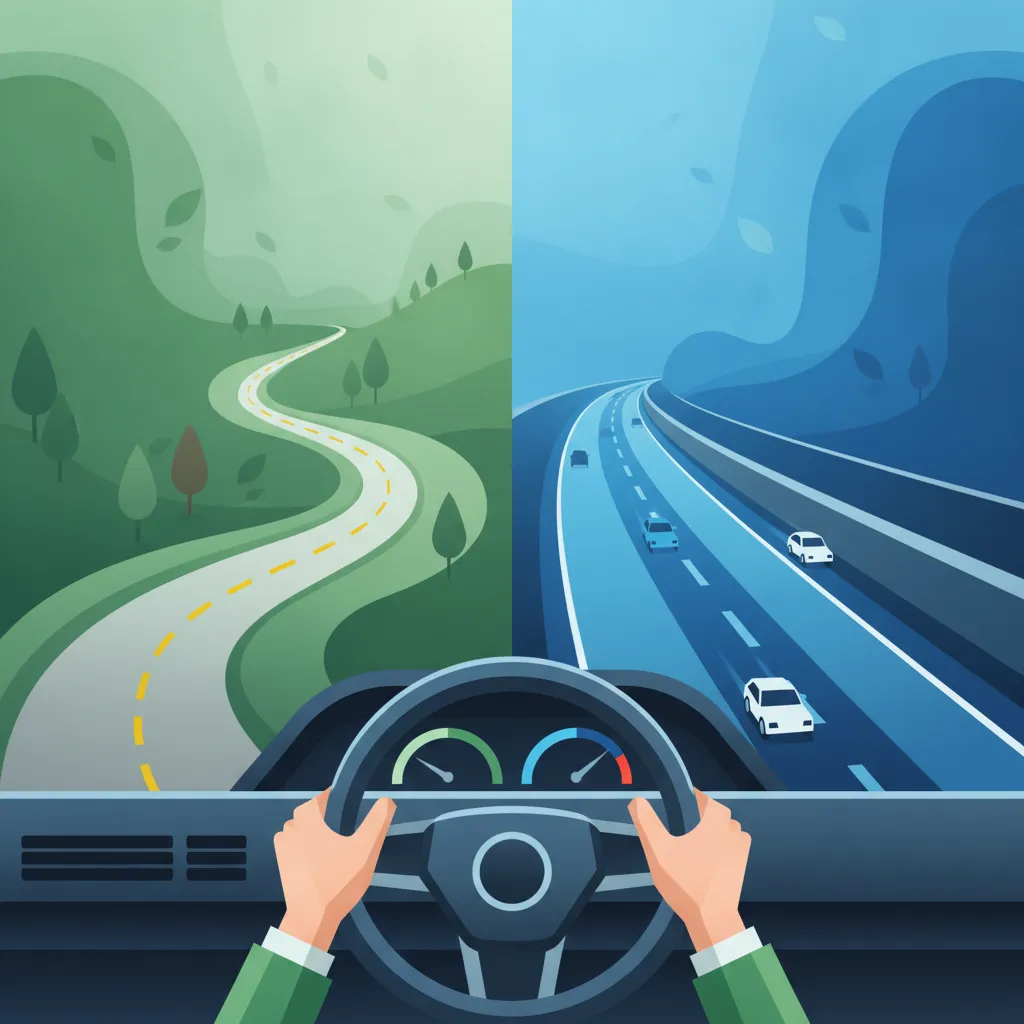
This lesson details the specific legal speed limits for passenger transport vehicles on motorways, rural trunk roads, and urban streets under French law. Drivers will learn how speed limits shift depending on overall vehicle weight, towing arrangements, and poor weather conditions like heavy rain. Developing a proactive approach to speed management helps maintain stable vehicle control and ensures full regulatory compliance.

This lesson details the legal restrictions and appropriate use of acoustic horns and visual turn signals under the French Code de la route. Drivers will understand that in urban zones, the horn may only be used to warn of immediate, unavoidable danger to prevent accidents. It covers the correct timing of indicators and hazard lights to communicate intent clearly to surrounding traffic and pedestrians.
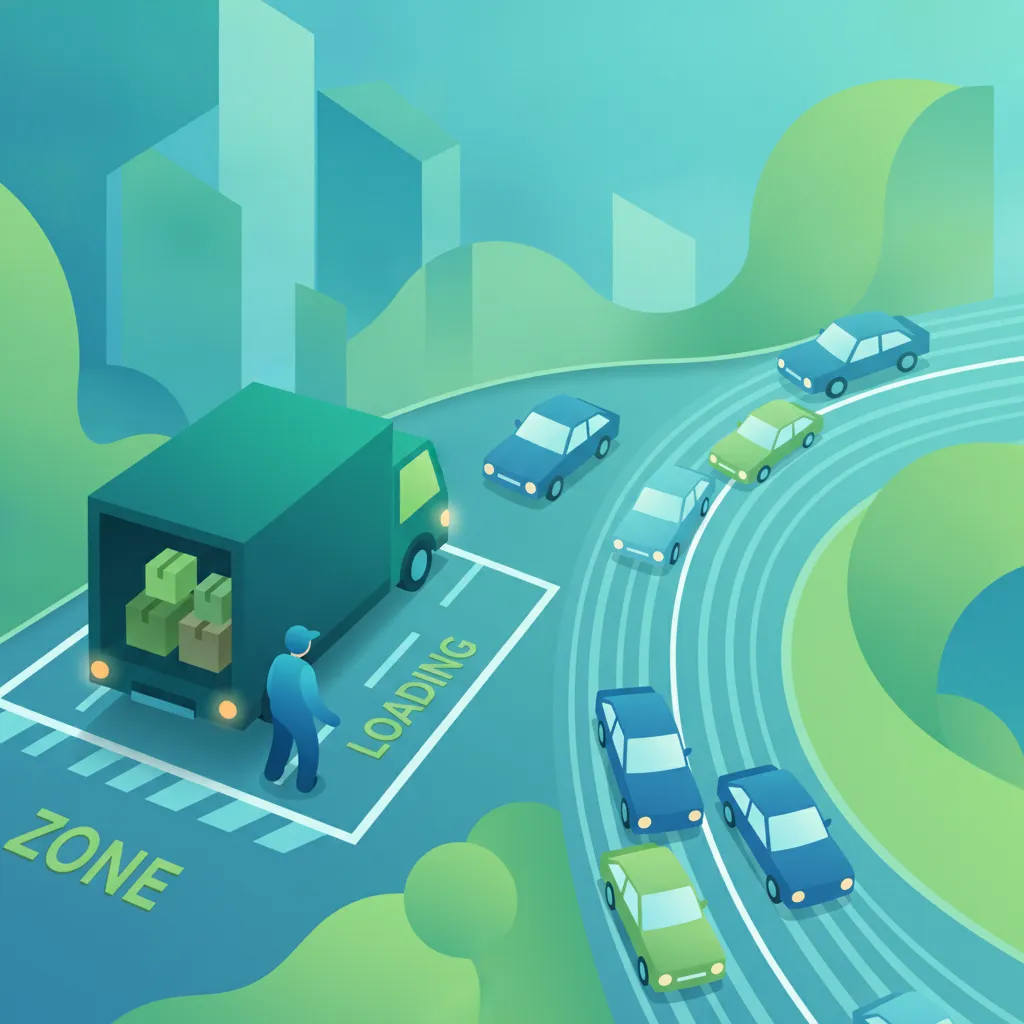
In this lesson, drivers will learn how to navigate urban delivery zones, understanding the rules surrounding loading bays, time windows, and restricted access areas. The content includes the process for obtaining delivery permits, strategies for safe maneuvering in congested city streets, and best practices for minimizing impact on pedestrian traffic. Learners will also be introduced to French city-specific regulations that govern goods vehicle deliveries.
Explore strategies for managing interactions with pedestrians and cyclists during passenger transport operations. This theory lesson provides a detailed look at hazard perception around bus stops and school zones, ensuring you understand your legal responsibilities for protecting vulnerable road users in various traffic conditions.

This lesson details how to manage high-risk interactions with pedestrians who may step off curbs or cross the road near bus stops. Learners will study French Code de la route laws regarding pedestrian priority at crosswalks and near stopping transit vehicles. Developing heightened spatial awareness around blind zones near the front of the bus is emphasized to prevent tragic pedestrian collisions.

This lesson examines French Code de la route laws regarding pedestrian right-of-way, emphasizing the driver's legal duty to yield to any pedestrian engaged in crossing. It outlines proper approach speeds when approaching zebra crossings with obstructed views. Candidates will learn to maintain a safe physical buffer zone and verify that crosswalks are entirely clear of pedestrians before accelerating.

This lesson teaches specific visual scanning methods to detect vulnerable road users, such as children, elderly individuals, and cyclists near stops. Drivers will learn to anticipate sudden movements, like a passenger running to catch a bus or stepping off a sidewalk unexpectedly. Managing the massive blind spots around the front and right-hand sides of passenger vehicles is highlighted as a critical safety duty.
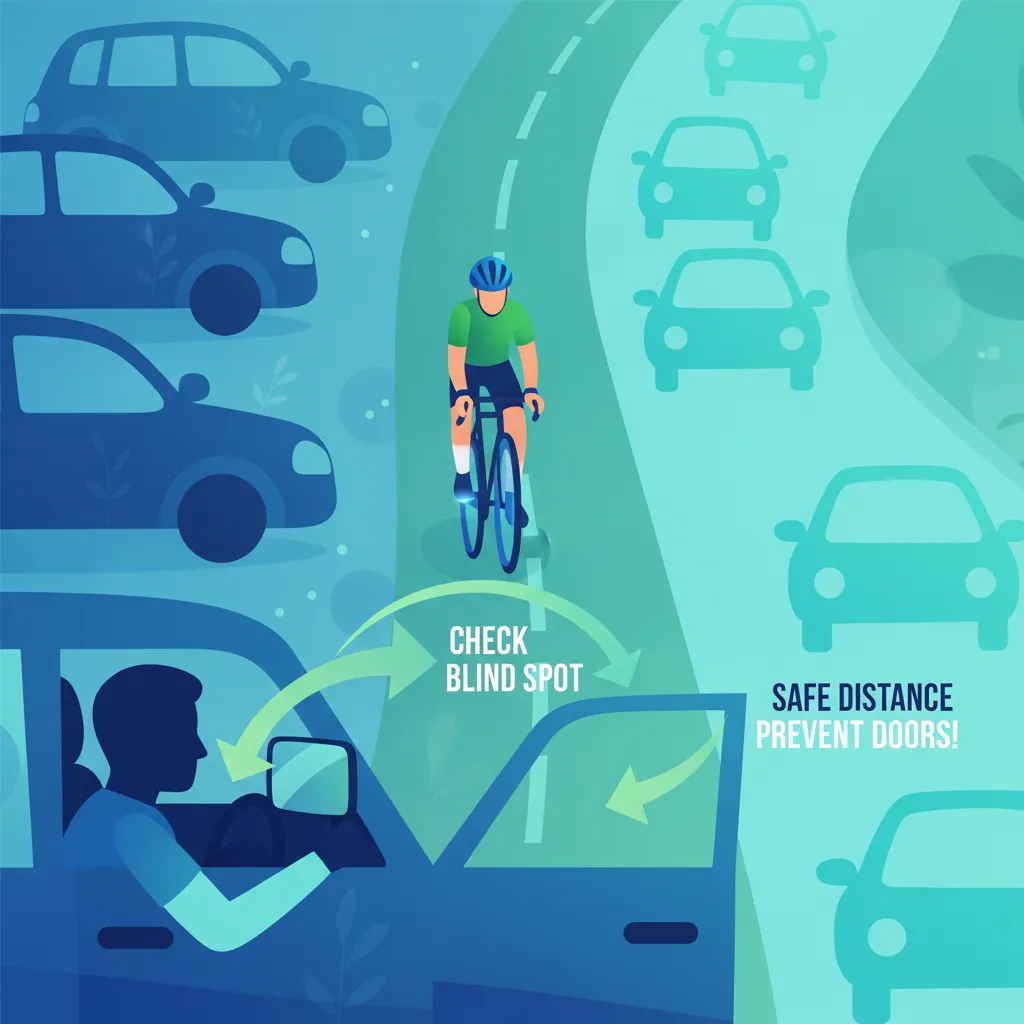
This lesson explains how to share the road safely with cyclists in both urban and rural environments. Drivers will study the legal minimum passing distances when overtaking cyclists, which is one meter in cities and one and a half meters outside urban areas. It also covers recognizing specialized cycling infrastructure, bike boxes at intersections, and preventing blind-spot collisions during right turns.
Find clear answers to common questions learners have about Manoeuvring Around Obstacles and Crowded Areas. Learn how the lesson is structured, which driving theory objectives it supports, and how it fits into the overall learning path of units and curriculum progression in France. These explanations help you understand key concepts, lesson flow, and exam focused study goals.
Always use your exterior mirrors and rely on your knowledge of the vehicle's dimensions. For D-category vehicles, you must account for the rear-swing; always verify the turning radius before committing to a manoeuvre, especially near parked cars.
Low speed and constant vigilance. You must scan for pedestrians and other vehicles at all times, keeping your foot near the brake and using your indicators to communicate your intentions clearly to other road users.
Absolutely. The front and rear overhangs are critical in D and DE licence theory. You must be aware of your vehicle's pivot point to ensure the rear of the bus does not swing into obstacles or other vehicles during a sharp turn.
While the Code de la route applies generally, depots often have internal rules. You should always treat them as high-risk areas, maintaining a slow, steady speed and ensuring your path is completely clear of personnel before moving.
Ready to focus your study? Use the practice search to find exactly the French driving theory questions you need for the Code de la route and permis de conduire ETG. Refine your knowledge on specific topics or challenging rules to boost your confidence and exam readiness.