This lesson provides a comprehensive guide to navigating French Zones à Faibles Émissions (ZFE) and managing low emission requirements for heavy goods vehicles. By understanding these environmental standards, you will learn how to plan compliant routes and avoid potential penalties while operating C and CE category vehicles in urban areas.

Lesson content overview
Operating heavy goods vehicles (HGVs) in France requires not only masterly control of your vehicle’s physical dimensions but also a deep understanding of the environmental regulations governing access to urban areas. France has established a robust network of low-emission zones, officially known as Zones à Faibles Émissions mobilité (ZFE-m).
As a professional driver holding a Category C or CE licence, you are operating vehicles that are often the primary targets of these clean air initiatives. Failing to understand how these zones operate, which permits are required, or how to plan routes around environmental restrictions can lead to severe operational delays, heavy financial penalties, and the potential immobilization of your vehicle.
An environmental zone, or Zone à Faibles Émissions mobilité (ZFE-m), is a legally designated urban area where traffic is restricted to protect public health and improve air quality. Established under French environmental legislation and aligned with European Union clean air directives, these zones restrict access to vehicles based on their pollutant emissions.
The primary objective of ZFEs is to reduce the concentration of atmospheric pollutants, specifically nitrogen oxides (NOx) and fine particulate matter (PM10 and PM2.5), which are heavily emitted by older diesel combustion engines. Under the French Loi Climat et Résilience (Climate and Resilience Act), all French metropolitan areas with more than 150,000 inhabitants must implement a ZFE-m. This means that as a professional driver, you will encounter these zones in almost every major economic hub in France, including Paris, Lyon, Marseille, Toulouse, Nice, Strasbourg, and Lille.
For passenger cars, emission limits are progressively phased in, but for heavy goods vehicles, the rules are typically much stricter from the outset. Because heavy vehicles (exceeding 3.5 tonnes maximum authorized mass) possess larger engines and consume more fuel, they face tighter restrictions and earlier exclusion dates than light commercial vehicles or private automobiles.
Access is controlled via a standardized national categorization system based on the vehicle’s Euro emission standard, which is certified by a physical sticker called the Crit’Air vignette.
The core mechanism for enforcing ZFE-m access in France is the Crit'Air vignette (or Certificat Qualité de l'Air). This is a color-coded, secure wind-shield sticker that classifies vehicles into six categories based on their environmental friendliness, ranging from Crit'Air 0 (cleanest) to Crit'Air 5 (most polluting). Vehicles that are too old or emit too many pollutants do not receive a vignette at all and are classified as "Unclassified" (Non Classés).
For heavy goods vehicles (categories N2 and N3), the classification depends on the engine's Euro standard (certified in the vehicle's registration document or Certificate of Conformity) and fuel type. Note that heavy-duty Euro standards are designated using Roman numerals (e.g., Euro VI), whereas light-duty standards use Arabic numerals (e.g., Euro 6).
| Crit'Air Category | Sticker Color | Heavy Goods Vehicle (HGV) Eligibility Criteria |
|---|---|---|
| Crit'Air 0 | Green | 100% Electric and Hydrogen vehicles. |
| Crit'Air 1 | Purple | Gas-powered vehicles (CNG, LNG), Plug-in Hybrids, and biodiesel-exclusive vehicles. |
| Crit'Air 2 | Yellow | Euro VI (6) Diesel and Biodiesel vehicles, Euro V & VI Petrol/Gasoline vehicles. |
| Crit'Air 3 | Orange | Euro V (5) Diesel vehicles, Euro IV (4) Petrol/Gasoline vehicles. |
| Crit'Air 4 | Burgundy | Euro IV (4) Diesel vehicles. |
| Crit'Air 5 | Gray | Euro III (3) Diesel vehicles. |
| Unclassified | None | Any HGV with an engine standard older than Euro III (registered before October 2001). |
The Diesel Reality for HGVs: The vast majority of heavy transport fleets run on diesel fuel. Under current ZFE regulations in key cities like Paris and Lyon, Euro V diesel trucks (Crit'Air 3) face severe restrictions, and older models (Crit'Air 4 and 5) are almost universally banned. To guarantee unrestricted access to major urban ZFEs, a diesel HGV must meet the Euro VI standard, qualifying it for a Crit'Air 2 (Yellow) vignette.
To determine your vehicle's exact Crit'Air category, you must refer to its Certificate of Conformity (CoC) or the registration certificate (Carte Grise in France). In the French registration document, the emission standard is listed in section V.9, and the engine fuel type is in section P.3. Professional drivers and transport managers must ensure this data is verified before dispatching vehicles to urban delivery routes.
Navigating a ZFE-m requires compliance with both national legislation and specific local decrees (arrêtés municipaux). The French Code de la Route dictates how these zones are marked on public roads and defines the penalties for non-compliance.
The entry and exit points of a ZFE-m are marked by regulatory road signs. As a professional driver, you must instantly recognize these signs to avoid accidental entry with a non-compliant vehicle.
The entry sign B56 is usually accompanied by a supplementary panel (M11) that specifies the details of the restriction. This panel will display:
The exit sign B57 indicates that you are leaving the restricted area. However, always remain vigilant; in dense metropolitan regions, leaving one municipal ZFE may lead you directly to the boundary of an adjacent one with different rules.
Obtaining and displaying the correct permit is a mandatory legal prerequisite before entering any French ZFE. The vignette is linked to the vehicle's license plate and remains valid for the entire lifespan of the vehicle, provided the windshield is not replaced and the sticker remains legible.
Verify the Vehicle's Euro Standard: Check section V.9 of the registration certificate or locate the original Certificate of Conformity (CoC) to identify the official Euro emission standard (e.g., Euro VI).
Access the Official Government Portal: Go to the official French Ministry of Transition website (certificat-air.gouv.fr). Do not use third-party reseller sites, as they charge inflated administrative fees.
Enter Vehicle Specifications: Input the vehicle's registration country, plate number, date of first registration, and upload a digital copy of the registration document if the vehicle is registered outside of France.
Pay the Administrative Fee: Pay the nominal official processing fee (under €5 per vehicle, including postage).
Await Delivery and Inspect the Sticker: Once received by mail, verify that the license plate printed on the vignette matches your vehicle's registration exactly.
Affix the Vignette Correctly: Clean the inside of the lower right-hand corner of your vehicle’s windshield (passenger side). Peel the backing and apply the sticker so it is clearly visible from the exterior.
Foreign Registered Vehicles: The obligation to display a Crit'Air vignette applies to all vehicles driving in a French ZFE-m, regardless of their country of registration. International transport operators entering France must order their vignettes well in advance of crossing the border.
Operating a Category C or CE vehicle efficiently requires integrating ZFE boundaries directly into your pre-trip route planning. Because urban logistics often demand delivering goods directly into city centers, you must analyze your fleet's compliance levels before choosing your route.
Air quality can deteriorate rapidly due to weather conditions, such as high heatwaves, high pressure systems, or winter temperature inversions. During these high-pollution episodes (pics de pollution), prefectures will trigger Emergency Air Quality Alerts (dispositif d'alerte en cas de pic de pollution).
When an alert is active, authorities may temporarily expand ZFE boundaries, tighten emission requirements (e.g., banning Crit'Air 3 or 4 vehicles that are normally allowed), and implement differentiated traffic (circulation différenciée).
Additionally, speed limits on access motorways and national roads are typically reduced by 20 km/h. As a professional driver, you must monitor local highway variable message signs (VMS) and national traffic bulletins (Bison Futé) to stay informed of emergency measures.
The French state enforces ZFE-m compliance strictly, using both manual roadside checks by law enforcement and automated license plate recognition (ALPR) camera networks.
Violating ZFE regulations is categorized as a traffic infraction. Under Article R381-8 of the Code de la Route, operating a vehicle in a ZFE without the required Crit'Air vignette, or with an unauthorized vignette class, is subject to a fine.
Understanding the direct consequences of environmental compliance is vital for your daily operations:
Explore all units and lessons included in this driving theory course.
Lesson content overview
Explore all units and lessons included in this driving theory course.
Explore search topics learners often look for when studying Environmental Zones and Low Emission Requirements. These topics reflect common questions about road rules, driving situations, safety guidance, and lesson level theory preparation for learners in France.
Browse additional driving theory lessons that cover connected traffic rules, road signs, and common driving situations related to this topic. Improve your understanding of how different rules interact across everyday traffic scenarios.
Understand the operational challenges of navigating heavy goods vehicles through restricted urban centers. This lesson covers efficient route planning, managing access restrictions, and navigating loading zones while maintaining compliance with local French traffic regulations for C and CE licence holders.
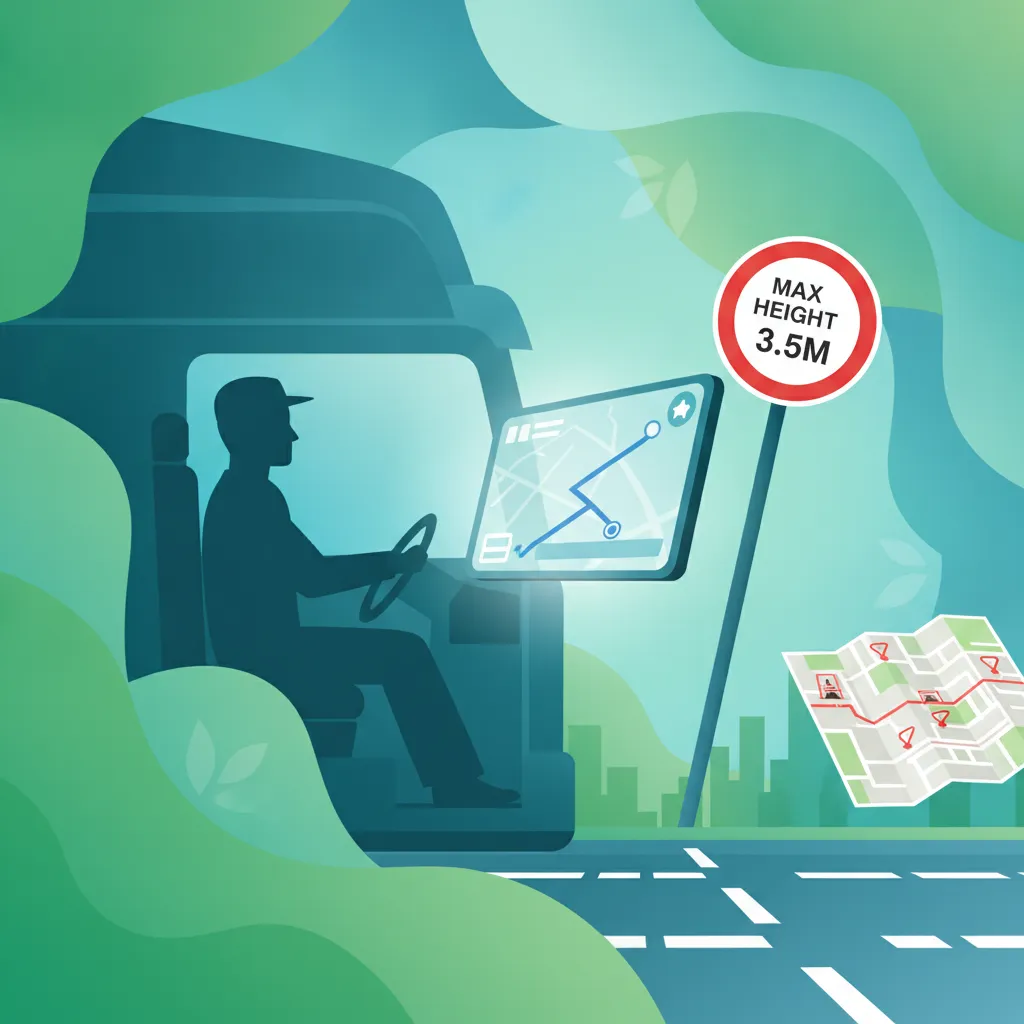
This lesson provides guidance on selecting preferred routes for heavy vehicles, taking into account freight corridors, toll roads, and restricted zones. Learners will be introduced to practical tools for route optimization, including GPS systems tailored for goods vehicles, and strategies for minimizing travel time while adhering to legal constraints. Emphasis is placed on balancing delivery efficiency with compliance to French transport policies.
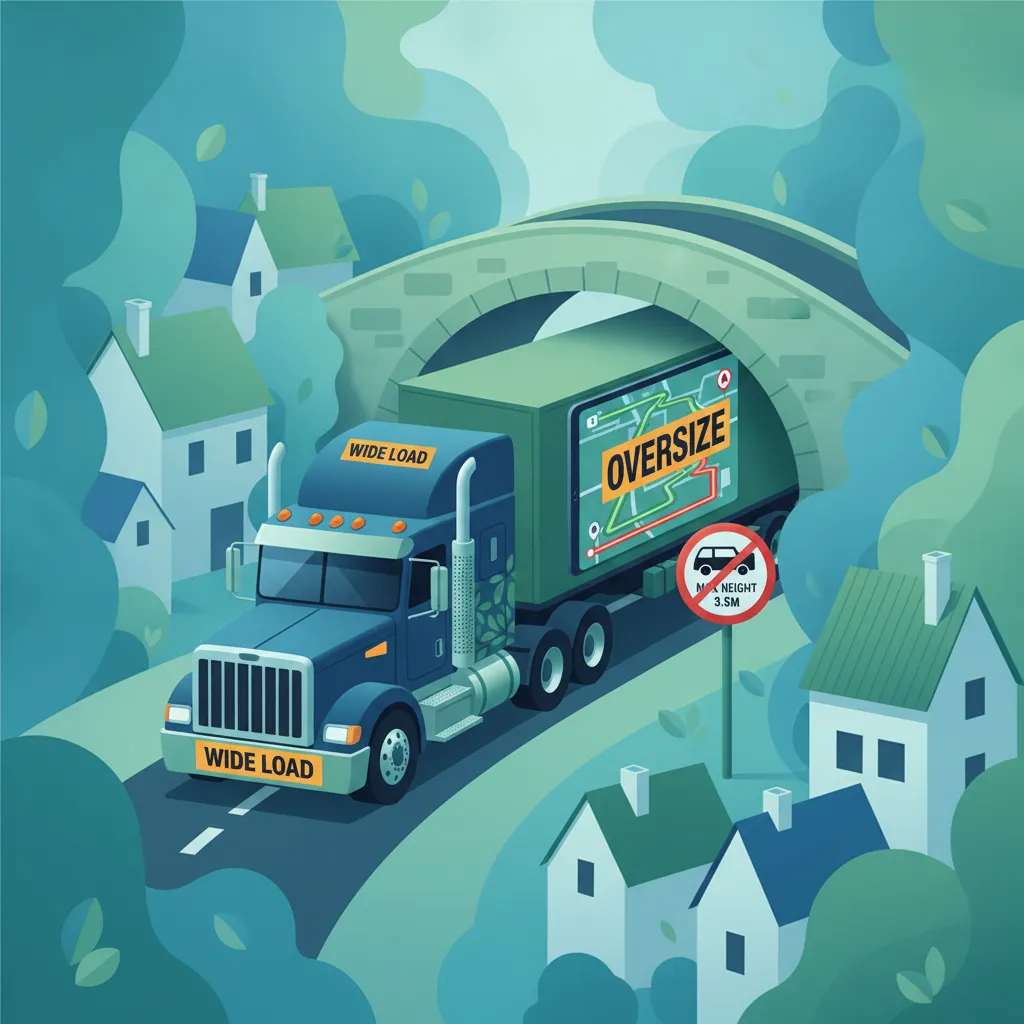
This lesson provides strategies for planning routes that accommodate oversized goods vehicles while complying with French road restrictions. Learners will learn how to identify prohibited routes, evaluate bridge and tunnel limitations, and obtain necessary access permits. The content also addresses the use of specialised GPS systems for heavy vehicle routing and the importance of contingency planning for detours, ensuring safe and efficient transport operations.
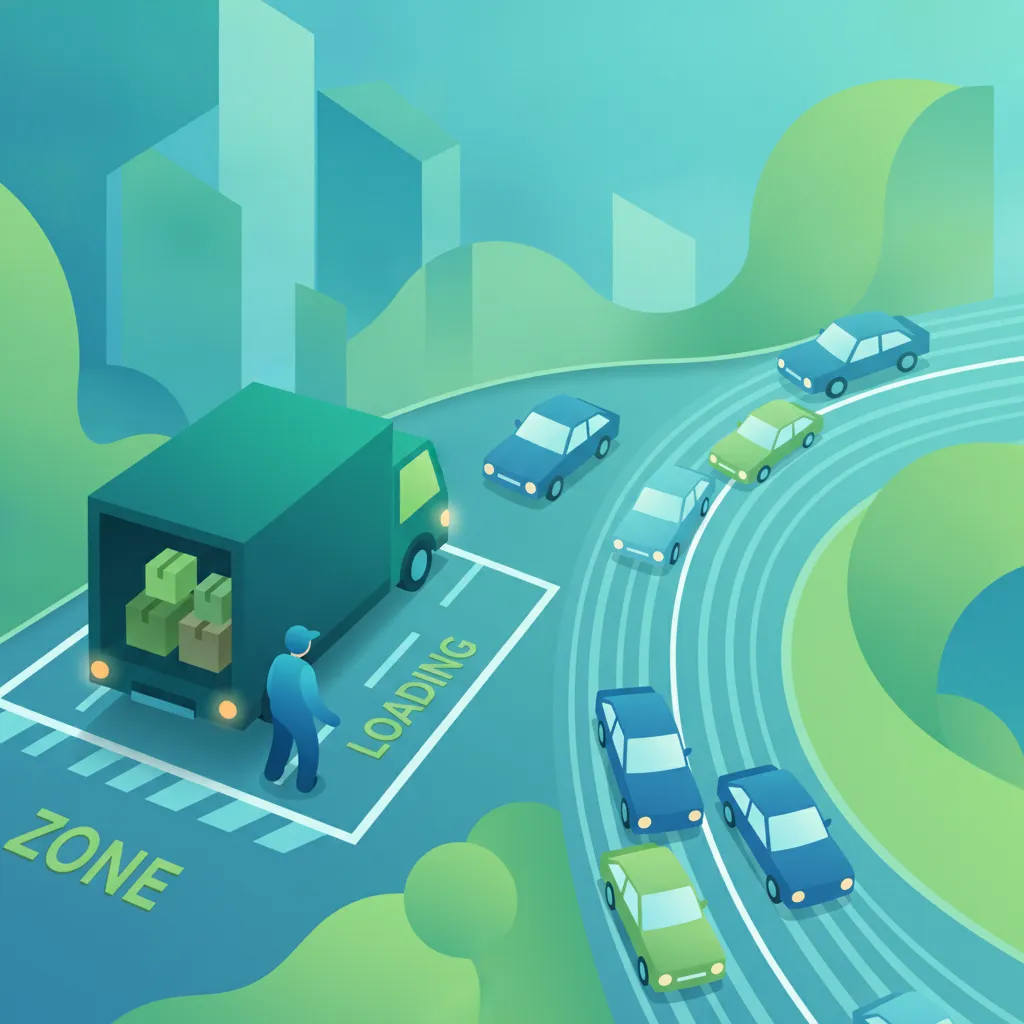
In this lesson, drivers will learn how to navigate urban delivery zones, understanding the rules surrounding loading bays, time windows, and restricted access areas. The content includes the process for obtaining delivery permits, strategies for safe maneuvering in congested city streets, and best practices for minimizing impact on pedestrian traffic. Learners will also be introduced to French city-specific regulations that govern goods vehicle deliveries.

This lesson focuses on the unique challenges of performing deliveries in dense urban areas. Learners will explore best practices for loading and unloading safely, navigating traffic congestion, and minimizing risks to pedestrians and cyclists. The content also covers compliance with city regulations for delivery zones, scheduling considerations, and the importance of careful maneuvering to avoid accidents.
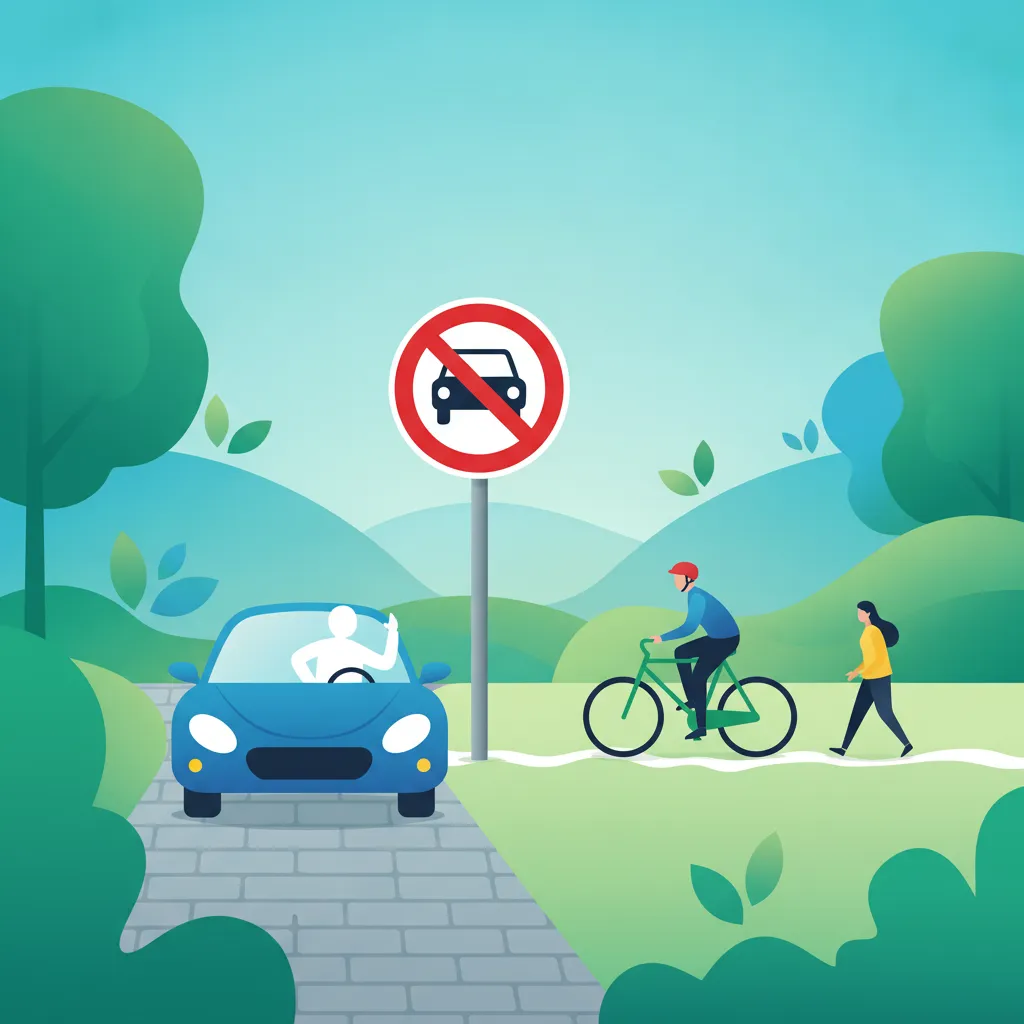
In this lesson, learners will explore the various access restrictions that apply to goods vehicles in France, such as low emission zones and weight-restricted areas. The focus is on understanding the process to obtain necessary access permits and authorisations, and how these restrictions influence route planning and operational decisions. Learners will also be introduced to specific regulations governing vehicle entry into city centres and environmentally sensitive zones.

This lesson analyzes the various traffic challenges unique to operating large passenger vehicles in historic and modern French urban areas. Drivers will learn to manage narrow street layouts, double-parked delivery trucks, and high-density multi-lane roundabouts safely. The lesson emphasizes defensive driving strategies, route adjustments, and maintaining mental focus under severe schedule and time pressures.
Explore the essential legal documents and vehicle registration requirements necessary for operating heavy goods vehicles on French roads. This guide details how to verify emission standards, maintain compliance with national transport laws, and manage administrative procedures for professional goods vehicle drivers.

In this lesson, drivers will learn about the mandatory documentation required for operating a goods vehicle in France. The content covers the NEPH number needed for licence applications, vehicle registration certificates (carte grise), and proof of insurance. Learners will also explore the technical inspection process, load and customs documentation for cross-border transport, and the importance of maintaining an up-to-date driver logbook.
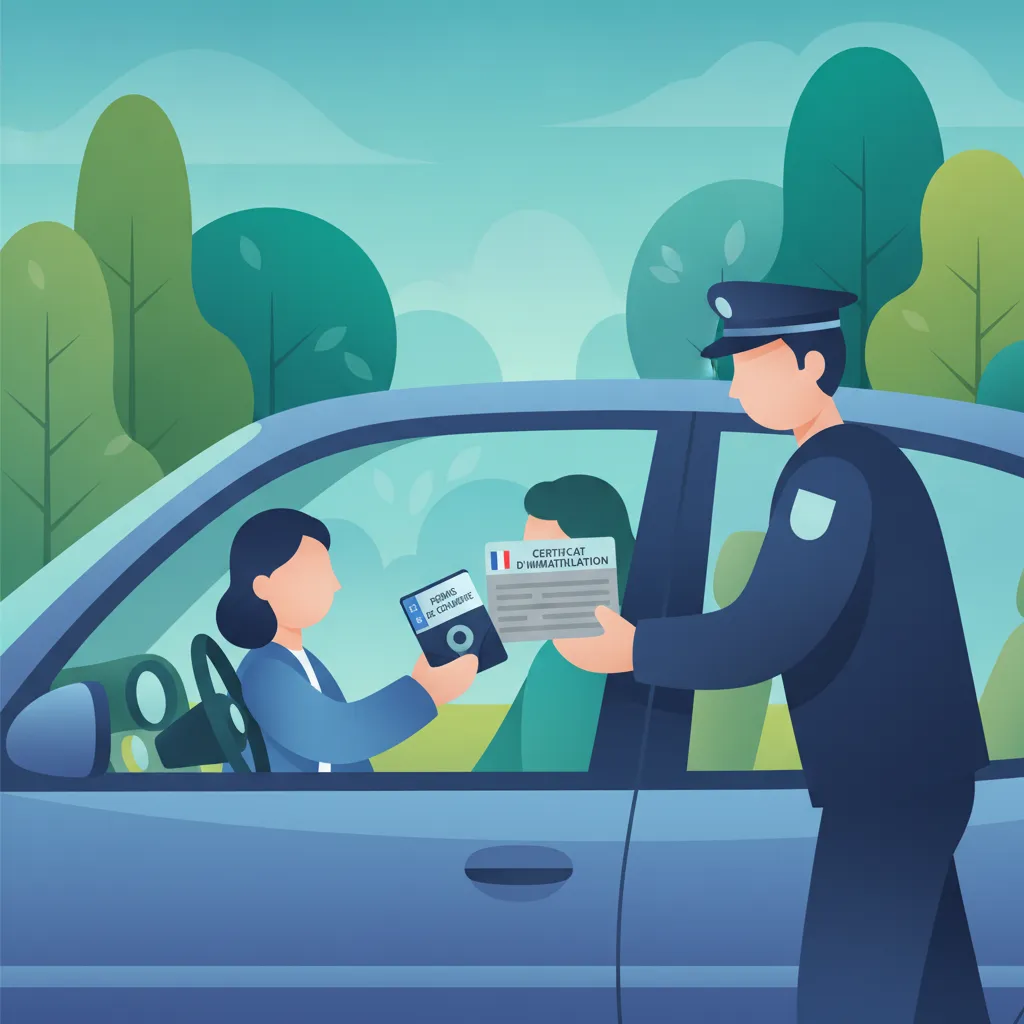
This lesson explains the critical documentation required to be kept onboard every passenger vehicle under French and European transport regulations. Learners will explore requirements for passenger manifests, insurance policies, valid transport permits, and official logbooks like the chronotachygraphe. Crucially, the lesson covers proper procedures for presenting these documents during routine roadside inspections by French law enforcement agencies.
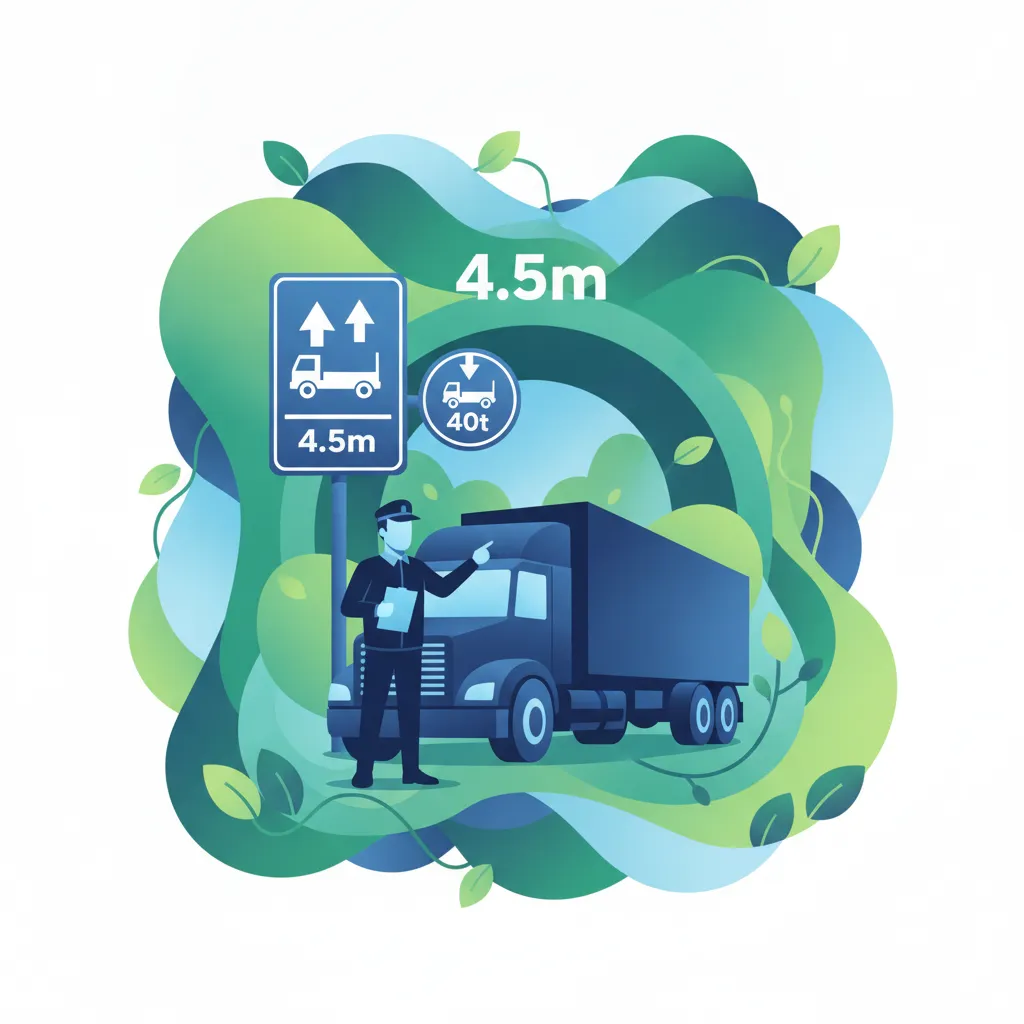
This lesson focuses on the weight and dimension restrictions that goods vehicles must adhere to while traveling on French roads. Learners will understand bridge caps, tunnel clearances, and other physical limitations imposed by infrastructure, and how these restrictions impact route planning and vehicle loading. The content also highlights legal load limits and the importance of compliance checks to avoid fines and roadblocks.

In this lesson, learners examine the heightened duty of care that applies to professional goods vehicle drivers, focusing on how legal obligations extend beyond basic road rules to include ethical considerations and public safety responsibilities. The content outlines expectations for compliance with French traffic laws, the importance of maintaining a professional image through courteous conduct, and the implications of negligent behavior. By integrating ethical decision-making with legal compliance, drivers are prepared to uphold the standards expected of professional operators.
This lesson provides strategies for planning routes that accommodate oversized goods vehicles while complying with French road restrictions. Learners will learn how to identify prohibited routes, evaluate bridge and tunnel limitations, and obtain necessary access permits. The content also addresses the use of specialised GPS systems for heavy vehicle routing and the importance of contingency planning for detours, ensuring safe and efficient transport operations.
This lesson addresses the procedures and expectations when professional drivers encounter law enforcement or customs officials in France. Topics include the types of checks that may be performed, required documentation, rights and obligations of drivers, and the consequences of non-compliance. Learners will be guided on best practices for interacting with authorities, emphasizing cooperation, transparency, and the importance of maintaining valid and up-to-date documents for both the vehicle and driver.
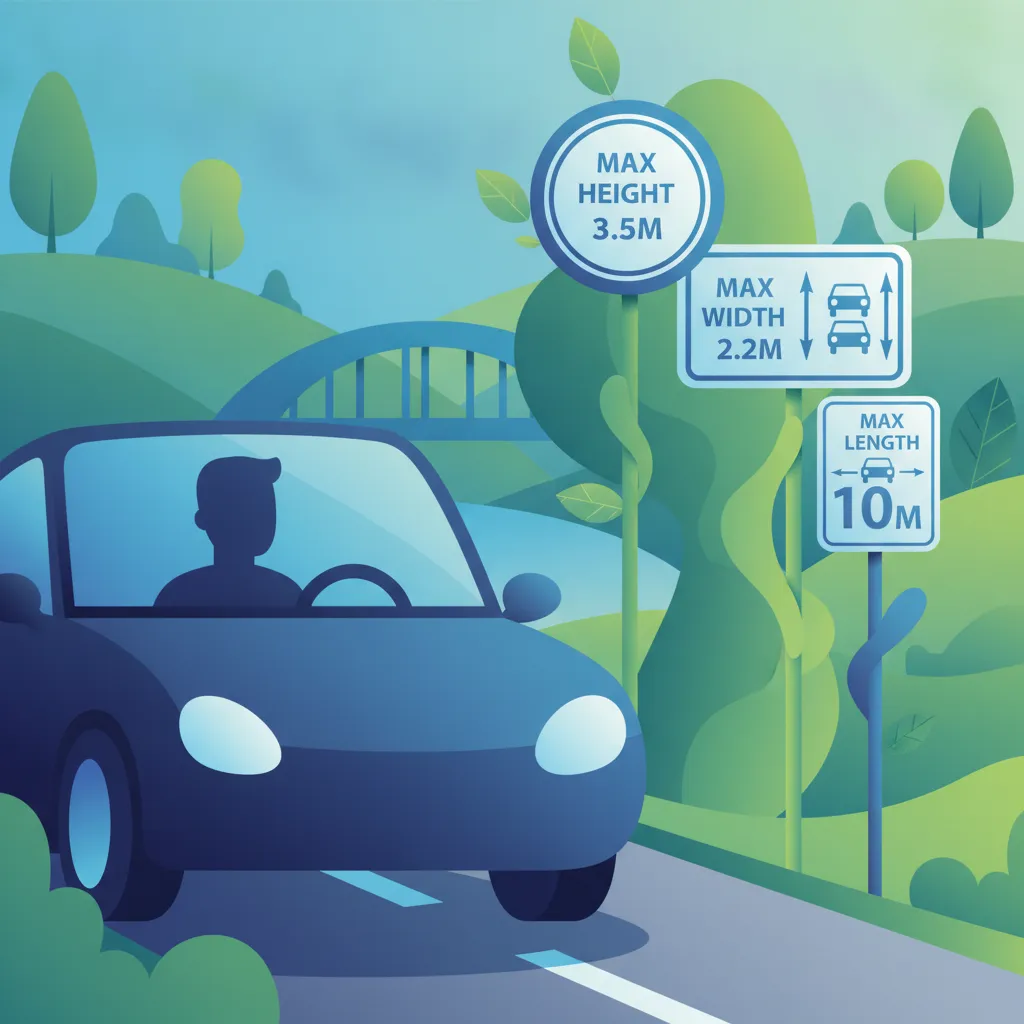
This lesson provides an in-depth analysis of how goods vehicles are classified according to their overall dimensions, such as length, width, height, and wheelbase. Learners will understand the legal limits imposed by French regulations for each vehicle class, and how these dimensions affect the vehicle’s classification and permissible routes. The material also explains the impact of cab size versus cargo space on maneuverability and route planning, highlighting the importance of accurate dimension assessment.

In this lesson, the focus is on understanding weight limits for goods vehicles, including total gross vehicle weight and individual axle load restrictions. Learners will explore how French weight regulations define permissible loads and the consequences of exceeding these limits, such as increased wear on road surfaces and safety hazards. The lesson also discusses load balancing techniques to ensure optimal axle distribution, enhancing vehicle stability and compliance with legal standards.
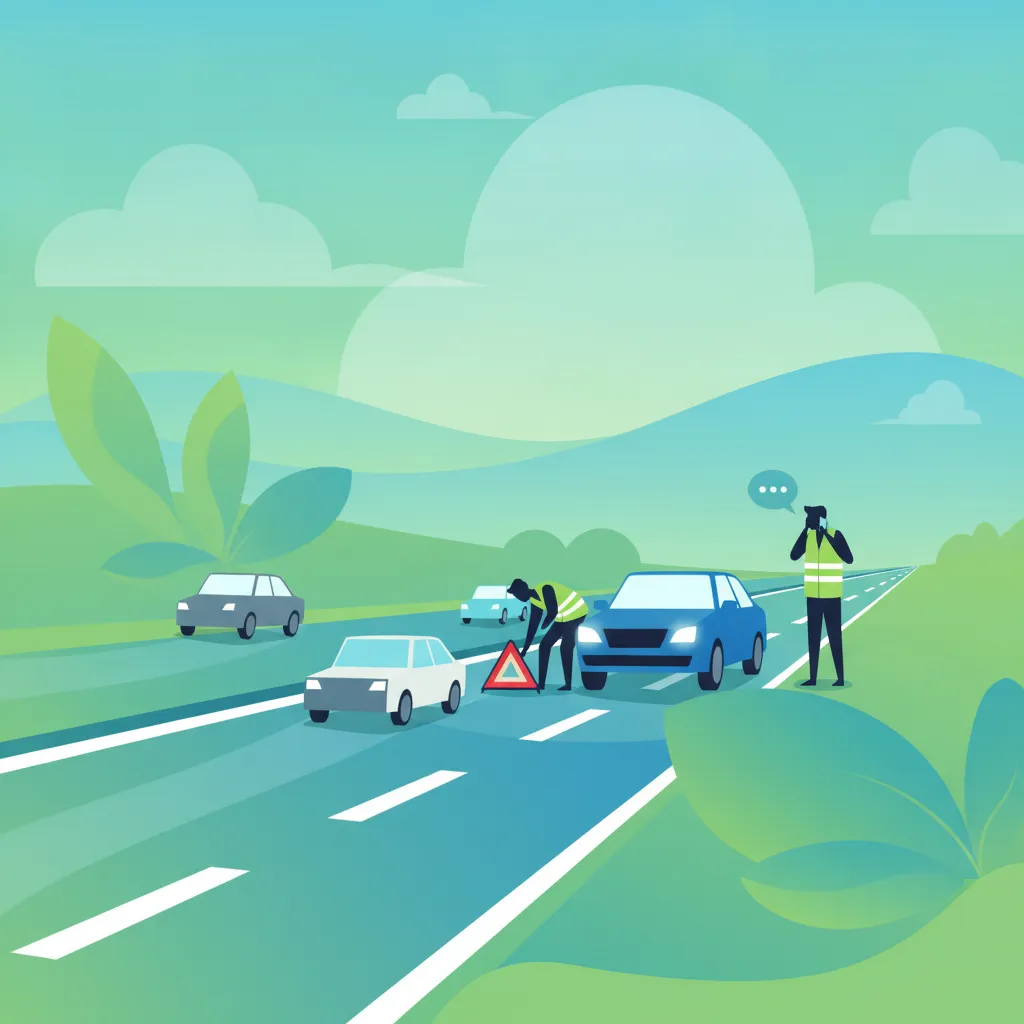
In this lesson, drivers will learn the essential steps to take following an accident involving a goods vehicle. The content covers contacting emergency services via 112, providing first aid, and safely positioning the vehicle to protect other road users. Learners will be instructed on documenting the incident, notifying insurance providers, and fulfilling legal obligations for accident reporting, including gathering witness statements.
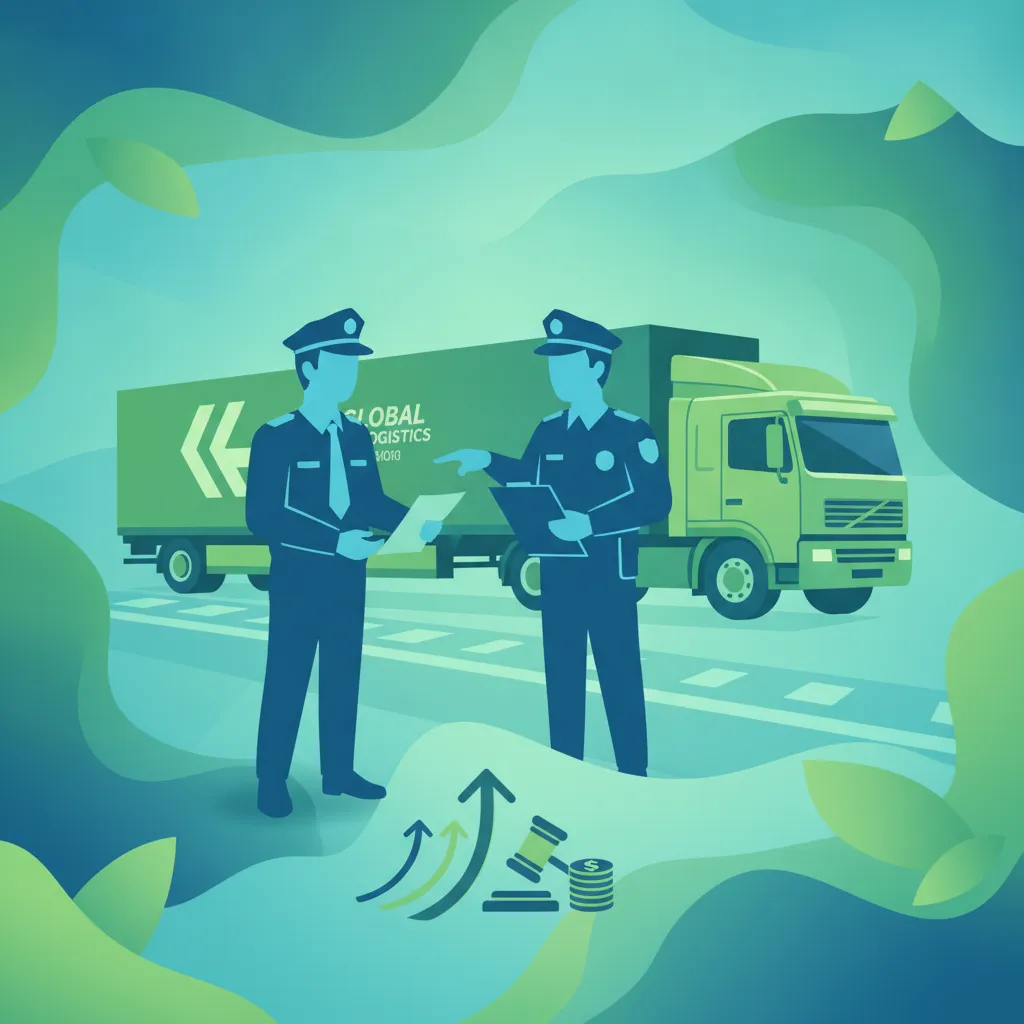
This lesson delves into the dual aspects of civil and criminal liability that professional goods vehicle drivers face in the event of traffic violations or accidents. Learners will explore the range of penalties, including fines, licence suspension, vehicle seizure, and potential imprisonment for severe offenses under French law. The discussion also covers the impact of negligence on insurance coverage, the accrual of penalty points, and the broader consequences for both the driver and their employer.
Find clear answers to common questions learners have about Environmental Zones and Low Emission Requirements. Learn how the lesson is structured, which driving theory objectives it supports, and how it fits into the overall learning path of units and curriculum progression in France. These explanations help you understand key concepts, lesson flow, and exam focused study goals.
Yes, in most established ZFE-m (Zones à Faibles Émissions mobilité) in France, heavy goods vehicles are required to display a valid Crit'Air vignette. The classification depends on the vehicle's age and emissions standard (Euro class), which dictates access permissions.
Entering a restricted zone without a valid vignette or with a vehicle that does not meet the required emission standard for that specific ZFE can result in significant fines and potential immobilization of the vehicle during police checks.
Professional grade navigation systems for trucks often allow you to input your vehicle's emission criteria to avoid prohibited areas. However, as a professional driver, you must always verify the actual signage, as road restrictions can change due to temporary air quality events.
Some municipalities offer specific local authorizations or time-based exemptions for essential goods deliveries. It is crucial to check the specific regulations of the destination municipality, as these rules are not uniform across all French cities.
Ready to focus your study? Use the practice search to find exactly the French driving theory questions you need for the Code de la route and permis de conduire ETG. Refine your knowledge on specific topics or challenging rules to boost your confidence and exam readiness.