This lesson guides you through the critical topic of driver fatigue, a leading cause of incidents in the transport industry. You will learn to identify early warning signs, understand legal driving and rest periods in France, and adopt best practices to maintain alertness during long hauls.

Lesson content overview
Operating a heavy goods vehicle (Category C or CE) on public roads is a highly demanding task that requires continuous concentration, rapid reflexes, and flawless decision-making. When navigating a vehicle weighing up to 44 tonnes through French traffic, any reduction in alertness can have catastrophic consequences.
Driver fatigue is one of the leading causes of serious accidents on motorways and national roads in France. To combat this risk, French law and European Union regulations strictly govern driving times, mandatory rest periods, and the monitoring of professional drivers. This lesson details the physiological mechanisms of fatigue, the legal frameworks designed to prevent it, and the practical strategies professional drivers must employ to maintain safety.
Fatigue is a physiological state characterized by a decreased capacity for mental and physical performance. It is generally divided into two main types:
For goods vehicle drivers, fatigue is often accelerated by the monotonous nature of long-distance motorway driving, cabin heat, engine vibration, and the high cognitive load of managing a massive vehicle.
As fatigue increases, the brain's prefrontal cortex—responsible for high-level decision-making and hazard perception—experiences reduced activity. This leads to several dangerous symptoms:
A brief episode of sleep or loss of consciousness lasting anywhere from 1 to 10 seconds. During a microsleep, the driver is completely unresponsive to external stimuli, leaving the heavy vehicle entirely uncontrolled.
At 90 km/h, a truck travels 25 metres per second. A 4-second microsleep means the vehicle travels 100 metres with no one at the wheel, making lane deviation and devastating collisions highly likely.
To protect road users and guarantee fair competition in the transport sector, French law enforces European Regulation (EC) No 561/2006 (Réglementation Sociale Européenne or RSE). These rules dictate the maximum driving times allowed for professional drivers of category C, C1, CE, and C1E vehicles.
The daily driving limit is the total accumulated driving time between the end of one daily rest period and the beginning of the next.
A "week" in this context begins at 00:00 on Monday and ends at 24:00 on Sunday.
To prevent cumulative exhaustion over extended shifts, regulations set clear limits on weekly and biweekly driving hours:
This biweekly rule prevents a driver from working maximum hours back-to-back. For example, if a driver logs the maximum 56 hours in Week 1, they are legally restricted to a maximum of 34 hours in Week 2 (56 + 34 = 90 hours).
To recover from the physical and mental demands of operating a heavy goods vehicle, drivers must take regular breaks during their shift, along with daily and weekly rest periods.
A driver must not drive continuously for more than 4.5 hours without taking an uninterrupted break.
During these breaks, the driver must not perform any other work (such as loading cargo or cleaning the vehicle).
Within every 24-hour period starting from the end of the previous rest period, a driver must take a daily rest.
After a maximum of six 24-hour periods from the end of the previous weekly rest, a driver must take a weekly rest.
Compliance with driving and rest times is monitored using an electronic logging device known as a Tachograph (Chronotachygraphe).
The digital tachograph records the vehicle's speed, distance traveled, and the driver's activity state. Drivers must insert their personal smart card (driver card) into the tachograph unit at the beginning of their shift and ensure it remains active.
Drivers are legally required to manually record their activities using the tachograph interface:
Tampering with a tachograph, using a fraudulent driver card, or failing to record accurate data is a serious criminal offense in France. It can result in severe fines, confiscation of the vehicle, and imprisonment for both the driver and the transport operator.
Many professional drivers overestimate their ability to resist sleep. A core aspect of professional conduct is performing regular self-assessments to detect early physiological signs of fatigue before a safety-critical event occurs.
| Indicator Type | Common Signs and Symptoms |
|---|---|
| Physical Signs | Frequent yawning, heavy eyelids, burning or dry eyes, difficulty keeping the head upright, and sudden muscle twitches. |
| Cognitive Signs | Wandering thoughts, missing highway exits, difficulty remembering the last few kilometres driven, and delayed recognition of traffic signs. |
| Driving Behavior | Frequent drifting across lane markings, inconsistent speed control, and tailgating due to poor spatial awareness. |
If you experience any of these signs, you must stop driving immediately at the next safe parking area (aire de repos).
Many drivers rely on temporary strategies to combat drowsiness, but these methods are often ineffective and dangerous.
The only effective cure for driver fatigue is physical sleep. If you are experiencing sleepiness, pull over at a rest stop, consume a moderate amount of caffeine if desired, and take a 15 to 20-minute power nap. This temporary measure should only be used to safely reach your final rest destination, not to extend your driving shift beyond legal limits.
Fatigue does not develop in a vacuum. It is heavily influenced by external environment and driver schedules.
The human body is governed by an internal biological clock (circadian rhythm) that naturally regulates sleepiness and wakefulness over a 24-hour cycle.
The two periods of peak natural sleepiness occur between 00:00 and 04:00 (midnight to dawn) and between 13:00 and 16:00 (early afternoon). Drivers operating during these windows face an accelerated risk of fatigue and must exercise extreme vigilance.
Operating a category CE articulated vehicle with a maximum gross weight demands continuous physical and mental effort. Maneuvering through narrow urban corridors with pedestrians, cyclists, and delivery vans increases cognitive stress. This elevated workload burns energy faster, making rest periods even more critical.
A driver has been on the road for 9 hours. They are only 45 km away from their delivery destination in Lyon. Believing it is safer to finish the trip than to stop, they decide to drive a 10th hour, even though they have already used their two 10-hour extensions earlier in the week.
A driver attempts to perform a split daily rest. They take a 2-hour break in the afternoon, followed by a 9-hour rest overnight.
In France, transport inspectors (inspecteurs du travail des transports) and the national gendarmerie enforce RSE rules strictly. Penalties can be applied to both the driver and the haulage company:
As a professional goods vehicle driver, safety is your primary responsibility. Meeting delivery deadlines must never take priority over public safety.
If a transport manager or employer pressures you to exceed legal driving limits or shorten your rest periods, you have the legal right and ethical duty to refuse. Under French labor law (Code du travail), drivers are protected when refusing to operate a vehicle under conditions that violate safety regulations or put lives at risk. Managing your fatigue is not just a personal health choice; it is an essential part of professional conduct that ensures every road user returns home safely.
Explore all units and lessons included in this driving theory course.
Lesson content overview
Explore all units and lessons included in this driving theory course.
Explore search topics learners often look for when studying Recognizing and Managing Driver Fatigue. These topics reflect common questions about road rules, driving situations, safety guidance, and lesson level theory preparation for learners in France.
Browse additional driving theory lessons that cover connected traffic rules, road signs, and common driving situations related to this topic. Improve your understanding of how different rules interact across everyday traffic scenarios.
Learn the legal requirements for recording driving times and rest periods using digital tachographs. This guide explains how to correctly log daily activities, manage driver cards, and comply with official transport regulations to avoid penalties and ensure full operational compliance during professional driving tasks.

In this lesson, drivers will learn about the mandatory documentation required for operating a goods vehicle in France. The content covers the NEPH number needed for licence applications, vehicle registration certificates (carte grise), and proof of insurance. Learners will also explore the technical inspection process, load and customs documentation for cross-border transport, and the importance of maintaining an up-to-date driver logbook.
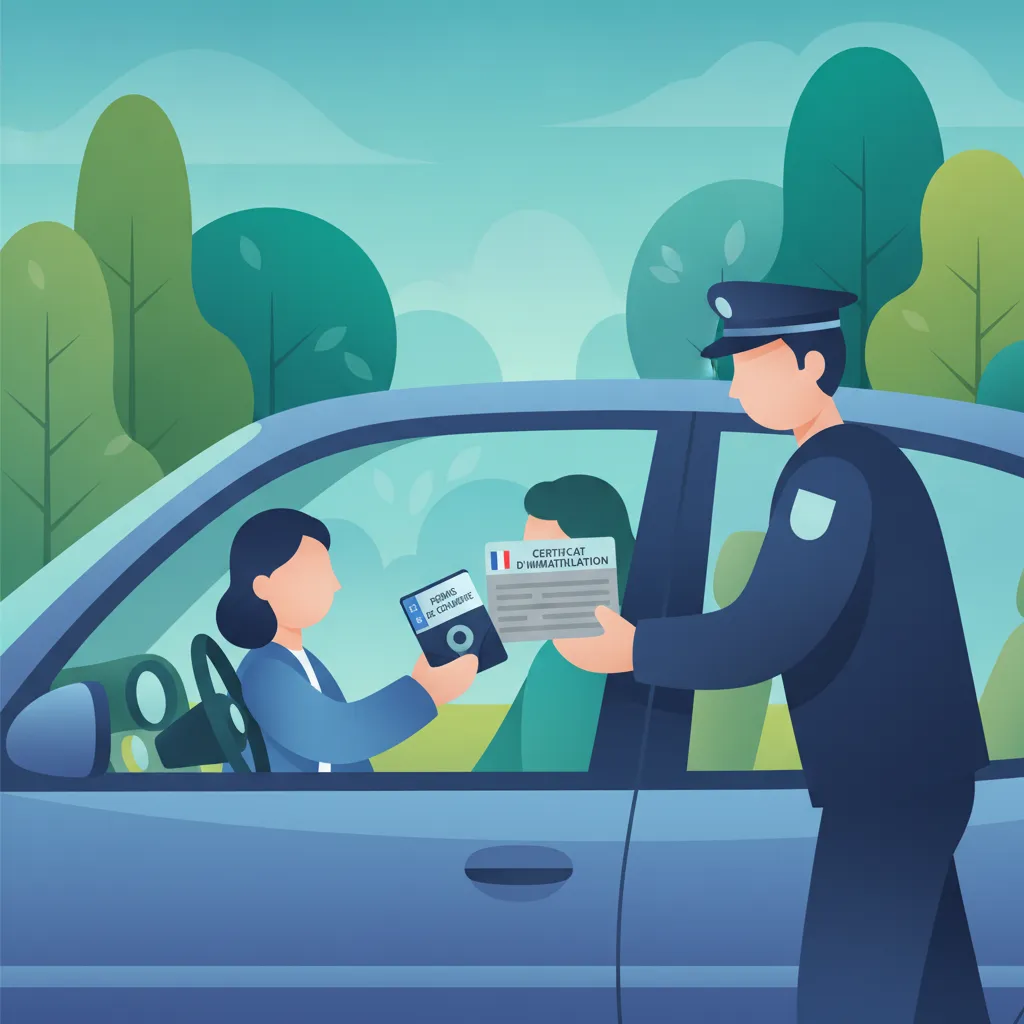
This lesson explains the critical documentation required to be kept onboard every passenger vehicle under French and European transport regulations. Learners will explore requirements for passenger manifests, insurance policies, valid transport permits, and official logbooks like the chronotachygraphe. Crucially, the lesson covers proper procedures for presenting these documents during routine roadside inspections by French law enforcement agencies.
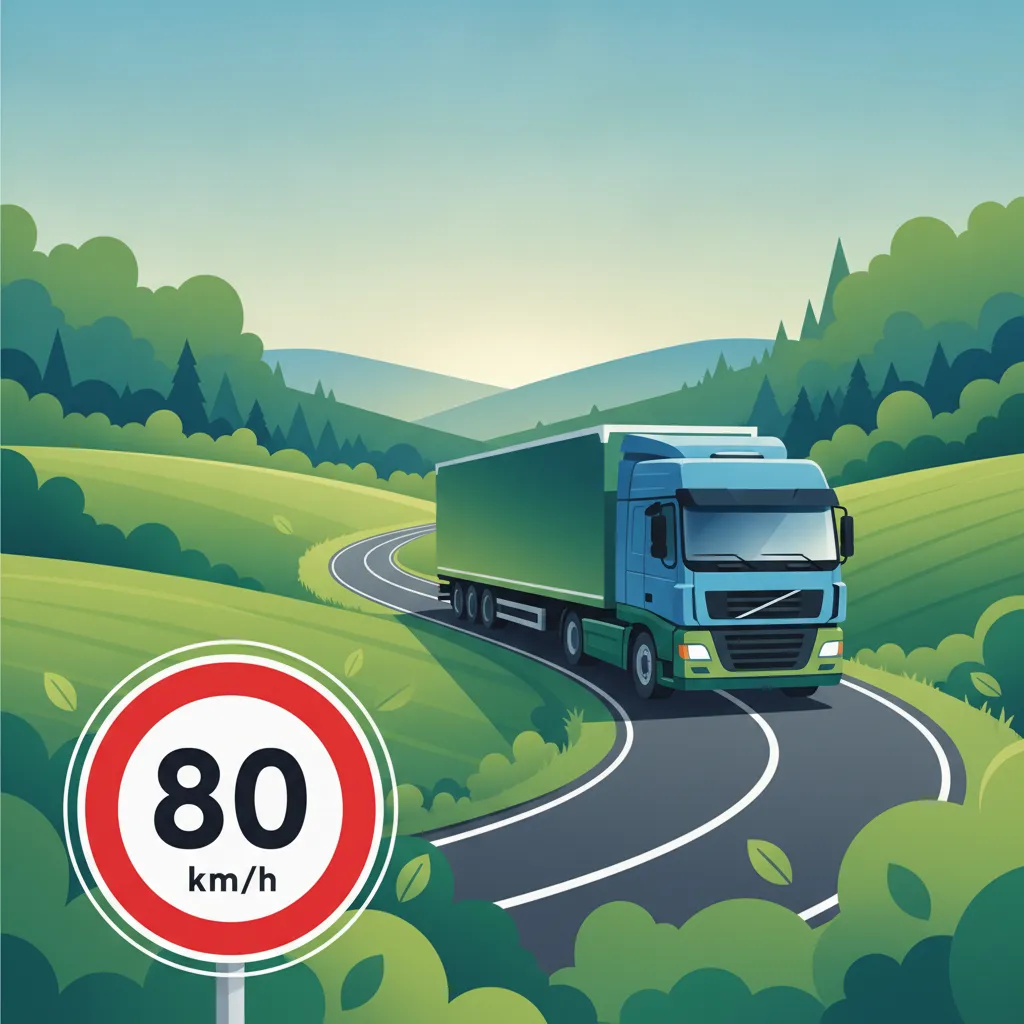
In this lesson, drivers will learn the specific speed limits that apply to goods vehicles across different road types in France, including urban areas, rural roads, and motorways. The content covers the differences between speed limit signs for heavy vehicles and standard passenger cars, the legal basis for these limits, and the importance of speed adaptation based on vehicle category and load. Learners will also be introduced to speed enforcement methods used in France, such as radar and speed cameras.

In this lesson, drivers will learn the essential steps to take following an accident involving a goods vehicle. The content covers contacting emergency services via 112, providing first aid, and safely positioning the vehicle to protect other road users. Learners will be instructed on documenting the incident, notifying insurance providers, and fulfilling legal obligations for accident reporting, including gathering witness statements.
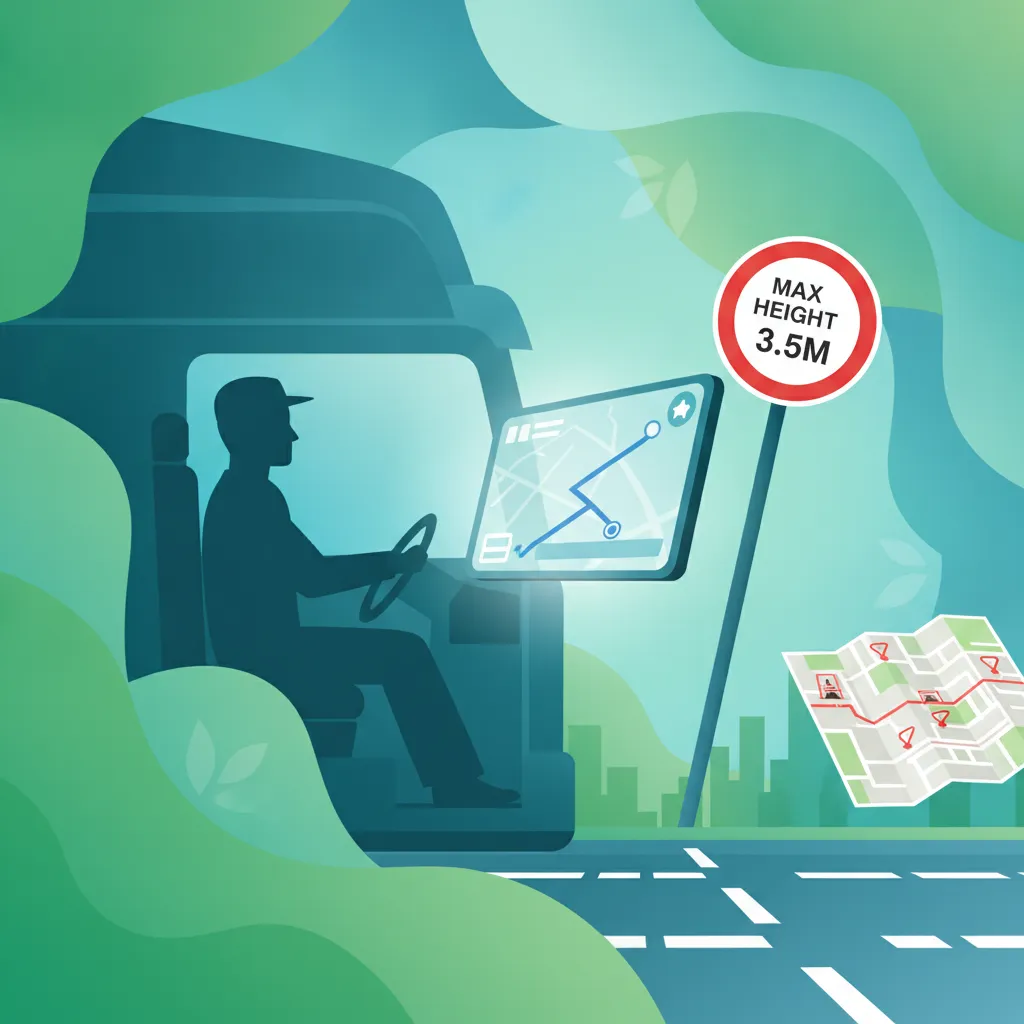
This lesson provides guidance on selecting preferred routes for heavy vehicles, taking into account freight corridors, toll roads, and restricted zones. Learners will be introduced to practical tools for route optimization, including GPS systems tailored for goods vehicles, and strategies for minimizing travel time while adhering to legal constraints. Emphasis is placed on balancing delivery efficiency with compliance to French transport policies.

This lesson addresses the procedures and expectations when professional drivers encounter law enforcement or customs officials in France. Topics include the types of checks that may be performed, required documentation, rights and obligations of drivers, and the consequences of non-compliance. Learners will be guided on best practices for interacting with authorities, emphasizing cooperation, transparency, and the importance of maintaining valid and up-to-date documents for both the vehicle and driver.

This lesson examines how goods vehicle drivers should approach and navigate roadworks zones and temporary traffic restrictions. Learners will be taught to recognize temporary speed limit signs, follow detour routes safely, and respect lane closures. The content also highlights the importance of maintaining safe distances from workers, adjusting for reduced lane width, and ensuring compliance with temporary regulations to avoid penalties.
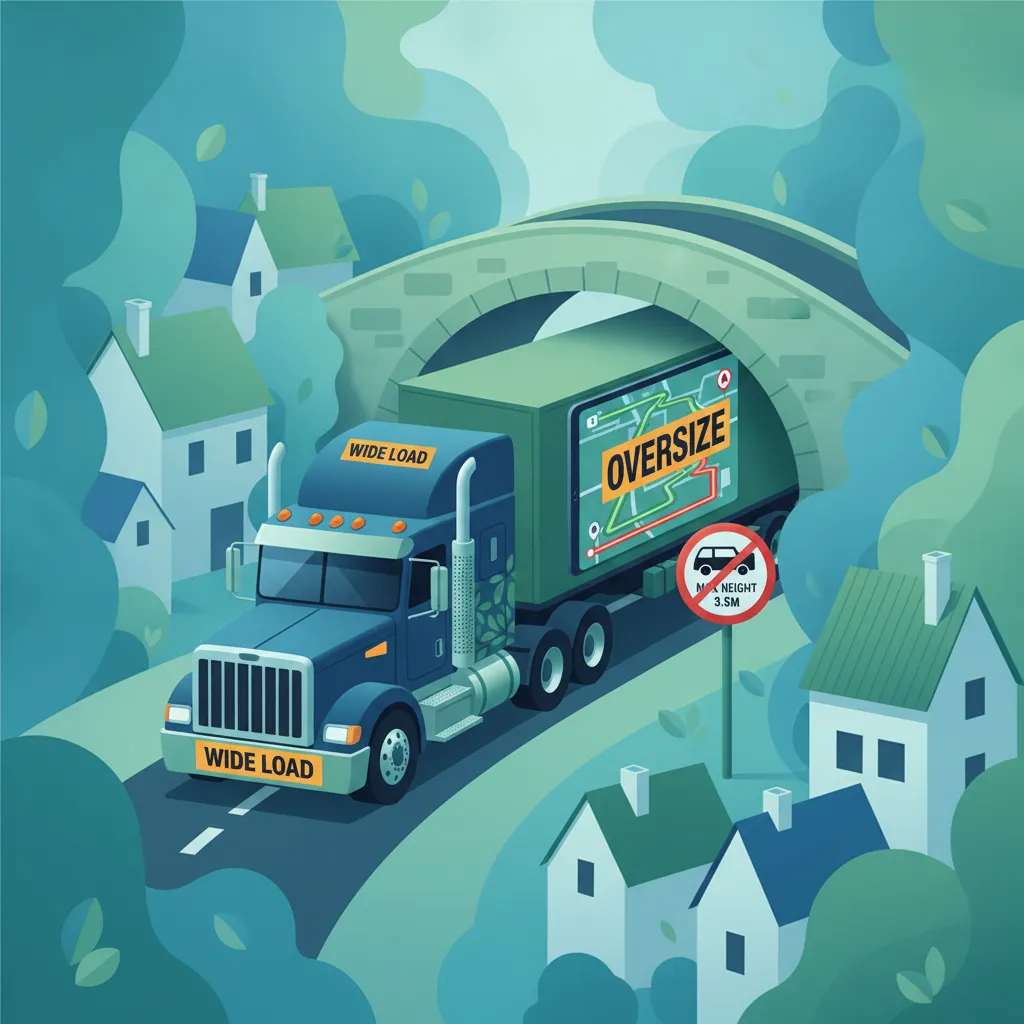
This lesson provides strategies for planning routes that accommodate oversized goods vehicles while complying with French road restrictions. Learners will learn how to identify prohibited routes, evaluate bridge and tunnel limitations, and obtain necessary access permits. The content also addresses the use of specialised GPS systems for heavy vehicle routing and the importance of contingency planning for detours, ensuring safe and efficient transport operations.

This lesson covers the preparation and execution of long-distance intercity coach services (such as "Macron buses" in France). Drivers will learn to integrate European Union social regulations on driving limits and mandatory rest breaks into their journey planning. Strategies for checking weather reports, tracking fuel consumption, and monitoring passenger comfort during long transit times are fully explained.

Every driver in France must be able to present official, up-to-date documentation during routine roadside police checks. This lesson details the certificat d'immatriculation (commonly known as the carte grise), valid insurance documents, and the Crit'Air environmental vignette required in low-emission zones. It explains how to complete transfers of ownership and update addresses using the official ANTS digital portal.
Understand the legal and ethical obligations of a professional goods vehicle driver in France. This lesson covers balancing tight delivery deadlines with road safety, managing employer pressure, and adhering to professional codes of conduct to maintain safety and compliance on national roads and motorways.

In this lesson, drivers will explore the expectations for professional behavior and ethical decision-making while operating a goods vehicle. The content emphasizes the importance of a safety-first mindset, respectful interaction with other road users, and adherence to a code of conduct. Learners will also consider the environmental impact of their operations, strategies for effective communication, and the role of continuous professional development.

In this lesson, learners examine the heightened duty of care that applies to professional goods vehicle drivers, focusing on how legal obligations extend beyond basic road rules to include ethical considerations and public safety responsibilities. The content outlines expectations for compliance with French traffic laws, the importance of maintaining a professional image through courteous conduct, and the implications of negligent behavior. By integrating ethical decision-making with legal compliance, drivers are prepared to uphold the standards expected of professional operators.
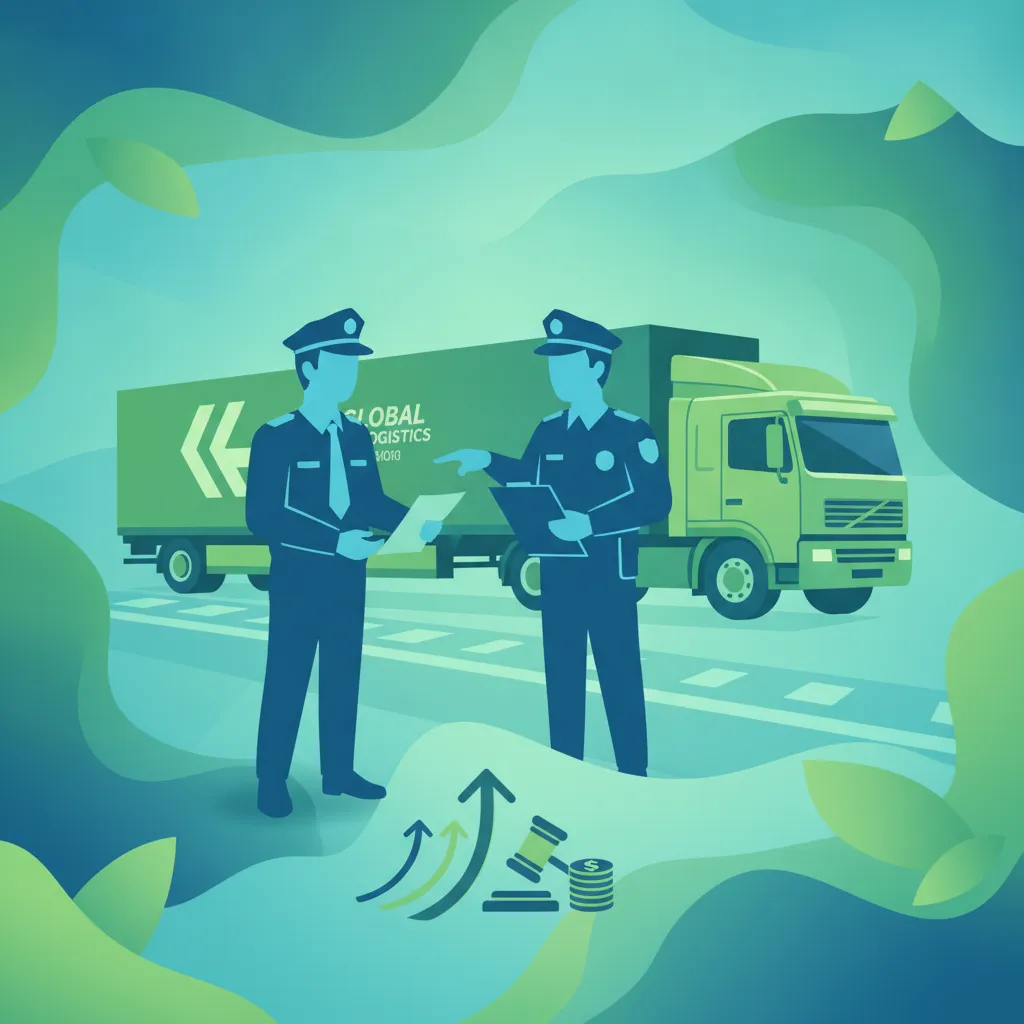
This lesson delves into the dual aspects of civil and criminal liability that professional goods vehicle drivers face in the event of traffic violations or accidents. Learners will explore the range of penalties, including fines, licence suspension, vehicle seizure, and potential imprisonment for severe offenses under French law. The discussion also covers the impact of negligence on insurance coverage, the accrual of penalty points, and the broader consequences for both the driver and their employer.
Find clear answers to common questions learners have about Recognizing and Managing Driver Fatigue. Learn how the lesson is structured, which driving theory objectives it supports, and how it fits into the overall learning path of units and curriculum progression in France. These explanations help you understand key concepts, lesson flow, and exam focused study goals.
The only effective way to combat fatigue is to stop and take a break. While caffeine or fresh air may provide temporary relief, they do not replace the need for restorative rest when signs of drowsiness appear.
Yes. Failure to respect mandatory rest periods is considered a serious traffic offence in France, resulting in heavy fines, potential licence suspension, and negative impacts on your professional standing and insurance coverage.
Fatigue slows your cognitive processing, leading to delayed braking and difficulty maintaining lane discipline. Even slight drowsiness can impair your ability to react to sudden hazards, often with devastating consequences given the mass of C/CE vehicles.
Warning signs include difficulty focusing, frequent blinking, heavy eyelids, yawning, or drifting out of your lane. If you experience these, you must find a safe place to stop immediately; do not attempt to 'power through' to your destination.
Ready to focus your study? Use the practice search to find exactly the French driving theory questions you need for the Code de la route and permis de conduire ETG. Refine your knowledge on specific topics or challenging rules to boost your confidence and exam readiness.