This section covers mandatory signs, indicated by their distinctive blue circular shape with white symbols. These signs are crucial as they tell you what you *must* do, leaving no room for interpretation. Understanding these signs is vital for navigating traffic safely and efficiently, ensuring you comply with essential traffic regulations. Mastering them will not only boost your confidence on the road but is also a key requirement for passing your driving theory exam.
An explanation of how Mandatory Signs (C) road signs apply in real traffic situations in Poland. Learn where these signs are typically placed, what drivers are expected to do when they appear, and how correct reactions help you stay safe, avoid fines, and succeed in your Polish driving theory exam.
Mandatory signs are encountered in various traffic situations where specific actions are required to maintain order and safety. You'll see signs like 'Mandatory Right Turn Before the Sign' (C-1) or 'Mandatory Straight Ahead' (C-5) at complex intersections or before specific road layouts where a single direction or combination of directions is enforced. Signs like 'Bicycle Path' (C-13) or 'Pedestrian Path' (C-16) are found at the beginning of designated lanes or separate routes to ensure different road users stay in their allocated spaces, often in urban areas or parks. You might also encounter 'Minimum Speed' (C-14) signs on motorways or specific routes where a certain pace is necessary for traffic flow. 'Pass on the Right/Left' (C-9, C-10) signs are typically used around obstructions or specific road designs. Understanding and obeying these signs is critical because they dictate positive obligations; failing to follow them can lead to collisions, traffic jams, and dangerous situations for yourself and others.
An overview of the key learning outcomes when studying the Mandatory Signs (C) road sign category. Understand the main concepts, sign meanings, and traffic situations covered here so you can recognise patterns, answer theory questions more confidently, and build a solid foundation for safe driving in Poland.
Mandatory signs dictate specific actions you must take, crucial for safe traffic flow in Poland. Studying these blue, circular road signs together helps you master positive obligations, preventing accidents and ensuring smooth movement. Effective sign recognition is vital for your driving theory test, covering essential Polish traffic rules for intersections, lanes, and paths.
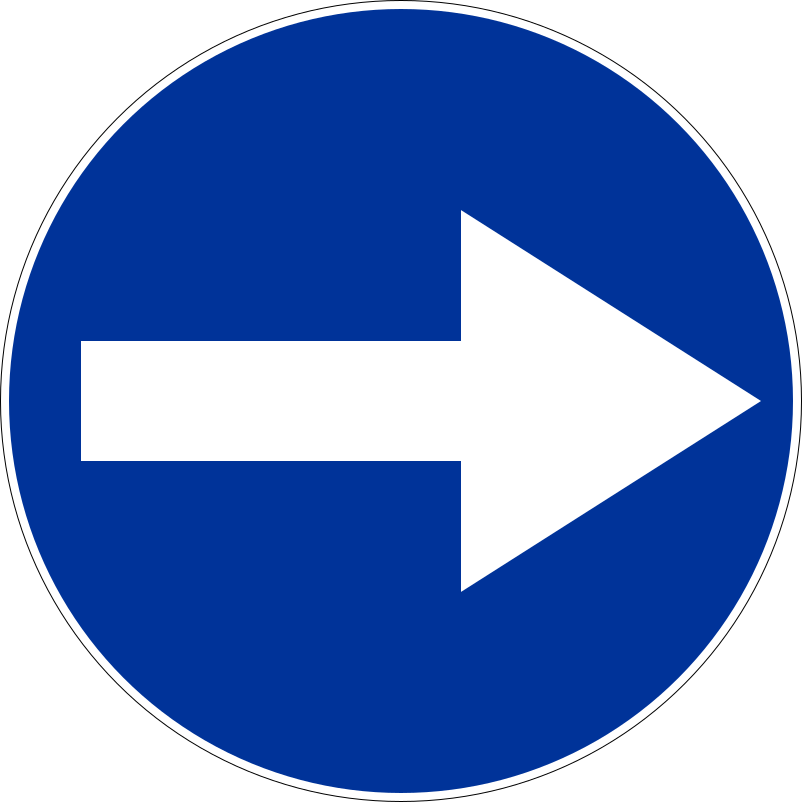
The C-1 sign means you MUST turn right before you reach it!
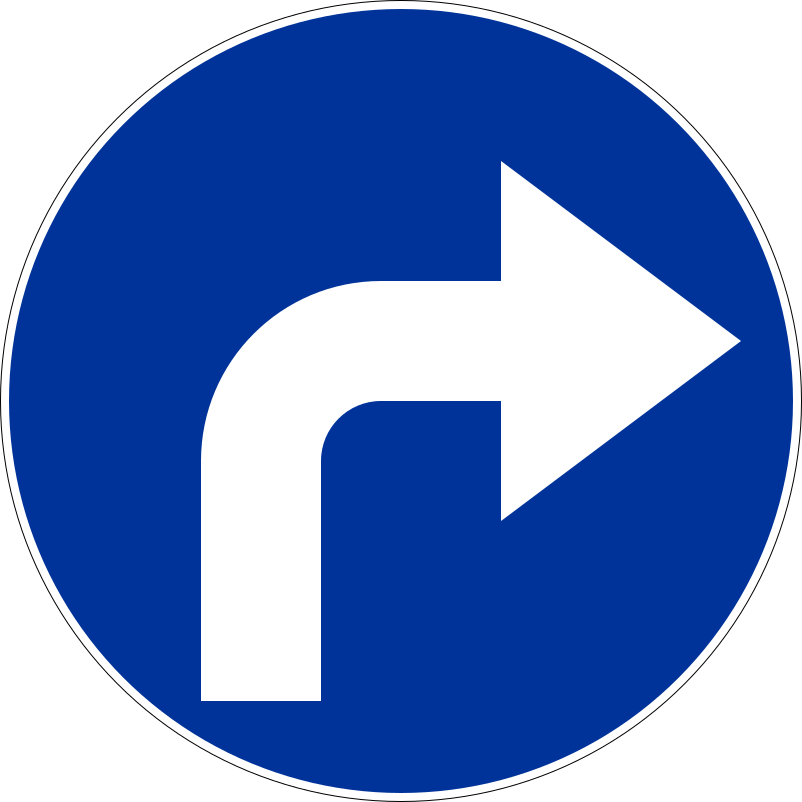
You must turn right at the next junction after this C-2 sign.
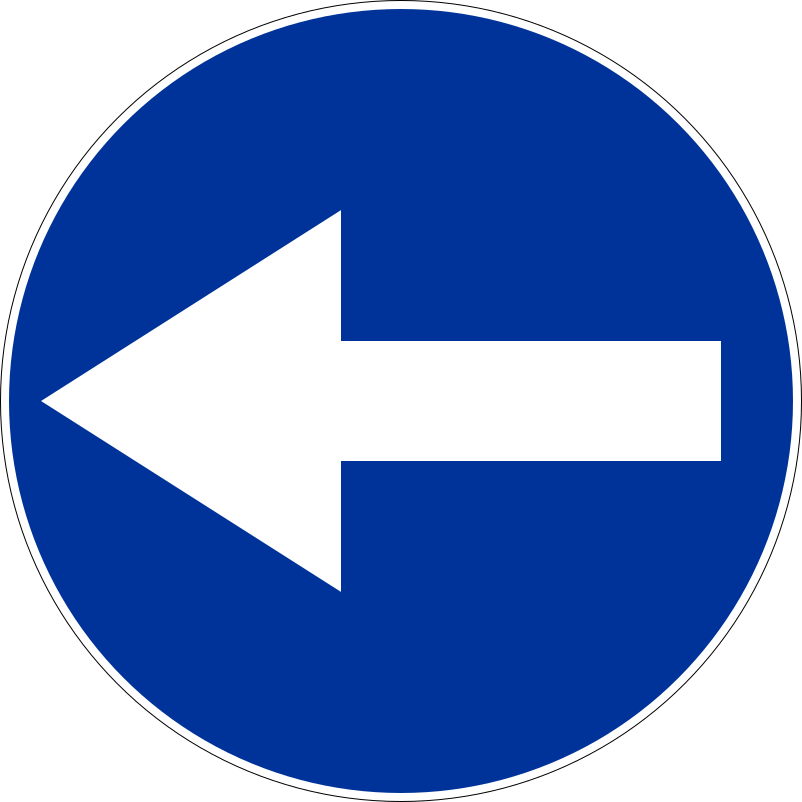
You must turn left before this C-3 mandatory direction sign.
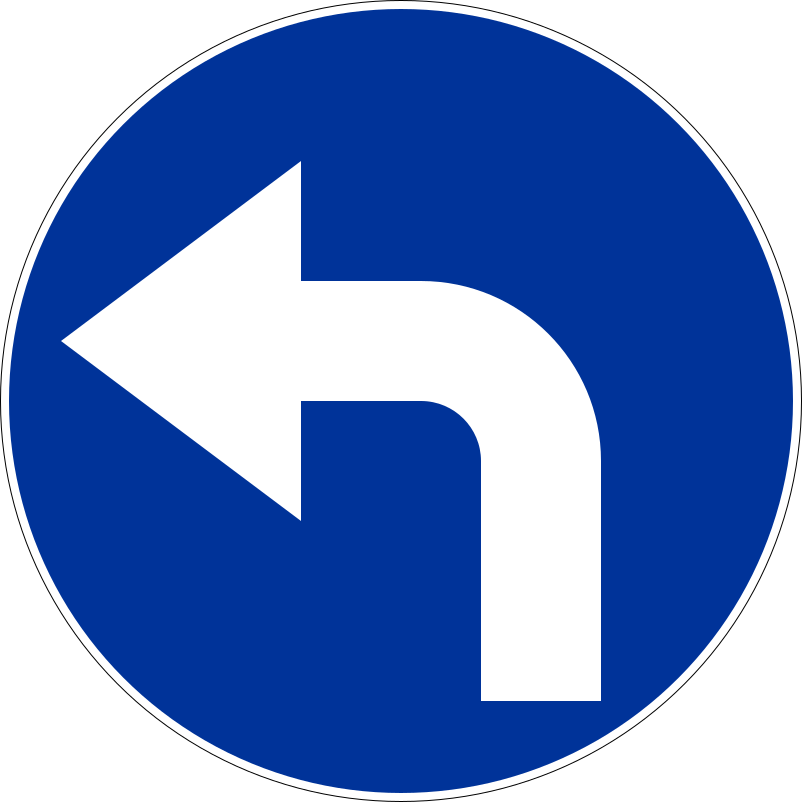
Mandatory Left Turn Ahead: Understand the C-4 Sign
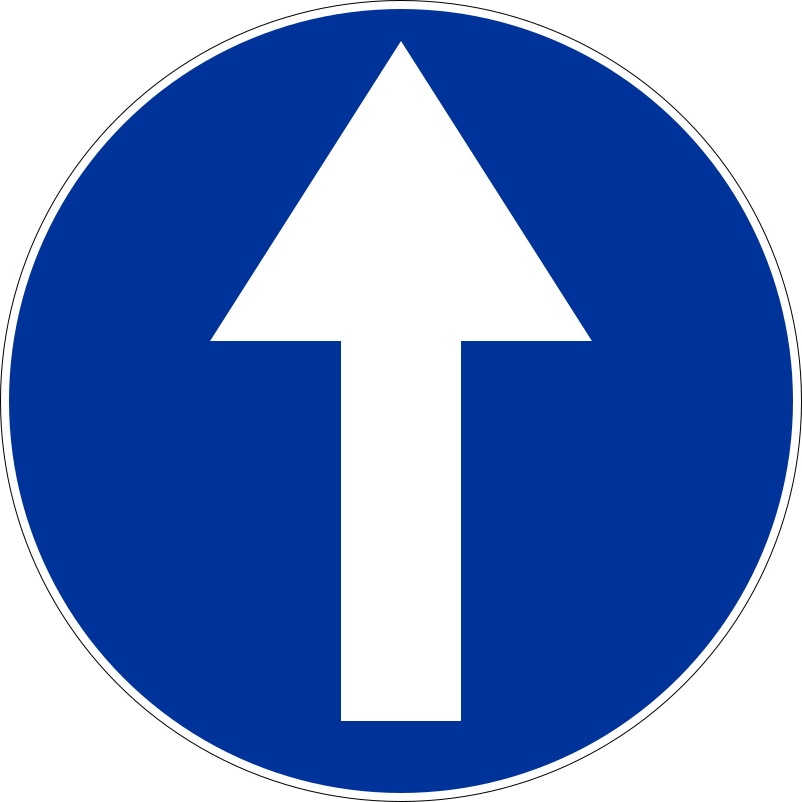
The C-5 'Mandatory Straight Ahead' sign means you must continue forward and cannot turn.
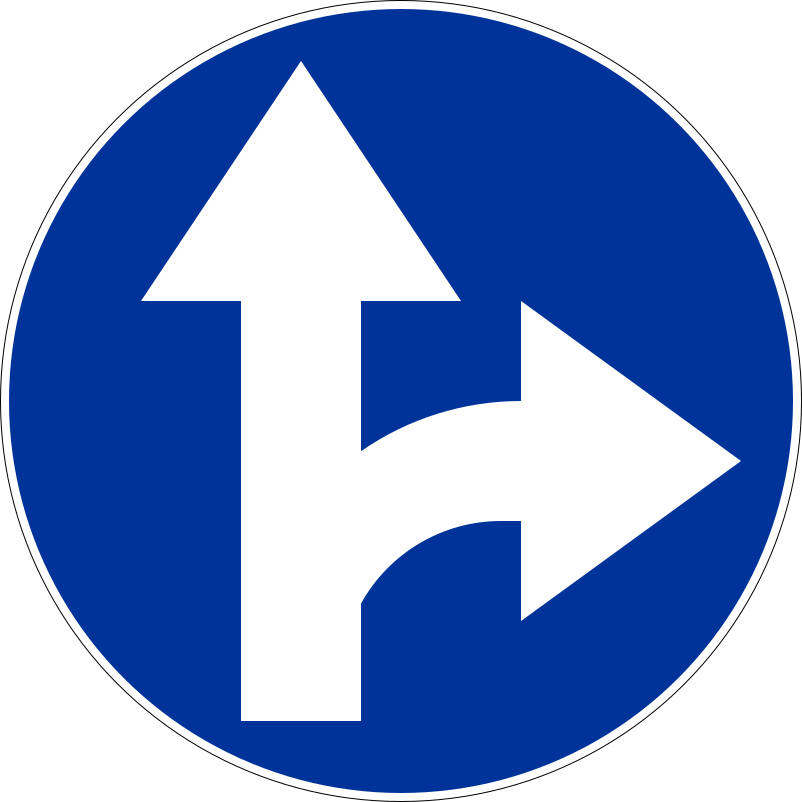
The C-6 sign mandates you go straight or turn right; left turns are forbidden.
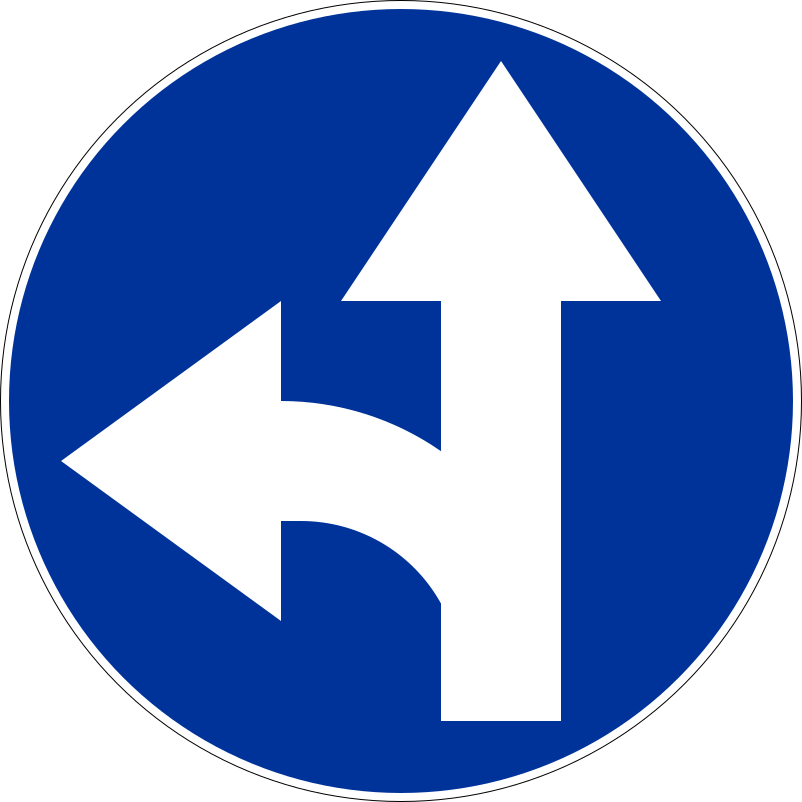
Mandatory Straight or Left Turn Sign (C-7): Know Your Direction!
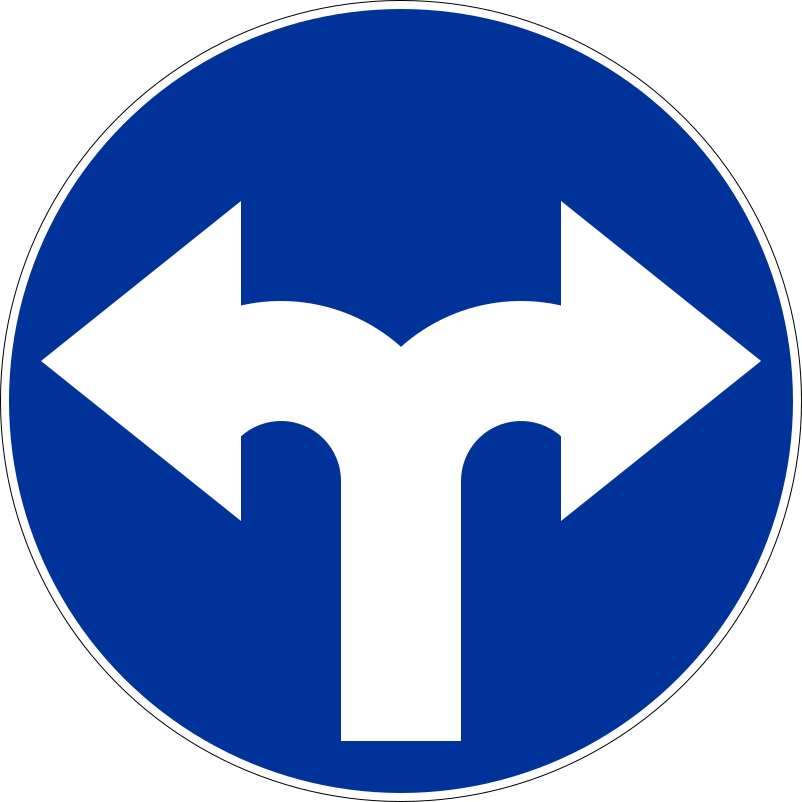
The C-8 sign means you MUST turn either right or left at the next intersection.
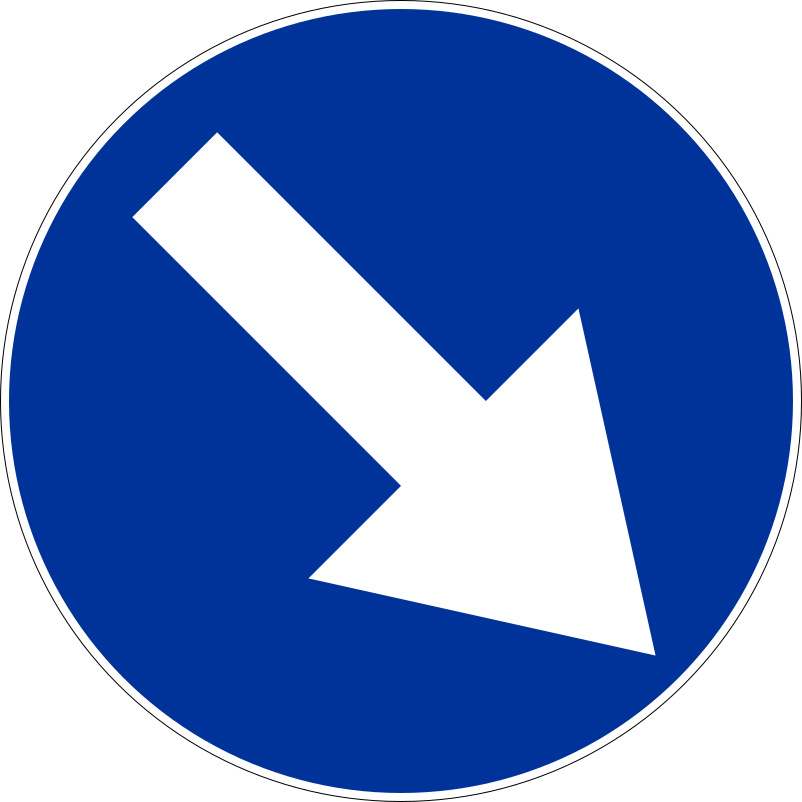
Know when and how to pass obstacles using the C-9 'Pass on the Right Side' traffic sign.
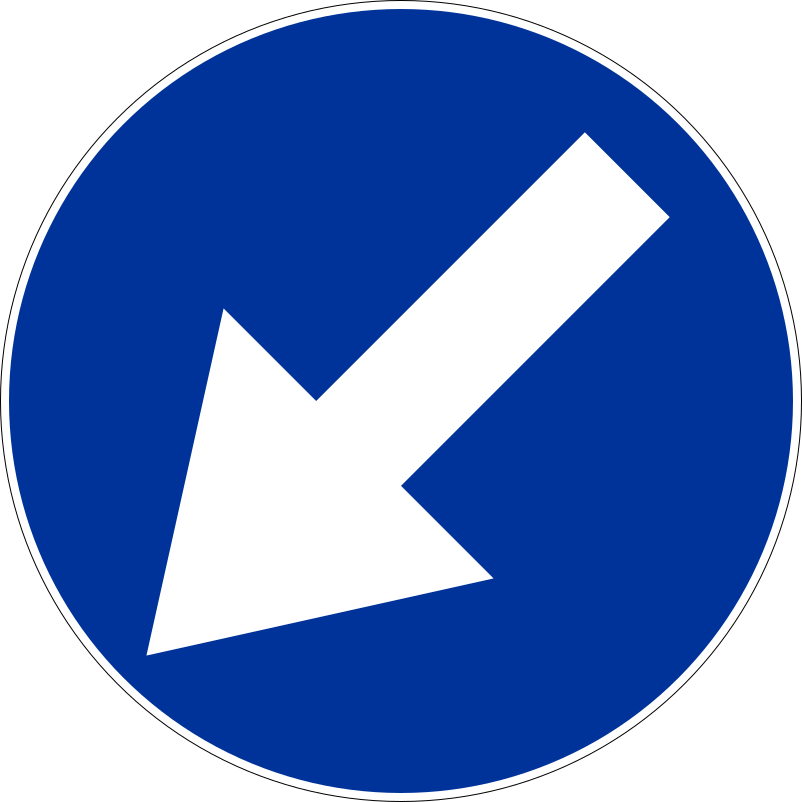
Understand the C-10 'Pass on the Left' Traffic Sign
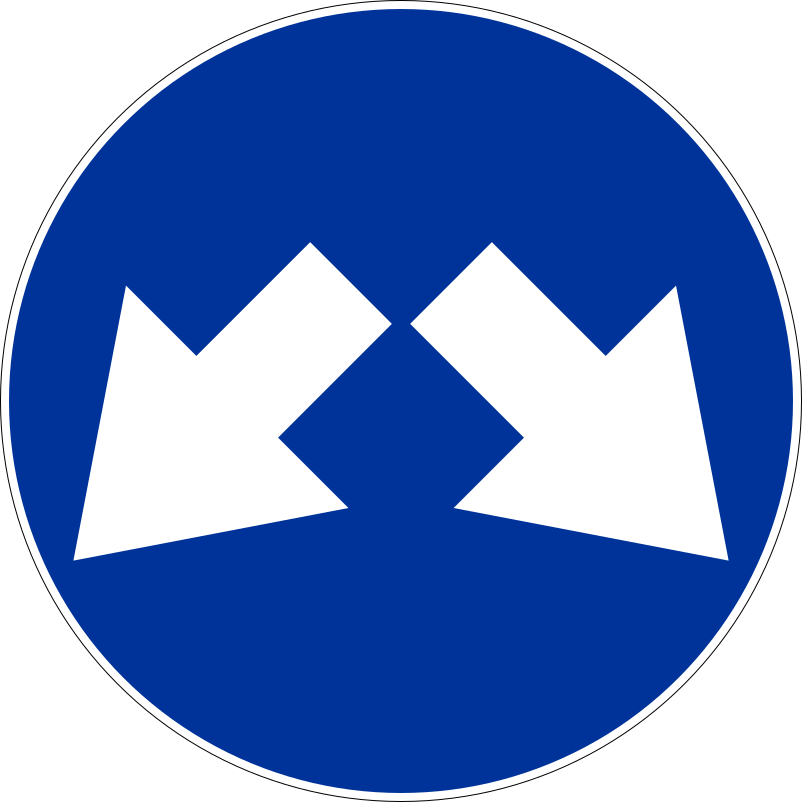
The C-11 'Pass on Either Side' sign means you can go around the obstacle to the left or right.
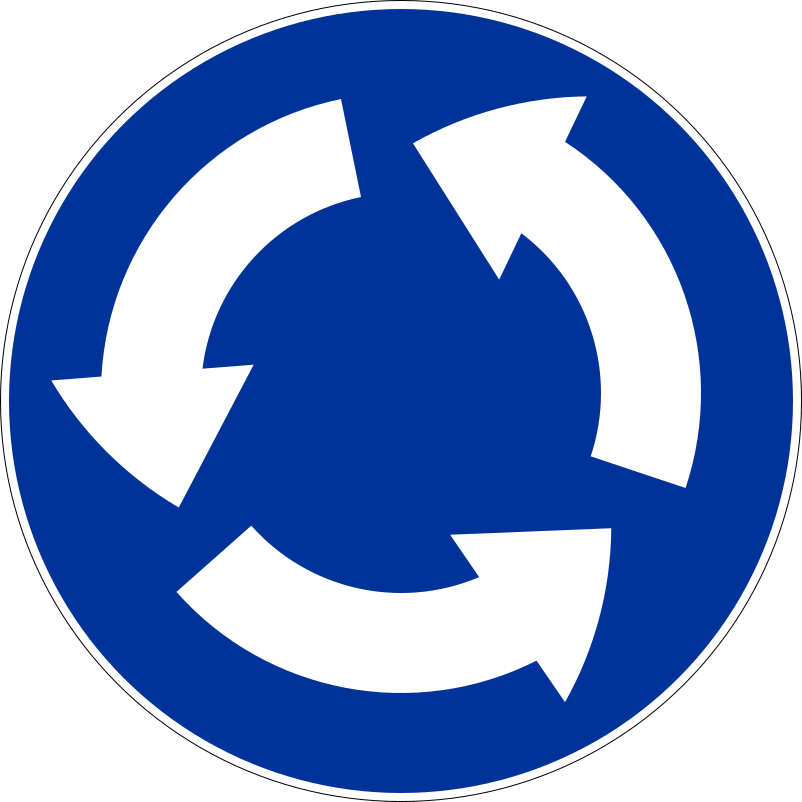
Master the Roundabout: Understanding the C-12 Traffic Sign
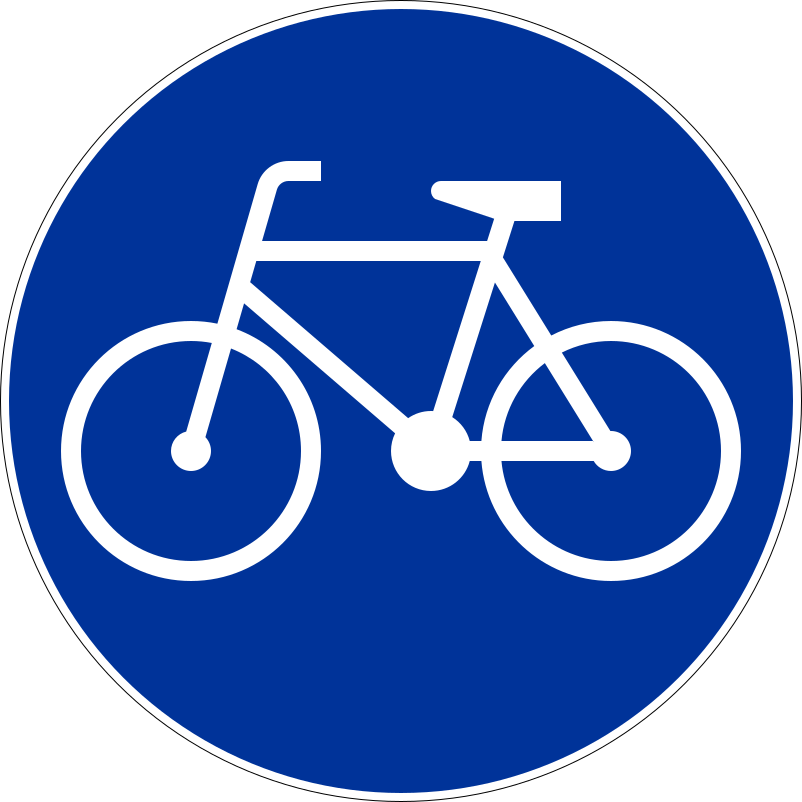
The C-13 Bicycle Path sign means you must use the dedicated cycle track.
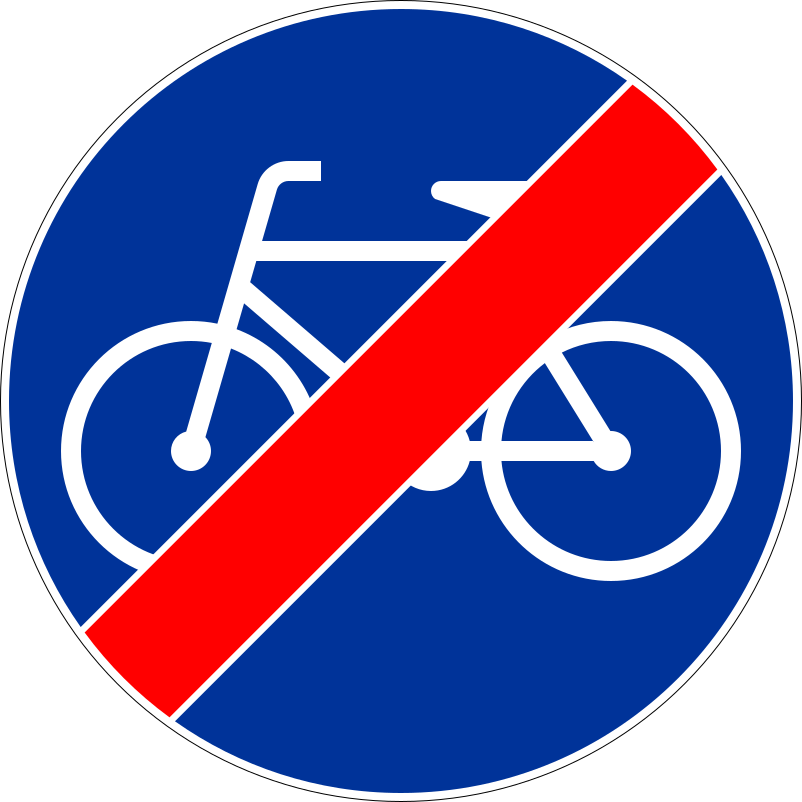
Understand the 'End of Bicycle Path' (C-13a) Sign and what it means for cyclists and drivers.
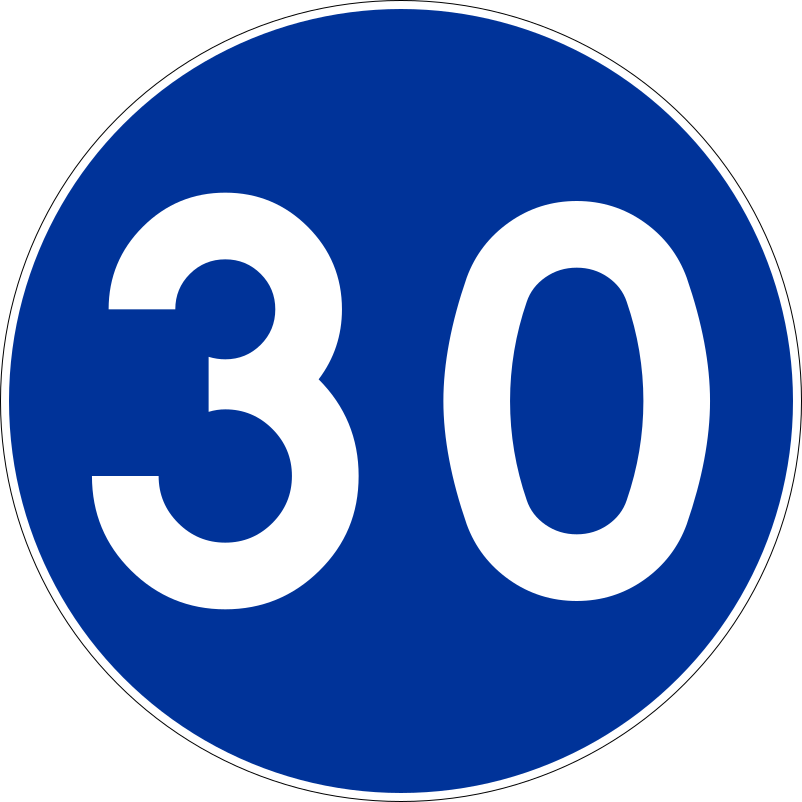
Obey the Minimum Speed Limit Indicated by the C-14 Sign
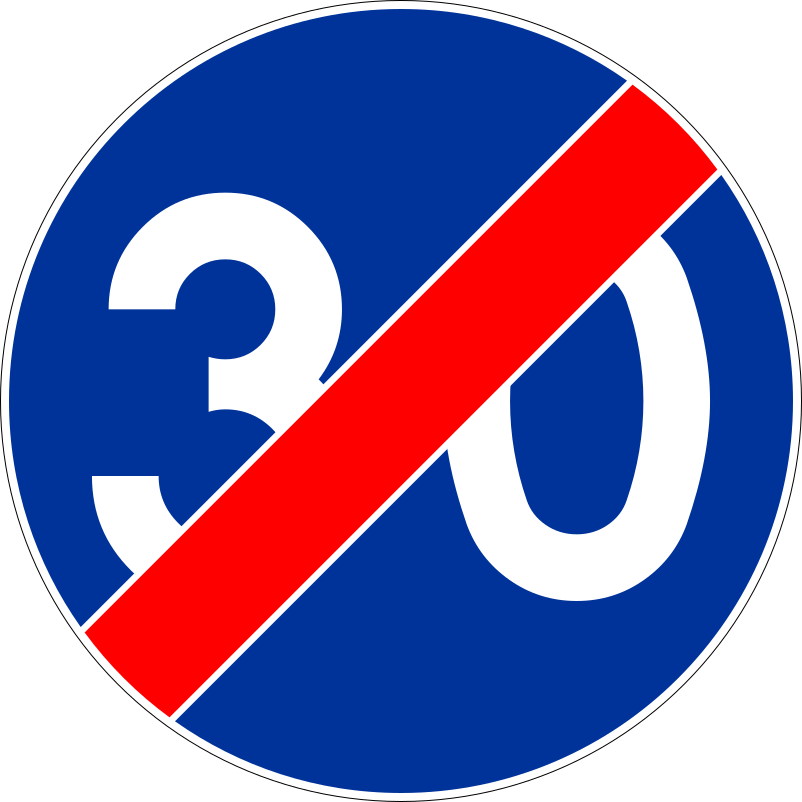
The 'End of Minimum Speed' sign means you're no longer required to drive above a certain speed.
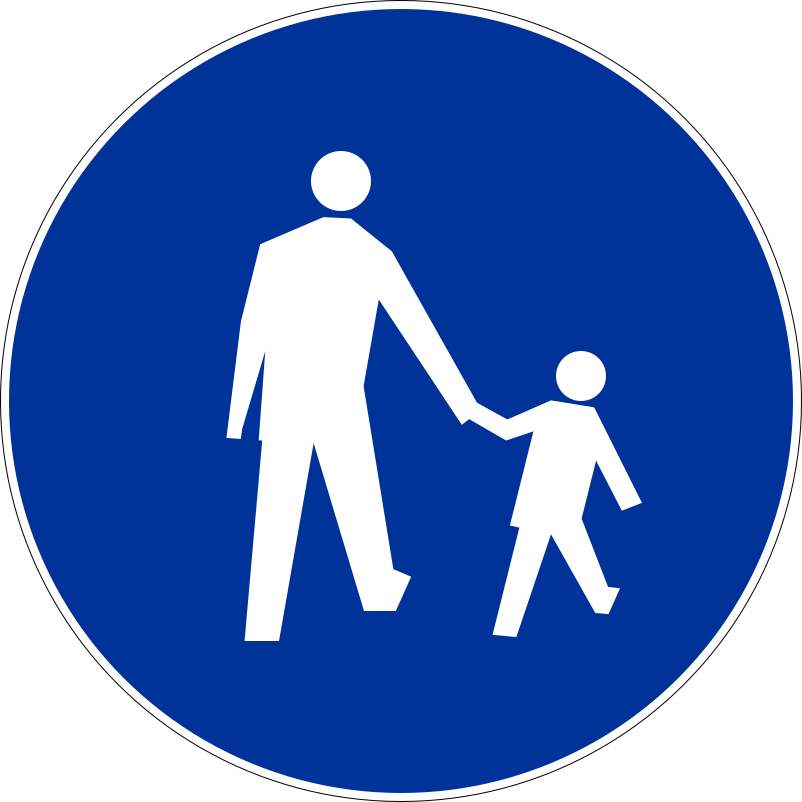
The C-16 'Pedestrian Path' sign means this area is exclusively for pedestrians.
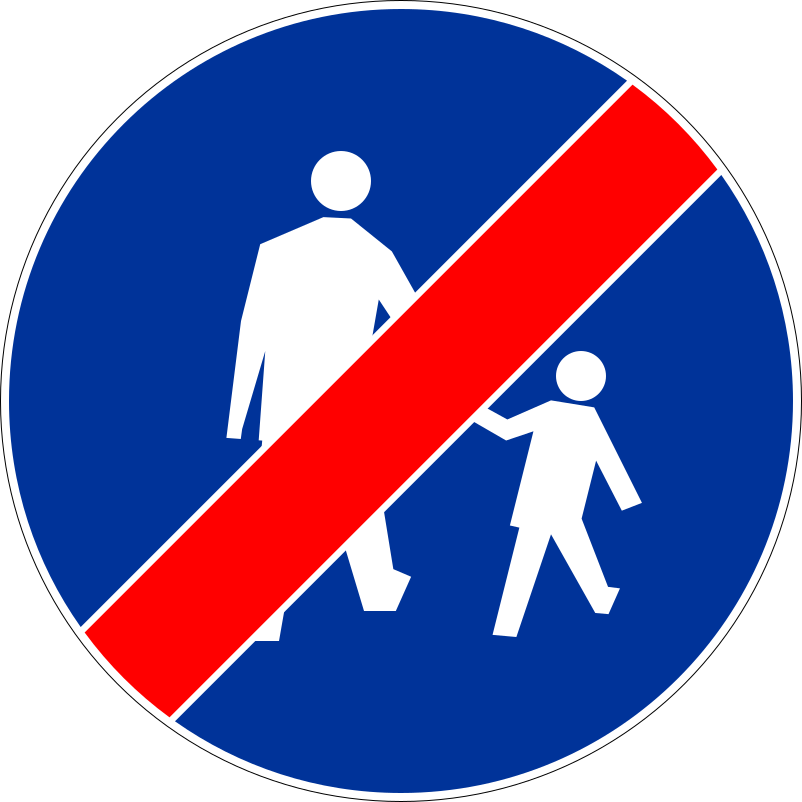
The C-16a 'End of Pedestrian Path' sign means you must now be aware of traffic.
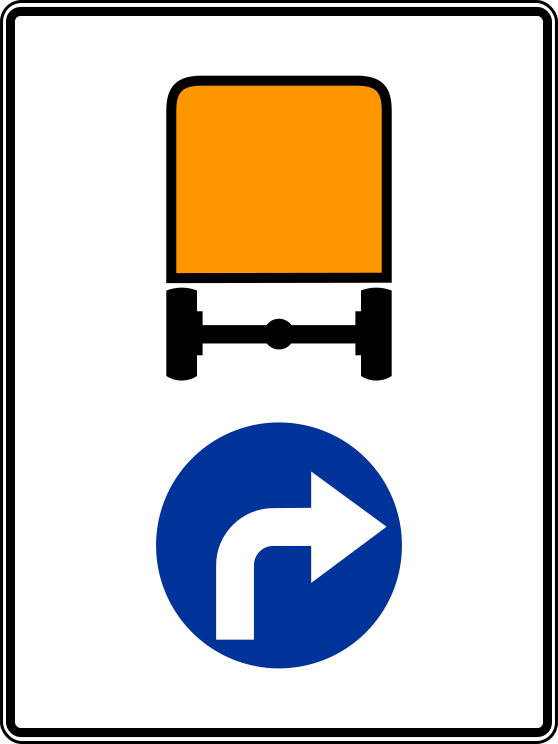
ADR Vehicles Must Follow This Mandatory Direction Sign (C-17)
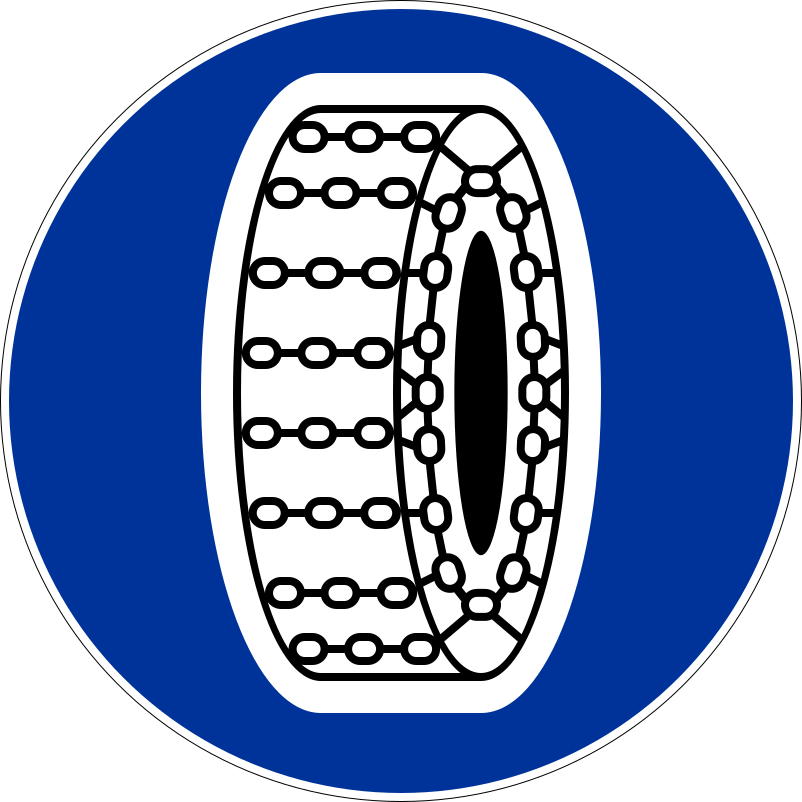
Mandatory Snow Chains: Know When and How to Use Them
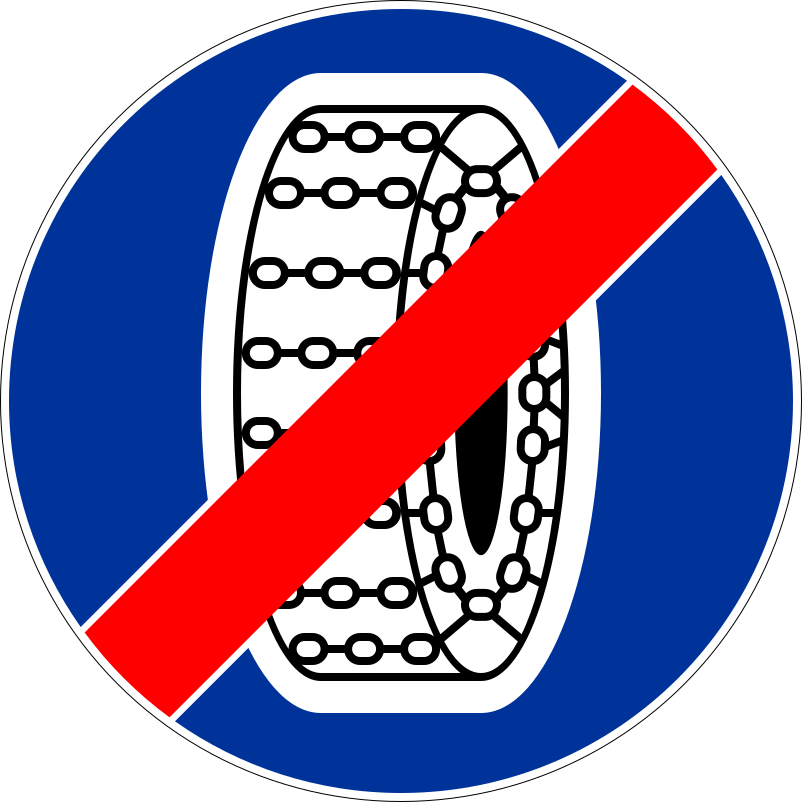
C-19: You Can Now Safely Remove Your Snow Chains
Clear answers to common questions about the Mandatory Signs (C) road sign category. Use this FAQ to review tricky rules, understand how these signs appear in exam scenarios, and remove confusion that often leads to mistakes in the Polish driving theory exam in Poland.
Mandatory signs, typically blue circles with white symbols, tell you what you *must* do (e.g., go straight, turn left). Prohibitory signs, usually red circles with a diagonal bar or full red border, tell you what you *must not* do (e.g., no entry, no parking). It's essential to distinguish between positive obligations and prohibitions.
Signs like 'Mandatory Right Turn Before the Sign' (C-1) or 'Mandatory Right Turn After the Sign' (C-2) must be obeyed as soon as you see them. For signs indicating a turn before the sign, you must prepare to turn at the upcoming intersection. For signs indicating a turn after the sign, you must follow the indicated direction immediately. They are not suggestions; they are commands to ensure traffic flow and safety.
Signs like C-13/16-V1, C-13/16-V2, or C-13/16-H indicate paths for bicycles and pedestrians. The 'V' signs specify which side each group must use (e.g., C-13/16-V1 means bicycles on the left, pedestrians on the right). The 'H' sign (C-13/16-H) indicates a shared path where both can use the same space. Always observe these signs to avoid conflicts with other road users.
Yes, mandatory signs are very common in city driving. They are used to manage complex junctions, control traffic flow on busy streets, designate lanes for specific traffic (like buses or bicycles), and guide vehicles through one-way systems or around specific obstacles. You'll frequently encounter mandatory direction signs, mandatory path signs, and sometimes speed limit signs in urban environments.
Ignoring a mandatory sign like 'Pass on the Right' (C-9) or 'Pass on the Left' (C-10) can lead to dangerous situations, especially if there's oncoming traffic or other vehicles attempting to navigate the same area. These signs are often placed to guide traffic safely around obstructions or through specific lane arrangements. Disregarding them increases the risk of a collision and could result in a penalty.
After reviewing road sign categories, dive into individual traffic sign groups. Each group page offers detailed explanations and practice questions to reinforce learning. This will ensure comprehensive preparation for your Polish driving theory exam.
Polish Road Sign Categories