
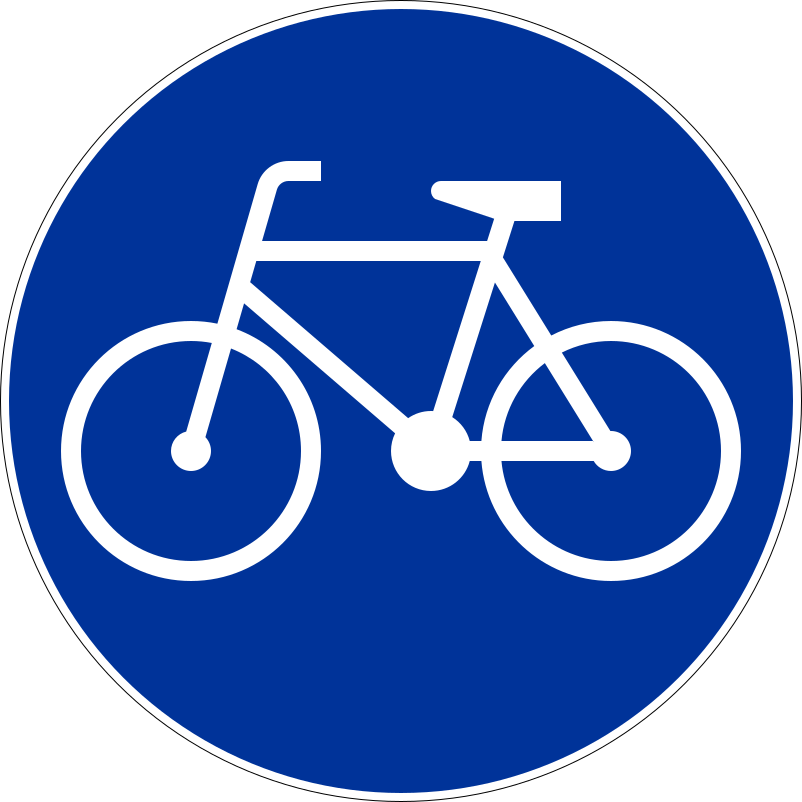
The C-13 'Bicycle Path' sign mandates that cyclists must use the designated path and prohibits motorised vehicles from entering. This sign is an information sign used to separate bicycle traffic from other road users for safety. If you are cycling, you are legally required to use this path and not the main road. Pedestrians should only use it if no other walking space is available, and always yield to cyclists.
Understanding the C-13 Bicycle Path sign is vital for both cyclists and drivers to maintain safety and comply with Polish traffic rules. This detailed explanation will help you master its specific road sign meaning and prepare thoroughly for your driving theory test, covering all mandatory usage requirements.
This sign indicates a mandatory road for single-track bicycles. When this sign is present, cyclists are legally required to use this path instead of the main roadway. It is designed to separate slow-moving bicycle traffic from faster motorized vehicles, increasing safety for everyone. Pedestrians may only use this path if there is no sidewalk or roadside available, and they must yield to cyclists.
Designates a path that must be used by cyclists; motorized vehicles are prohibited.
Get clear, practical answers to the most common questions about the C-13 - Bicycle Path road sign. Learn how the sign works, what rules it represents, and how it affects real driving situations. This FAQ strengthens your understanding and supports accurate decision making for the Polish driving theory exam in Poland.
When you see the C-13 sign, it means you are on a mandatory bicycle path. You must use this path for cycling and cannot ride on the adjacent main road. This is a crucial rule for safety and for passing your theory exam.
No, absolutely not. The C-13 sign explicitly prohibits any motorised vehicles, including cars, trucks, and motorcycles, from using the bicycle path. This separation is essential for the safety of cyclists.
Pedestrians are only permitted to use the C-13 bicycle path if there is no sidewalk or roadside available for them to walk on. If they do use the path, they must always yield to cyclists and be aware of their presence.
A common trap is confusing this mandatory path with an optional one or assuming that other vehicles can also use it. Remember, C-13 signifies a dedicated and compulsory route for cyclists, and motorized traffic is strictly forbidden.
The primary prohibited actions are driving any motorised vehicle on the path, cyclists ignoring the path and using the main road instead, and blocking the entrance or exit of the bicycle path with a parked vehicle. Adhering to these prohibitions is key to safe cycling and passing your exam.
A clear reference image of the C-13 - Bicycle Path road sign used in Poland.
The C-13 - Bicycle Path road sign may also be known by these alternative names or terms.
The C-13 - Bicycle Path road sign is part of the Mandatory Signs (C) category, which groups together signs with similar rules and functions.
Reviewing similar traffic signs side-by-side is key to improving recall and avoiding common mistakes during your Polish driving theory test revision. This structured comparison helps solidify your understanding of subtle differences in road sign recognition for better exam preparation.

The C-1 sign means you MUST turn right before you reach it!

Understand the C-10 'Pass on the Left' Traffic Sign
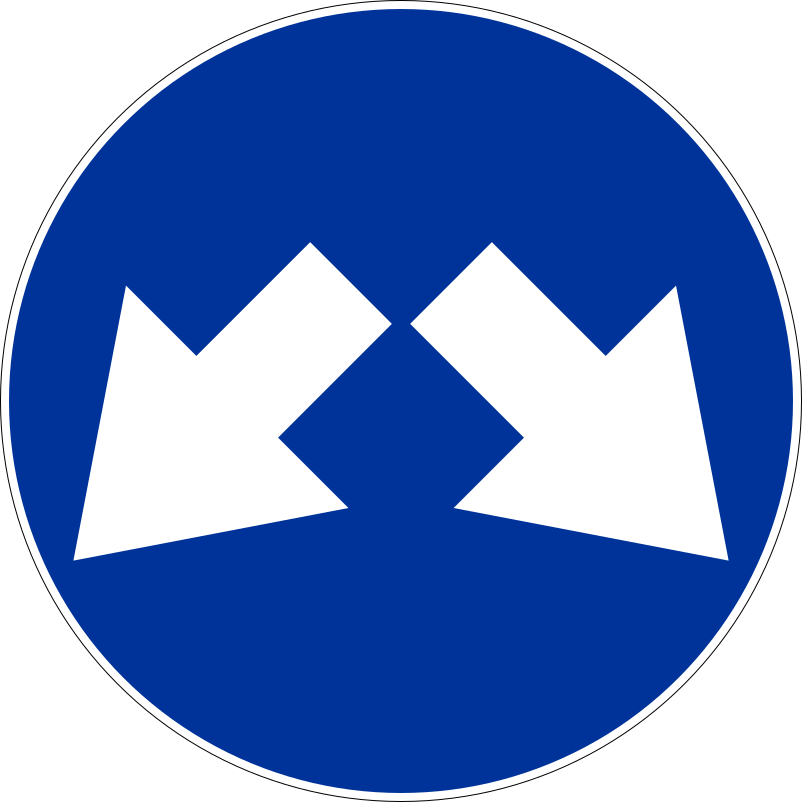
The C-11 'Pass on Either Side' sign means you can go around the obstacle to the left or right.

Master the Roundabout: Understanding the C-12 Traffic Sign
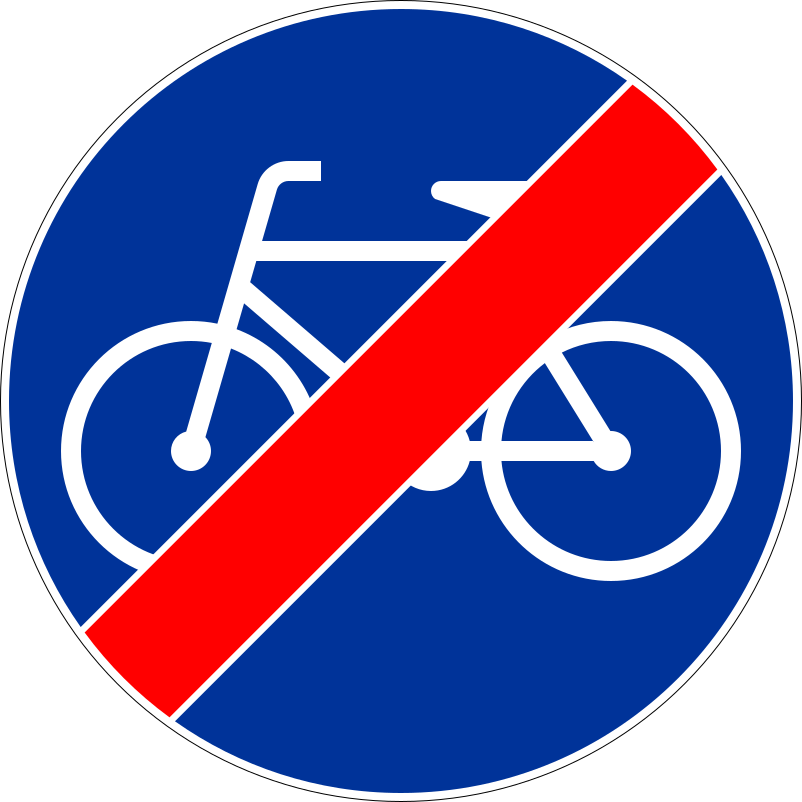
Understand the 'End of Bicycle Path' (C-13a) Sign and what it means for cyclists and drivers.
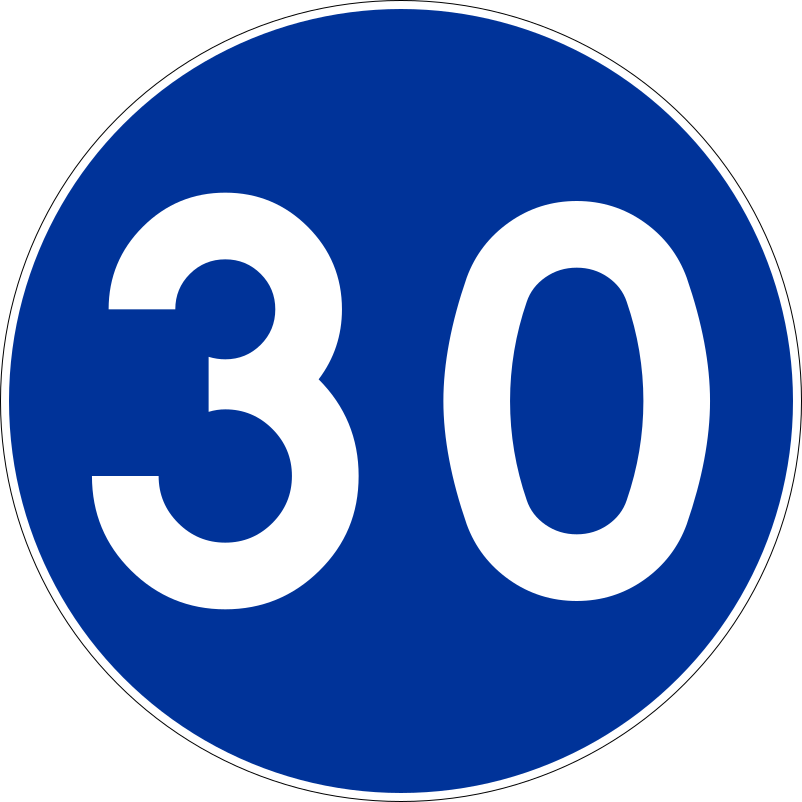
Obey the Minimum Speed Limit Indicated by the C-14 Sign
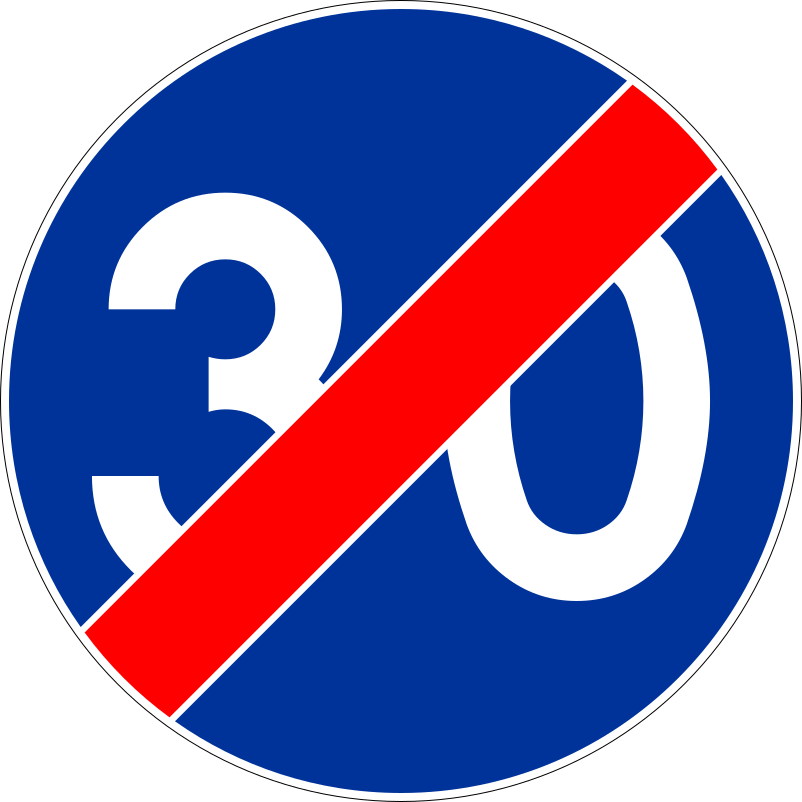
The 'End of Minimum Speed' sign means you're no longer required to drive above a certain speed.
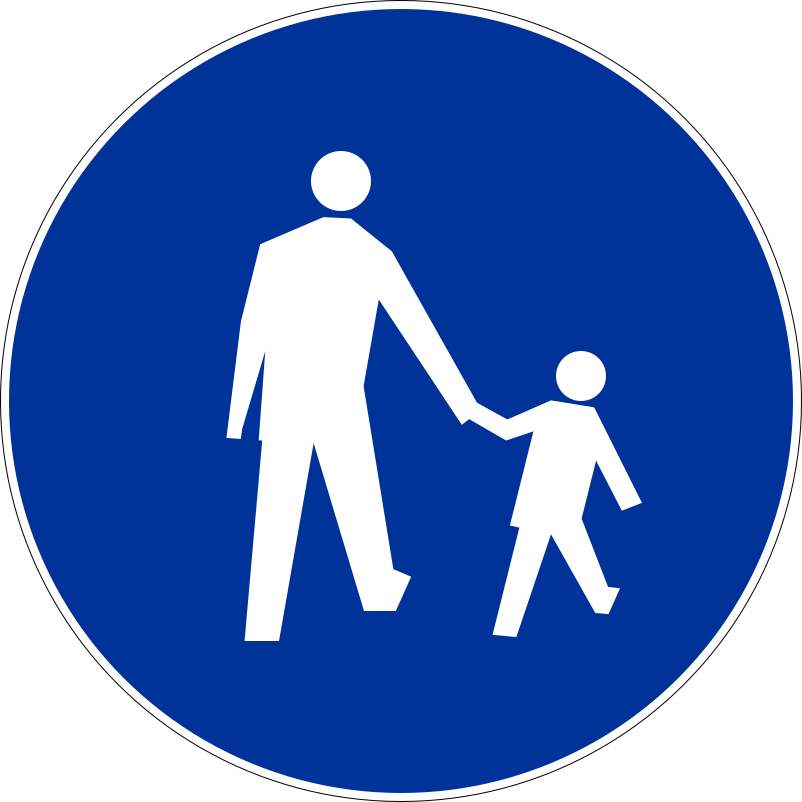
The C-16 'Pedestrian Path' sign means this area is exclusively for pedestrians.
Deepen your understanding of specific road signs by reviewing official Polish traffic rules and associated real-world driving scenarios. These expert-led resources help you bridge the gap between visual recognition and practical exam application.
Navigating the rules regarding bike paths and road usage is a critical aspect of Polish traffic law. This guide clarifies when a cyclist is obligated to use a designated path marked by a C-13 sign and identifies the rare situations where road use is legally permitted. By mastering these regulations, you will better understand road safety, priority rules, and how to anticipate the actions of cyclists to pass your Polish driving theory exam with confidence.
Don't Be a Road Block: Master Minimum Speeds and Smooth Traffic Flow for Your Polish Exam!
Navigate Poland's roads safely by understanding your obligations towards vulnerable road users. This article explains the nuances of 'ustąpić pierwszeństwa' for pedestrians and cyclists, especially when they are not at designated crossings, a key area tested in the Polish driving theory exam. Learn how to anticipate their actions and ensure everyone's safety.
Master Polish Shared Lane Rules to Drive Safely and Pass Your Exam.
The A-24 sign is used before bicycle crossings on high-speed roads or where a cycle path ends and joins the main road. Cyclists are vulnerable road users and can be harder to see than cars. This sign is a reminder to check your mirrors and blind spots carefully. In many cases, cyclists on a designated crossing have priority, similar to pedestrians on a zebra crossing.
The P-27 marking, often called a 'sharrow' (shared arrow), consists of a bicycle symbol with two chevrons above it. It is used on roads where a dedicated bike lane is not present. It informs cyclists where they should position themselves for safety (usually away from the 'door zone' of parked cars) and reminds motorists that cyclists are likely to be present and sharing the lane. It also indicates the correct direction of travel for the cyclist.
After reviewing the full list of Polish road signs, explore specific sign categories for in-depth understanding. Challenge your knowledge with practice questions focused on sign recognition and interpretation to solidify your preparation for the driving theory exam.
Browse All Polish Road Signs