
The C-6 Mandatory Straight or Right Turn road sign, a regulatory sign, is crucial for navigating complex intersections. It explicitly allows you to proceed straight ahead or turn right, but strictly prohibits turning left. This sign is often used when a simple 'No Left Turn' sign isn't sufficient to guide drivers safely through junctions with multiple lanes or unusual layouts, ensuring you don't enter restricted areas or cause a collision. Always adhere to the directions indicated to maintain traffic flow and safety.
This essential road sign dictates you must proceed straight or turn right, forbidding any left turns. Mastering this sign's interpretation is crucial for Polish theory test revision and safe urban driving.
This sign is used at intersections with multiple lanes or complex layouts (more than four arms) where a simple 'No Left Turn' sign might be insufficient. It clearly defines the only two legal directions of travel: forward or to the right. This is often seen at junctions where a left turn would lead into a one-way street or a pedestrianized zone.
Drivers are allowed to either proceed straight or turn right, but turning left is strictly prohibited.
Get clear, practical answers to the most common questions about the C-6 - Mandatory Straight or Right Turn road sign. Learn how the sign works, what rules it represents, and how it affects real driving situations. This FAQ strengthens your understanding and supports accurate decision making for the Polish driving theory exam in Poland.
The C-6 sign is a directive traffic sign that tells drivers they have two legal options at the upcoming intersection: proceed straight ahead or turn right. Any other maneuver, specifically turning left, is prohibited.
You'll often encounter the C-6 sign at more complicated junctions, such as those with many lanes or an unusual number of exits (more than four arms). It's used to provide clear guidance where a simple 'No Left Turn' might be ambiguous or insufficient for safety.
No, absolutely not. The C-6 sign explicitly prohibits turning left. Doing so would be a violation of traffic rules and could be dangerous, potentially leading you into a one-way street against the flow of traffic or a pedestrian zone.
A common trap is assuming you can turn left if there's no specific 'No Left Turn' sign, especially if the road layout seems to suggest it's possible. The C-6 sign is a positive command, clearly stating only straight or right turns are permitted. Learners might also forget that U-turns often involve a leftward movement and are therefore also forbidden by this sign.
When you see the C-6 sign, you are permitted to continue straight through the intersection if that's your intended route. You are also allowed to make a right turn, provided you signal appropriately and ensure the path is clear. The choice between going straight or turning right depends entirely on your destination.
A clear reference image of the C-6 - Mandatory Straight or Right Turn road sign used in Poland.
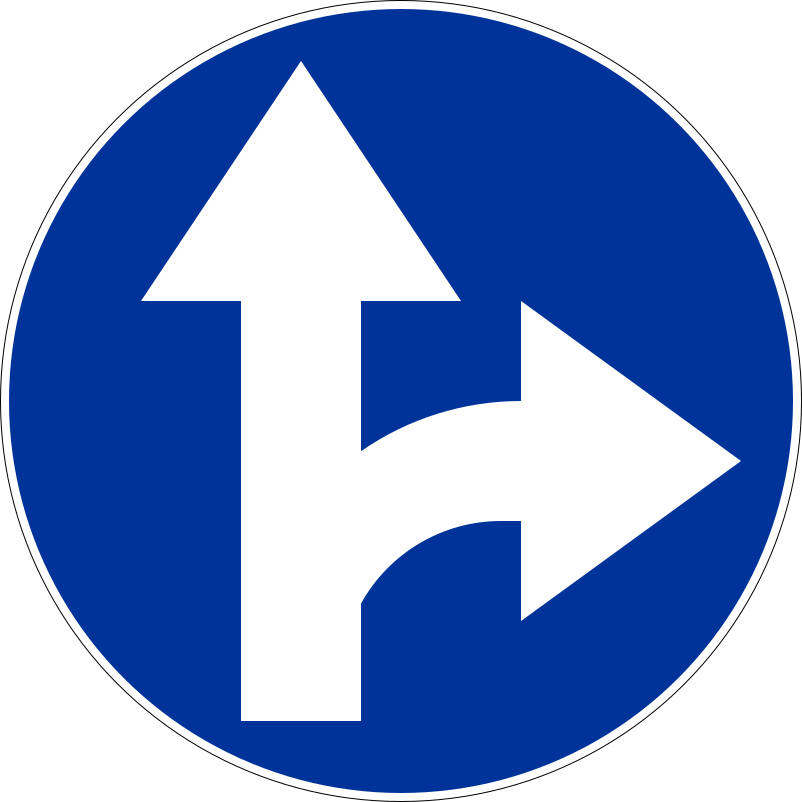
The C-6 - Mandatory Straight or Right Turn road sign may also be known by these alternative names or terms.
The C-6 - Mandatory Straight or Right Turn road sign is part of the Mandatory Signs (C) category, which groups together signs with similar rules and functions.
Reviewing adjacent or similar signs, like mandatory direction indicators, sharpens your recognition and reduces errors on theory test revision. Comparing traffic signs helps embed correct meanings and improves your overall sign recognition for safer driving.
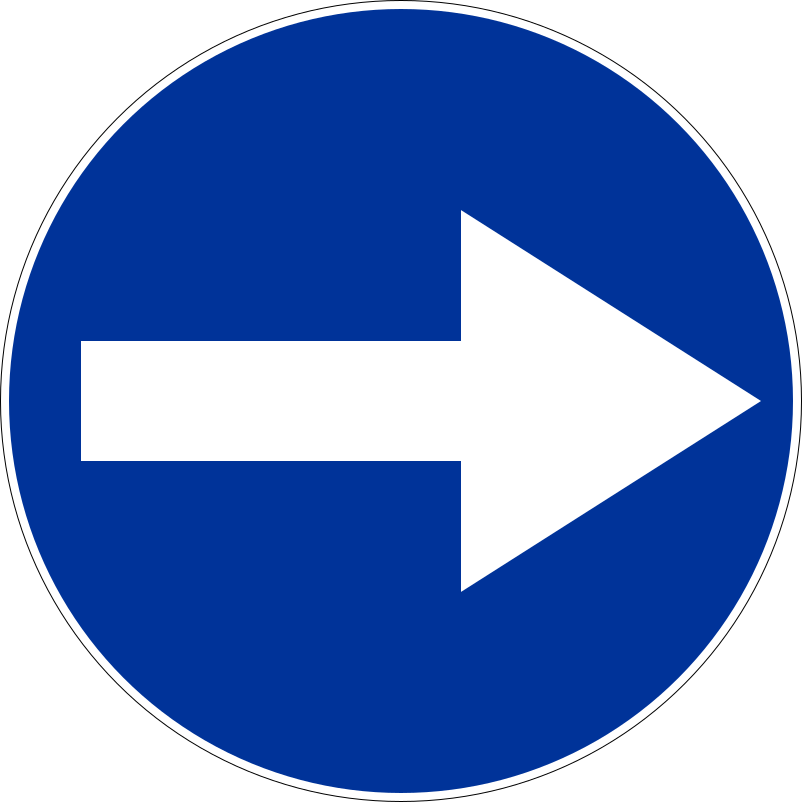
The C-1 sign means you MUST turn right before you reach it!
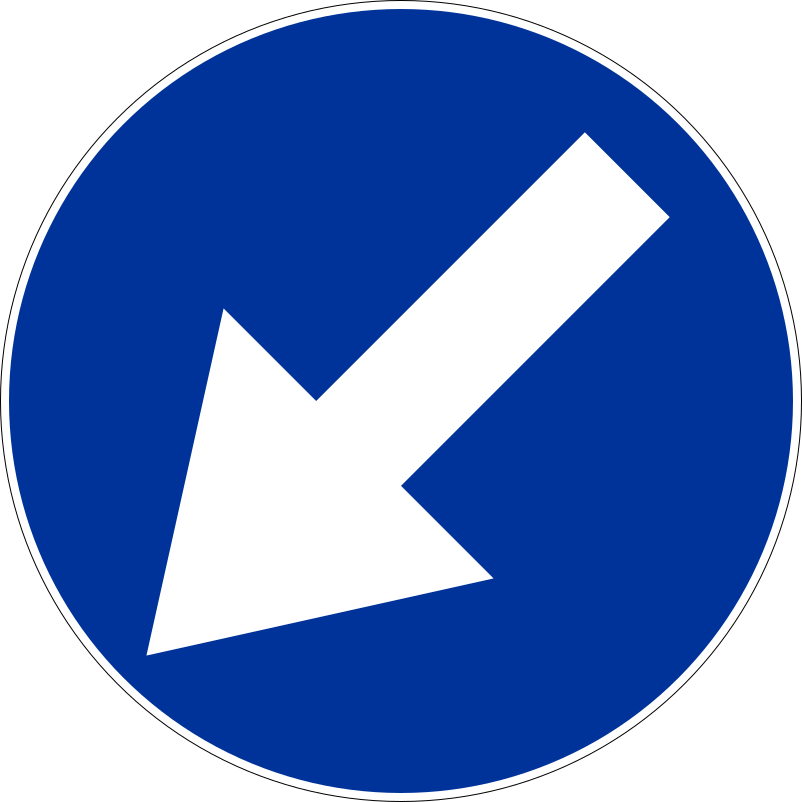
Understand the C-10 'Pass on the Left' Traffic Sign
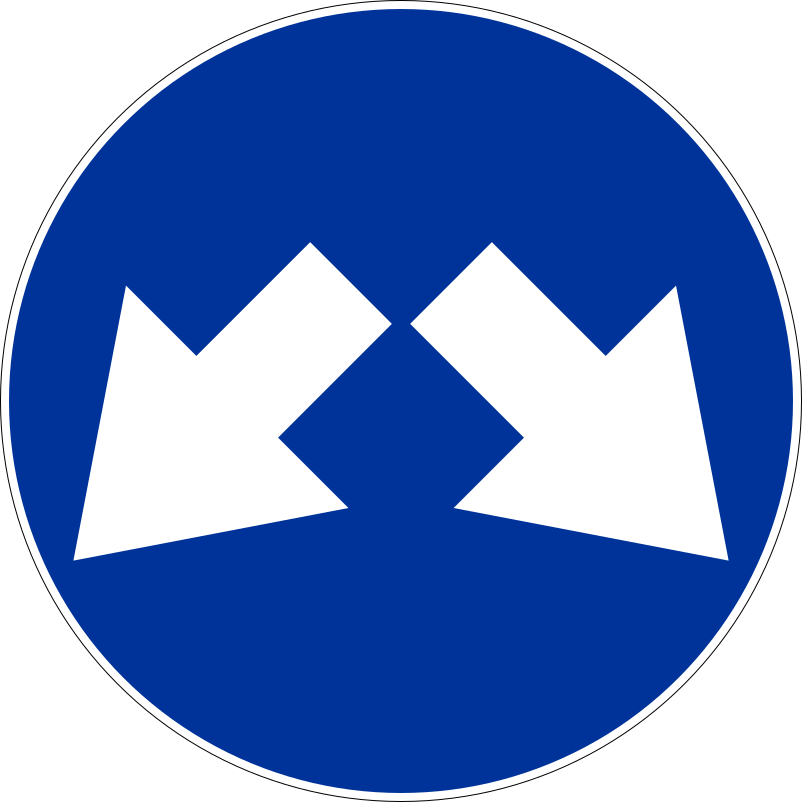
The C-11 'Pass on Either Side' sign means you can go around the obstacle to the left or right.
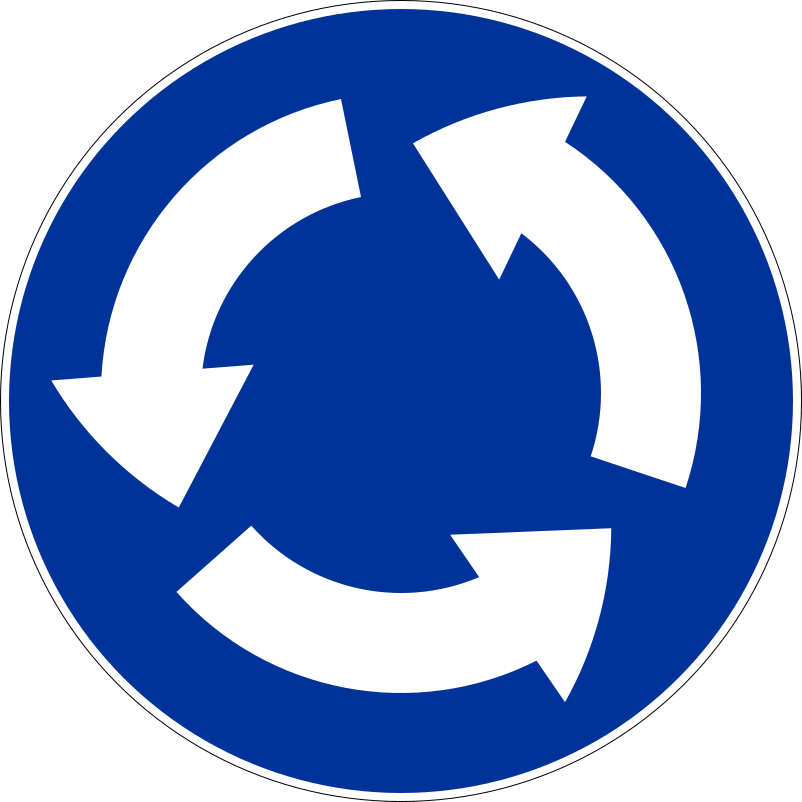
Master the Roundabout: Understanding the C-12 Traffic Sign
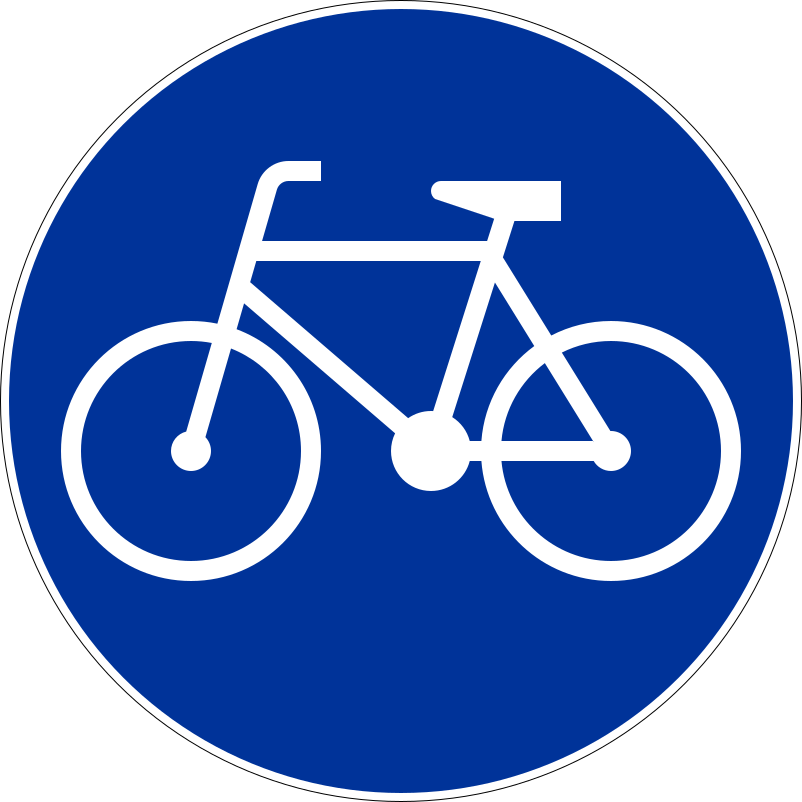
The C-13 Bicycle Path sign means you must use the dedicated cycle track.
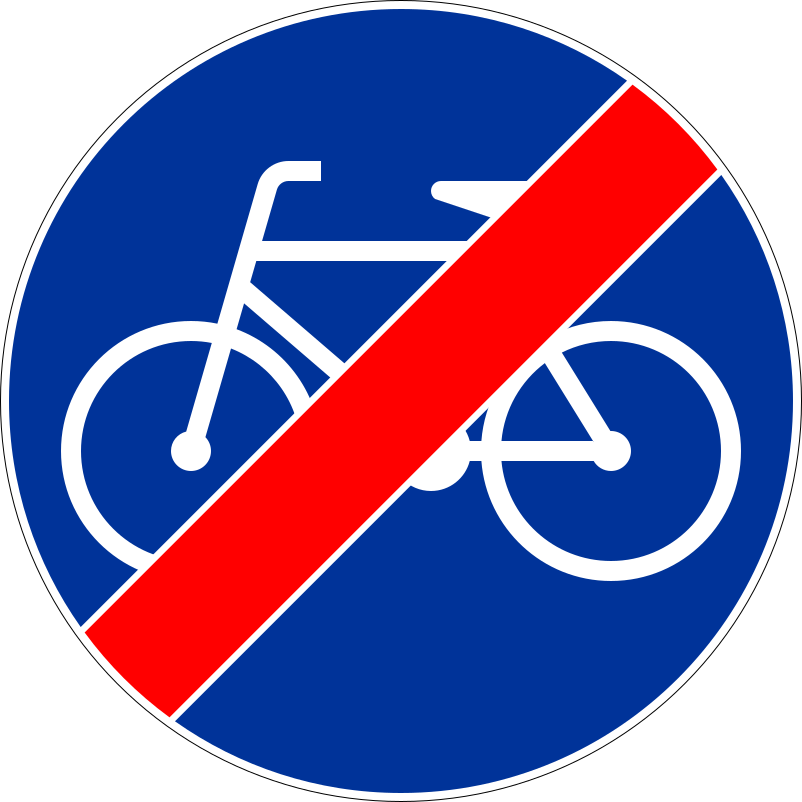
Understand the 'End of Bicycle Path' (C-13a) Sign and what it means for cyclists and drivers.
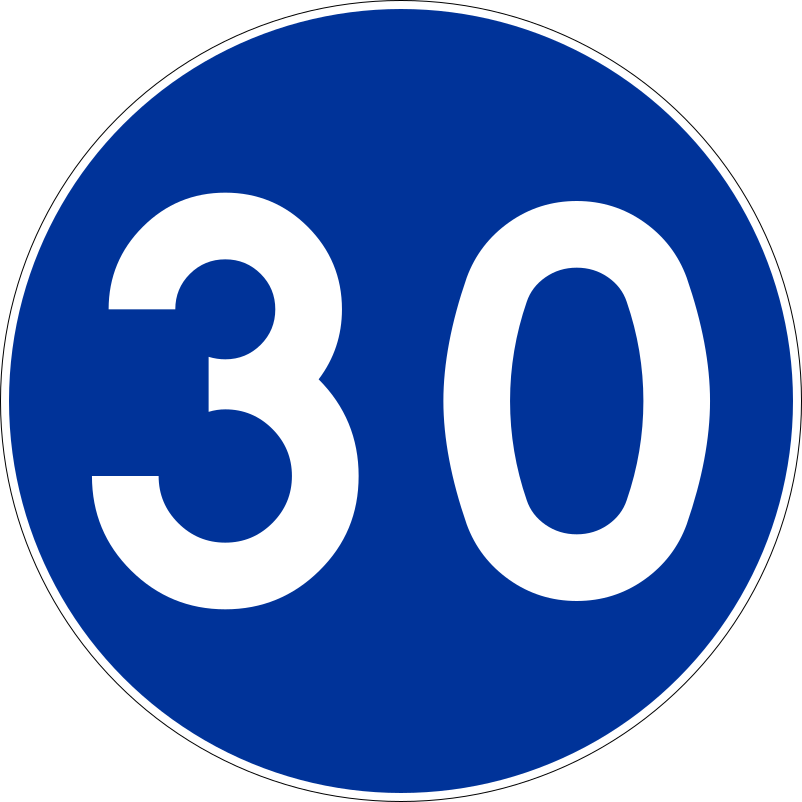
Obey the Minimum Speed Limit Indicated by the C-14 Sign
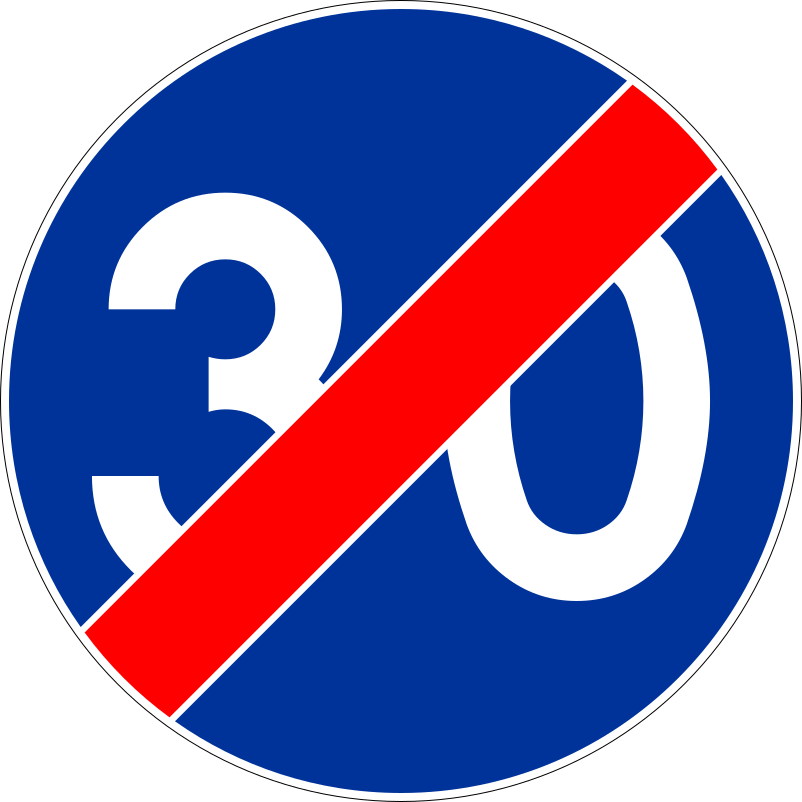
The 'End of Minimum Speed' sign means you're no longer required to drive above a certain speed.
Deepen your understanding of specific road signs by reviewing official Polish traffic rules and associated real-world driving scenarios. These expert-led resources help you bridge the gap between visual recognition and practical exam application.
Even a Second Can Be Fatal: Understand Microsleep to Drive Safely in Poland.
Discover the new Polish regulations that permit 17-year-olds to start their driving journey with a Category B license. This guide clarifies the essential conditions for supervised driving, focusing on the qualifications of the accompanying driver and the specific restrictions young drivers must adhere to. Gaining this knowledge is crucial for passing the Polish theory exam and ensuring safe, legal driving practices from day one.
Clear windows are not just about personal comfort; they are a fundamental requirement for road safety and a focus area for your theoretical knowledge. You will learn how to effectively use your vehicle's climate control and ventilation systems to manage cabin moisture, ensuring you are prepared for challenging weather scenarios. Understanding these procedures helps you maintain proper visibility and stay compliant with Polish road safety standards during your journey.
Navigate Tram Intersections Like a Pro: Essential for Your Polish Driving Exam.
The T-6d plate is found on side roads. It indicates that the priority road is perpendicular to you and that there may be other subordinate roads at the same intersection that are offset or staggered. This gives the driver a full situational map. Since you are on a thin line, you yield to everyone on the thick line. You also need to coordinate with other drivers on thin lines using standard priority rules (like yielding to the right).
The C-7 sign mandates that traffic must only go straight or turn left at the next intersection. It is typically installed at complex junctions where a right turn is dangerous, leads to a closed road, or is otherwise restricted. By providing positive direction, it eliminates confusion at multi-entry intersections where multiple paths might exist.
After reviewing the full list of Polish road signs, explore specific sign categories for in-depth understanding. Challenge your knowledge with practice questions focused on sign recognition and interpretation to solidify your preparation for the driving theory exam.
Browse All Polish Road Signs