
The C-17 sign is a crucial mandatory direction sign specifically for vehicles transporting hazardous materials, identified by their orange warning plates (ADR). It dictates the exact route these vehicles must take at junctions to ensure safety and compliance. This sign is essential for keeping dangerous goods away from sensitive areas like residential zones, tunnels, or water protection zones, guiding drivers along designated safe paths.
This sign, C-17, mandates a specific route for vehicles carrying dangerous goods (ADR), crucial for safety and compliance in Poland. Mastering its interpretation is vital for your theory test revision and understanding traffic rules.
The C-17 sign is a specialized mandatory sign for vehicles required to display orange warning plates (ADR). It indicates the specific route these vehicles must take at an intersection. This is used to keep hazardous materials away from densely populated areas, tunnels, or water protection zones. The sign will incorporate arrows similar to C-2 through C-8.
Vehicles carrying hazardous materials must follow the direction indicated by the sign.
Get clear, practical answers to the most common questions about the C-17 - Mandatory Direction for Dangerous Goods road sign. Learn how the sign works, what rules it represents, and how it affects real driving situations. This FAQ strengthens your understanding and supports accurate decision making for the Polish driving theory exam in Poland.
The C-17 sign's purpose is to guide vehicles carrying hazardous materials (ADR vehicles) along a specific, predetermined route at an intersection. This ensures these vehicles bypass areas where their presence could pose a higher risk, such as densely populated areas or environmentally sensitive zones.
Only vehicles that are legally required to display orange warning plates (ADR plates) because they are carrying dangerous goods in quantities that necessitate them must obey the C-17 sign. Other vehicles are not directly governed by this specific sign's mandatory direction, although they may share parts of the same road.
Ignoring the C-17 sign while transporting hazardous materials is a serious traffic violation. It could lead to penalties and, more importantly, risks endangering public safety and the environment by taking a prohibited route, potentially through areas that are specifically designed to be avoided by dangerous goods.
No, the C-17 sign specifically applies only to vehicles carrying hazardous goods that require the orange ADR placards. It does not apply to all large vehicles, trucks without hazardous cargo, or passenger cars unless they are part of an ADR-mandated convoy, which is rare.
If you are not driving a vehicle classified as carrying hazardous materials and thus not required to have ADR plates, the C-17 sign does not directly command your route. However, it's always wise to observe traffic signs and be aware of your surroundings, as the designated route may be a heavy vehicle or bypass route intended to manage traffic flow efficiently and safely.
A clear reference image of the C-17 - Mandatory Direction for Dangerous Goods road sign used in Poland.
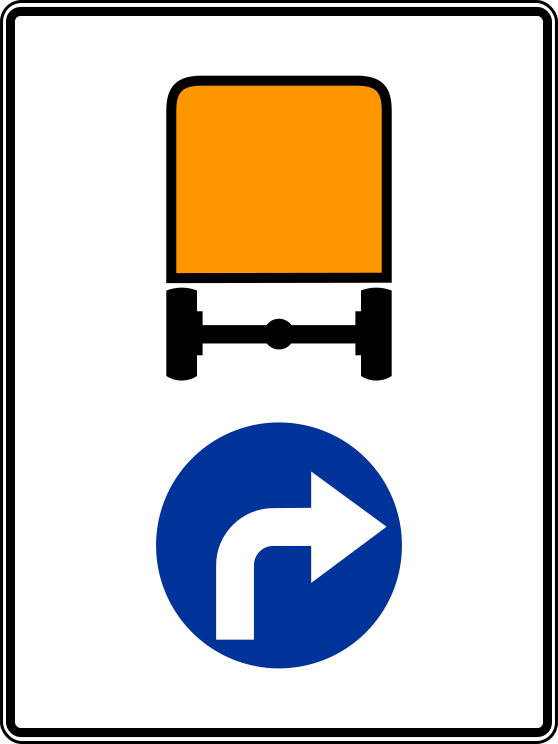
The C-17 - Mandatory Direction for Dangerous Goods road sign may also be known by these alternative names or terms.
The C-17 - Mandatory Direction for Dangerous Goods road sign is part of the Mandatory Signs (C) category, which groups together signs with similar rules and functions.
Comparing similar road signs, like mandatory directions for dangerous goods, aids in accurate recognition and reduces confusion during your theory test revision. Sharpen your understanding of specific traffic sign comparisons to improve recall and ensure you grasp all the nuances of Polish road rules.
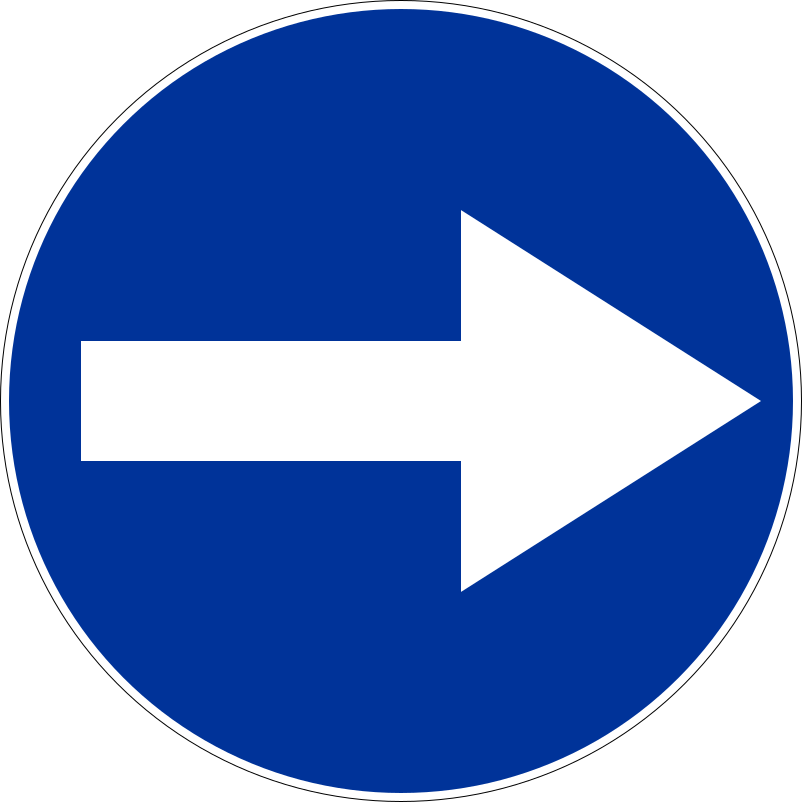
The C-1 sign means you MUST turn right before you reach it!
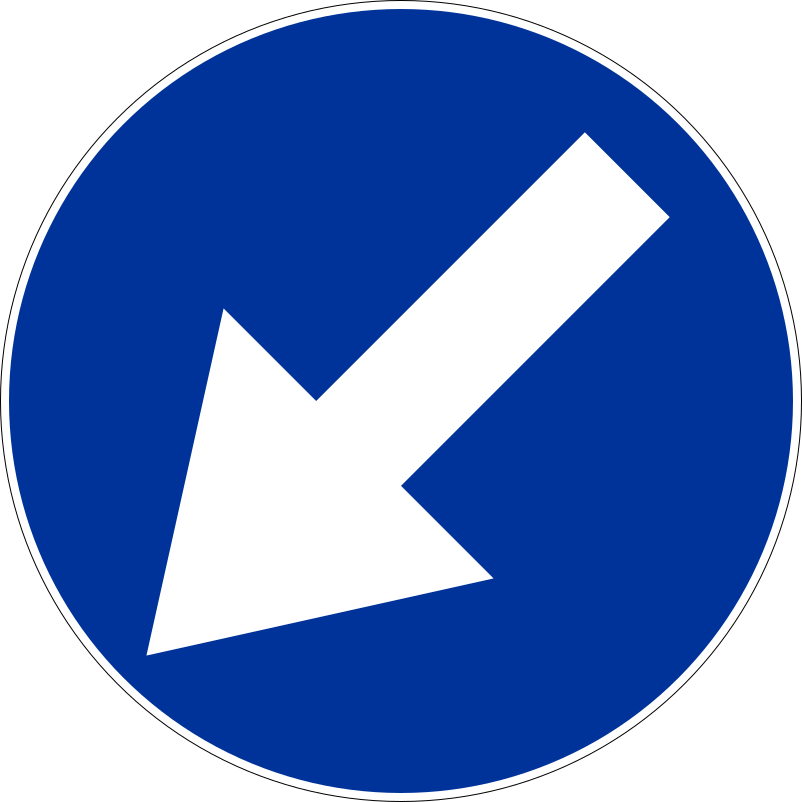
Understand the C-10 'Pass on the Left' Traffic Sign
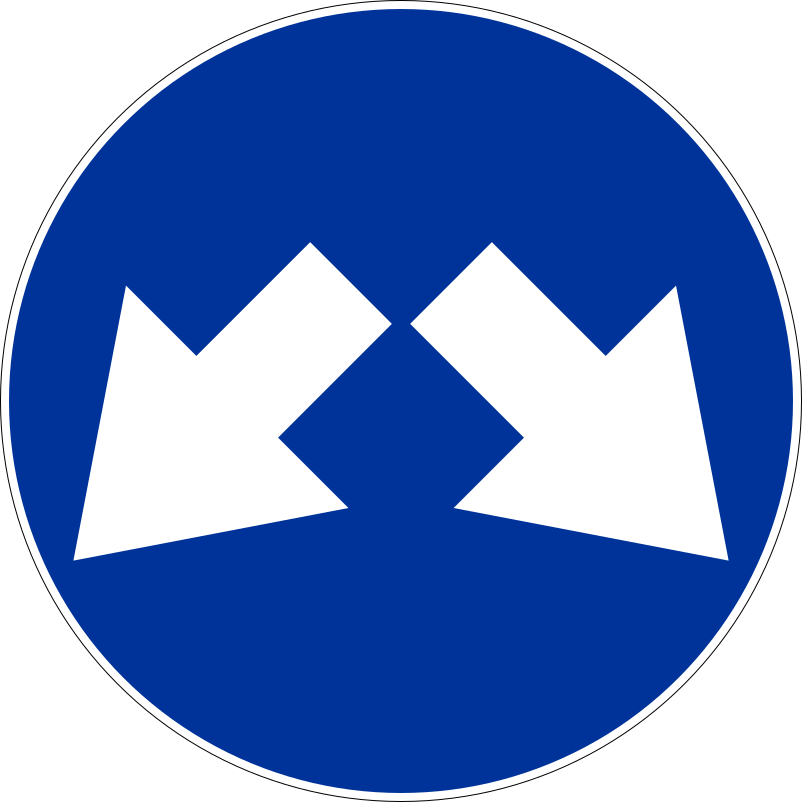
The C-11 'Pass on Either Side' sign means you can go around the obstacle to the left or right.
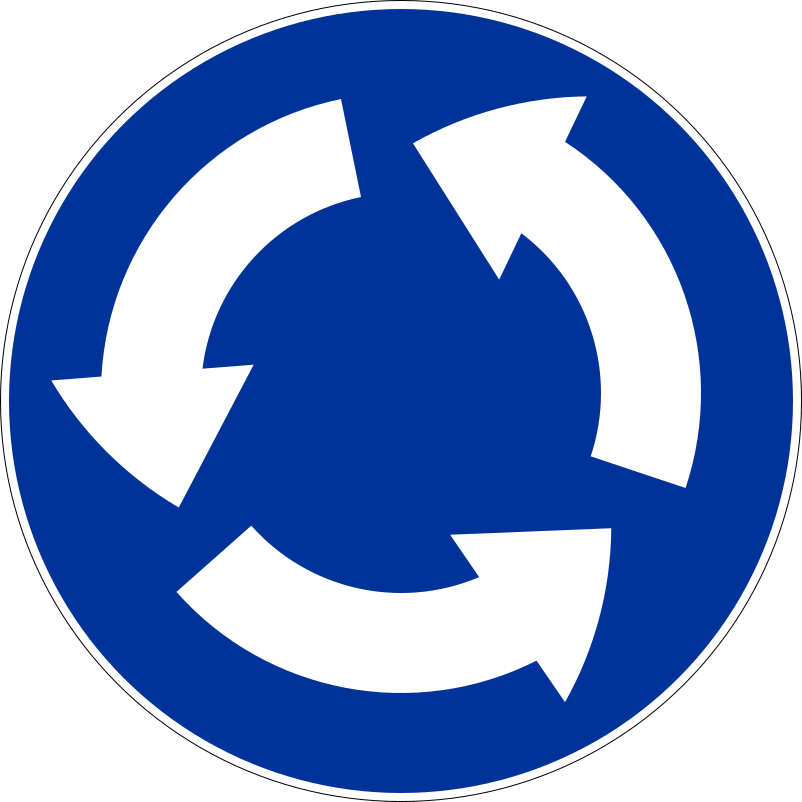
Master the Roundabout: Understanding the C-12 Traffic Sign
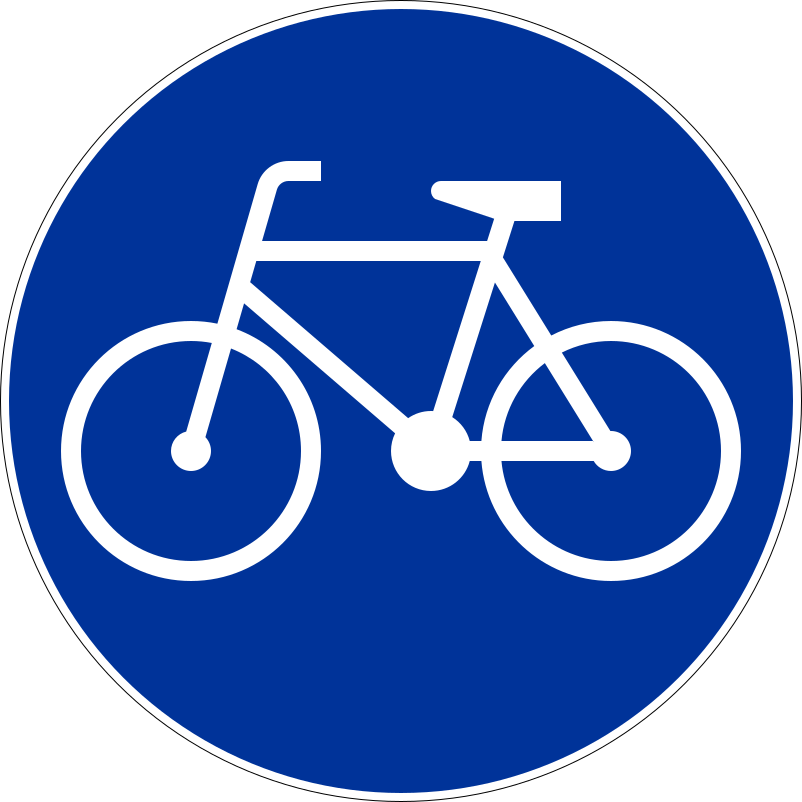
The C-13 Bicycle Path sign means you must use the dedicated cycle track.
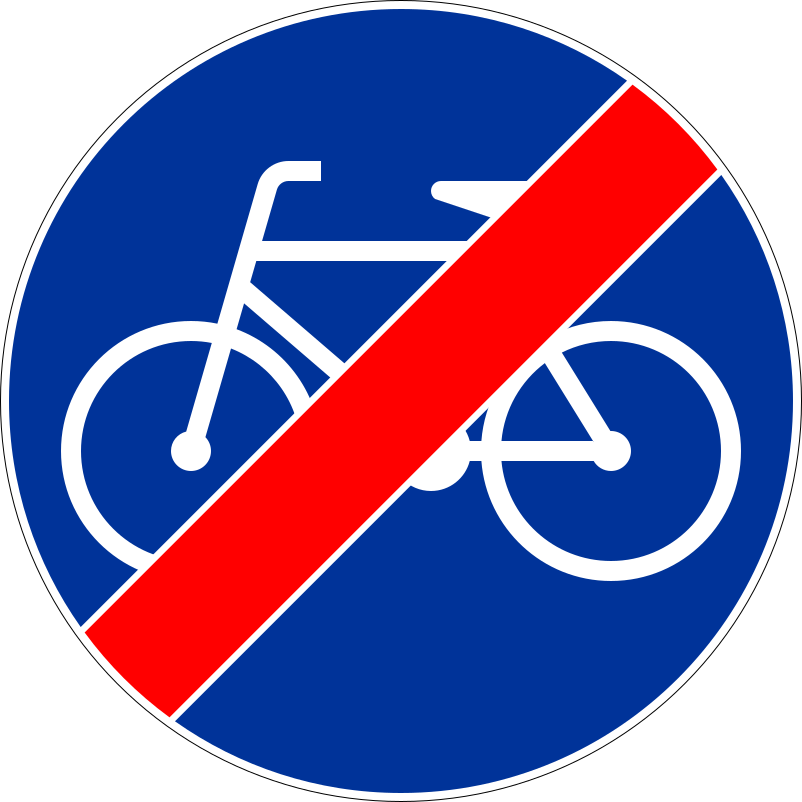
Understand the 'End of Bicycle Path' (C-13a) Sign and what it means for cyclists and drivers.
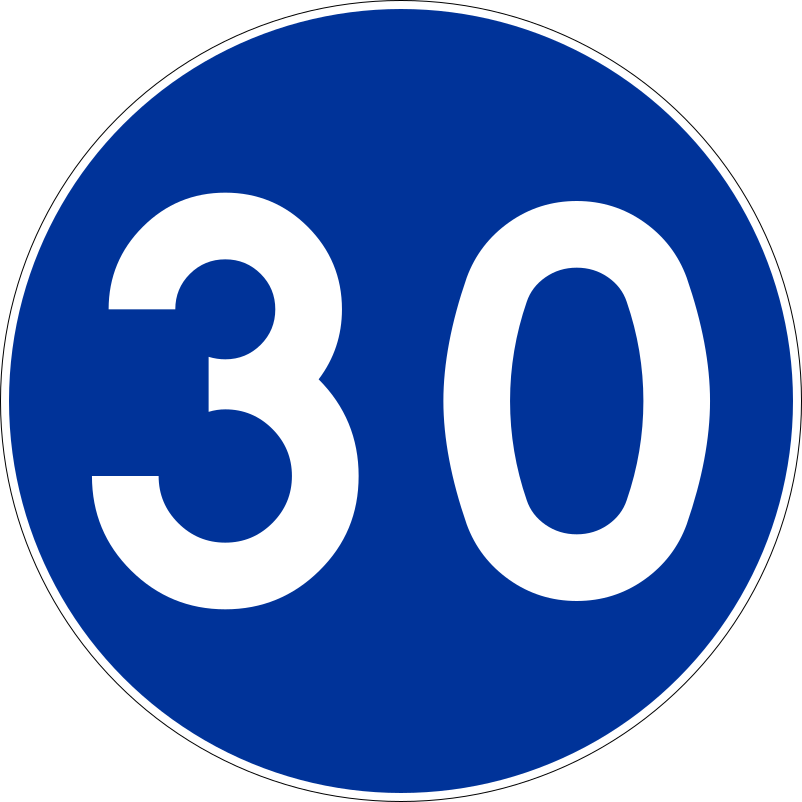
Obey the Minimum Speed Limit Indicated by the C-14 Sign
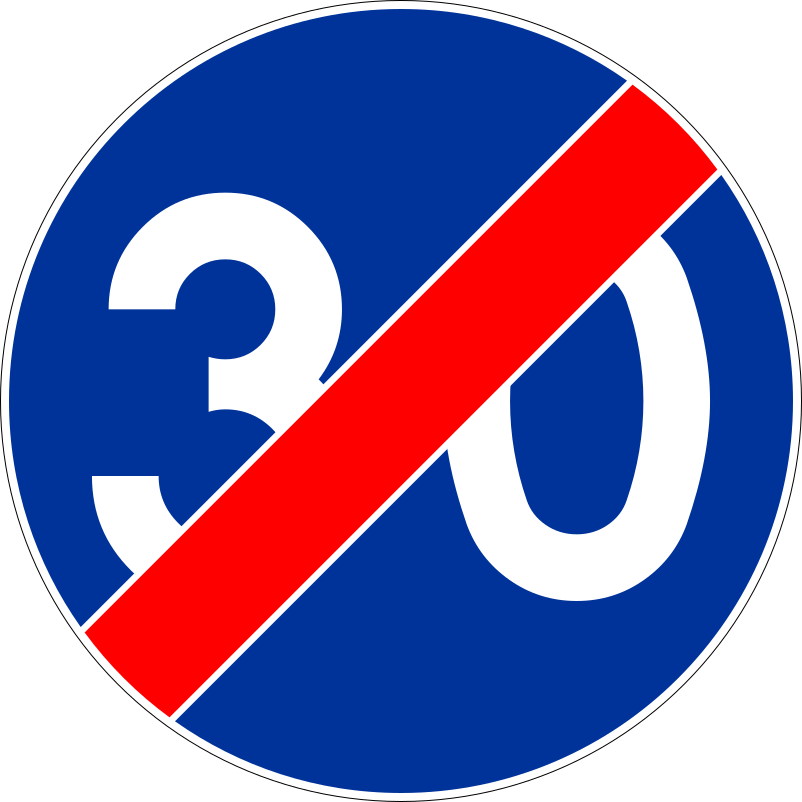
The 'End of Minimum Speed' sign means you're no longer required to drive above a certain speed.
Deepen your understanding of specific road signs by reviewing official Polish traffic rules and associated real-world driving scenarios. These expert-led resources help you bridge the gap between visual recognition and practical exam application.
Discover the new Polish regulations that permit 17-year-olds to start their driving journey with a Category B license. This guide clarifies the essential conditions for supervised driving, focusing on the qualifications of the accompanying driver and the specific restrictions young drivers must adhere to. Gaining this knowledge is crucial for passing the Polish theory exam and ensuring safe, legal driving practices from day one.
Navigating Polish intersections requires a clear understanding of priority rules, particularly the differing obligations imposed by the mandatory Stop sign (B-20) and the Yield sign (A-7). This article will break down the legal requirements for each sign, explaining precisely when and how you must act to ensure safety and compliance with Polish traffic law. Mastering these distinctions is vital for success in your driving theory exam and for safe driving.
Navigate Tram Intersections Like a Pro: Essential for Your Polish Driving Exam.
Mastering Lane Discipline and Priority at Polish Intersections with Arrow Signals
The F-12 sign is used to guide through-traffic (transit) away from city centers or sensitive areas. It features a symbol of a specific vehicle (usually a truck) and an arrow. By following this sign, long-distance drivers can stay on roads designed for heavy traffic, avoiding narrow streets or residential zones. This sign is an advance warning placed before the junction where the turn must be made.
The D-1 sign marks the beginning or the continuation of a route where drivers have priority over vehicles entering from side roads. It is characterized by a yellow diamond shape with a thick white border. In urban areas, this sign is typically placed before every intersection where the priority is maintained, while on rural roads, it confirms the road's status over longer stretches. If the priority road changes direction at an intersection, it will be accompanied by a T-6 supplementary plate showing the actual flow of traffic.
After reviewing the full list of Polish road signs, explore specific sign categories for in-depth understanding. Challenge your knowledge with practice questions focused on sign recognition and interpretation to solidify your preparation for the driving theory exam.
Browse All Polish Road Signs