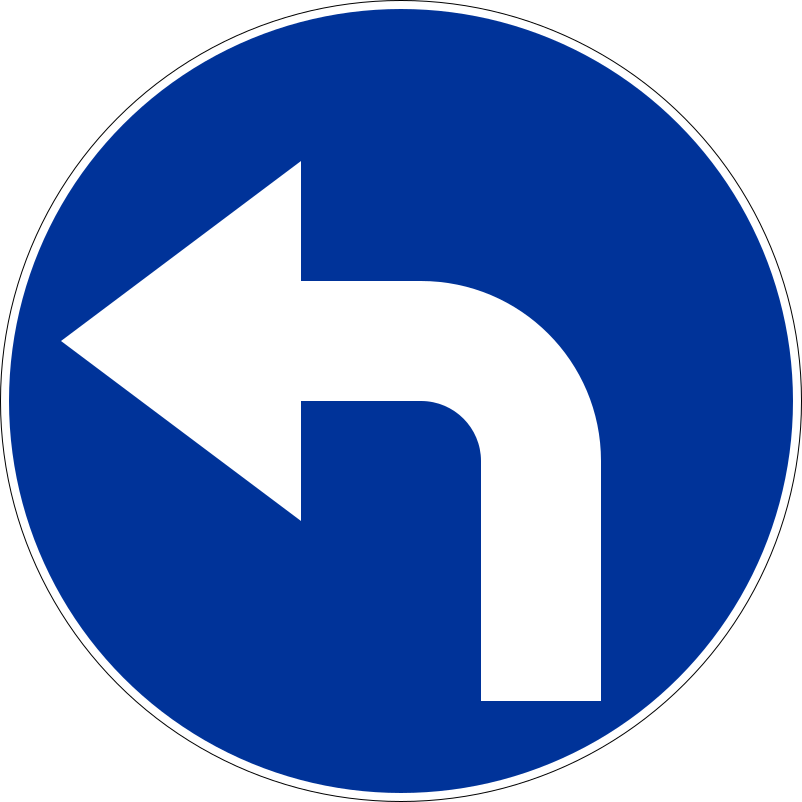
The C-4 traffic sign is a regulatory sign that mandates a left turn at the very next intersection you encounter after passing it. It's crucial to understand that this obligation applies immediately at the first junction, meaning you cannot proceed straight or turn right there. Always prepare to turn left and signal appropriately. Failing to comply can lead to dangerous situations and fines, so mastering this sign is key for your theory exam and safe driving in Poland.
Hide the name and meaning, look at the sign and check whether you know what it means.
This regulatory sign (C-4) mandates a left turn at the next intersection, crucial for understanding Polish traffic rules and passing your theory test. Its specific meaning ensures safe navigation and compliance with mandatory driving directions.
The C-4 sign indicates that at the next available intersection, the only permitted direction of travel is to the left. It is a regulatory sign intended to streamline traffic and prevent dangerous maneuvers like right turns into oncoming one-way traffic or straight movement into restricted zones. The obligation begins at the first intersection encountered after the sign.
Drivers must perform a left turn at the nearest intersection or point of direction change after passing this sign.
Get clear, practical answers to the most common questions about the C-4 - Mandatory Left Turn After the Sign road sign. Learn how the sign works, what rules it represents, and how it affects real driving situations. This FAQ strengthens your understanding and supports accurate decision making for the Polish driving theory exam in Poland.
The C-4 sign means you must turn left at the first intersection you reach after passing the sign. This is a mandatory direction, so you cannot go straight or turn right at that junction. Prepare to signal and make your left turn.
When you see the C-4 Mandatory Left Turn sign, you are prohibited from proceeding straight ahead at the next intersection, and you are also prohibited from making a right turn. Overtaking within that specific intersection where the mandatory turn is required is also forbidden.
If you miss the intended left turn after seeing the C-4 sign, you should not stop abruptly or attempt a dangerous maneuver. Instead, continue to the next safe opportunity to correct your route, perhaps by making a U-turn if legally permitted and safe, or by proceeding to the next junction to re-route. Do not try to force the turn at the wrong place.
No, the C-4 sign is a mandatory regulatory sign. It strictly requires you to turn left at the first available intersection. There are no exceptions for drivers in normal traffic conditions. If a traffic light or police officer directs otherwise, their signal takes precedence.
You might encounter the C-4 sign in urban areas or on roads where traffic flow needs to be strictly controlled, often to prevent conflicts at busy junctions or to guide traffic onto specific routes. It's typically placed shortly before the intersection where the mandatory turn must be made.
A clear reference image of the C-4 - Mandatory Left Turn After the Sign road sign used in Poland.
The C-4 - Mandatory Left Turn After the Sign road sign may also be known by these alternative names or terms.
The C-4 - Mandatory Left Turn After the Sign road sign is part of the Mandatory Signs (C) category, which groups together signs with similar rules and functions.
Mastering Polish traffic rules means understanding subtle differences. Comparing signs like the mandatory left turn (C-4) with others helps sharpen recognition and avoid errors in your theory test revision. Reviewing similar road signs is key to confident driving.
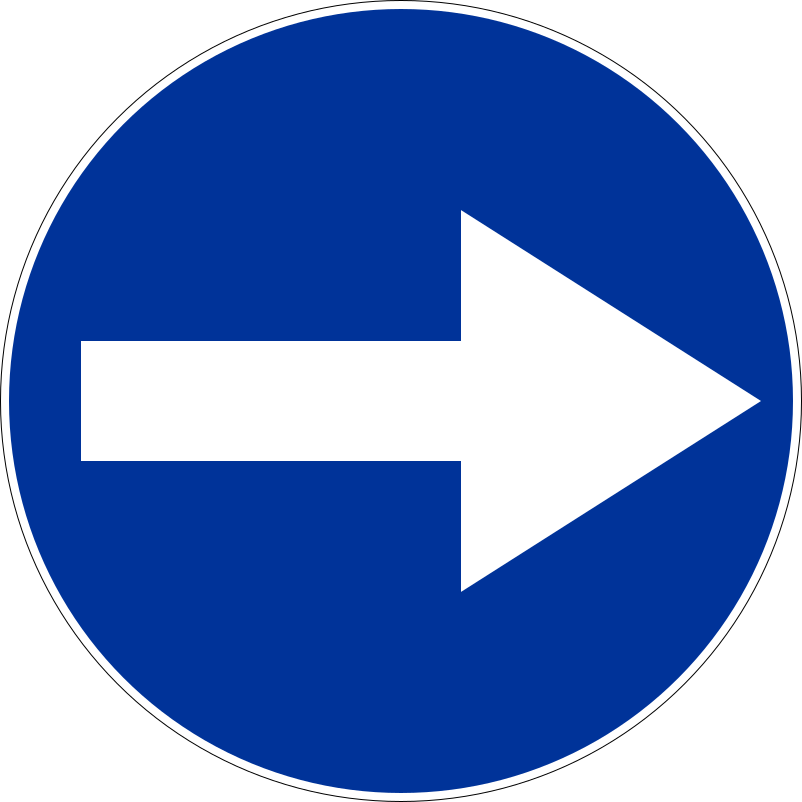
The C-1 sign means you MUST turn right before you reach it!
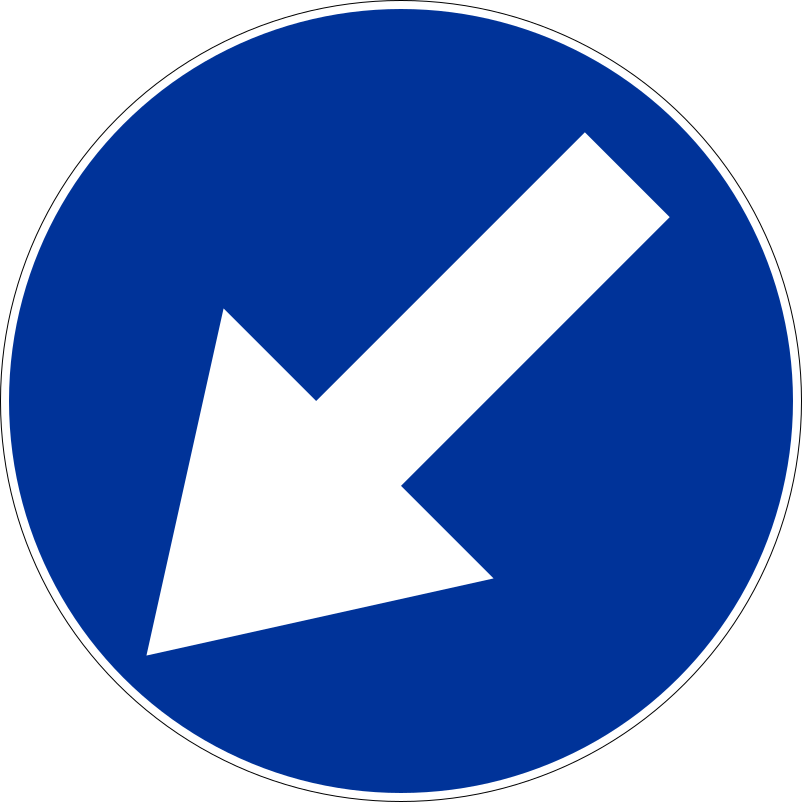
Understand the C-10 'Pass on the Left' Traffic Sign
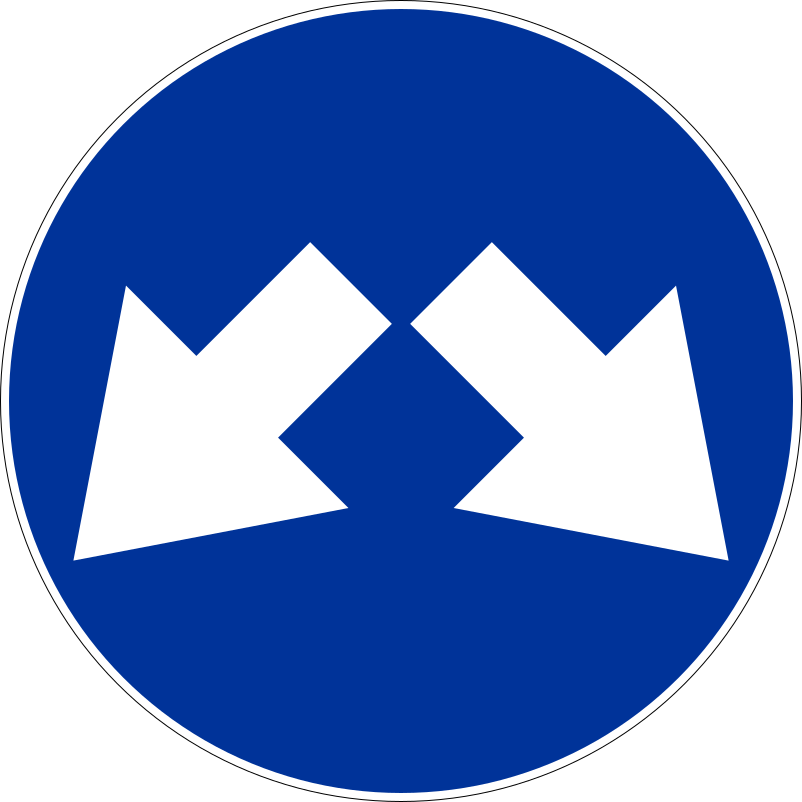
The C-11 'Pass on Either Side' sign means you can go around the obstacle to the left or right.
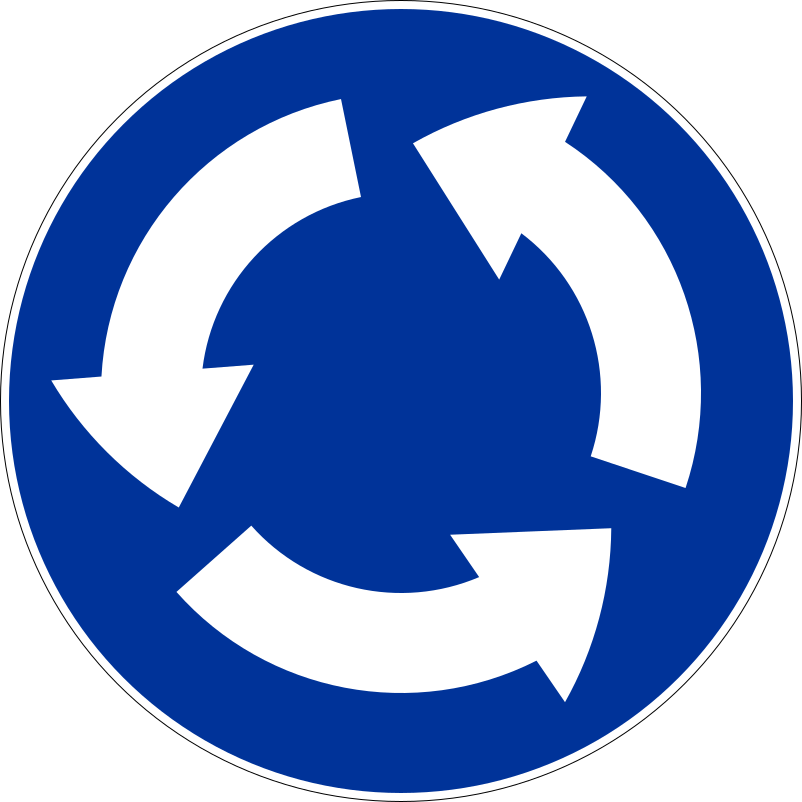
Master the Roundabout: Understanding the C-12 Traffic Sign
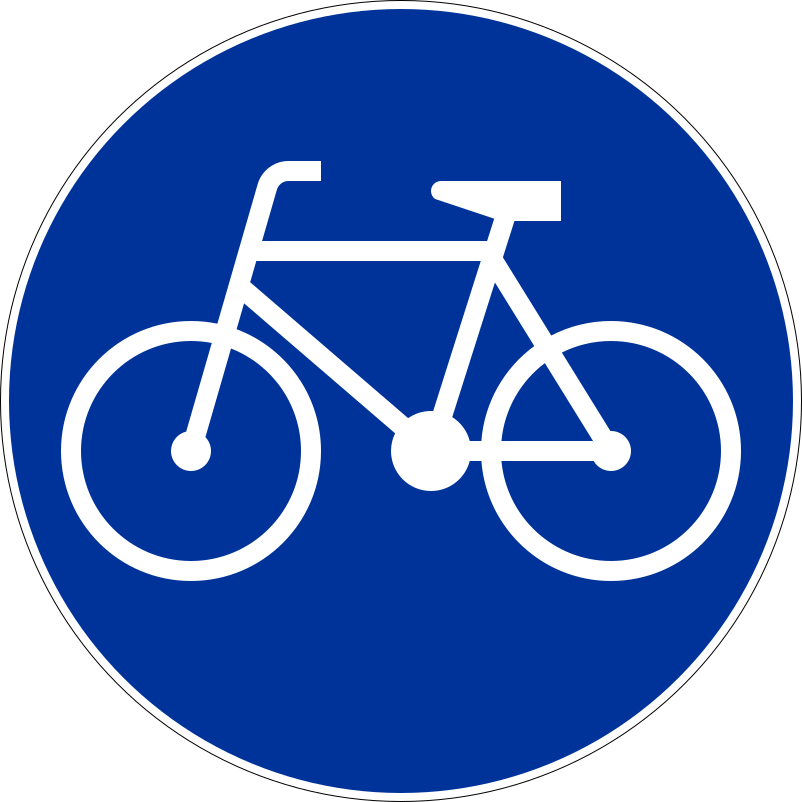
The C-13 Bicycle Path sign means you must use the dedicated cycle track.
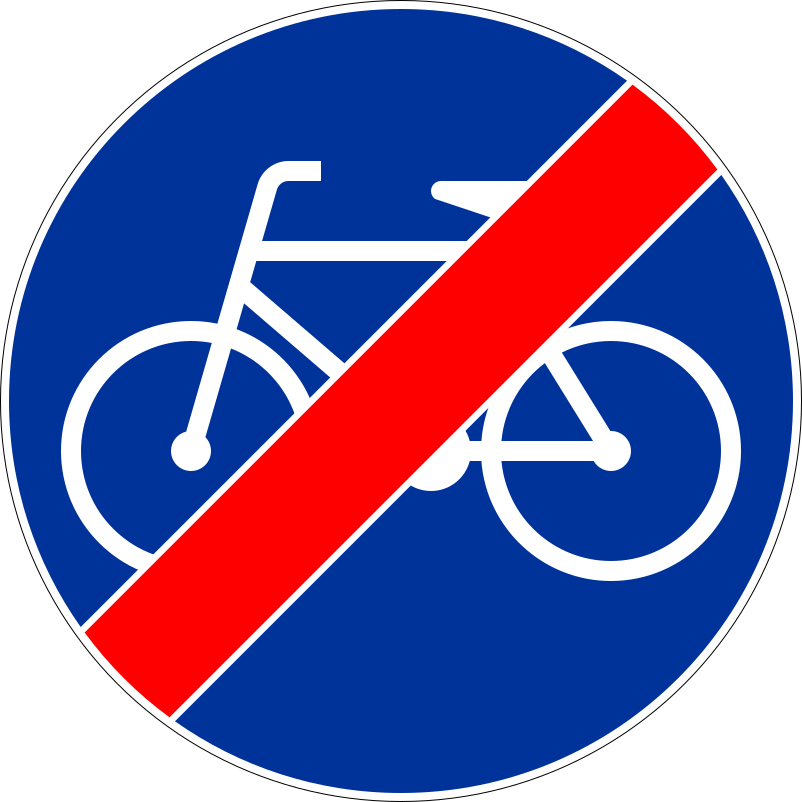
Understand the 'End of Bicycle Path' (C-13a) Sign and what it means for cyclists and drivers.
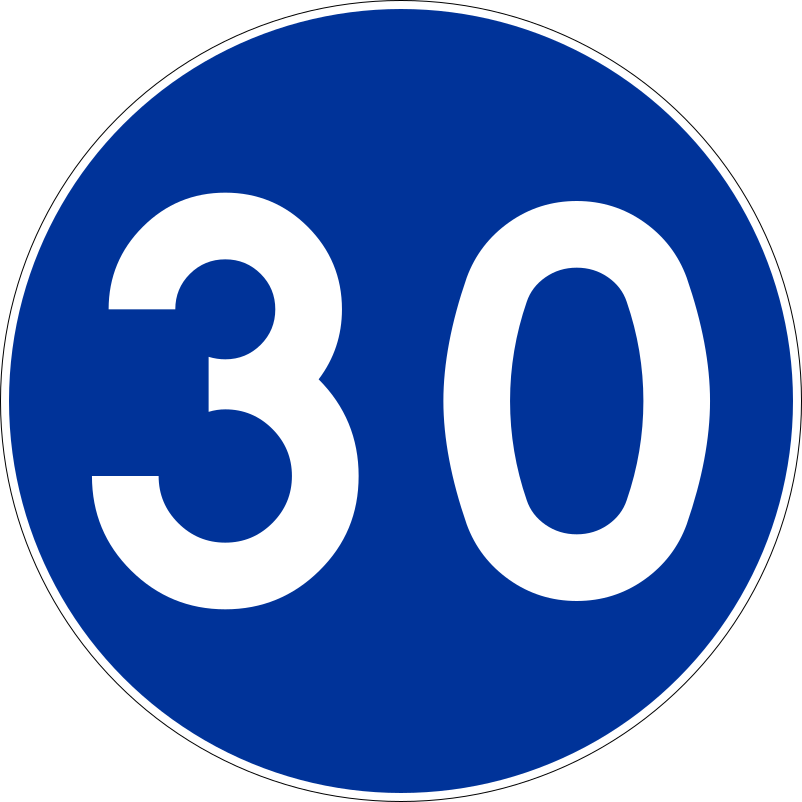
Obey the Minimum Speed Limit Indicated by the C-14 Sign
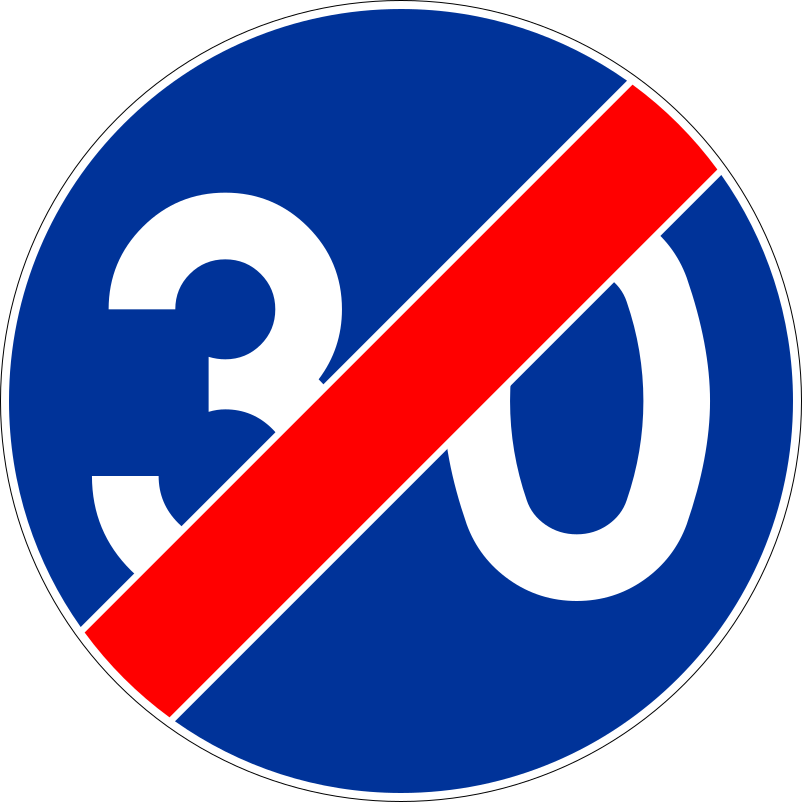
The 'End of Minimum Speed' sign means you're no longer required to drive above a certain speed.
Deepen your understanding of specific road signs by reviewing official Polish traffic rules and associated real-world driving scenarios. These expert-led resources help you bridge the gap between visual recognition and practical exam application.
Know Your Obligations: What to Do After a Road Incident in Poland.
Master Polish Crossing Markings for a Safer Drive and Exam Success.
Navigating parking regulations in Poland requires a clear understanding of specific road signs and legal definitions that often appear on the theory exam. This article explains how to interpret common prohibitions, including the rules behind signs B-35 and B-36, and provides guidance on where you are strictly forbidden from stopping. By mastering these nuances, you will be better prepared to avoid fines and navigate real-world traffic situations with confidence.
Proper vehicle lighting is not just a technical formality; it is a fundamental pillar of road safety and a key component of the Polish driving theory examination. You will learn the correct usage of mandatory lighting systems, the legal expectations for keeping your car roadworthy, and how your vehicle's condition directly impacts your ability to navigate safely during night-time and poor visibility conditions.
The C-5 sign features a white arrow pointing vertically upward on a blue background. It mandates that vehicles proceed only in a straight direction at the nearest intersection or where a change of direction is possible. It is frequently used on high-traffic roads to prevent congestion caused by turning vehicles or to stop drivers from entering narrow side streets that cannot handle current traffic volumes.
The C-2 sign is placed on the side of the road to inform drivers that at the very next opportunity to change direction (usually the next intersection), they must turn right. Unlike the C-1 sign, the action takes place after the sign is passed. It is used to organize traffic flow, especially in busy urban environments where left turns or straight movement are restricted for safety or congestion reasons.
After reviewing the full list of Polish road signs, explore specific sign categories for in-depth understanding. Challenge your knowledge with practice questions focused on sign recognition and interpretation to solidify your preparation for the driving theory exam.
Browse All Polish Road Signs