
The C-16a road sign, indicating the 'End of Pedestrian Path', signifies that the exclusive zone for pedestrians has concluded. As a pedestrian, upon seeing this sign, you must transition from a dedicated path to an area where you might encounter motorized vehicles. It's crucial to increase your awareness and look for safe opportunities to cross or join the roadside, especially if the path merges with vehicle lanes or ends at an intersection.
The C-16a 'End of Pedestrian Path' sign clearly indicates the termination of a dedicated pedestrian zone, signaling that you will now encounter mixed traffic or shared road space. Correct road sign meaning and interpretation of this critical signal are vital for ensuring pedestrian safety and are essential topics for your Polish driving theory test preparation.
This sign is the C-16 sign with a red diagonal line. It marks the point where the pedestrian-only zone terminates. Pedestrians must be aware that beyond this point, they may be entering areas with motorized traffic and should exercise caution when crossing or moving onto the roadside.
Indicates that the exclusive path for pedestrians has ended.
Get clear, practical answers to the most common questions about the C-16a - End of Pedestrian Path road sign. Learn how the sign works, what rules it represents, and how it affects real driving situations. This FAQ strengthens your understanding and supports accurate decision making for the Polish driving theory exam in Poland.
The C-16a sign means that the separate path or sidewalk exclusively for pedestrians is now over. Pedestrians need to be extra vigilant as they may be entering areas shared with cars, buses, or bicycles and must prioritize their safety.
When you see the C-16a sign, you should prepare to merge with traffic. Look for designated pedestrian crossings if available, and wait for a safe gap in traffic before continuing your journey on foot. Never assume drivers will see you; always check for yourself.
Yes, once the pedestrian path ends at the C-16a sign, the area may be used by vehicles, including cyclists and motorized traffic. Pedestrians must be aware of all road users and use designated crossings or wait for a safe opportunity to proceed.
A common exam trap is assuming that because a path existed, it's still safe to walk in the middle of what now looks like a road. Learners might forget that the C-16a sign signals the return to mixed traffic conditions, requiring active observation of vehicles.
The C-16 sign (a blue square with a white pedestrian symbol) indicates a designated pedestrian path or zone, meaning only pedestrians should be there. The C-16a sign is the same C-16 sign but with a red diagonal bar across it, signifying the END of that exclusive pedestrian path.
A clear reference image of the C-16a - End of Pedestrian Path road sign used in Poland.
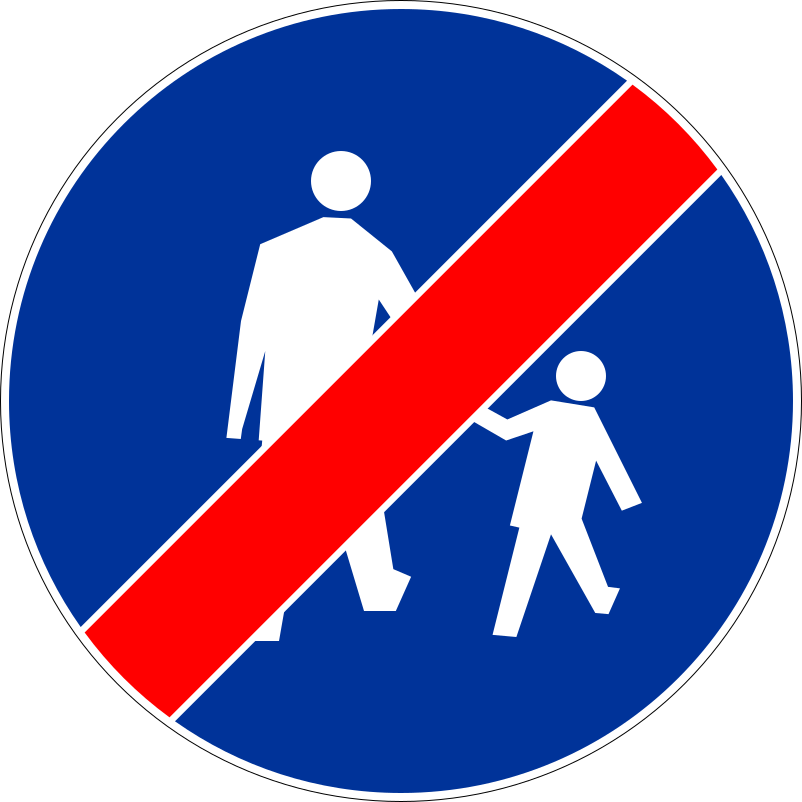
The C-16a - End of Pedestrian Path road sign may also be known by these alternative names or terms.
The C-16a - End of Pedestrian Path road sign is part of the Mandatory Signs (C) category, which groups together signs with similar rules and functions.
Reviewing related road signs, like this 'End of Pedestrian Path' sign, helps distinguish subtle differences and boosts recognition. Use this sign comparison to improve your theory test revision and master traffic sign recognition.
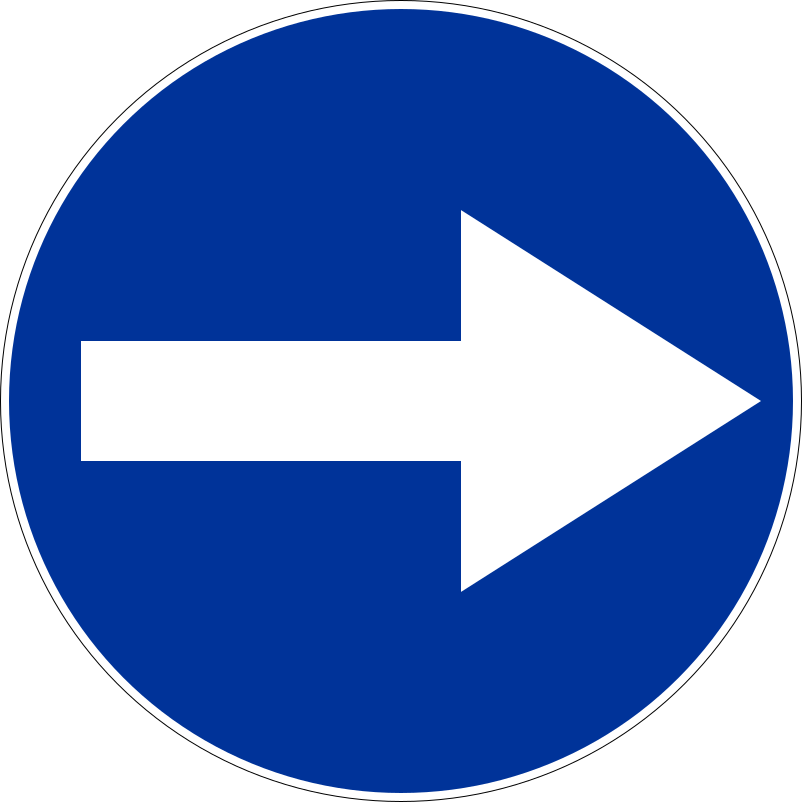
The C-1 sign means you MUST turn right before you reach it!

Understand the C-10 'Pass on the Left' Traffic Sign
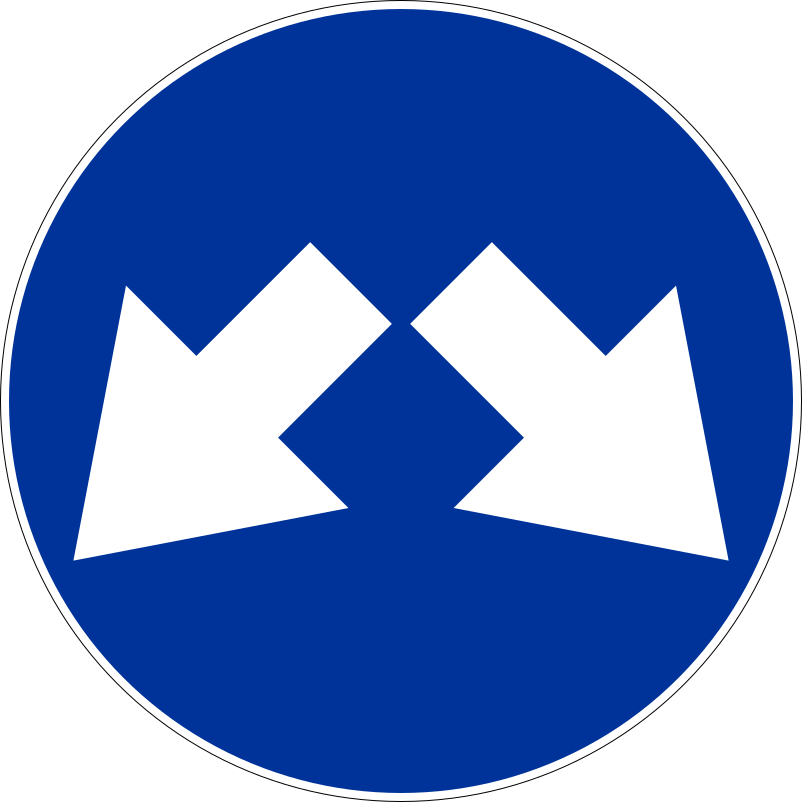
The C-11 'Pass on Either Side' sign means you can go around the obstacle to the left or right.

Master the Roundabout: Understanding the C-12 Traffic Sign
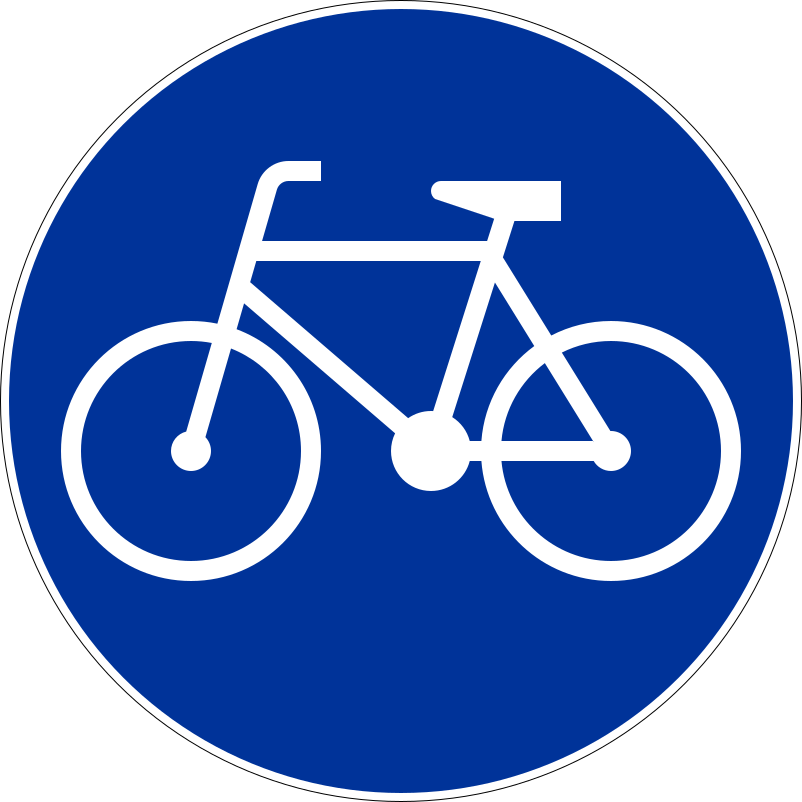
The C-13 Bicycle Path sign means you must use the dedicated cycle track.
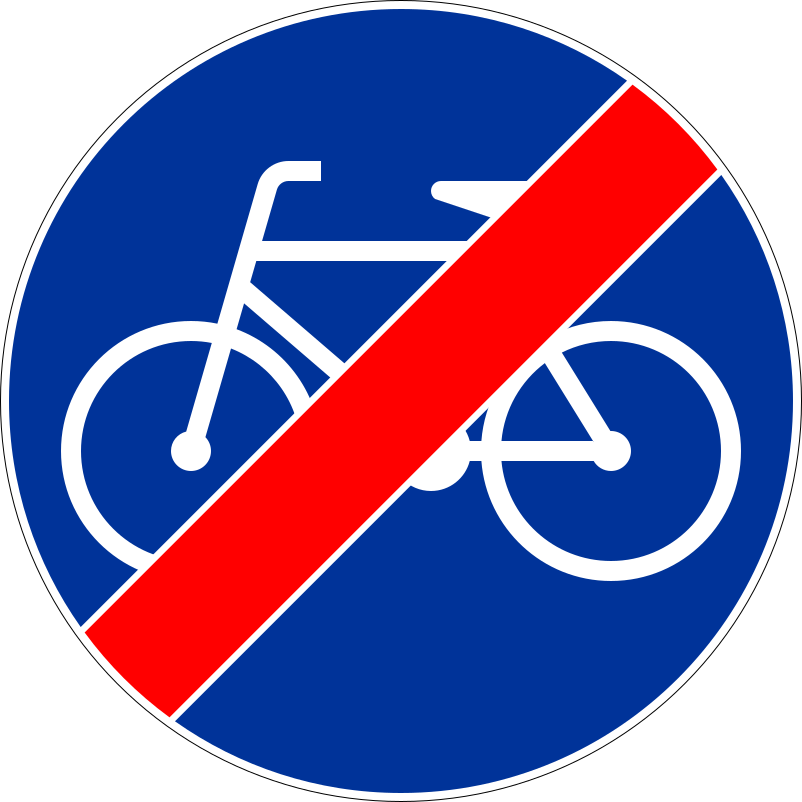
Understand the 'End of Bicycle Path' (C-13a) Sign and what it means for cyclists and drivers.
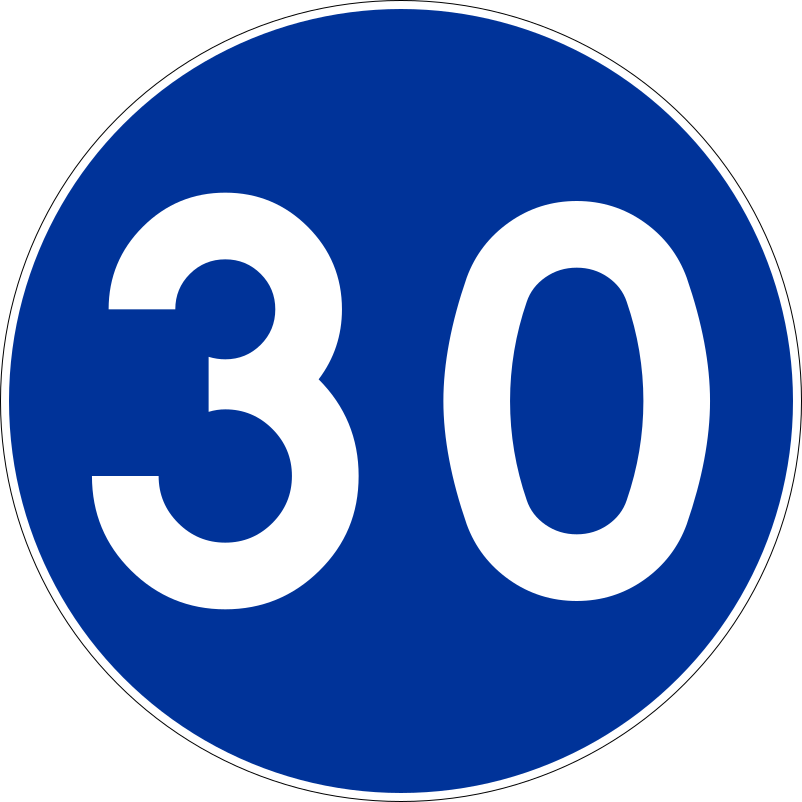
Obey the Minimum Speed Limit Indicated by the C-14 Sign
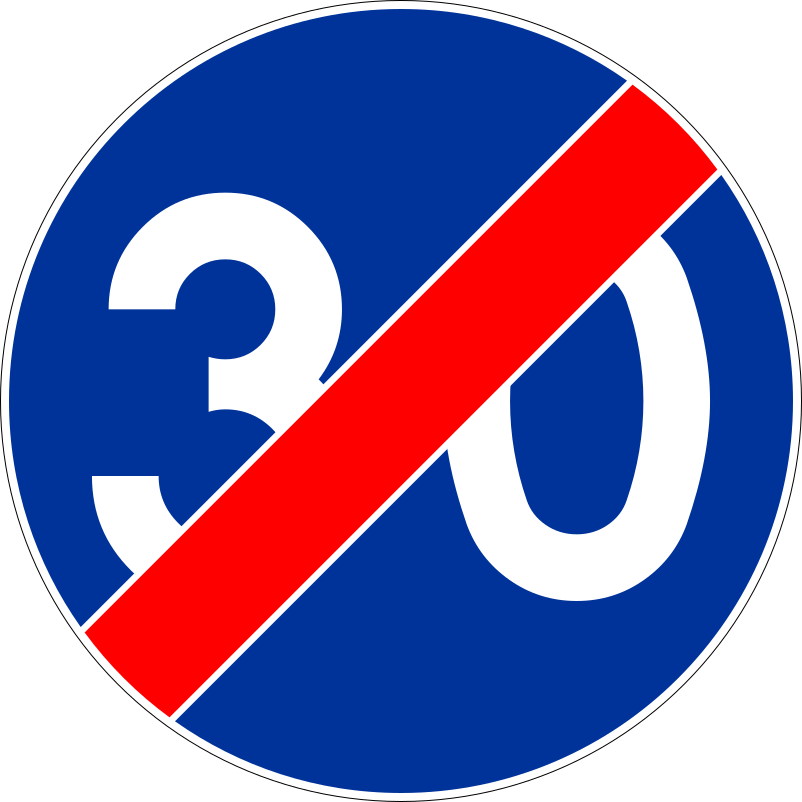
The 'End of Minimum Speed' sign means you're no longer required to drive above a certain speed.
Deepen your understanding of specific road signs by reviewing official Polish traffic rules and associated real-world driving scenarios. These expert-led resources help you bridge the gap between visual recognition and practical exam application.
Learn the critical distinctions between the Polish A-16 warning sign and the D-6 pedestrian crossing sign. This guide explains your legal responsibilities when approaching these areas, including the mandatory speed reduction and yielding requirements. Understand the significant penalties, such as hefty fines and accumulating penalty points, especially the 'recydywa' (repeat offender) system in Poland, which can lead to immediate license suspension.
Don't Be a Road Block: Master Minimum Speeds and Smooth Traffic Flow for Your Polish Exam!
Master Polish Crossing Markings for a Safer Drive and Exam Success.
Learn how higher speed limits outside Polish built-up areas must be balanced with awareness of constant hazards. This article delves into risks like poor visibility due to inadequate lighting and unpredictable road conditions, emphasizing that actual driving circumstances, not just posted signs, determine a safe speed. Mastering this interplay is essential for both passing your theory exam and ensuring your safety on Polish roads.
The C-13a sign is the C-13 sign with a red diagonal line through it. It marks the termination of the cycling-only zone. Beyond this sign, cyclists may need to merge back onto the main road or transition to a shared-use path. Cyclists must be particularly careful when merging and should yield to traffic already on the road they are entering.
The D-51b sign marks the exit point of the average speed measurement zone. It is the camera symbol with a red diagonal line. Once you pass this sign, your average speed calculation for that section is complete. You should continue to drive according to general speed limits and be aware of any new signs ahead.
After reviewing the full list of Polish road signs, explore specific sign categories for in-depth understanding. Challenge your knowledge with practice questions focused on sign recognition and interpretation to solidify your preparation for the driving theory exam.
Browse All Polish Road Signs