
This sign, officially catalogued as 2.30.1-R, indicates a general speed limit that applies within built-up areas in Switzerland, often in its Romansh variant. It is a mandatory instruction sign, meaning you must adhere to the speed shown on the sign face. Always ensure you have adjusted your speed *before* reaching the sign's effective point. Understanding this and similar mandatory signs is crucial for safe driving and passing your theory test.
This sign, code 2.30.1-R, defines the generally valid speed limit within Swiss built-up areas. Mastering its meaning is crucial for your theory test revision and safe urban driving.
This catalogue entry is used for a mandatory instruction, speed rule, stopping or parking control, lane or path assignment, or zone boundary. It tells drivers what action is required, restricted, started, or ended at that point in the road layout. A professional interpretation should connect the sign to the correct lane, path, bay, zone, or end sign, then check panels, arrows, vehicle symbols, and markings before deciding what is allowed. Official catalogue code: 2.30.1-R.
The "Generally valid speed limit within densely built-up areas (Romansh variant)" sign sets or confirms the speed rule shown on the sign face. Drivers should adjust before the sign takes effect, not after passing it. Catalogue code 2.30.1-R.
Get clear, practical answers to the most common questions about the 2.30.1-R - Generally valid speed limit within densely built-up areas (Romansh variant) road sign. Learn how the sign works, what rules it represents, and how it affects real driving situations. This FAQ strengthens your understanding and supports accurate decision making for the Swiss driving theory exam in Switzerland.
The 2.30.1-R sign is used to set or confirm a general speed limit within built-up areas. It's a mandatory instruction, requiring drivers to comply with the displayed speed from the point it takes effect. This helps manage traffic flow and safety in urban environments.
The speed limit takes effect from the moment you pass the sign. You should anticipate and adjust your speed *before* reaching the sign, not after. It’s essential to be prepared as you approach the area where the sign is placed.
Yes, you must not ignore the instruction because the road appears simple or familiar, as the speed limit is legally binding. Furthermore, do not assume the rule has ended until you see a specific end sign, a zone boundary, or a later instruction that confirms the speed limit has been lifted.
In the theory test, recognize this sign as a mandatory speed limit within built-up areas. The correct reaction is to maintain or reduce your speed to the indicated limit. A common exam trap is failing to apply the speed correctly or not understanding when the limit begins or ends.
The Romansh variant signifies the same mandatory speed limit for built-up areas. The core meaning and legal requirement remain identical. The 'Romansh variant' simply indicates the linguistic context or region where the sign might be encountered.
Supplementary panels, arrows, vehicle symbols, and road markings can modify how the 2.30.1-R sign applies. For example, an arrow might indicate the speed limit applies only to a specific lane. Always check for these additions before deciding how the rule affects you.
A clear reference image of the 2.30.1-R - Generally valid speed limit within densely built-up areas (Romansh variant) road sign used in Switzerland.

The 2.30.1-R - Generally valid speed limit within densely built-up areas (Romansh variant) road sign may also be known by these alternative names or terms.
The 2.30.1-R - Generally valid speed limit within densely built-up areas (Romansh variant) road sign is part of the Swiss Mandatory and Parking Signs category, which groups together signs with similar rules and functions.
Reviewing related road signs helps solidify your understanding and prevent common mistakes. Compare similar signs to improve your recognition accuracy and excel in your theory test revision.
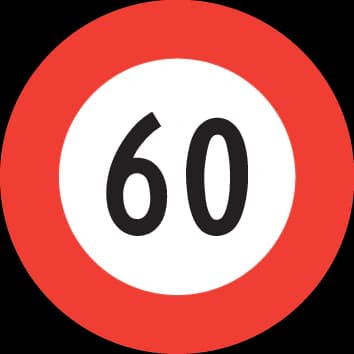
Understand the Maximum Speed Limit Sign (2.30)

Understand the Generally Valid Speed Limit Sign in Built-up Areas (2.30.1-D)

Obey the Generally Valid Speed Limit within Built-up Areas (French Variant)

Understand the Generally Valid Speed Limit Sign within Built-Up Areas (Italian Variant)
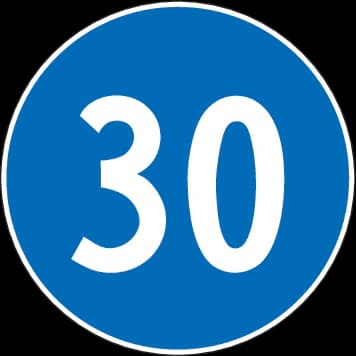
Obey the Minimum Speed Limit Sign (2.31) on Swiss Roads
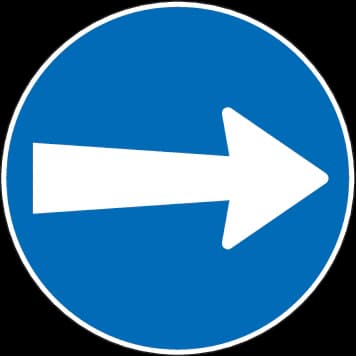
The 'Must Turn Right' sign (2.32) mandates your direction of travel.
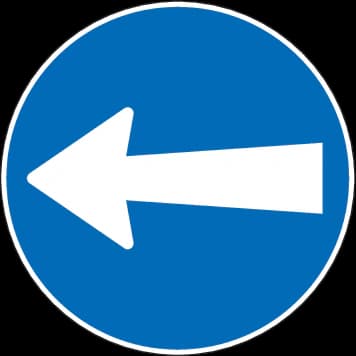
Mandatory Left Turn: This Sign Dictates Your Direction!

Mandatory Instruction: You must go around the obstacle on the right side (Sign 2.34).
After reviewing the full list of Swiss road signs, delve deeper into specific categories, practice recognition with quizzes, or explore detailed explanations for each sign. Continue your comprehensive preparation for the official theory driving test.
View All Swiss Road Signs