
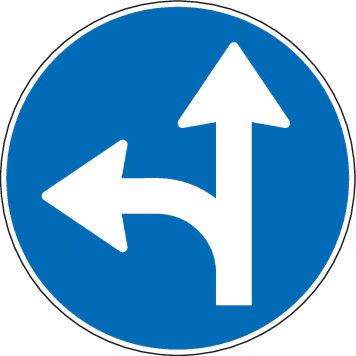
This mandatory instruction sign, code 2.41, directs you to proceed straight ahead or turn left. It's crucial to prepare your lane position early and avoid last-minute changes. This sign is part of Switzerland's mandatory instruction signs, clarifying required movements at junctions or specific road layouts. Always interpret it in conjunction with lane markings, arrows, and any supplementary panels to ensure correct navigation and compliance.
This sign dictates your required path; correctly interpreting its mandatory instruction is crucial for safe lane discipline and avoiding penalties during your Swiss theory test revision. Master this sign's meaning to ensure proper road positioning and decision-making for your driving licence.
This catalogue entry is used for a mandatory instruction, speed rule, stopping or parking control, lane or path assignment, or zone boundary. It tells drivers what action is required, restricted, started, or ended at that point in the road layout. A professional interpretation should connect the sign to the correct lane, path, bay, zone, or end sign, then check panels, arrows, vehicle symbols, and markings before deciding what is allowed. Official catalogue code: 2.41.
The "Must continue straight ahead or turn left" sign requires drivers to follow the indicated movement. Prepare the lane position early and avoid last-second corrections. Catalogue code 2.41.
Get clear, practical answers to the most common questions about the 2.41 - Must continue straight ahead or turn left road sign. Learn how the sign works, what rules it represents, and how it affects real driving situations. This FAQ strengthens your understanding and supports accurate decision making for the Swiss driving theory exam in Switzerland.
Sign 2.41 mandates that you must either continue straight ahead or turn left. You cannot go in any other direction indicated by other exits or paths at that point.
Before reaching sign 2.41, check your intended route. If you need to go straight or left, position your vehicle in the correct lane well in advance. Avoid sudden lane changes as you approach the sign and the junction.
The main prohibited action is choosing a movement other than continuing straight ahead or turning left. You must not turn right or make a U-turn if those options are not explicitly allowed or indicated as part of the mandatory paths.
A common trap is not anticipating the sign's instruction early enough, leading to a late lane change which can be dangerous and result in failing the practical exam. Learners might also be confused by complex junctions where multiple signs are present; always prioritise the mandatory instruction signs like 2.41.
Typically, sign 2.41 is placed above or next to the specific lane(s) it applies to. You must observe which lane you are in and follow the direction indicated for that lane. If multiple lanes show this sign, they all must continue straight or turn left.
Supplementary panels provide additional information. For sign 2.41, a panel might specify distances, times, or conditions under which the instruction applies, or clarify which vehicle types it concerns. Always read and obey any supplementary panel in conjunction with the main sign.
A clear reference image of the 2.41 - Must continue straight ahead or turn left road sign used in Switzerland.
The 2.41 - Must continue straight ahead or turn left road sign may also be known by these alternative names or terms.
The 2.41 - Must continue straight ahead or turn left road sign is part of the Swiss Mandatory and Parking Signs category, which groups together signs with similar rules and functions.
By reviewing adjacent or similar traffic signs, you can sharpen your recognition skills and reduce errors. Effective sign comparison aids memory and is crucial for accurate theory test revision and understanding complex road rules.
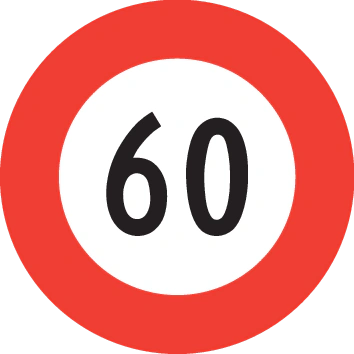
Understand the Maximum Speed Limit Sign (2.30)
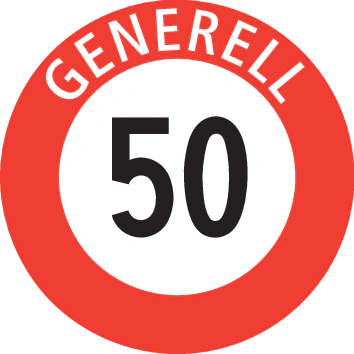
Understand the Generally Valid Speed Limit Sign in Built-up Areas (2.30.1-D)
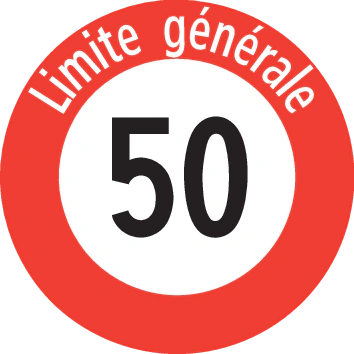
Obey the Generally Valid Speed Limit within Built-up Areas (French Variant)
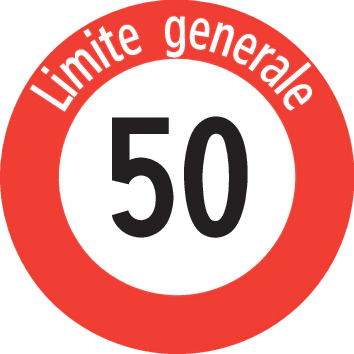
Understand the Generally Valid Speed Limit Sign within Built-Up Areas (Italian Variant)
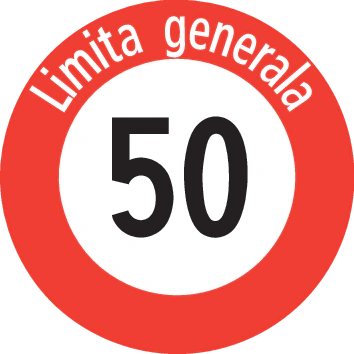
Understand the "Generally Valid Speed Limit Within Densely Built-Up Areas" Sign (2.30.1-R)
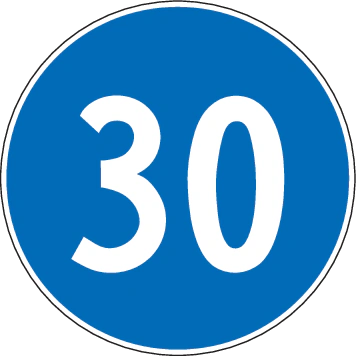
Obey the Minimum Speed Limit Sign (2.31) on Swiss Roads
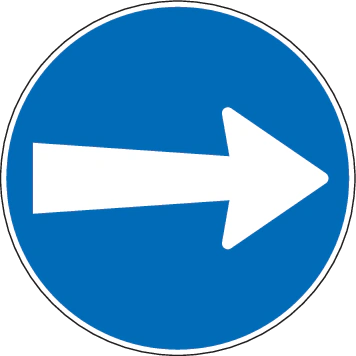
The 'Must Turn Right' sign (2.32) mandates your direction of travel.
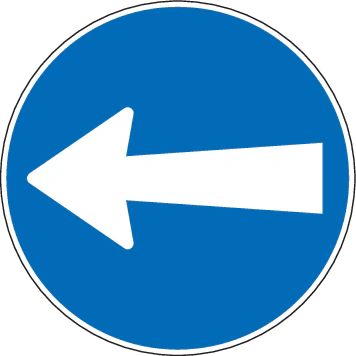
Mandatory Left Turn: This Sign Dictates Your Direction!
Mastering the meaning of specific road signs is essential for navigating Switzerland's complex infrastructure safely. These resources link visual markers to the official traffic rules and priority procedures required for your driving theory test.
Recognise Key Swiss Road Signs at a Glance and Drive Confidently
Understanding pedestrian priority is a fundamental pillar of Swiss traffic law and a common topic in the driving theory exam. This guide clarifies exactly when you must reduce speed or come to a complete stop, focusing on the legal distinction between pedestrians simply standing by the road and those showing a clear intent to cross. You will also learn about the specific rules concerning cyclists at these crossings and the financial penalties associated with failing to yield.
Master the rules for special urban lanes and avoid common penalties.
New residents in Switzerland must navigate specific administrative requirements to remain legally mobile on Swiss roads. This guide explains the critical 12-month grace period, the mandatory eye test, and the distinctions between license holders from EU/EFTA nations versus those from third countries. Readers will learn the importance of contacting their local cantonal Road Traffic Office to ensure compliance and avoid potential fines or loss of driving privileges.
This catalogue entry is used for a mandatory instruction, speed rule, stopping or parking control, lane or path assignment, or zone boundary. It tells drivers what action is required, restricted, started, or ended at that point in the road layout. A professional interpretation should connect the sign to the correct lane, path, bay, zone, or end sign, then check panels, arrows, vehicle symbols, and markings before deciding what is allowed. Official catalogue code: 2.36.
This catalogue entry is used for a mandatory instruction, speed rule, stopping or parking control, lane or path assignment, or zone boundary. It tells drivers what action is required, restricted, started, or ended at that point in the road layout. A professional interpretation should connect the sign to the correct lane, path, bay, zone, or end sign, then check panels, arrows, vehicle symbols, and markings before deciding what is allowed. Official catalogue code: 2.37.
After reviewing the full list of Swiss road signs, delve deeper into specific categories, practice recognition with quizzes, or explore detailed explanations for each sign. Continue your comprehensive preparation for the official theory driving test.
View All Swiss Road Signs