
This sign, 'Minimum distance between large goods vehicles required' (catalogue code 2.47), is a mandatory instruction sign. It is specifically placed to ensure safe spacing between large lorries. You'll often see this sign on sections of road where managing the flow and safety of heavy goods vehicles is critical, such as on mountain passes or busy routes. Always comply with the indicated minimum distance to avoid collisions and ensure smooth traffic, especially in challenging conditions.
Master the meaning of the "Minimum distance between large goods vehicles required" sign (2.47) to ensure proper spacing on Swiss roads. Crucial for your theory test revision, this sign impacts safe driving practice and hazard perception during your licence process.
This catalogue entry is used for a mandatory instruction, speed rule, stopping or parking control, lane or path assignment, or zone boundary. It tells drivers what action is required, restricted, started, or ended at that point in the road layout. A professional interpretation should connect the sign to the correct lane, path, bay, zone, or end sign, then check panels, arrows, vehicle symbols, and markings before deciding what is allowed. Official catalogue code: 2.47.
The "Minimum distance between large goods vehicles required" sign gives a mandatory driving, lane, path, parking, stopping, or zone instruction. Read it with arrows, bay markings, panels, and end signs. Catalogue code 2.47.
Get clear, practical answers to the most common questions about the 2.47 - Minimum distance between large goods vehicles required road sign. Learn how the sign works, what rules it represents, and how it affects real driving situations. This FAQ strengthens your understanding and supports accurate decision making for the Swiss driving theory exam in Switzerland.
This sign is a mandatory instruction indicating that large goods vehicles must maintain a specific minimum distance from each other. It's designed to improve safety and traffic flow for these vehicles on particular road sections.
The sign specifically applies to large goods vehicles (lorries). Drivers of these vehicles must adhere to the minimum distance requirement. It does not typically restrict passenger cars, but drivers should be aware of the slower traffic ahead.
You are most likely to encounter this sign on challenging or busy road stretches where maintaining adequate spacing is crucial for safety. This can include steep inclines or descents, narrow sections, or routes prone to congestion for heavy vehicles.
Failing to maintain the minimum distance required by sign 2.47 can lead to dangerous situations, including rear-end collisions. It is a mandatory instruction, and non-compliance can result in penalties, including fines and demerit points, and is also a common topic in theory exams focusing on safety.
Generally, this is a strict mandatory instruction. Exceptions are rare and would typically only apply if traffic conditions make it impossible (e.g., very slow-moving traffic where all vehicles are very close together). However, the sign's purpose is to prevent excessive tailgating by large vehicles.
A clear reference image of the 2.47 - Minimum distance between large goods vehicles required road sign used in Switzerland.
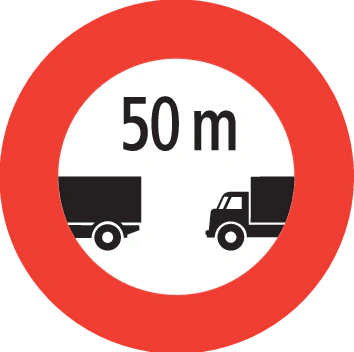
The 2.47 - Minimum distance between large goods vehicles required road sign may also be known by these alternative names or terms.
The 2.47 - Minimum distance between large goods vehicles required road sign is part of the Swiss Mandatory and Parking Signs category, which groups together signs with similar rules and functions.
Comparing signs like "Minimum distance between large goods vehicles required" with similar traffic signs aids recognition and reduces errors, crucial for theory test revision. Reviewing related road signs strengthens your understanding of Swiss traffic rules and improves overall sign recognition.
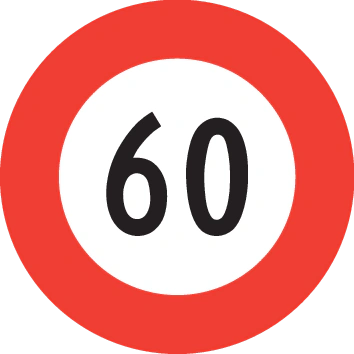
Understand the Maximum Speed Limit Sign (2.30)
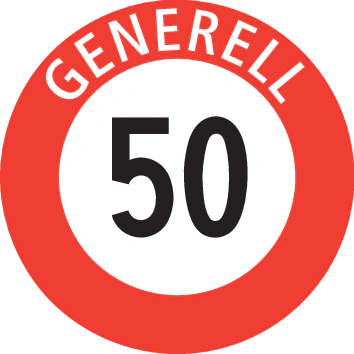
Understand the Generally Valid Speed Limit Sign in Built-up Areas (2.30.1-D)
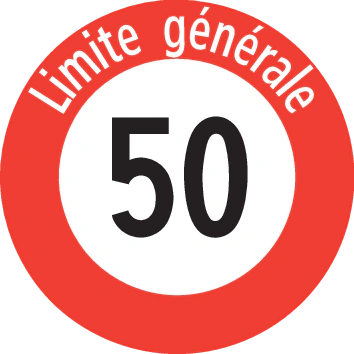
Obey the Generally Valid Speed Limit within Built-up Areas (French Variant)
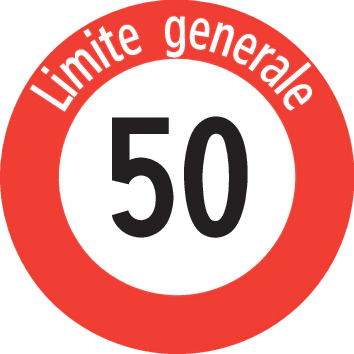
Understand the Generally Valid Speed Limit Sign within Built-Up Areas (Italian Variant)
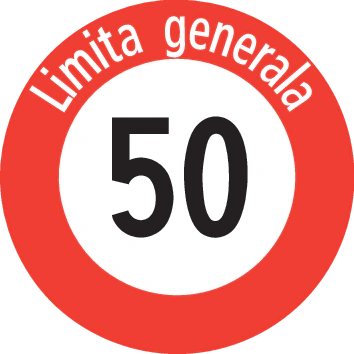
Understand the "Generally Valid Speed Limit Within Densely Built-Up Areas" Sign (2.30.1-R)
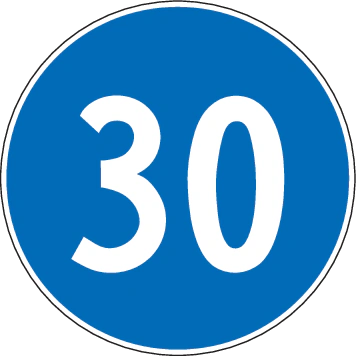
Obey the Minimum Speed Limit Sign (2.31) on Swiss Roads
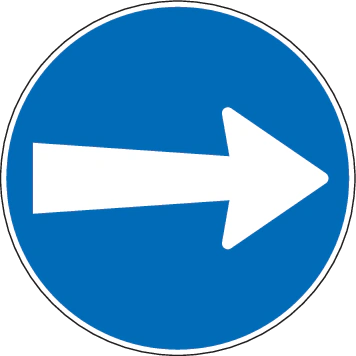
The 'Must Turn Right' sign (2.32) mandates your direction of travel.
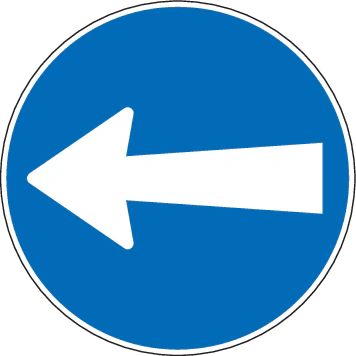
Mandatory Left Turn: This Sign Dictates Your Direction!
Mastering the meaning of specific road signs is essential for navigating Switzerland's complex infrastructure safely. These resources link visual markers to the official traffic rules and priority procedures required for your driving theory test.
Recognise Key Swiss Road Signs at a Glance and Drive Confidently
Understanding pedestrian priority is a fundamental pillar of Swiss traffic law and a common topic in the driving theory exam. This guide clarifies exactly when you must reduce speed or come to a complete stop, focusing on the legal distinction between pedestrians simply standing by the road and those showing a clear intent to cross. You will also learn about the specific rules concerning cyclists at these crossings and the financial penalties associated with failing to yield.
Understanding the specific Swiss regulations for stationary vehicles is essential for both your driving theory test and everyday road safety. This guide breaks down where you are legally permitted to stop or park, how to interpret various road markings like yellow lines and blue zones, and the procedural requirements for securing your vehicle safely. By familiarizing yourself with these legal requirements, you will be well-prepared to answer complex theory exam questions regarding traffic rules and hazard avoidance.
Master the Rules for Overtaking Buses and Protect Vulnerable Road Users.
This catalogue entry is used for a mandatory instruction, speed rule, stopping or parking control, lane or path assignment, or zone boundary. It tells drivers what action is required, restricted, started, or ended at that point in the road layout. A professional interpretation should connect the sign to the correct lane, path, bay, zone, or end sign, then check panels, arrows, vehicle symbols, and markings before deciding what is allowed. Official catalogue code: 2.63.
This catalogue entry is used for a mandatory instruction, speed rule, stopping or parking control, lane or path assignment, or zone boundary. It tells drivers what action is required, restricted, started, or ended at that point in the road layout. A professional interpretation should connect the sign to the correct lane, path, bay, zone, or end sign, then check panels, arrows, vehicle symbols, and markings before deciding what is allowed. Official catalogue code: 2.51-D-F.
After reviewing the full list of Swiss road signs, delve deeper into specific categories, practice recognition with quizzes, or explore detailed explanations for each sign. Continue your comprehensive preparation for the official theory driving test.
View All Swiss Road Signs