
This sign, officially catalogued as 2.30.1-D, indicates a generally valid speed limit within built-up areas in Switzerland. It serves as a mandatory instruction, requiring drivers to adhere to the specific speed indicated on the sign face. Always adjust your speed before reaching the sign, and pay close attention to its placement, any supplementary panels, and road markings for precise application.
This sign clarifies the mandatory speed limit within built-up areas in Switzerland, crucial for your theory test revision. Proper recognition and adherence are vital for safe urban driving and understanding Swiss traffic rules.
This catalogue entry is used for a mandatory instruction, speed rule, stopping or parking control, lane or path assignment, or zone boundary. It tells drivers what action is required, restricted, started, or ended at that point in the road layout. A professional interpretation should connect the sign to the correct lane, path, bay, zone, or end sign, then check panels, arrows, vehicle symbols, and markings before deciding what is allowed. Official catalogue code: 2.30.1-D.
The "Generally valid speed limit within densely built-up areas (German variant)" sign sets or confirms the speed rule shown on the sign face. Drivers should adjust before the sign takes effect, not after passing it. Catalogue code 2.30.1-D.
Get clear, practical answers to the most common questions about the 2.30.1-D - Generally valid speed limit within densely built-up areas (German variant) road sign. Learn how the sign works, what rules it represents, and how it affects real driving situations. This FAQ strengthens your understanding and supports accurate decision making for the Swiss driving theory exam in Switzerland.
The 2.30.1-D sign signifies a general speed limit that applies within a built-up area. It's a mandatory instruction, meaning you must reduce your speed to match the limit shown on the sign before you reach it and maintain that speed.
The speed limit becomes effective from the point where the sign is placed. You should anticipate the speed reduction and adjust your speed accordingly before passing the sign itself, not after.
Generally, no. This sign imposes a mandatory speed limit. However, always check for any supplementary panels below the sign, as these might provide specific conditions, exceptions, or indicate that the speed limit applies only to certain lanes or vehicle types.
Common errors include assuming the speed limit applies only after passing the sign, ignoring it because the road looks familiar or open, or not being aware of an 'end of speed limit' sign which may be a separate sign or indicated by road markings. Always be vigilant for changes in speed regulations.
The speed limit officially ends when you see a specific 'end of speed limit' sign (often a circular sign with a black bar over the speed limit number) or when the character of the road clearly changes to an unbuilt-up area, though relying on signage is always safer.
A clear reference image of the 2.30.1-D - Generally valid speed limit within densely built-up areas (German variant) road sign used in Switzerland.
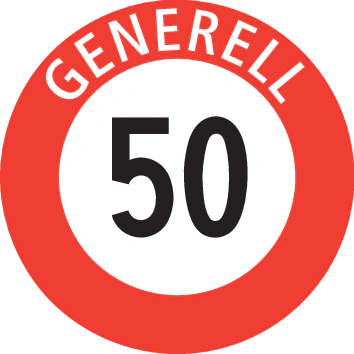
The 2.30.1-D - Generally valid speed limit within densely built-up areas (German variant) road sign may also be known by these alternative names or terms.
The 2.30.1-D - Generally valid speed limit within densely built-up areas (German variant) road sign is part of the Swiss Mandatory and Parking Signs category, which groups together signs with similar rules and functions.
Reviewing related road signs is crucial for accurate recognition and fewer errors in your theory test revision. Comparing signs like this one with others helps solidify your understanding of traffic sign differences and ensures better sign recognition during your exam preparation.
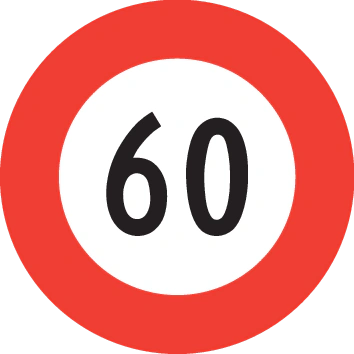
Understand the Maximum Speed Limit Sign (2.30)
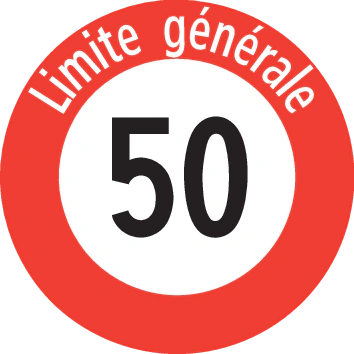
Obey the Generally Valid Speed Limit within Built-up Areas (French Variant)
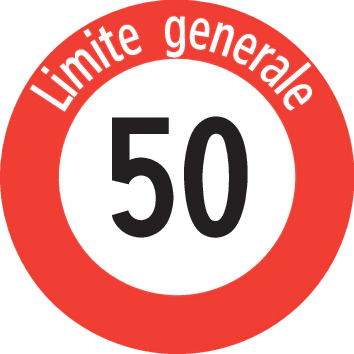
Understand the Generally Valid Speed Limit Sign within Built-Up Areas (Italian Variant)
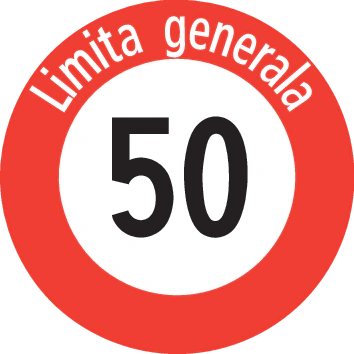
Understand the "Generally Valid Speed Limit Within Densely Built-Up Areas" Sign (2.30.1-R)
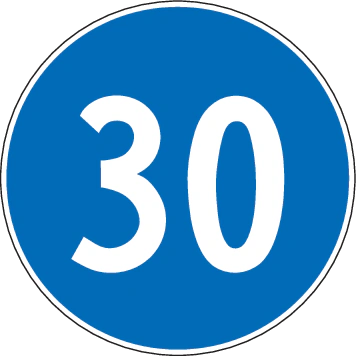
Obey the Minimum Speed Limit Sign (2.31) on Swiss Roads
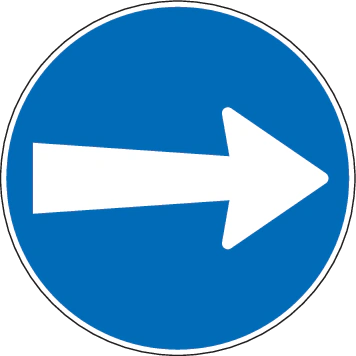
The 'Must Turn Right' sign (2.32) mandates your direction of travel.
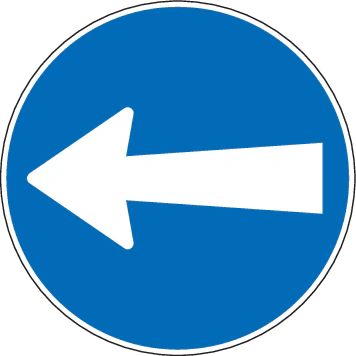
Mandatory Left Turn: This Sign Dictates Your Direction!
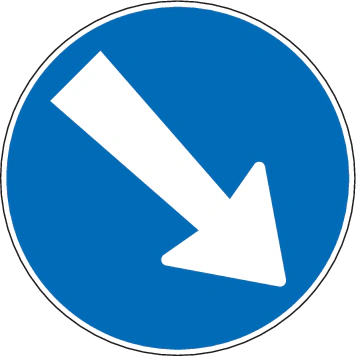
Mandatory Instruction: You must go around the obstacle on the right side (Sign 2.34).
Mastering the meaning of specific road signs is essential for navigating Switzerland's complex infrastructure safely. These resources link visual markers to the official traffic rules and priority procedures required for your driving theory test.
Know Your Legal Duties: Act Safely and Responsibly After a Collision.
Recognise Key Swiss Road Signs at a Glance and Drive Confidently
Learn how to correctly apply Switzerland's 'Rechtsvortritt' (priority to the right) rule at unmarked junctions on rural roads, a key topic for your driving theory exam. This guide explains how to differentiate between public road connections and private entrances, even without clear signage. Mastering this concept is vital for safe navigation and successful exam performance in less-defined rural environments.
Understanding pedestrian priority is a fundamental pillar of Swiss traffic law and a common topic in the driving theory exam. This guide clarifies exactly when you must reduce speed or come to a complete stop, focusing on the legal distinction between pedestrians simply standing by the road and those showing a clear intent to cross. You will also learn about the specific rules concerning cyclists at these crossings and the financial penalties associated with failing to yield.
This catalogue entry is used for a mandatory instruction, speed rule, stopping or parking control, lane or path assignment, or zone boundary. It tells drivers what action is required, restricted, started, or ended at that point in the road layout. A professional interpretation should connect the sign to the correct lane, path, bay, zone, or end sign, then check panels, arrows, vehicle symbols, and markings before deciding what is allowed. Official catalogue code: 2.30.1-F.
This catalogue entry is used for a mandatory instruction, speed rule, stopping or parking control, lane or path assignment, or zone boundary. It tells drivers what action is required, restricted, started, or ended at that point in the road layout. A professional interpretation should connect the sign to the correct lane, path, bay, zone, or end sign, then check panels, arrows, vehicle symbols, and markings before deciding what is allowed. Official catalogue code: 2.30.1-I.
After reviewing the full list of Swiss road signs, delve deeper into specific categories, practice recognition with quizzes, or explore detailed explanations for each sign. Continue your comprehensive preparation for the official theory driving test.
View All Swiss Road Signs