
This lesson teaches you the essential physics and techniques behind safe motorcycle braking in various traffic scenarios. Mastering these skills is critical for your safety on the road and for correctly answering complex control-based questions in the Turkish motorcycle theory exam.
Lesson content overview
Mastering braking is one of the most critical active safety skills for any motorcycle rider. Whether you are preparing for your Turkish A1, A2, or A category motorcycle driving licence examination (ehliyet sınavı), understanding how to decelerate safely and efficiently is vital. Unlike driving a car, a motorcycle requires the independent coordination of two separate braking systems, combined with an understanding of dynamic weight transfer, tyre grip thresholds, and changing environmental conditions.
Applying the brakes incorrectly on a two-wheeled vehicle can immediately lead to instability, skidding, or a collision. This lesson provides a comprehensive breakdown of safe braking principles, the physics behind deceleration, and the legal frameworks established under Turkish road legislation.
To brake safely, a rider must first understand the physical forces at play during deceleration. The moment you apply either brake on a motorcycle, the vehicle’s kinetic energy is converted into heat friction, causing a dynamic shift in how the vehicle's mass is distributed.
The dynamic redistribution of a motorcycle’s mass from the rear wheel to the front wheel during deceleration.
When a motorcycle is stationary or cruising at a constant speed on a level road, its weight is distributed relatively evenly between the front and rear tyres. This is known as static weight distribution.
However, the moment you apply the brakes, dynamic weight transfer occurs:
Under dry, standard road conditions, the front brake provides approximately 70% to 80% of the motorcycle's total stopping power, while the rear brake contributes the remaining 20% to 30%. Because of weight transfer, riders must modulate their braking inputs progressively to match this shifting traction profile.
If a rider applies maximum force to the front brake instantly without allowing the weight to transfer first, the front tyre can slip before it has developed enough grip, leading to an immediate "low-side" crash. Conversely, over-reliance on the rear brake will result in long, dangerous stopping distances and a high risk of rear-wheel skids.
Optimal deceleration is achieved through the simultaneous, proportionate, and progressive use of both the front and rear brakes. This technique maximizes stopping efficiency while preserving the motorcycle's stability.
A common mistake among novice riders is "grabbing" the front brake lever or "stomping" on the rear brake pedal in a moment of panic. This abrupt force easily overcomes the tyres' mechanical grip, leading to wheel lock-up. Instead, riders must practice progressive braking.
Progressive braking involves a two-stage application:
Scan Ahead: Identify your stopping target early to avoid sudden panic braking.
Close the Throttle: Roll off the throttle completely to initiate engine braking, which assists in smooth initial deceleration.
Apply Both Brakes Simultaneously: Initiate light, smooth pressure on both the front hand brake lever and the rear foot brake pedal.
Modulate the Pressure: Progressively increase pressure on the front brake lever as the weight transfers forward, while maintaining light, consistent pressure on the rear brake.
Pull in the Clutch: Just before the engine RPM drops to idle speed (to prevent stalling), squeeze the clutch lever fully.
Keep Your Eyes Up: Keep your head up and look straight ahead to maintain lateral balance as you come to a complete halt.
Establishing safe braking points is a cornerstone of defensive riding. A braking point is a strategic location on the road where a rider must begin deceleration to stop or slow down safely before a hazard, intersection, or curve.
To ride defensively, you must constantly adjust where you begin to brake based on your speed, vehicle load, and surrounding traffic:
At higher speeds, even a split-second delay in reacting shifts your emergency braking point further down the road, reducing your safety margin and increasing the risk of a high-speed collision.
A safe rider must never use the same braking inputs on a wet or slippery road as they would on dry asphalt. Changes in weather and pavement quality directly alter the coefficient of friction between your tyres and the road.
On low-traction surfaces, the amount of weight that can transfer to the front wheel is severely limited because the front tyre will slide if subjected to heavy loads. Therefore, your braking strategy must change:
Watch out for "Turkish Asphalt" hazards: Many urban roads in Turkey feature stone mastic asphalt which can become extremely slick during the first 10–15 minutes of rainfall. Dust, oil, and water mix to form a highly lubricated film. Cobblestone streets (commonly found in historic districts) and painted pedestrian crossings (zebra crossings) also offer almost zero traction when wet.
The Turkish Highway Traffic Regulation (Karayolları Trafik Yönetmeliği) mandates specific rules regarding vehicle equipment, brake maintenance, and safe riding behaviour.
Under Turkish traffic law, your motorcycle's rear brake light must be fully operational and visible from a distance of at least 150 metres during both day and night.
The Anti-lock Braking System (ABS) is a revolutionary safety feature that prevents the wheels from locking up during hard or panic braking, thereby allowing the rider to maintain steering control.
Understanding where others fail can help you avoid dangerous situations on the road and during your practical driving test.
You are riding an A2 category motorcycle on a multi-lane city road at 50 km/h in wet conditions. The vehicle ahead of you begins to decelerate.
An animal suddenly runs across the road while you are cruising at 70 km/h on a dry rural highway.
Explore all units and lessons included in this driving theory course.
Lesson content overview
Explore all units and lessons included in this driving theory course.
Explore search topics learners often look for when studying Principles of Safe Braking. These topics reflect common questions about road rules, driving situations, safety guidance, and lesson level theory preparation for learners in Turkey.
Browse additional driving theory lessons that cover connected traffic rules, road signs, and common driving situations related to this topic. Improve your understanding of how different rules interact across everyday traffic scenarios.
Learn proactive riding techniques to anticipate hazards and manage road risks effectively. This guide covers scanning for danger, maintaining safe following distances, and positioning yourself to be visible to other road users, which is essential for safely navigating diverse traffic environments throughout the Turkish road network.

In this lesson, learners will discover the principles of defensive riding, focusing on hazard anticipation, maintaining safe distances, and practicing proactive avoidance techniques. It emphasizes developing a vigilant riding posture, constantly scanning the environment, and preparing to react to potential dangers from other road users, road conditions, or unexpected traffic events.

Defensive riding is the practice of anticipating potential road conflicts and acting early to prevent accidents before they occur. This lesson teaches you how to systematically scan the road ahead for changing conditions, keep an adequate safety cushion around your moped, and pre-plan exit routes in tight spots. You will learn to assume you are invisible to other drivers and adapt your speed and road position proactively to protect yourself against sudden maneuvers.

Proper road positioning is your primary shield against being squeezed, sideswiped, or overlooked by larger motor vehicles in daily traffic. This lesson explains how to ride in the center or slightly off-center of your lane to prevent unsafe overtaking within the same lane. You will study how to identify the massive blind spots of buses and trucks, maintain appropriate following distances, and execute overtaking maneuvers with maximum safety margin and clear signal warning.
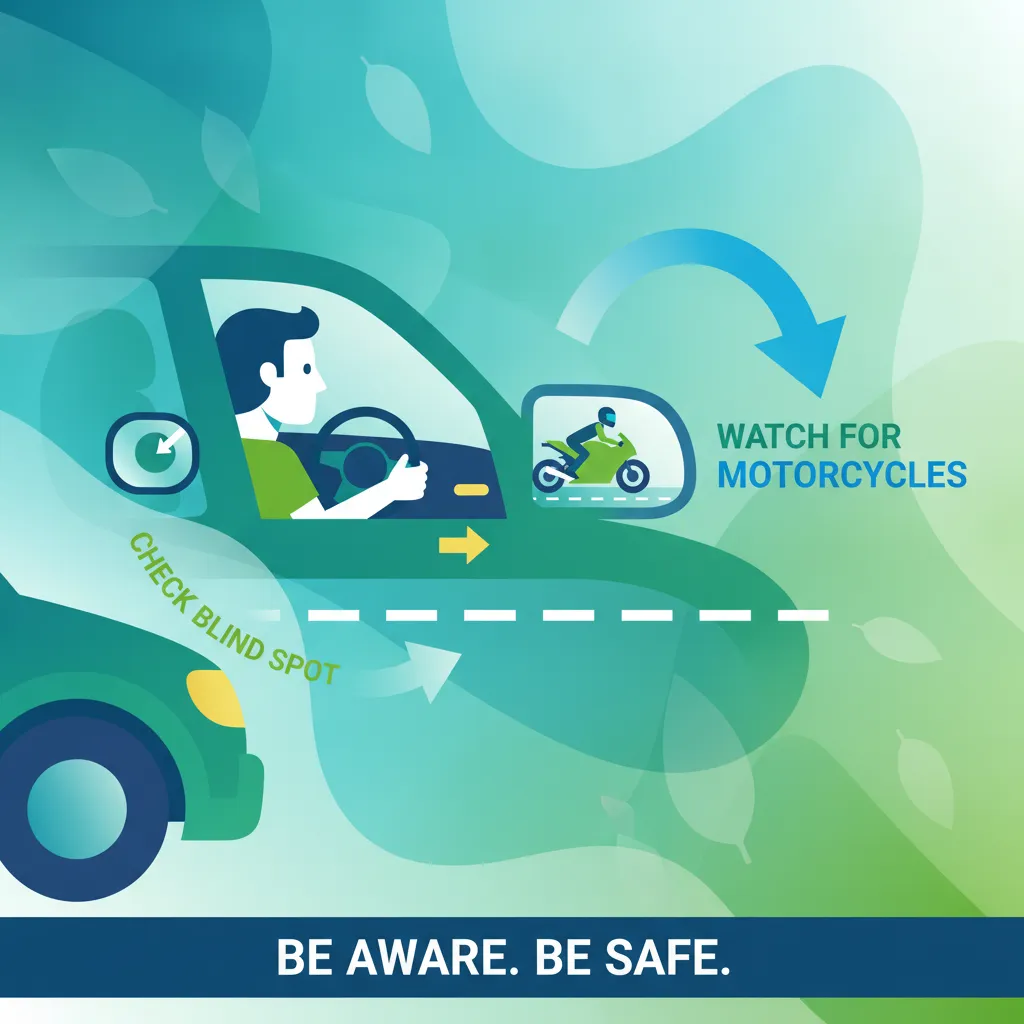
Learners will gain insight into the unique challenges posed by motorcycles and scooters sharing the road with passenger vehicles. The lesson highlights the importance of checking blind spots, maintaining safe following distances, and being aware of the faster acceleration and maneuverability of two-wheeled vehicles. Strategies for anticipating their movements and preventing collisions are discussed.

In this lesson, learners will explore the core obligations of a motorcyclist, emphasizing the necessity of adhering to traffic laws and maintaining respectful conduct toward all road participants. The discussion will focus on the principles of defensive riding, where anticipation of hazards and courteous behavior are paramount. Ethical decision-making will be highlighted as a key factor in preventing accidents and fostering a positive traffic environment.
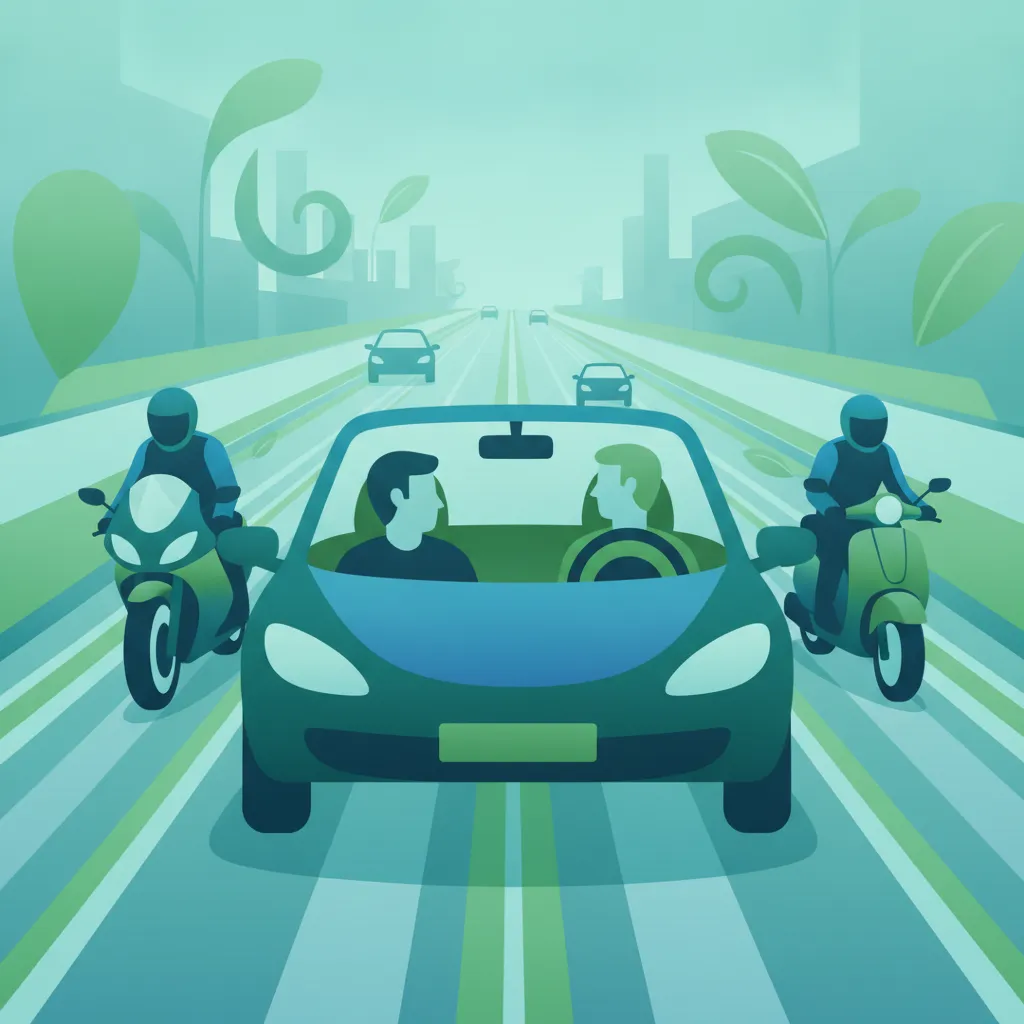
In this lesson, learners explore the unique challenges and safety considerations related to motorcyclists and scooter riders. Topics include the importance of visibility, the use of protective gear, and the need for drivers to be aware of blind spots. The lesson also covers lane discipline for two-wheeled vehicles and safe overtaking practices.
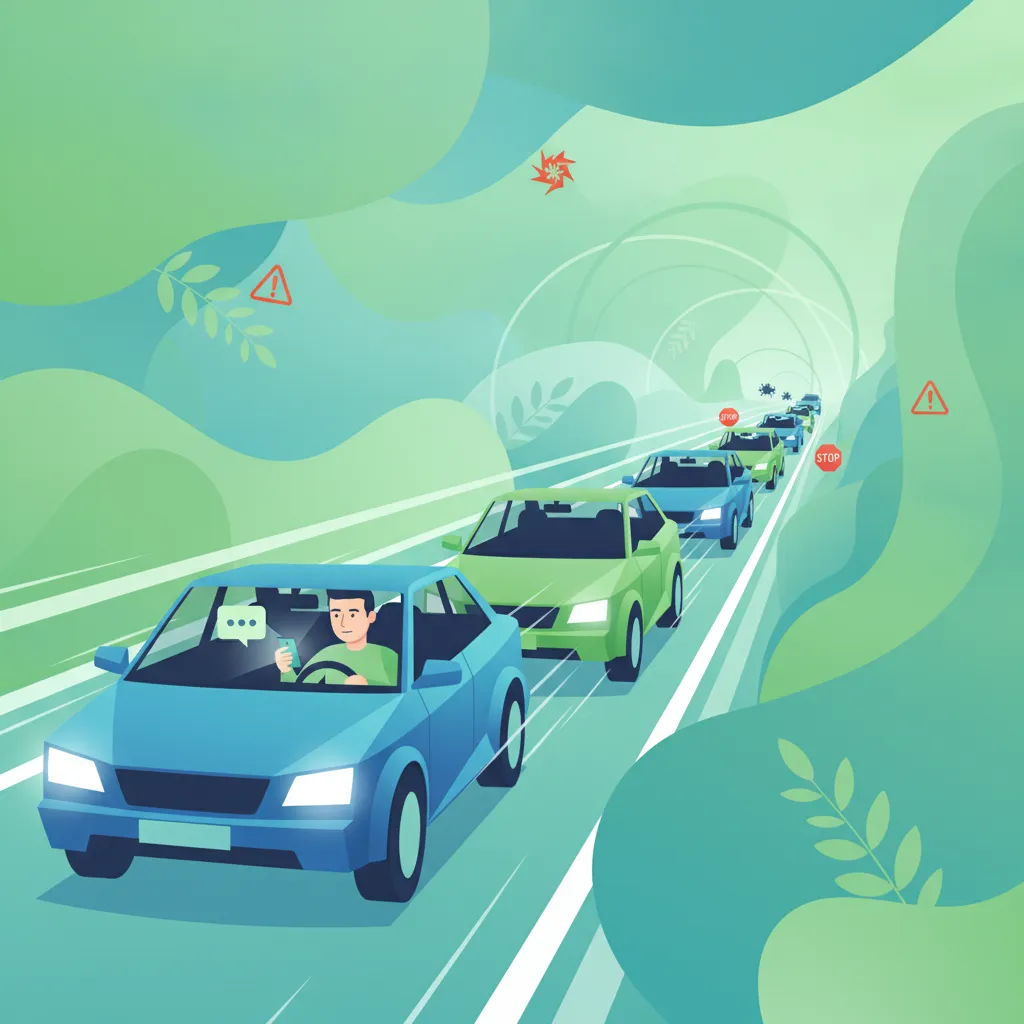
In this lesson, learners will explore the various forms of risk behaviour that can lead to accidents, such as aggressive riding, speeding, riding under the influence of alcohol or drugs, driving while fatigued, and being distracted. The lesson emphasizes the importance of self-awareness, recognizing personal limits, and adopting a safety-first mindset to mitigate these risks and make safe decisions.

In this lesson, learners will gain comprehensive knowledge of safe overtaking maneuvers during riding, emphasizing the importance of assessing traffic flow, checking blind spots, and signaling intentions. The content covers overtaking strategies on both straight roads and curves, considering visibility and speed differentials. By mastering these techniques, motorcyclists can execute overtaking safely.

Riding an exposed lightweight vehicle in busy Turkish cities requires exceptional personal conduct, patience, and absolute control over your emotional reactions. This lesson discusses the psychological aspects of riding, teaching you how to avoid aggressive behaviors and stay calm under stressful traffic situations. It covers proper non-verbal communication, polite road sharing practices, and maintaining safe buffers from other motorists to establish a safe, predictable presence on any public street.
This lesson highlights the critical nature of blind spots for motorcyclists, teaching strategies to recognize and mitigate these hidden areas. Learners will practice techniques for checking blind spots before lane changes and overtaking, ensuring they are fully aware of surrounding traffic. The lesson emphasizes how proper mirroring and head checks can significantly reduce the risk of collisions.
Understand the physics of motorcycle dynamics, focusing on cornering techniques, grip management, and maintaining stability on various road surfaces. This lesson explains how to optimize your riding line, manage traction through curves, and handle the motorcycle with precision to enhance safety during different weather and road conditions.

In this lesson, learners will examine the key factors that affect a motorcycle's stability and overall control, including weight distribution, gyroscopic forces, and rider input. The lesson will cover techniques for maintaining balance during both straight and curved riding, as well as strategies for handling sudden maneuvers or adverse road conditions. Understanding these concepts is crucial for safety.
This lesson covers advanced cornering techniques for motorcyclists, focusing on maintaining optimal grip and stability while navigating bends. Topics include proper body positioning, throttle control, lean angle management, and the importance of entering a turn at the correct speed. Learners will also study how different road surfaces and weather conditions affect cornering dynamics.
A moped's connection to the road is limited to two small tire contact patches, making tyre traction highly sensitive to surface changes. This lesson prepares you to recognize and negotiate hazardous road surfaces such as loose gravel, wet leaves, metal expansion joints, and painted lines. You will learn how to adjust your speed, maintain a vertical riding posture, and avoid sudden steering or braking inputs to prevent low-side falls when traction is severely reduced.
Find clear answers to common questions learners have about Principles of Safe Braking. Learn how the lesson is structured, which driving theory objectives it supports, and how it fits into the overall learning path of units and curriculum progression in Turkey. These explanations help you understand key concepts, lesson flow, and exam focused study goals.
Yes, for maximum stopping efficiency and stability, you should use both the front and rear brakes in a coordinated manner. The front brake provides the majority of your stopping power, while the rear brake helps stabilize the bike and prevents the chassis from diving excessively.
When you brake, weight shifts to the front wheel, increasing its traction while reducing weight on the rear wheel. Understanding this shift helps you apply the right amount of pressure to each brake, preventing the rear wheel from locking up and ensuring you maintain control during a stop.
In the exam, you must account for friction levels. Surfaces like gravel, wet asphalt, or painted road markings provide less grip than dry, clean tarmac. You must always anticipate longer stopping distances and apply brakes more gently on surfaces with poor traction.
The most common mistake is grabbing the front brake too hard and too fast, which can cause the wheel to lock and lead to a loss of control. Always practice progressive, smooth application of the brakes even in emergency situations to maintain maximum tire grip.
Use our comprehensive practice search to find exactly the Turkish driving theory questions you need to master. Whether reviewing specific road signs, traffic rules, or first aid scenarios, select your perfect practice set and boost your confidence for the official ehliyet sınavı.