
This lesson explores the essential physics and mechanical principles governing motorcycle stability and control. By mastering how weight distribution, rider posture, and gyroscopic forces interact, you will build the technical foundation necessary for safe riding and success in your Turkish motorcycle theory examination.

Lesson content overview
Operating a motorcycle safely requires a deep appreciation of the physical laws governing two-wheeled motion. Unlike a multi-track vehicle, a motorcycle is inherently unstable when stationary and relies on a dynamic interplay of physical forces, machine geometry, and precise rider inputs to maintain balance and trajectory.
For riders preparing for their A1, A2, or A category Turkish motorcycle driving licence (Sürücü Belgesi), mastering the science of motorcycle stability is not just an academic exercise—it is a critical requirement under the Turkish Highway Traffic Law (Karayolları Trafik Kanunu) and a fundamental skill for surviving complex traffic environments.
A primary force keeping a motorcycle upright at speed is the gyroscopic effect (jiroskopik etki). This physical phenomenon occurs when a spinning wheel resists any force attempting to change the orientation of its axis of rotation.
The physical tendency of a spinning object, such as a motorcycle wheel, to maintain its axis of rotation and resist changes in direction, which increases in intensity as rotational speed increases.
As the motorcycle’s wheels spin faster, they act as stabilizers, making the motorcycle naturally resistant to tipping over. This explains why a motorcycle is highly stable at highway speeds (e.g., 80 km/h) and requires very little physical effort to keep upright.
A common misconception among student riders is that the gyroscopic effect is sufficient to balance the motorcycle at all speeds. In reality:
The handling characteristics of a motorcycle are heavily dictated by its weight distribution (ağırlık dağılımı) and its center of gravity (ağırlık merkezi).
The center of gravity is the theoretical point where the combined mass of the motorcycle and the rider is concentrated.
When a motorcycle is stationary, its weight is distributed between the front and rear tires (typically close to a 50/50 or 40/60 split depending on the motorcycle type). However, as soon as the motorcycle is in motion, this distribution changes dynamically:
Applying the front brake abruptly while leaning in a turn causes a sudden forward weight transfer. This compresses the front forks, reduces the tire's contact patch margin, and can easily result in a "low-side" crash (where the front tire loses grip and slides out).
Every motorcycle is engineered with a specific steering design that balances stability against steering quickness. This is governed by two key measurements: rake and trail.
The rake angle is the angle of the motorcycle's steering head (forks) relative to a true vertical line.
Trail is the horizontal distance measured along the ground between two points:
Trail acts like the caster on a shopping cart wheel—it pulls the wheel back into alignment behind the steering axis.
To change direction safely at speeds above walking pace (typically above 15–20 km/h), a rider must utilize countersteering (kontra tekniği). This technique is a fundamental requirement of the practical Turkish riding exam and a lifesaver in emergency obstacle-avoidance scenarios.
To turn a motorcycle at speed, you must lean it. The fastest and most stable way to initiate a lean is to momentarily steer the front wheel in the opposite direction of the intended turn:
Look: Scan through the turn and identify your path of travel. Do not look directly down at the road or the front wheel.
Push: To turn left, gently push forward on the left handlebar grip. This momentary steer to the right causes the motorcycle to lean to the left.
Press: To turn right, gently push forward on the right handlebar grip. This momentary steer to the left causes the motorcycle to lean to the right.
Hold and Roll: Once the desired lean angle is achieved, relax pressure on the handlebars, maintain a steady throttle (or roll on slightly) to stabilize the suspension, and follow your line through the curve.
Many novice riders believe they steer a motorcycle simply by leaning their body or turning the handlebars in the direction of the turn. At speeds above 20 km/h, body weight shifting alone is highly inefficient and slow. Deliberate, conscious countersteering is the only reliable method for rapid, high-speed directional changes.
Turkish Traffic Law No. 2918 (Karayolları Trafik Kanunu) mandates strict operational limits regarding motorcycle loading and passenger transport. Violating these rules directly destabilizes the vehicle and is a major cause of severe accidents on Turkish highways.
Every motorcycle registered in Turkey has a specific load limit designated in its official Vehicle Registration Certificate (Araç Tescil Belgesi, commonly known as the Ruhsat).
Transporting a passenger (artçı) completely changes the handling characteristics of a motorcycle. Under Turkish traffic regulations, passenger transport is subject to strict legal conditions:
Failing to manage stability principles often leads to dangerous riding errors. The table below outlines common infractions and the correct physical actions to mitigate risk.
| Improper Action / Violation | Direct Physical Effect | Correct Safety Protocol |
|---|---|---|
| Asymmetrical Loading | Pulls the motorcycle to one side; uneven tire contact patch wear. | Distribute weight evenly in side bags; weigh luggage before departing. |
| Carrying Unapproved Passengers | Severe rear weight bias; front wheel lift (wheelie risk); sluggish steering. | Never carry a passenger on a motorcycle not designed/registered for two. |
| Abrupt Braking in Mid-Turn | Front fork compresses, shortening trail; causes the bike to stand up and run wide. | Finish all heavy braking before entering the turn. If emergency braking is needed in a turn, straighten the bike first if possible. |
| Improper Passenger Body Movement | Passenger leans opposite to the rider, destabilizing the turn angle. | Brief the passenger before the ride: they must remain relaxed and lean with the rider. |
| Over-tight Gripping of Handlebars | Transfers wind blast and body tension into the steering head, causing high-speed instability (weave). | Keep a relaxed grip on the handlebars; grip the tank with your knees to support your torso. |
A motorcycle’s stability is only as good as its traction. Changes in the environment require immediate adjustments to your riding style to maintain control.
In rainy weather—highly common across different regions of Turkey, such as the rainy Black Sea coast or winter conditions in Central Anatolia—the road friction coefficient drops significantly.
On rural roads in Turkey, riders frequently encounter loose surface gravel, known locally as mıcır.
Strong crosswinds (such as those encountered on suspension bridges in Istanbul or wide plains in Central Turkey) can push the motorcycle off course.
To successfully pass the Turkish motorcycle theory exam and operate safely on the road, memorize these foundational mechanics:
This lesson covers the fundamental physics of motorcycle stability for Turkish motorcycle theory candidates, explaining how gyroscopic forces stabilize the bike at speed while requiring active balance control at low speeds. It details weight transfer dynamics during acceleration, braking, and cornering, and introduces steering geometry concepts (rake and trail) that govern stability versus agility. The countersteering technique is broken down step-by-step as the essential method for initiating turns above 20 km/h. Additionally, the lesson covers Turkish legal requirements under Traffic Law No. 2918 for load limits and passenger transport, environmental adaptations for wet roads, loose gravel (mıcır), and crosswinds commonly encountered in Turkey, and provides practical scenarios for mountain bends and highway obstacle avoidance.
A short set of high-value points that capture the most important learning from this lesson.
Gyroscopic force from spinning wheels stabilizes motorcycles at speed but provides minimal balance below 15–20 km/h, requiring active rider control at low speeds
Weight transfer during acceleration loads the rear tire while braking loads the front tire, fundamentally altering steering response and traction
Countersteering is the only reliable method for initiating turns above walking pace: pushing the left handlebar causes the bike to lean left
Steering geometry (rake angle and trail) determines the trade-off between high-speed stability and quick handling responsiveness
Overloading a motorcycle or carrying an unregistered passenger shifts the center of gravity and directly violates Turkish Traffic Law No. 2918
Explore all units and lessons included in this driving theory course.
Below 20 km/h, gyroscopic stability is insufficient; balance must be actively maintained through throttle, rear brake, and body positioning
Abrupt front braking while leaned in a turn compresses the forks, reduces tire contact patch, and risks a low-side crash
Cargo must be balanced symmetrically and placed low to avoid raising the center of gravity and destabilizing the chassis
Countersteering step sequence: look through the turn, push the opposite handlebar to initiate lean, hold throttle steady, then follow the line
Mıcır (loose gravel) on Turkish rural roads requires relaxed arms, steady speed, and no abrupt steering inputs
Believing that body leaning alone can steer a motorcycle efficiently at highway speeds without countersteering input
Braking hard while already leaned in a curve, causing the front fork to compress and the bike to stand up and run wide
Asymmetrically loading a motorcycle with luggage on one side, creating uneven tire contact and unpredictable handling
Carrying a passenger on a single-rider motorcycle, which shifts weight rearward and upward, lightening the front wheel
Over-tightening handlebar grip, which transfers wind blast and body tension into the steering head causing high-speed instability
Lesson content overview
A short set of high-value points that capture the most important learning from this lesson.
Gyroscopic force from spinning wheels stabilizes motorcycles at speed but provides minimal balance below 15–20 km/h, requiring active rider control at low speeds
Weight transfer during acceleration loads the rear tire while braking loads the front tire, fundamentally altering steering response and traction
Countersteering is the only reliable method for initiating turns above walking pace: pushing the left handlebar causes the bike to lean left
Steering geometry (rake angle and trail) determines the trade-off between high-speed stability and quick handling responsiveness
Overloading a motorcycle or carrying an unregistered passenger shifts the center of gravity and directly violates Turkish Traffic Law No. 2918
Explore all units and lessons included in this driving theory course.
Below 20 km/h, gyroscopic stability is insufficient; balance must be actively maintained through throttle, rear brake, and body positioning
Abrupt front braking while leaned in a turn compresses the forks, reduces tire contact patch, and risks a low-side crash
Cargo must be balanced symmetrically and placed low to avoid raising the center of gravity and destabilizing the chassis
Countersteering step sequence: look through the turn, push the opposite handlebar to initiate lean, hold throttle steady, then follow the line
Mıcır (loose gravel) on Turkish rural roads requires relaxed arms, steady speed, and no abrupt steering inputs
Believing that body leaning alone can steer a motorcycle efficiently at highway speeds without countersteering input
Braking hard while already leaned in a curve, causing the front fork to compress and the bike to stand up and run wide
Asymmetrically loading a motorcycle with luggage on one side, creating uneven tire contact and unpredictable handling
Carrying a passenger on a single-rider motorcycle, which shifts weight rearward and upward, lightening the front wheel
Over-tightening handlebar grip, which transfers wind blast and body tension into the steering head causing high-speed instability
Explore search topics learners often look for when studying Motorcycle Stability and Control. These topics reflect common questions about road rules, driving situations, safety guidance, and lesson level theory preparation for learners in Turkey.
Browse additional driving theory lessons that cover connected traffic rules, road signs, and common driving situations related to this topic. Improve your understanding of how different rules interact across everyday traffic scenarios.
Learn how to anticipate hazards and implement proactive defensive riding measures on Turkish roads. This lesson explores risk behaviour management, emergency awareness, and strategic positioning to improve safety and avoid common traffic accidents as mandated by official driving theory and traffic conventions.

In this lesson, learners will discover the principles of defensive riding, focusing on hazard anticipation, maintaining safe distances, and practicing proactive avoidance techniques. It emphasizes developing a vigilant riding posture, constantly scanning the environment, and preparing to react to potential dangers from other road users, road conditions, or unexpected traffic events.

In this lesson, learners will explore the various forms of risk behaviour that can lead to accidents, such as aggressive riding, speeding, riding under the influence of alcohol or drugs, driving while fatigued, and being distracted. The lesson emphasizes the importance of self-awareness, recognizing personal limits, and adopting a safety-first mindset to mitigate these risks and make safe decisions.

Defensive riding is the practice of anticipating potential road conflicts and acting early to prevent accidents before they occur. This lesson teaches you how to systematically scan the road ahead for changing conditions, keep an adequate safety cushion around your moped, and pre-plan exit routes in tight spots. You will learn to assume you are invisible to other drivers and adapt your speed and road position proactively to protect yourself against sudden maneuvers.

In this lesson, learners will gain comprehensive knowledge of safe overtaking maneuvers during riding, emphasizing the importance of assessing traffic flow, checking blind spots, and signaling intentions. The content covers overtaking strategies on both straight roads and curves, considering visibility and speed differentials. By mastering these techniques, motorcyclists can execute overtaking safely.

In this lesson, learners will explore the core obligations of a motorcyclist, emphasizing the necessity of adhering to traffic laws and maintaining respectful conduct toward all road participants. The discussion will focus on the principles of defensive riding, where anticipation of hazards and courteous behavior are paramount. Ethical decision-making will be highlighted as a key factor in preventing accidents and fostering a positive traffic environment.
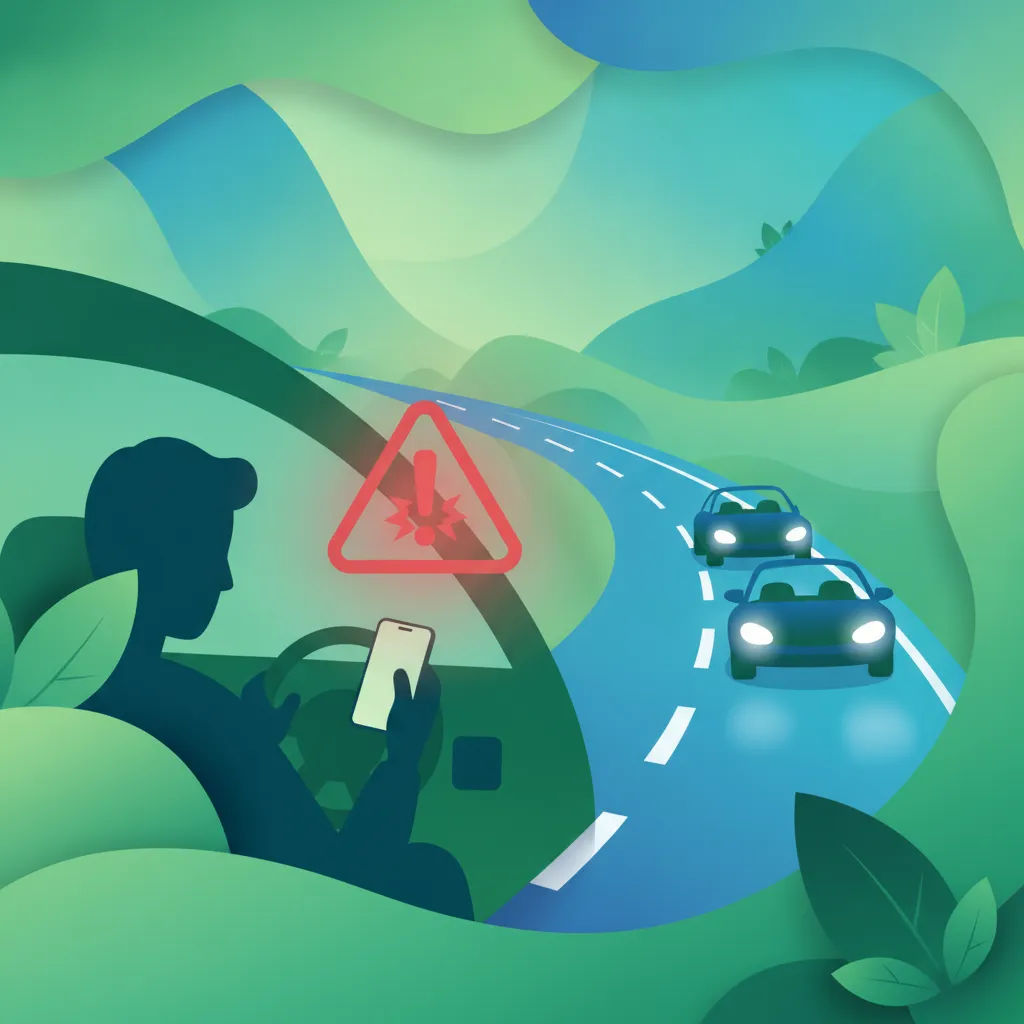
Human error and deliberate risk-taking represent the leading causes of traffic collisions among novice moped riders. This lesson analyzes the high dangers of using mobile phones while riding, weaving unsafely between lanes, and tailgating other motorists. It also covers the severe legal limits on alcohol and drug consumption under Turkish law, explaining how even minor impairments can drastically slower your hazard response times and lead to catastrophic accidents.

This lesson highlights the critical nature of blind spots for motorcyclists, teaching strategies to recognize and mitigate these hidden areas. Learners will practice techniques for checking blind spots before lane changes and overtaking, ensuring they are fully aware of surrounding traffic. The lesson emphasizes how proper mirroring and head checks can significantly reduce the risk of collisions.

This lesson covers advanced cornering techniques for motorcyclists, focusing on maintaining optimal grip and stability while navigating bends. Topics include proper body positioning, throttle control, lean angle management, and the importance of entering a turn at the correct speed. Learners will also study how different road surfaces and weather conditions affect cornering dynamics.
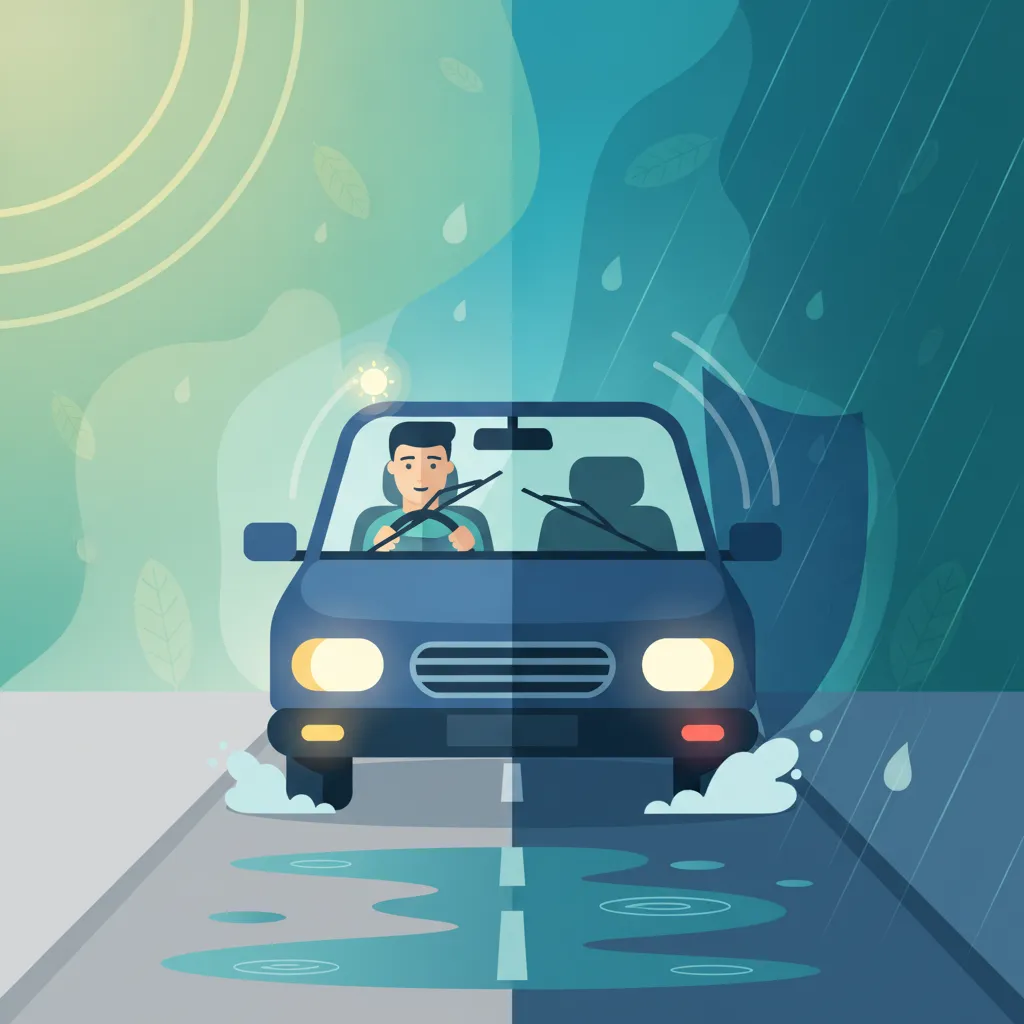
In this lesson, learners will explore the challenges presented by various weather conditions, such as rain, wind, fog, and temperature extremes, and how they affect motorcycle handling and safety. Topics covered include adjusting riding techniques for reduced traction, maintaining visibility in low-light or foggy conditions, and managing physical wind effects. The lesson emphasizes adjusting speed and braking.

Riding an exposed lightweight vehicle in busy Turkish cities requires exceptional personal conduct, patience, and absolute control over your emotional reactions. This lesson discusses the psychological aspects of riding, teaching you how to avoid aggressive behaviors and stay calm under stressful traffic situations. It covers proper non-verbal communication, polite road sharing practices, and maintaining safe buffers from other motorists to establish a safe, predictable presence on any public street.
Understand the specific challenges of operating a motorcycle in urban environments, including navigating complex intersections and busy traffic lanes. This theory lesson explains safe lane positioning, blind spot management, and the application of traffic rules required for successful riding in dense metropolitan areas in Türkiye.

In this lesson, learners will master the skills required to safely navigate various types of intersections encountered in Turkish urban settings. The content covers interpreting traffic signals, understanding right-of-way rules, and executing proper lane positioning. Practical strategies for managing blind spots and ensuring visibility to other road users are emphasized. By the end of this session, participants will be equipped with safe crossing techniques.
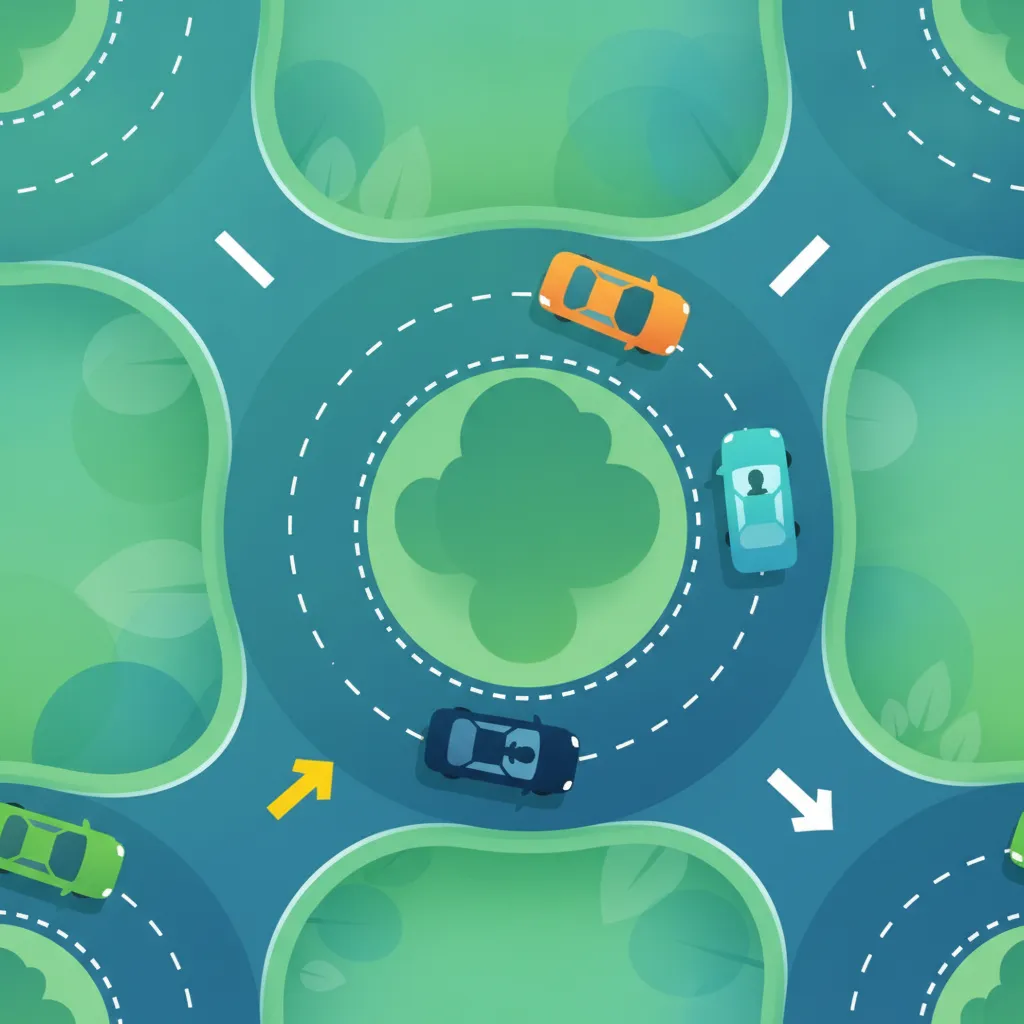
This lesson delves into the specific challenges and procedures associated with navigating roundabouts on a motorcycle. It outlines the importance of approaching at a safe speed, selecting the correct lane, and yielding to vehicles already within the roundabout. The content also covers the proper use of signals when exiting and emphasizes the need for heightened awareness of blind spots, especially when larger vehicles are present.

In this lesson, learners will explore the functioning of traffic lights and their impact on motorcycle riding. It delves into the meanings of red, amber, and green lights, as well as dedicated turn arrows and pedestrian signals. The lesson highlights specific considerations for motorcyclists at intersections, such as the appropriate response to amber lights, the use of turn arrows for safe lane changes, and legal crossing obligations.

Intersections represent the highest-risk zones for moped riders due to crossing traffic paths and poor visibility. This lesson teaches you the structured approach method: slowing down, selecting the correct lane early, scanning in all directions, and yielding according to priority laws. You will learn safe techniques for executing left and right turns, maintaining stability, and continuously looking out for oncoming vehicles that might fail to yield or turn unexpectedly across your path.

In this lesson, learners will discover the principles of optimal lane positioning that enhance both rider visibility and predictability to other road users. The content focuses on selecting the correct lane within various traffic scenarios, such as approaching intersections, navigating curves, and during overtaking. By maintaining appropriate lane placement, riders can minimize blind spots and improve reaction times.

Low-speed riding maneuvers require precise coordination of throttle control, body balance, and subtle steering inputs to maintain vehicle stability. This lesson guides you through techniques for performing tight U-turns, navigating dense traffic queues, and parking your moped safely in designated urban areas. Additionally, you will learn to scan for immediate hazards, allowing you to execute steering corrections smoothly without risking tip-overs or collisions with low obstacles.
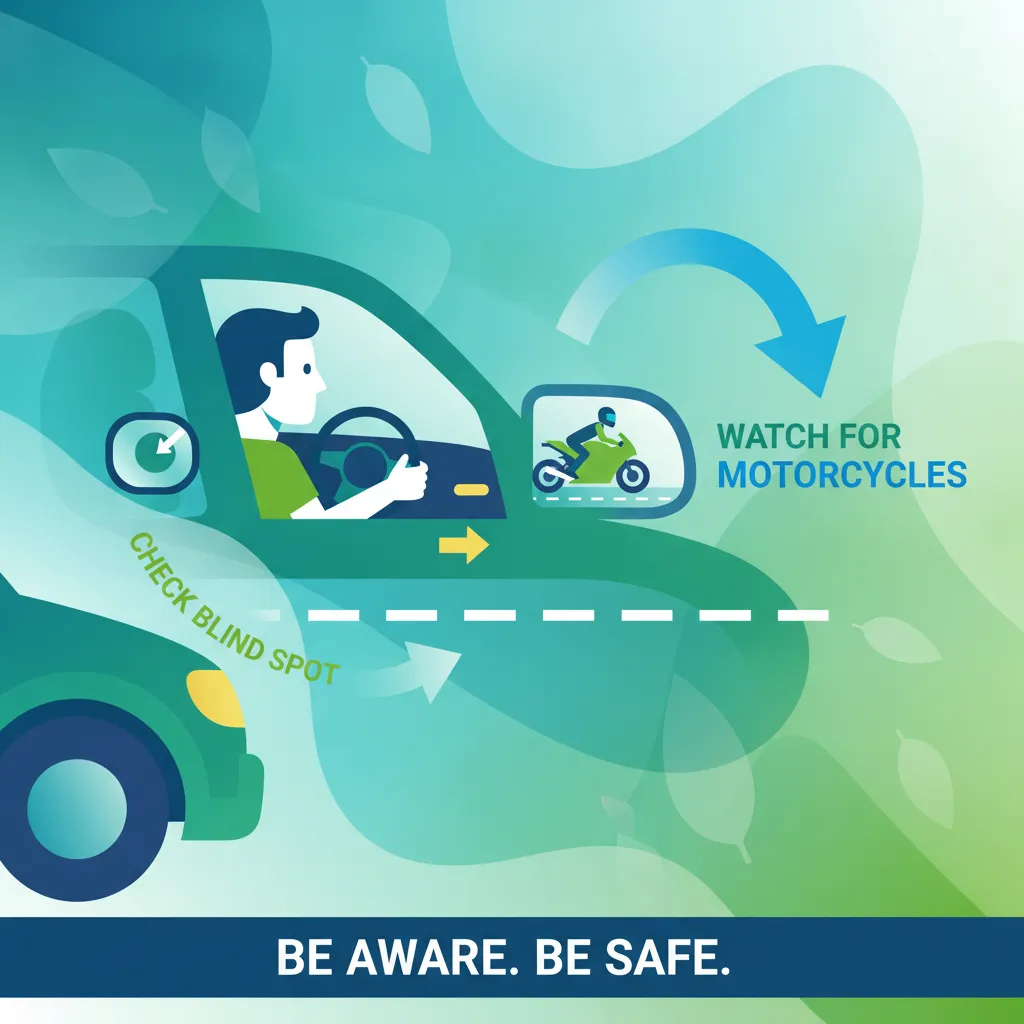
Learners will gain insight into the unique challenges posed by motorcycles and scooters sharing the road with passenger vehicles. The lesson highlights the importance of checking blind spots, maintaining safe following distances, and being aware of the faster acceleration and maneuverability of two-wheeled vehicles. Strategies for anticipating their movements and preventing collisions are discussed.

Proper road positioning is your primary shield against being squeezed, sideswiped, or overlooked by larger motor vehicles in daily traffic. This lesson explains how to ride in the center or slightly off-center of your lane to prevent unsafe overtaking within the same lane. You will study how to identify the massive blind spots of buses and trucks, maintain appropriate following distances, and execute overtaking maneuvers with maximum safety margin and clear signal warning.
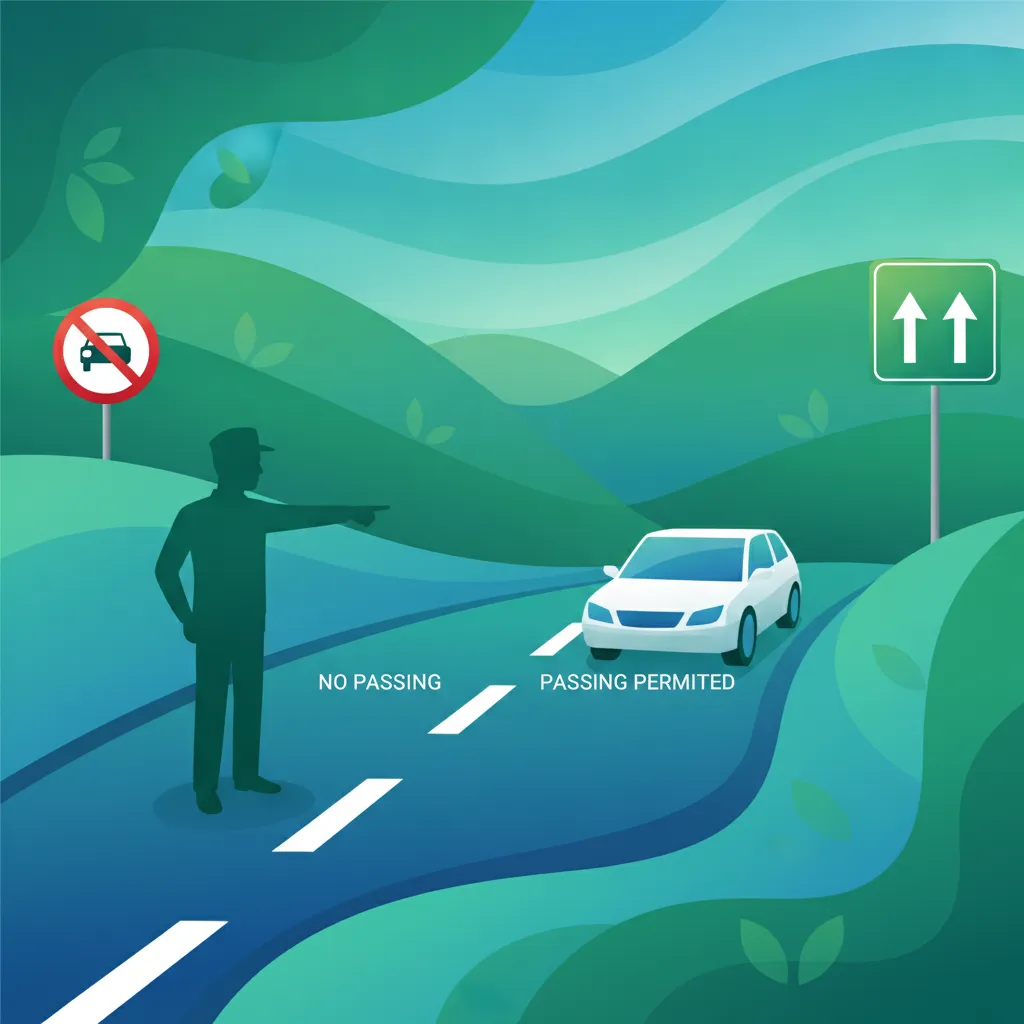
This lesson covers the various road surface markings that motorcyclists must be aware of, such as lane lines, turn arrows, and dedicated bike lanes. It explains how to interpret solid and broken lines, the meaning of specific arrows for turning or lane changes, and the significance of pedestrian crossing markings. Understanding these visual cues is essential for maintaining lane discipline and performing safe road maneuvers.

Managing your speed effectively is not just about obeying posted legal limits; it is about adjusting your pace to the immediate traffic context. This lesson teaches you how to evaluate traffic density, pedestrian presence, and blind corners to select an appropriate speed that guarantees safe stopping distances. You will learn to anticipate flow fluctuations, allowing you to avoid sudden, unstable speed changes that can compromise your balance and traction in mixed traffic.
Find clear answers to common questions learners have about Motorcycle Stability and Control. Learn how the lesson is structured, which driving theory objectives it supports, and how it fits into the overall learning path of units and curriculum progression in Turkey. These explanations help you understand key concepts, lesson flow, and exam focused study goals.
Rider position is crucial for shifting the center of gravity. In the theory exam, remember that improper body position during cornering or braking can compromise the bike's stability, reducing your control and increasing the risk of loss of traction.
Gyroscopic forces are created by the rotating wheels and help maintain the motorcycle's upright stability. As speed increases, these forces become more pronounced, making the bike inherently more stable than when traveling at very low speeds.
Weight transfer during braking shifts load to the front wheel, increasing front tire grip while potentially reducing rear tire grip. Understanding this helps you answer exam questions about optimal stopping distances and braking techniques on different surfaces.
Yes, the principles of physics, balance, and control apply universally to A1, A2, and A category vehicles. Regardless of engine size, mastering these fundamental control concepts is essential for both your theory exam and real-world safety.
Use our comprehensive practice search to find exactly the Turkish driving theory questions you need to master. Whether reviewing specific road signs, traffic rules, or first aid scenarios, select your perfect practice set and boost your confidence for the official ehliyet sınavı.