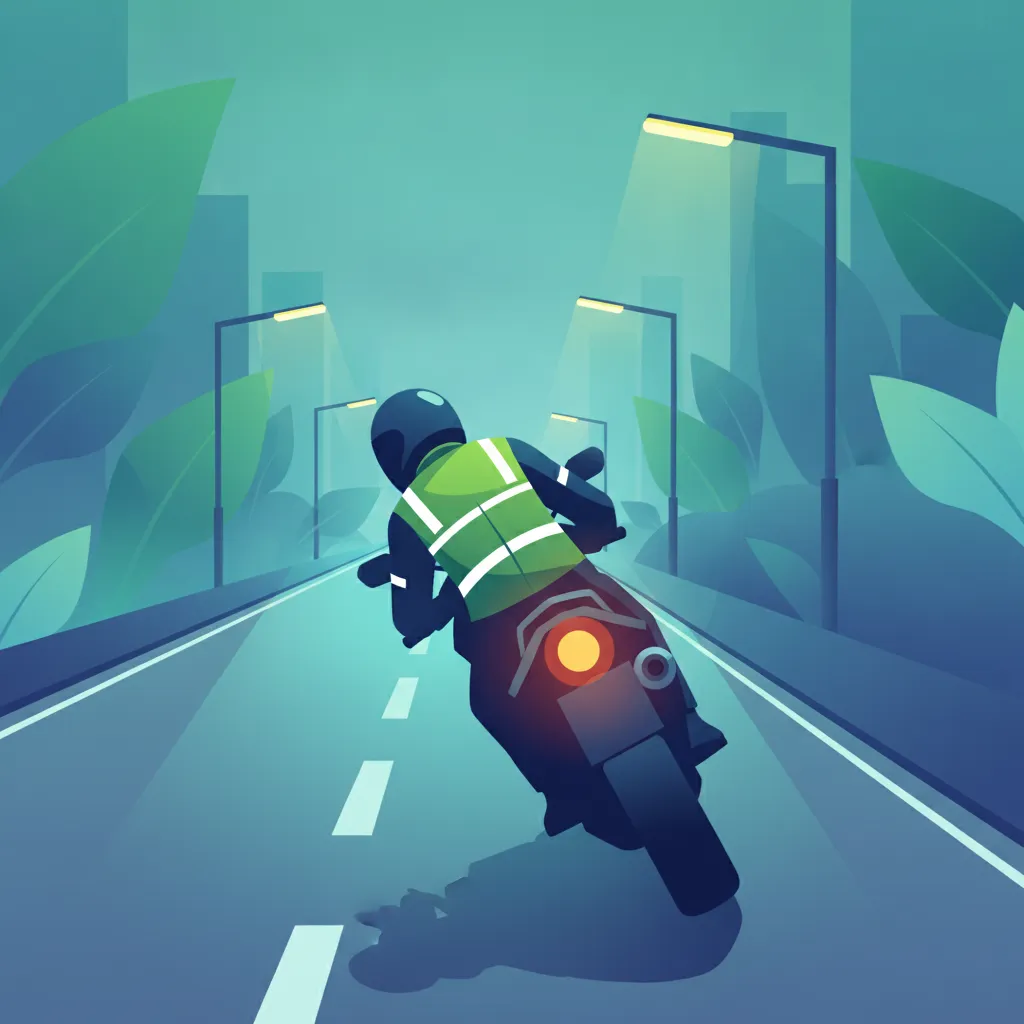
This lesson focuses on the unique challenges motorcyclists face when riding after dark, covering essential techniques to keep you visible and safe. Building on your knowledge of protective equipment and road rules, we explore how to manage low-light environments, headlight usage, and fatigue to ensure you are fully prepared for the nighttime scenarios in the Turkish theory exam.
Lesson content overview
Riding a motorcycle after dark presents a unique set of physical and sensory challenges. For riders preparing for the Motorcycle Driving Theory for Turkish Licences (covering A1, A2, and A categories), mastering night riding visibility and safety is not just a theoretical requirement—it is a critical survival skill.
While motorcycles make up a small percentage of overall registered vehicles on Turkish roads, they are disproportionately represented in night-time collisions. This lesson provides an in-depth look at the physics of night vision, legal requirements under Turkish traffic law, equipment standards, and defensive tactics to keep you safe when the sun goes down.
Human vision is naturally optimized for daylight. At night, our eyes must rely on "rod cells" (which detect light and motion but lack color precision and sharp detail) rather than "cone cells" (which handle color and sharp detail in bright light).
This biological shift creates several immediate hazards for motorcyclists:
Because motorcycles have a single headlamp, other road users often misjudge your speed and distance, frequently assuming you are a distant car with one broken headlight. Maximizing your active and passive visibility is your primary line of defense.
Under the Turkish Highway Traffic Regulation (Karayolları Trafik Yönetmeliği), proper headlight operation is strictly mandated to ensure you can see the road ahead and are clearly visible to others.
In Turkish traffic terminology, headlights are divided into two main categories:
Low Beams (Kısa Farlar)   =========> [25 Metres] (Illuminates downward)
High Beams (Uzun Farlar)  ======================================> [100 Metres] (Illuminates level/far)
Common Violation: Keeping high beams active in oncoming traffic is a serious violation under Turkish Traffic Law. It can cause temporary blindness (göz kamaşması) for oncoming drivers, potentially causing them to drift directly into your path. Always switch to low beams early when you see oncoming headlights or the taillights of a vehicle ahead.
Passive visibility—making yourself easy to spot when another vehicle's headlights shine on you—is a key safety pillar. Turkey has introduced strict legislative measures regarding reflective equipment for two-wheeler operators.
Following amendments to the Turkish Highway Traffic Regulation, it is legally mandatory for motorcycle, moped, and bicycle riders to wear reflective vests, jackets, or high-visibility apparel when riding at night (between sunset and sunrise).
This clothing must feature retroreflective strips that bounce light directly back to its source (the headlights of other cars).
In addition to the vest, helmets used during night riding should feature high-quality reflective stickers. Under international safety standards recognized by Turkish regulatory authorities (such as ECE 22.05 or ECE 22.06), helmets should ideally have reflective elements distributed across all sides (front, back, left, and right) covering a substantial portion of the surface.
Unlike standard white or bright fabrics, retroreflective materials contain micro-prisms or glass beads. When a car's headlamp strikes these materials, the light is not scattered; instead, it is focused and sent directly back to the driver's eyes.
This increases the distance at which a driver can identify you from roughly 30 metres (in dark clothing) to over 150 metres, giving them ample time to react.
Under low-light conditions, your ability to read the road ahead depends entirely on how well your headlight illuminates traffic signs and road markings (yol çizgileri).
Turkish state highways (Devlet yolları) and motorways utilize high-performance retroreflective sheeting on signs and thermoplastic paint embedded with glass beads for road lines. To navigate safely at night, focus on:
Dirty Headlights Cut Light Output: Dirt, road grime, or dried mud on your headlight lens can block up to 50% of its light output. Always wipe your headlight lens, turn signals, and helmet visor clean before departing on a night ride.
One of the most dangerous moments during a night ride is encountering a vehicle with improperly adjusted headlights or high beams that dazzle your vision. This intense glare can leave you with "shadow blindness" for several seconds after the vehicle passes.
If you are faced with blinding oncoming lights, do not panic or look directly at the source. Use the following technique:
Shift Your Gaze: Divert your eyes away from the oncoming headlights. Look down and to the right toward the solid white edge line (the fog line or banket çizgisi).
Use Peripheral Vision: Monitor the oncoming vehicle's position using your peripheral vision. Do not stare at it.
Reduce Speed: Ease off the throttle slightly. Because your forward vision is compromised, reducing your speed gives you more reaction time if there is a hazard ahead in your lane.
Adjust Lane Position: Position your motorcycle in the center or right-of-center portion of your lane (dominant lane position) to maximize lateral safety space between you and the oncoming vehicle.
Avoid Retaliation: Never turn on your high beams in retaliation. Blinding the other driver only increases the risk that they will lose control and crash into you.
Fatigue is a silent hazard that degrades a rider's reaction time, physical coordination, and decision-making capabilities. At night, the natural circadian rhythm of the human body induces drowsiness, which is accelerated by the monotonous hum of the motorcycle engine and the lack of visual stimuli outside your headlight beam.
As a motorcycle rider, you must actively monitor yourself for these warning signs:
Unlike car drivers, motorcyclists do not have a steel cage or seatbelts to protect them if they fall asleep. Prevention is your only option:
Night riding risks are not static; they change based on external environment variables:
| Scenario / Variable | Hazard Amplification | Required Defensive Action |
|---|---|---|
| Rain or Wet Asphalt | Water absorbs headlight beams and reflects oncoming light like a mirror, doubling the glare effect. | Reduce speed significantly, increase following distance, and avoid looking directly at wet road reflections. |
| Rural Roads (Köy Yolları) | Presence of unlit agricultural vehicles (tractors without working lights), stray animals, or unexpected potholes. | Ride at a speed that allows you to stop completely within the distance illuminated by your low-beams. |
| Fog / Mist (Sis) | High beams reflect off water droplets in the air, creating a white wall of blinding light. | Use low beams only. Ride at low speeds, following reflective lane markers closely. |
| Dirty Headlight Lens | Caked dust or grime diffuses the beam, reducing forward visibility and scattering light to other drivers. | Clean your light lenses and mirrors at every fuel stop. |
Explore all units and lessons included in this driving theory course.
Lesson content overview
Explore all units and lessons included in this driving theory course.
Explore search topics learners often look for when studying Night Riding Visibility and Safety. These topics reflect common questions about road rules, driving situations, safety guidance, and lesson level theory preparation for learners in Turkey.
Browse additional driving theory lessons that cover connected traffic rules, road signs, and common driving situations related to this topic. Improve your understanding of how different rules interact across everyday traffic scenarios.
Learn proactive defensive riding techniques to manage risks during night travel in Turkey. This lesson covers identifying common hazards like stray animals and unlit vehicles while maintaining safety margins and situational awareness in low-light environments.

In this lesson, learners will discover the principles of defensive riding, focusing on hazard anticipation, maintaining safe distances, and practicing proactive avoidance techniques. It emphasizes developing a vigilant riding posture, constantly scanning the environment, and preparing to react to potential dangers from other road users, road conditions, or unexpected traffic events.
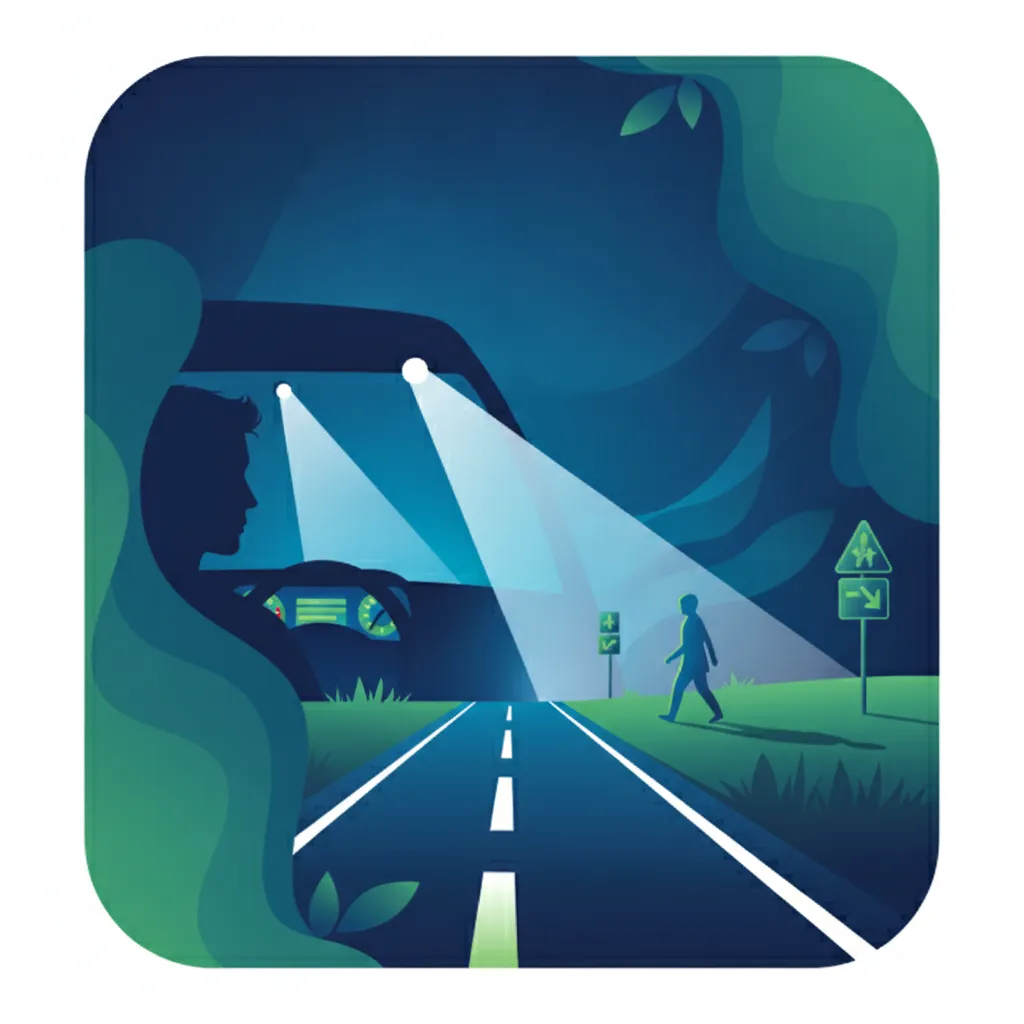
This lesson covers the unique challenges of nighttime driving, focusing on reduced visual perception, headlight glare, and driver fatigue. It explains how to adjust speed to remain within the headlight beam range and react to poorly illuminated road hazards. Motorists will learn techniques to maintain maximum focus and safety after sunset.

Defensive riding is the practice of anticipating potential road conflicts and acting early to prevent accidents before they occur. This lesson teaches you how to systematically scan the road ahead for changing conditions, keep an adequate safety cushion around your moped, and pre-plan exit routes in tight spots. You will learn to assume you are invisible to other drivers and adapt your speed and road position proactively to protect yourself against sudden maneuvers.
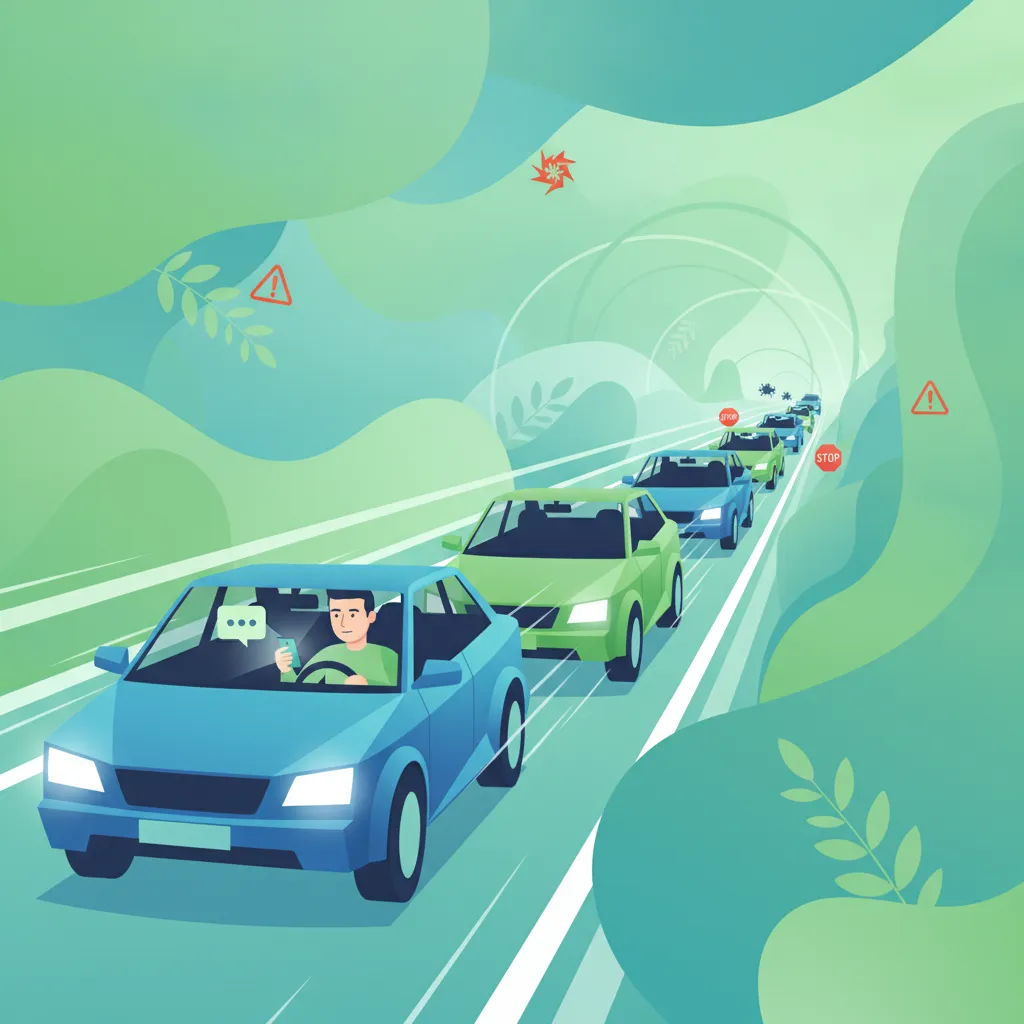
In this lesson, learners will explore the various forms of risk behaviour that can lead to accidents, such as aggressive riding, speeding, riding under the influence of alcohol or drugs, driving while fatigued, and being distracted. The lesson emphasizes the importance of self-awareness, recognizing personal limits, and adopting a safety-first mindset to mitigate these risks and make safe decisions.
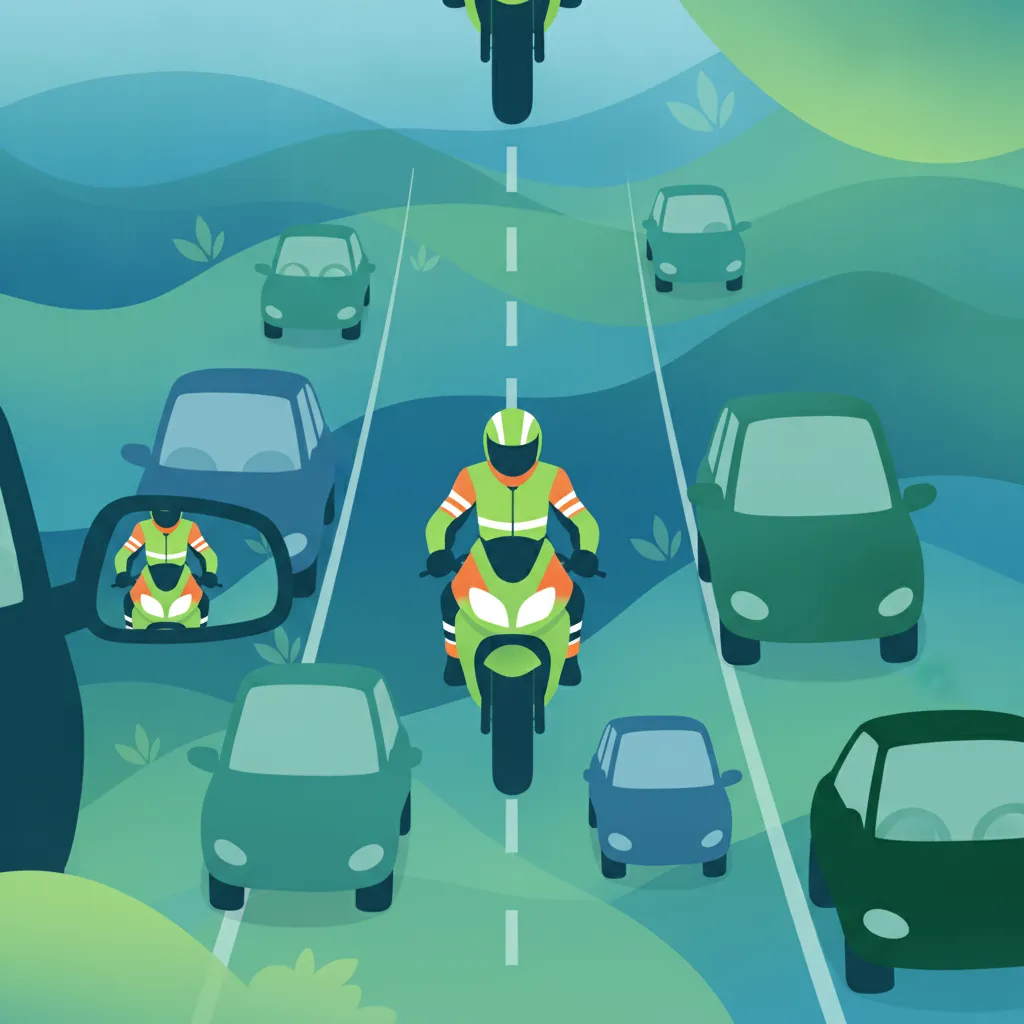
This lesson emphasizes the importance of rider visibility, illustrating how high-visibility clothing and reflective accessories can significantly reduce the risk of collisions. Learners will discover effective strategies for being noticed by other road users, such as using bright colors, reflective strips, and appropriate lighting, especially during adverse weather or nighttime riding. The content also outlines best practices for maintenance.
This lesson highlights the critical nature of blind spots for motorcyclists, teaching strategies to recognize and mitigate these hidden areas. Learners will practice techniques for checking blind spots before lane changes and overtaking, ensuring they are fully aware of surrounding traffic. The lesson emphasizes how proper mirroring and head checks can significantly reduce the risk of collisions.

In this lesson, learners will explore the challenges presented by various weather conditions, such as rain, wind, fog, and temperature extremes, and how they affect motorcycle handling and safety. Topics covered include adjusting riding techniques for reduced traction, maintaining visibility in low-light or foggy conditions, and managing physical wind effects. The lesson emphasizes adjusting speed and braking.
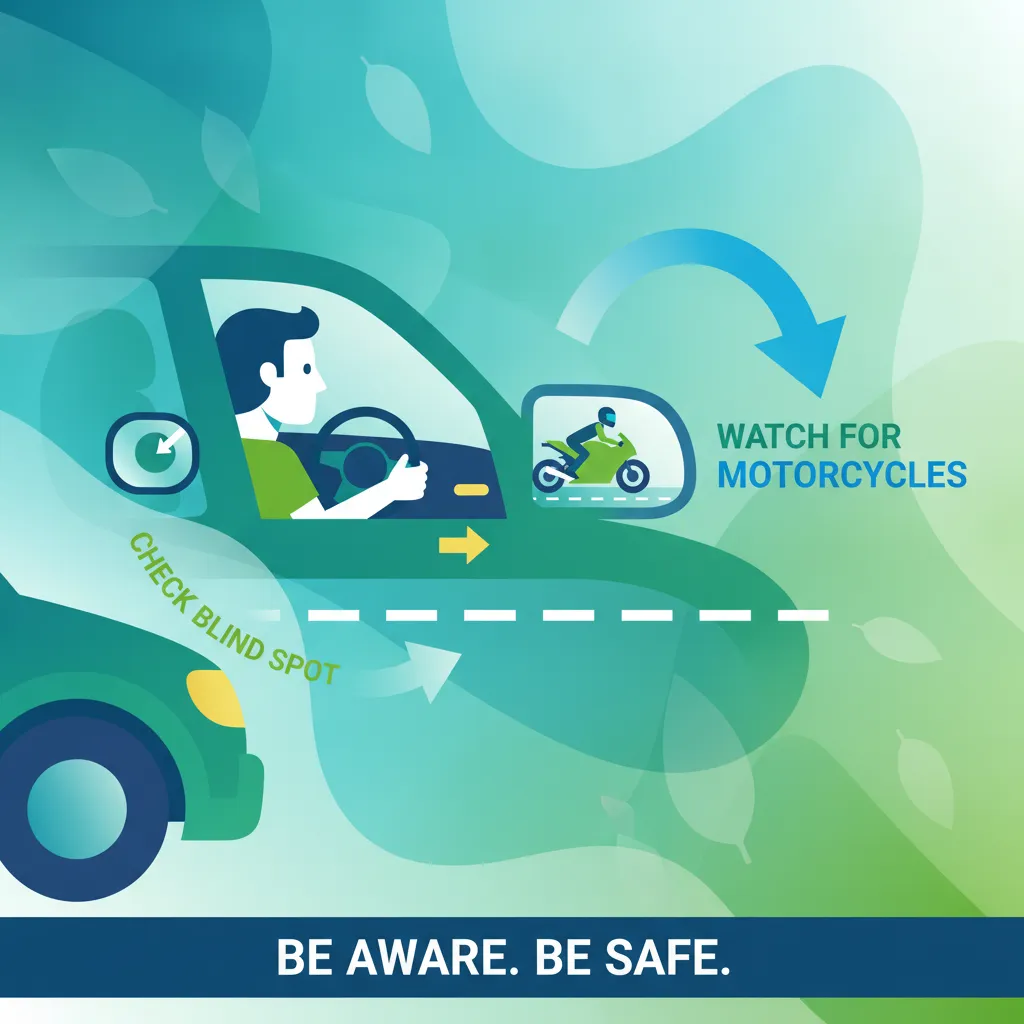
Learners will gain insight into the unique challenges posed by motorcycles and scooters sharing the road with passenger vehicles. The lesson highlights the importance of checking blind spots, maintaining safe following distances, and being aware of the faster acceleration and maneuverability of two-wheeled vehicles. Strategies for anticipating their movements and preventing collisions are discussed.
Human error and deliberate risk-taking represent the leading causes of traffic collisions among novice moped riders. This lesson analyzes the high dangers of using mobile phones while riding, weaving unsafely between lanes, and tailgating other motorists. It also covers the severe legal limits on alcohol and drug consumption under Turkish law, explaining how even minor impairments can drastically slower your hazard response times and lead to catastrophic accidents.

In this lesson, learners will gain comprehensive knowledge of safe overtaking maneuvers during riding, emphasizing the importance of assessing traffic flow, checking blind spots, and signaling intentions. The content covers overtaking strategies on both straight roads and curves, considering visibility and speed differentials. By mastering these techniques, motorcyclists can execute overtaking safely.
Explore the specific regulations and safety considerations for riding motorcycles on high-speed roads and motorways in Turkey. Understand lane positioning, motorway speed limits, and handling the increased physical demands of sustained high-speed travel.
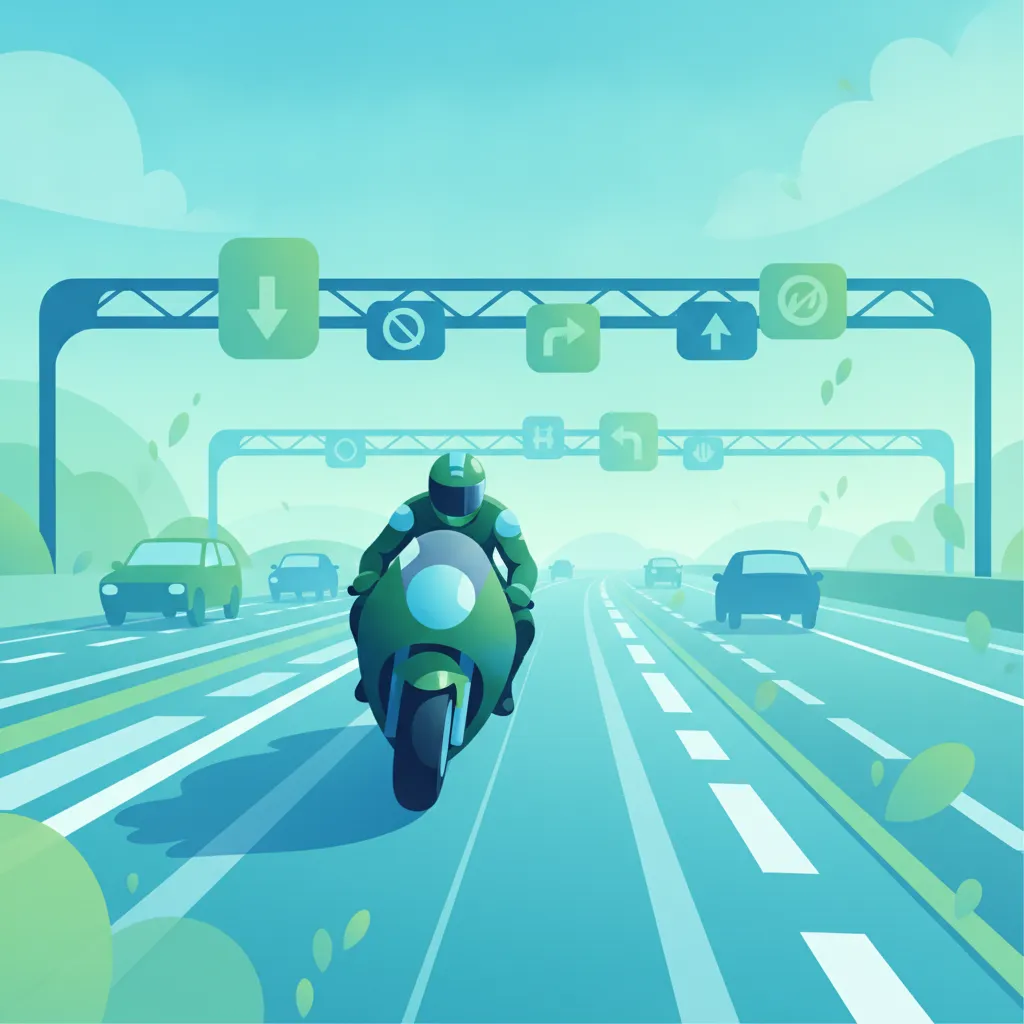
In this lesson, learners will focus on the specific considerations and safety practices required when riding motorcycles on high-speed roads and motorways. Topics covered include maintaining appropriate lane discipline, safe overtaking at high speeds, dealing with increased wind resistance, and the importance of accurate speed control and appropriate following distances on faster roadways.
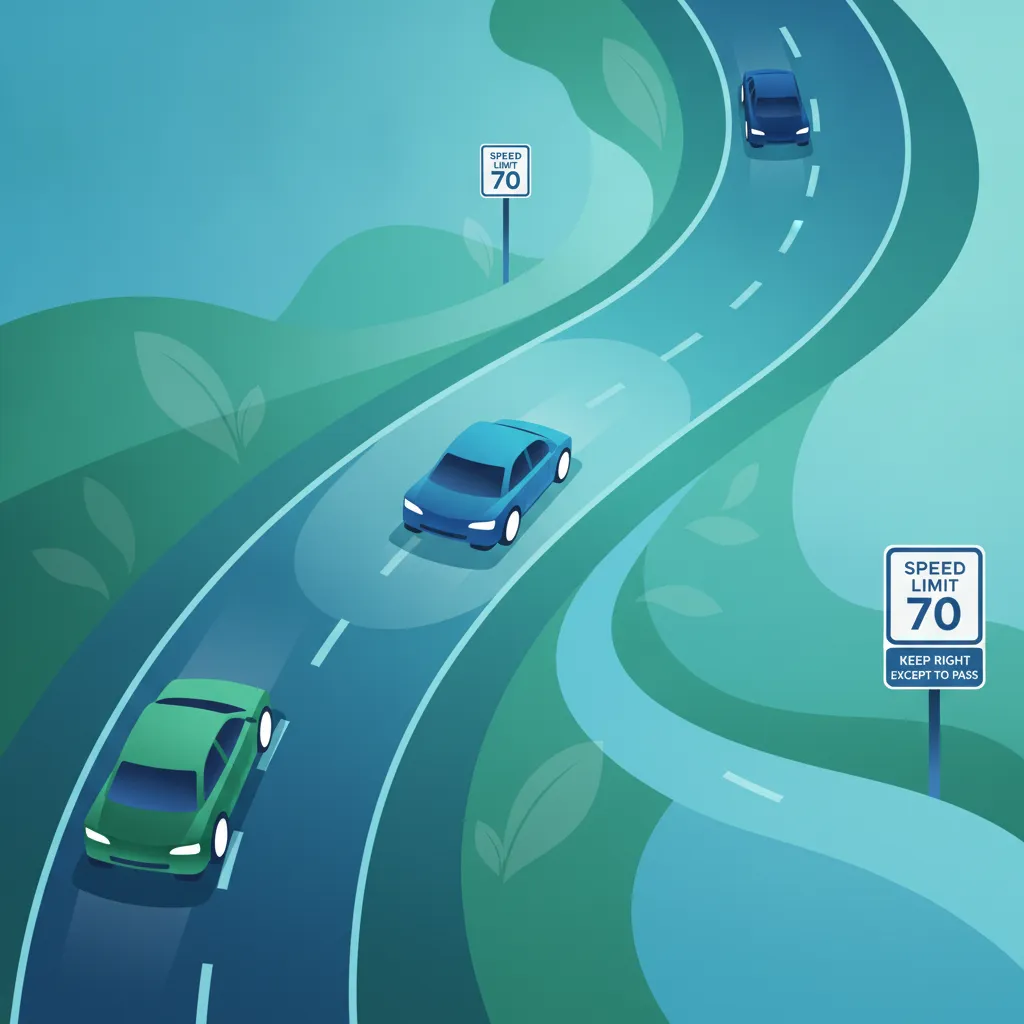
This lesson explains the specific rules, driving etiquette, and safety protocols for operating a vehicle on high-speed Turkish motorways. It covers correct lane usage, overtaking procedures, emergency lane restrictions, and how to maintain consistent high speeds safely. Drivers will learn to avoid dangerous tailgating and sudden lane changes.
Learners will gain insight into the unique challenges posed by motorcycles and scooters sharing the road with passenger vehicles. The lesson highlights the importance of checking blind spots, maintaining safe following distances, and being aware of the faster acceleration and maneuverability of two-wheeled vehicles. Strategies for anticipating their movements and preventing collisions are discussed.

In this lesson, learners will explore the core obligations of a motorcyclist, emphasizing the necessity of adhering to traffic laws and maintaining respectful conduct toward all road participants. The discussion will focus on the principles of defensive riding, where anticipation of hazards and courteous behavior are paramount. Ethical decision-making will be highlighted as a key factor in preventing accidents and fostering a positive traffic environment.
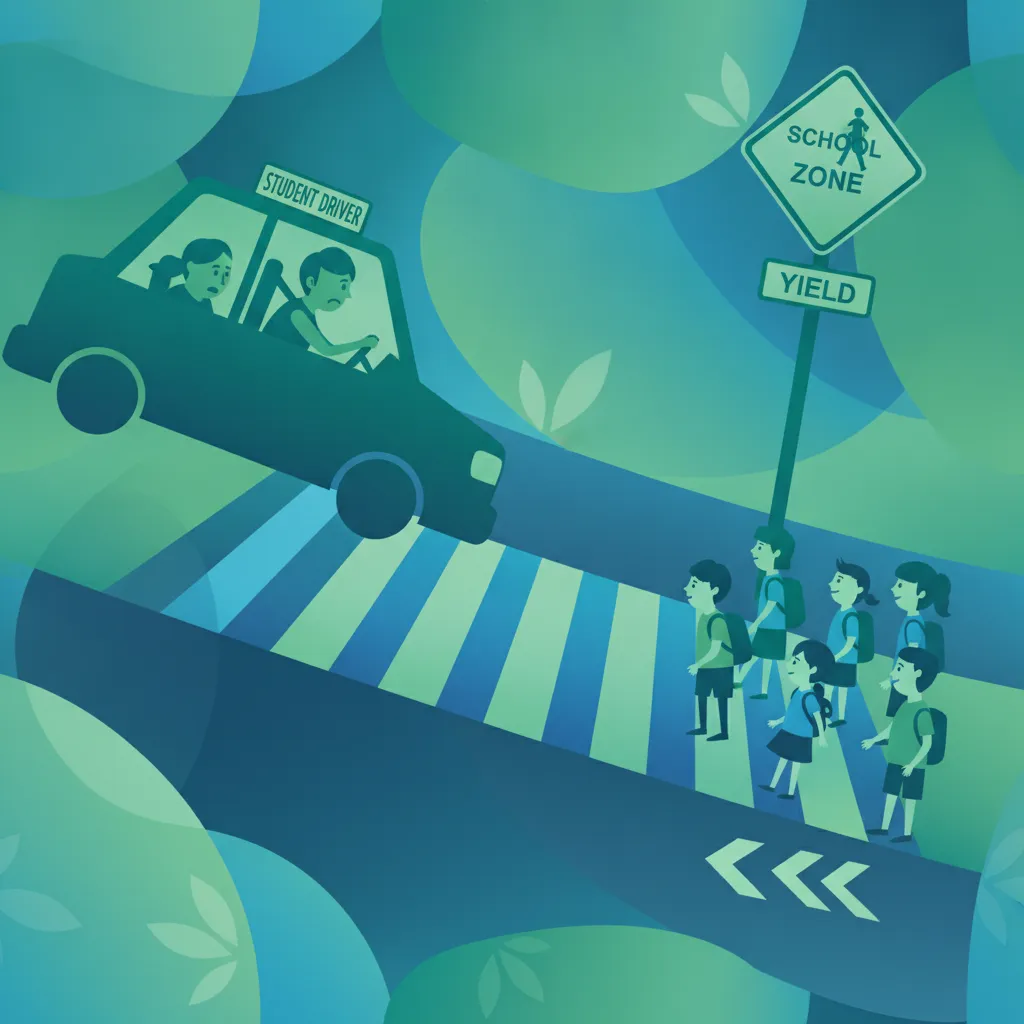
Focusing on pedestrian safety, this lesson addresses the unique considerations motorcyclists must take when approaching zebra crossings, traffic signal-controlled pedestrian crossings, and designated school zones. Learners will understand the legal obligations to yield to pedestrians, especially children, and the importance of reducing speed in these high-risk areas. The lesson also provides practical tips for ensuring visibility.
In this lesson, learners will gain comprehensive knowledge of safe overtaking maneuvers during riding, emphasizing the importance of assessing traffic flow, checking blind spots, and signaling intentions. The content covers overtaking strategies on both straight roads and curves, considering visibility and speed differentials. By mastering these techniques, motorcyclists can execute overtaking safely.
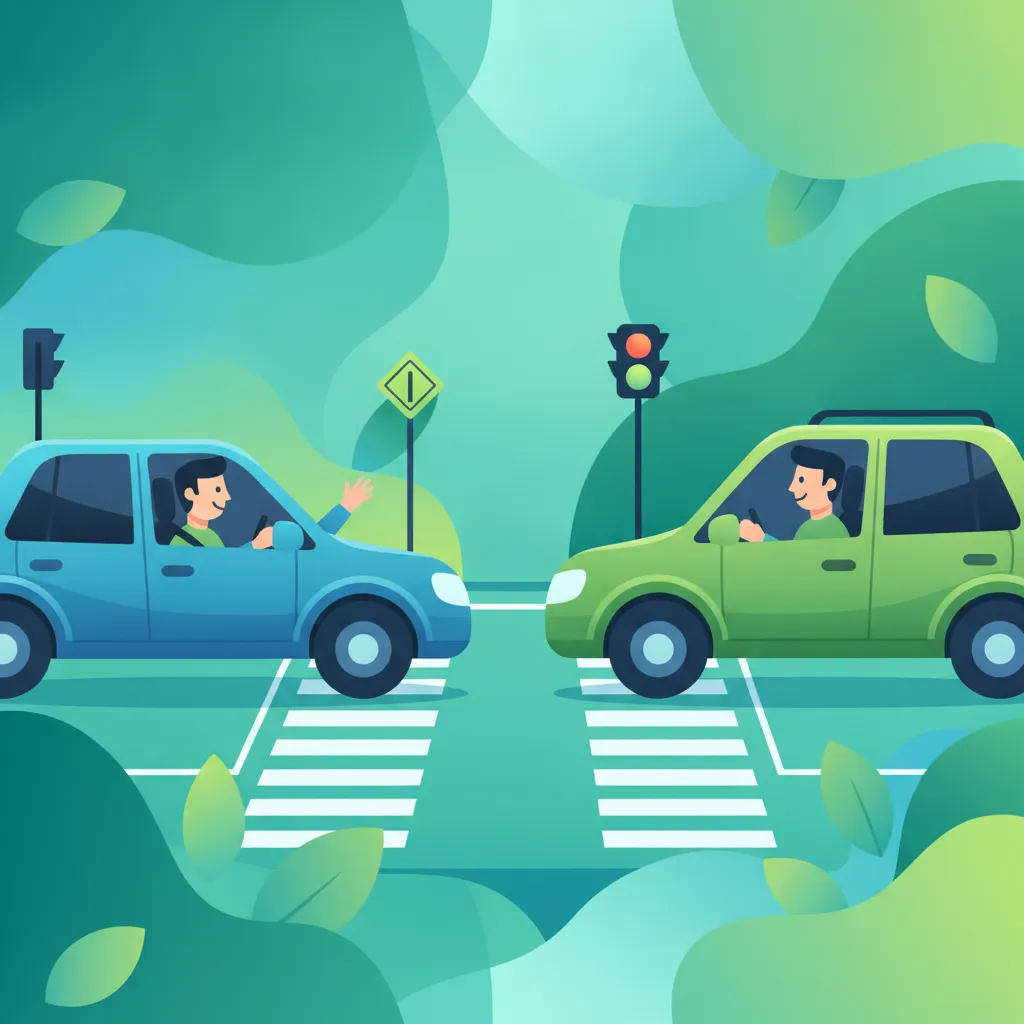
Riding an exposed lightweight vehicle in busy Turkish cities requires exceptional personal conduct, patience, and absolute control over your emotional reactions. This lesson discusses the psychological aspects of riding, teaching you how to avoid aggressive behaviors and stay calm under stressful traffic situations. It covers proper non-verbal communication, polite road sharing practices, and maintaining safe buffers from other motorists to establish a safe, predictable presence on any public street.
In this lesson, learners explore the unique challenges and safety considerations related to motorcyclists and scooter riders. Topics include the importance of visibility, the use of protective gear, and the need for drivers to be aware of blind spots. The lesson also covers lane discipline for two-wheeled vehicles and safe overtaking practices.
Human error and deliberate risk-taking represent the leading causes of traffic collisions among novice moped riders. This lesson analyzes the high dangers of using mobile phones while riding, weaving unsafely between lanes, and tailgating other motorists. It also covers the severe legal limits on alcohol and drug consumption under Turkish law, explaining how even minor impairments can drastically slower your hazard response times and lead to catastrophic accidents.
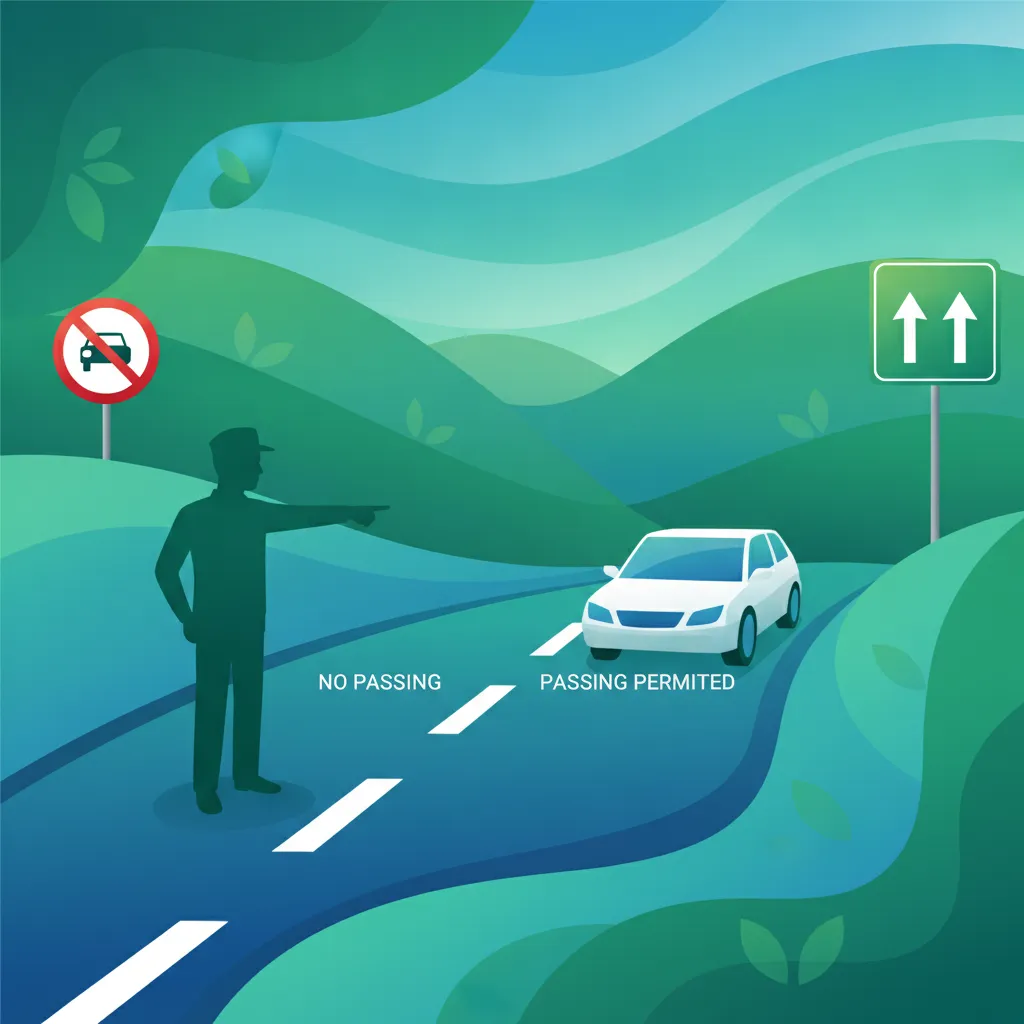
This lesson covers the various road surface markings that motorcyclists must be aware of, such as lane lines, turn arrows, and dedicated bike lanes. It explains how to interpret solid and broken lines, the meaning of specific arrows for turning or lane changes, and the significance of pedestrian crossing markings. Understanding these visual cues is essential for maintaining lane discipline and performing safe road maneuvers.
Find clear answers to common questions learners have about Night Riding Visibility and Safety. Learn how the lesson is structured, which driving theory objectives it supports, and how it fits into the overall learning path of units and curriculum progression in Turkey. These explanations help you understand key concepts, lesson flow, and exam focused study goals.
Reflective gear significantly increases your silhouette to other drivers, especially at night when headlights are the only light source. In the Turkish theory exam, you must recognize that being seen is just as important as seeing the road.
A dirty or scratched visor causes light from oncoming traffic to scatter, creating dangerous glare that can blind you temporarily. Always keep your visor clean and free of scratches to maintain clear visibility at night.
At night, your perception of depth and distance is reduced, which can delay your reaction time when an obstacle appears. You should increase your following distance and lower your speed compared to daytime riding to compensate for the reduced reaction time.
Yes, motorcycles must have functional headlights and taillights at all times. Under Turkish law, you must ensure your lights are properly aimed and working correctly to illuminate the road ahead without blinding oncoming traffic.
Use our comprehensive practice search to find exactly the Turkish driving theory questions you need to master. Whether reviewing specific road signs, traffic rules, or first aid scenarios, select your perfect practice set and boost your confidence for the official ehliyet sınavı.